
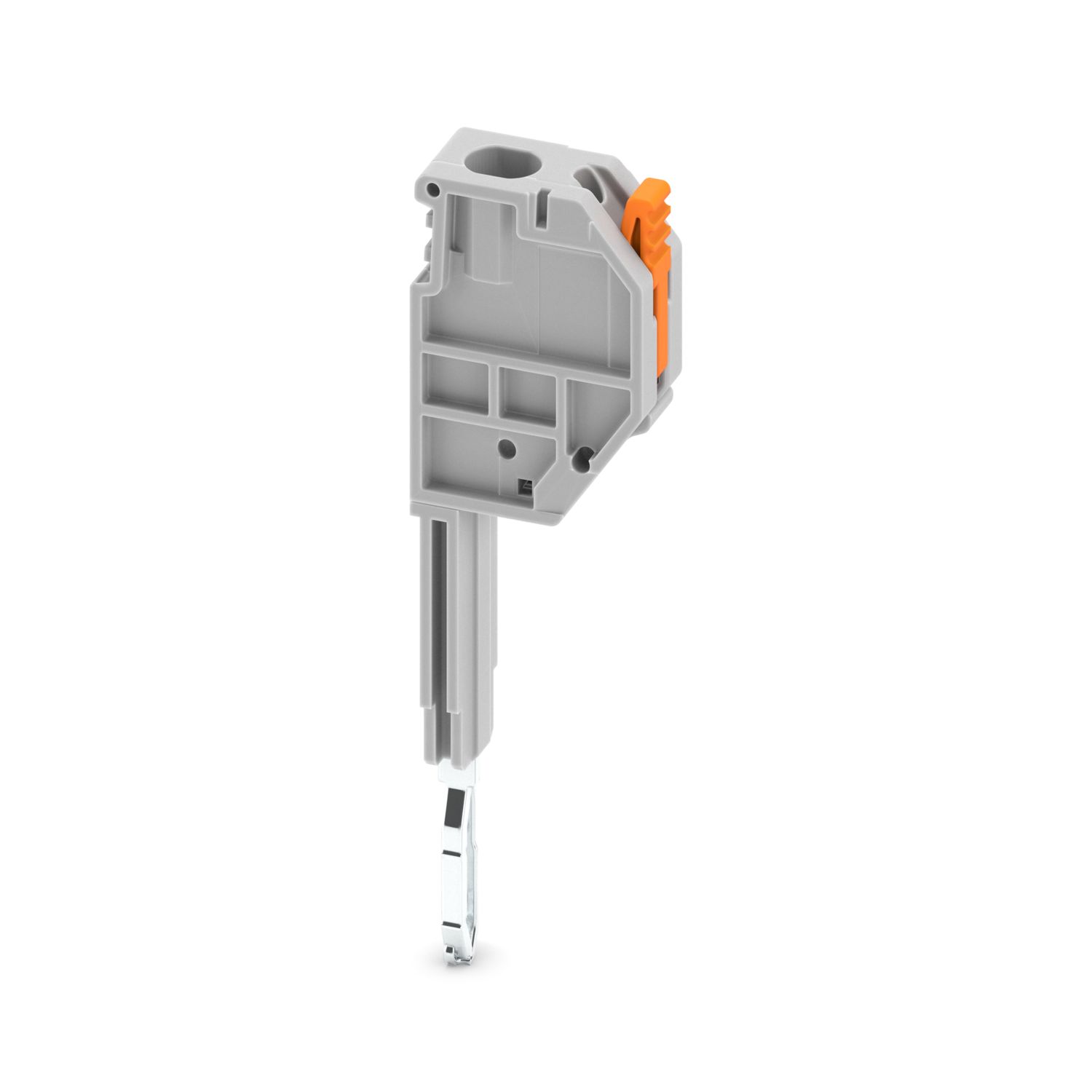
PTCB BE PT 6
-
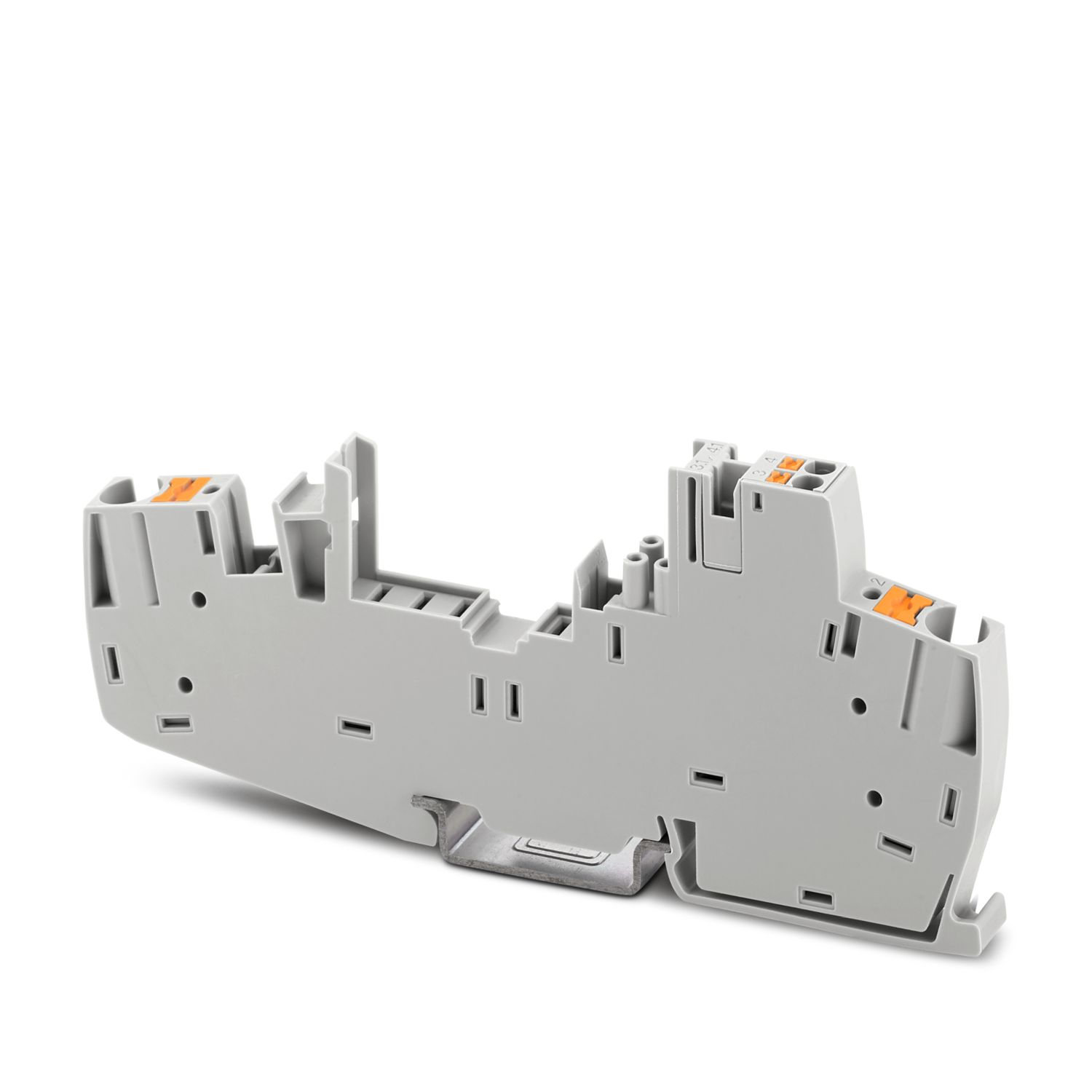
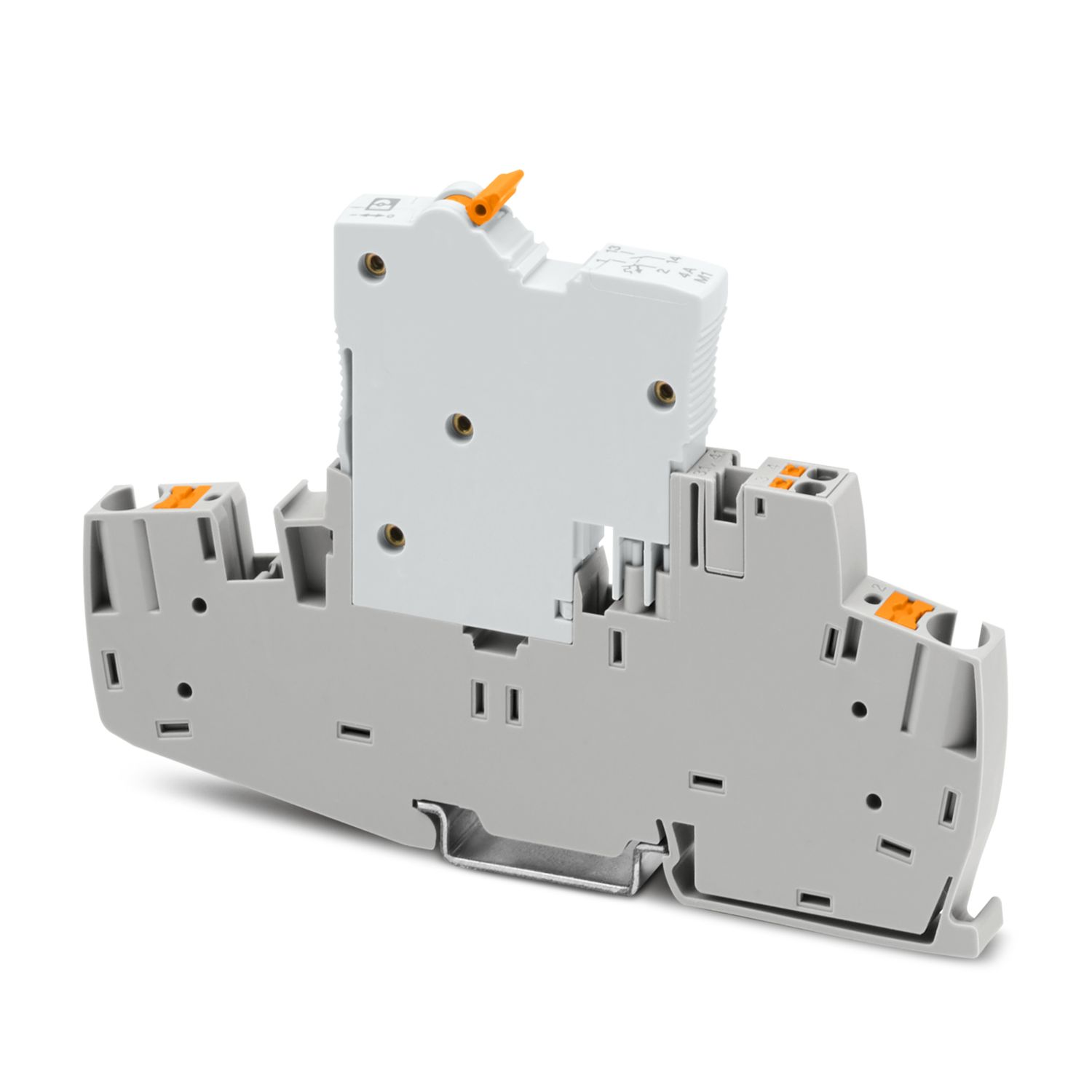
베이스 부품
1567576
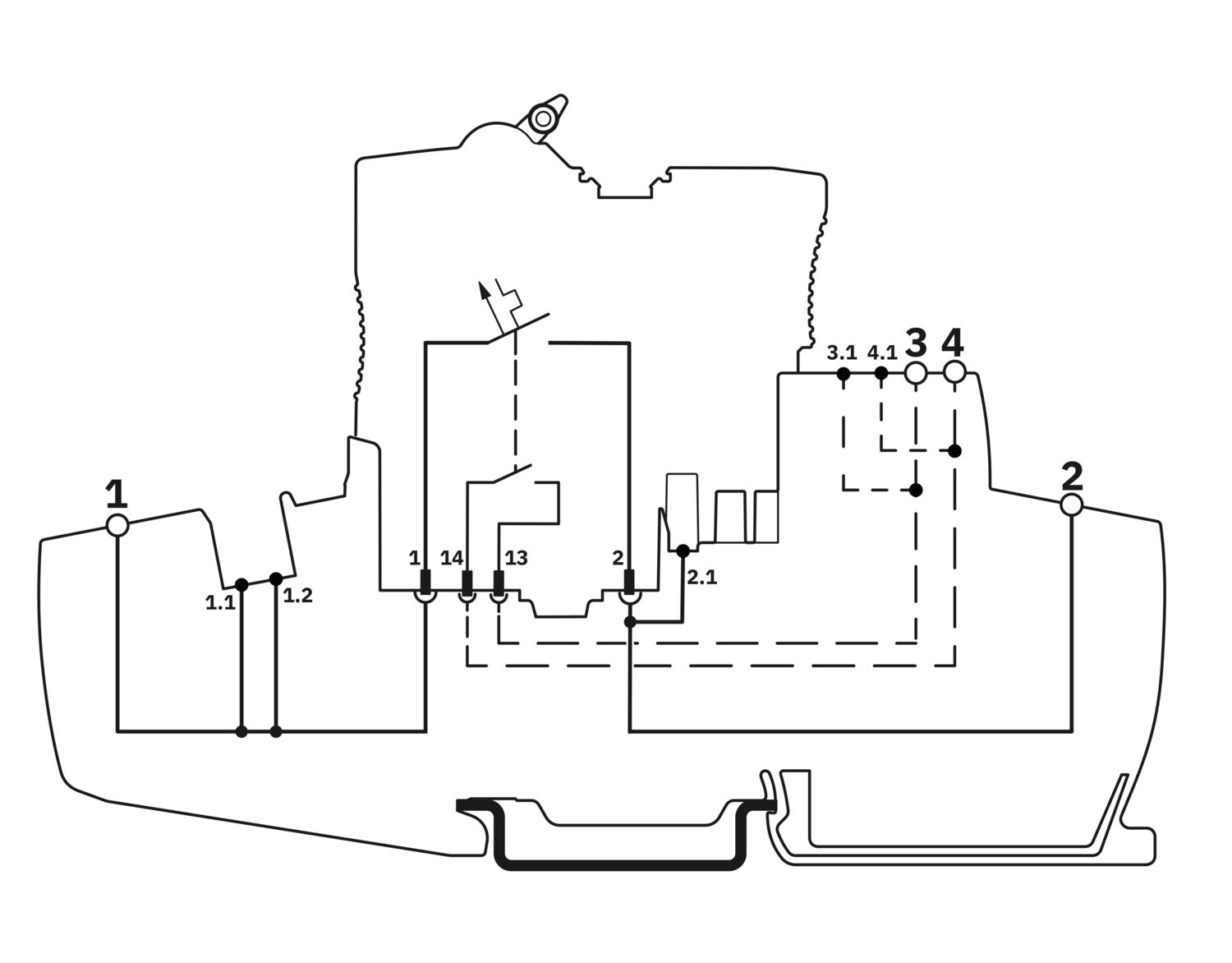
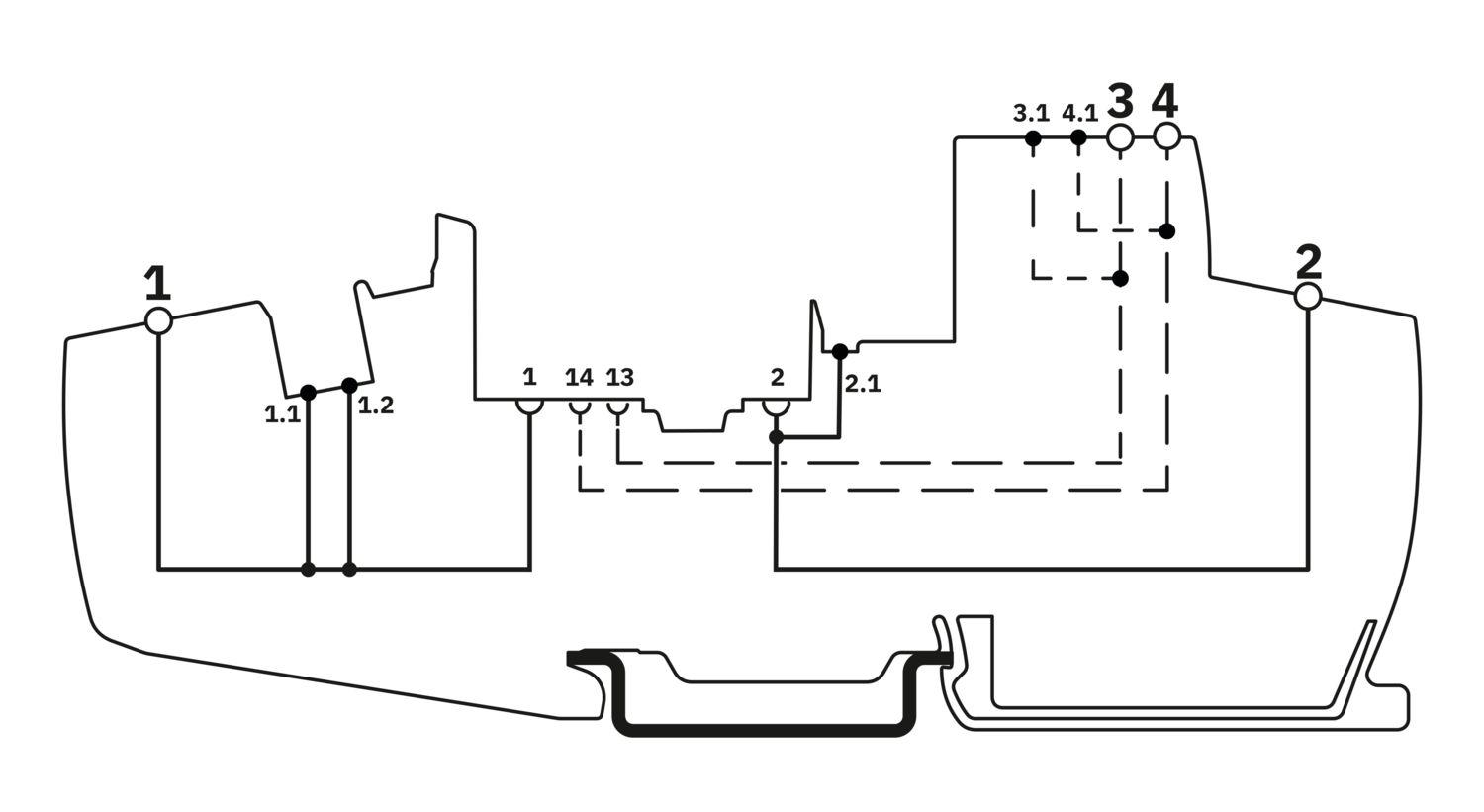
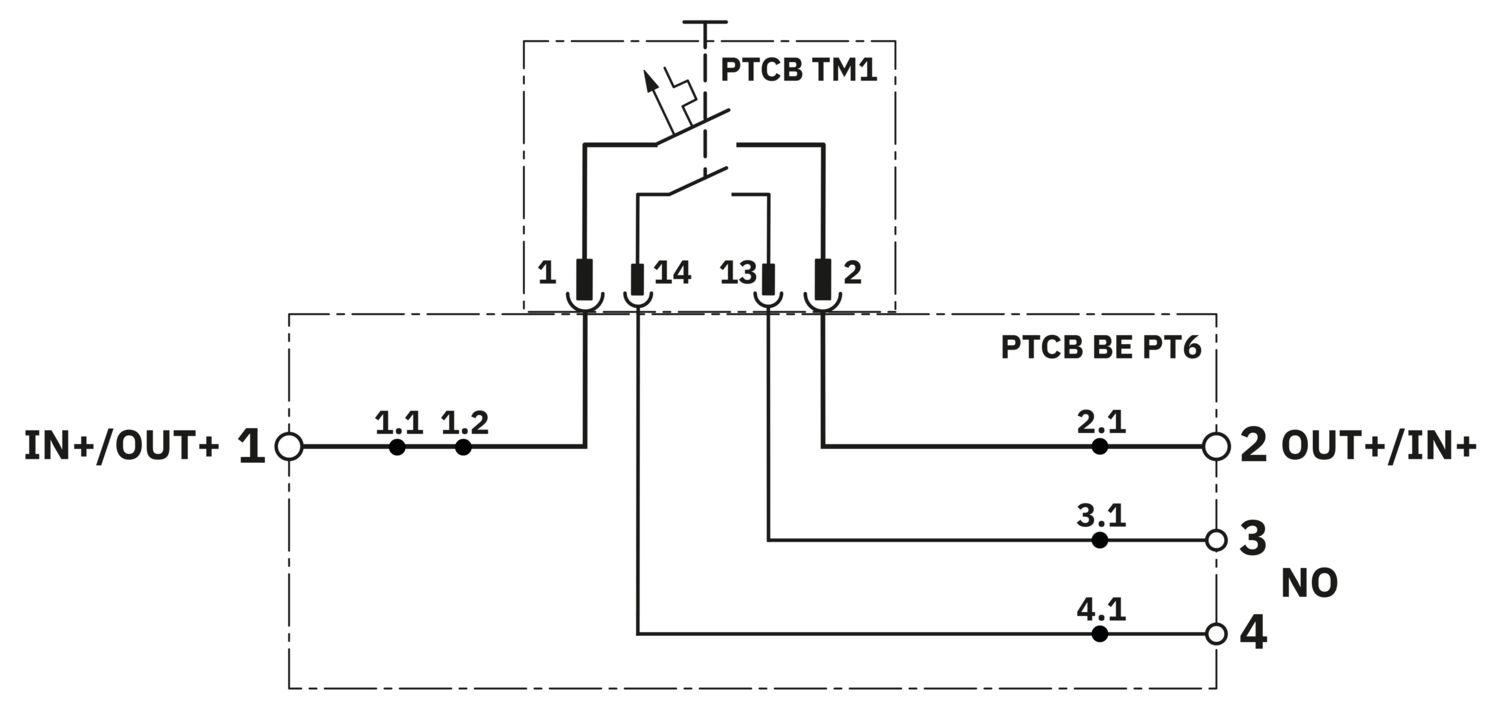
제품의 세부 정보
| 일반 | |
| 참고 | 베이스 부품에는 전자 회로가 포함되어 있지 않습니다. |
| 제품 타입 | 베이스 부품 |
| 기계적 서비스 수명 | 25 번의 삽입 싸이클 |
| 절연 특성 | |
| 과전압 카테고리 | II (250 V AC / IEC 60934) |
| III (UL 1077, UL 1059) | |
| III (80 V DC / IEC 60934) | |
| 오염도 | 2 (250 V AC / IEC 60934) |
| 3 (UL 1077, UL 1059) | |
| 일반 | |
| 정격 전압 | 240 V AC (IEC 60934) |
| 277 V AC (UL 1077) | |
| 277 V AC (UL 1059) | |
| 56 V DC (IEC 60934) | |
| 56 V DC (UL 1077) | |
| 56 V DC (UL 1059) | |
| 정격 절연 전압 Ui | 250 V AC (IEC 60934) |
| 80 V DC (IEC 60934) | |
| 277 V AC (UL 1077) | |
| 277 V AC (UL 1059) | |
| 정격 전류 IN | 31 A (UL 1059, 장치 회로 차단기 없음) |
| 16 A (메인 접점 1-2, UL 1077 및 IEC 60934) | |
| 1 A (보조 접점 3-4, 장치 회로 차단기 없음) | |
| 정격 서지 전압 | 2.5 kV (IEC 60934, 부하와 보조 회로 간 절연 강화) |
| 절연 저항 Riso: | > 100 MΩ (500 V DC) |
| 절연 내력 | 3000 V AC (부하 회로 1-2 및 보조 회로 3-4 사이) |
| 1554 V AC (개방 부하 접점 1-2 및 보조 접점 3-4 사이) | |
| 인디케이터/원격 시그널링 | |
| 연결 이름 | 연결 3 / 4 |
| 연결 1 / 2 | |
| 연결 타입 | 푸쉬인 연결 |
| 스트리핑 길이 | 12 mm |
| 연선 케이블 사이즈 | 0.5 mm² ... 10 mm² |
| 단선 케이블 사이즈 | 0.5 mm² ... 10 mm² |
| 1 mm² ... 10 mm² (다이렉트 플러그-인) | |
| AWG 케이블 사이즈 | 20 ... 8 |
| 케이블 사이즈, 연선, 페룰 있음, 플라스틱 슬리브 있음 | 0.5 mm² ... 6 mm² |
| 1 mm² ... 6 mm² (다이렉트 플러그-인) | |
| 케이블 사이즈 연선, 플라스틱 슬리브가 없는 페룰 있음 | 0.5 mm² ... 6 mm² |
| 1 mm² ... 6 mm² (다이렉트 플러그-인) | |
| 연결 3 / 4 | |
| 연결 타입 | 푸쉬인 연결 |
| 스트리핑 길이 | 8 mm |
| 연선 케이블 사이즈 | 0.14 mm² ... 1.5 mm² |
| 단선 케이블 사이즈 | 0.14 mm² ... 1.5 mm² |
| AWG 케이블 사이즈 | 26 ... 16 |
| 케이블 사이즈, 연선, 페룰 있음, 플라스틱 슬리브 있음 | 0.14 mm² ... 1 mm² |
| 케이블 사이즈 연선, 플라스틱 슬리브가 없는 페룰 있음 | 0.14 mm² ... 1.5 mm² |
| 치수 도면 |
|
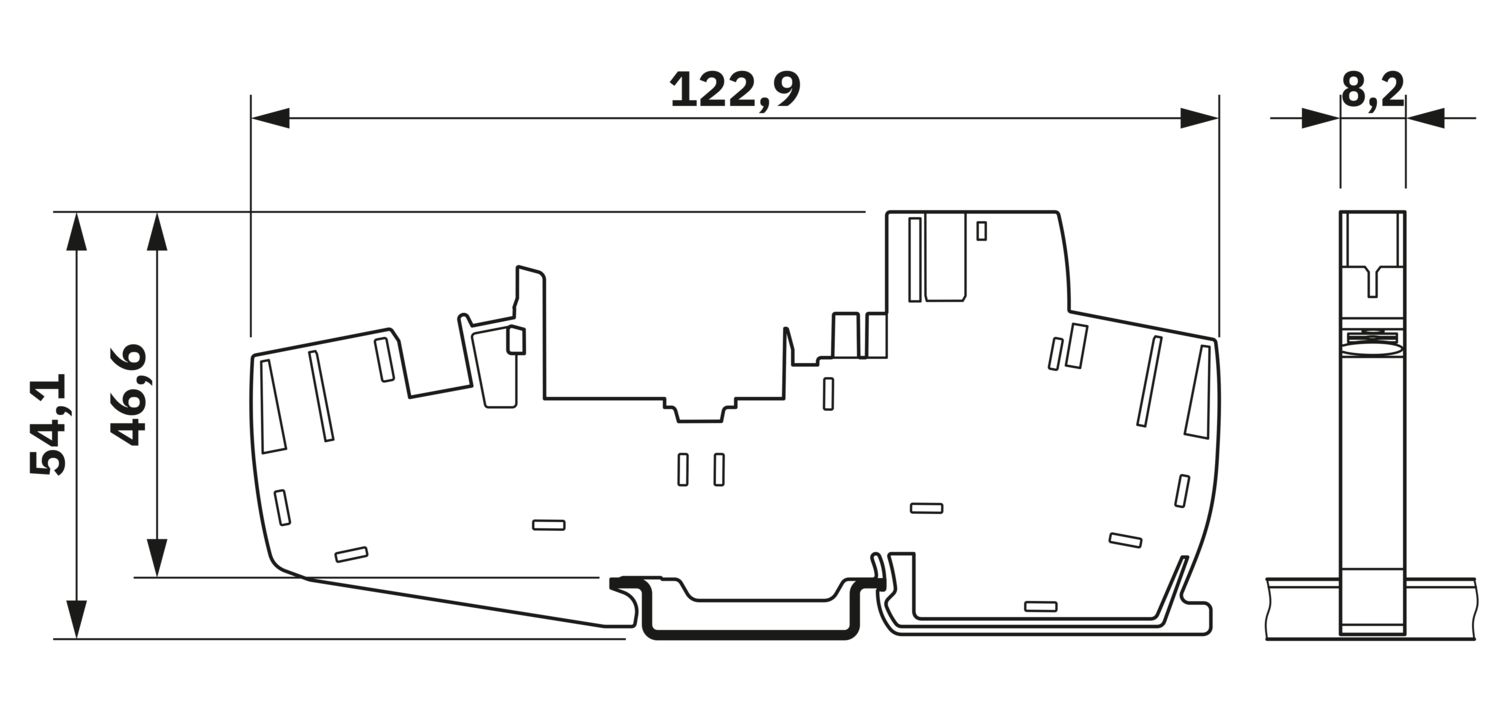
| 폭 | 8.2 mm |
| 높이 | 122.9 mm |
| 깊이 | 54.1 mm |
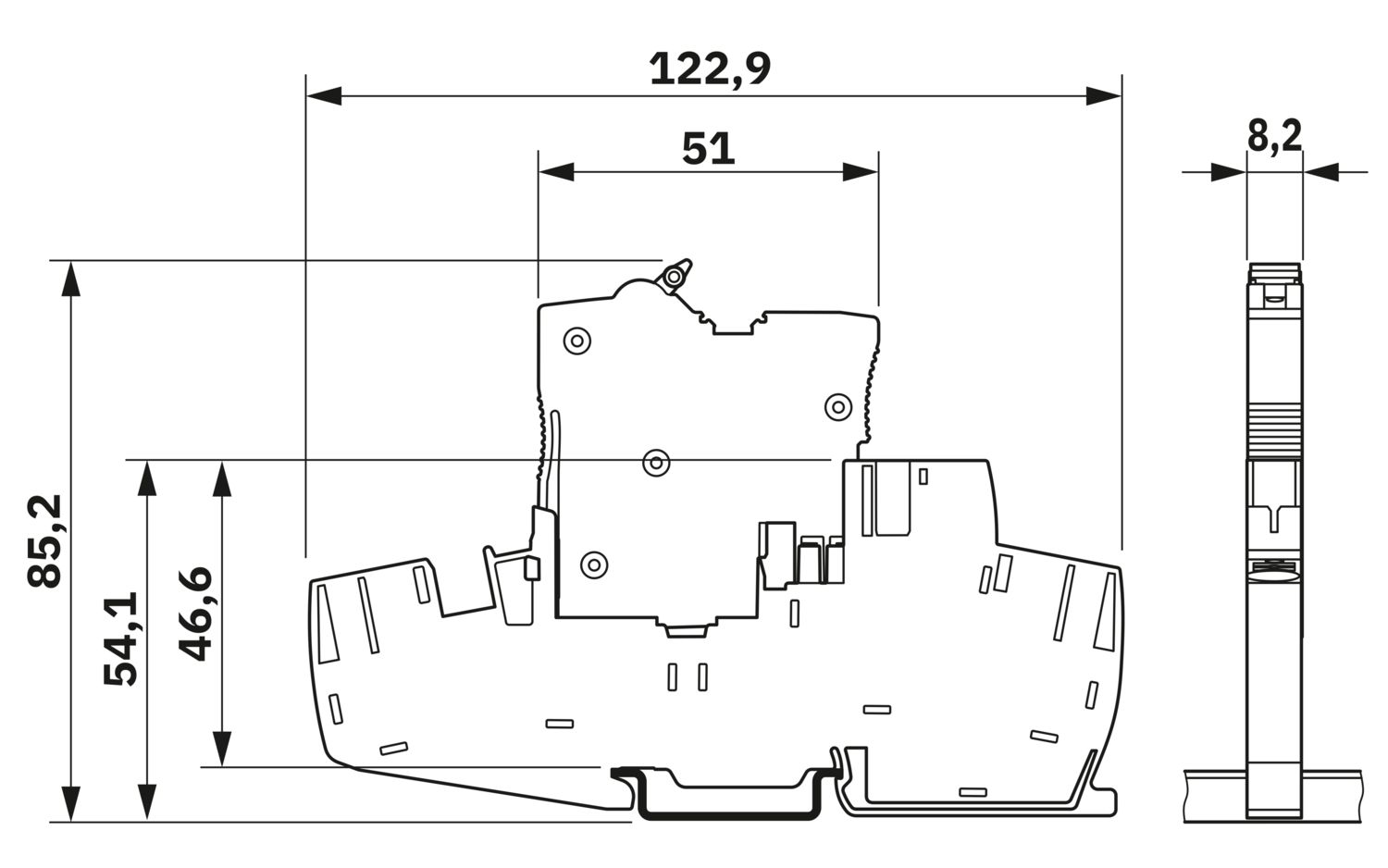
| 컴플리트 모듈 폭 | 8.2 mm |
| 컴플리트 모듈 높이 | 122.9 mm |
| 컴플리트 모듈 깊이 | 85.2 mm |
| 색상 | 회색 (RAL 7042) |
| 소재 | PA |
| UL 94에 따른 난연성등급 | V-0 |
| 플라스틱 소재 | I |
| 기계적 데이터 | |
| 개방형 측면 패널 | 아니오 |
| 주변 조건 | |
| 보호 수준 | IP20 |
| 주변 온도(작동) | -30 °C ... 60 °C |
| 주변 온도(보관/운송) | -40 °C ... 80 °C |
| 고도 | ≤ 2000 m (250 V AC / IEC 60934) |
| 습도 테스트 | 96 h, 95 % RH, 40 °C |
| 충격(작동) | 30g (IEC 60068-2-27, 테스트 Ea) |
| 카테고리 1, 클래스 B (DIN EN 61373) | |
| 진동(작동) | 10 Hz ... 150 Hz, 20 번의 싸이클 (IEC 60068-2-6, 테스트 Fc) |
| 10 Hz ... 75 Hz (진폭 ±0.35 mm, IEC 60068-2-6, 테스트 Fc에 따름) | |
| 75 Hz ... 150 Hz (8g) | |
| 카테고리 1, 클래스 B (DIN EN 61373) | |
| UL 인증 | |
| 마킹 | UL Recognized UL 1059 |
| UL Recognized UL 1077 | |
| CSA, Canada | |
| 마킹 | CSA C22.2 No. 235-04 |
| 표준/사양 | IEC 60934 |
| 참고 | 2019 |
| 표준/사양 | UL 1077 |
| 참고 | 전기 장비용 추가 보호 장치 |
| 표준/사양 | UL 1059 |
| 참고 | 단자대 |
| 표준/사양 | CSA C22.2 No. 235-04 |
| 참고 | 2017 |
| 표준/사양 | IEC 60068-2-6 |
| 참고 | 환경 영향 – 진동(정현) |
| 표준/사양 | EN 60068-2-27 |
| 참고 | 환경 영향 – 충격 |
| 표준/사양 | EN 60068-2-78 |
| 참고 | 환경 영향 – 습기와 열, 일정 |
| 표준/사양 | DIN EN 50274 |
| 참고 | 터치 보호 및 손등 안전 |
| 표준/사양 | IEC 60529 |
| 참고 | 2019 |
| 표준/사양 | EN 61373 |
| 참고 | 철도 애플리케이션 - 철도 차량 장비 - 충격 및 진동 테스트 |
| 표준/사양 | EN 45545-2 |
| 참고 | 철도 애플리케이션 - 철도 차량에서의 화재 방지 - 파트 2: 소재 및 컴포넌트의 화재 시 거동에 대한 요구 사항 |
| 마운트 타입 | DIN 레일: TH 35 - 7.5 mm |
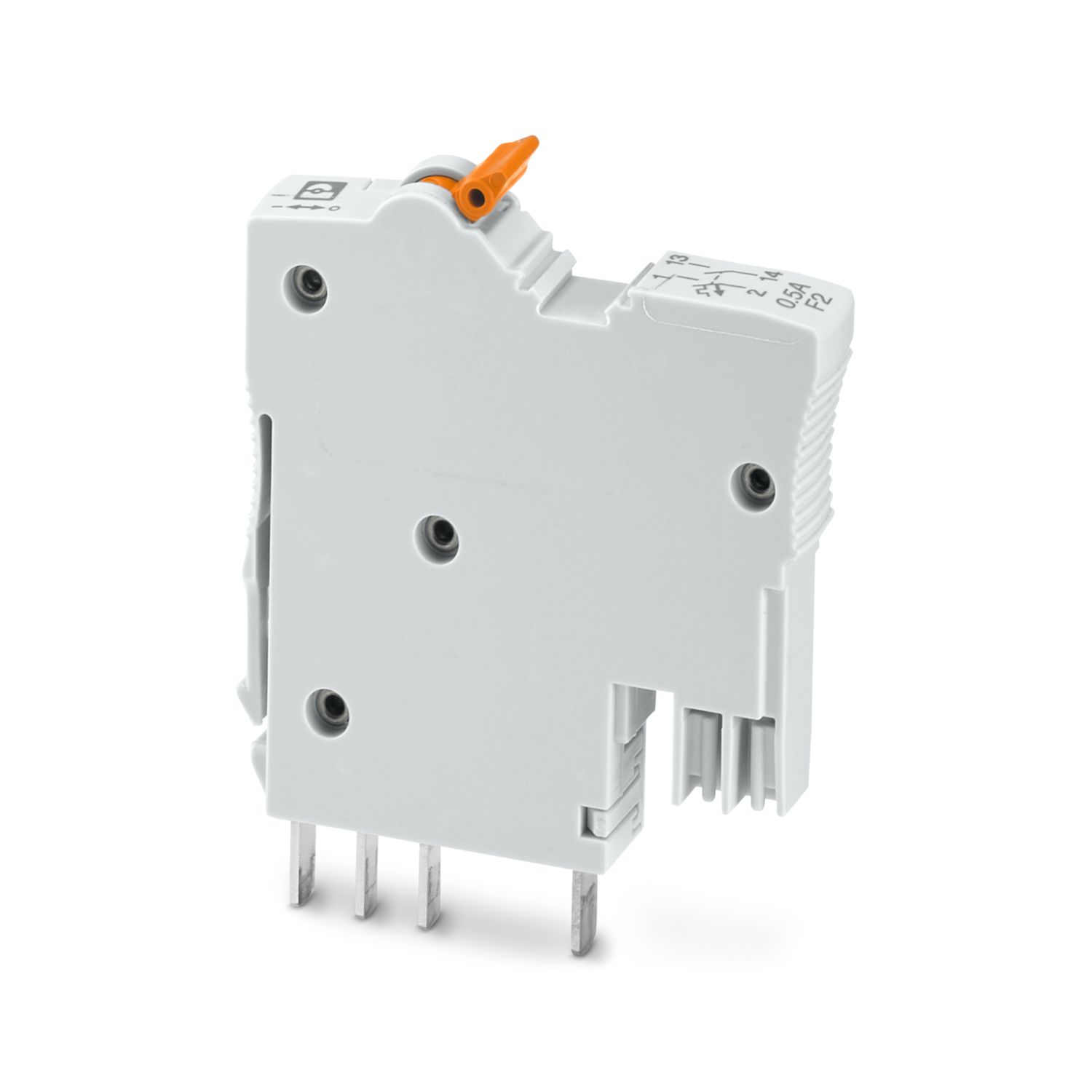


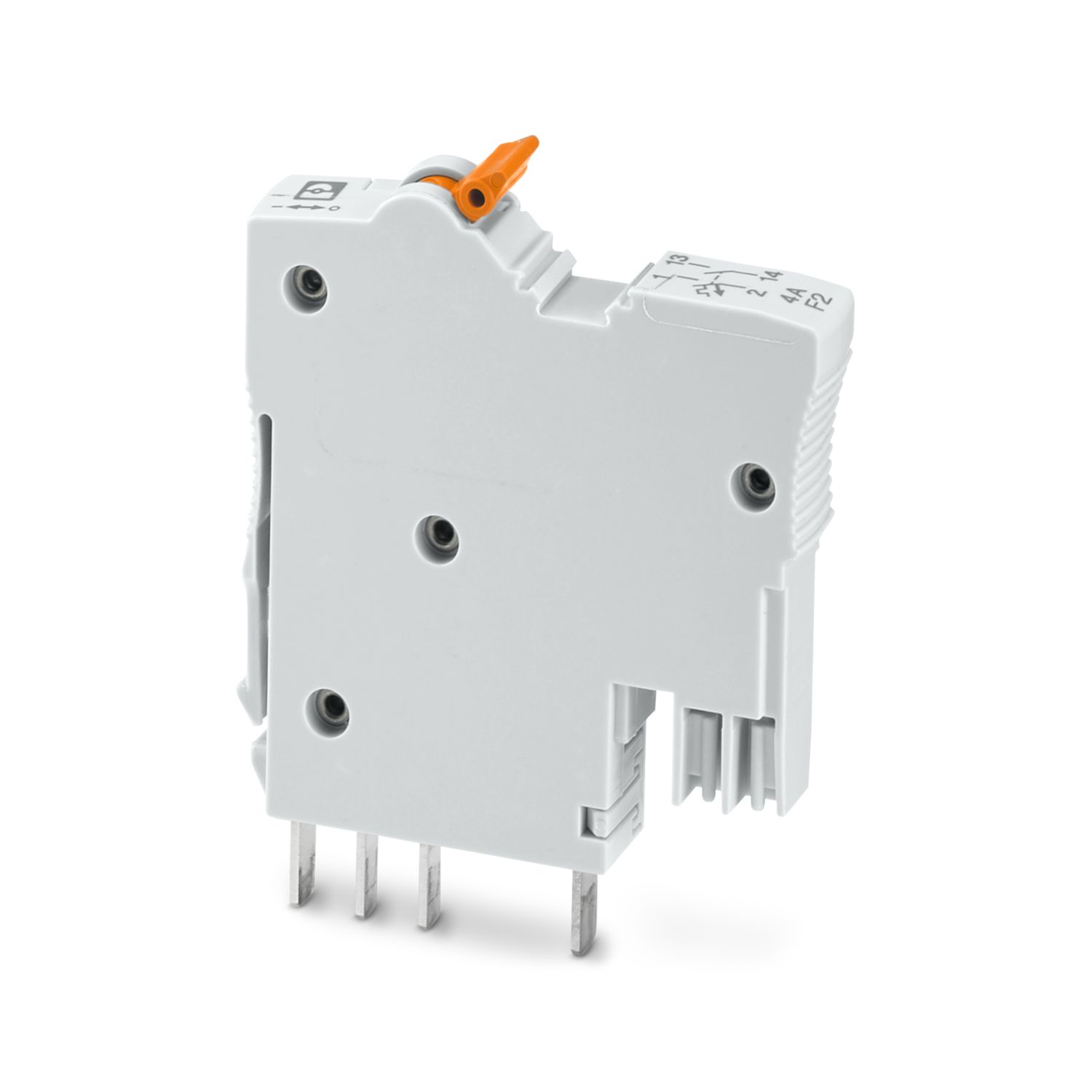


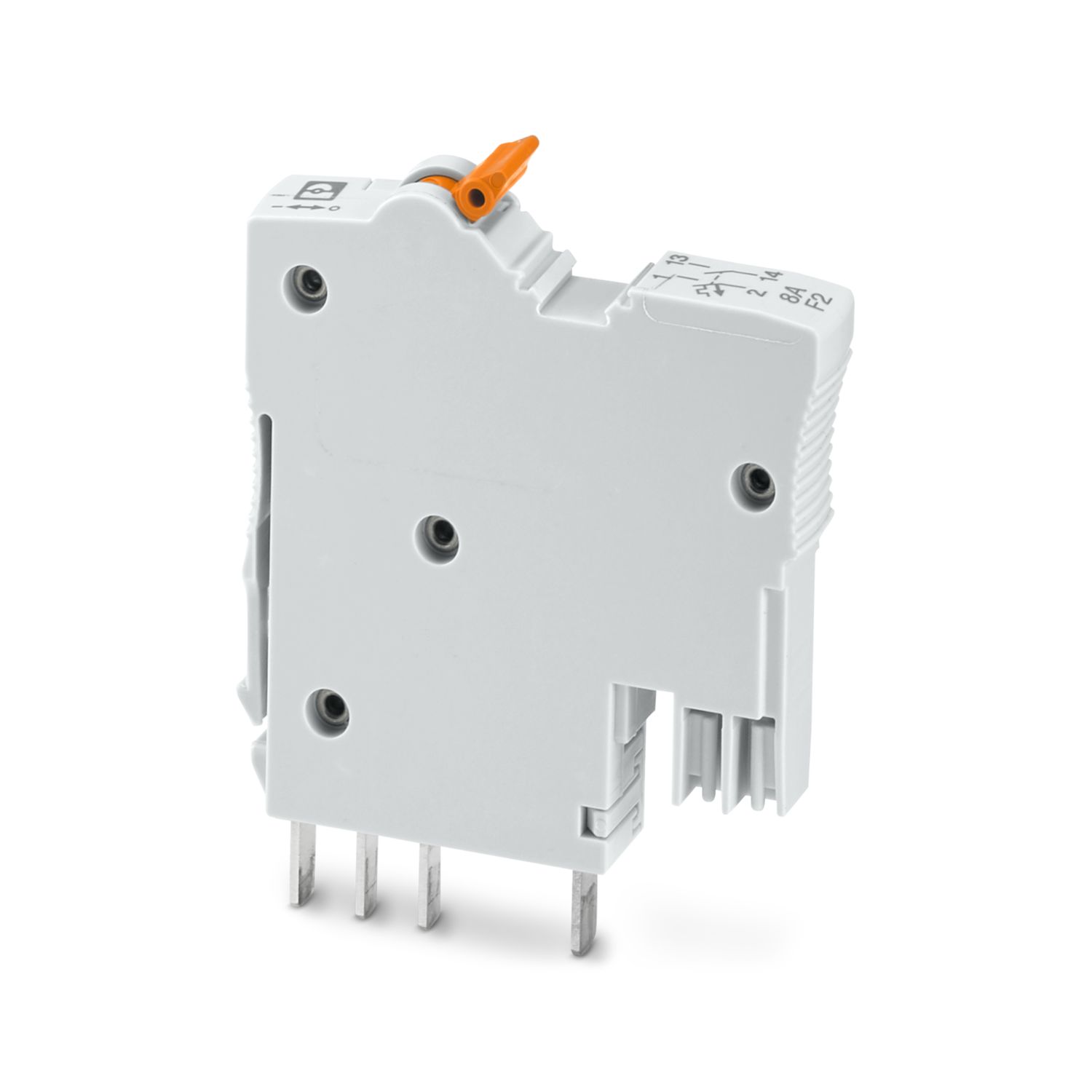


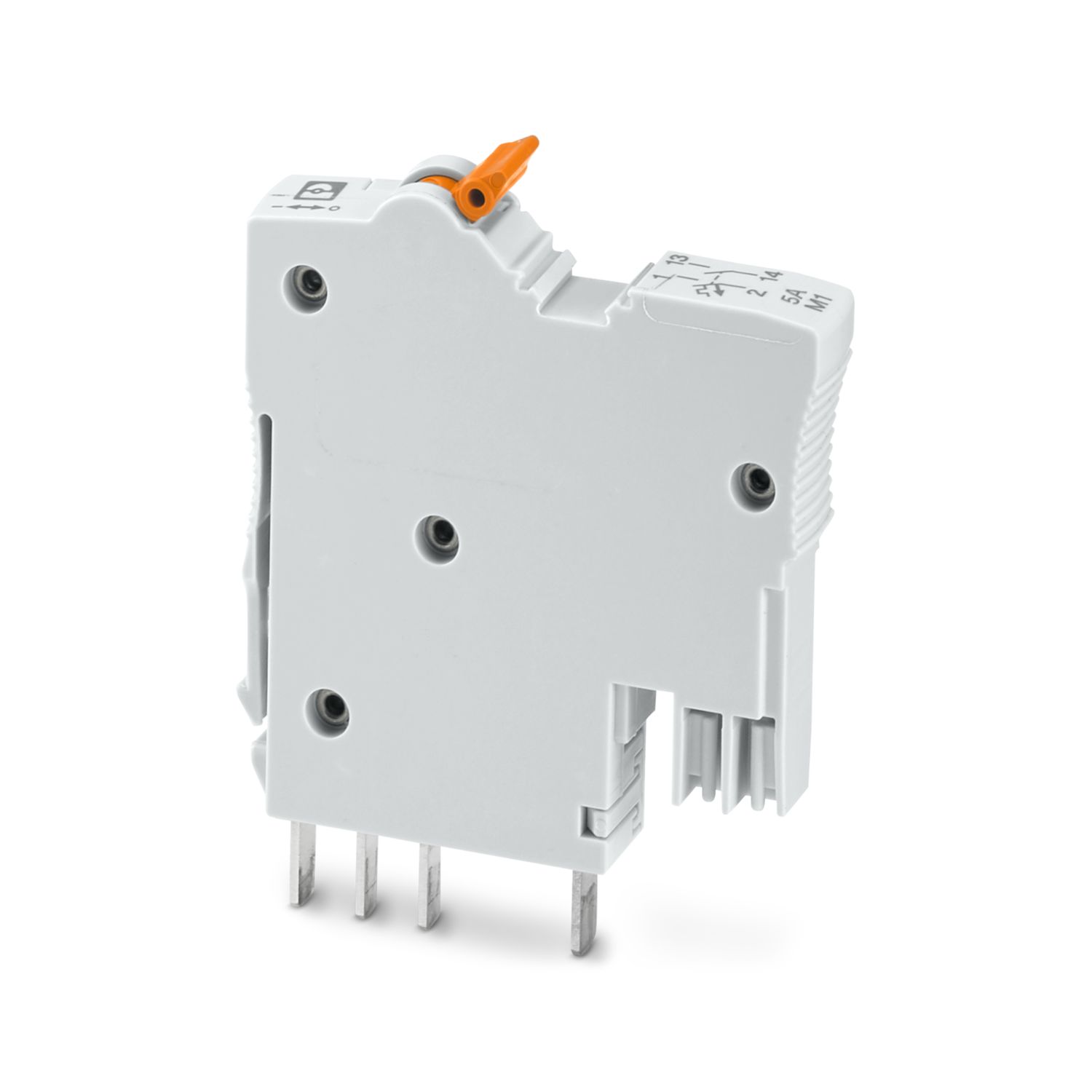
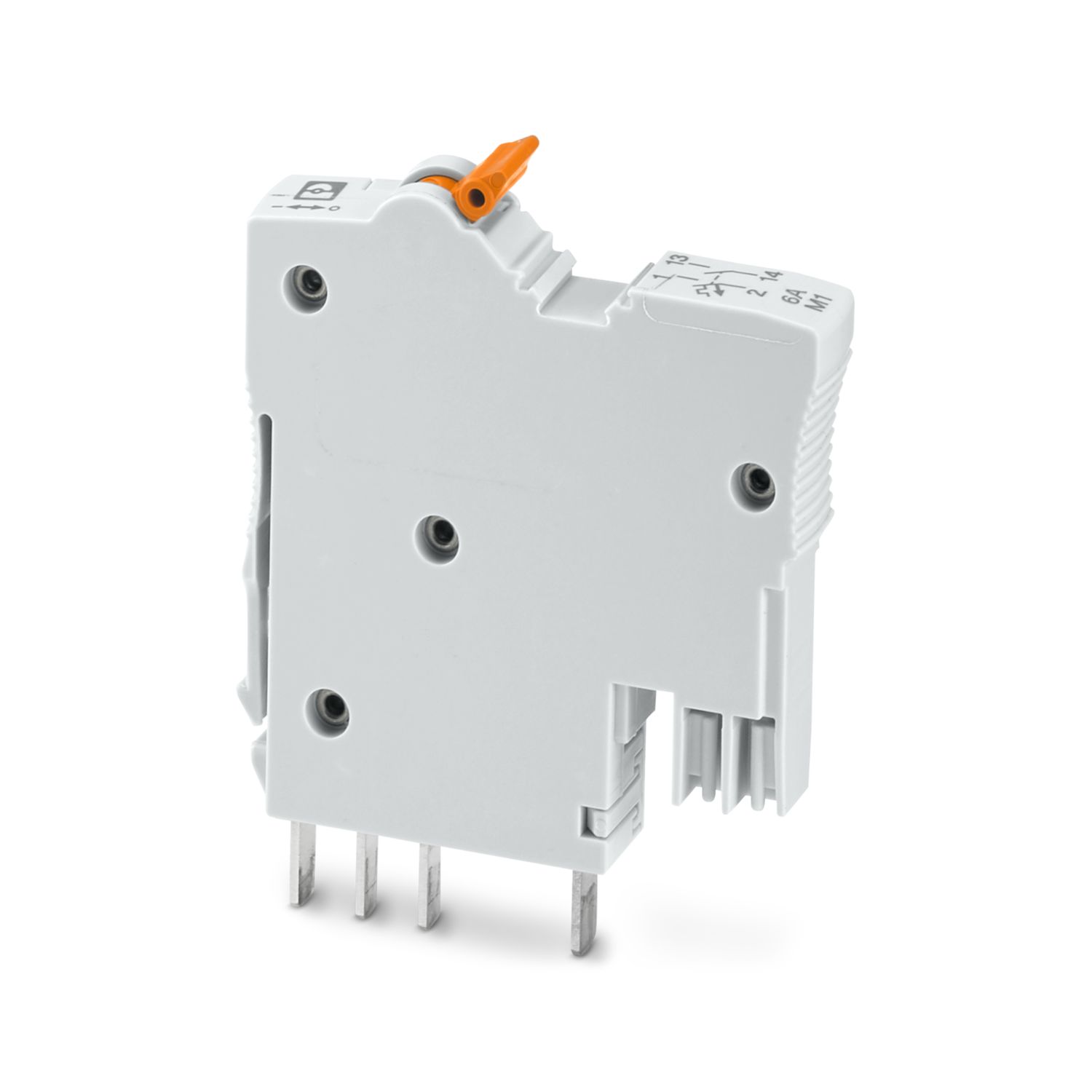

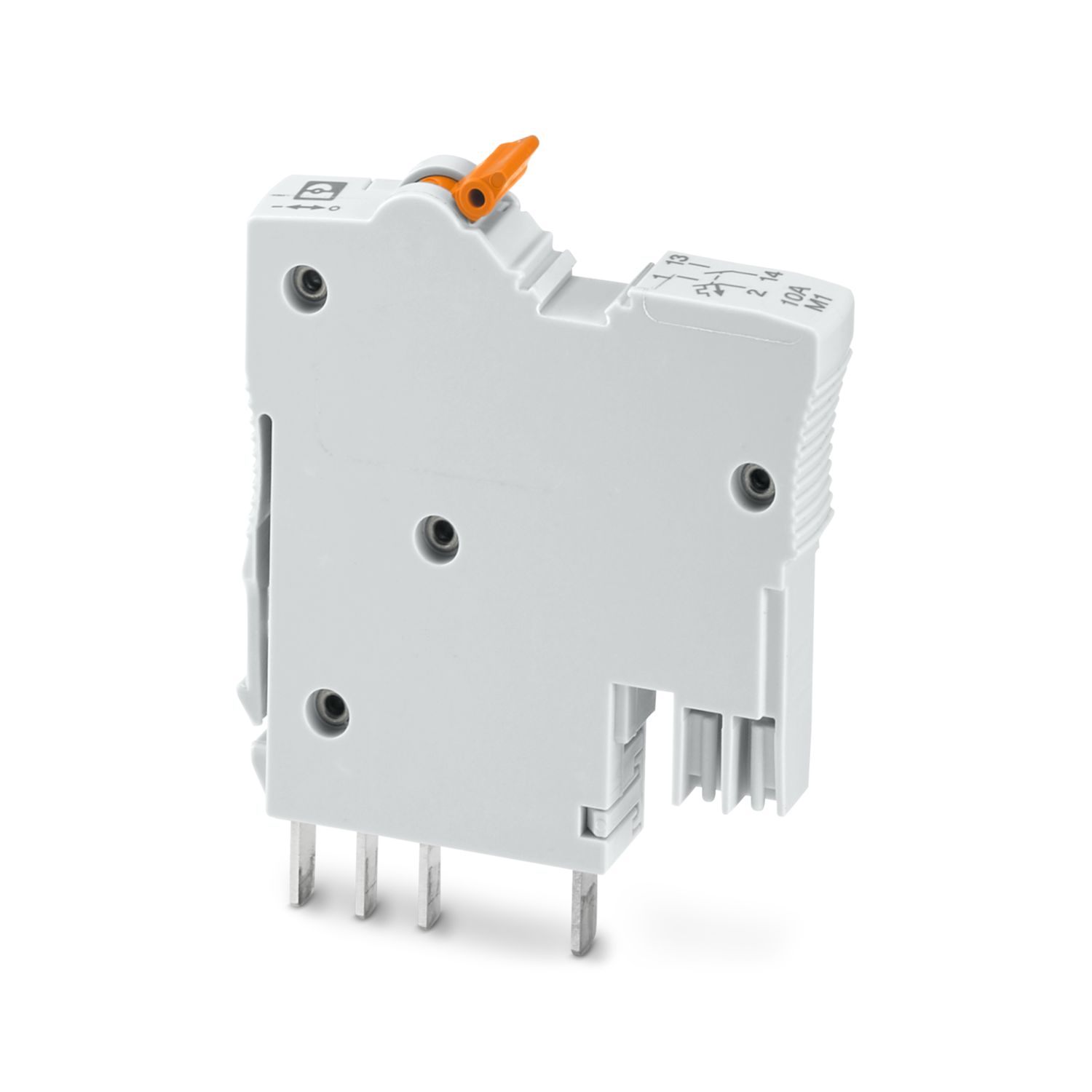


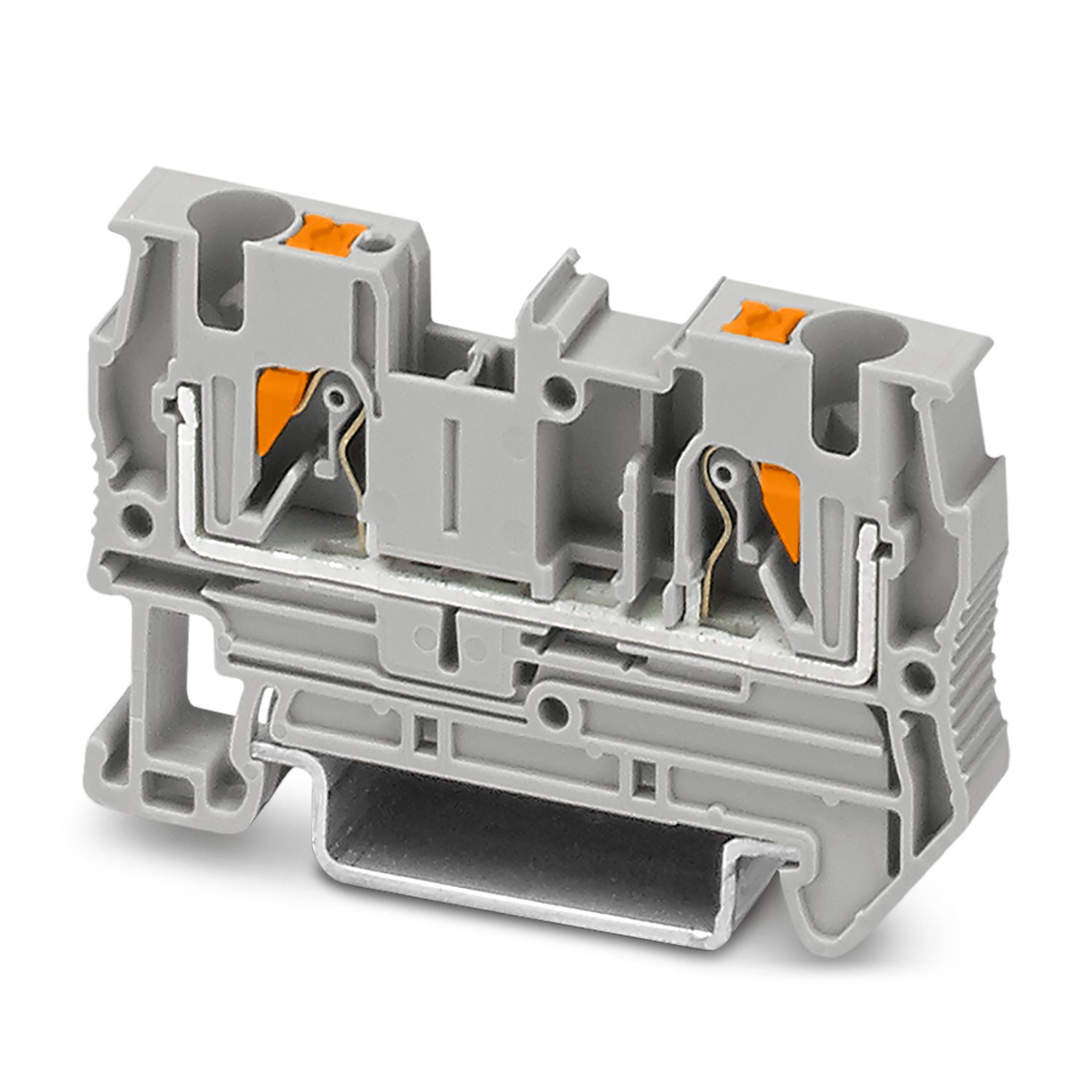
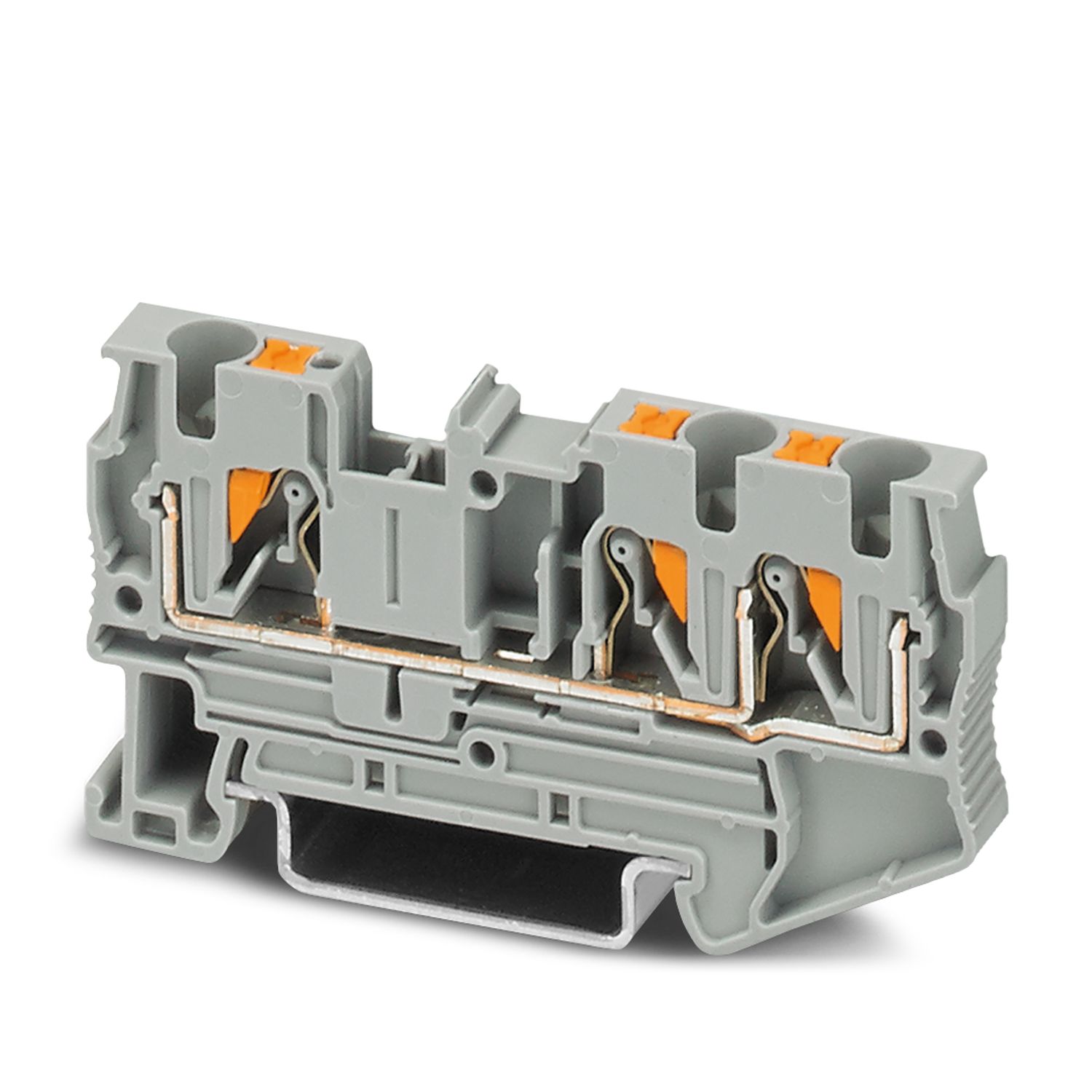
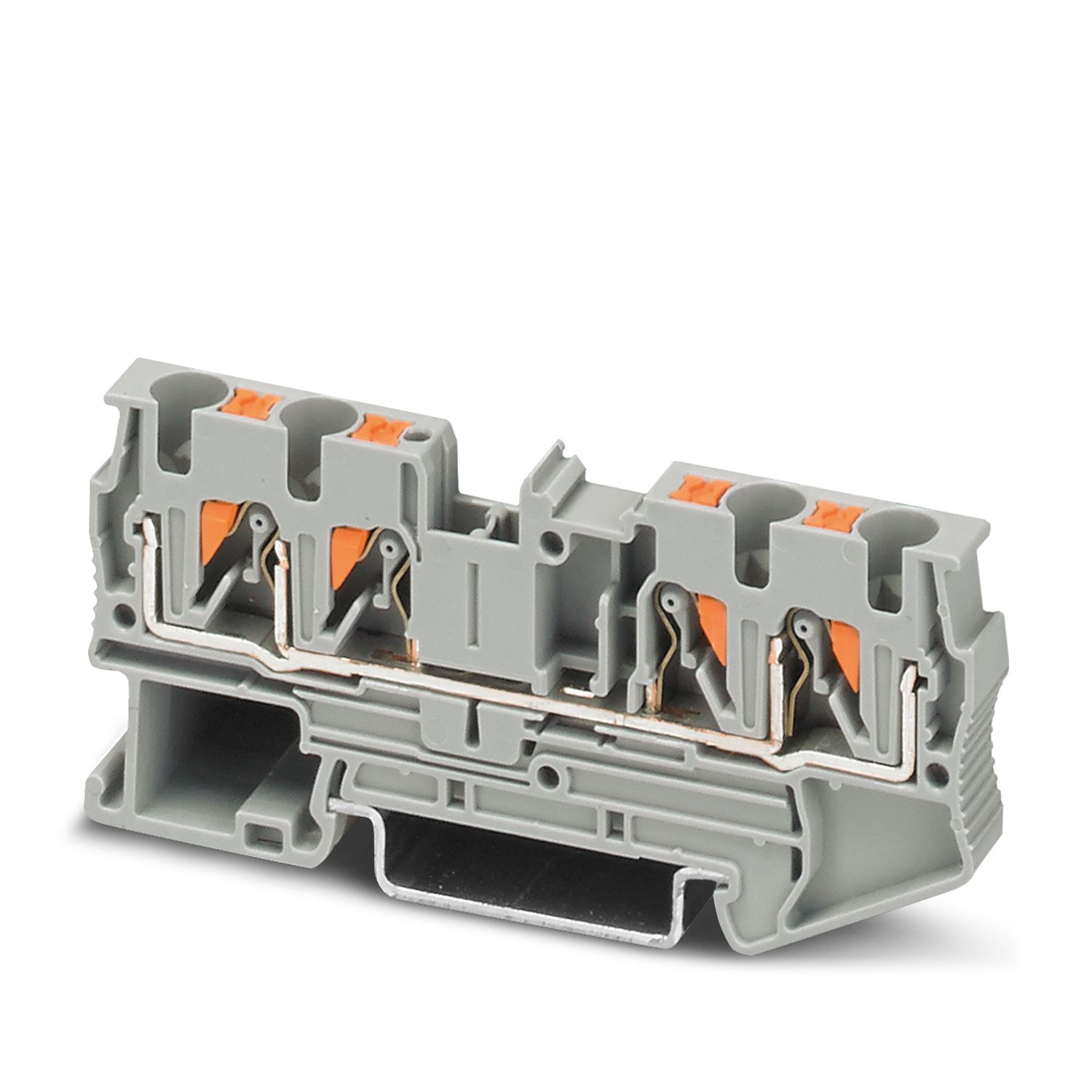
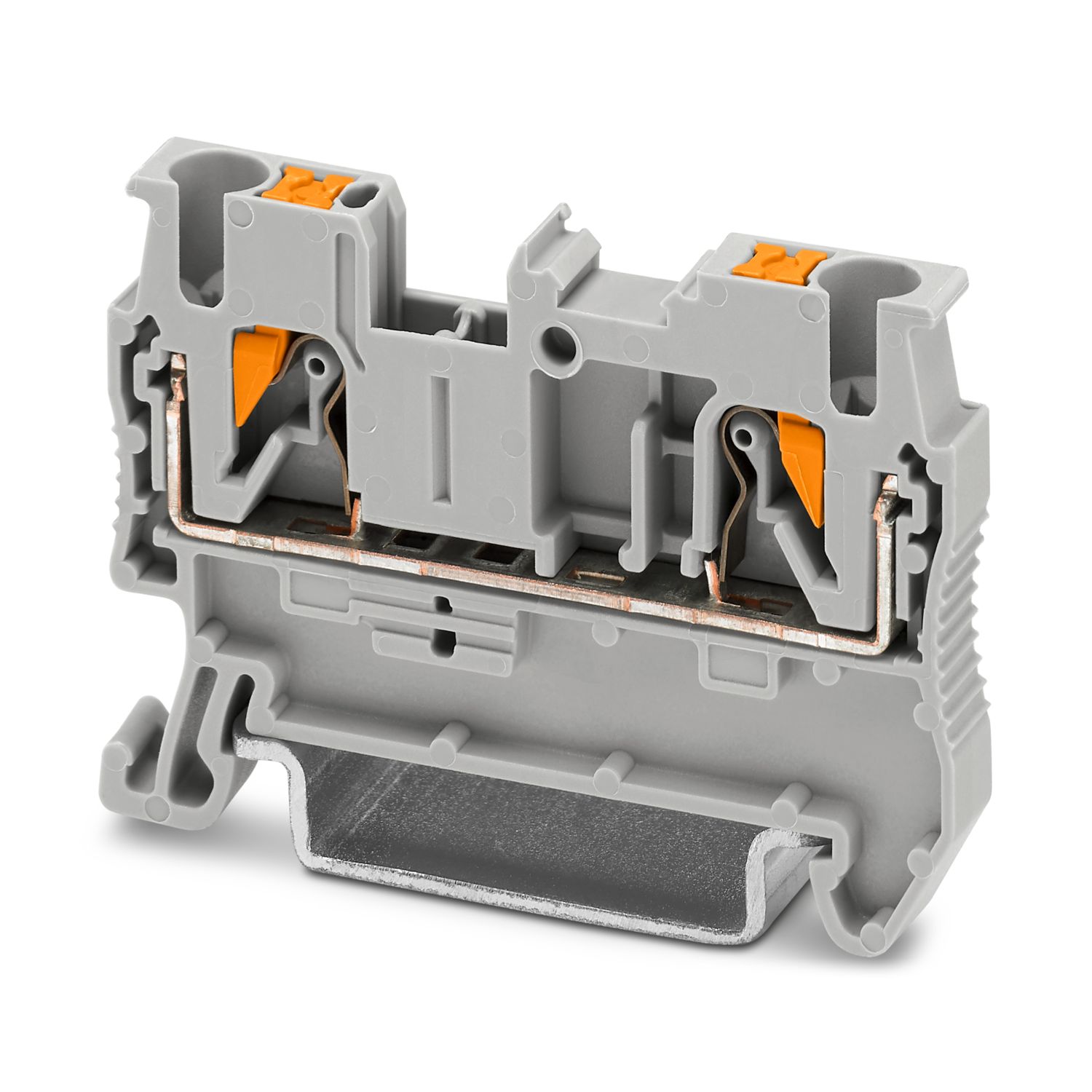
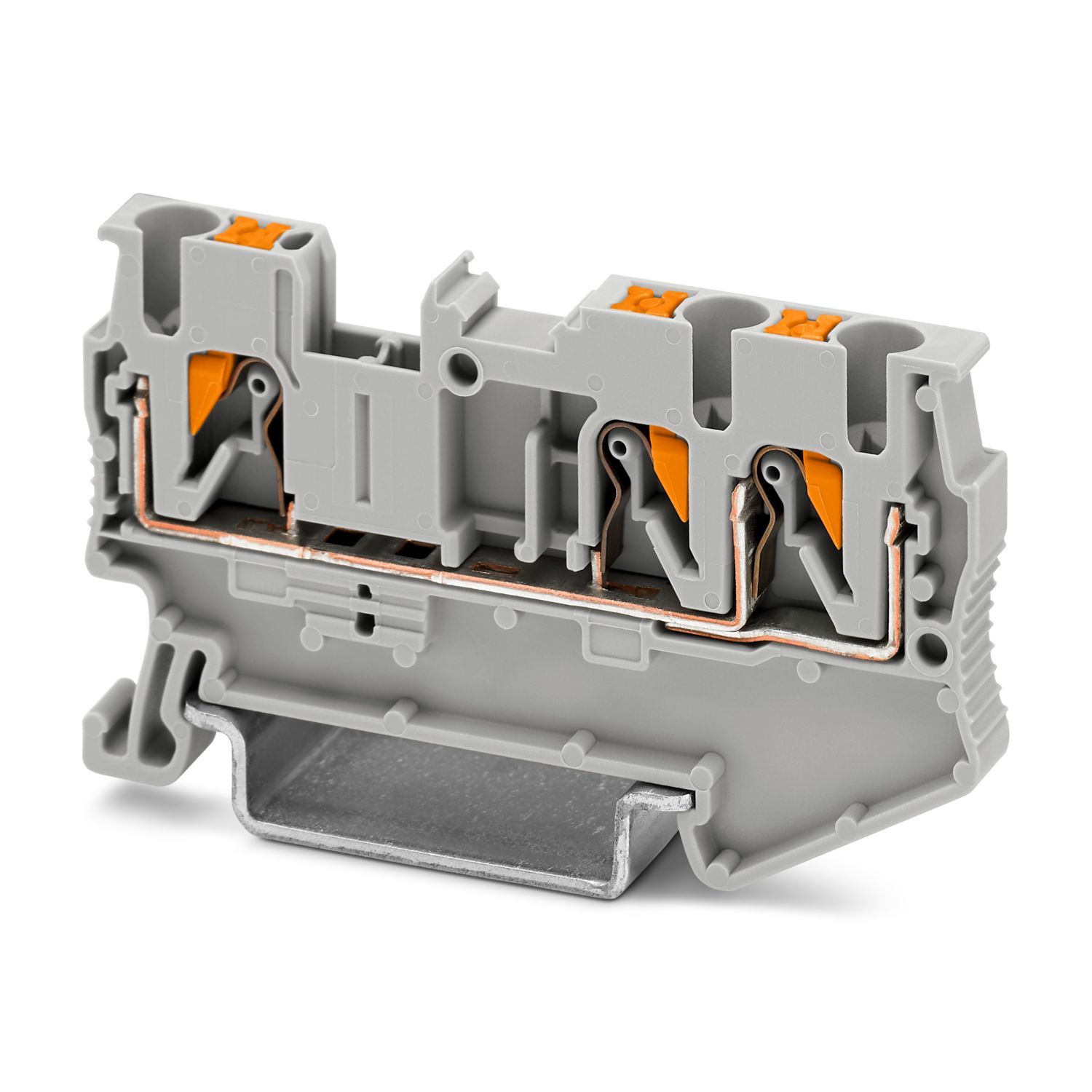
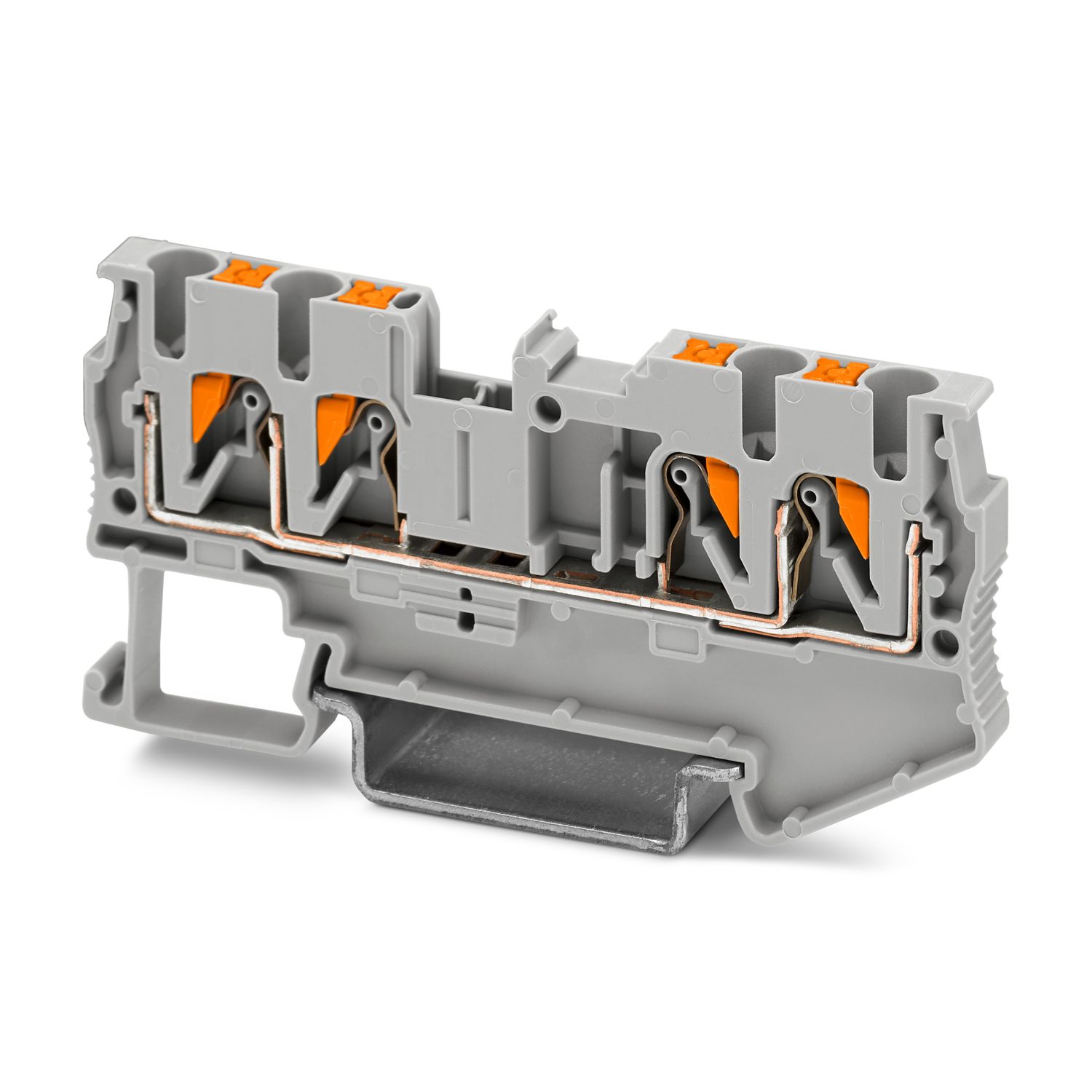
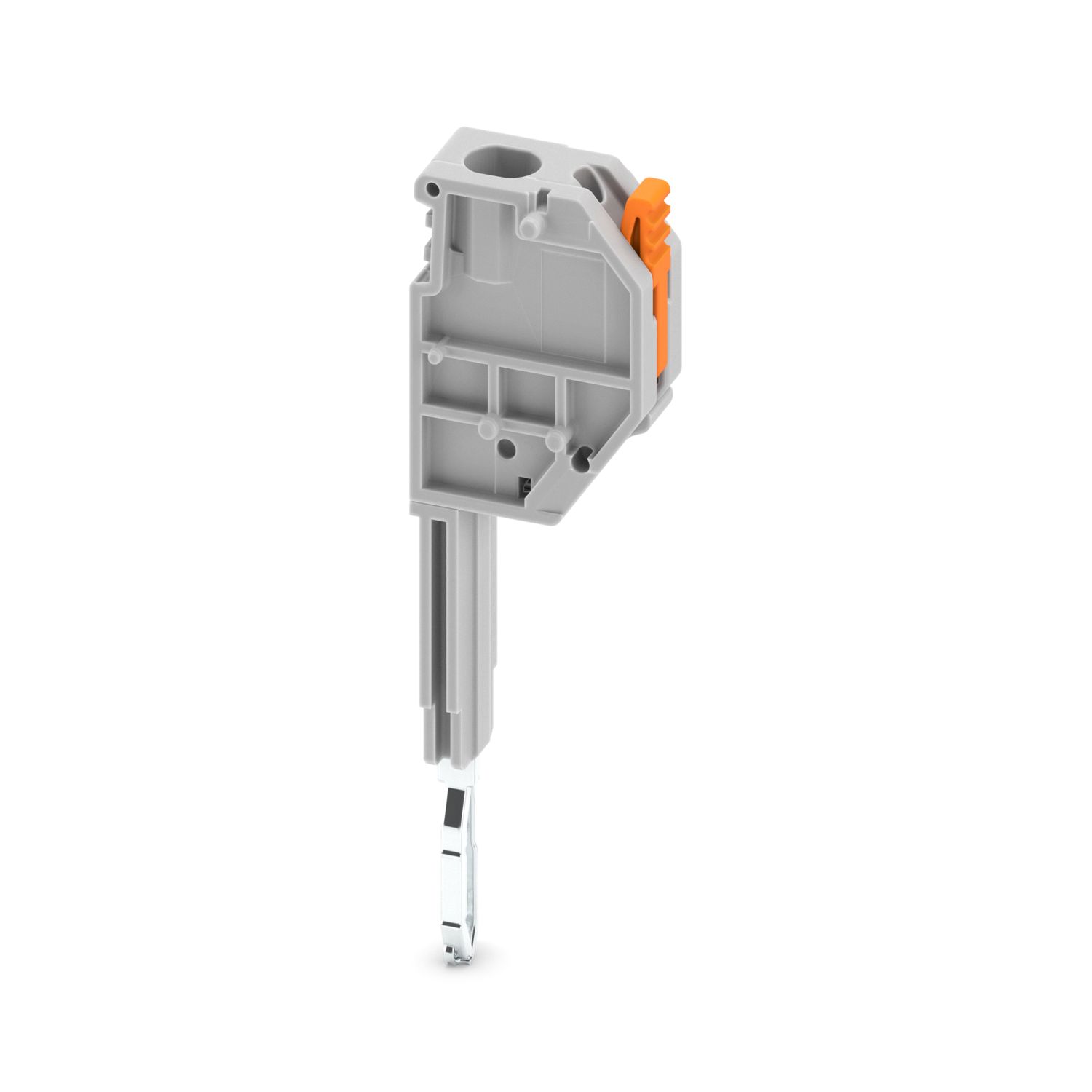
이점
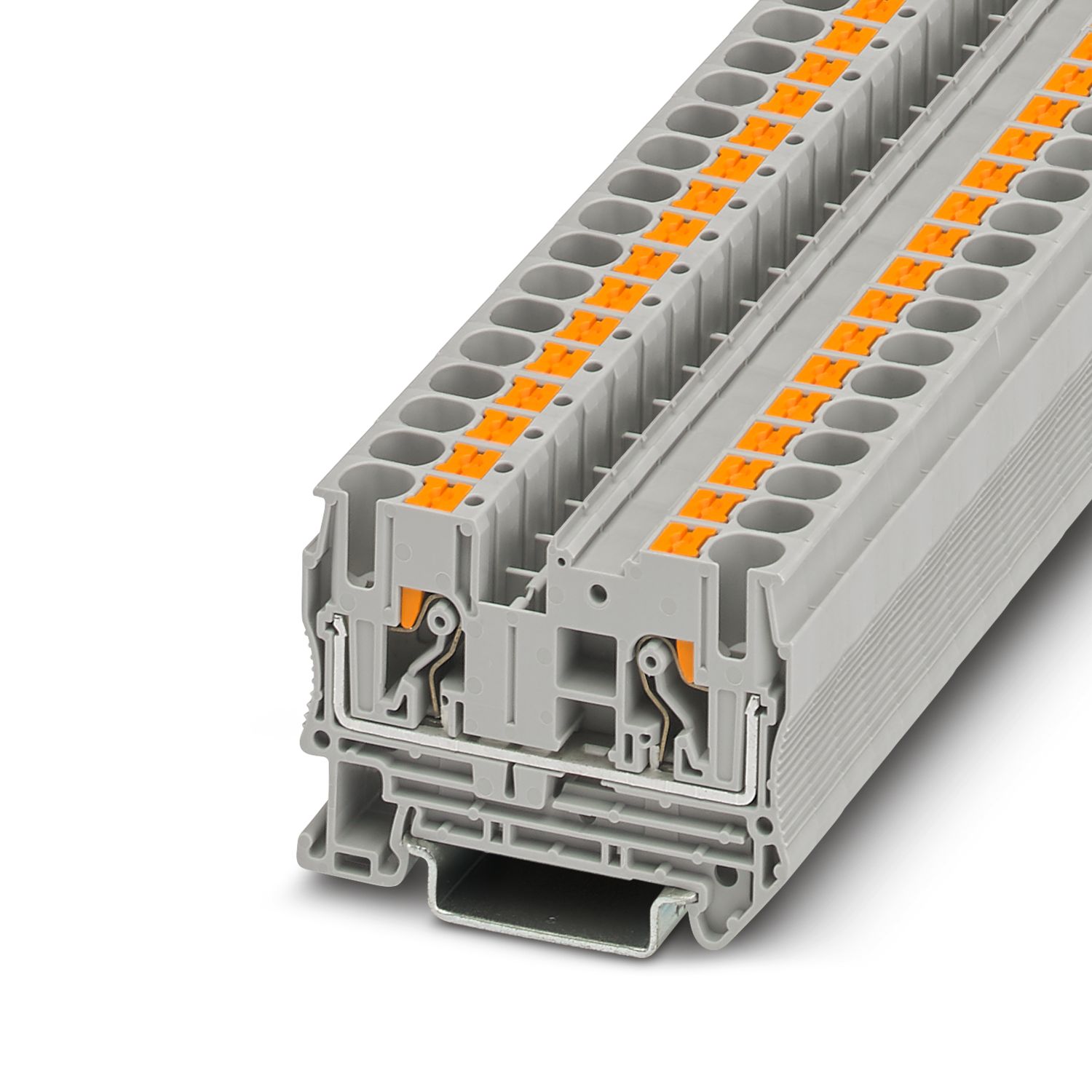
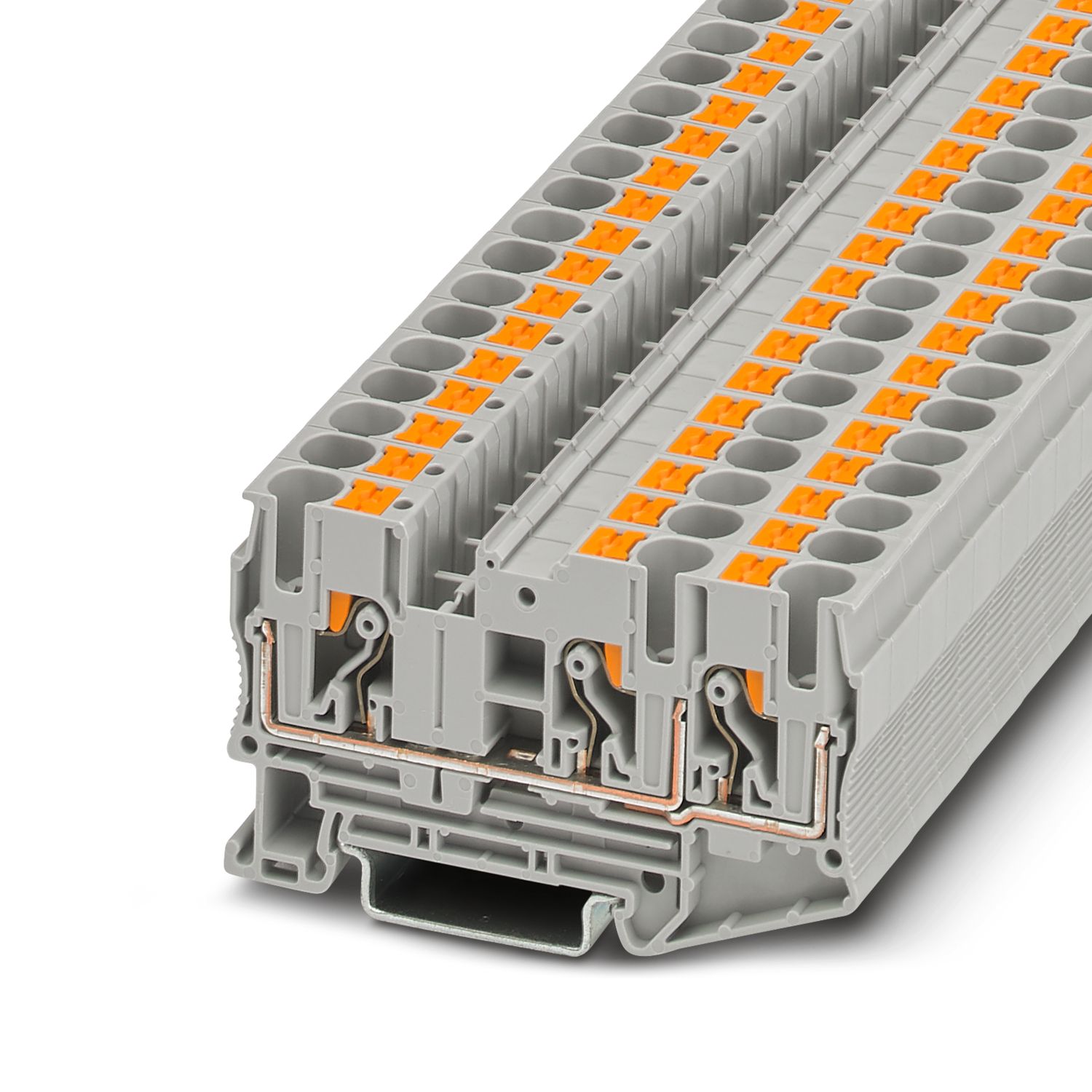
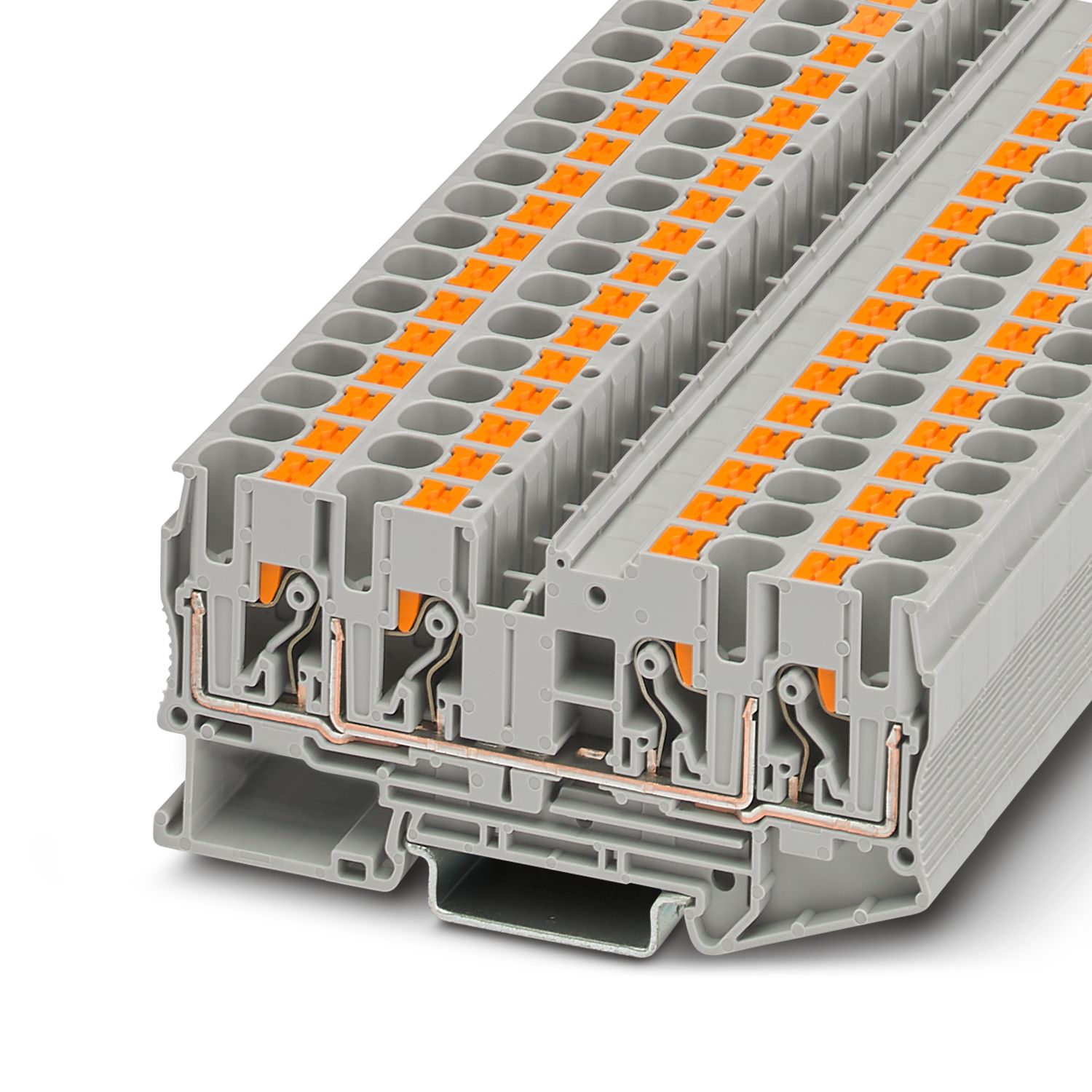
전체 폭이 8 mm에 불과한 컨트롤 캐비닛으로 더 넓은 공간
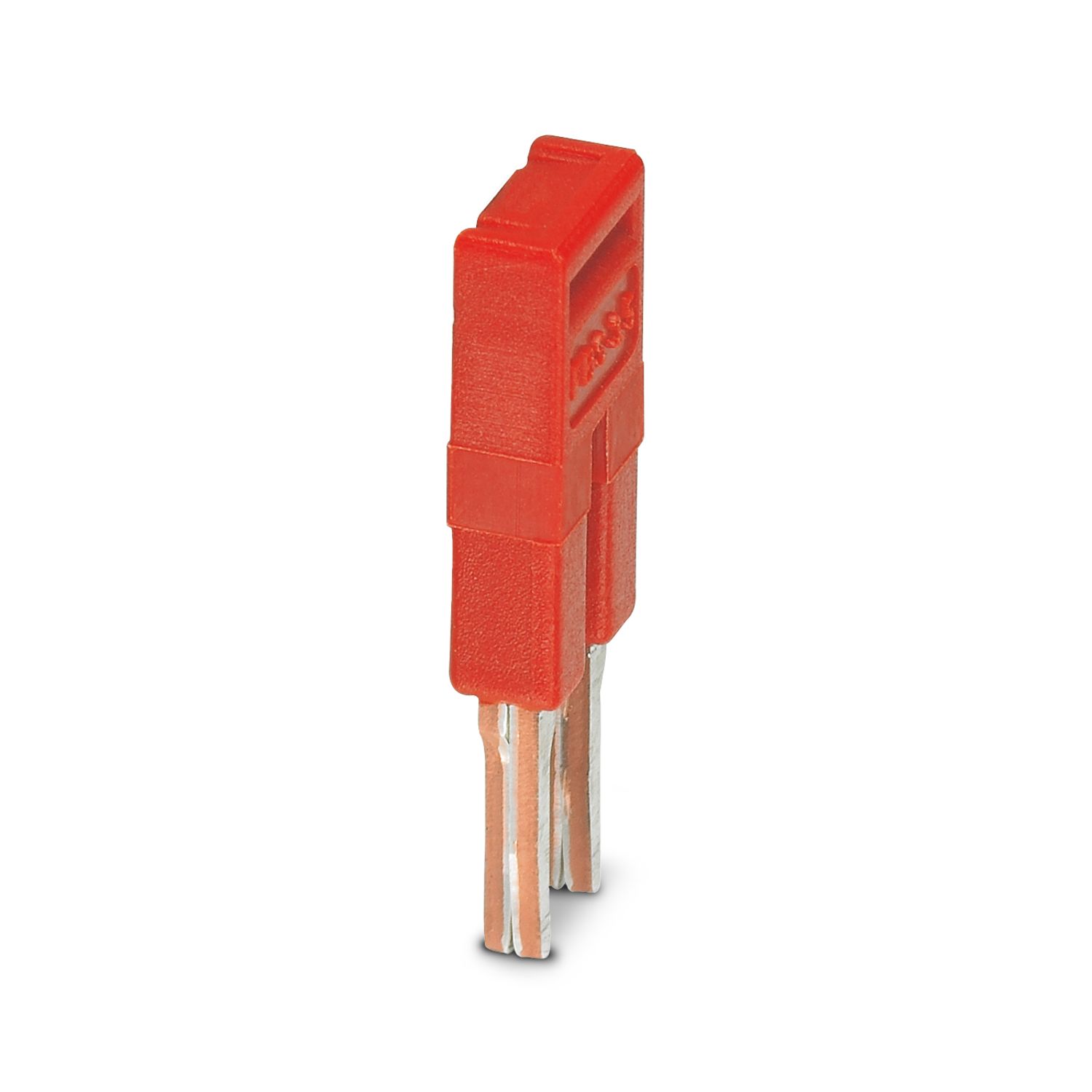
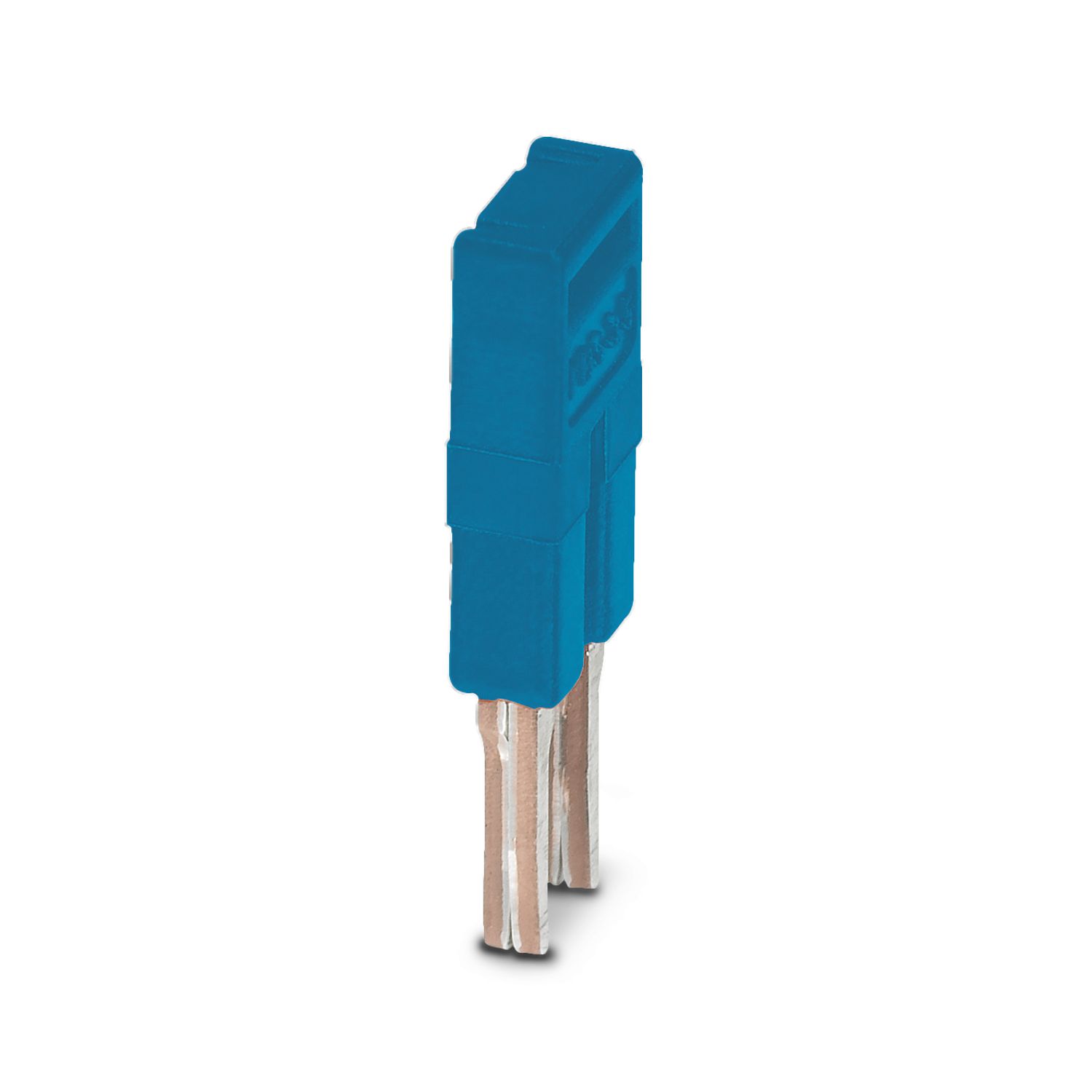
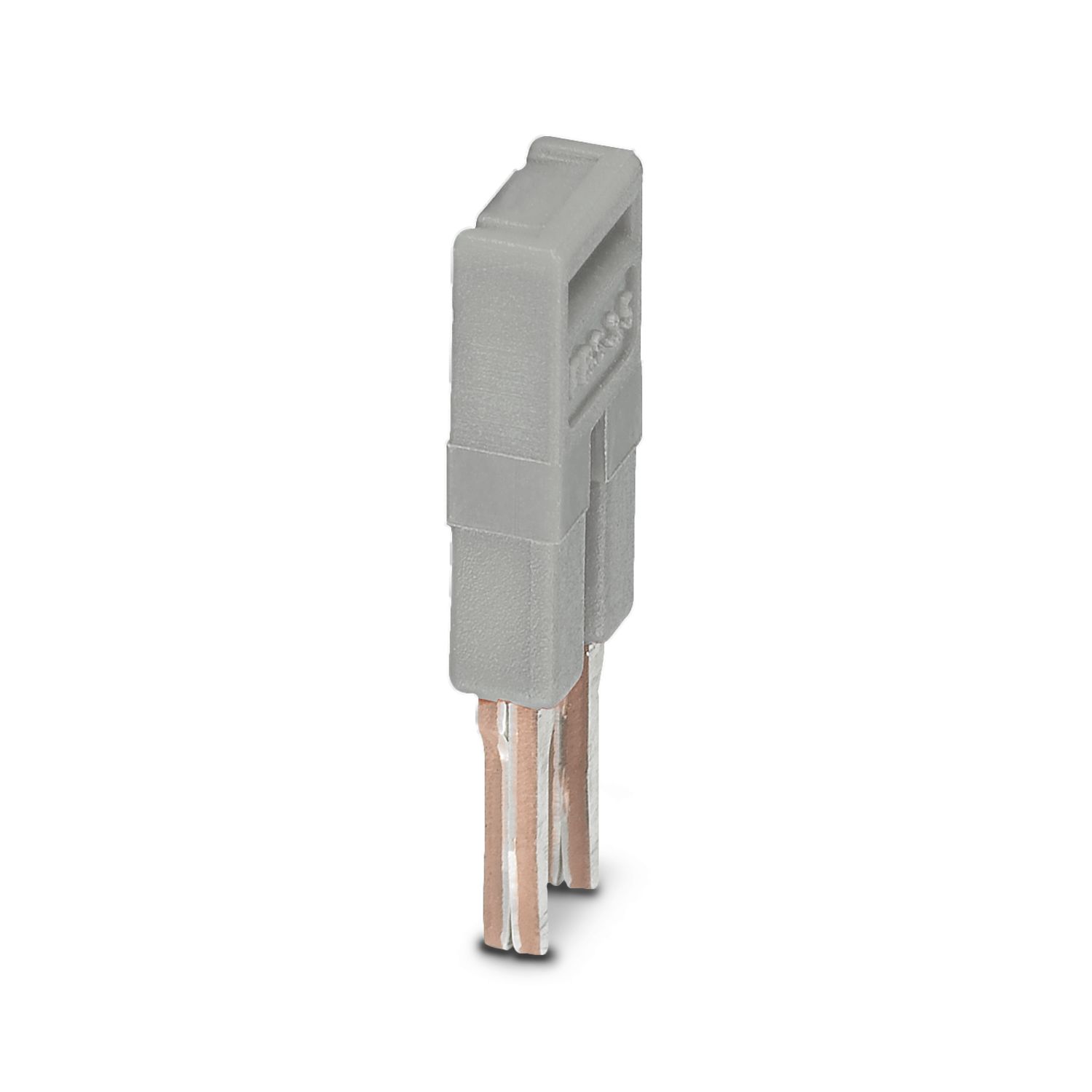
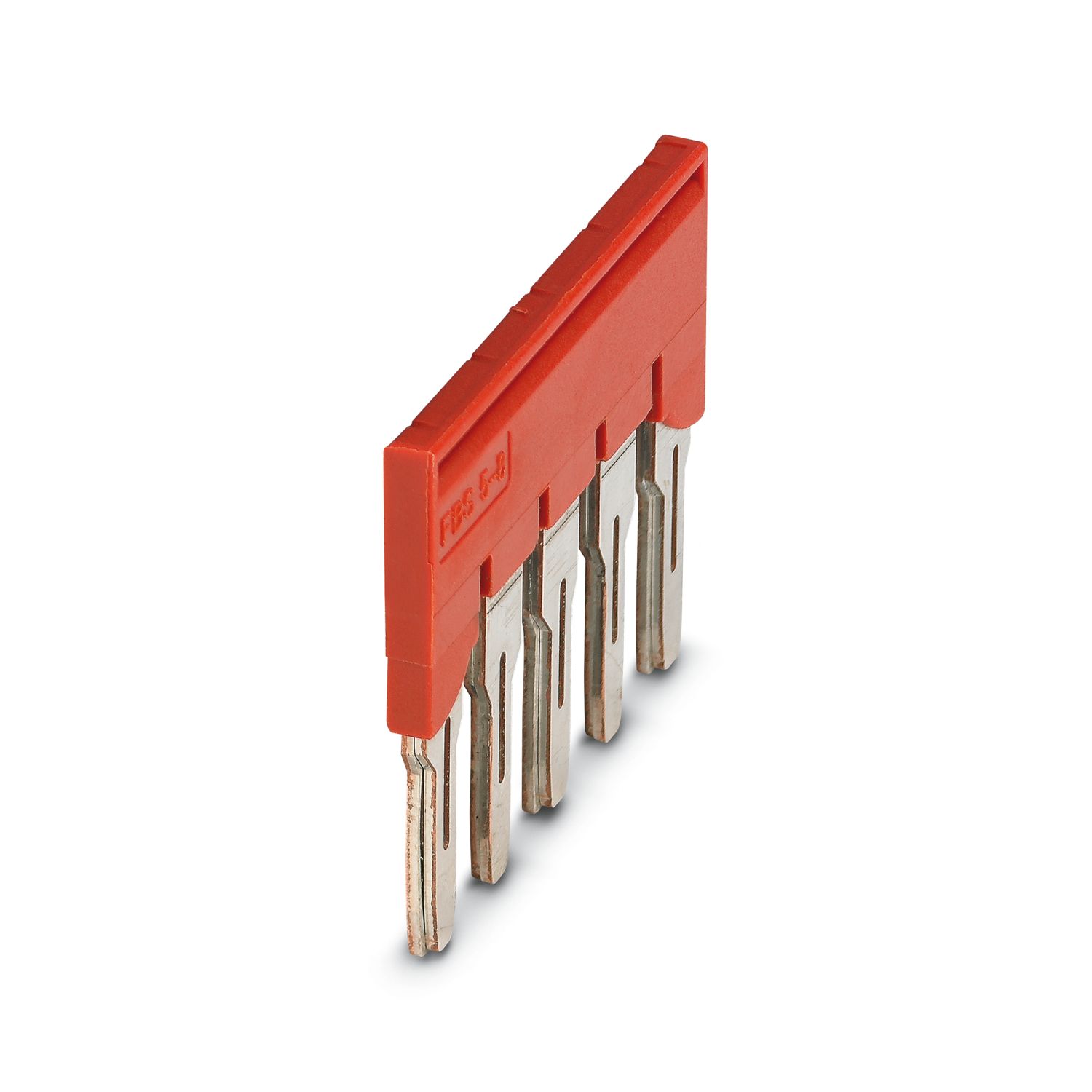
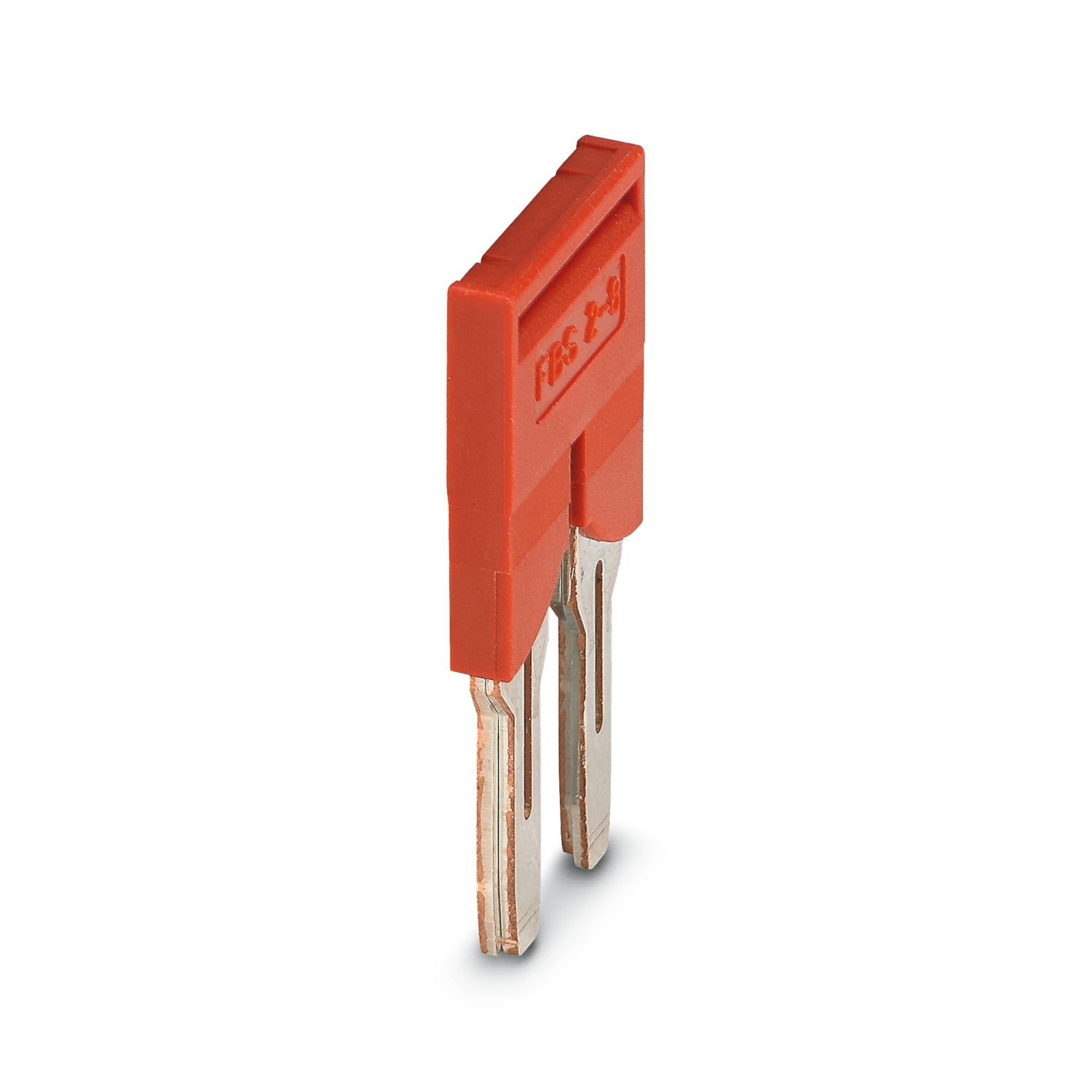
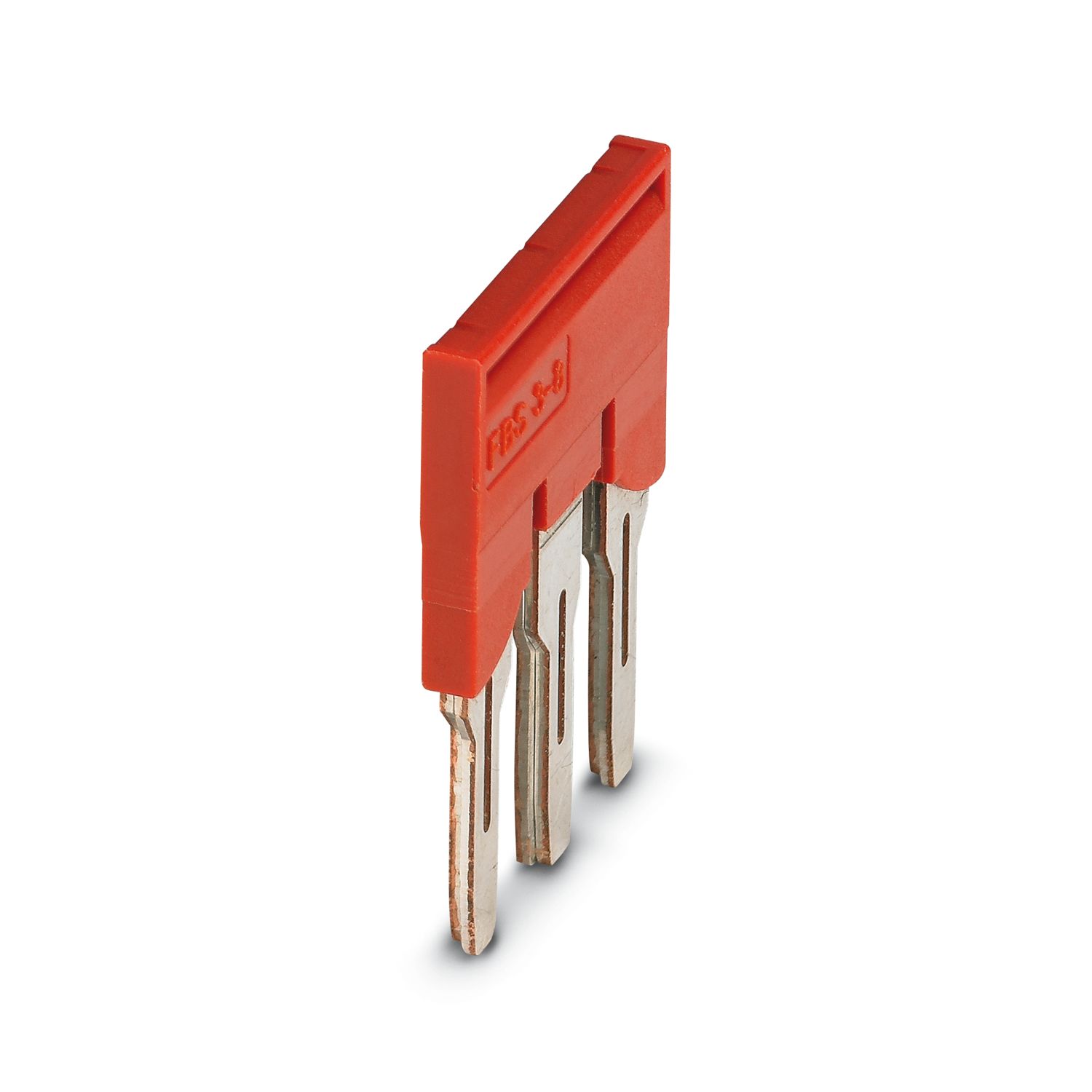
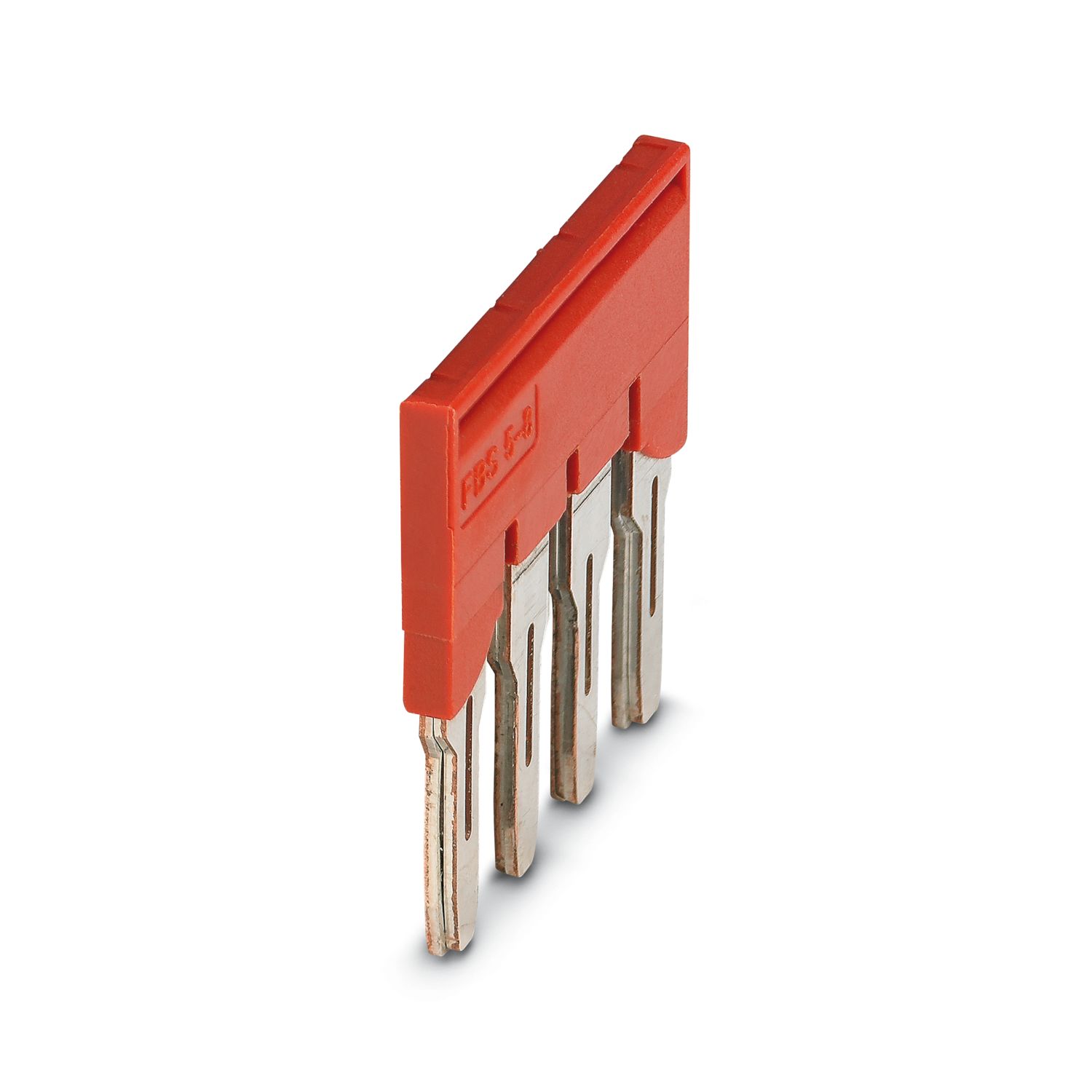
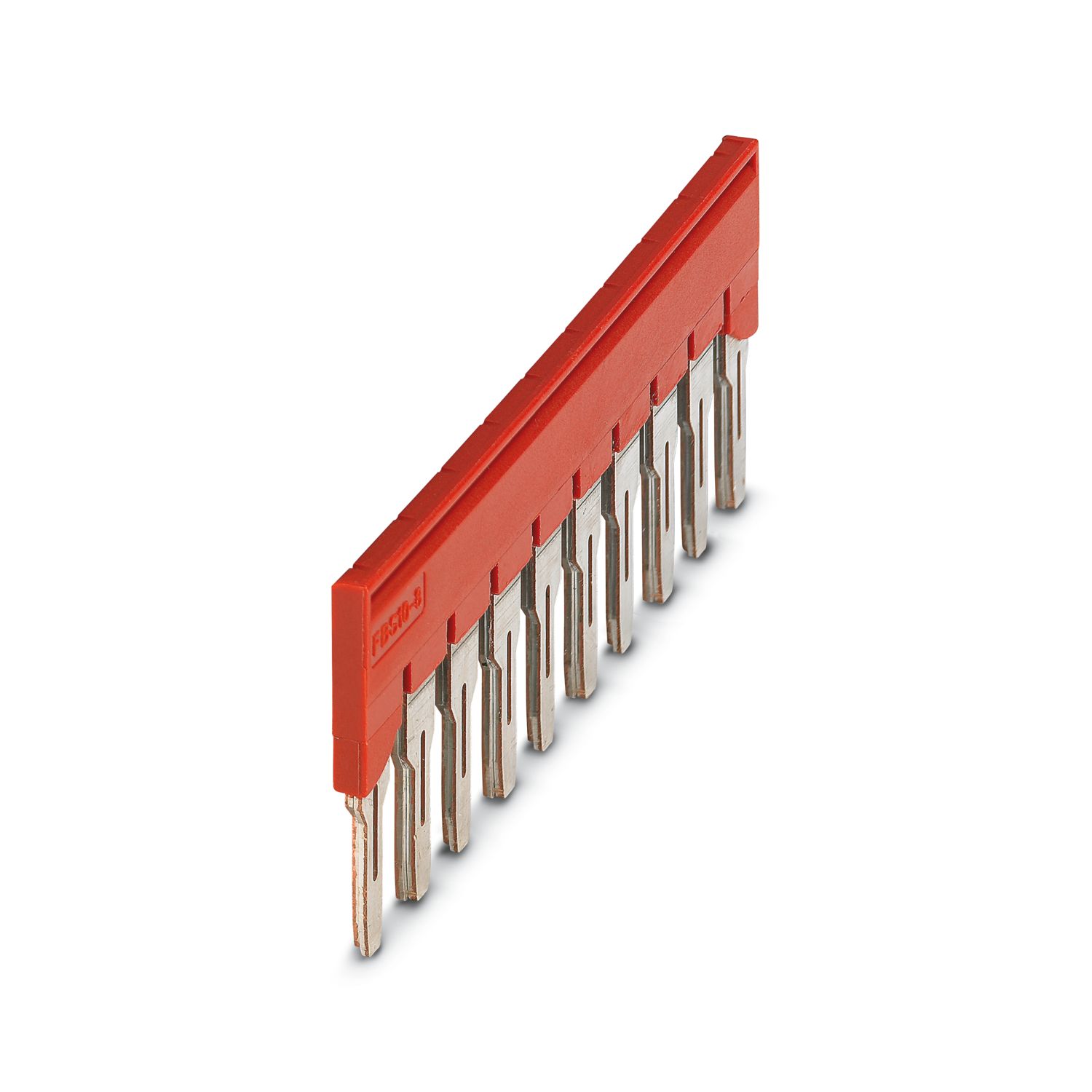
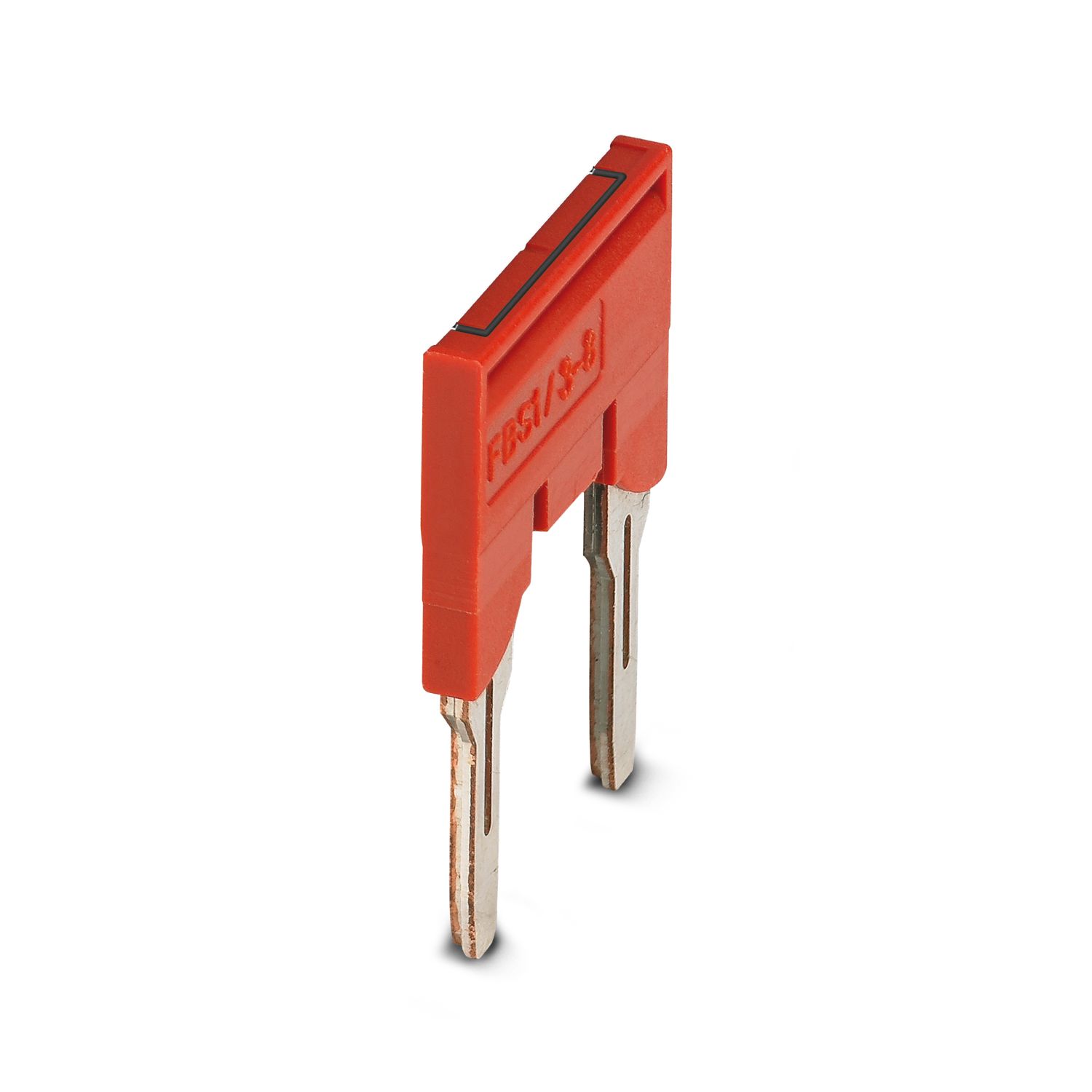
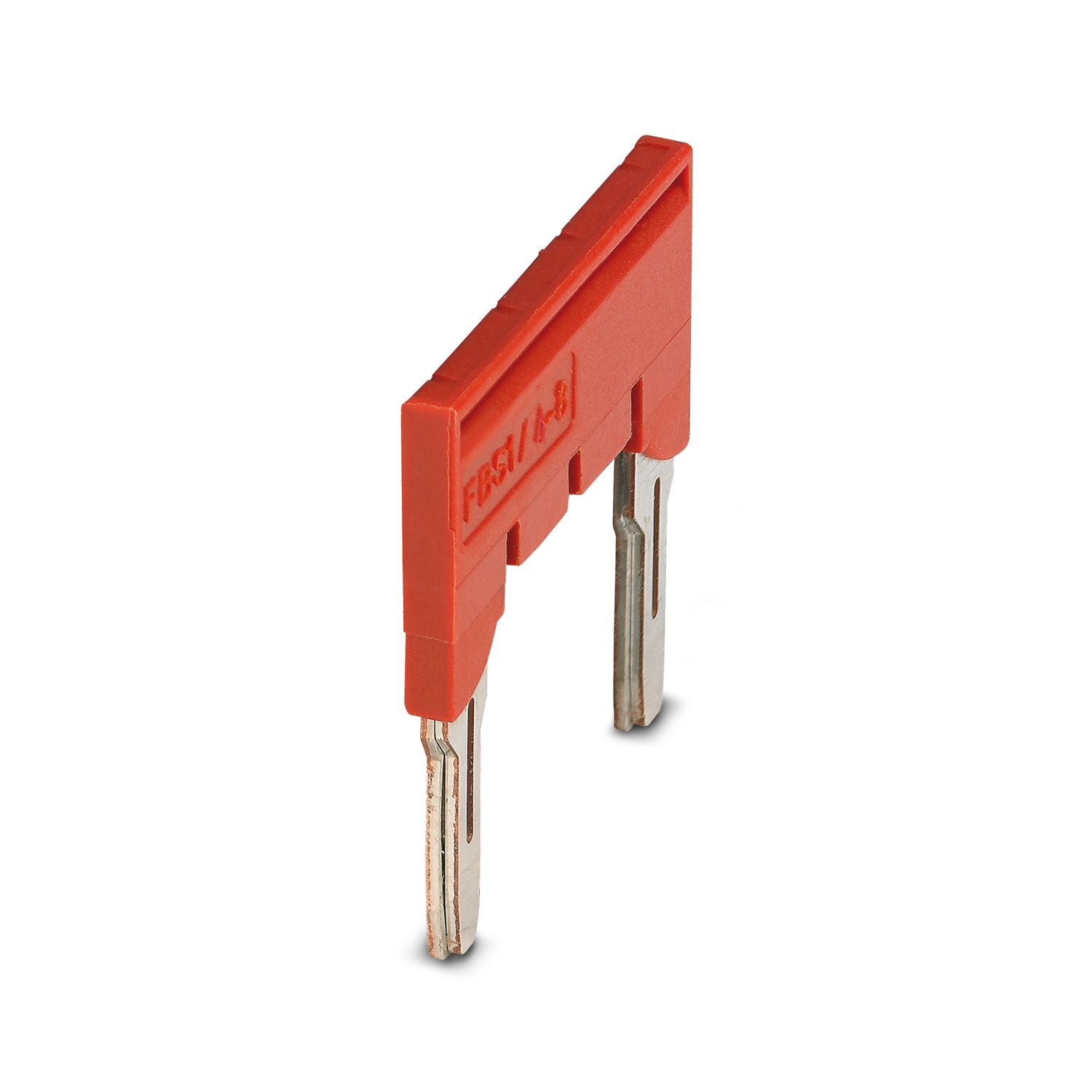
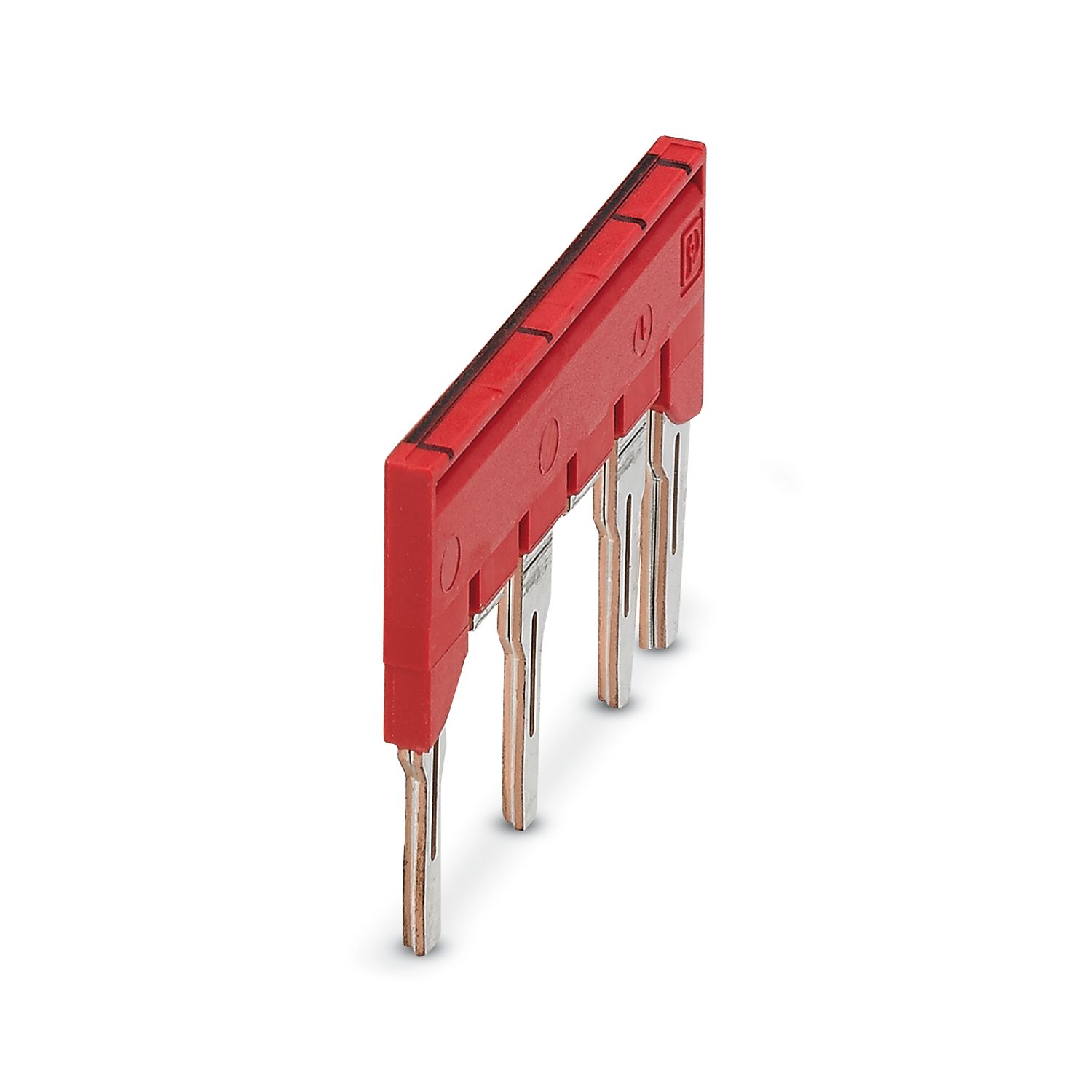
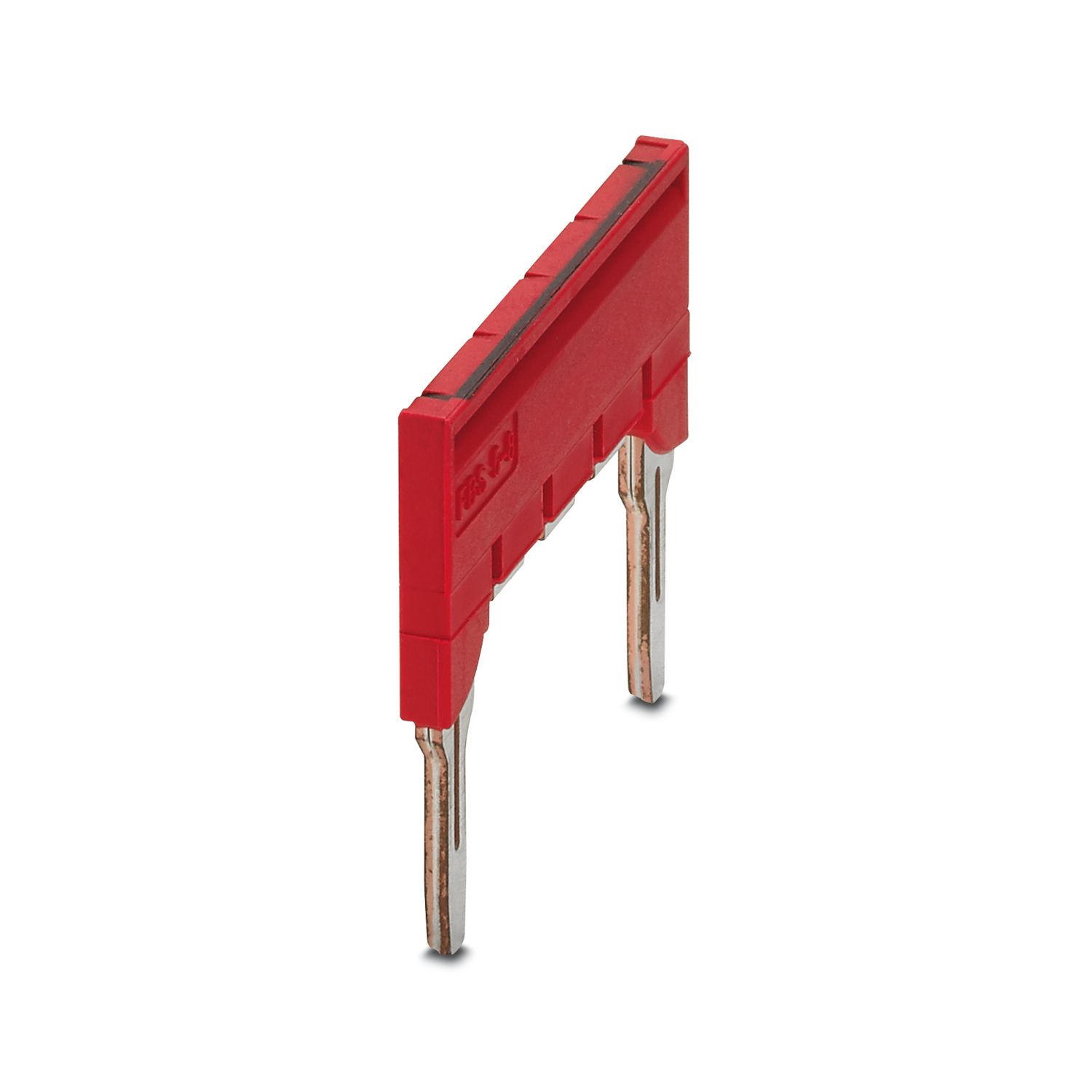
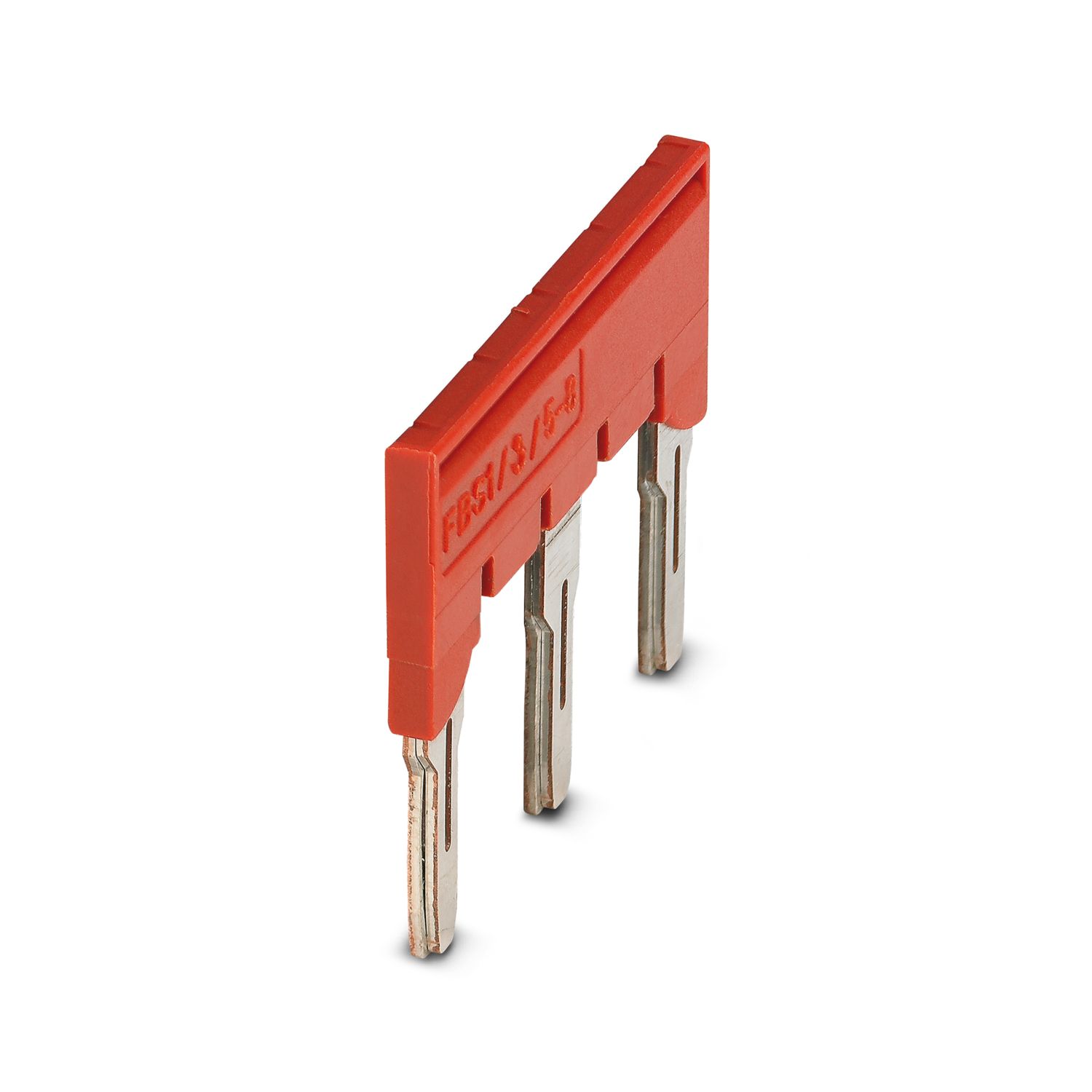
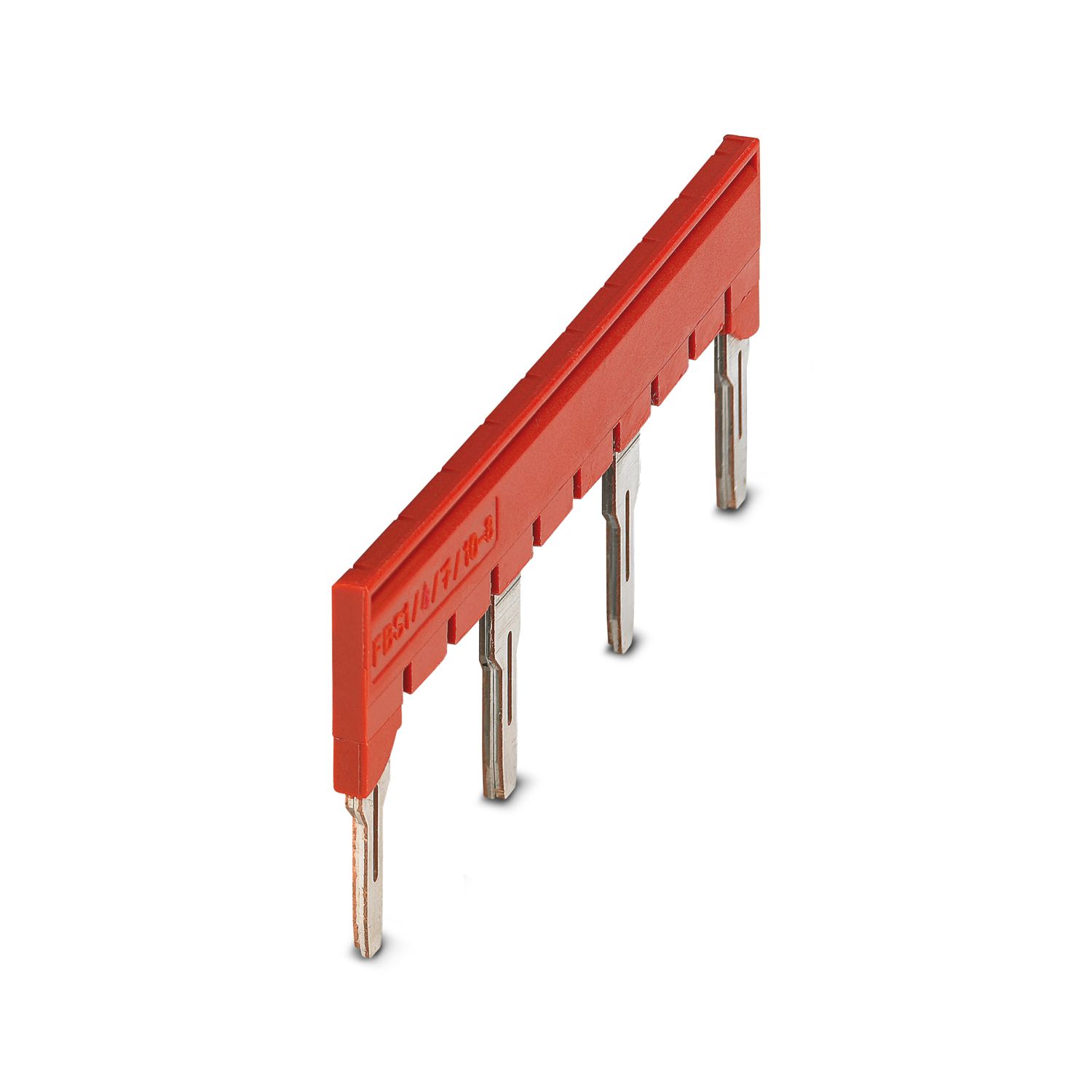
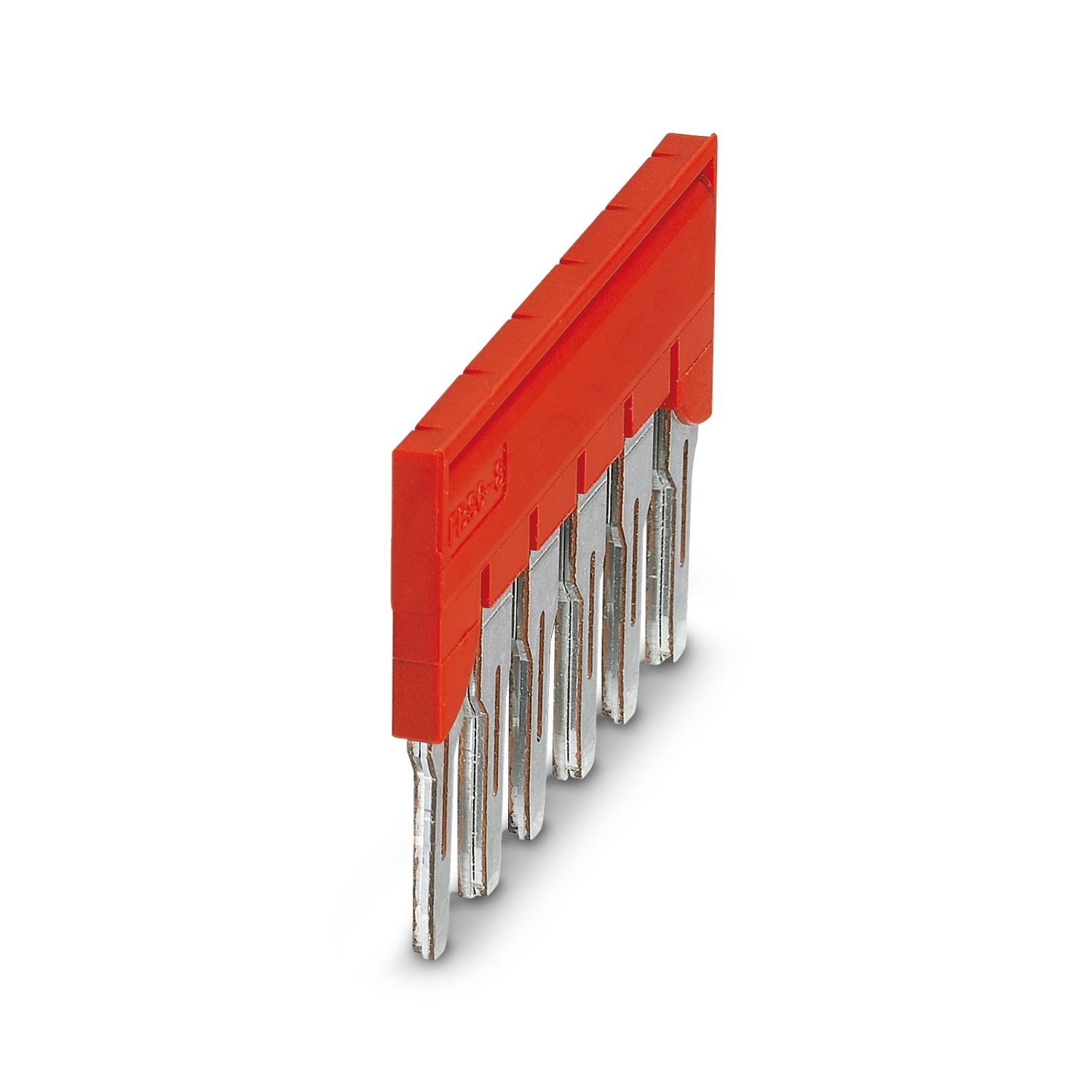
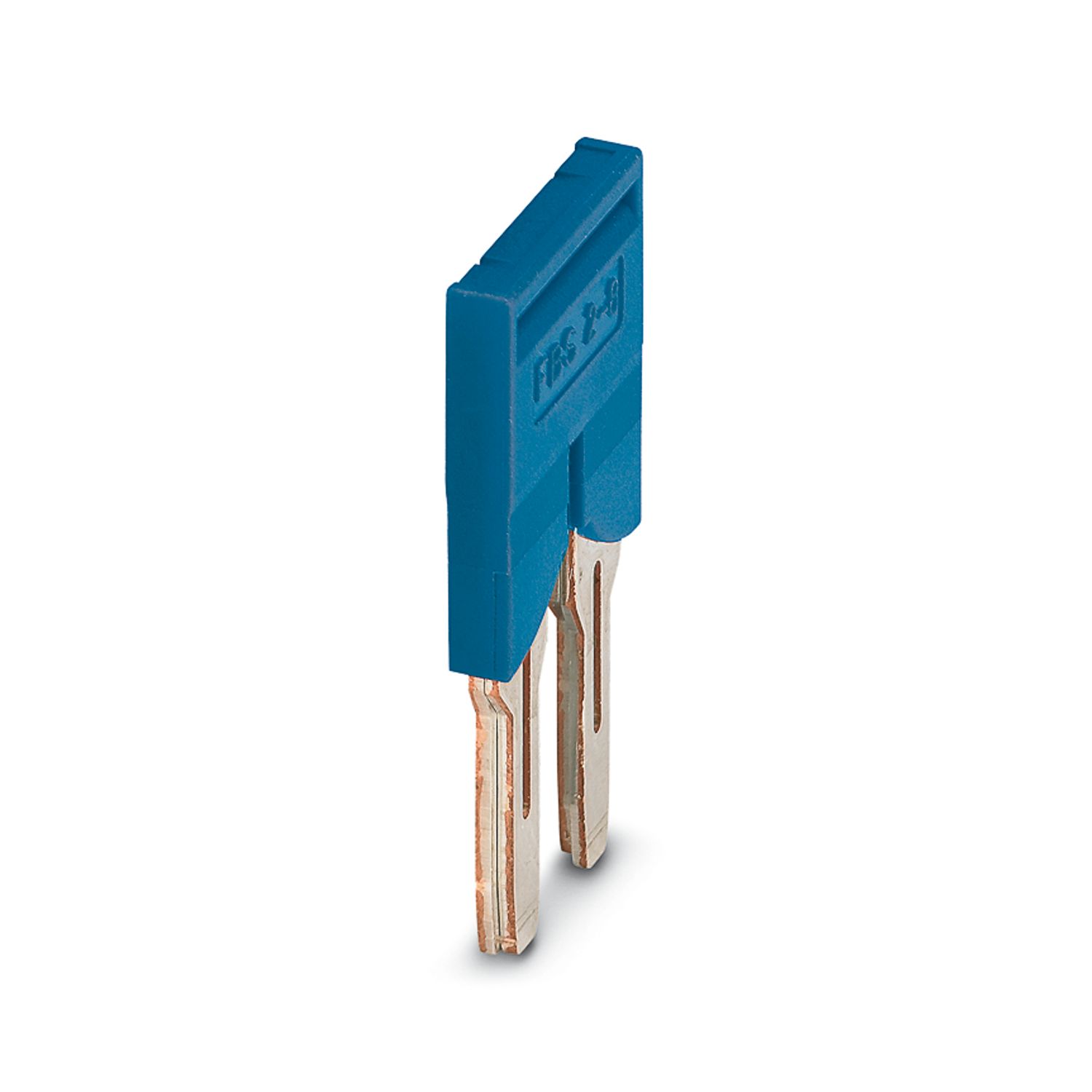
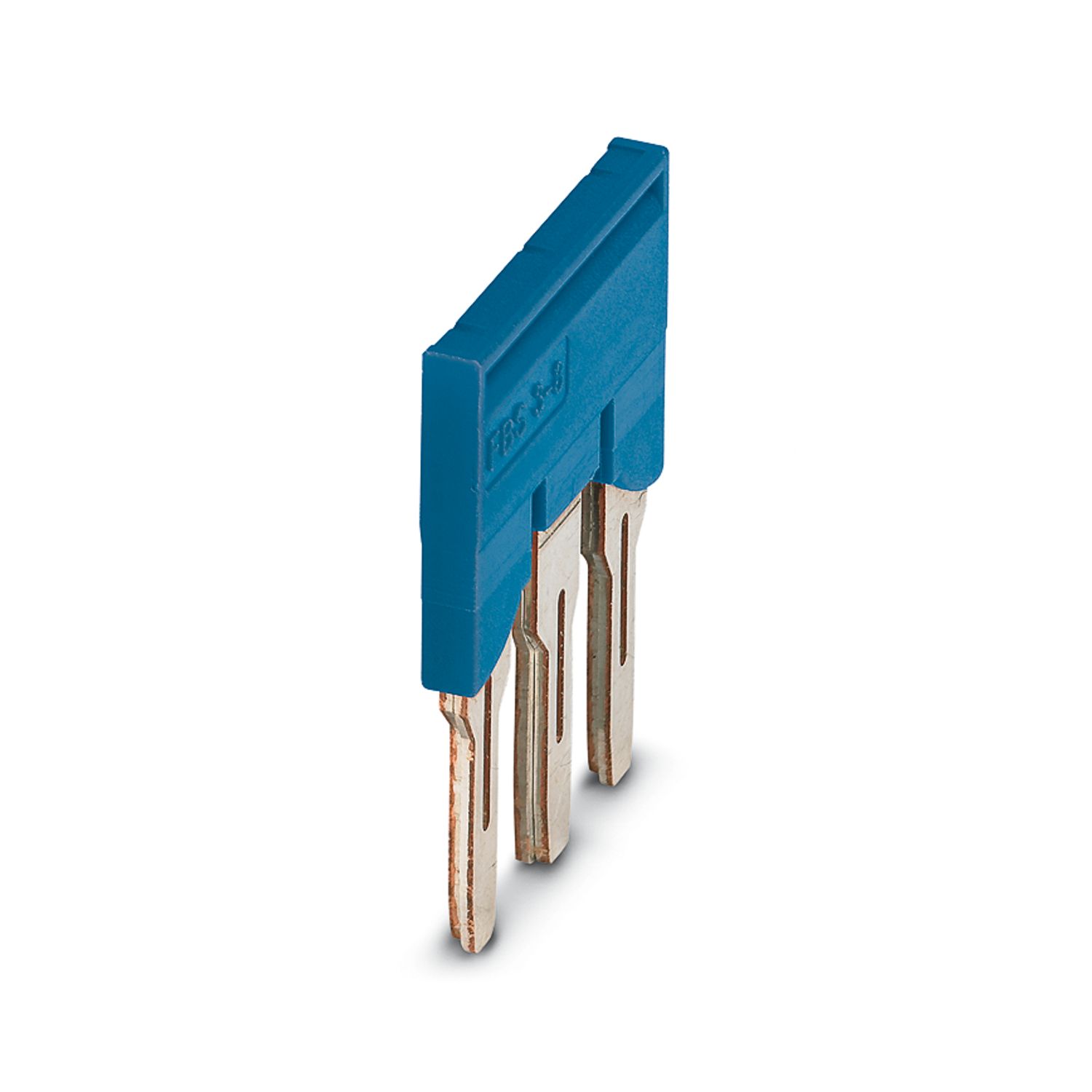
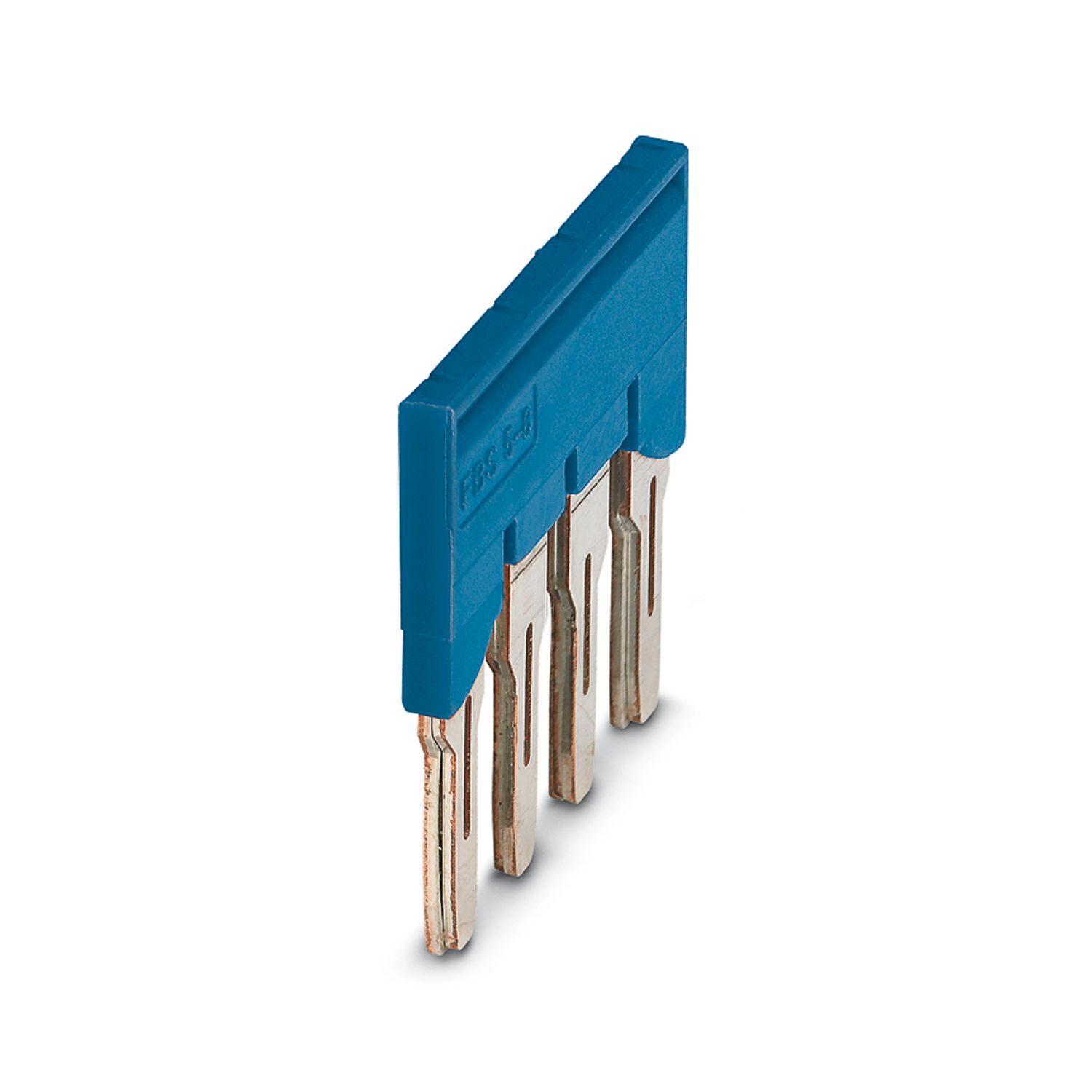
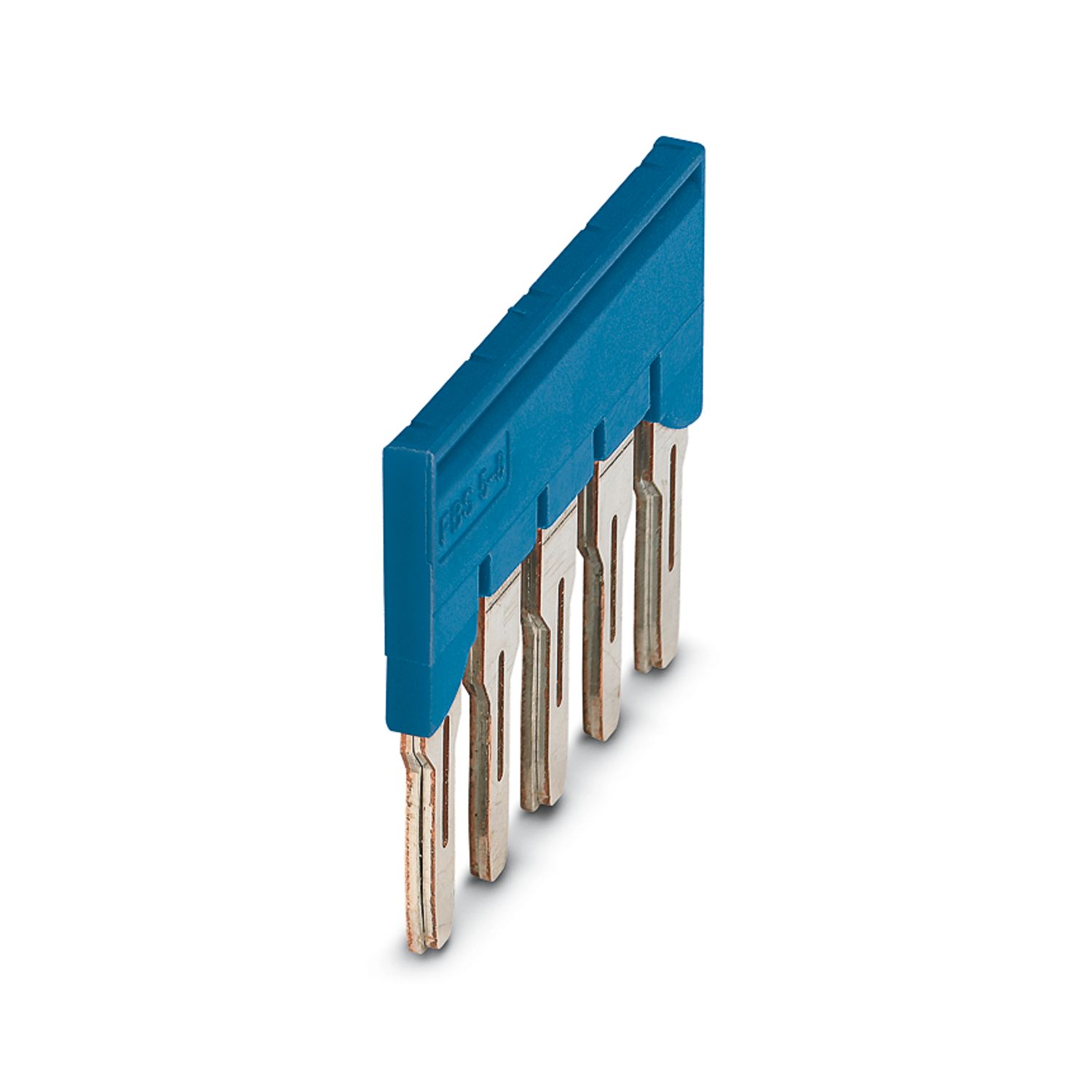
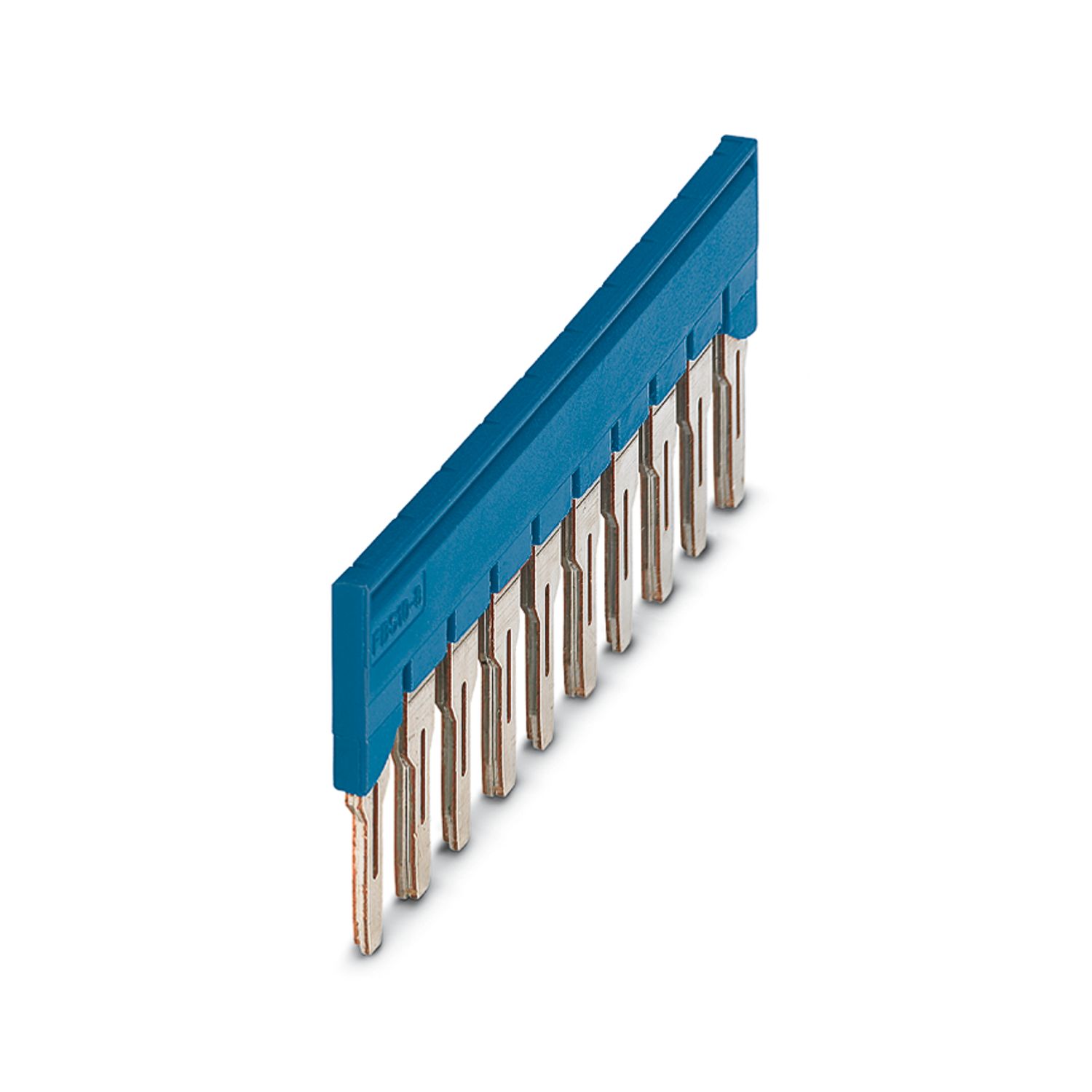
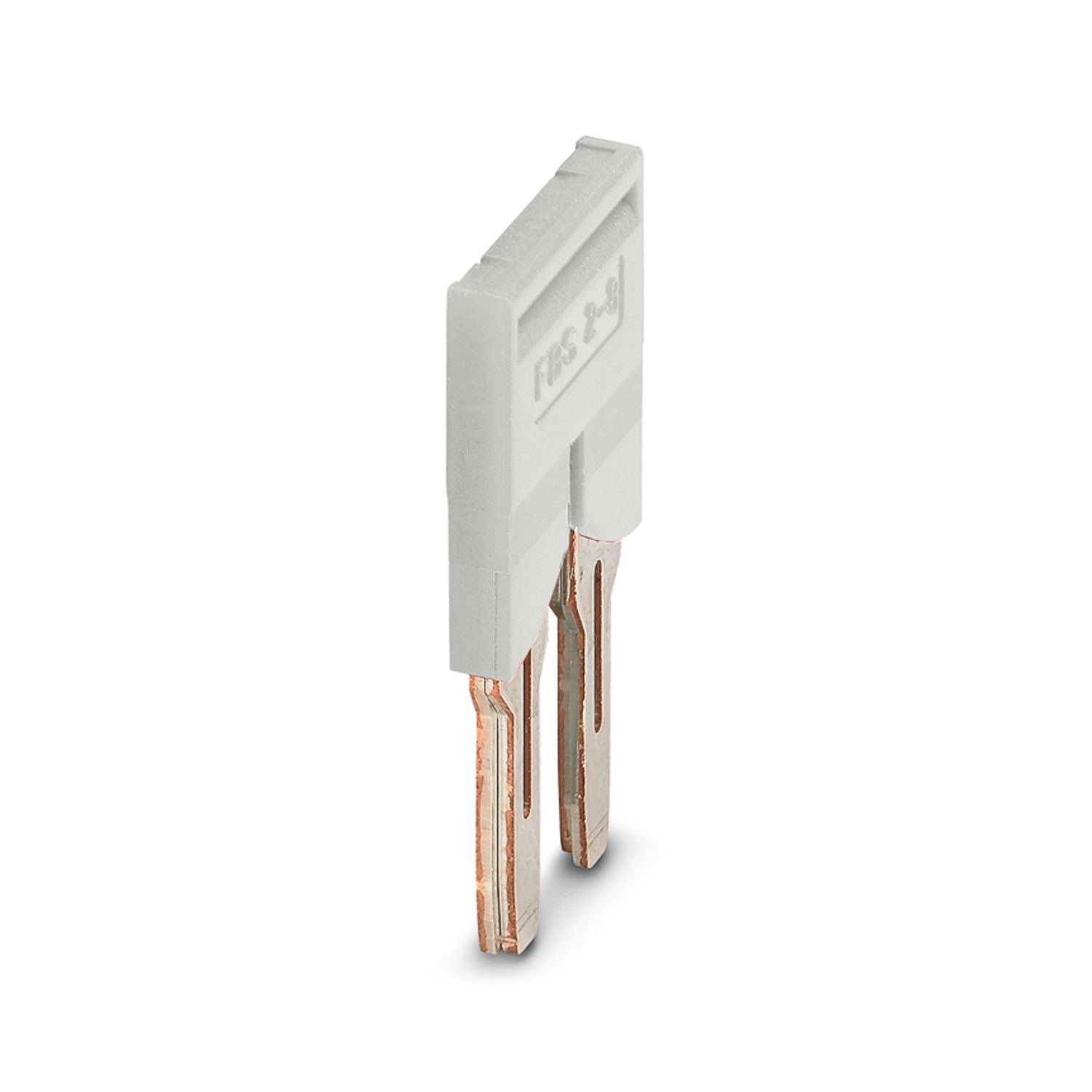
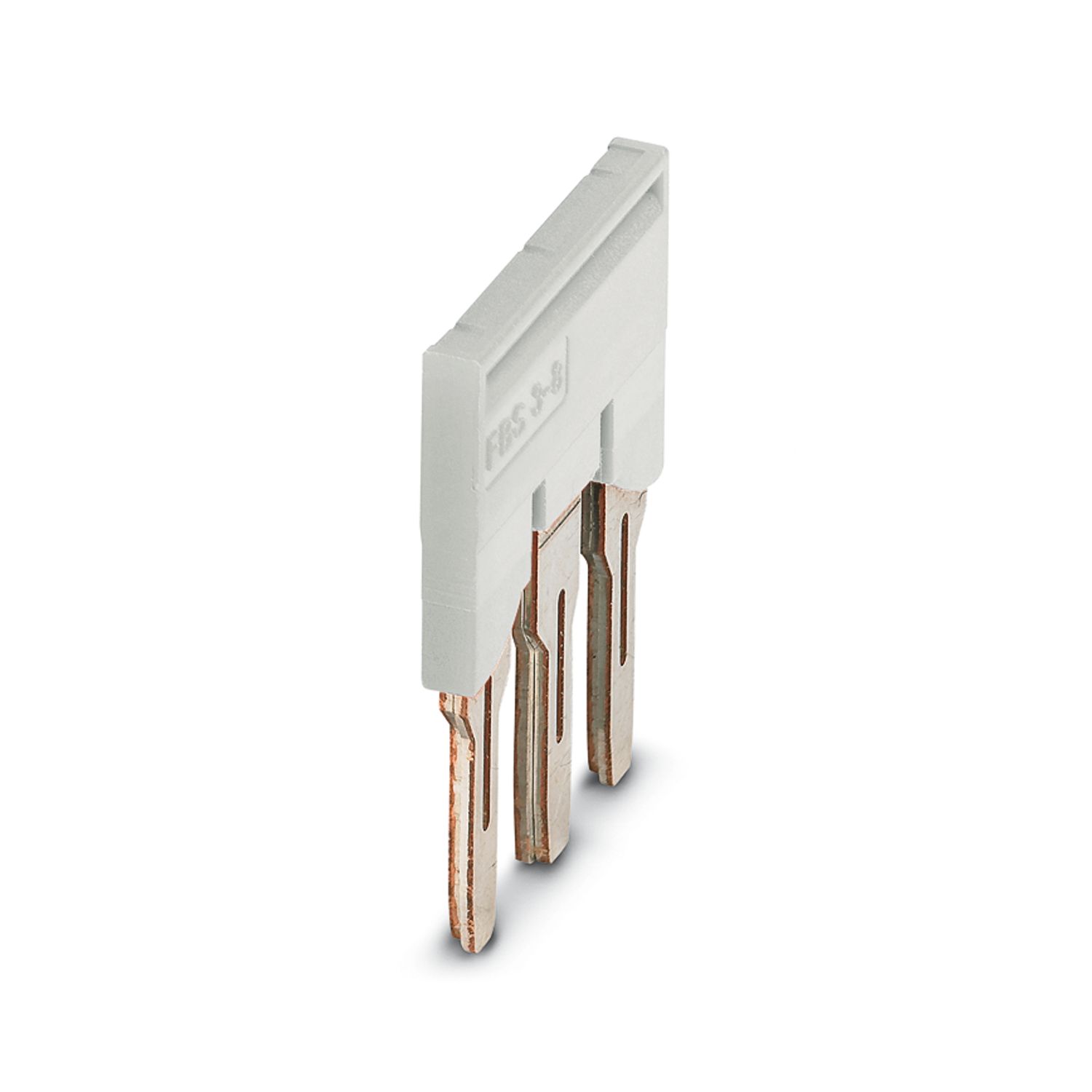
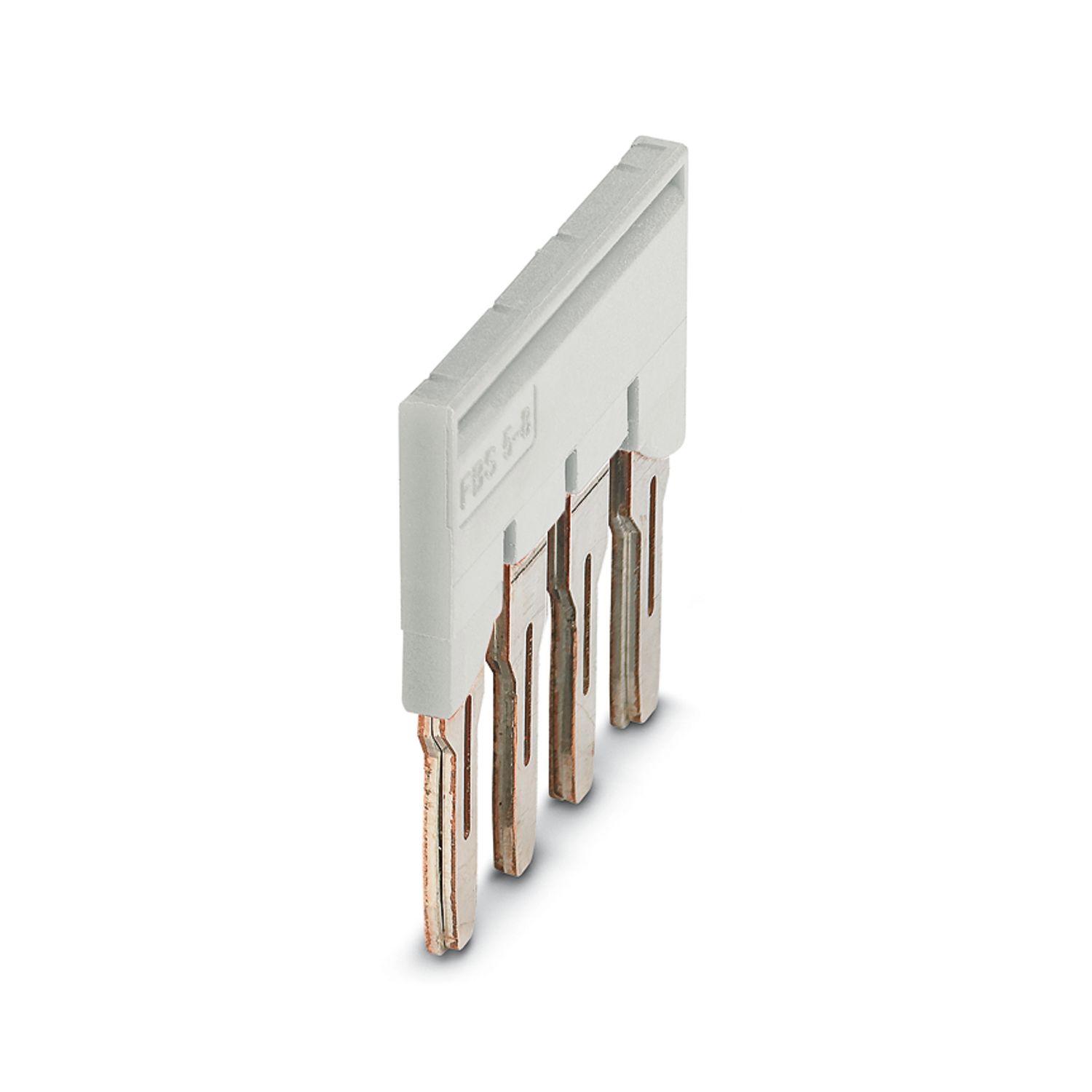
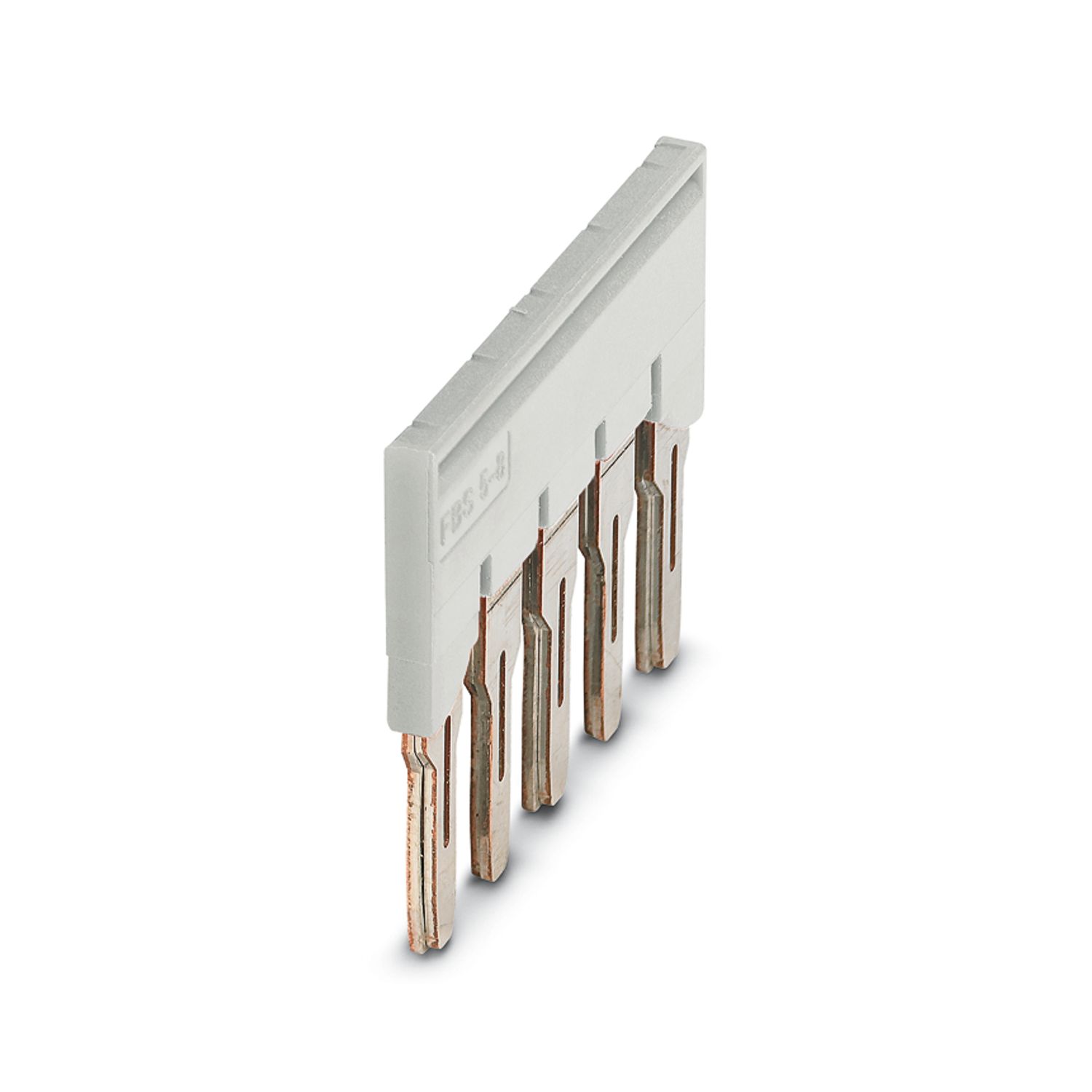
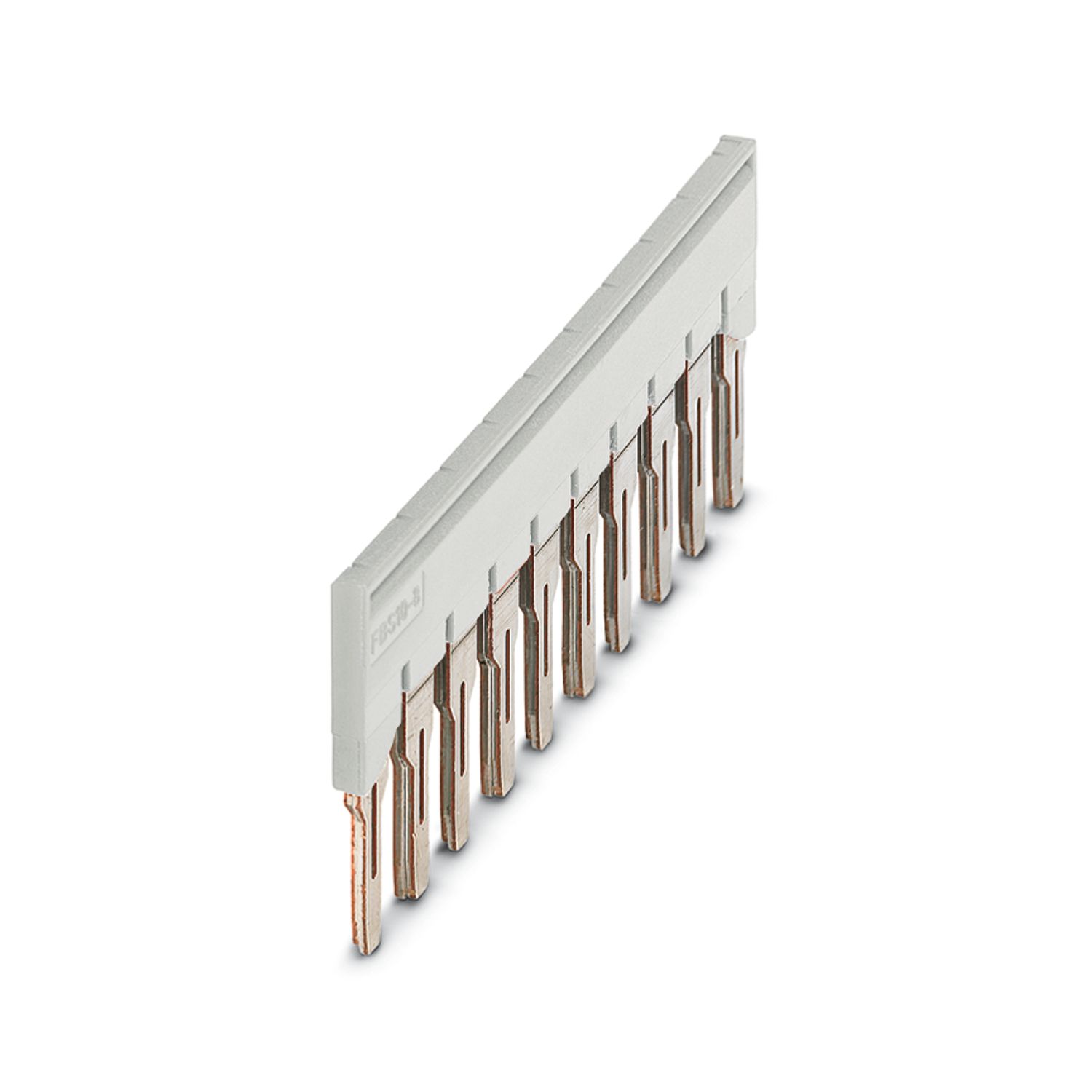
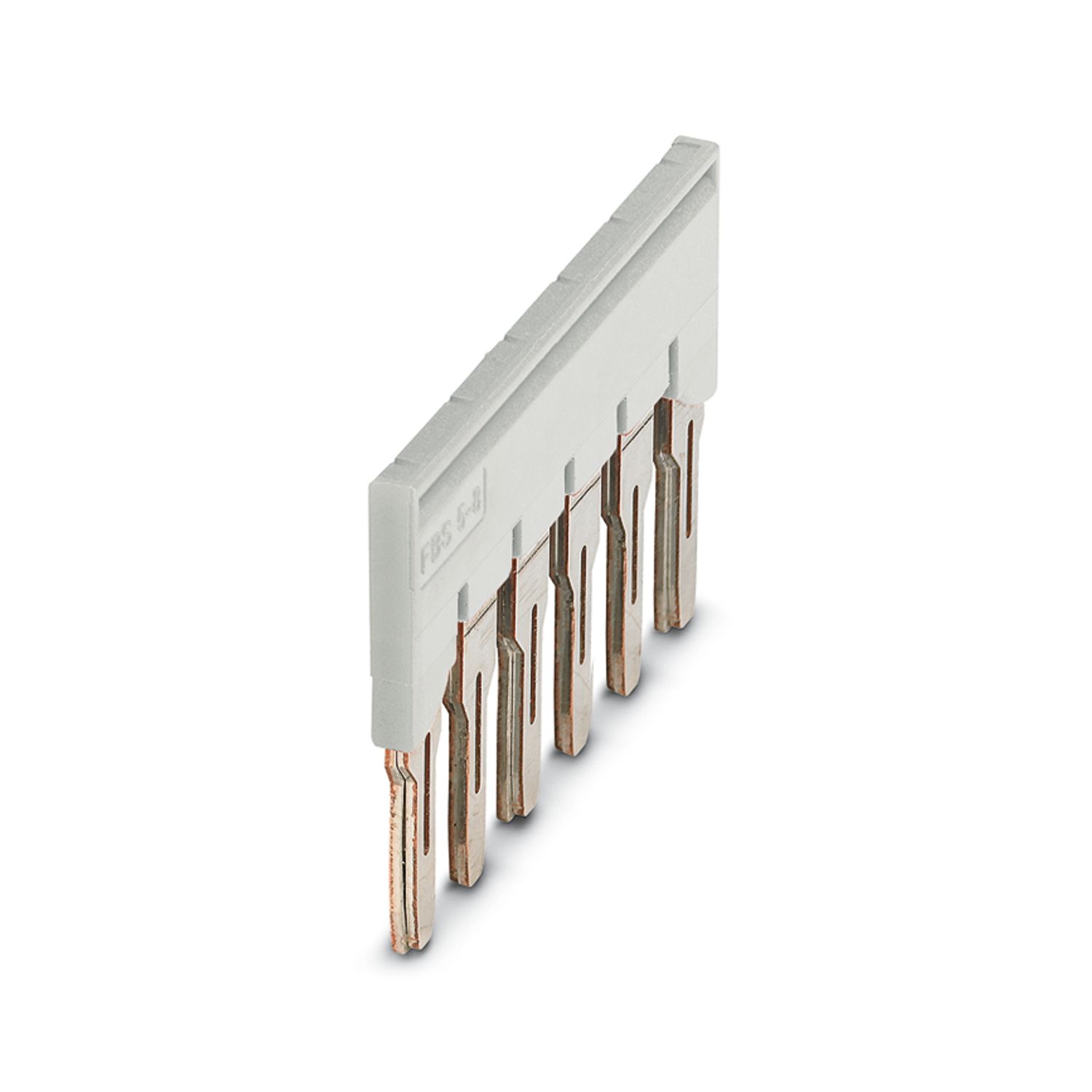
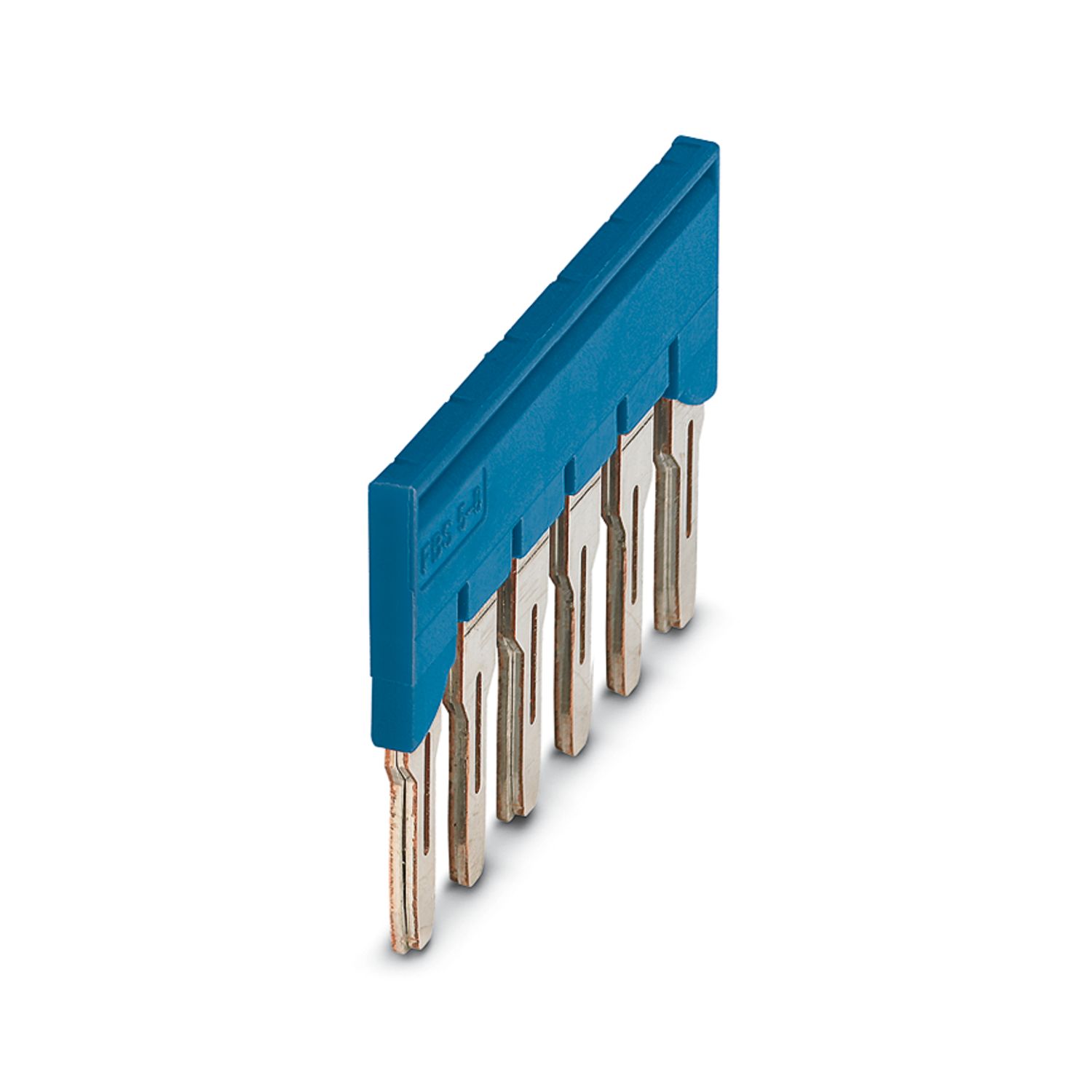
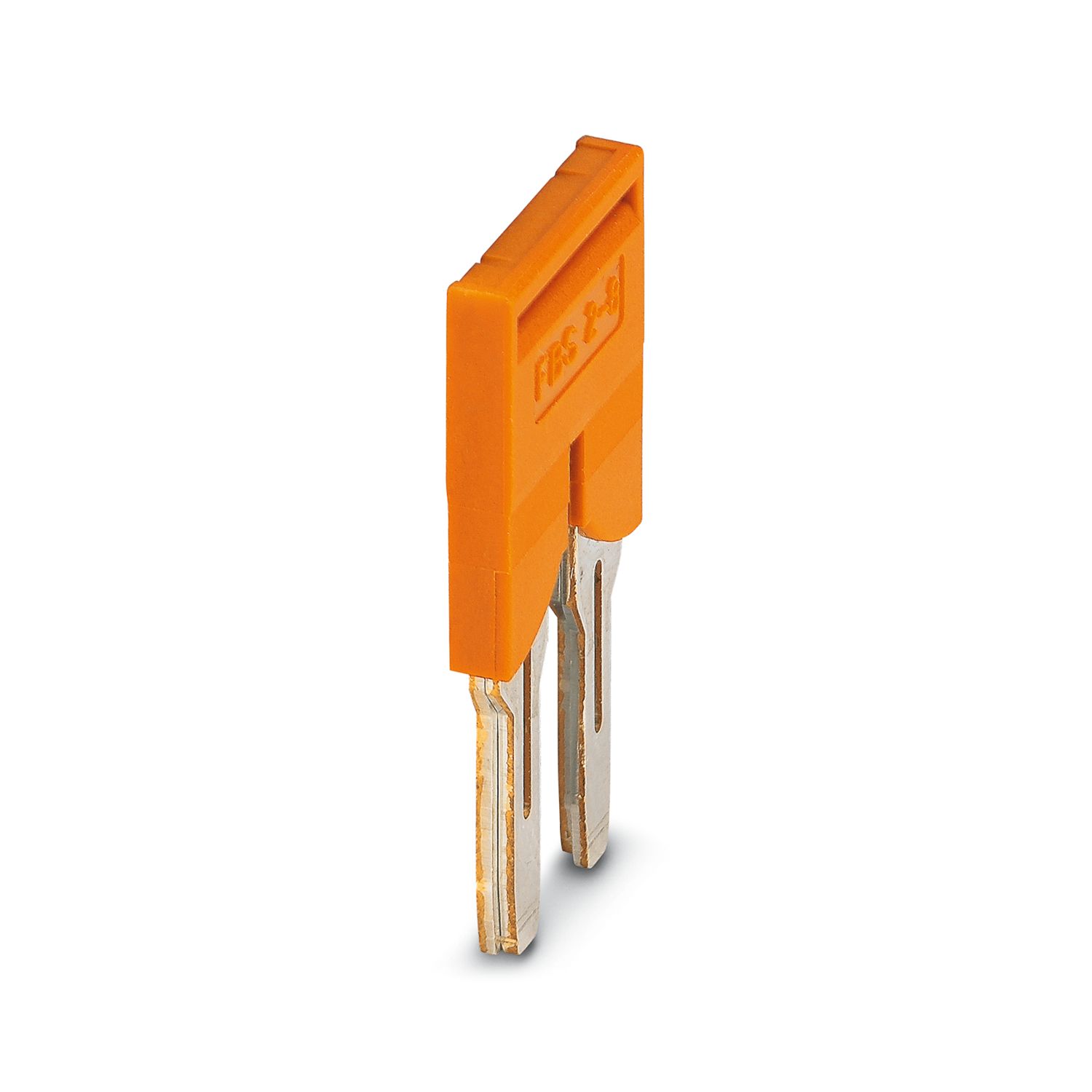
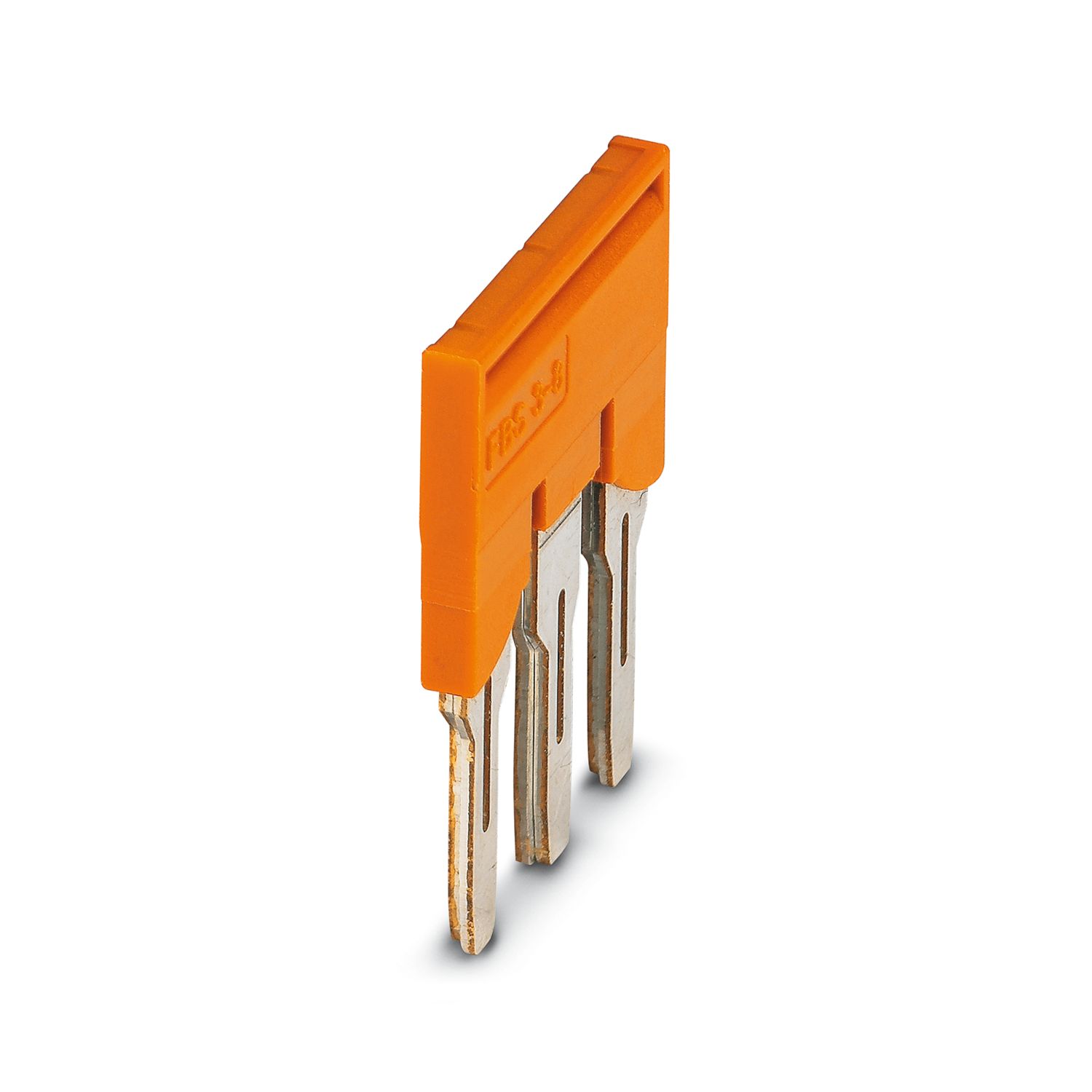
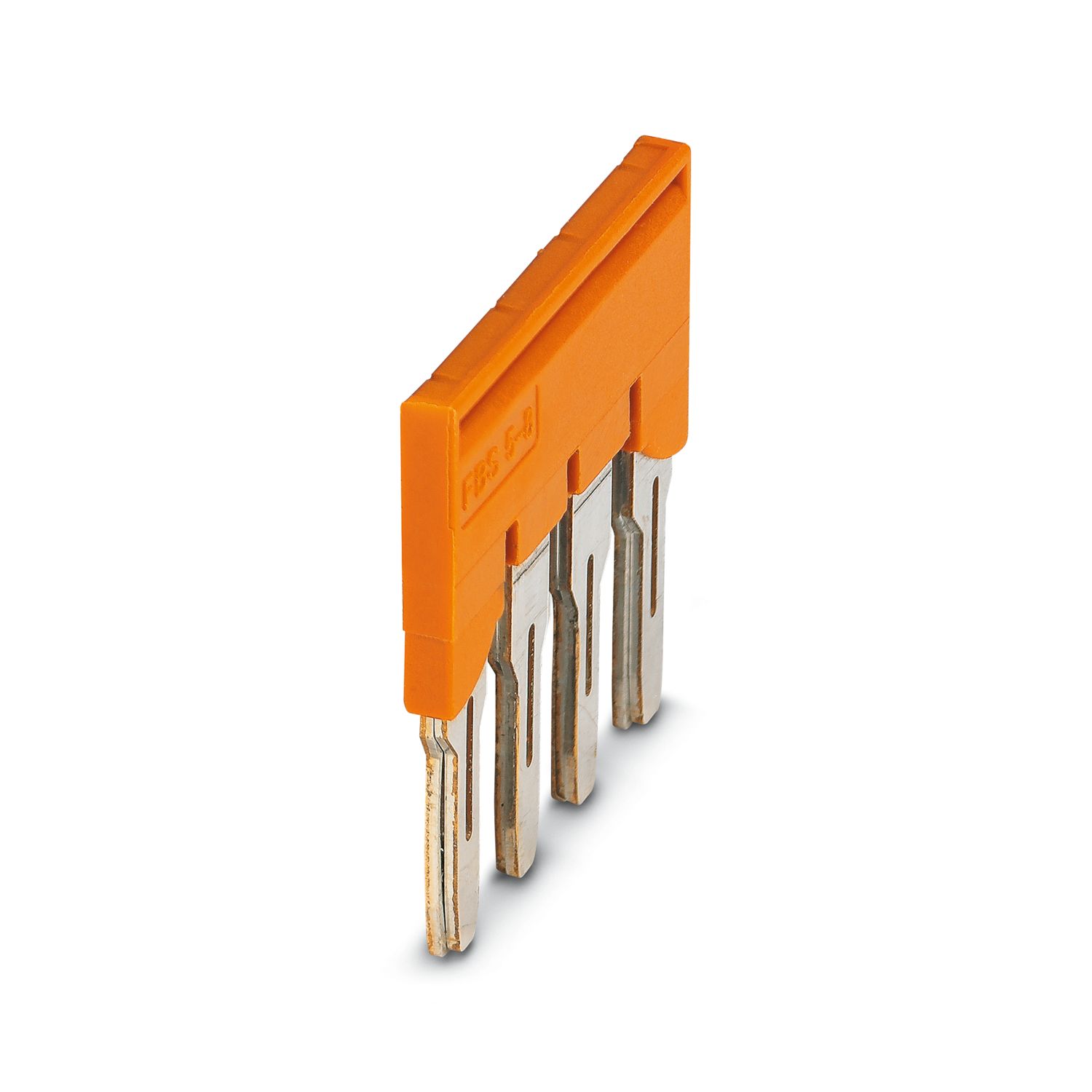
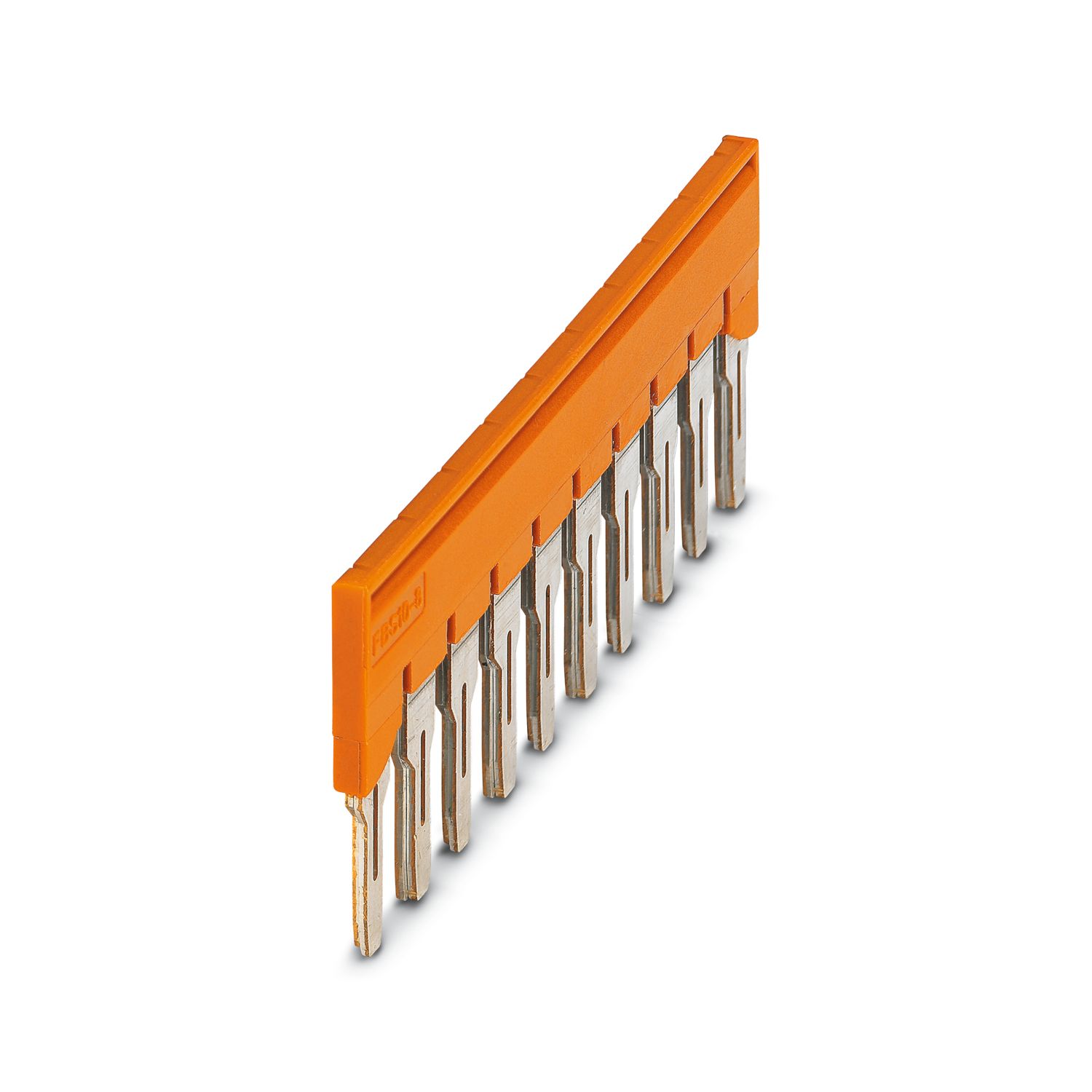
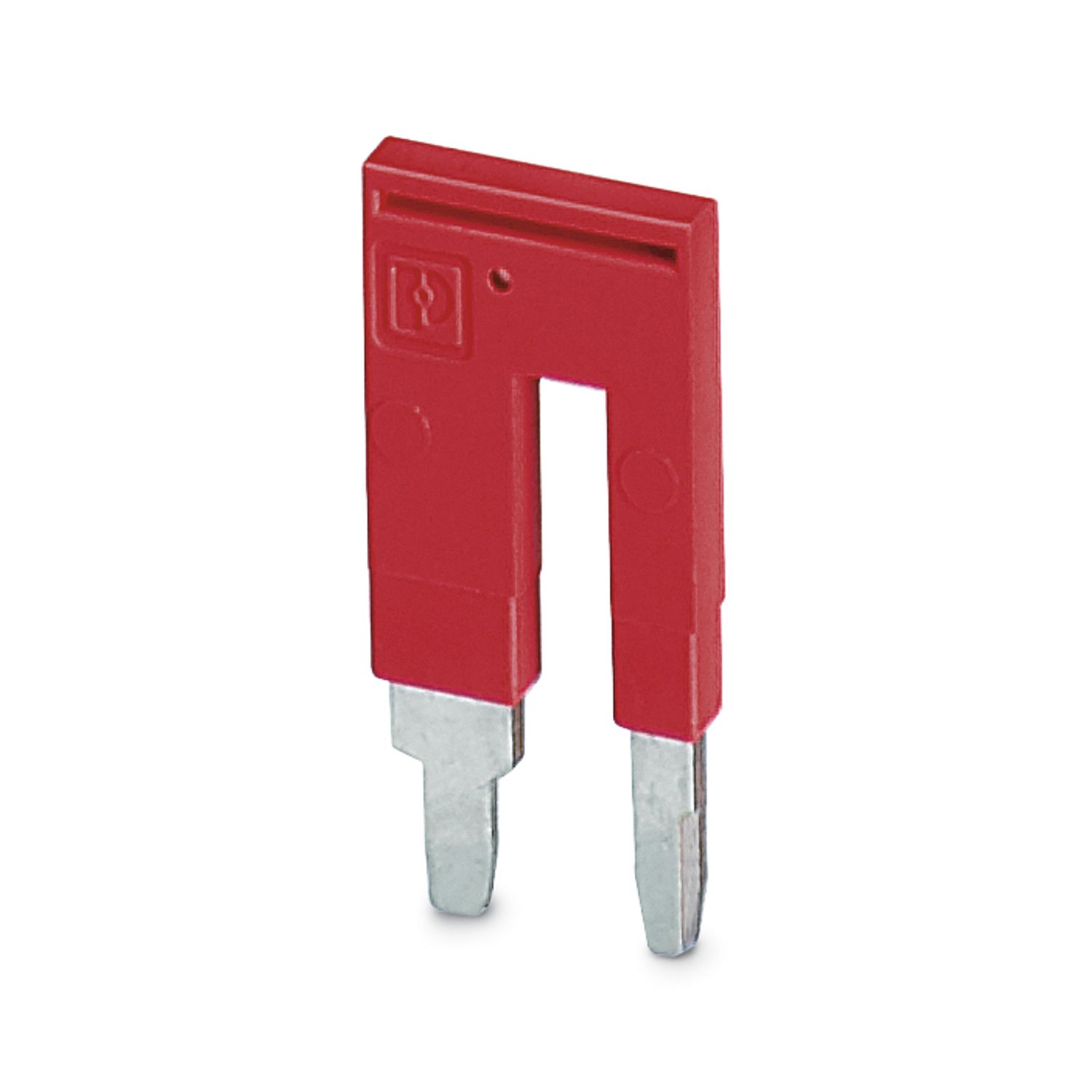
CLIPLINE complete 단자대 시스템의 브리징 옵션으로 인한 간단한 애플리케이션 설정
개별 또는 집단 신호에 대한 통합 연결을 통해 시스템 활용 및 상태에 대한 투명성 확보
커넥터 교체 시 손대지 않고 사전 설치 가능한 배선 덕분에 시운전 및 유지보수가 용이합니다
자주 묻는 질문
피드-인은 어떻게 작동하며 브리지는 어떻게 연결됩니까?
최대 40 A의 전류를 상부 단자점에서 공급할 수 있습니다. 최대 6 mm2 연선 또는 10 mm2 단선 도체를 연결할 수 있습니다. 공급된 전류는 상단에 배치된 브리지 샤프트와 FBS ...-8 브릿지를 통해 분배될 수 있습니다. 31 A를 초과하는 전류는 두 개의 브리지를 통해 분배해야 하며, 31 A 이하의 전류는 하나의 브리지를 통해 분배할 수 있습니다.
어떤 특성 곡선을 언제 선택해야 합니까?
두 가지 특성 곡선을 사용할 수 있습니다.
- 더 빠른 F2 특성 곡선은 센서 또는 저항성 부하와 같이 더 민감한 부하에 적합합니다. 4 ... 8 x In 범위의 DC 전압에서 트리거됩니다.
- 중간 지연형 M1 특성 곡선은 전류 소모가 큰(예: 용량성) 부하 또는 모터에 권장됩니다. DC 전압 8 ... 15x In 범위에서 트리거됩니다.
PS에 대한 요구 사항이 있습니까? 올바른 용량 산정을 위해 고려해야 할 사항은 무엇입니까?
선택적 보호를 위해 전원 공급 장치는 필요한 증가된 트립 전류를 공급할 수 있어야 합니다. 라인 임피던스도 고려해야 합니다.
단락 차단 용량이란 무엇이며 Icn과 Inc의 용어상 차이점은 무엇입니까?
단락 차단 용량: 회로 차단기가 안전하게 차단할 수 있는 최대 단락 전류입니다. 전원 전류가 단락 차단 용량보다 높은 경우 고려해야 할 사항은 무엇입니까? 이 경우 Inc까지는 백업 퓨즈와 함께 보호 회로 차단기를 사용할 수 있습니다. 특정 퓨즈는 이러한 용도로 테스트 및 승인되었습니다(인증서 참조).
- Icn(정격 단락 차단 용량): 백업 퓨즈 없이 회로 차단기만으로 차단할 수 있는 값.
- Inc(조건부 정격 단락 전류): 업스트림 퓨즈와 함께 스위치가 처리할 수 있는 값.
PTCB TM을 AC 및 DC에 사용할 수 있습니까?
예, AC의 경우에는 설치하려는 위치에서 잠재적 단락 전류를 고려해야 합니다. 이 값이 PTCB TM의 차단 용량을 초과해서는 안 됩니다. AC와 DC의 자기 트립은 DC/AC = 1.3의 비율로 차이가 있습니다.