Siglate il vostro quadro elettrico in modo sostenibile con i nostri materiali di siglatura ecologici.
Le targhette per morsetti sostenibili del gruppo di prodotti UCT-TM(F)/GP sono costituite da una percentuale di materie prime biocircolari e si basano sul riciclaggio di alta qualità di materiali biologici di scarto come oli da cucina usati, rifiuti alimentari o talloli. Queste materie prime possono essere integrate nei materiali plastici esistenti senza alcuna perdita di qualità, perché presentano le stesse proprietà tecniche delle plastiche tradizionali. Si ottengono gli stessi prodotti affidabili ma con un'impronta ambientale decisamente migliore.
UCT-TM 5/GP
-
Segnamorsetti
1798008
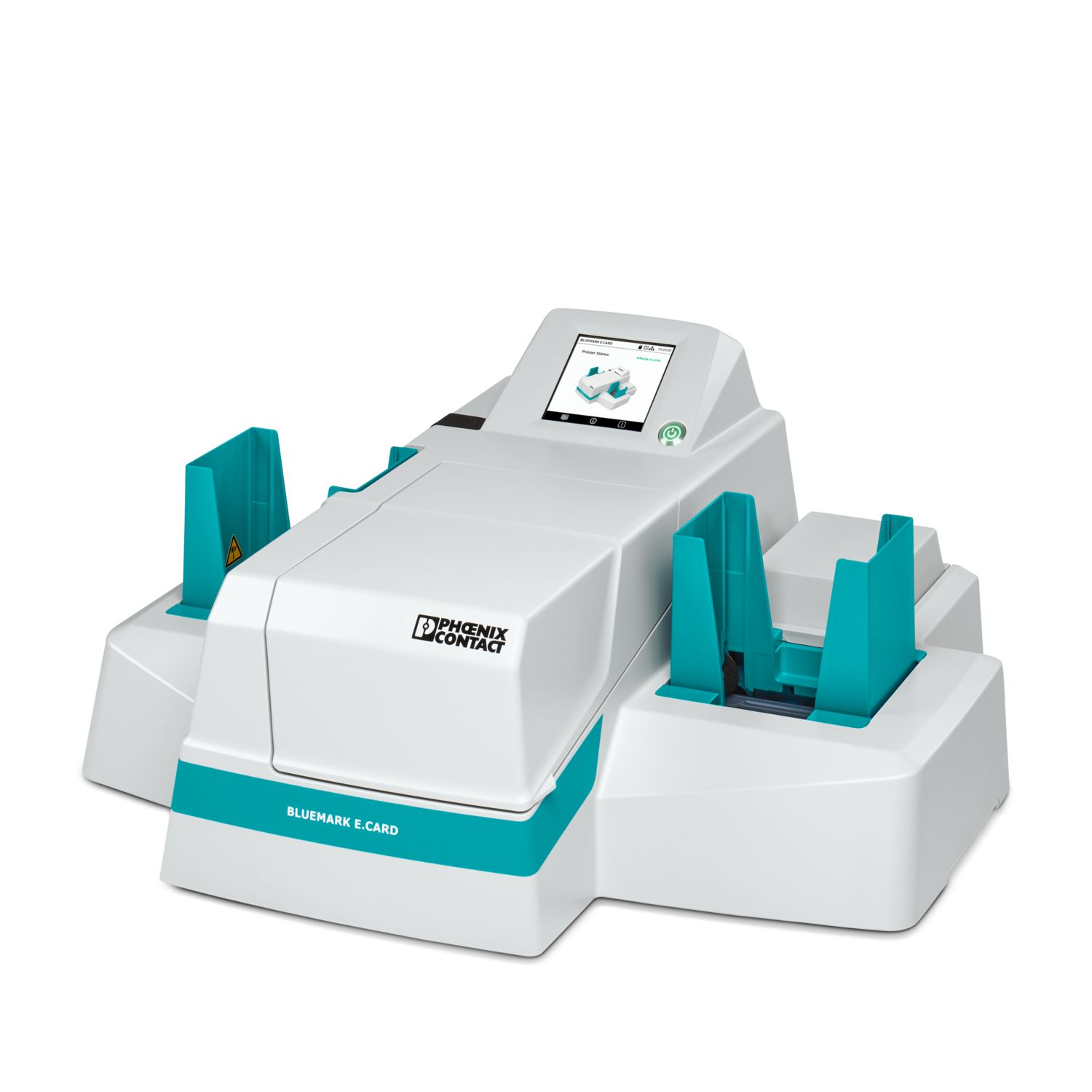
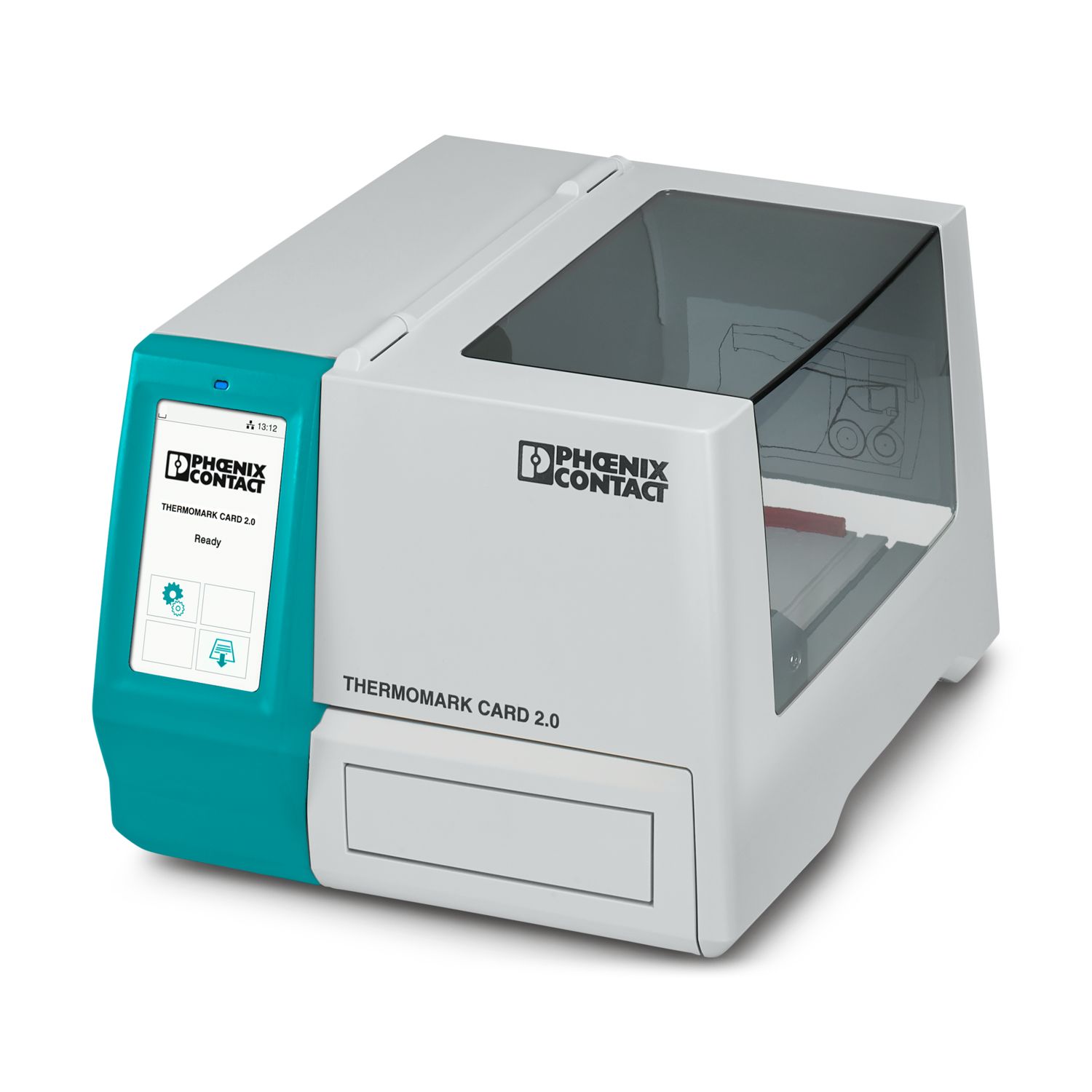
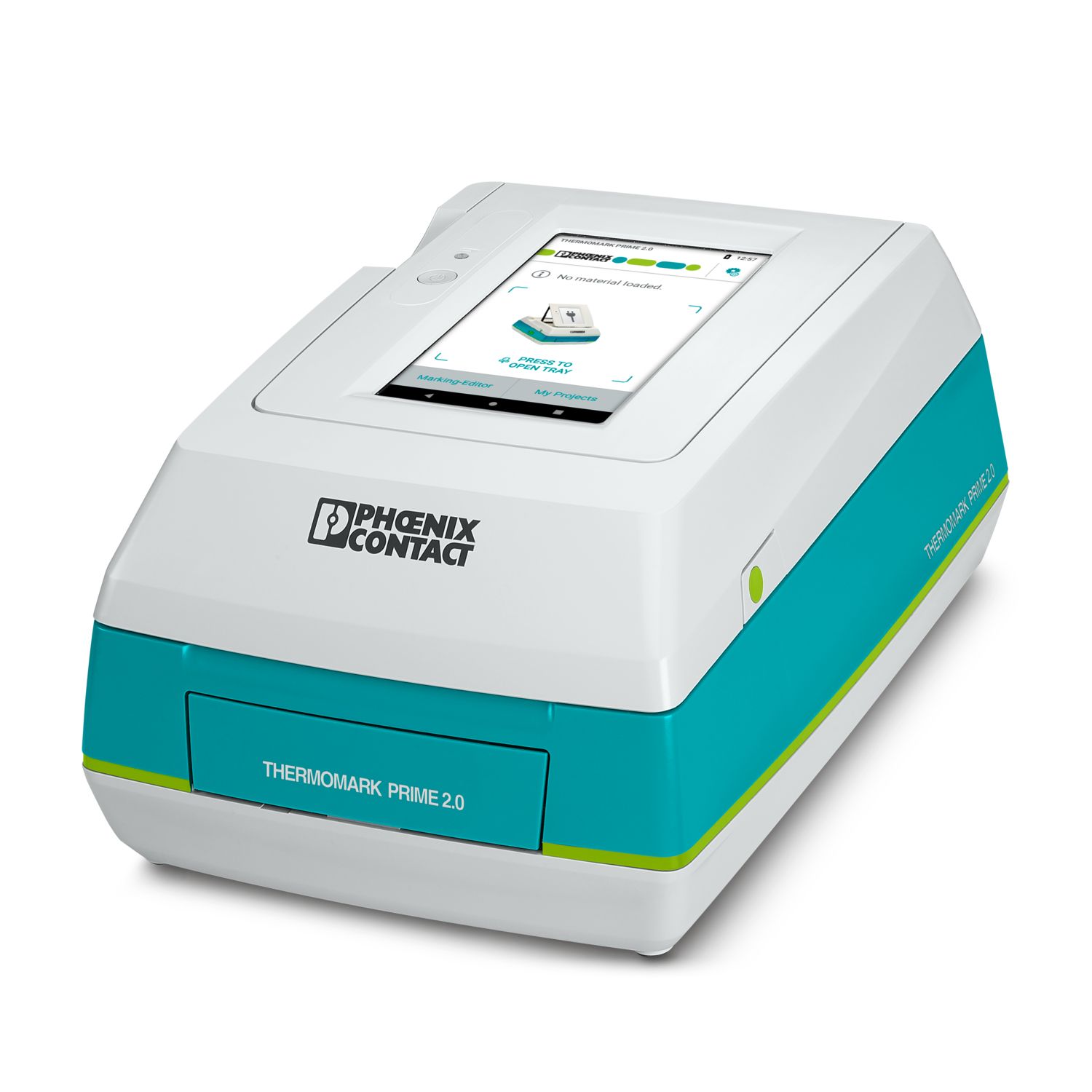
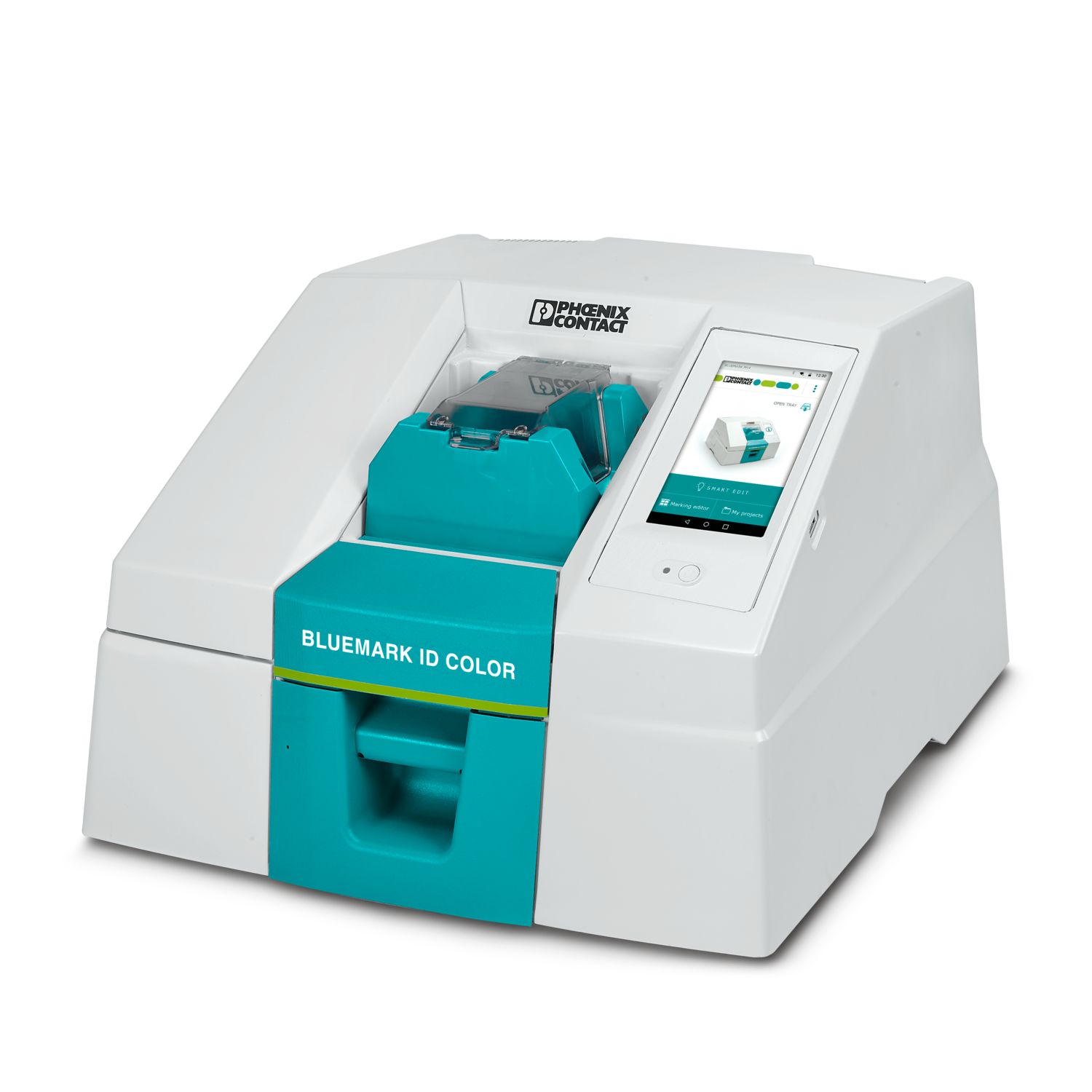
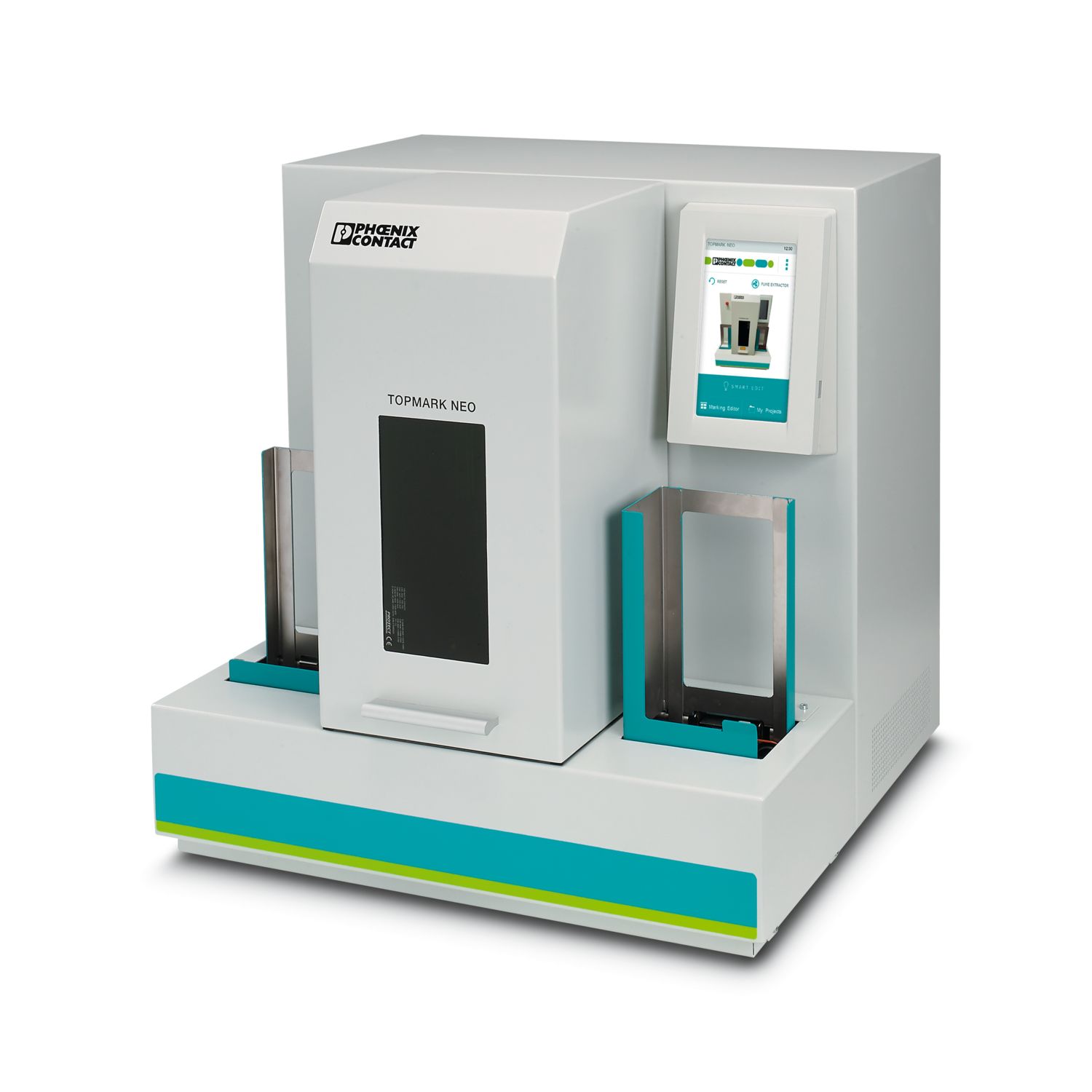
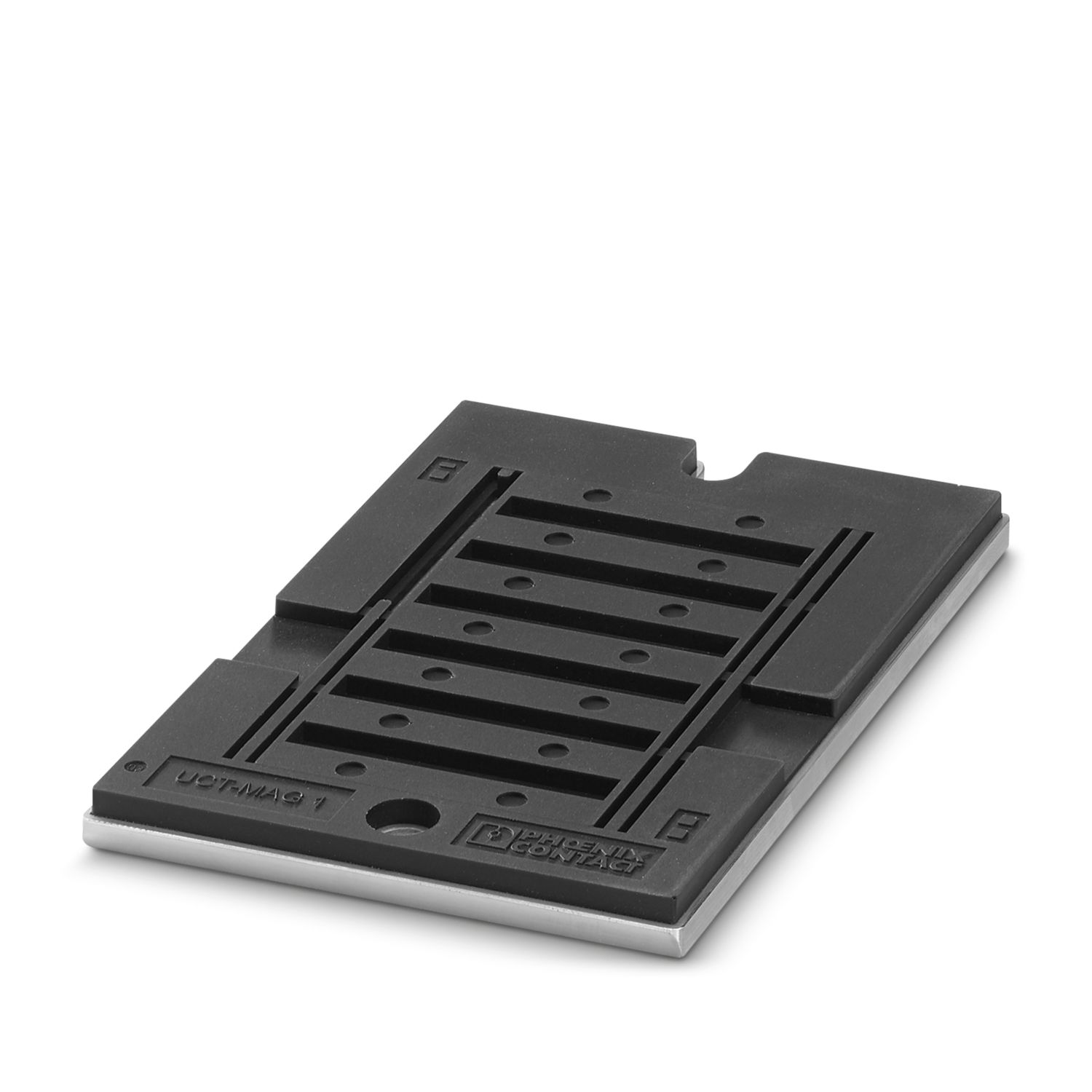
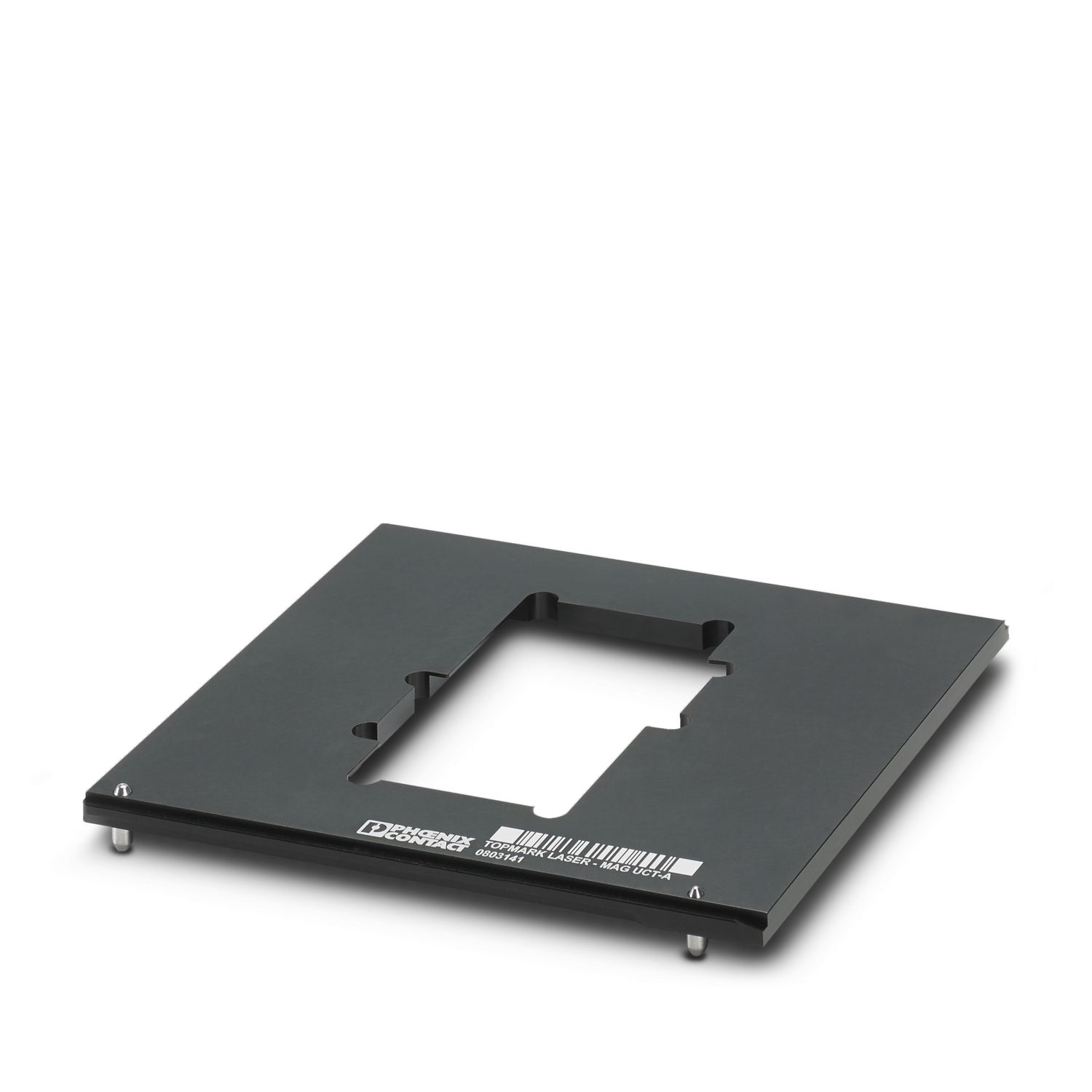
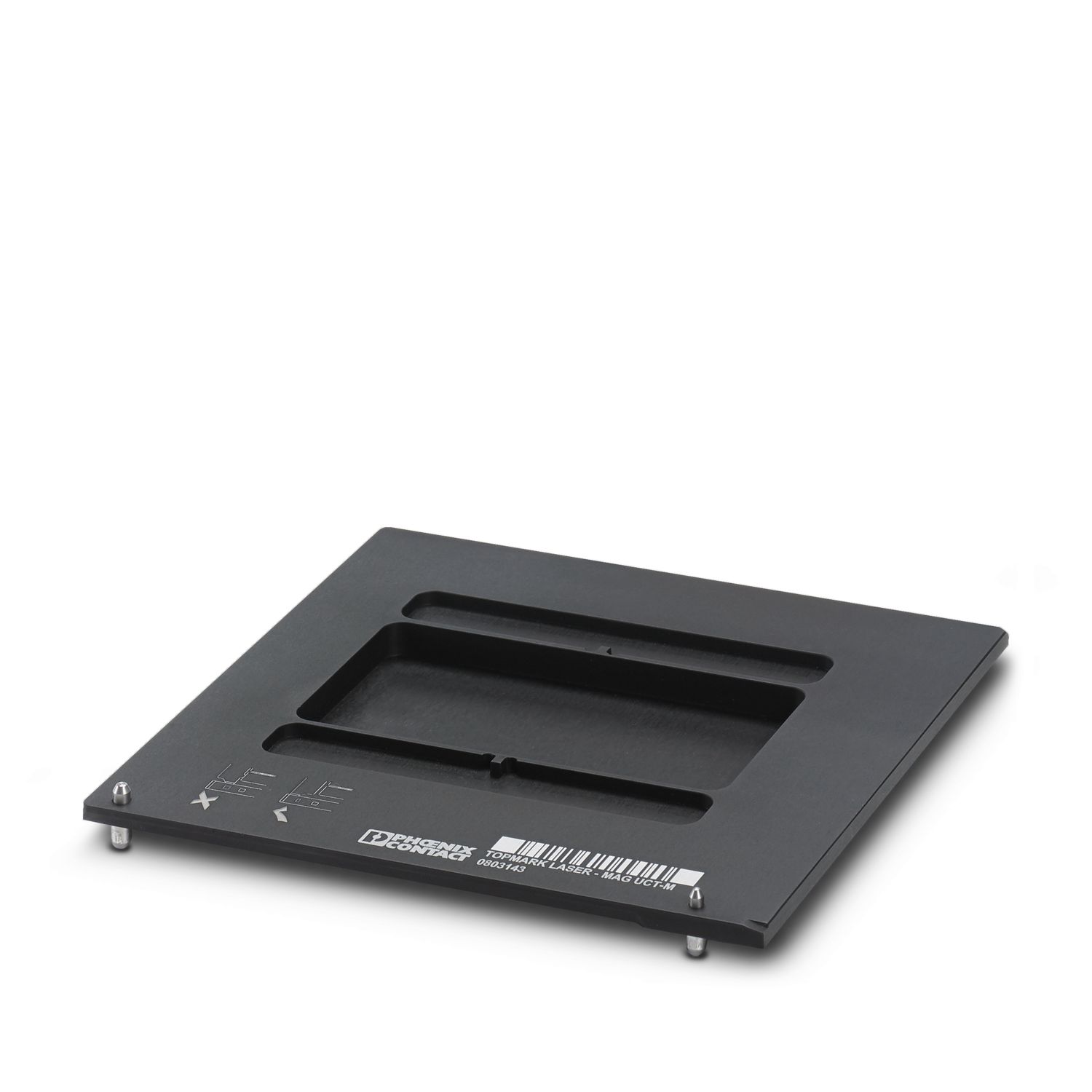
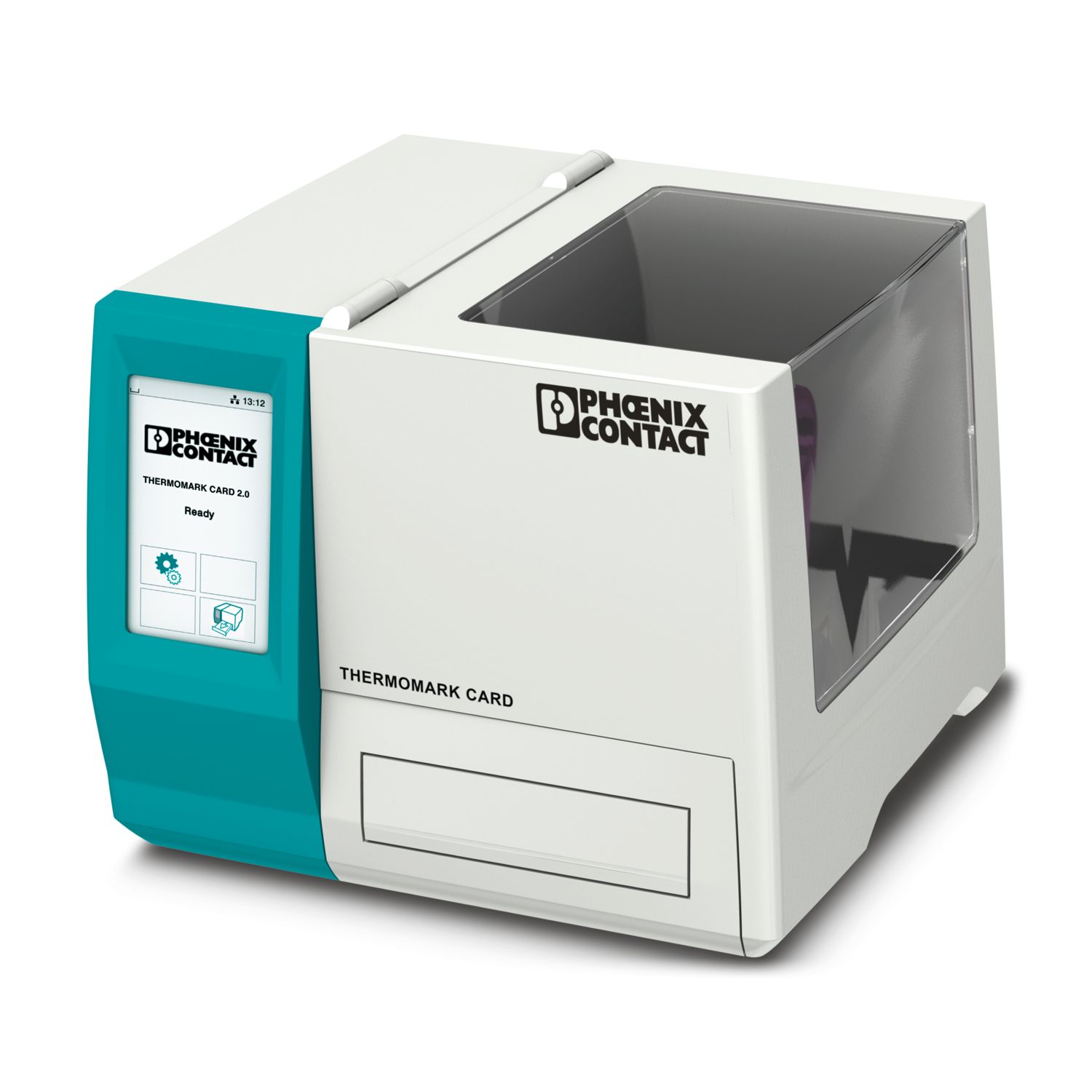
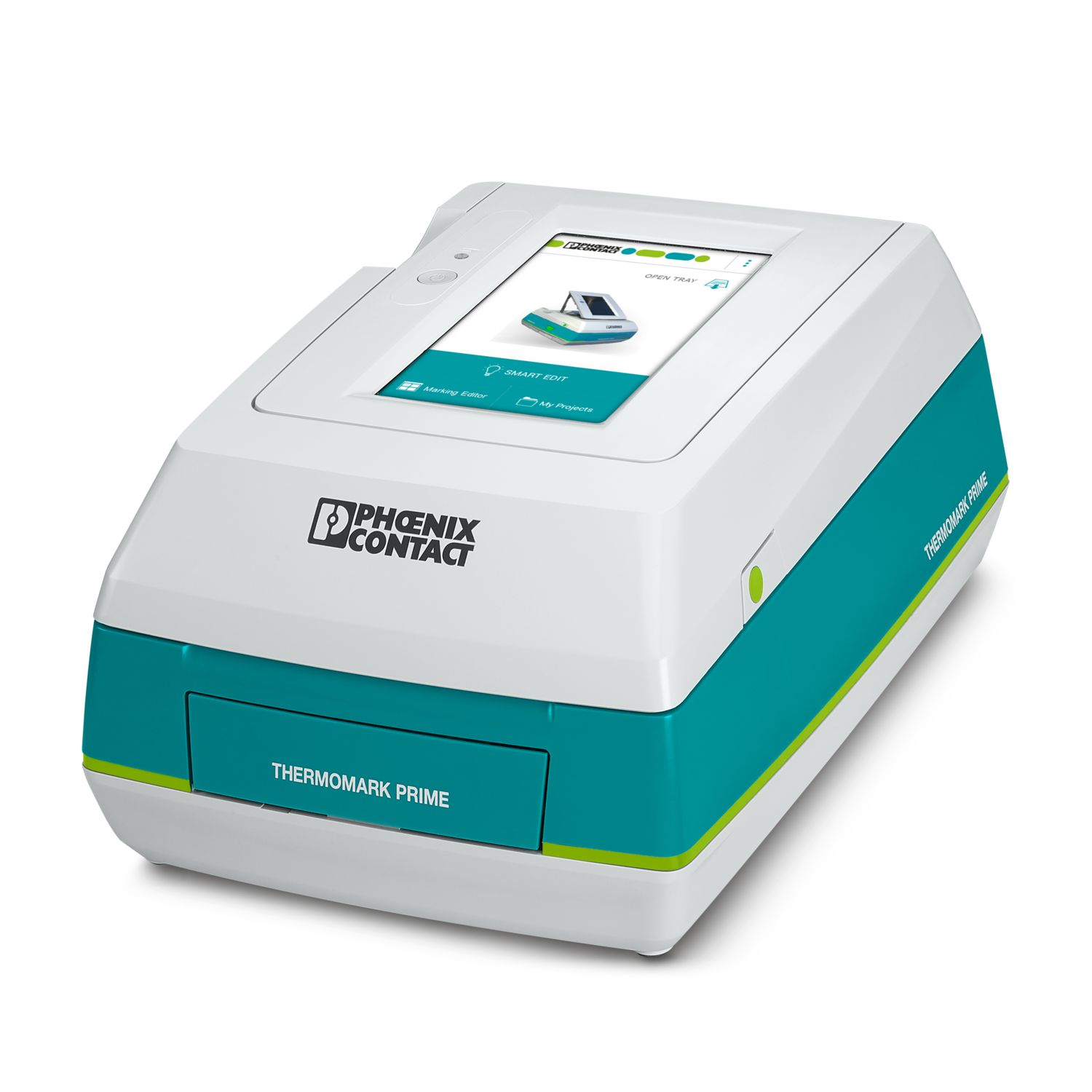
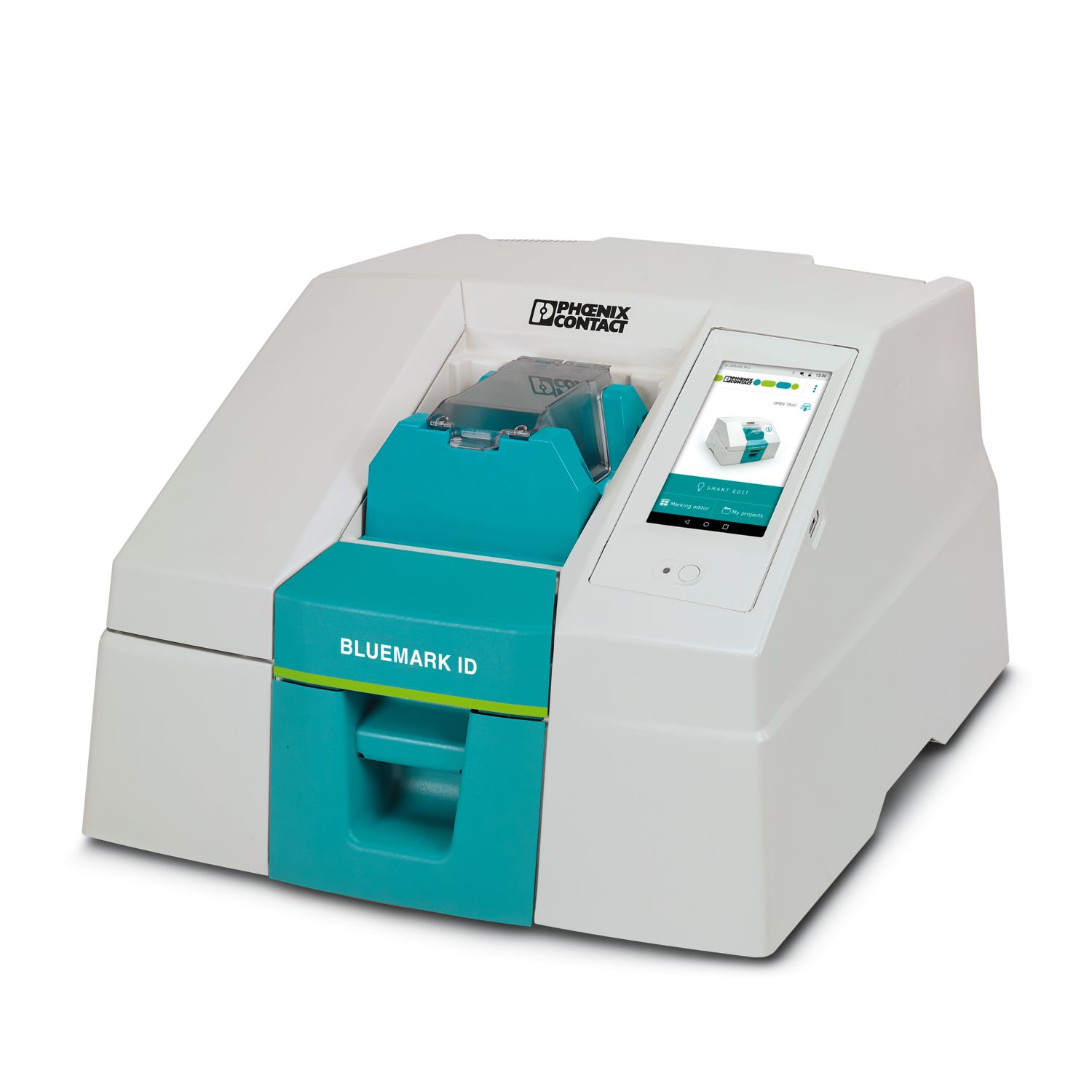
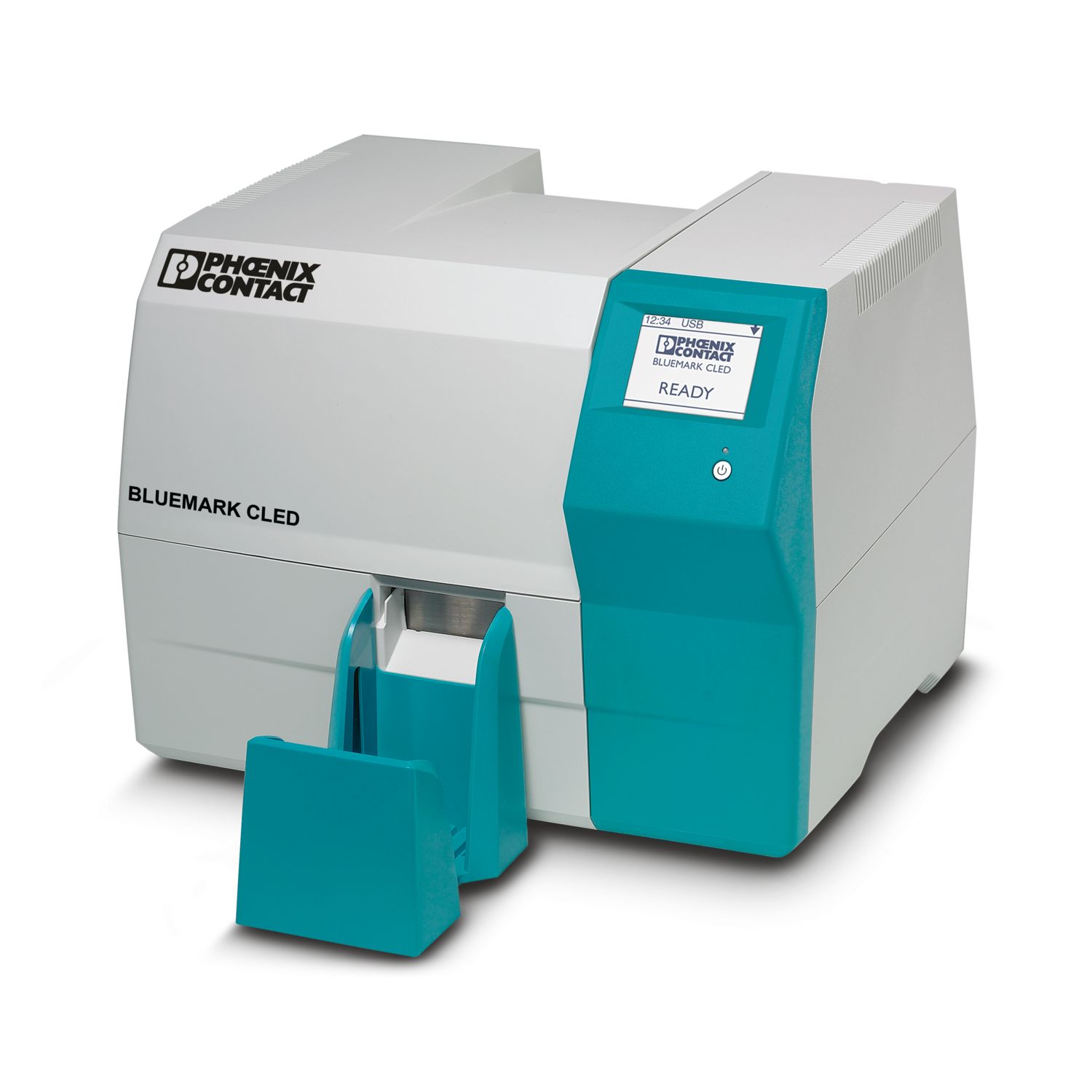
Segnamorsetti, Green Product, Scheda, bianco (RAL 9010), in bianco, siglabile con: BLUEMARK E.CARD, BLUEMARK ID COLOR, BLUEMARK ID, BLUEMARK CLED, THERMOMARK PRIME 2.0, THERMOMARK PRIME, THERMOMARK CARD 2.0, THERMOMARK CARD, TOPMARK NEO, TOPMARK LASER, tipo di montaggio: bloccaggio, per morsetti con spessore: 5,2 mm, Numero dei cartellini singoli: 72, altezza del campo di testo: 10,5 mm, larghezza del campo di testo: 4,6 mm
Dettagli prodotto
Prodotti compatibili
I vantaggi
Domande frequenti
How can I tell if a marking material is sustainable?
You can recognize our sustainable marking materials by the suffix .../GP in the product designation, e.g., UCT-TM 5/GP.
Are sustainable labeling materials just as good as conventional ones?
The raw materials for our sustainable marking materials are obtained from waste materials, residual materials, and high-quality recycled materials. These raw materials can be integrated into existing plastic materials without any loss of quality beca... Vedi di più
The raw materials for our sustainable marking materials are obtained from waste materials, residual materials, and high-quality recycled materials. These raw materials can be integrated into existing plastic materials without any loss of quality because they offer the same technical properties as conventional plastics. You receive products that are just as reliable as before and have a much better environmental footprint. By using sustainable plastics, you are actively helping to strengthen the circular economy and reduce CO₂ emissions. In order to be able to show as precisely as possible what impact our products have on the environment, we examine the ecological footprint of each individual product. To do this, Phoenix Contact creates a Product Environmental Footprint, or PEF for short. You can find the PEF calculation on the product pages under “Downloads.”
Vedi di menoWhy are the UCT-TM(F)…/GP terminal markers a sustainable alternative to the conventional UCT-TM(F)... terminal markers?
The sustainable terminal markers from the UCT-TM(F).../GP product group consist of a proportion of biocircular raw materials and are based on high-quality recycling of biological waste materials such as used cooking oils, food waste, or tall oils. Th... Vedi di più
The sustainable terminal markers from the UCT-TM(F).../GP product group consist of a proportion of biocircular raw materials and are based on high-quality recycling of biological waste materials such as used cooking oils, food waste, or tall oils. These raw materials can be integrated into existing plastic materials without any loss of quality because they offer the same technical properties as conventional plastics. You receive products that are just as reliable as before and have a much better environmental footprint.
Vedi di menoWhat does ISCC PLUS certification mean?
ISCC PLUS is an internationally recognized sustainability certification that verifies that renewable, bio-based, or circular raw materials are used in the manufacture of our products. From the origin of the raw material to the finished product, the e... Vedi di più
ISCC PLUS is an internationally recognized sustainability certification that verifies that renewable, bio-based, or circular raw materials are used in the manufacture of our products. From the origin of the raw material to the finished product, the entire supply chain is certified in a transparent, credible, and traceable manner. This is how we ensure that the materials we use do not come from problematic sources, but have been obtained in an ecologically and socially responsible manner.
Vedi di meno