
PTCB BE PT 6/10
-
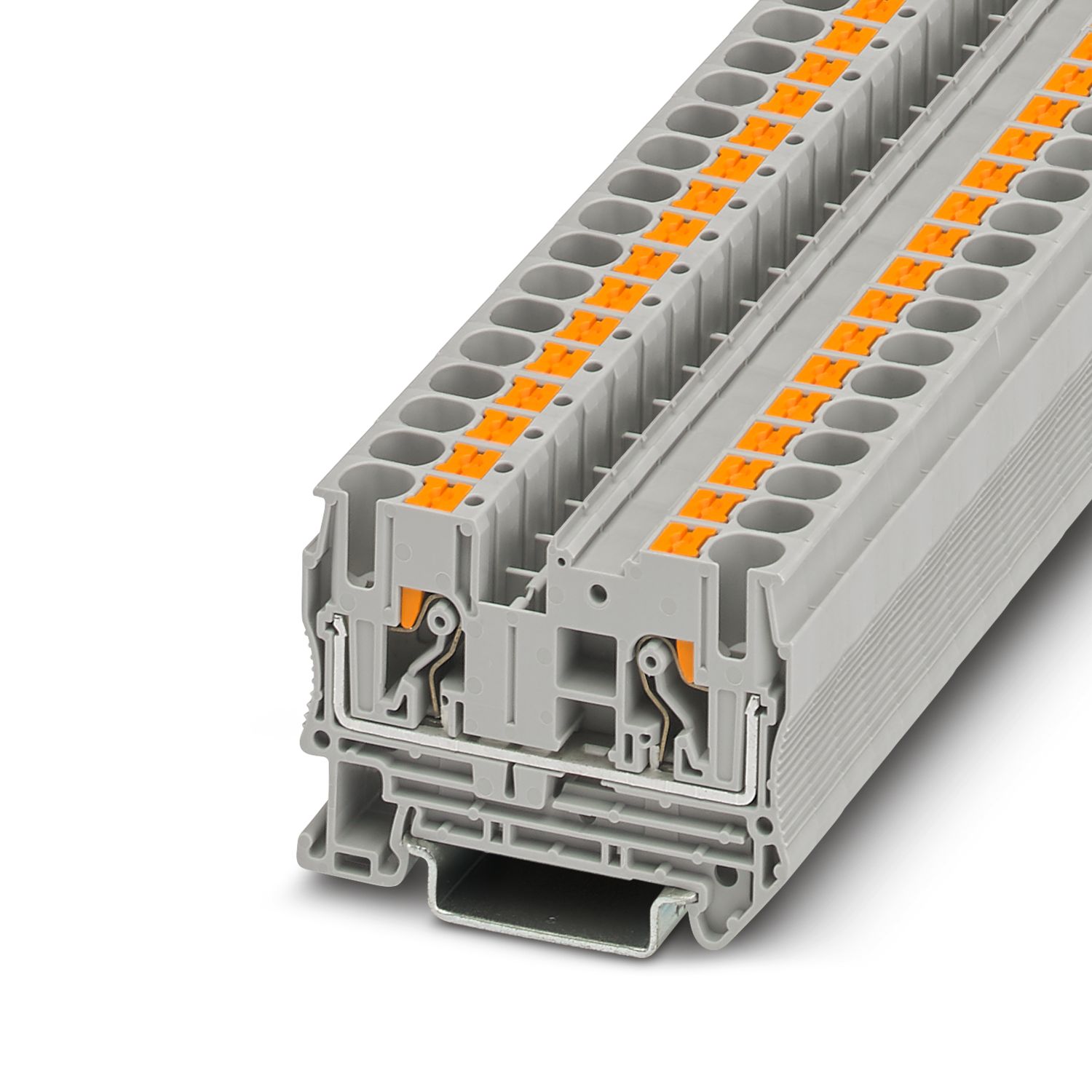
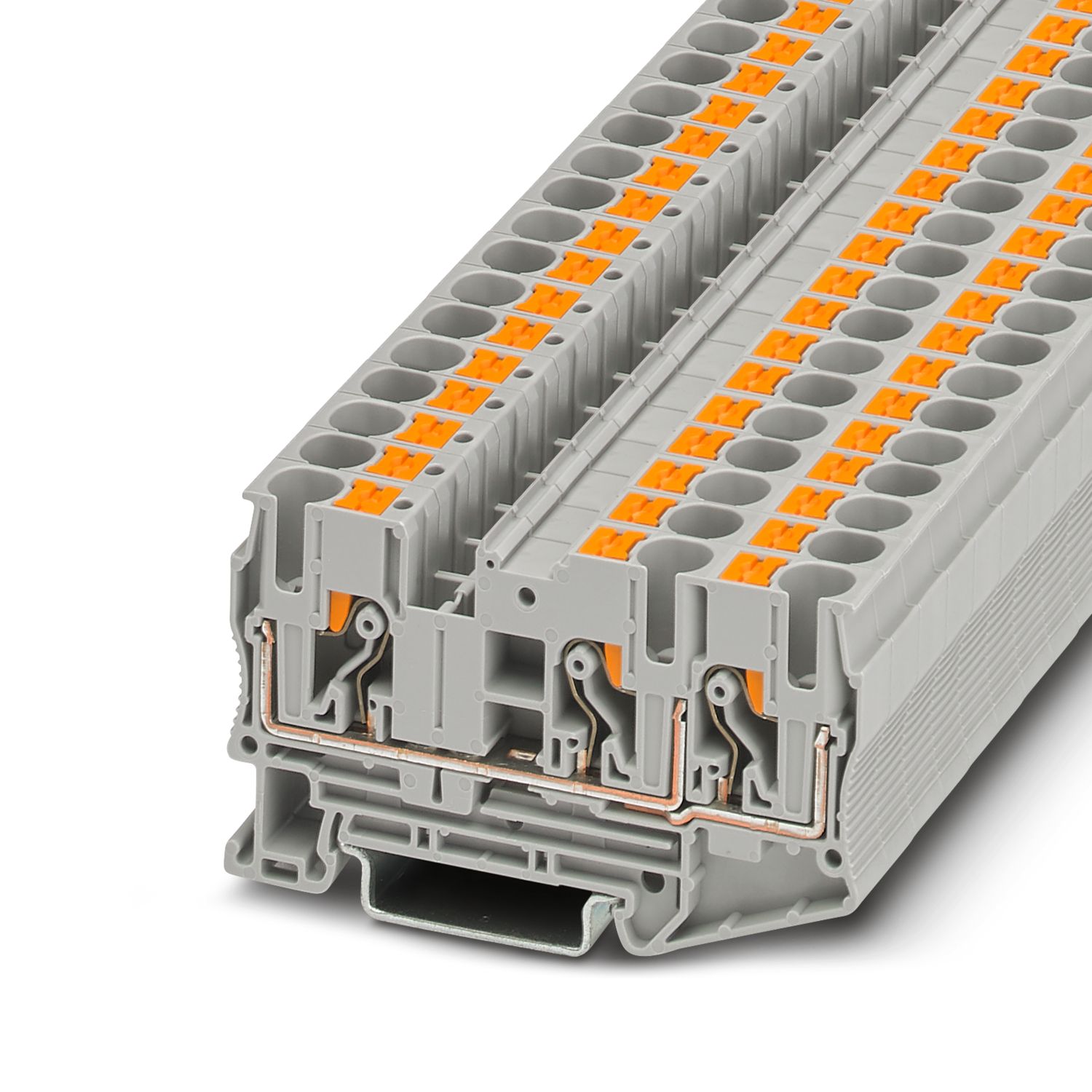
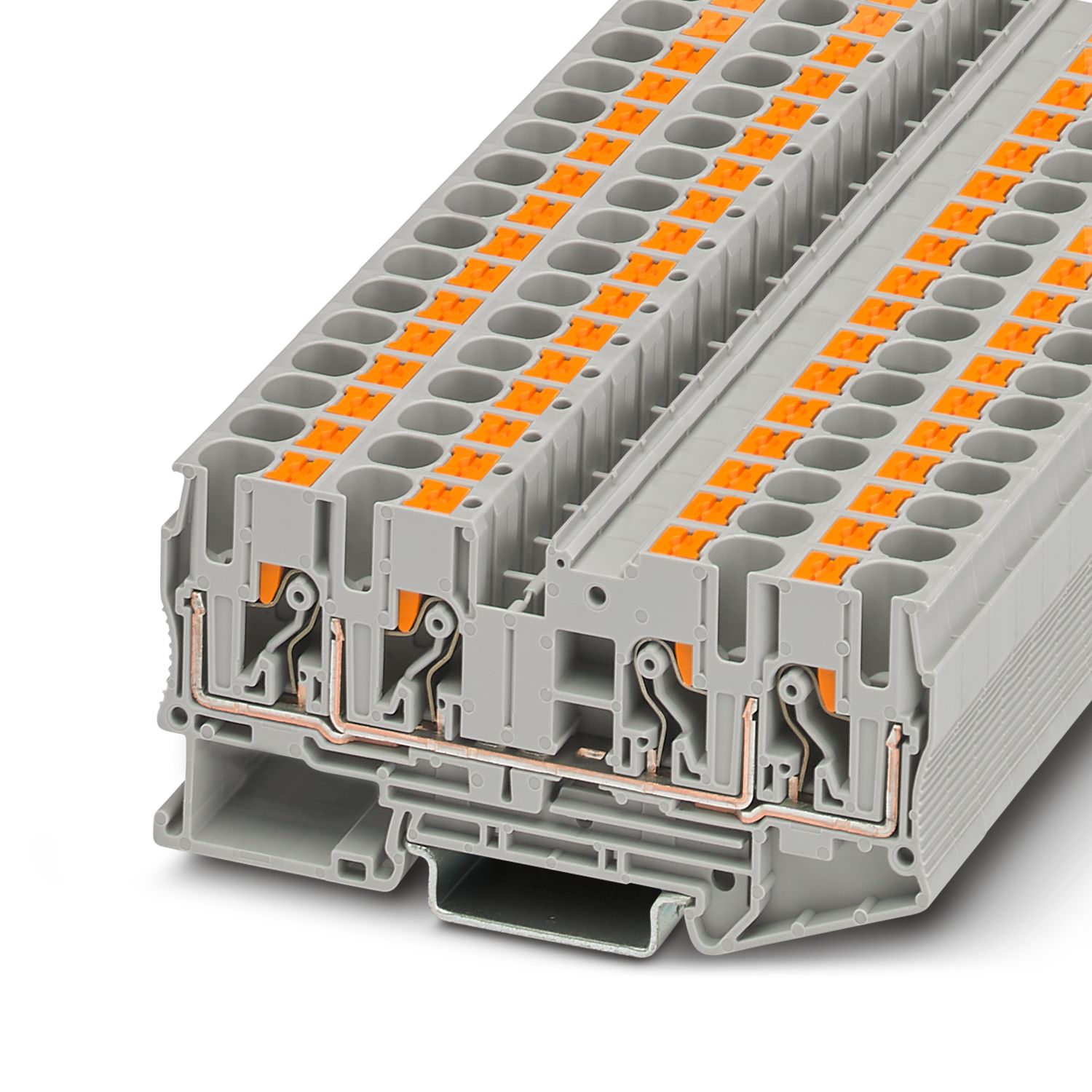
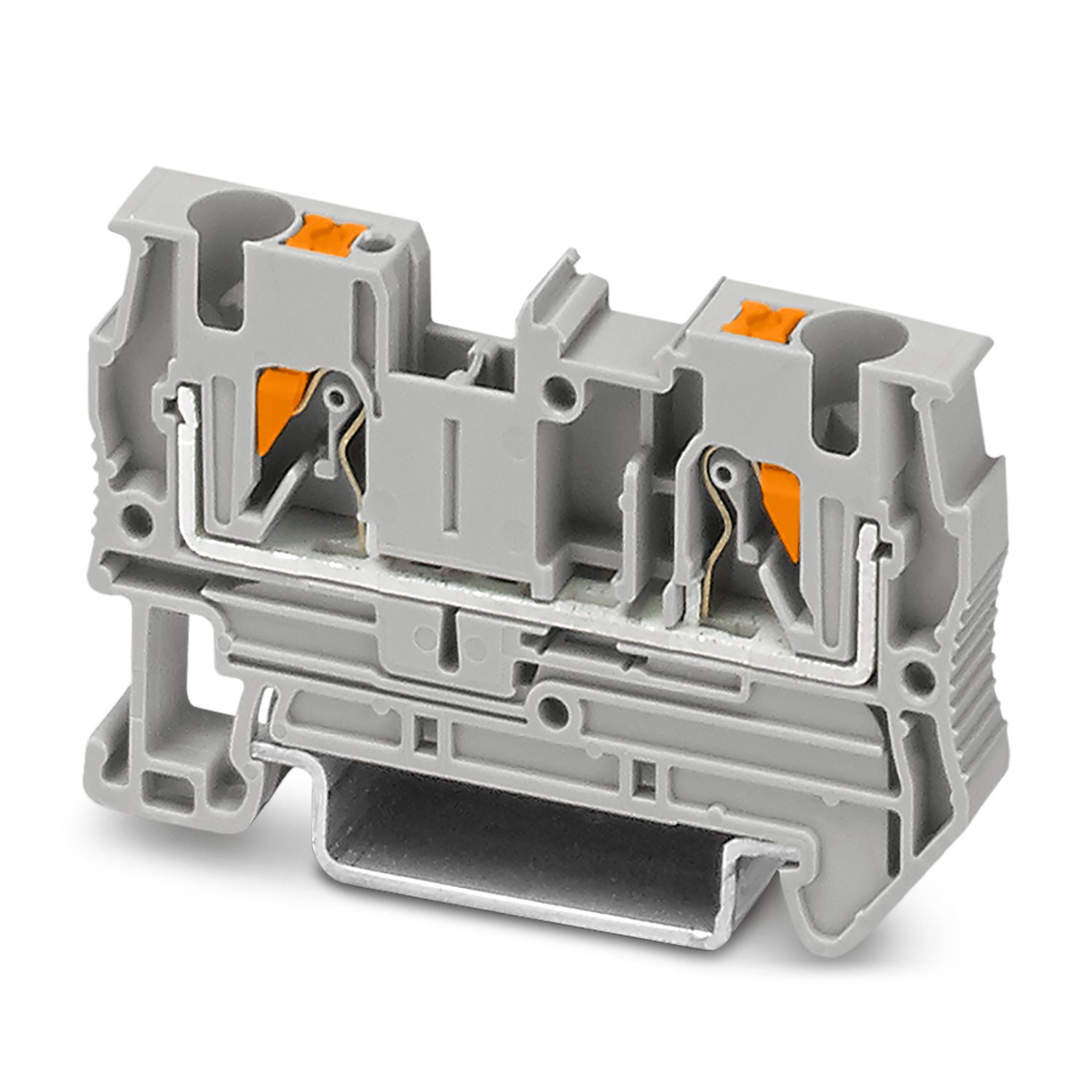
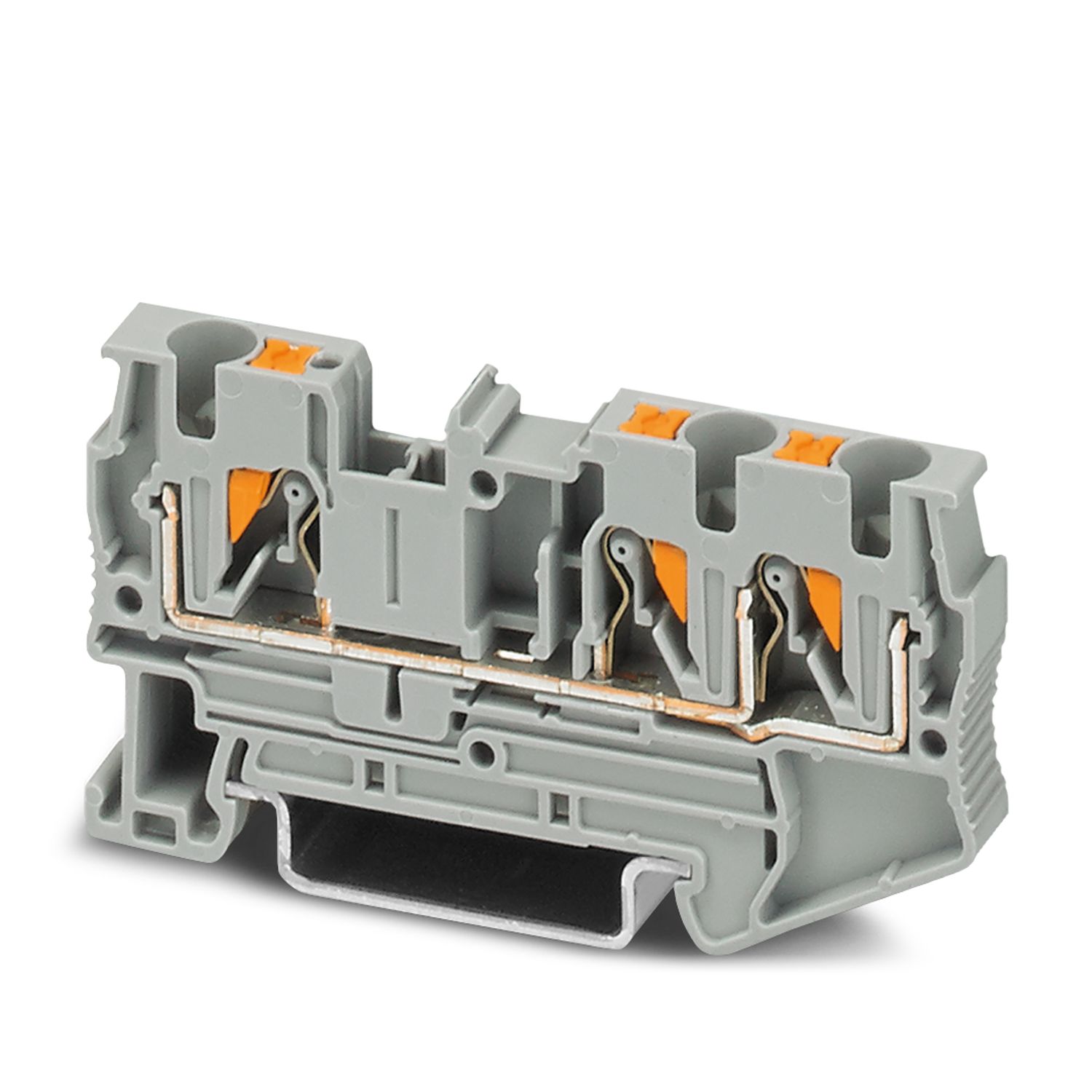
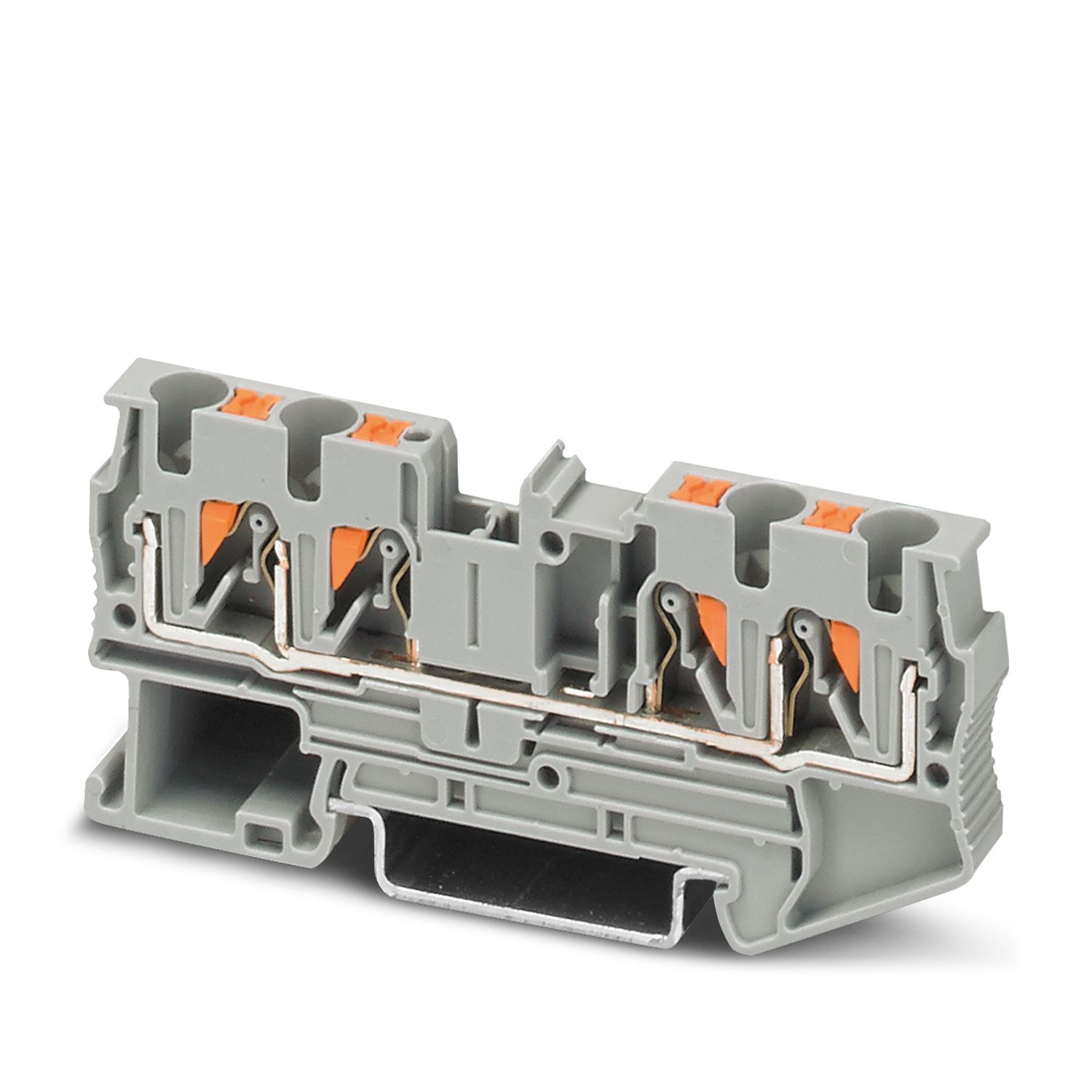
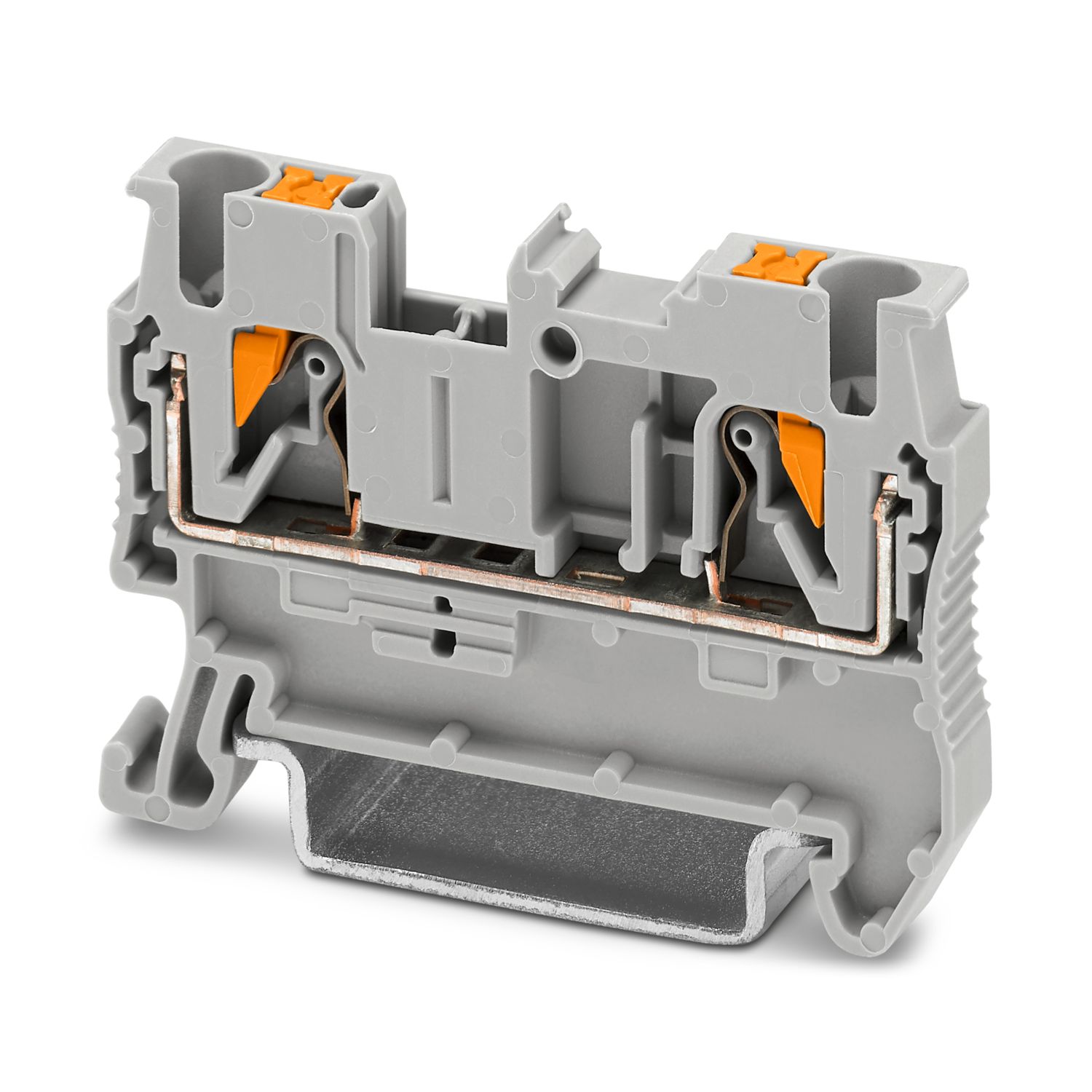
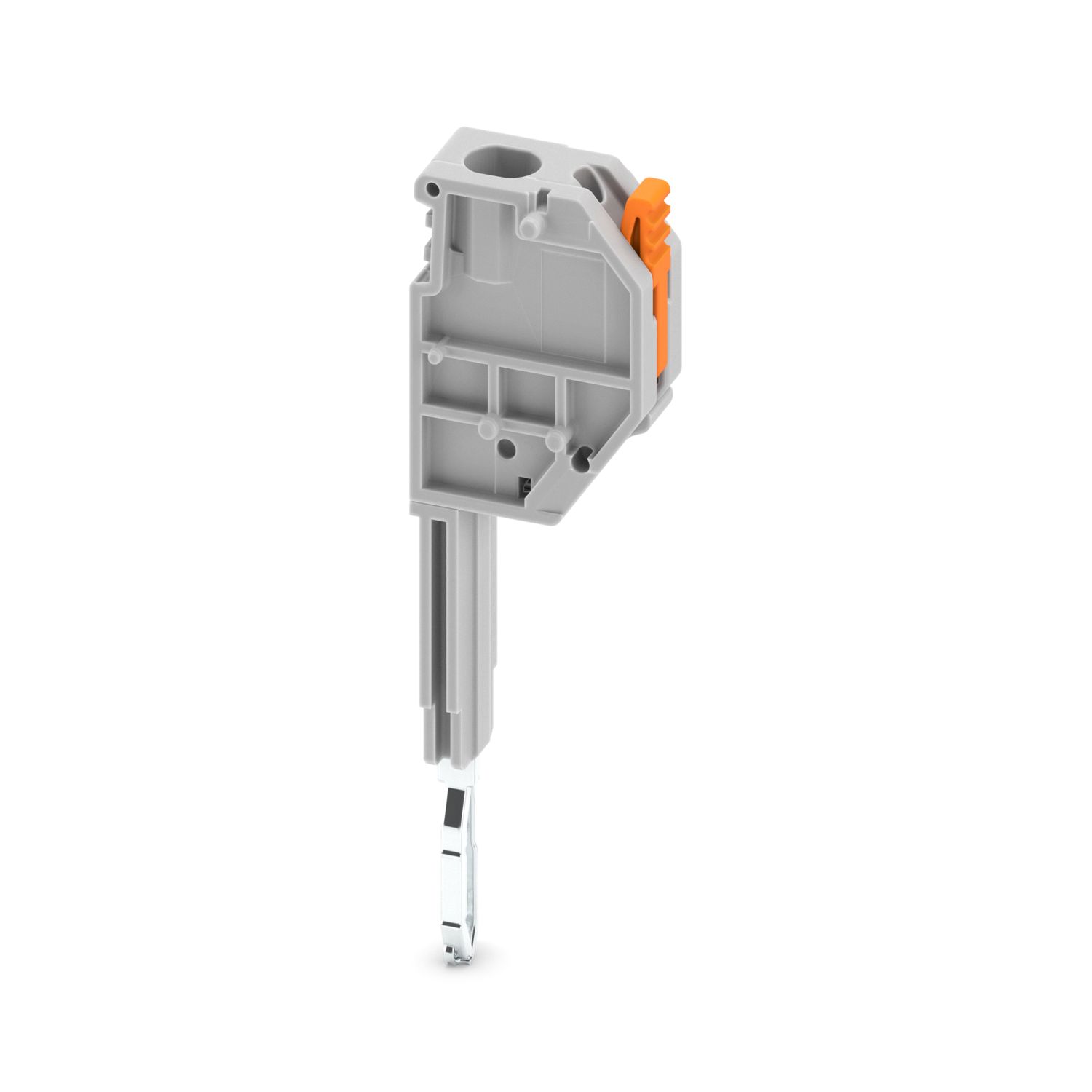
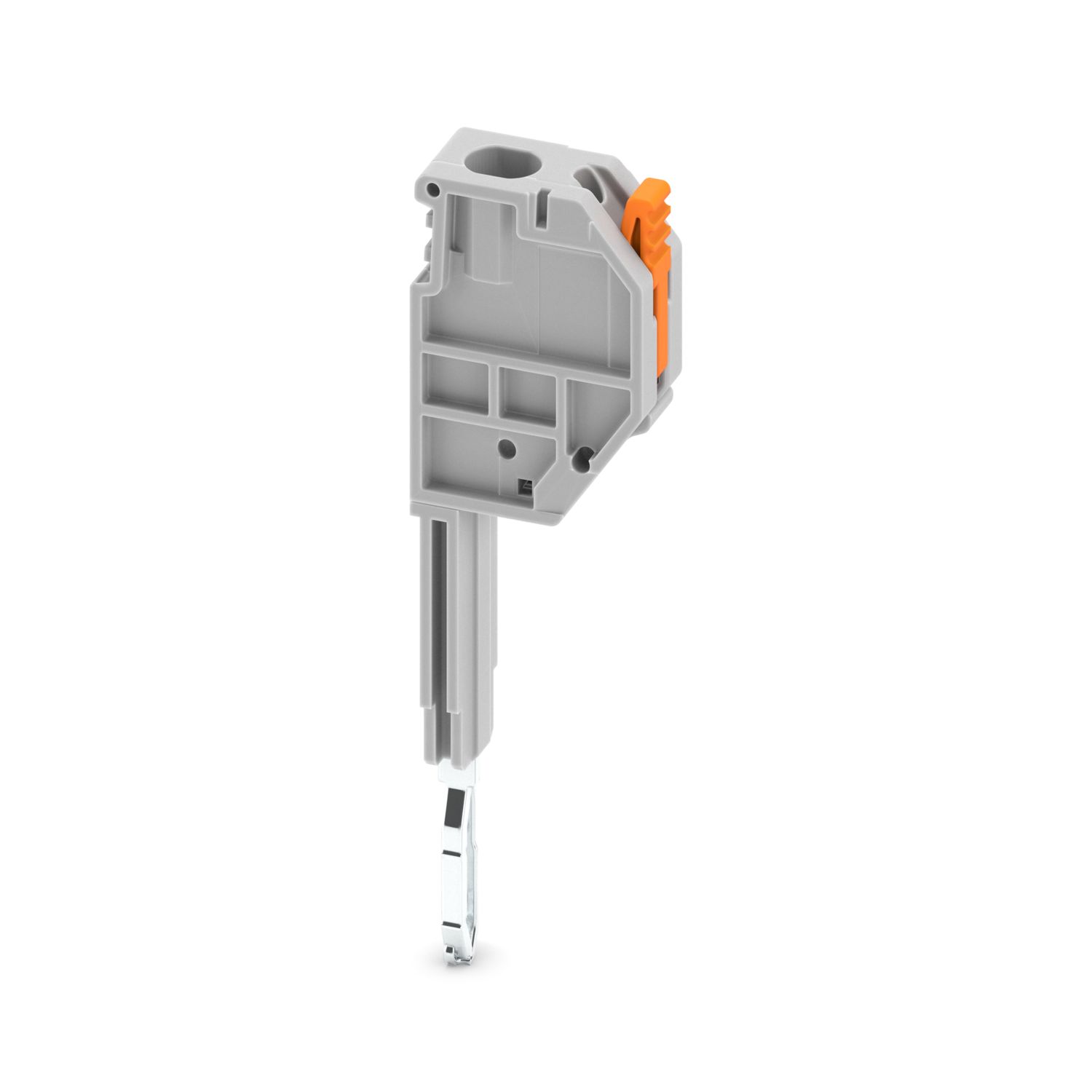
Elemento base
1760600
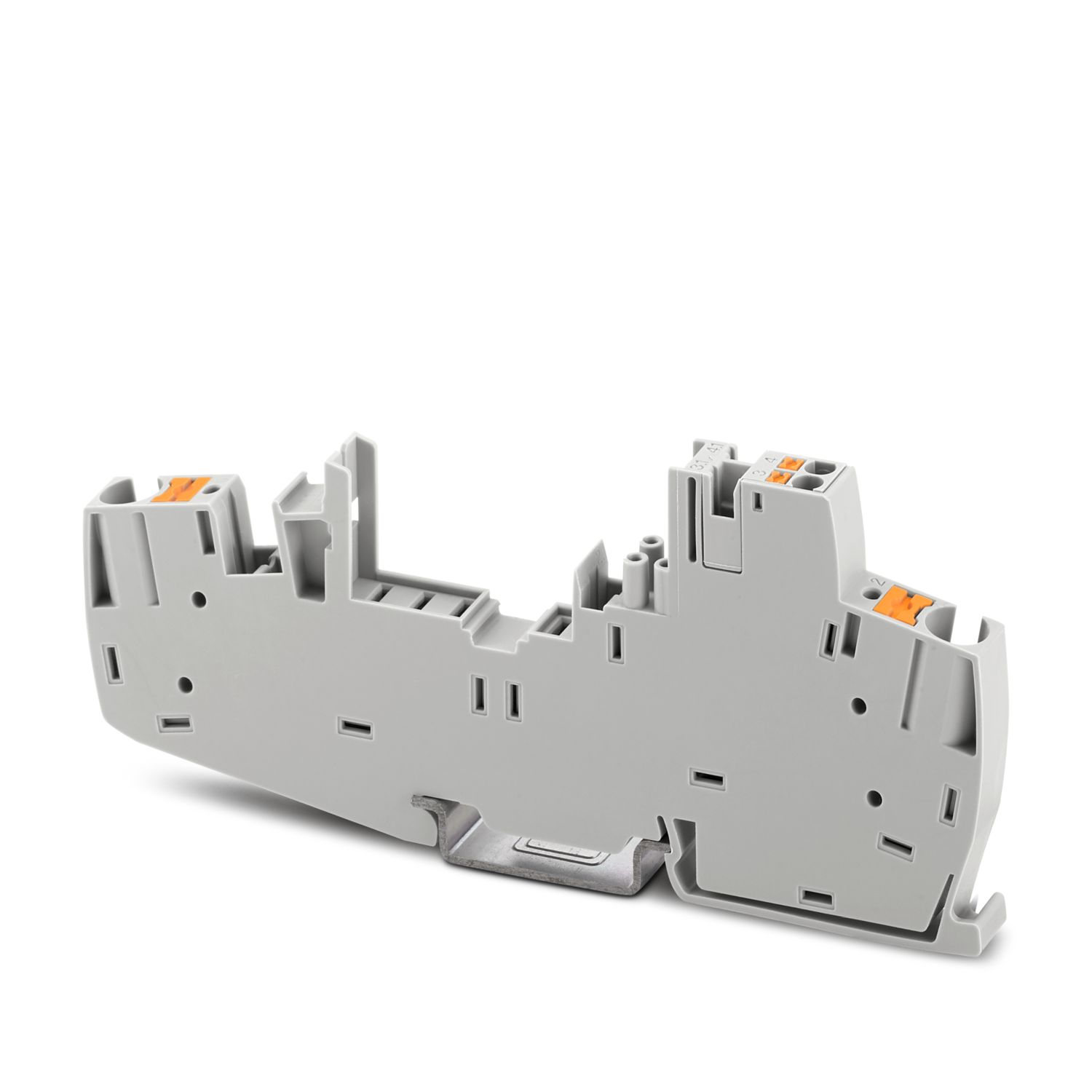
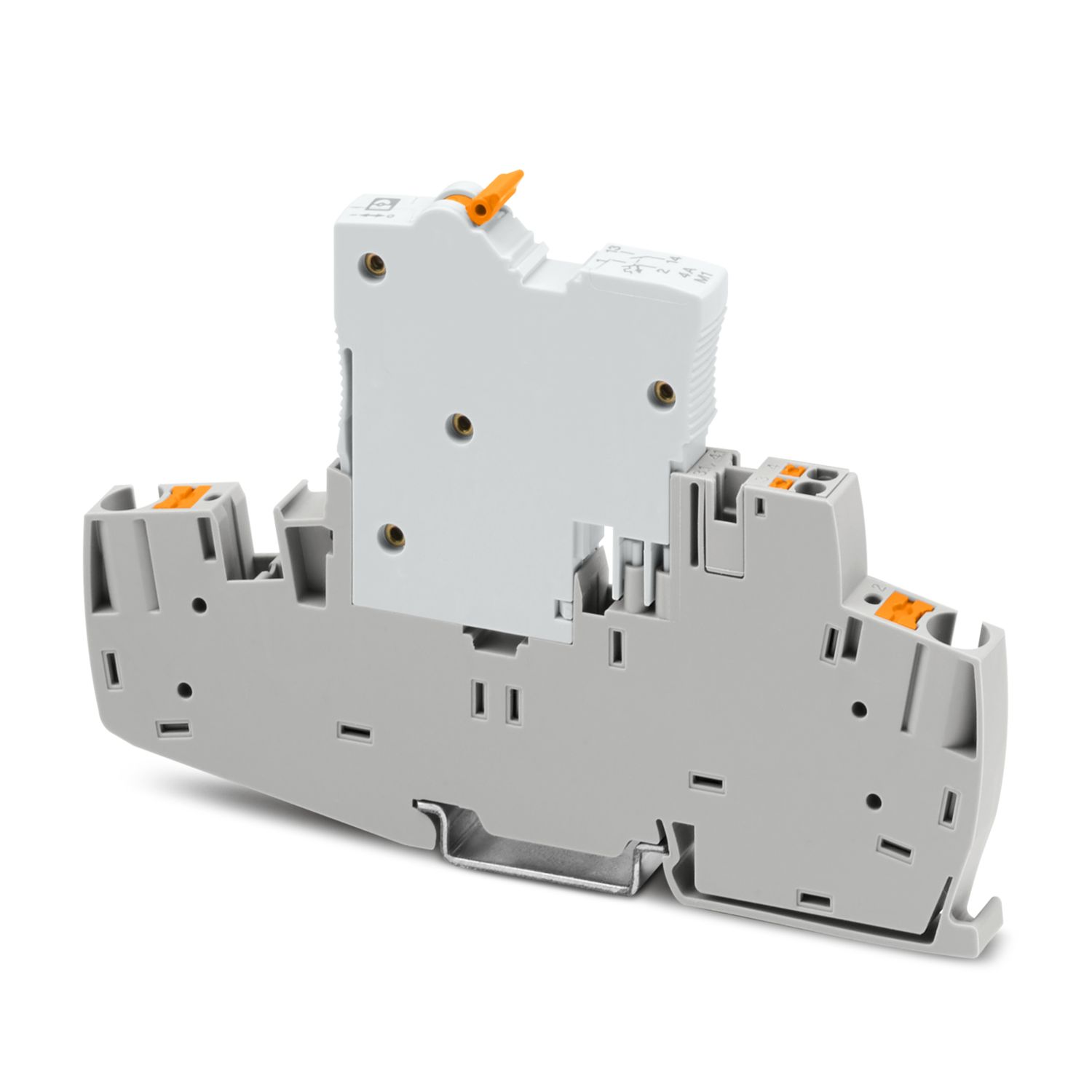
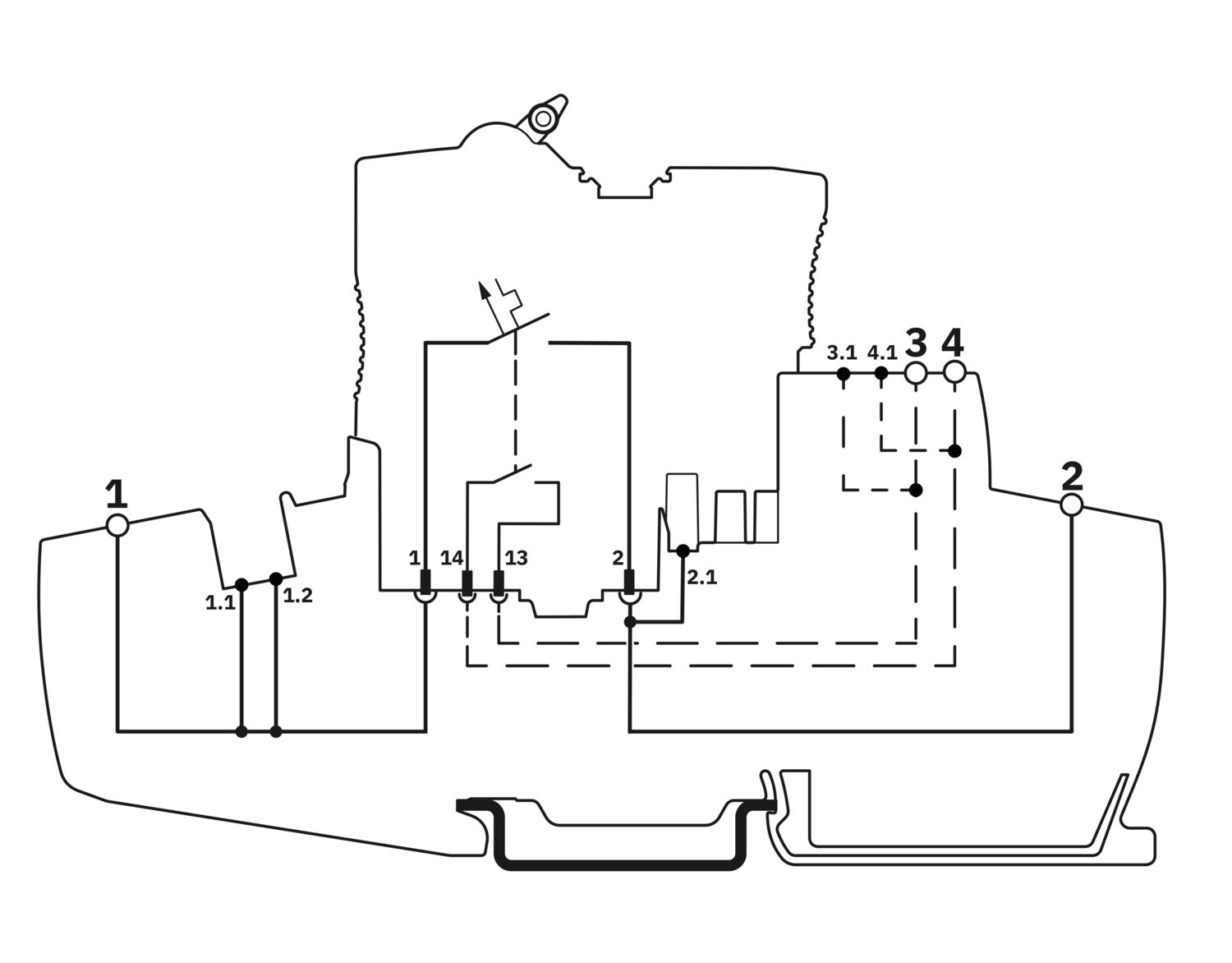
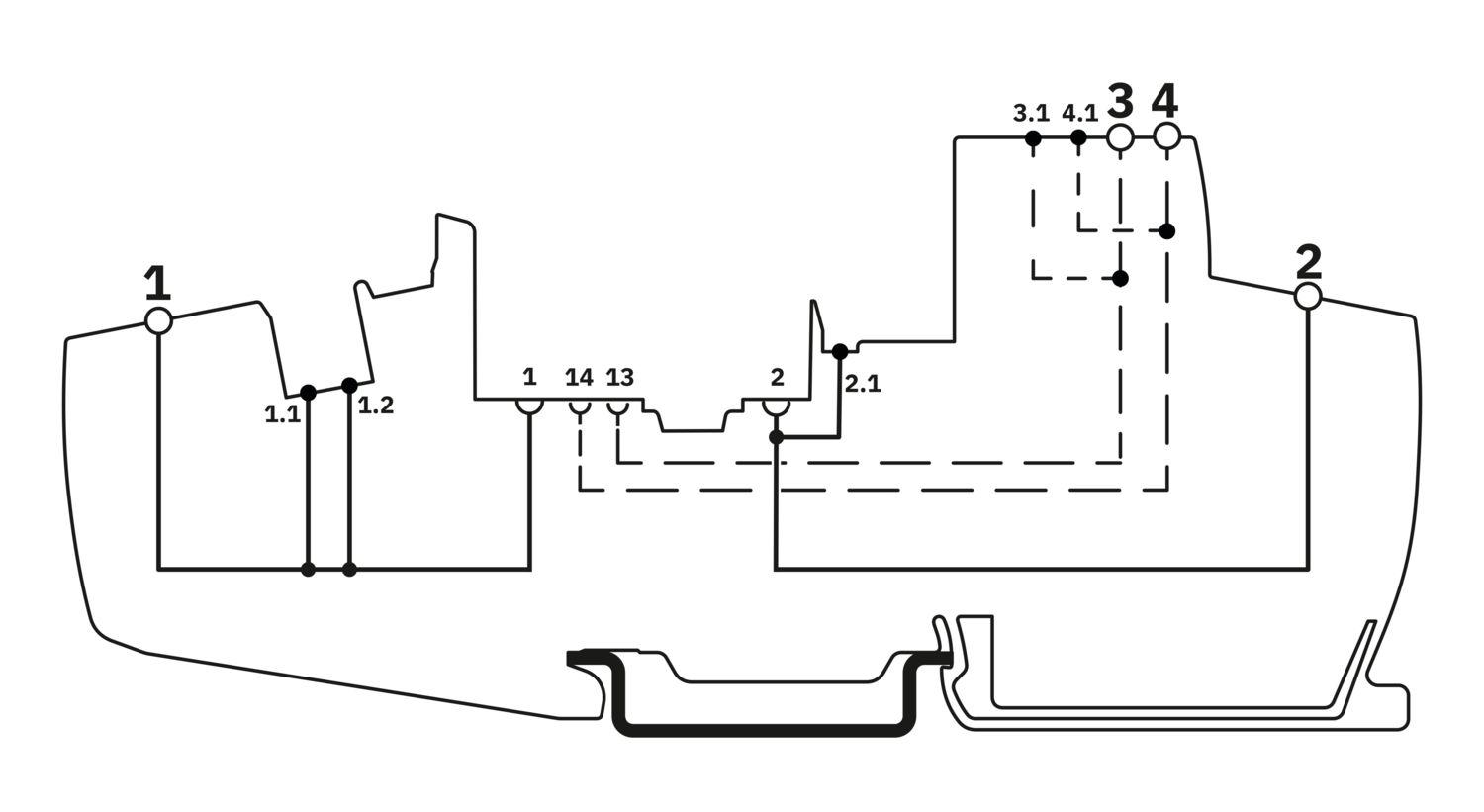
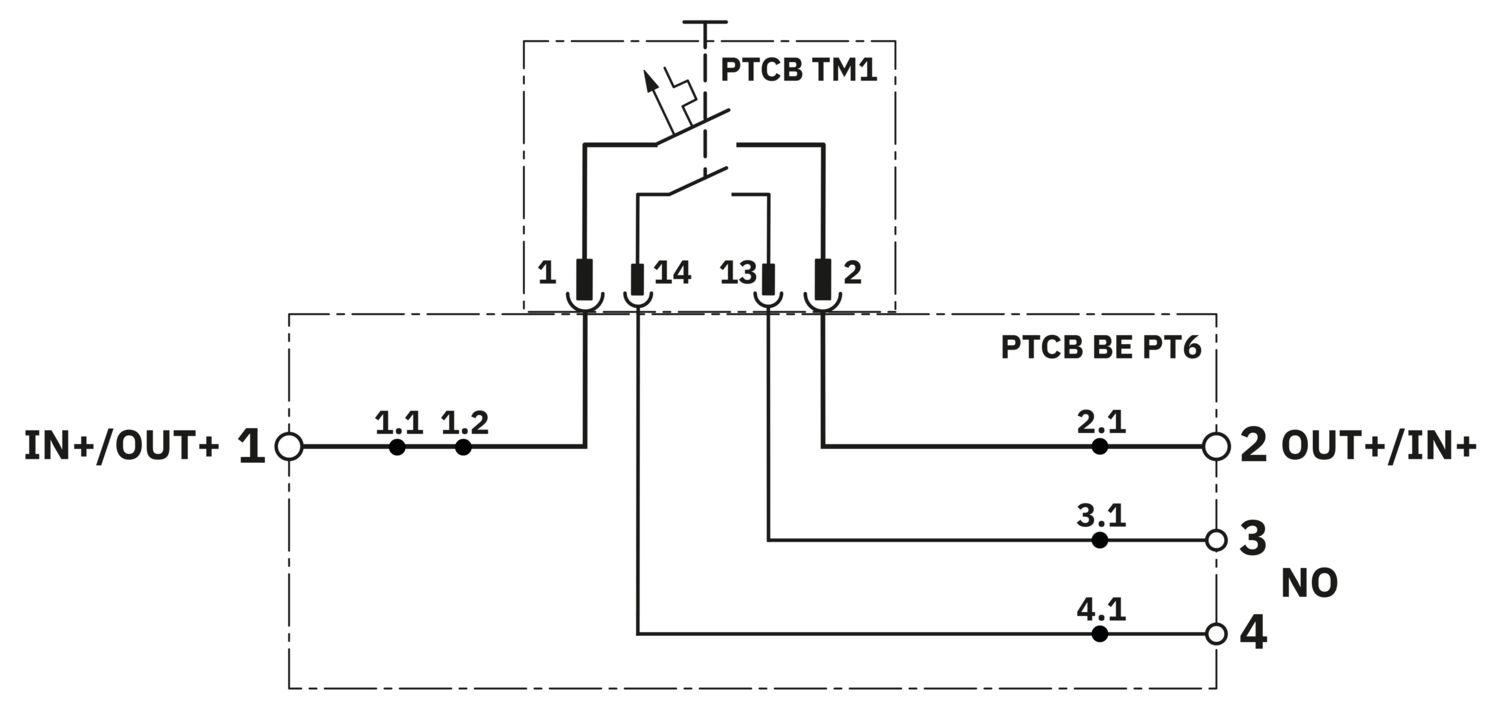
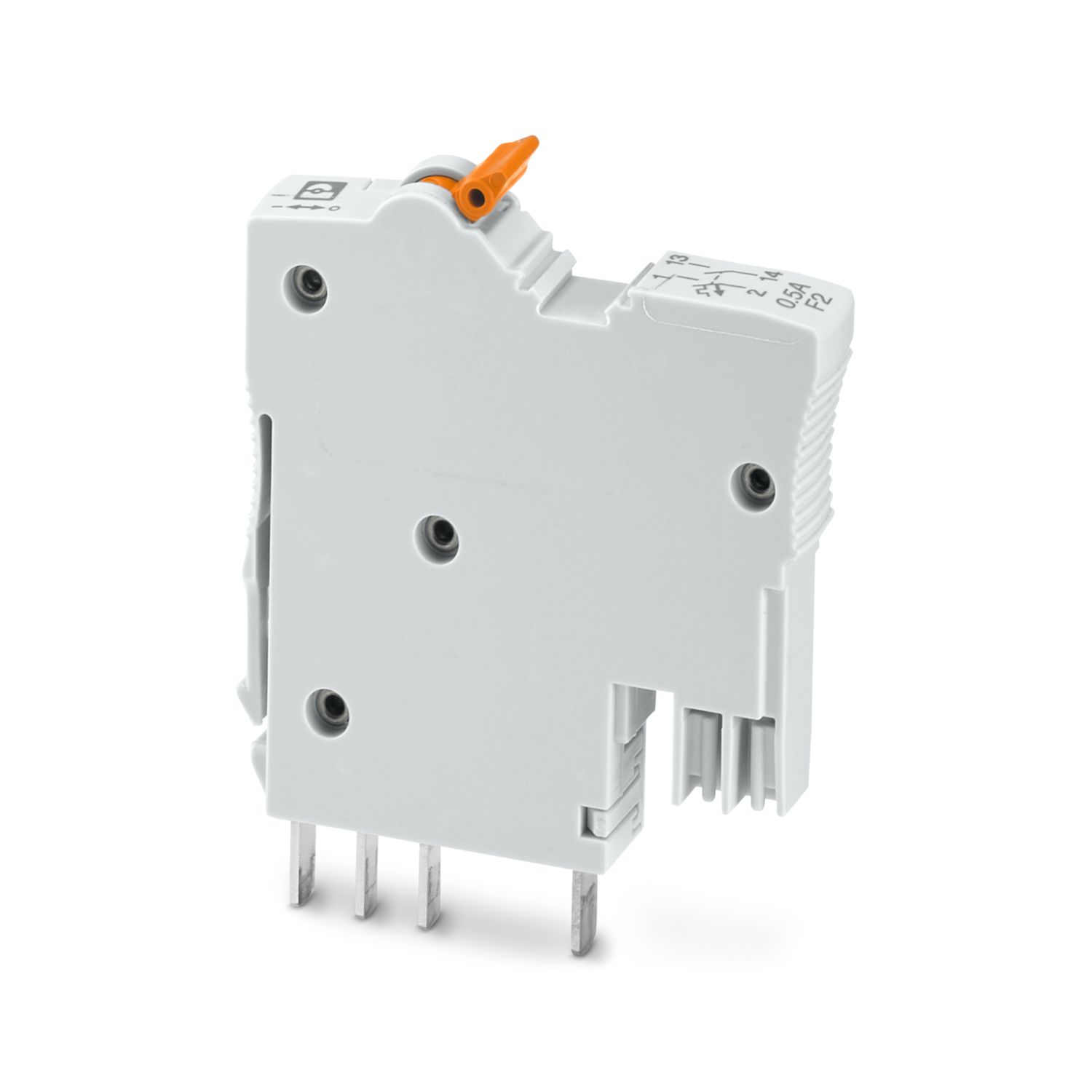
Elemento base, tipo di montaggio: Guida di supporto: TH 35 - 7,5 mm, corrente nominale: 31 A
Per il suo funzionamento questo prodotto necessita di altri prodotti.
Accessori necessari
Dettagli prodotto
| Note generali | |
| Nota | L'elemento base non contiene circuiti elettrici. |
| Tipo di prodotto | Elemento base |
| Vita meccanica | 25 cicli di innesto |
| Caratteristiche di isolamento | |
| Categoria di sovratensione | II (250 V AC / IEC 60934) |
| III (UL 1077, UL 1059) | |
| III (80 V DC / IEC 60934) | |
| Grado di inquinamento | 2 (250 V AC / IEC 60934) |
| 3 (UL 1077, UL 1059) | |
| Note generali | |
| Tensione nominale | 240 V AC (IEC 60934) |
| 277 V AC (UL 1077) | |
| 277 V AC (UL 1059) | |
| 56 V DC (IEC 60934) | |
| 56 V DC (UL 1077) | |
| 56 V DC (UL 1059) | |
| Tensione d'isolamento nominale Ui | 250 V AC (IEC 60934) |
| 80 V DC (IEC 60934) | |
| 277 V AC (UL 1077) | |
| 277 V AC (UL 1059) | |
| Corr. di dimensionam. IN | 31 A (UL 1059, senza interruttore di protezione) |
| 16 A (Contatti principali 1-2, UL 1077 e IEC 60934) | |
| 1 A (Contatti ausiliari 3-4, senza interruttore di protezione) | |
| Tensione impulsiva di dimensionamento | 2,5 kV (IEC 60934, isolamento rinforzato tra il circuito di carico e quello ausiliario) |
| Resistenza d'isolamento Riso | > 100 MΩ (500 V DC) |
| Resistenza alla tensione | 3000 V AC (tra il circuito di carico 1-2 e il circuito ausiliario 3-4) |
| 1554 V AC (tra contatti di carico aperti 1-2, contatti ausiliari 3-4) | |
| Indicazione/segnalazione a distanza | |
| Denominazione collegamento | Connessione 3 / 4 |
| Connessione 1 / 2 | |
| Collegamento | Connessione Push-in |
| Lunghezza del tratto da spelare | 12 mm |
| Sezione conduttore flessibile | 0,5 mm² ... 10 mm² |
| Sezione conduttore rigida | 0,5 mm² ... 10 mm² |
| 1 mm² ... 10 mm² (a innesto diretto) | |
| Sezione conduttore AWG | 20 ... 8 |
| Sezione conduttore flessibile con capocorda montato e collare in plastica | 0,5 mm² ... 6 mm² |
| 1 mm² ... 6 mm² (a innesto diretto) | |
| Sezione del conduttore flessibile con capocorda senza collare in plastica | 0,5 mm² ... 6 mm² |
| 1 mm² ... 6 mm² (a innesto diretto) | |
| Connessione 3 / 4 | |
| Collegamento | Connessione Push-in |
| Lunghezza del tratto da spelare | 8 mm |
| Sezione conduttore flessibile | 0,14 mm² ... 1,5 mm² |
| Sezione conduttore rigida | 0,14 mm² ... 1,5 mm² |
| Sezione conduttore AWG | 26 ... 16 |
| Sezione conduttore flessibile con capocorda montato e collare in plastica | 0,14 mm² ... 1 mm² |
| Sezione del conduttore flessibile con capocorda senza collare in plastica | 0,14 mm² ... 1,5 mm² |
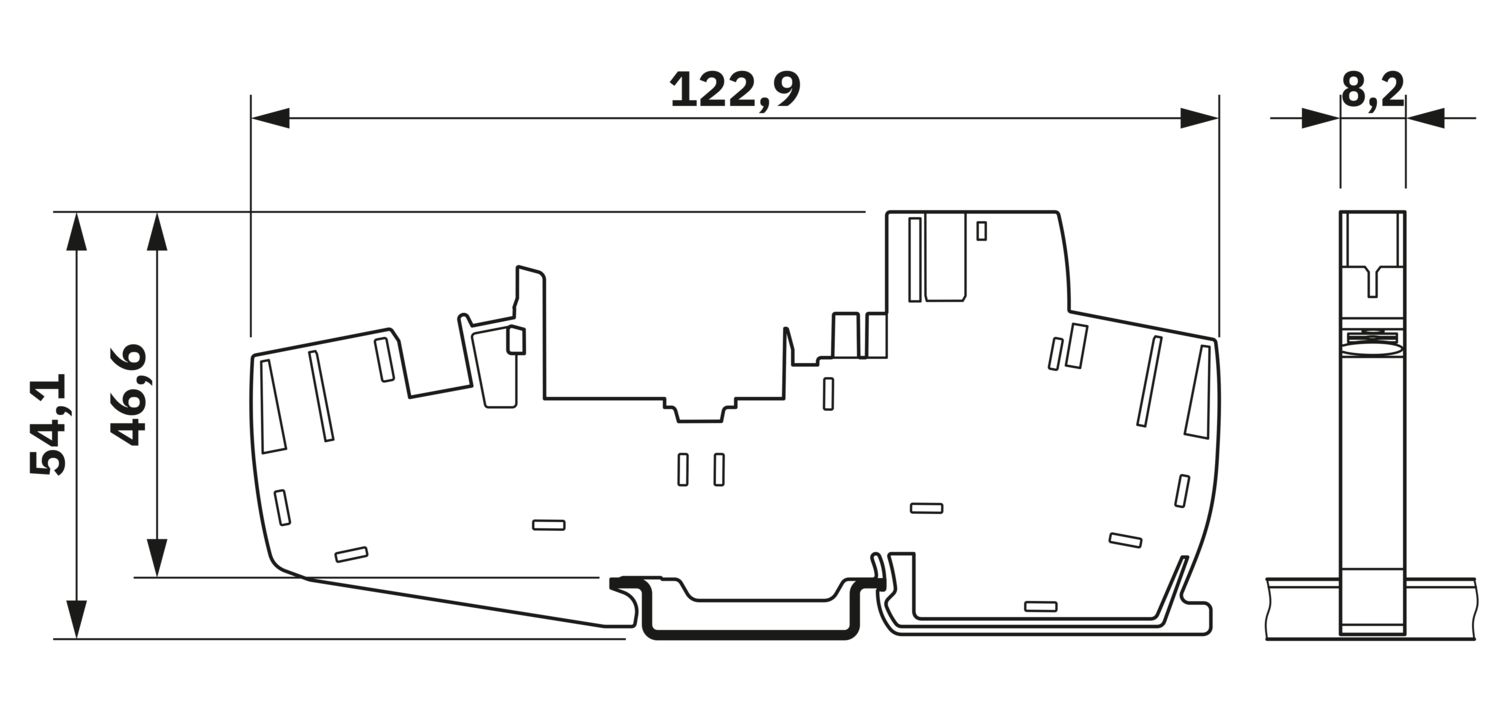
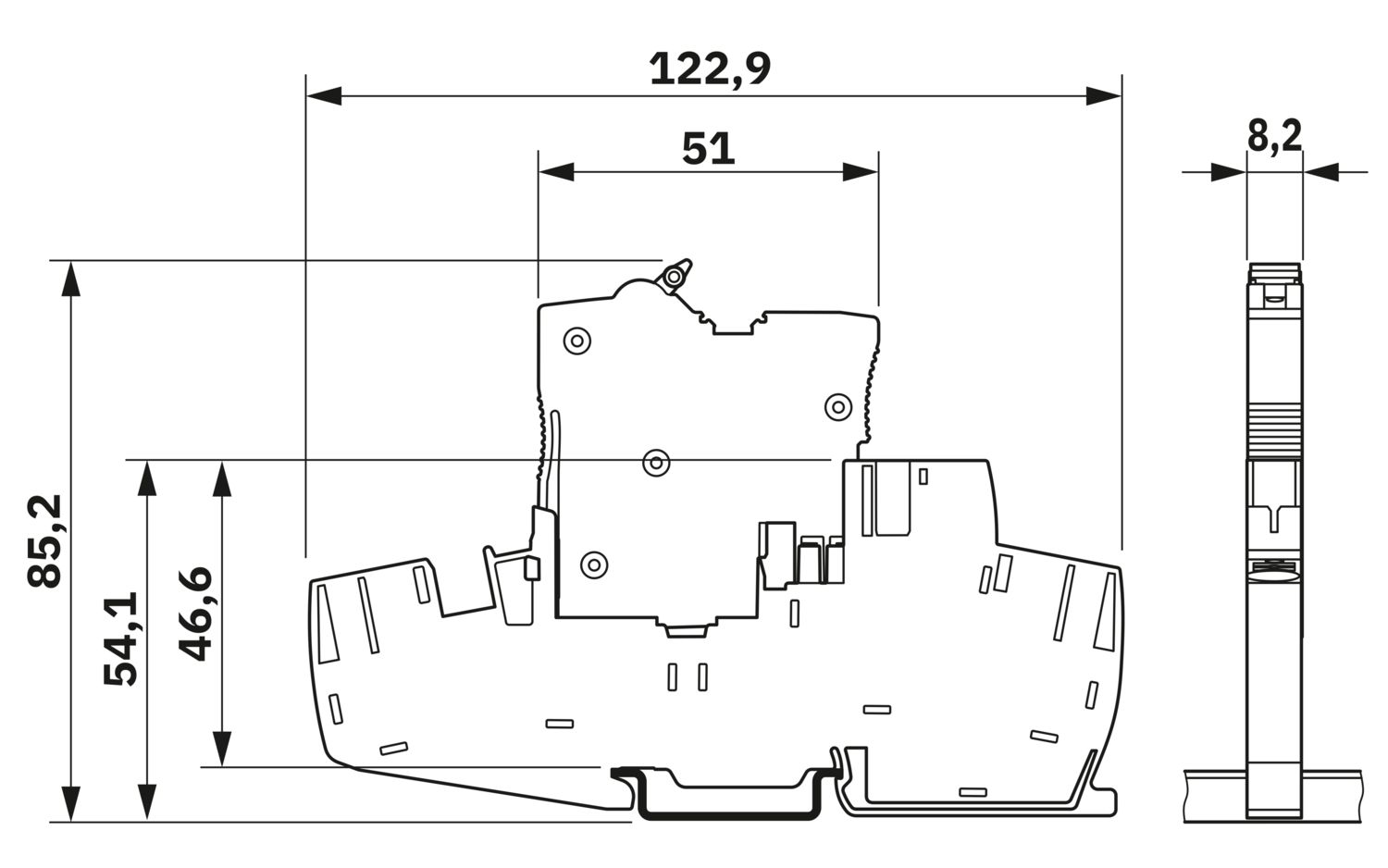
| Disegno quotato |
|
| Larghezza | 8,2 mm |
| Altezza | 122,9 mm |
| Profondità | 54,1 mm |
| Larghezza modulo completo | 8,2 mm |
| Altezza modulo completo | 122,9 mm |
| Profondità modulo completo | 85,2 mm |
| Colore | grigio (RAL 7042) |
| Materiale | PA |
| Classe di combustibilità a norma UL 94 | V-0 |
| Gruppo materiale isolante | I |
| Dati meccanici | |
| Parete laterale aperta | No |
| Condizioni ambientali | |
| Grado di protezione | IP20 |
| Temperatura ambiente (esercizio) | -30 °C ... 60 °C |
| Temperatura ambiente (stoccaggio/trasporto) | -40 °C ... 80 °C |
| Posizione elevata | ≤ 2000 m (250 V AC / IEC 60934) |
| Prova dell'umidità | 96 h, 95 % RH, 40 °C |
| Urti (esercizio) | 30g (IEC 60068-2-27, Test Ea) |
| Categoria 1, classe B (DIN EN 61373) | |
| Vibrazione (esercizio) | 10 Hz ... 150 Hz, 20 cicli (IEC 60068-2-6, Test Fc) |
| 10 Hz ... 75 Hz (Ampiezza ± 0,35 mm; secondo IEC 60068-2-6; Test Fc) | |
| 75 Hz ... 150 Hz (8g) | |
| Categoria 1, classe B (DIN EN 61373) | |
| Omologazione UL | |
| Siglatura | UL Recognized UL 1059 |
| UL Recognized UL 1077 | |
| CSA, Canada | |
| Siglatura | CSA C22.2 No. 235-04 |
| Norme/disposizioni | IEC 60934 |
| Nota | 2019 |
| Norme/disposizioni | UL 1077 |
| Nota | Dispositivi di protezione aggiuntivi per l'uso in mezzi d'esercizio elettrici |
| Norme/disposizioni | UL 1059 |
| Nota | Morsetti componibili |
| Norme/disposizioni | CSA C22.2 No. 235-04 |
| Nota | 2017 |
| Norme/disposizioni | IEC 60068-2-6 |
| Nota | Influssi ambientali - Vibrazioni (sinusoidali) |
| Norme/disposizioni | EN 60068-2-27 |
| Nota | Influssi ambientali - Urti |
| Norme/disposizioni | EN 60068-2-78 |
| Nota | Influssi ambientali - Umidità e calore, costante |
| Norme/disposizioni | DIN EN 50274 |
| Nota | Protezione delle dita e del dorso della mano |
| Norme/disposizioni | IEC 60529 |
| Nota | 2019 |
| Norme/disposizioni | EN 61373 |
| Nota | Applicazioni ferroviarie – Mezzi d'esercizio dei veicoli su rotaia – Prove di urto e vibrazioni |
| Norme/disposizioni | EN 45545-2 |
| Nota | Applicazioni ferroviarie – Protezione antincendio in veicoli su rotaia – Parte 2: Requisiti per la reazione al fuoco di materiali e componenti |
| Tipo di montaggio | Guida di supporto: TH 35 - 7,5 mm |


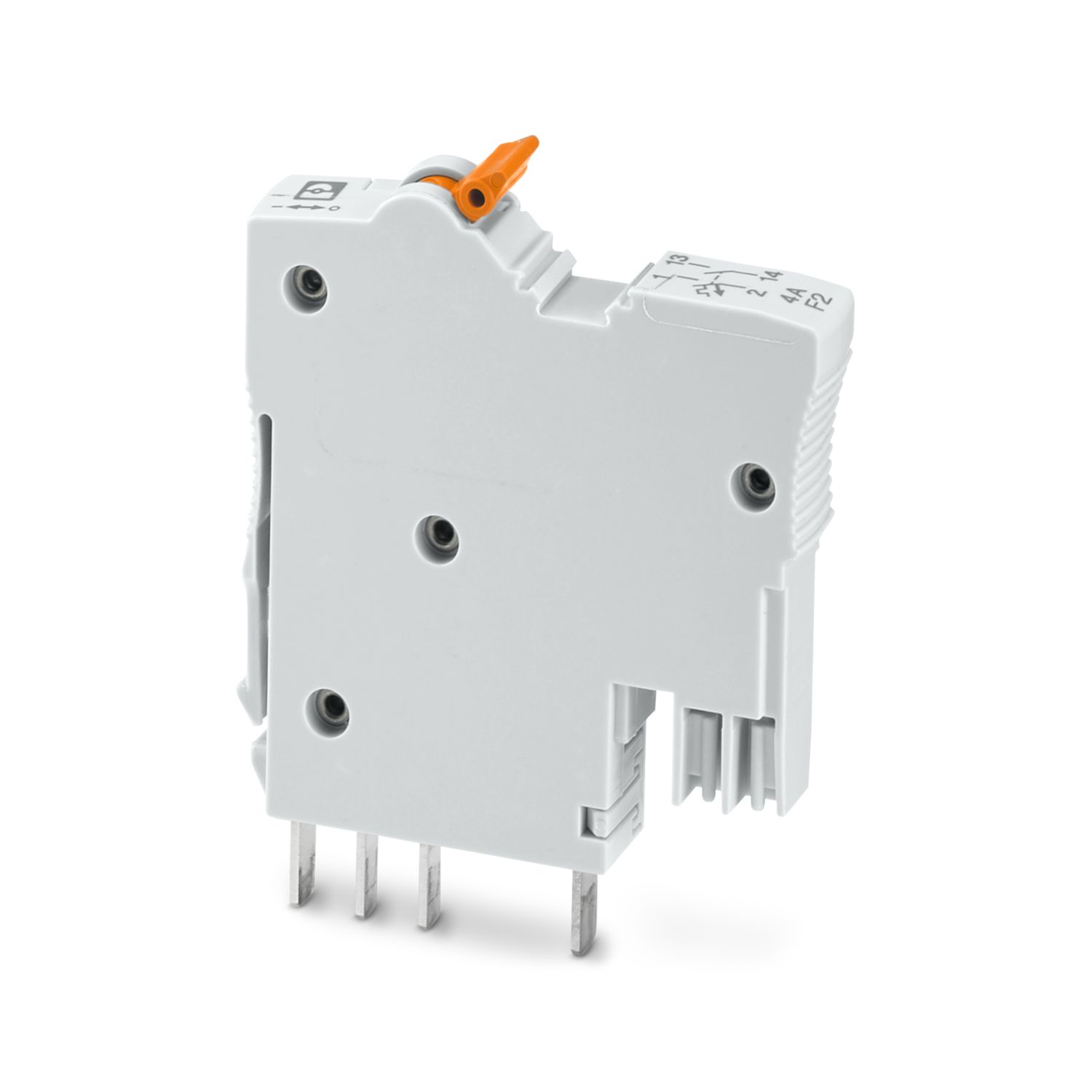


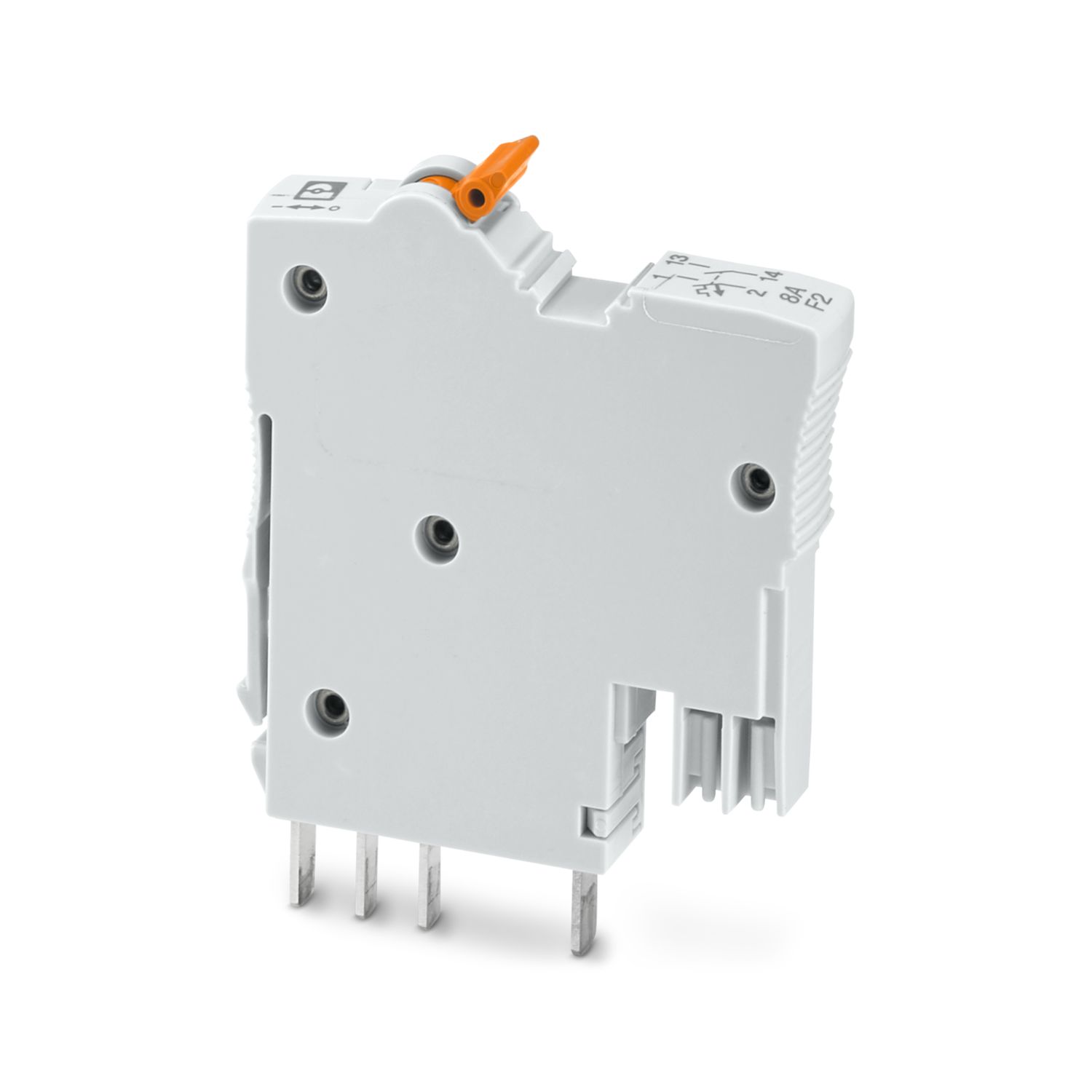


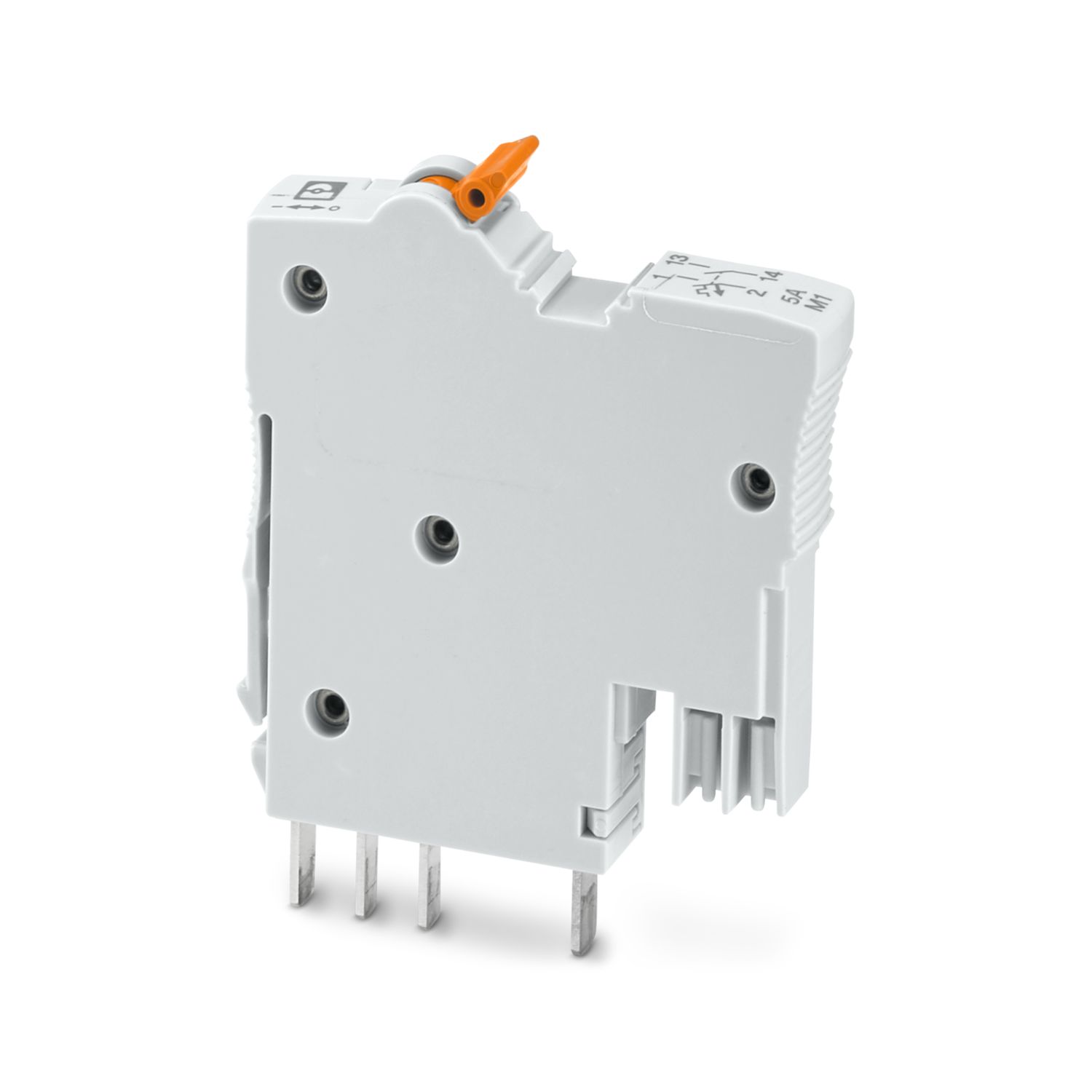
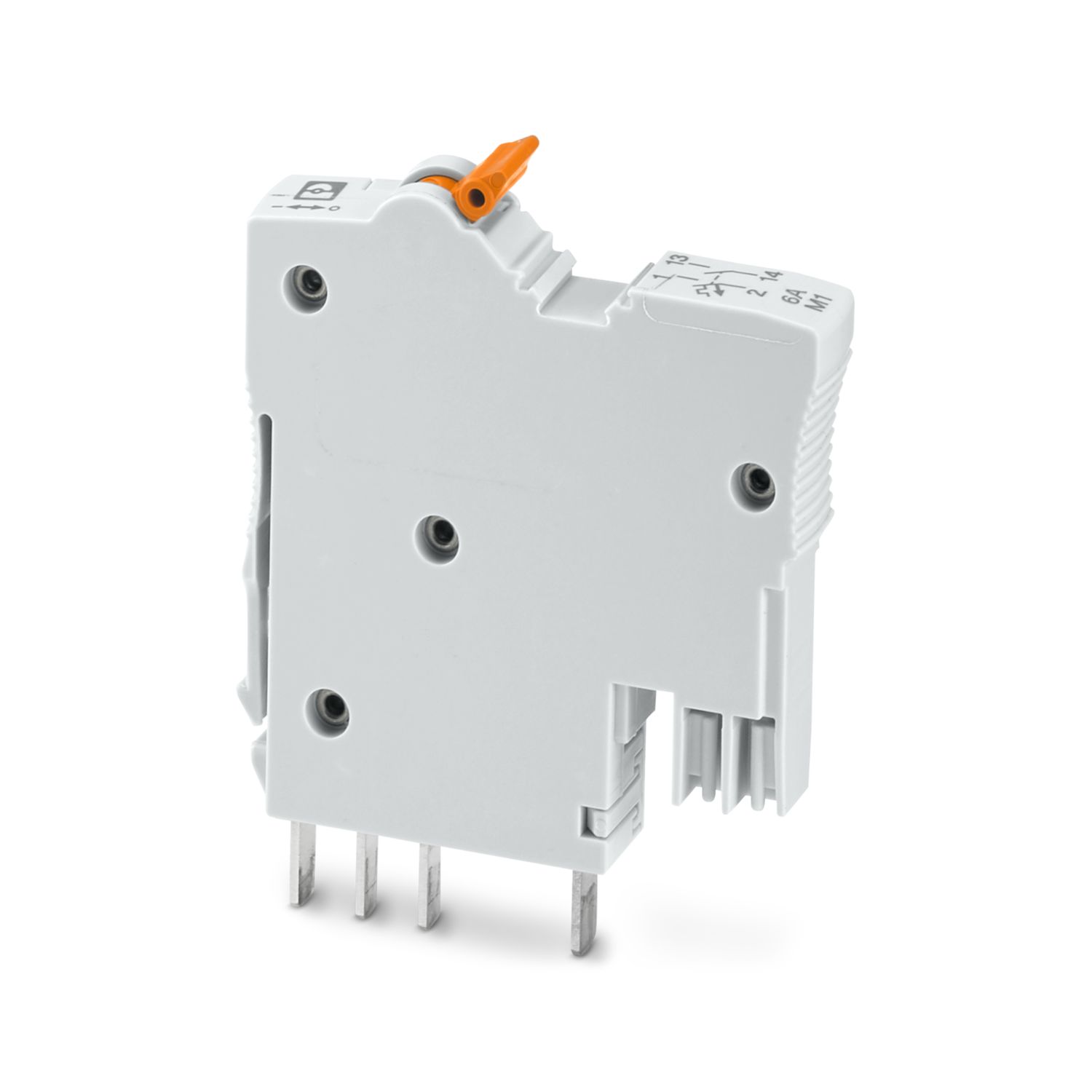



I vantaggi
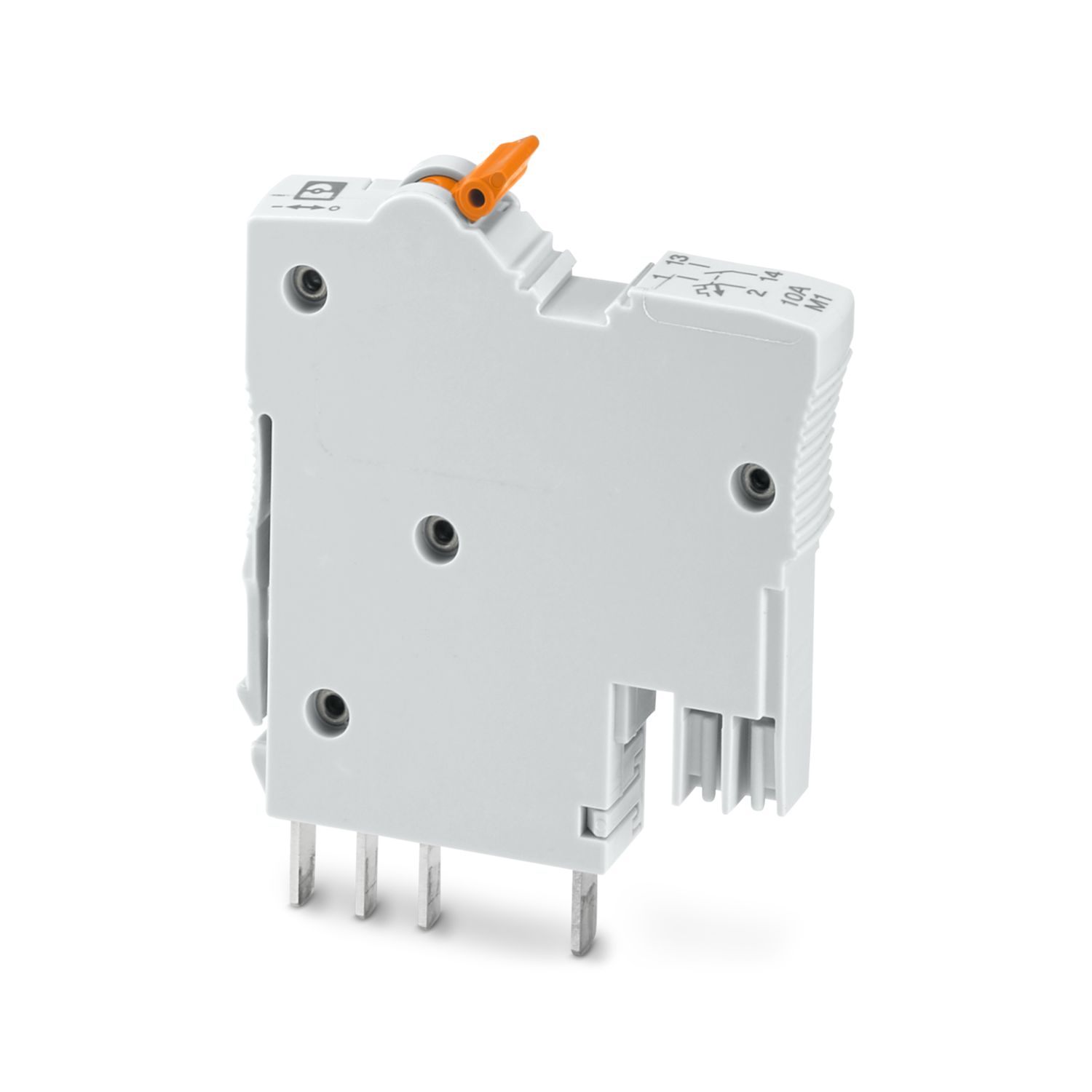
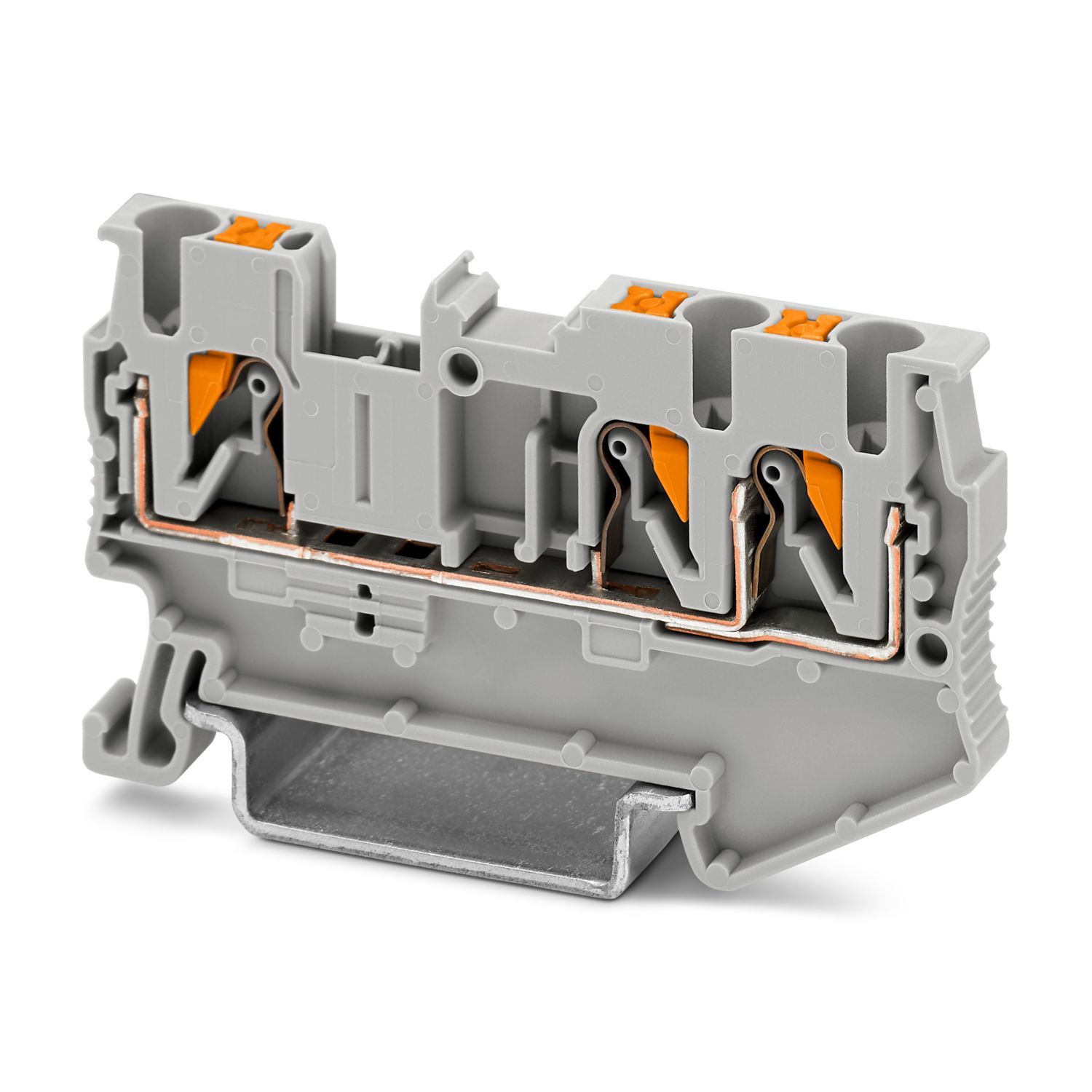
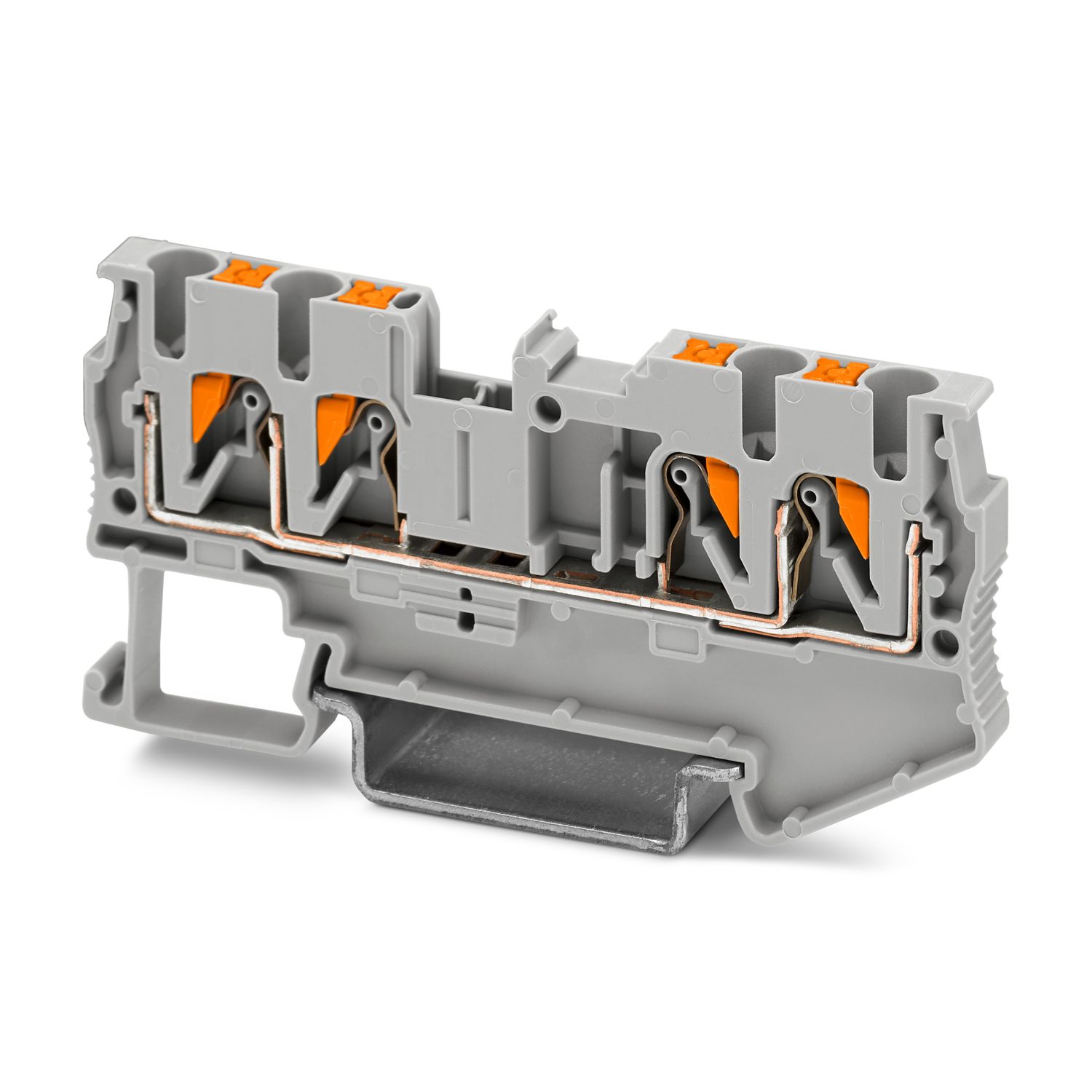
Risparmio di spazio nel quadro elettrico con una larghezza di installazione di soli 8 mm
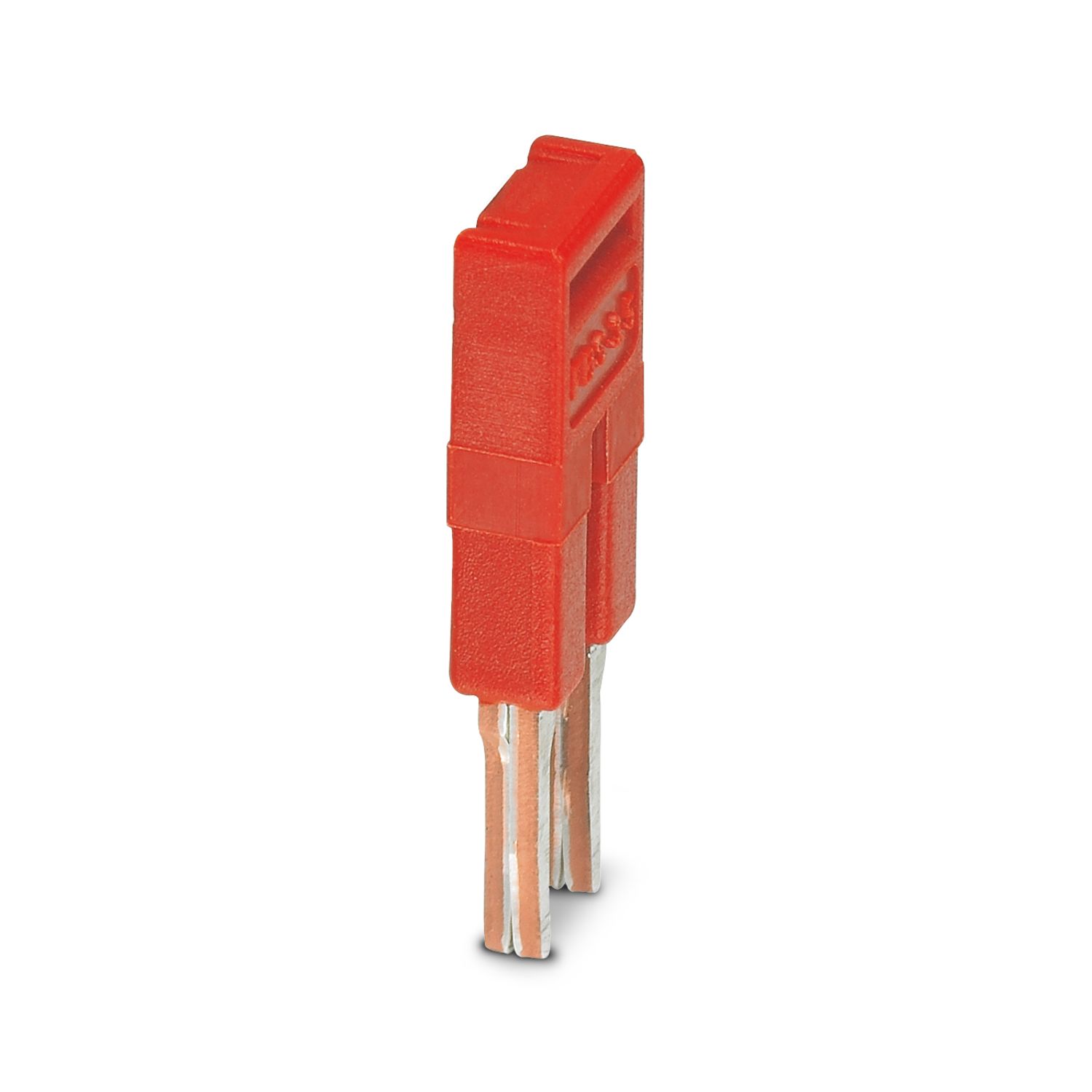
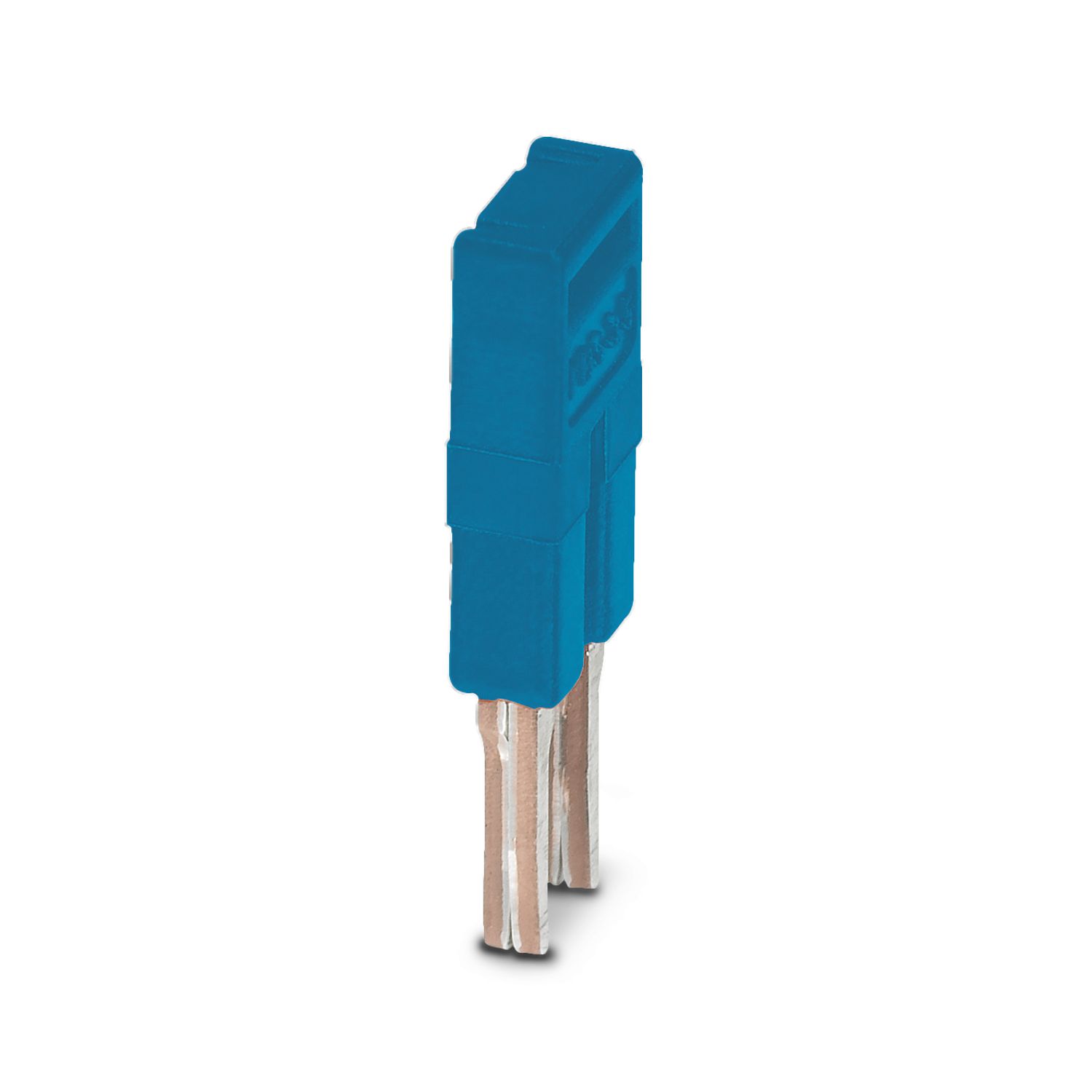
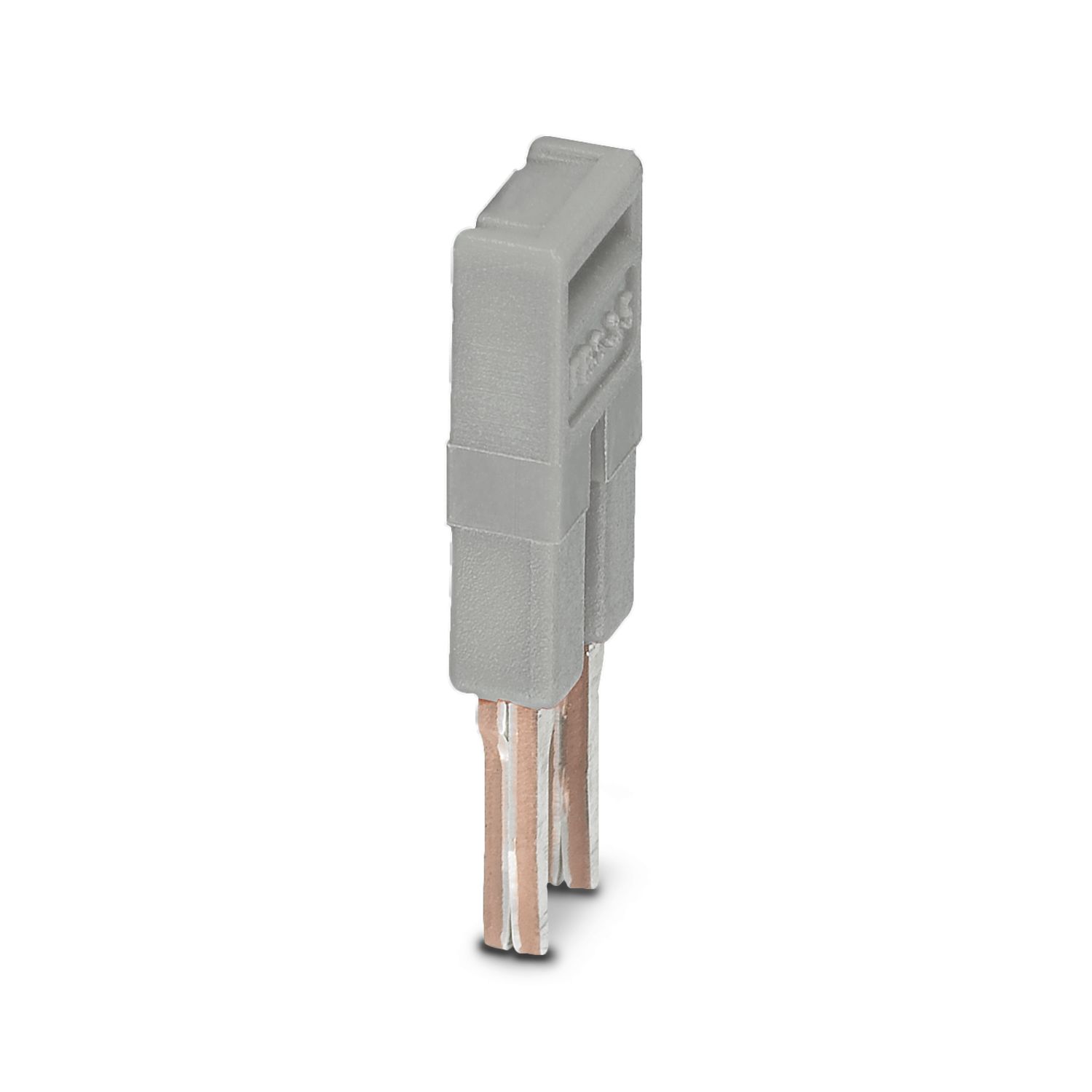
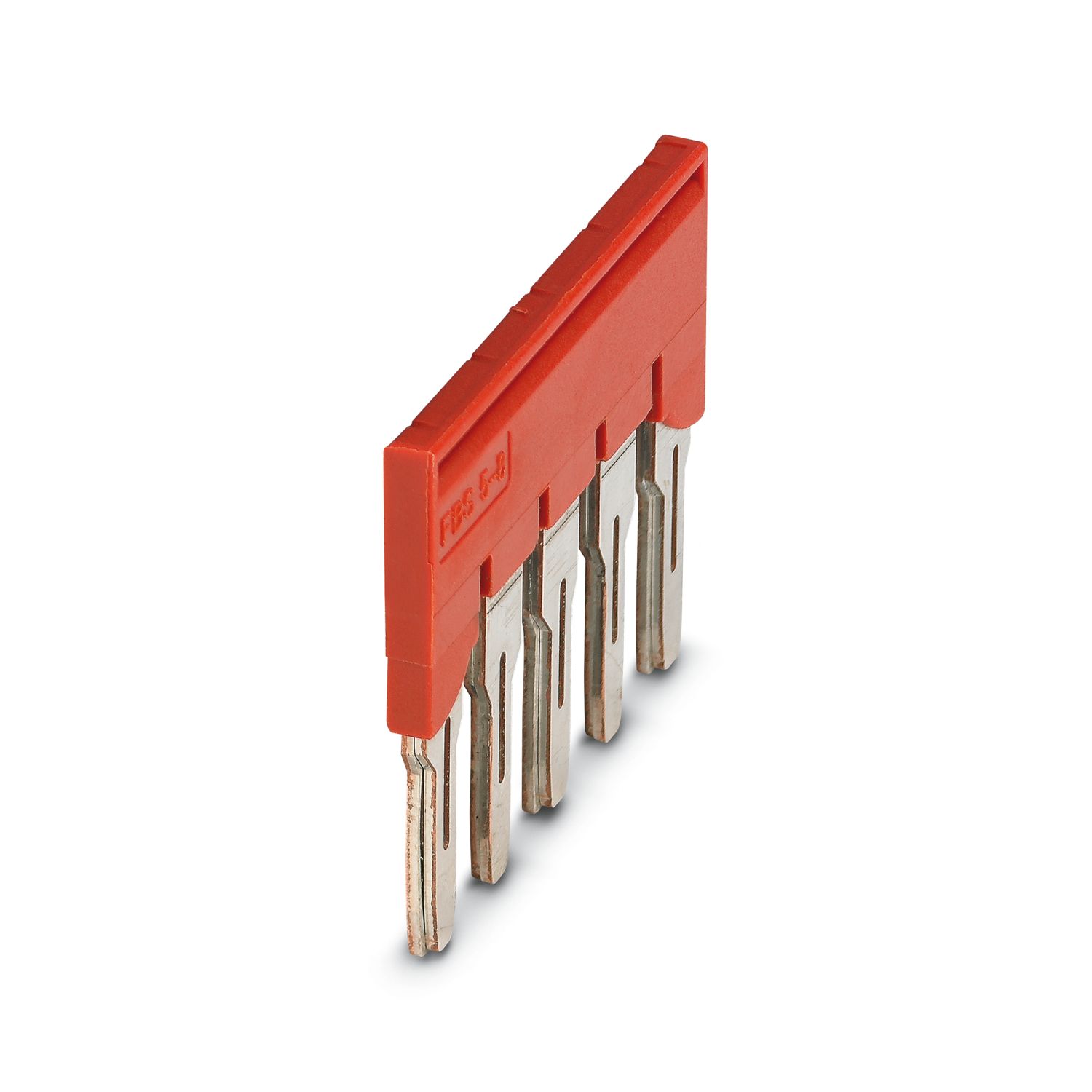
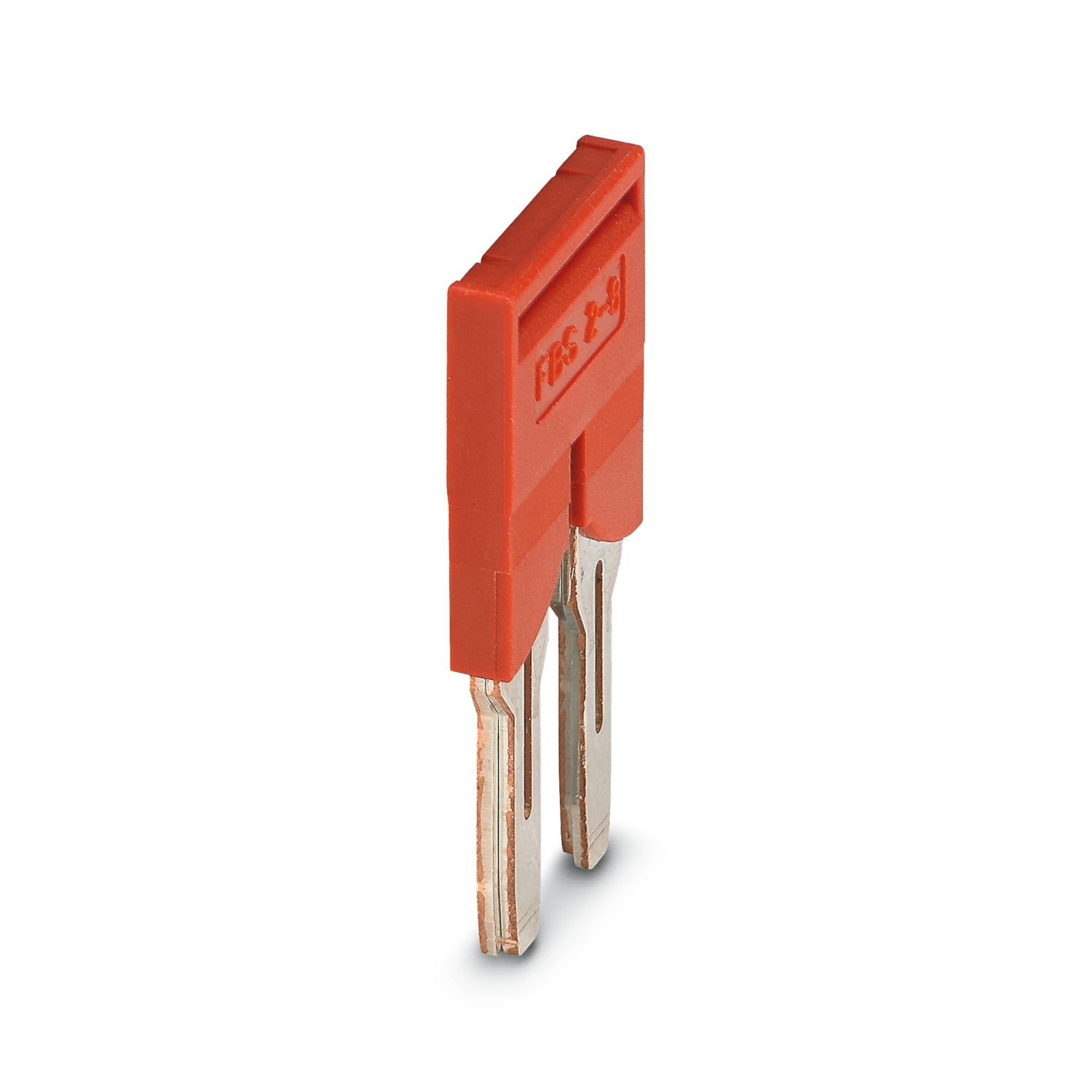
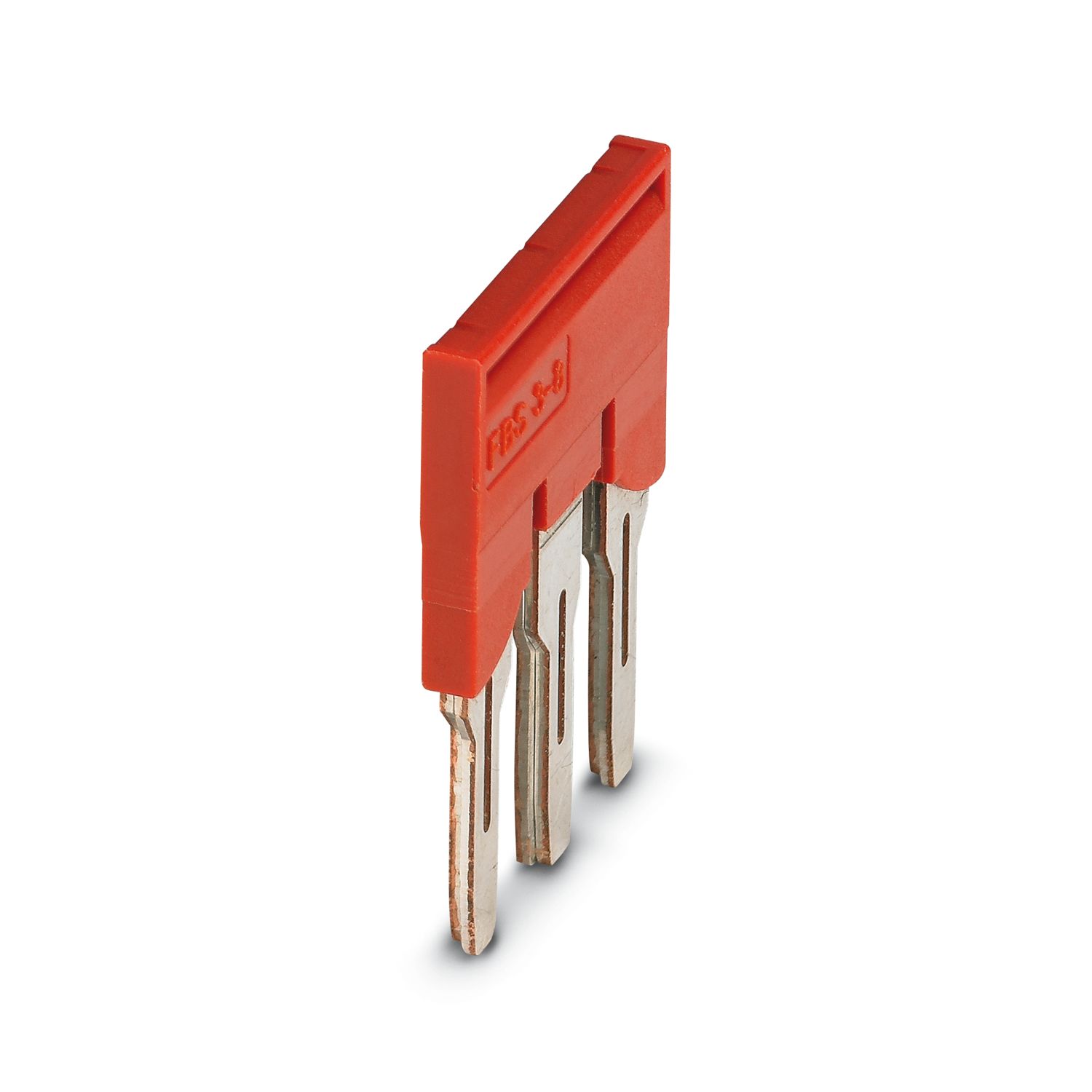
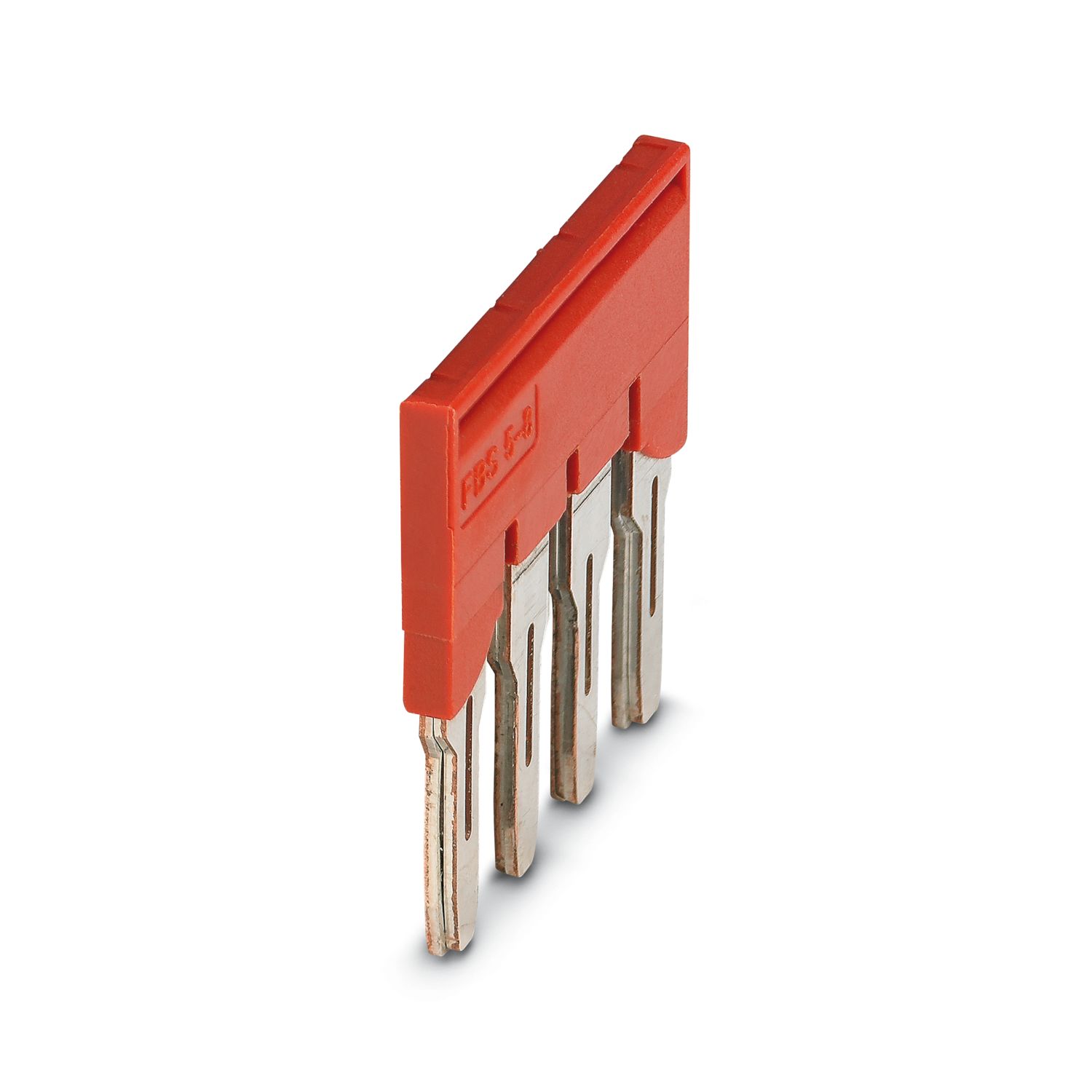
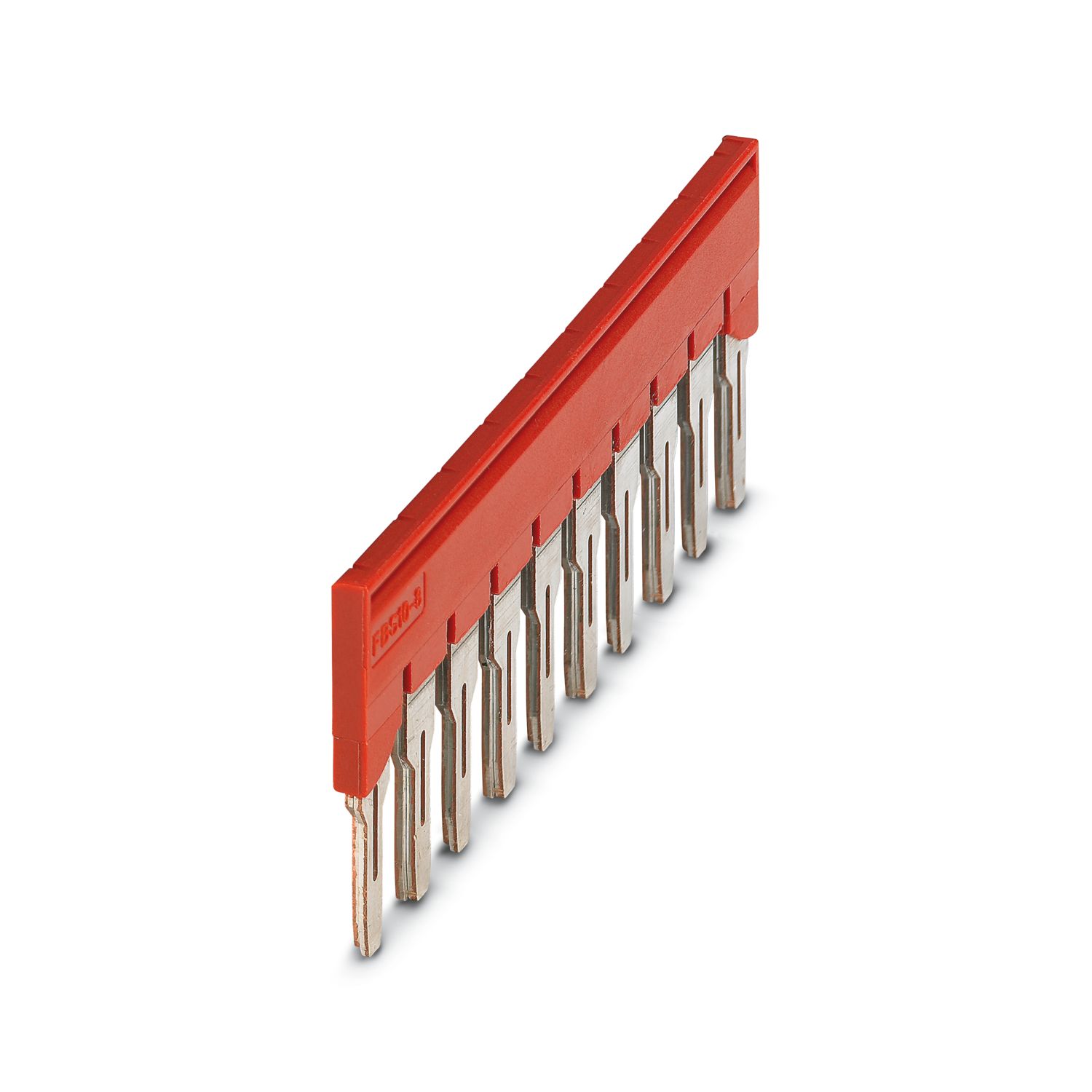
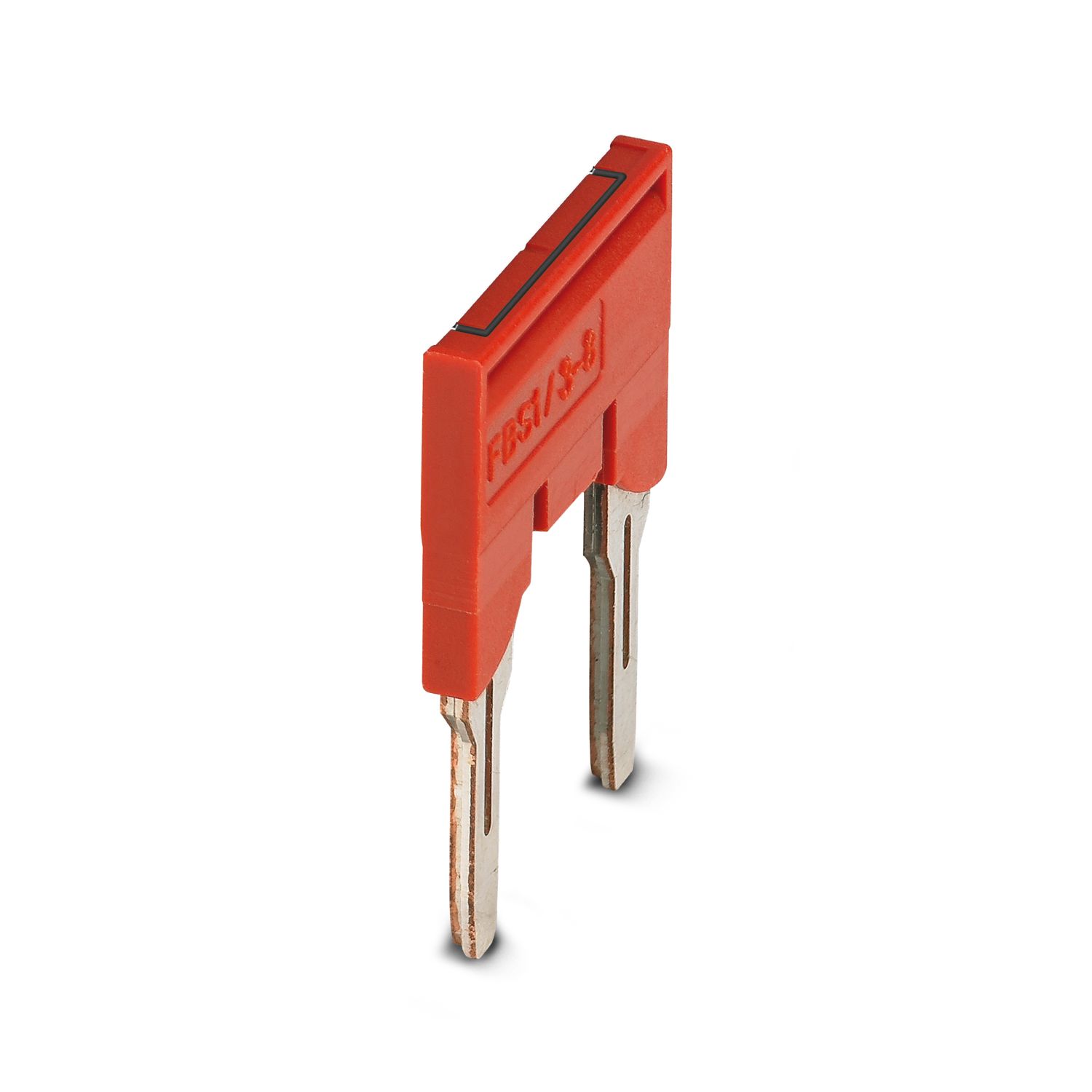
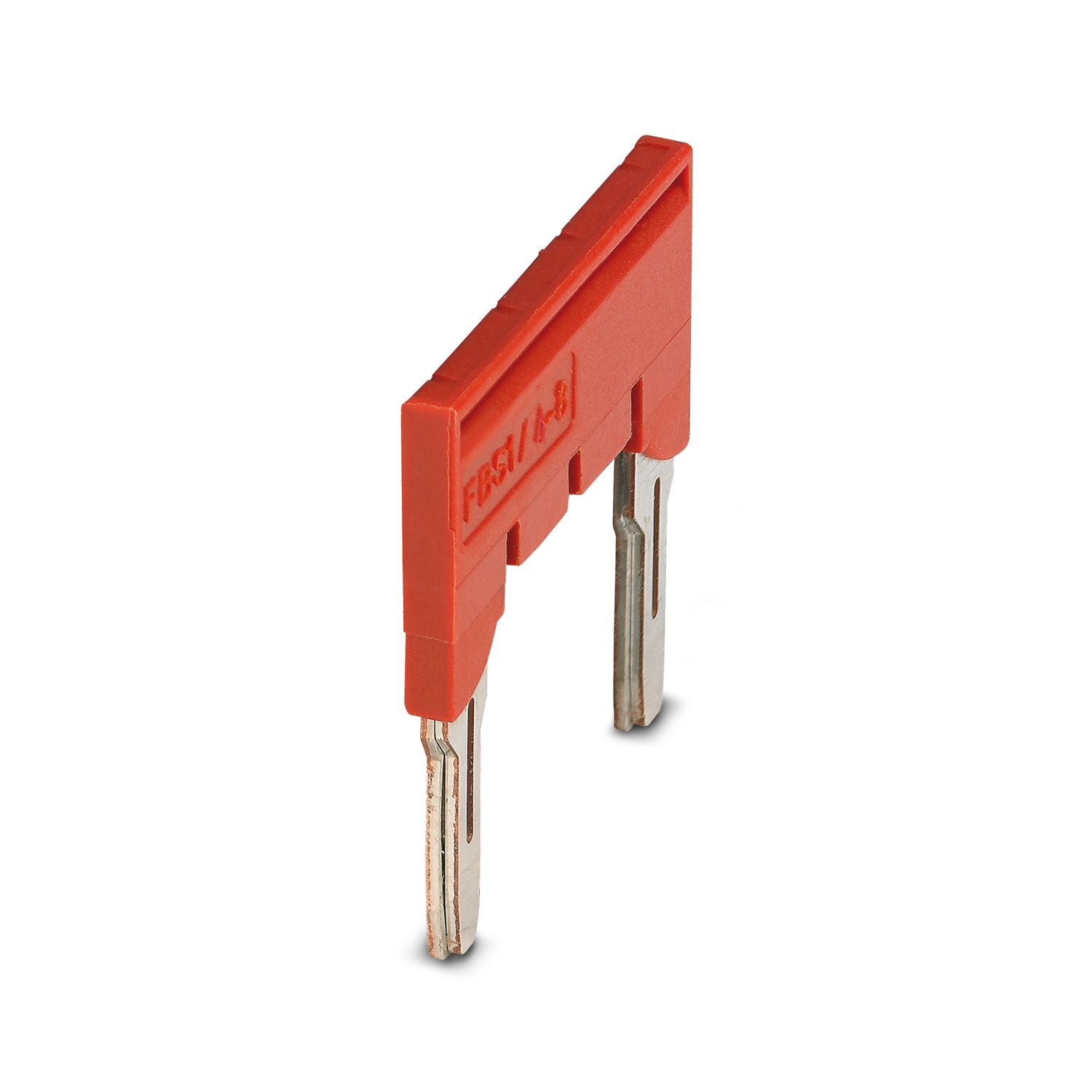
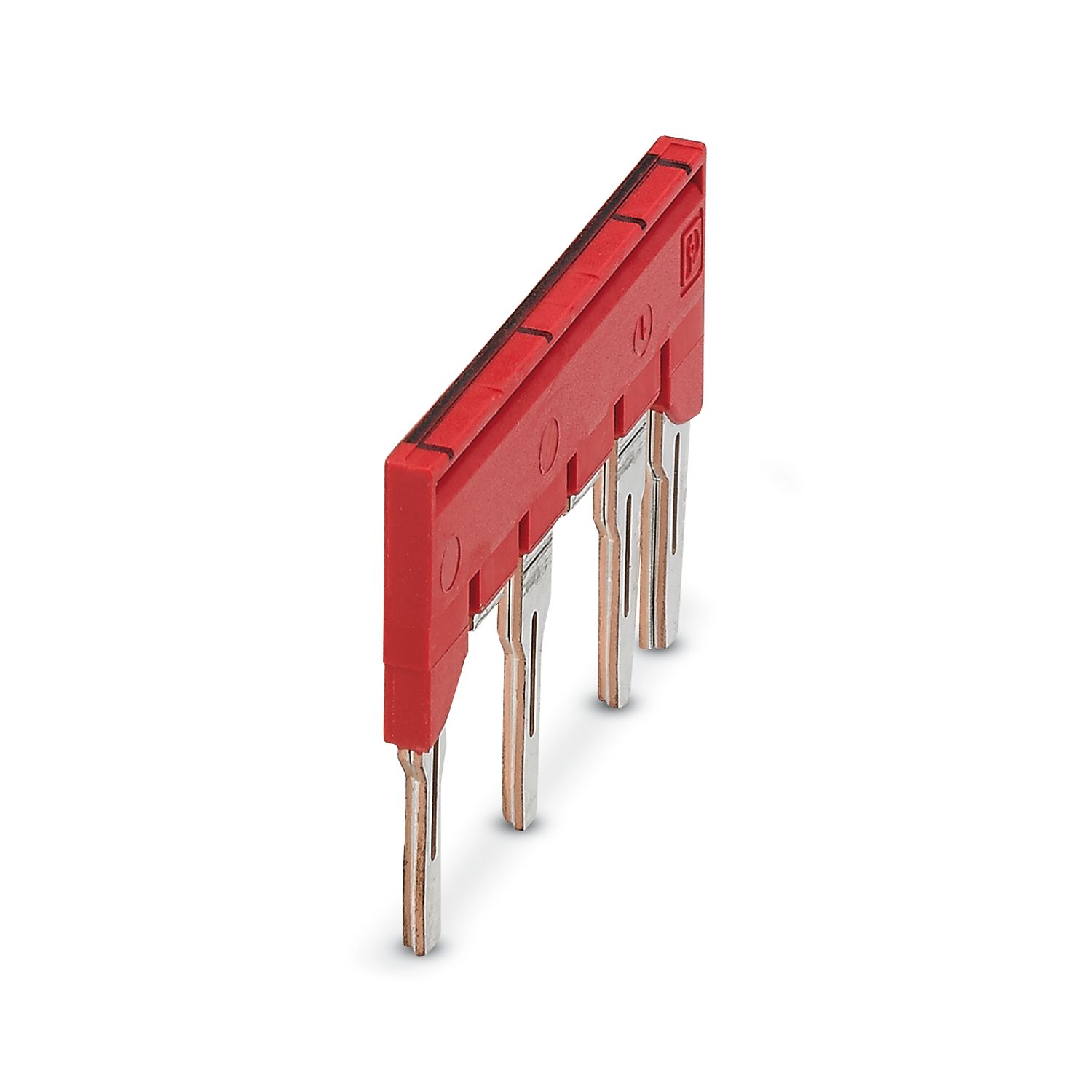
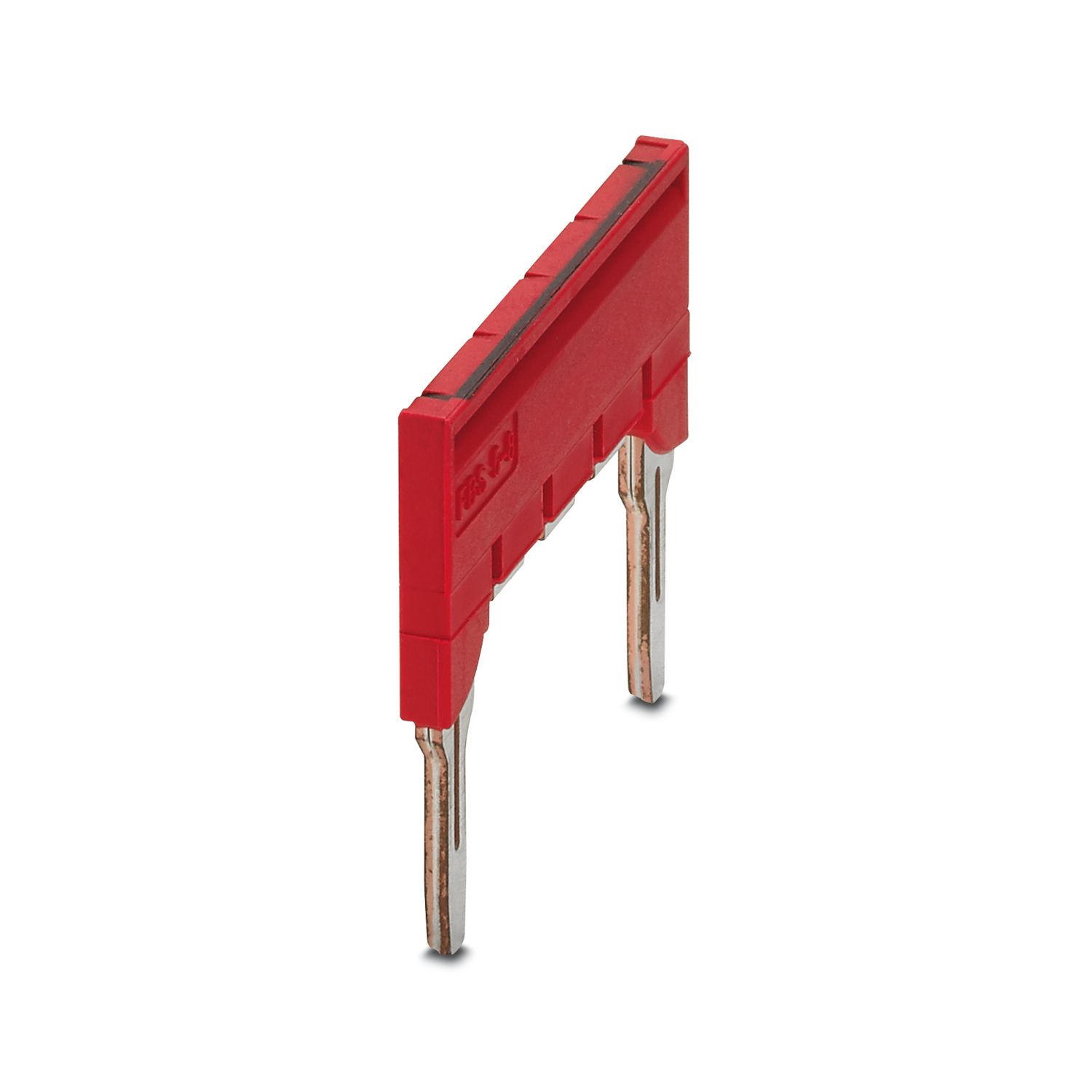
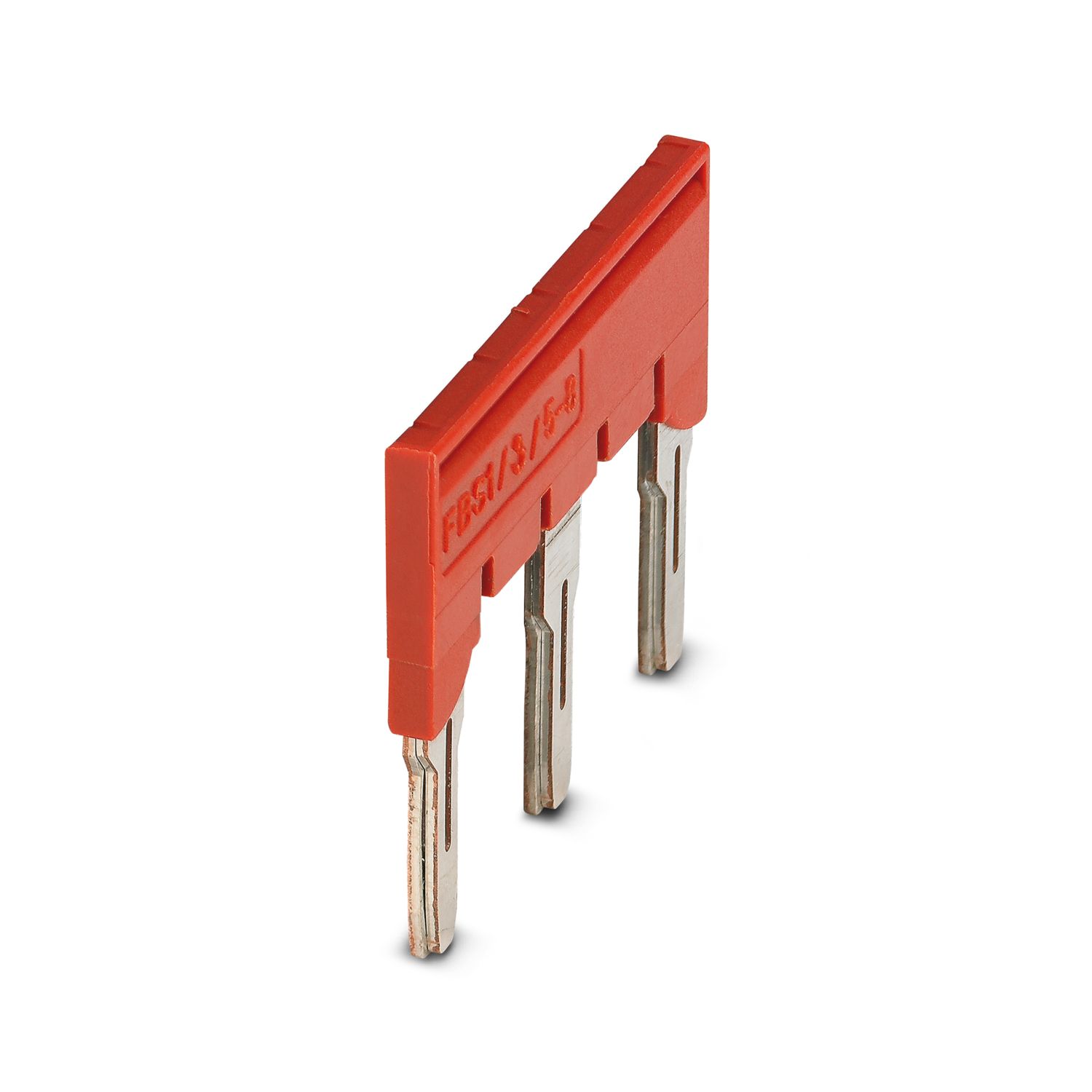
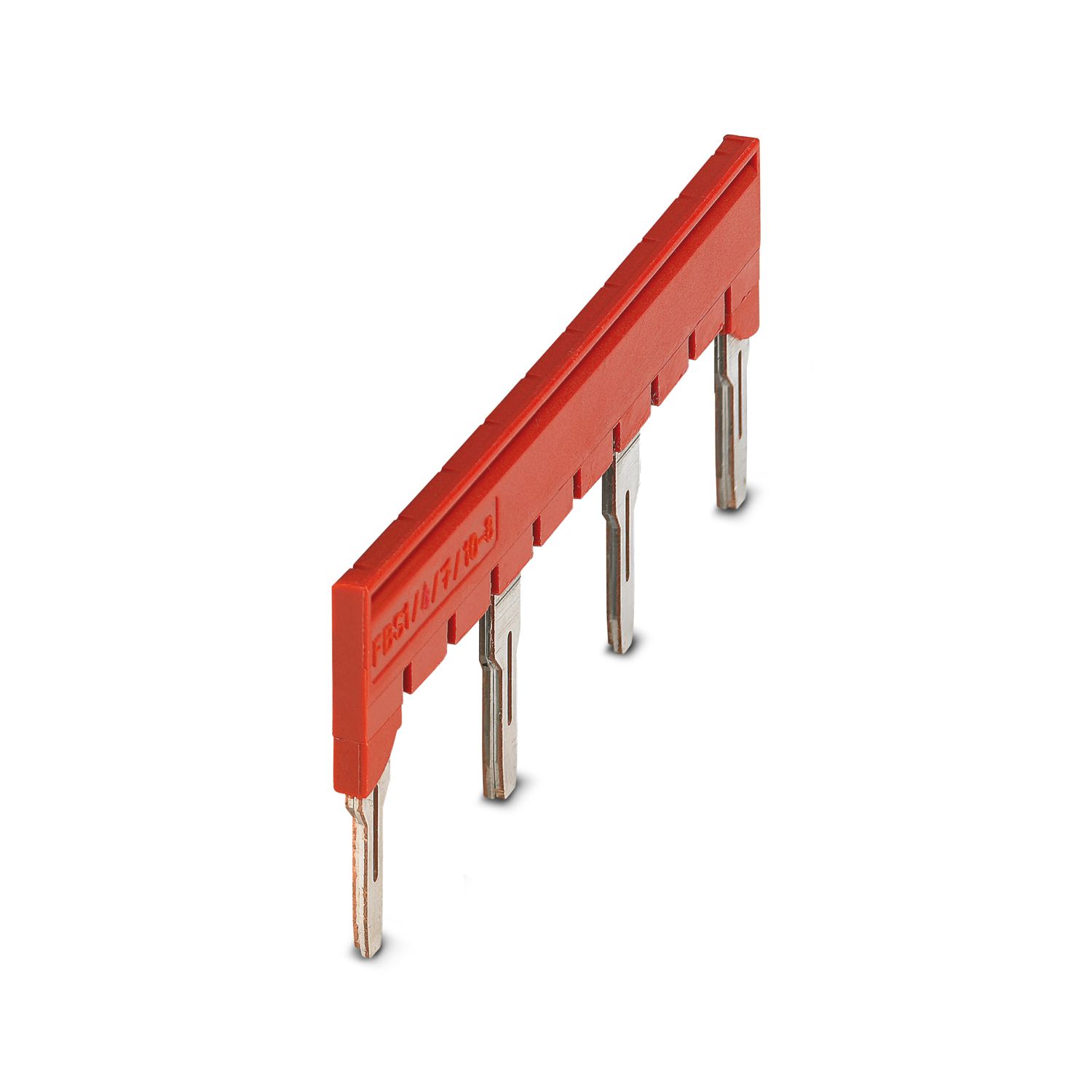
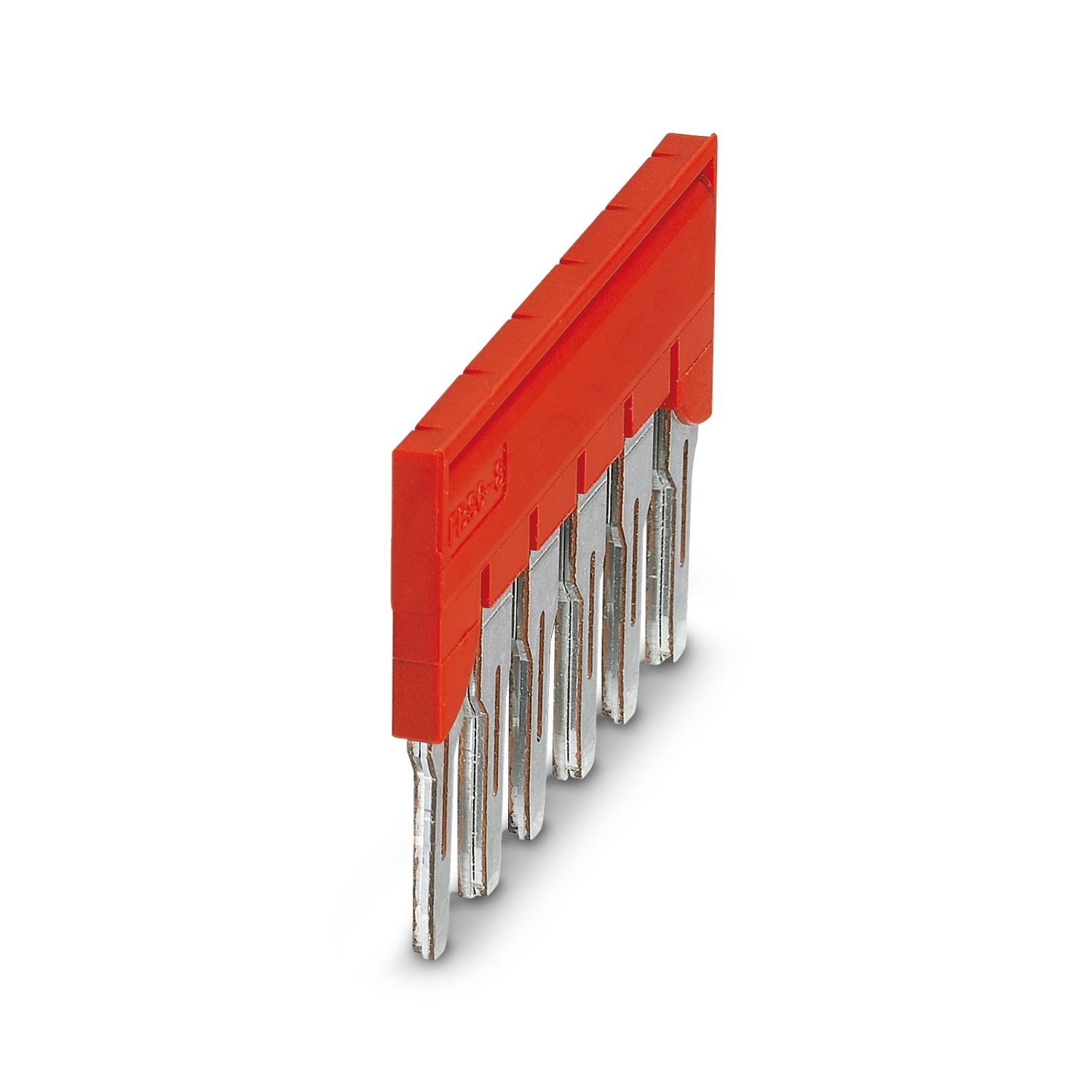
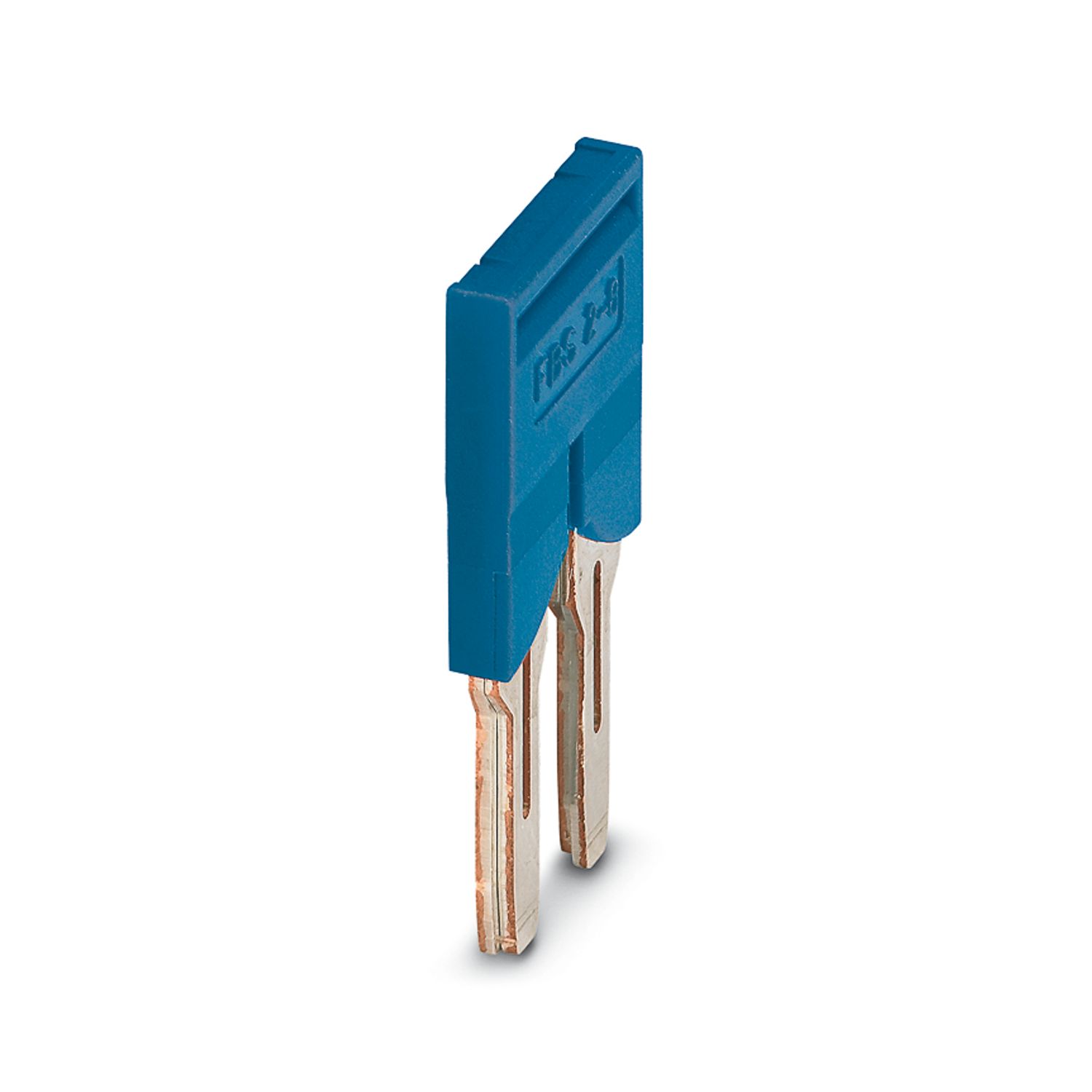
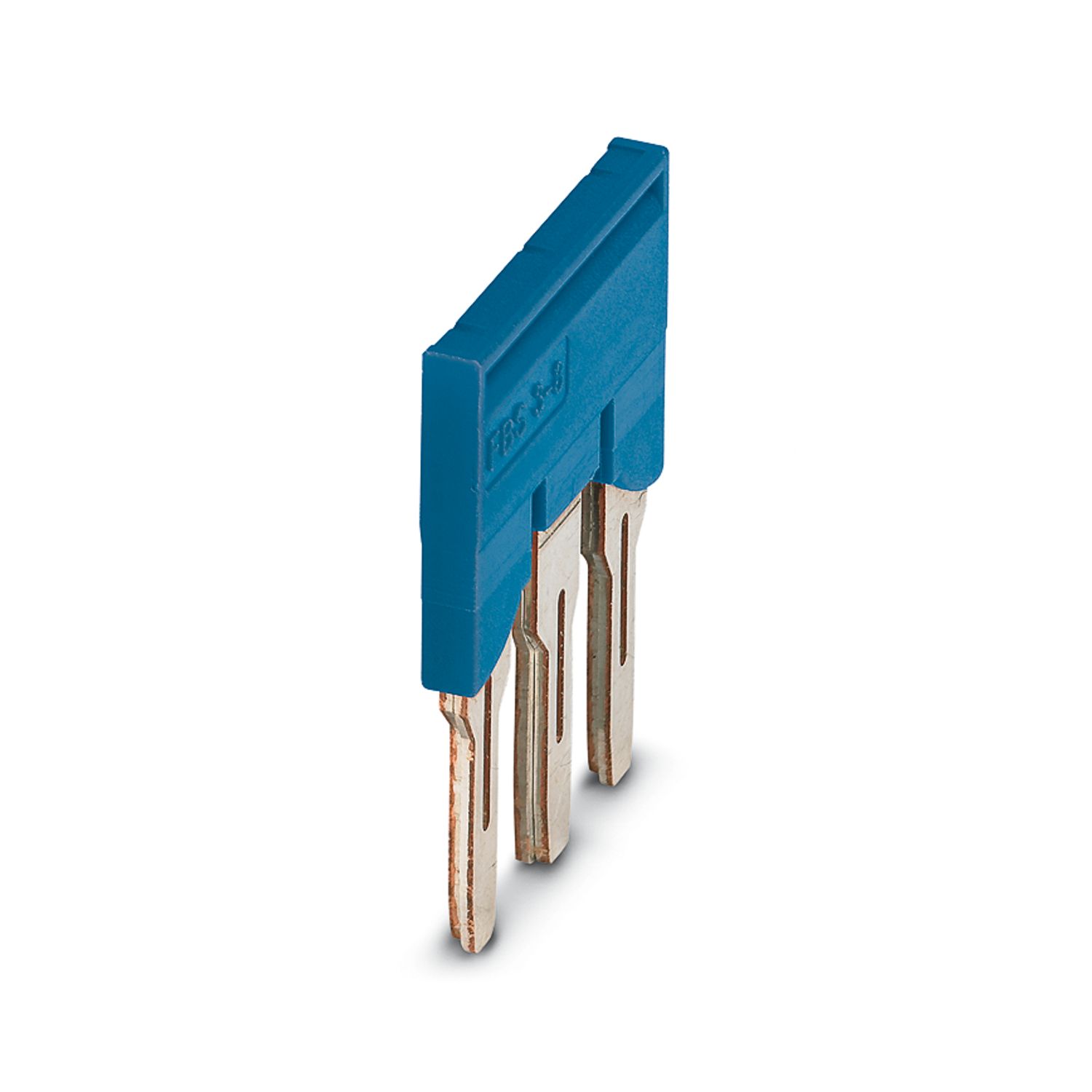
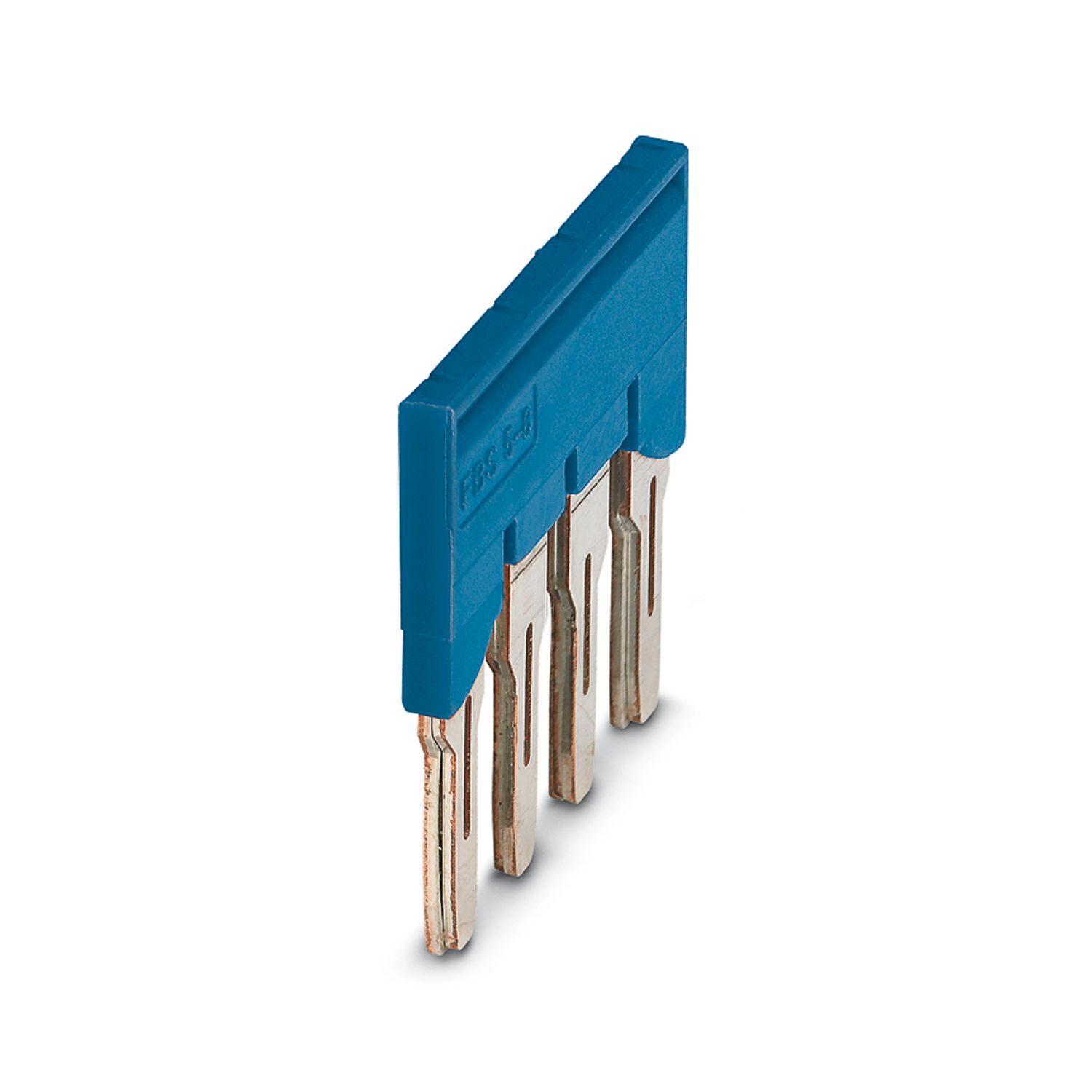
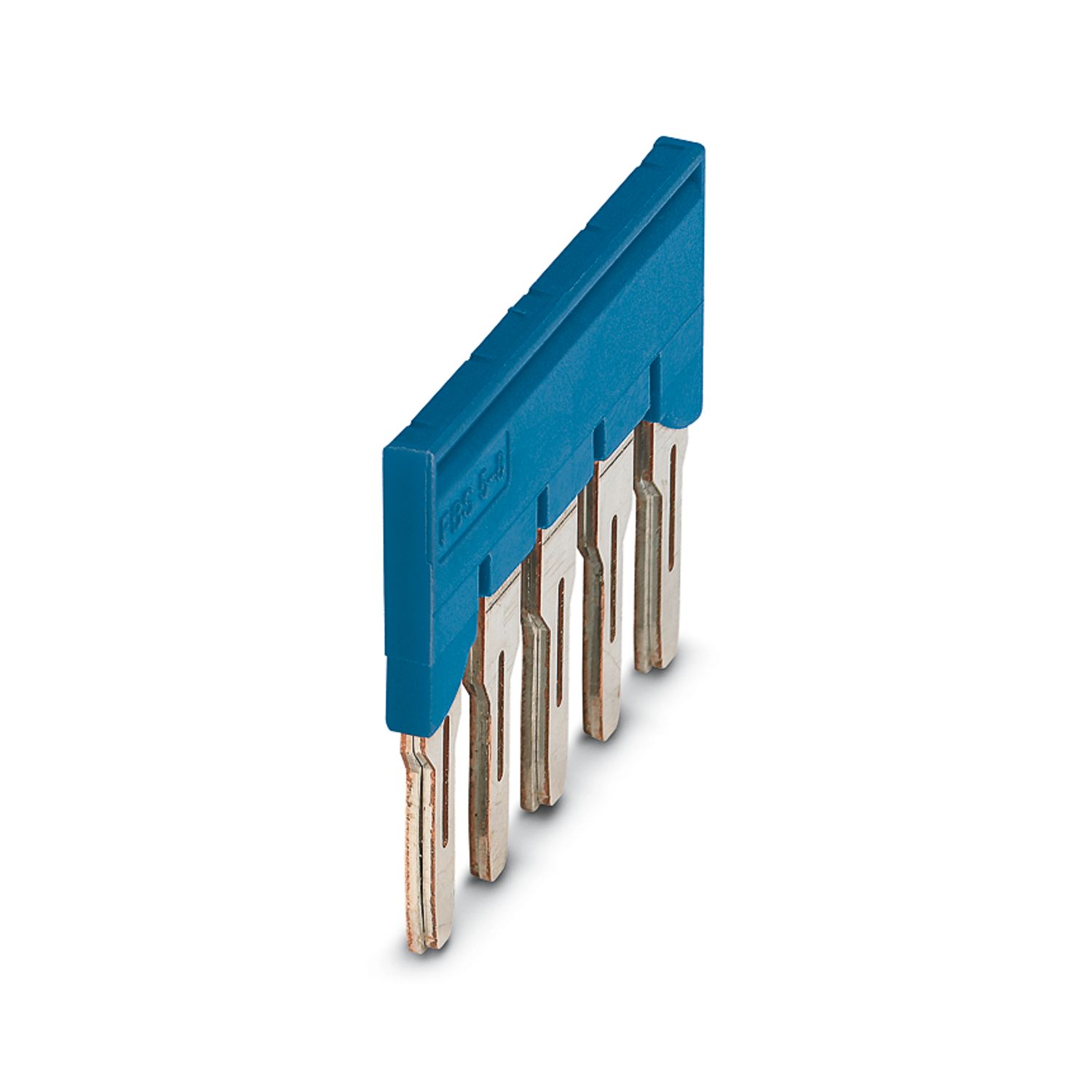
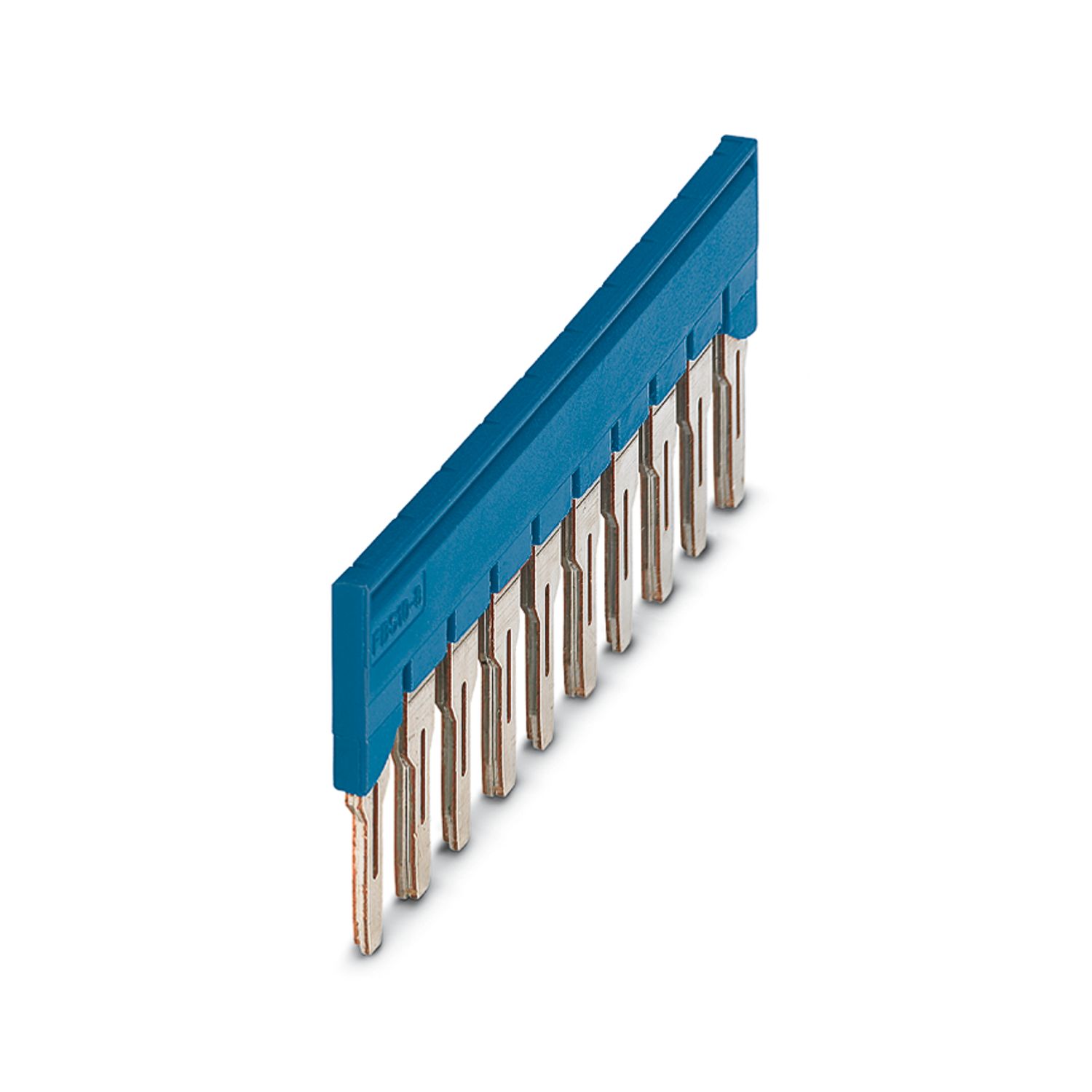
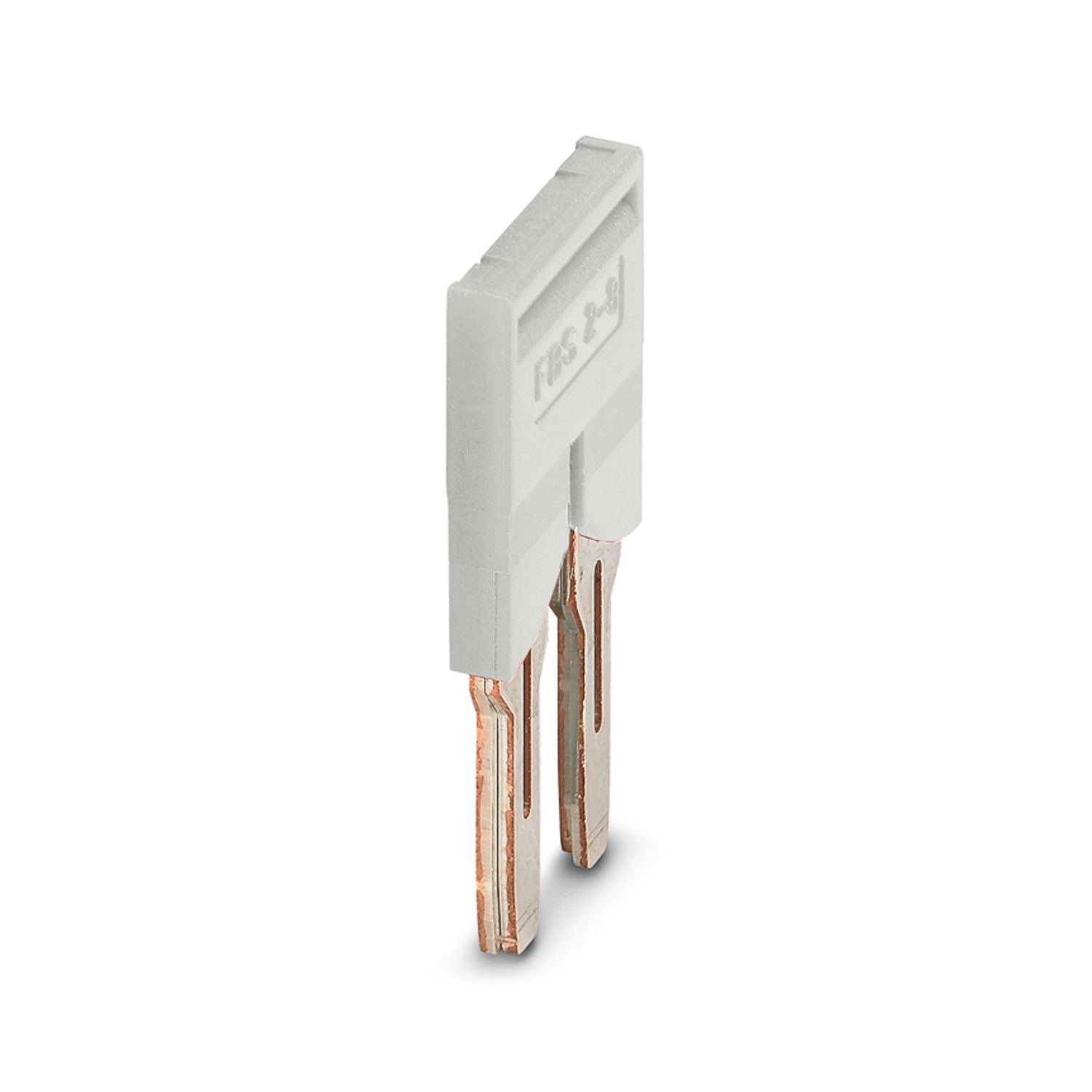
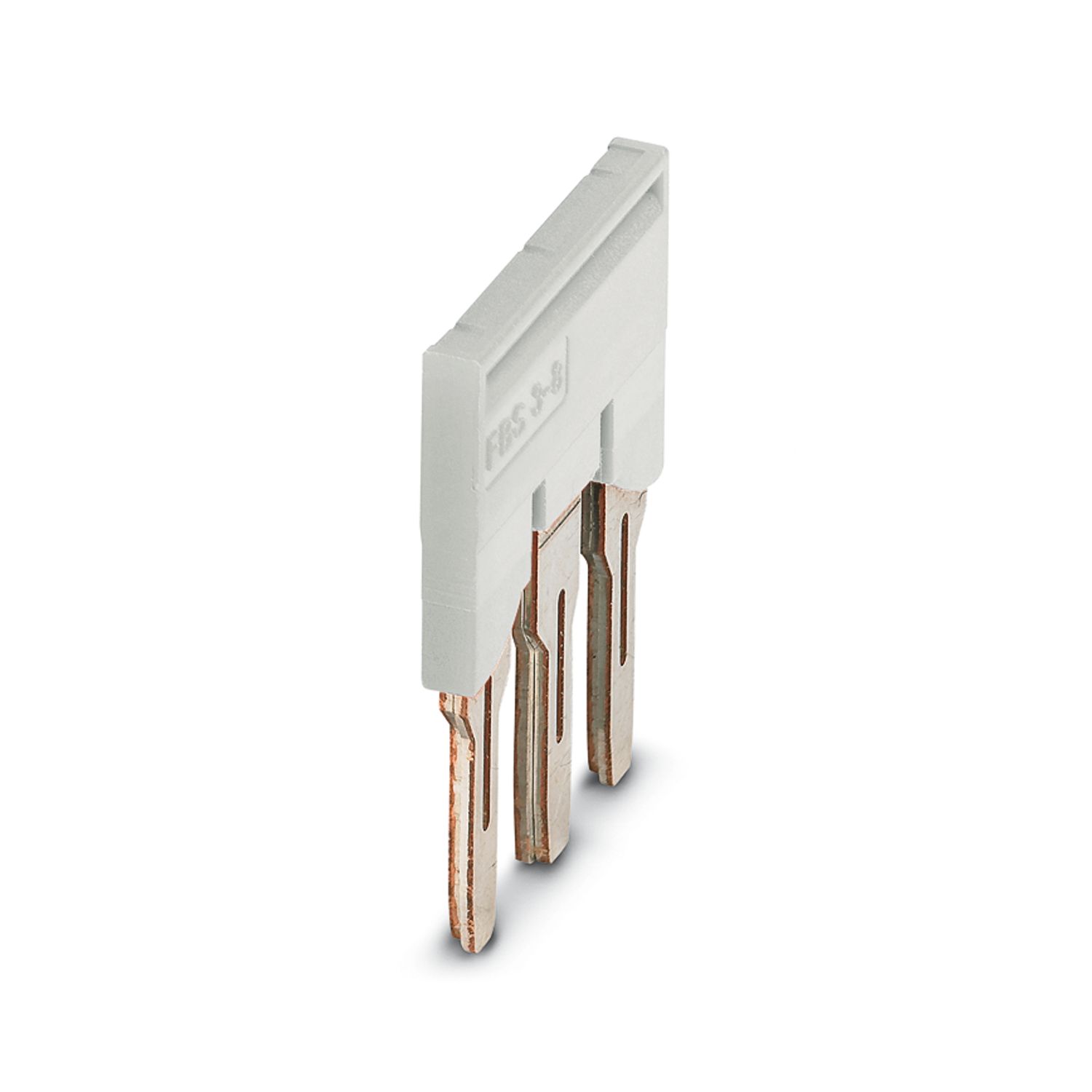
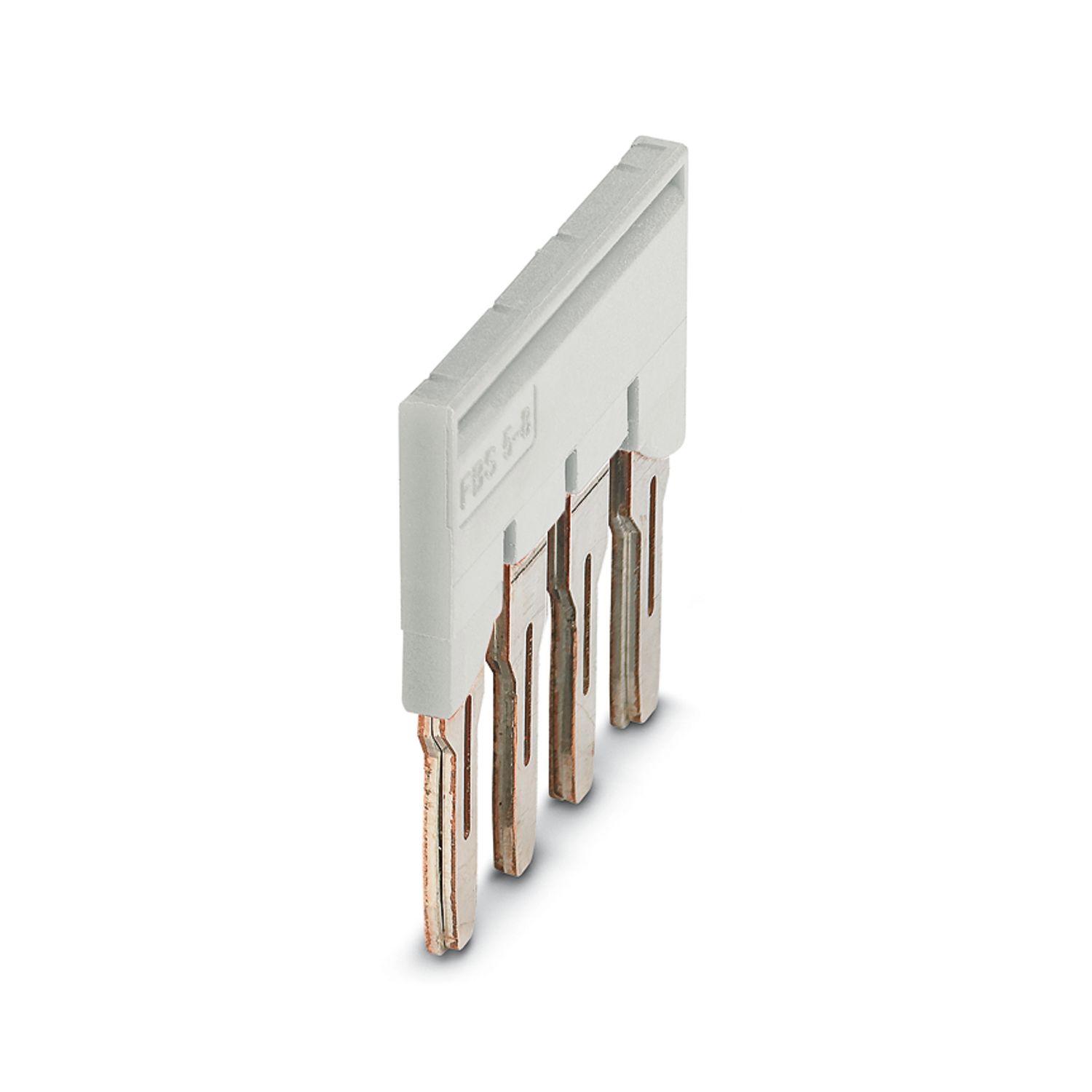
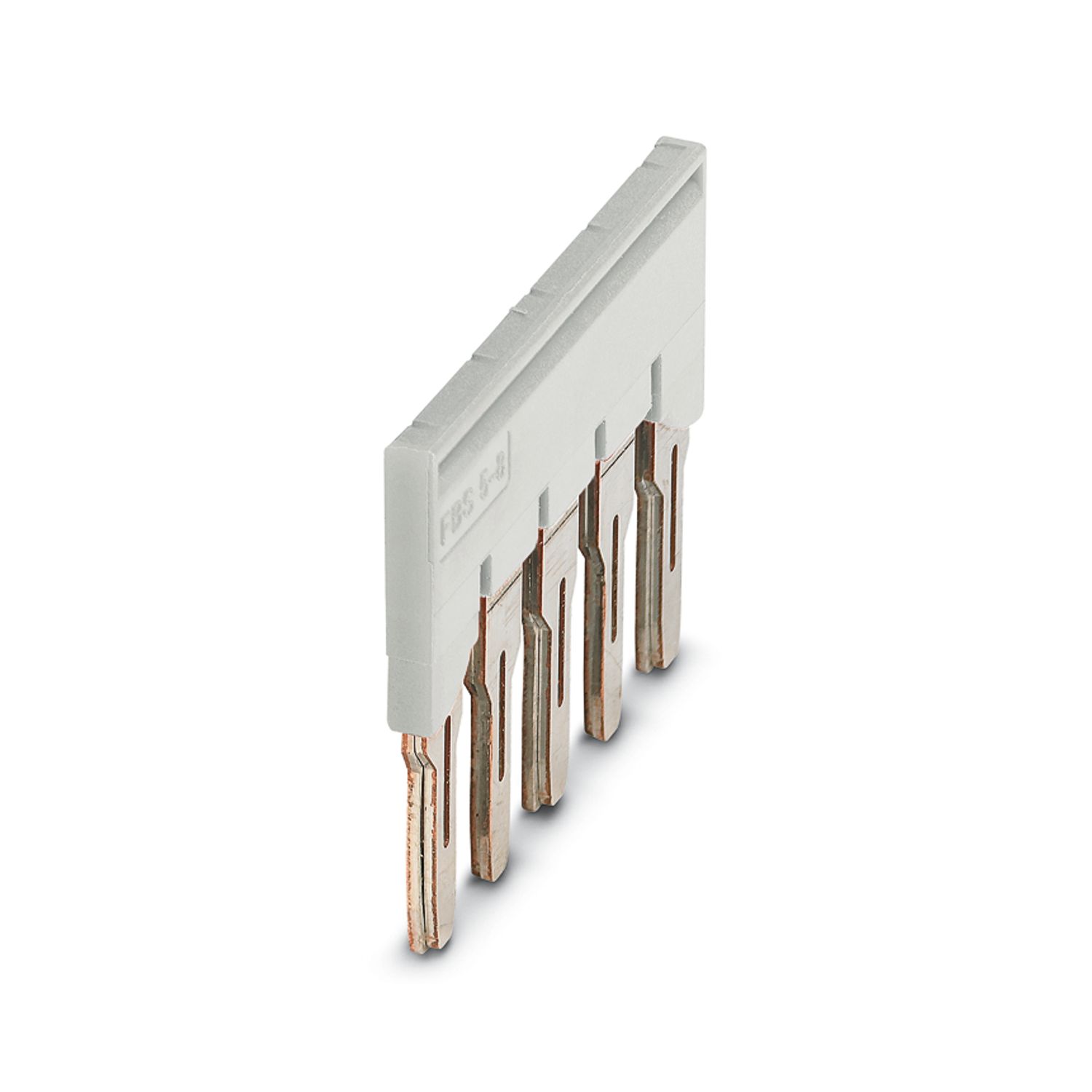
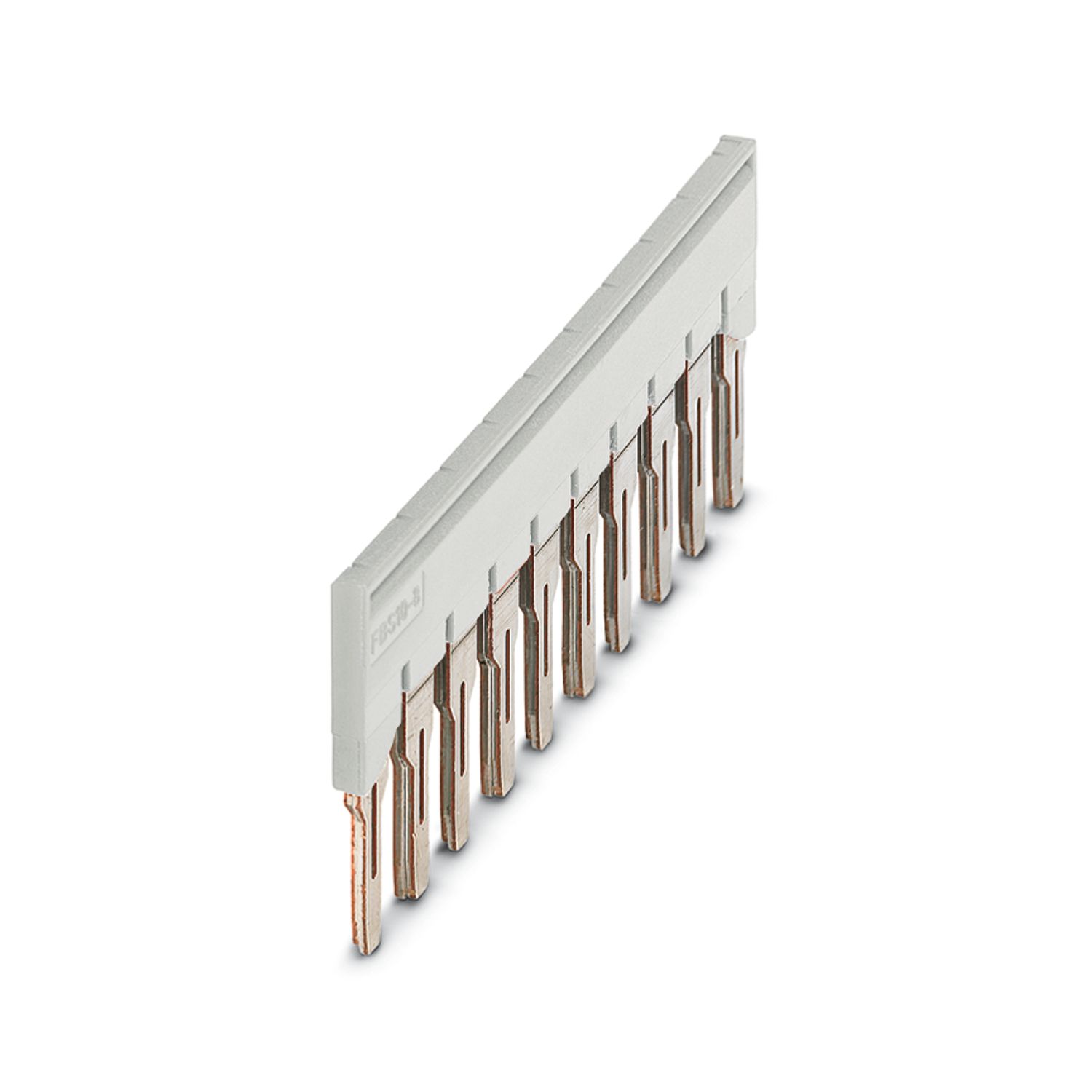
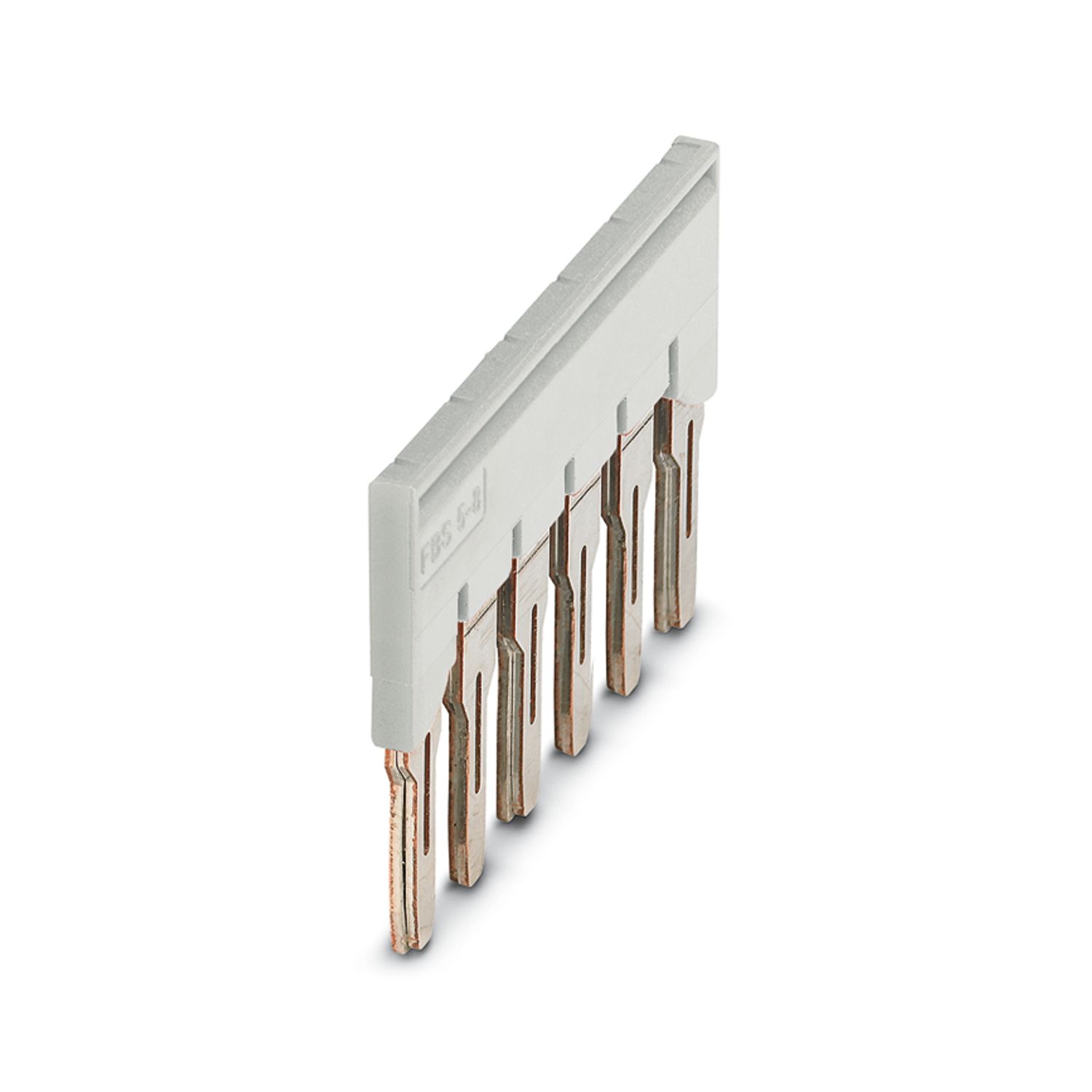
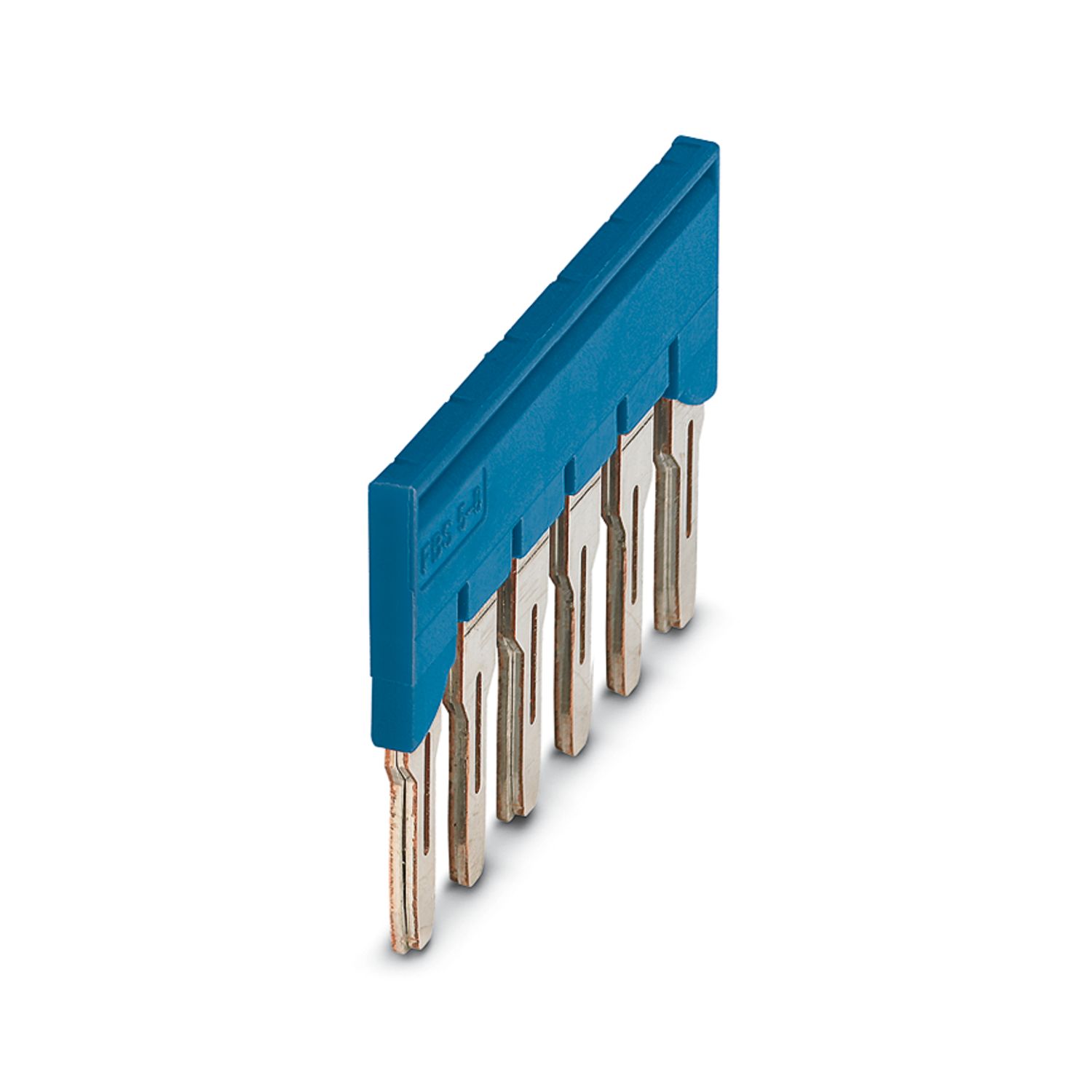
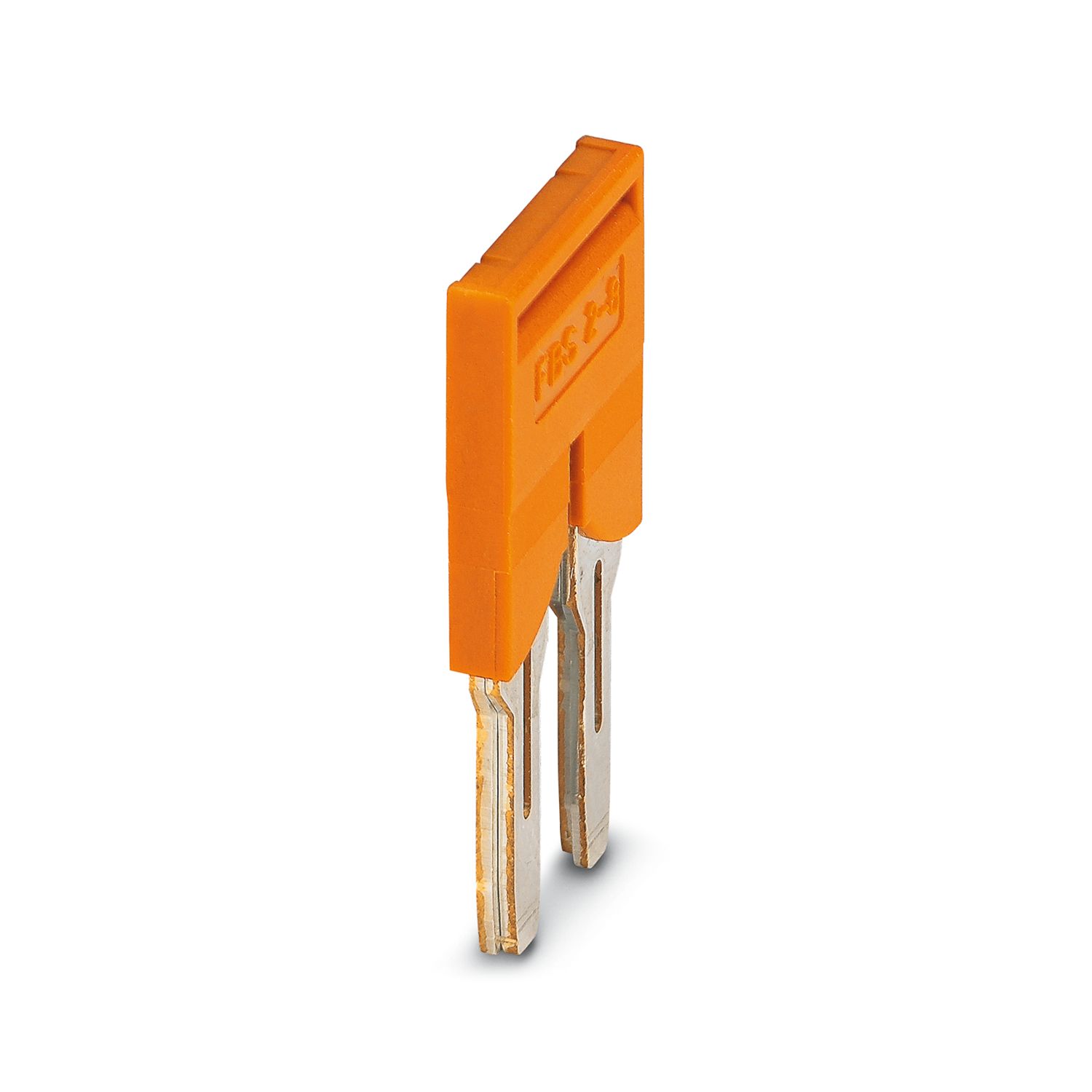
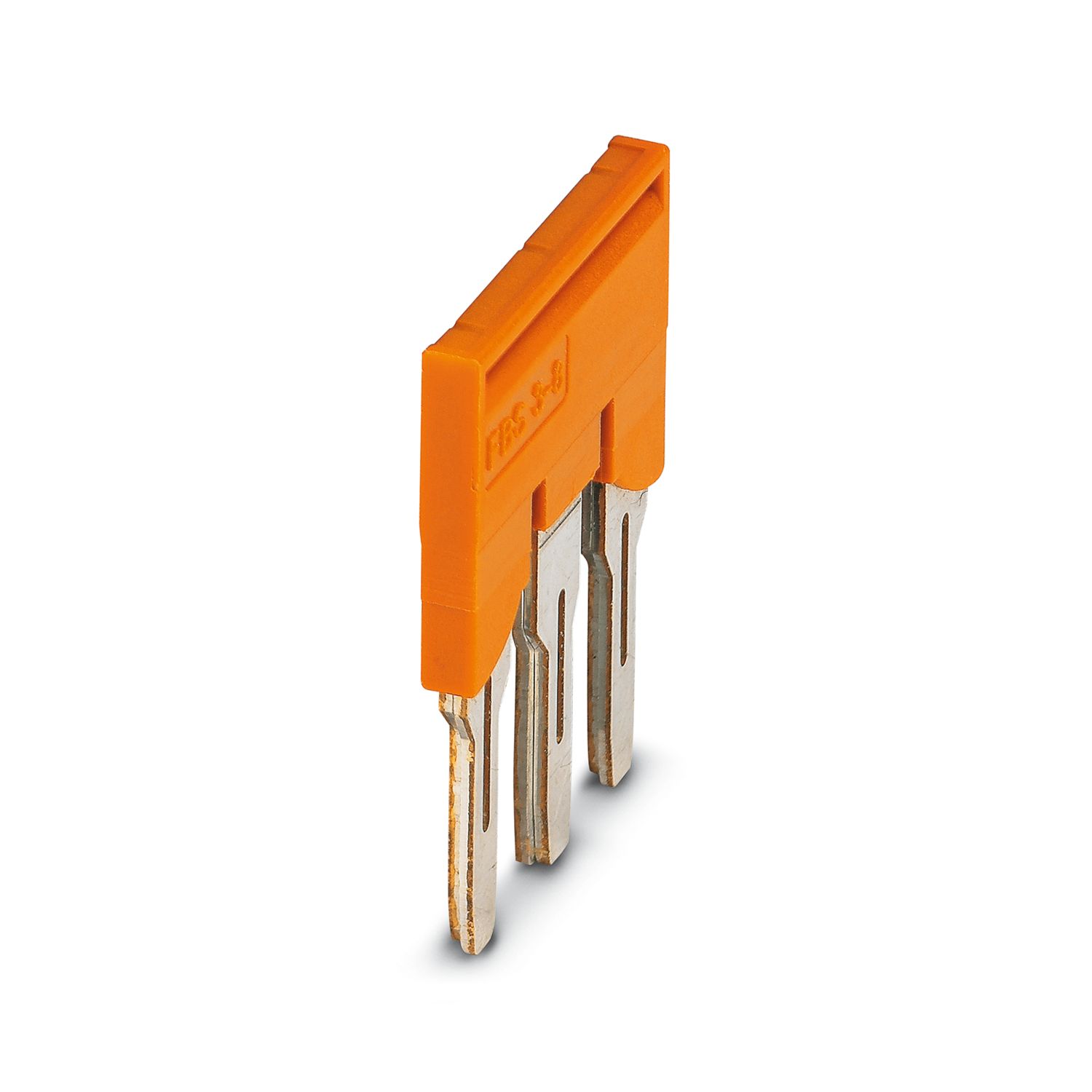
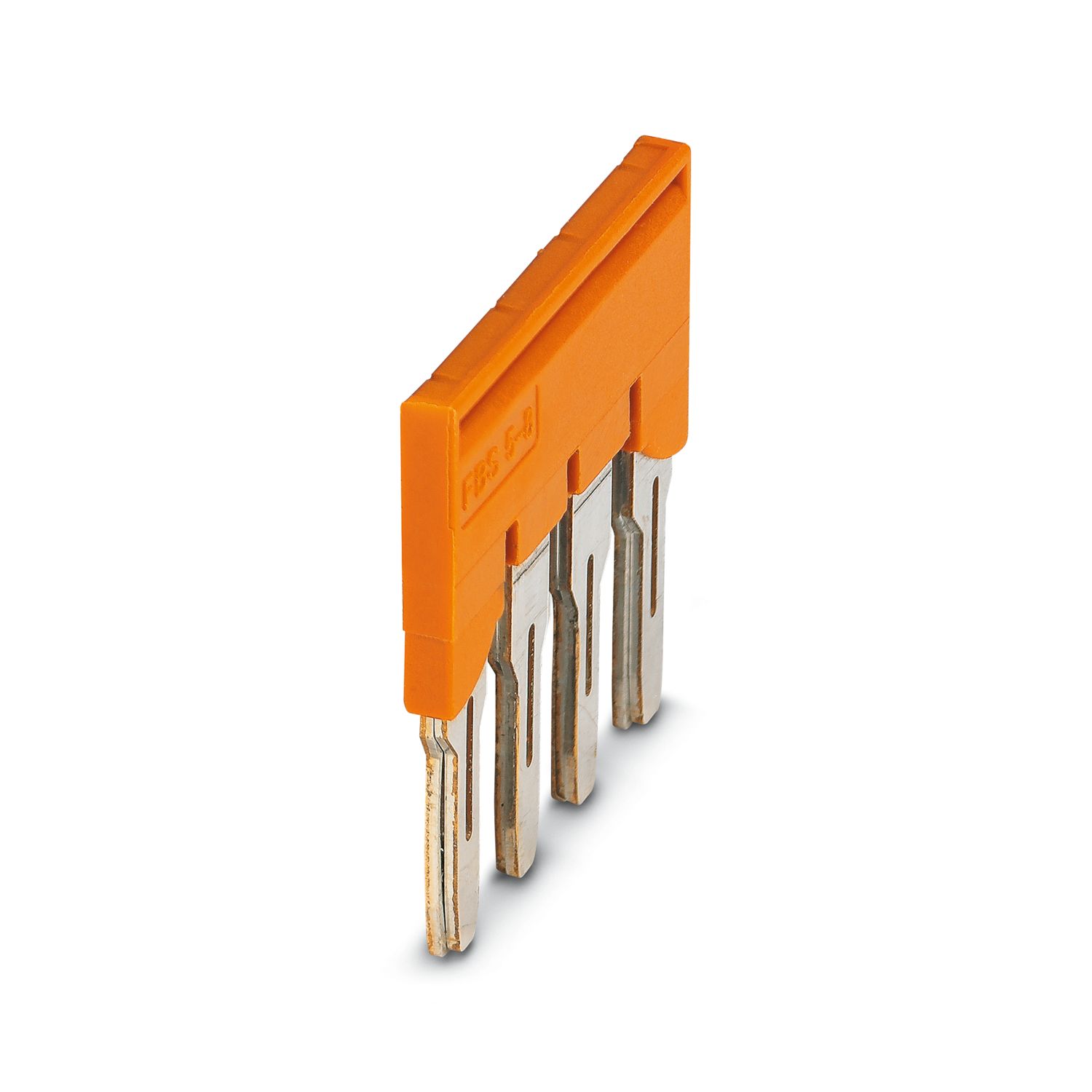
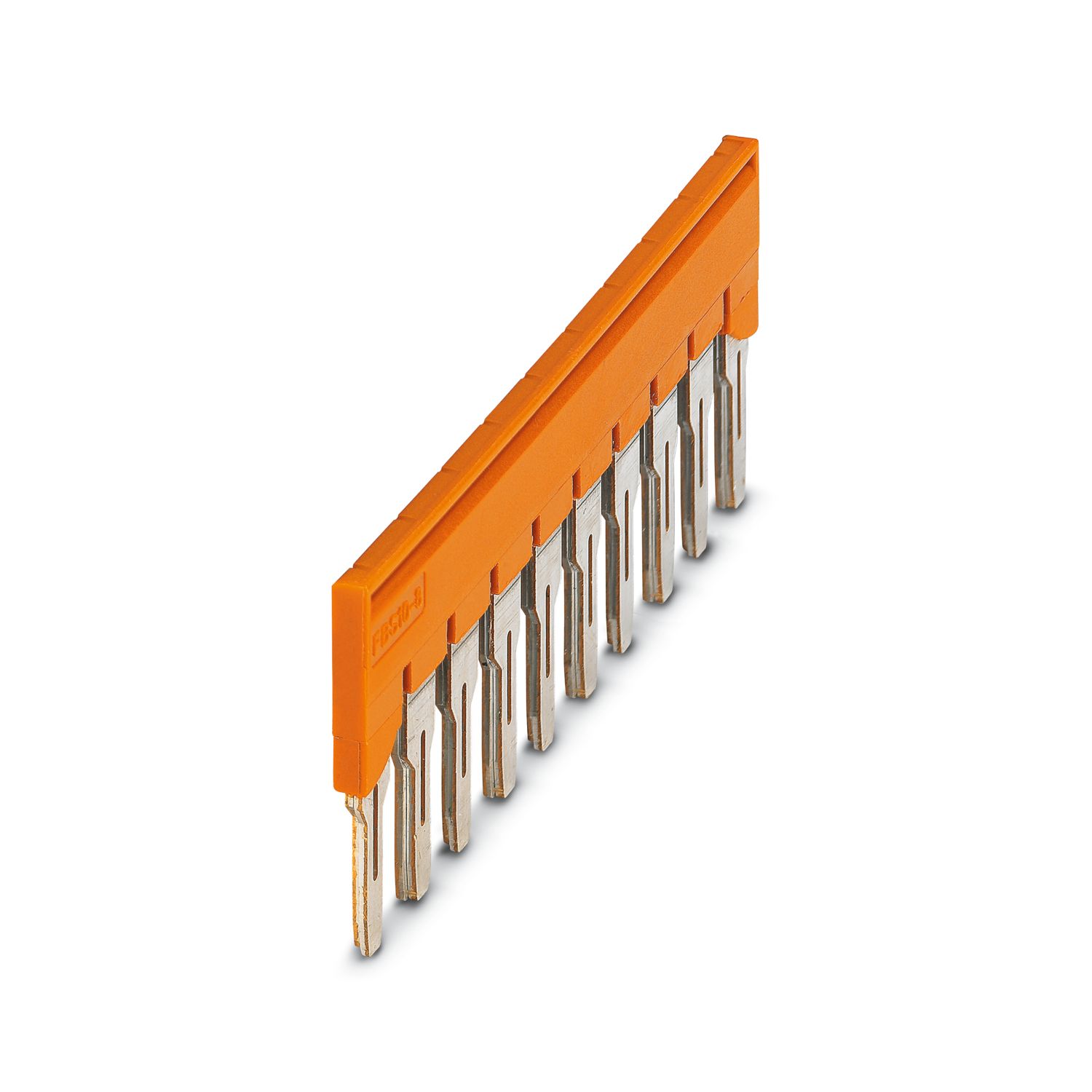
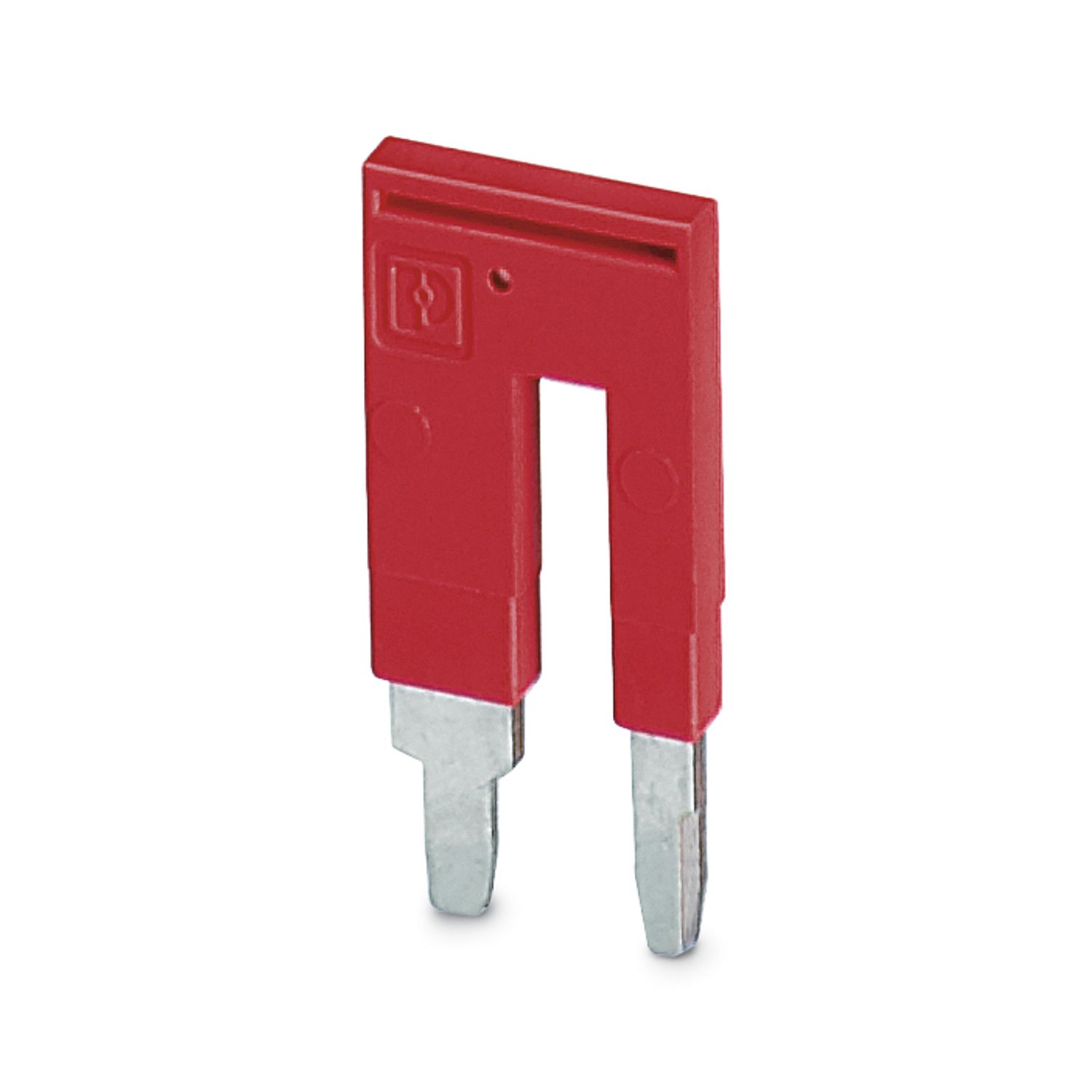
Realizzate le applicazioni in modo semplice, grazie al ponticellamento alla serie di morsetti componibili CLIPLINE complete
Trasparenza sull'utilizzo e sullo stato del sistema grazie a connessioni integrate per segnali individuali o collettivi
Facilità di messa in servizio e manutenzione grazie al cablaggio preinstallato che rimane intatto quando si sostituisce la spina
Domande frequenti
Come funziona l'alimentazione e come viene effettuato il ponticellamento?
Nel punto di collegamento superiore è possibile immettere correnti fino a 40 A. È possibile collegare conduttori fino a 6 mm2 flessibili o 10 mm2 rigidi. La corrente immessa può essere distribuita attraverso i vani di ponticella... Vedi di più
Nel punto di collegamento superiore è possibile immettere correnti fino a 40 A. È possibile collegare conduttori fino a 6 mm2 flessibili o 10 mm2 rigidi. La corrente immessa può essere distribuita attraverso i vani di ponticellamento disposti nella parte superiore con ponticelli FBS ... -8. Vale quanto segue: le correnti superiori a 31 A devono essere distribuite tramite due ponticelli; le correnti fino a 31 A inclusi possono essere distribuite tramite un ponticello.
Vedi di menoQuali curve caratteristiche scegliere e quando?
Sono disponibili due diverse curve caratteristiche:
- La curva caratteristica F2, più veloce, è adatta a carichi più sensibili, come sensori o carichi resistivi. Si attiva con tensioni DC nell'intervallo 4 ... 8 x In.
- La curva caratteristica ...
Vedi di più
Sono disponibili due diverse curve caratteristiche:
- La curva caratteristica F2, più veloce, è adatta a carichi più sensibili, come sensori o carichi resistivi. Si attiva con tensioni DC nell'intervallo 4 ... 8 x In.
- La curva caratteristica a portata media M1 è consigliata per carichi o motori ad alta intensità di corrente (ad es. capacitivi). Si attiva con tensioni DC di 8 ... 15 volte In.
Ci sono dei requisiti per l'alimentatore di tensione? Cosa bisogna considerare per un dimensionamento corretto?
Per la protezione selettiva, l'alimentatore di tensione deve essere in grado di fornire la maggiore corrente di intervento richiesta. È necessario tenere conto anche delle impedenze di linea.
Cosa si intende per capacità di interruzione del cortocircuito e qual è la differenza tra i termini Icn e Inc?
Capacità di interruzione del cortocircuito: corrente di cortocircuito massima che l'interruttore può disattivare in modo sicuro. Cosa si deve osservare se la corrente della sorgente è superiore alla capacità di interruzione del cortocircuito? In ques... Vedi di più
Capacità di interruzione del cortocircuito: corrente di cortocircuito massima che l'interruttore può disattivare in modo sicuro. Cosa si deve osservare se la corrente della sorgente è superiore alla capacità di interruzione del cortocircuito? In questo caso, l'interruttore può essere utilizzato con un prefusibile fino all'Inc. Alcuni fusibili sono stati testati e omologati a questo scopo (vedere il certificato).
- Icn (capacità nominale di interruzione del cortocircuito): valore che l'interruttore può spegnere da solo senza un prefusibile.
- Inc (corrente di cortocircuito nominale condizionata): valore che l'interruttore può gestire con un fusibile a monte.
Il PTCB TM può essere utilizzato sia per la corrente alternata che per la corrente continua?
Sì, per la corrente alternata si deve tenere conto della corrente di cortocircuito non influenzata nel luogo di installazione previsto. Non deve superare la capacità di interruzione del PTCB TM. L'intervento magnetico per la corrente alternata e la c... Vedi di più
Sì, per la corrente alternata si deve tenere conto della corrente di cortocircuito non influenzata nel luogo di installazione previsto. Non deve superare la capacità di interruzione del PTCB TM. L'intervento magnetico per la corrente alternata e la corrente continua si differenzia per il fattore DC/AC = 1,3.
Vedi di meno