
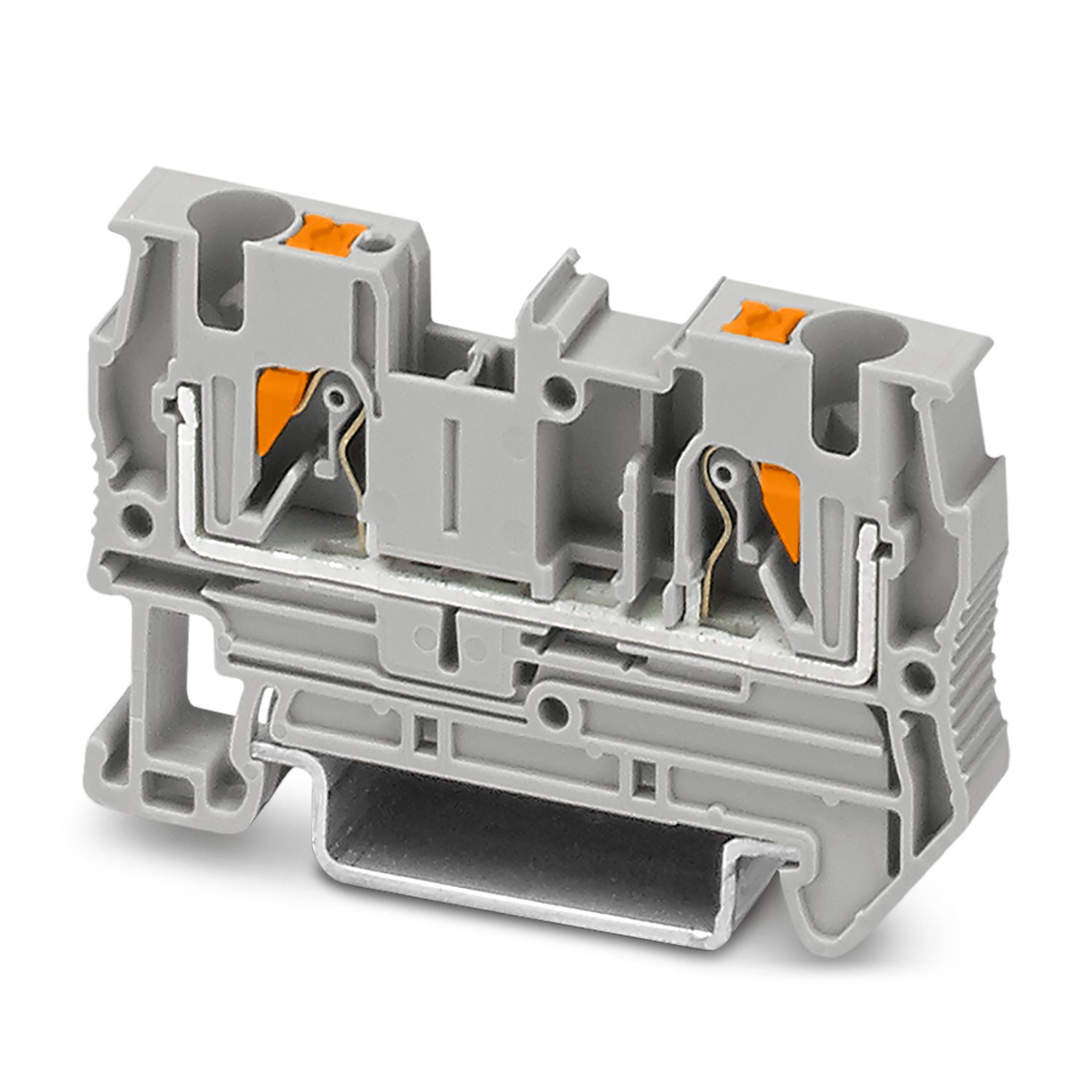
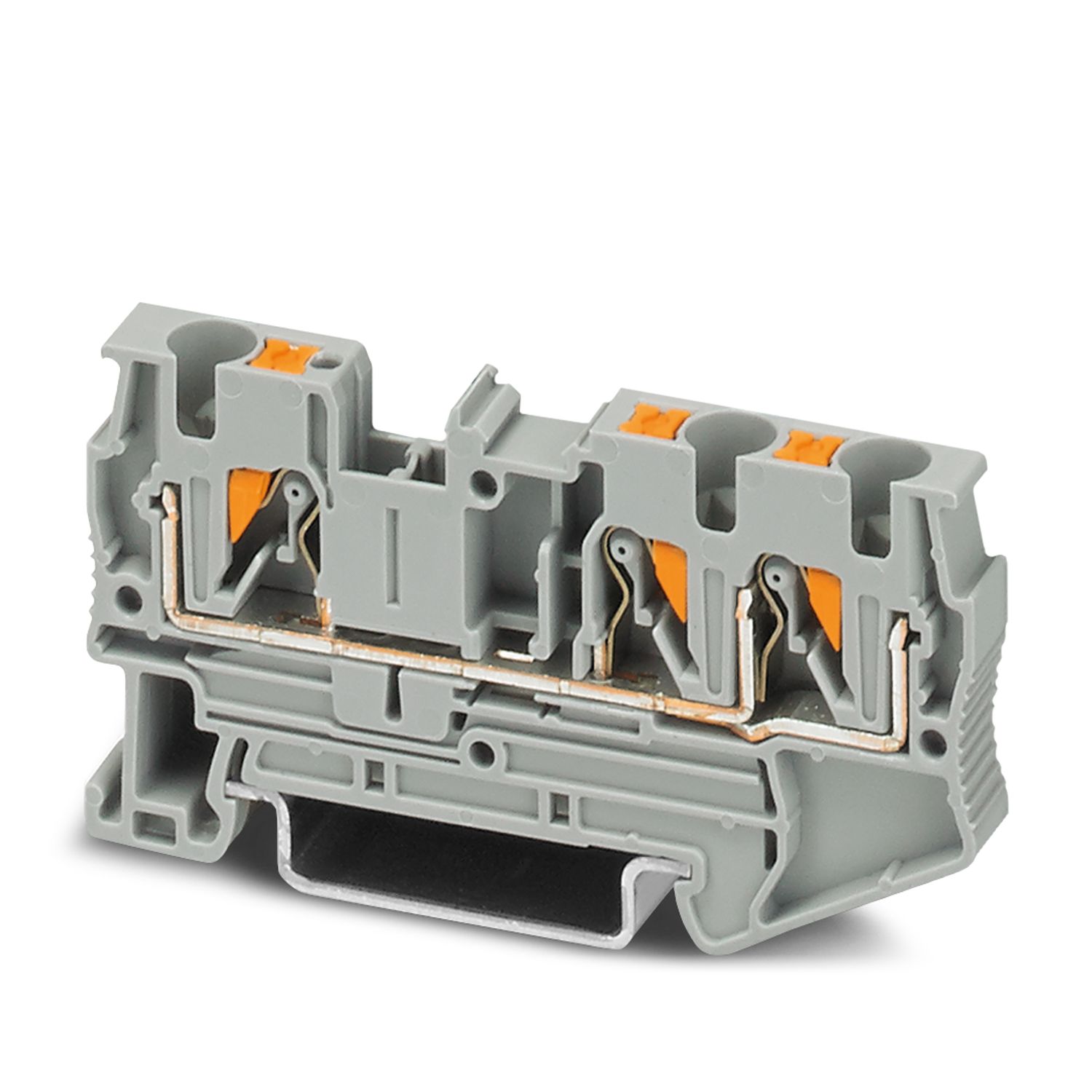
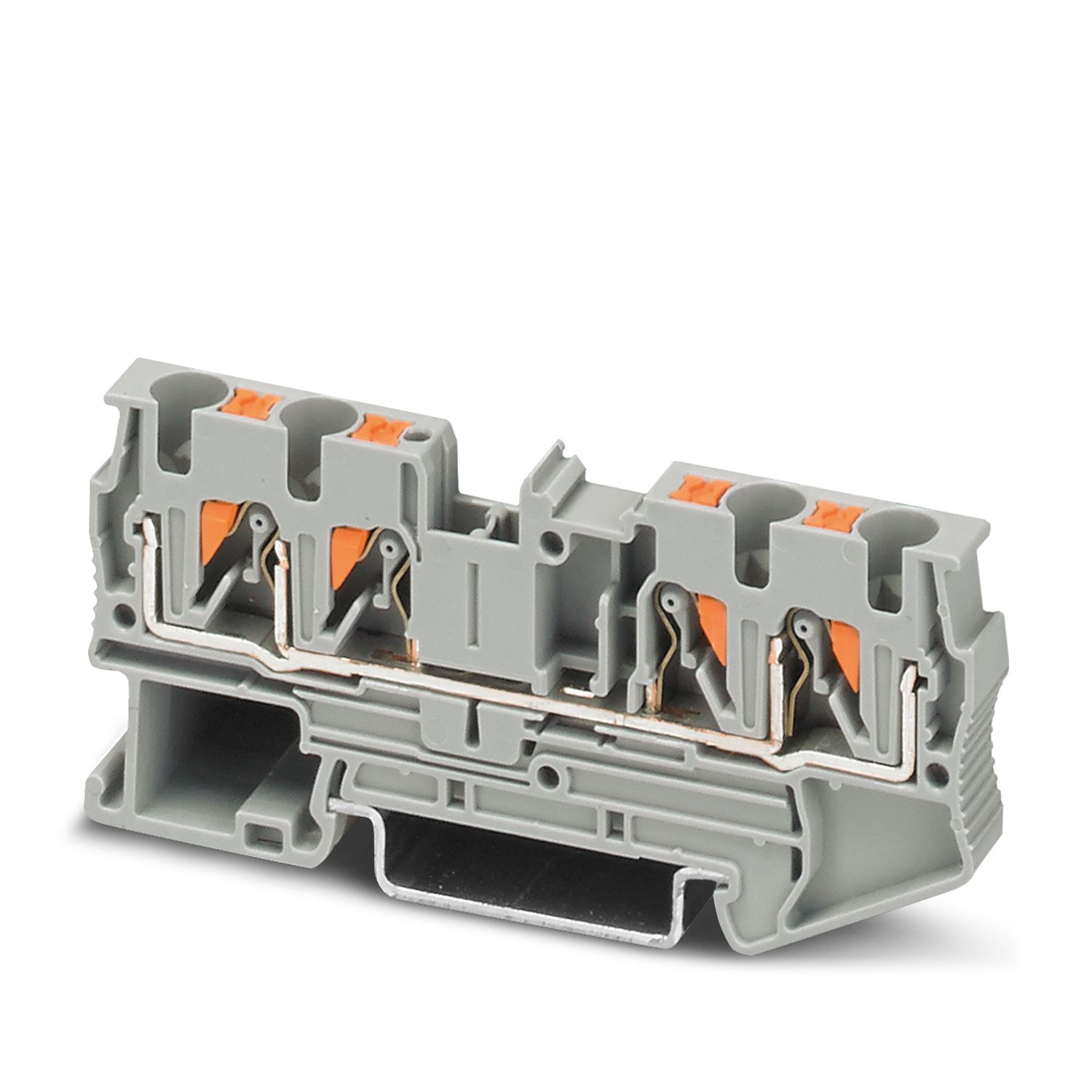
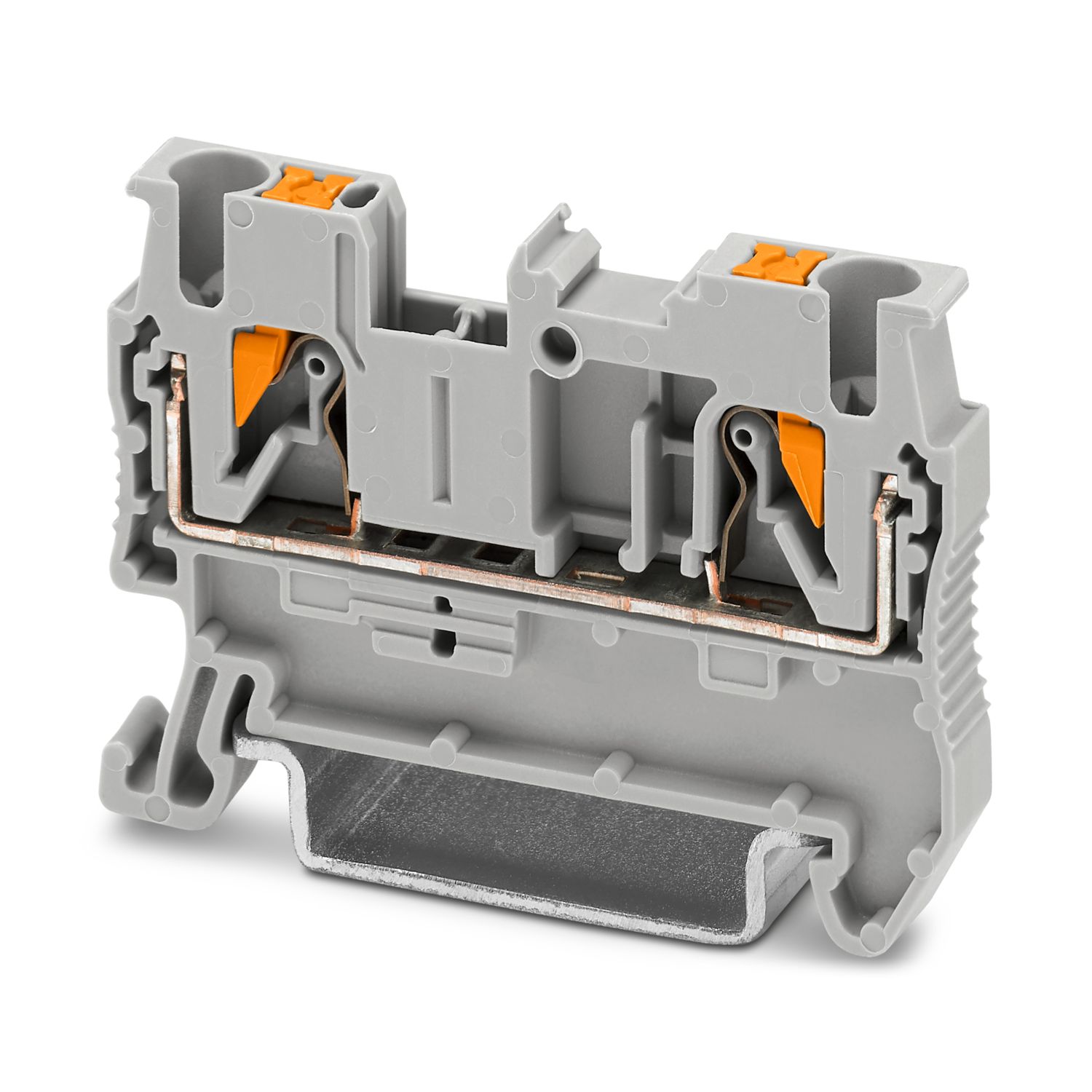
PTCB BE PT 6
-
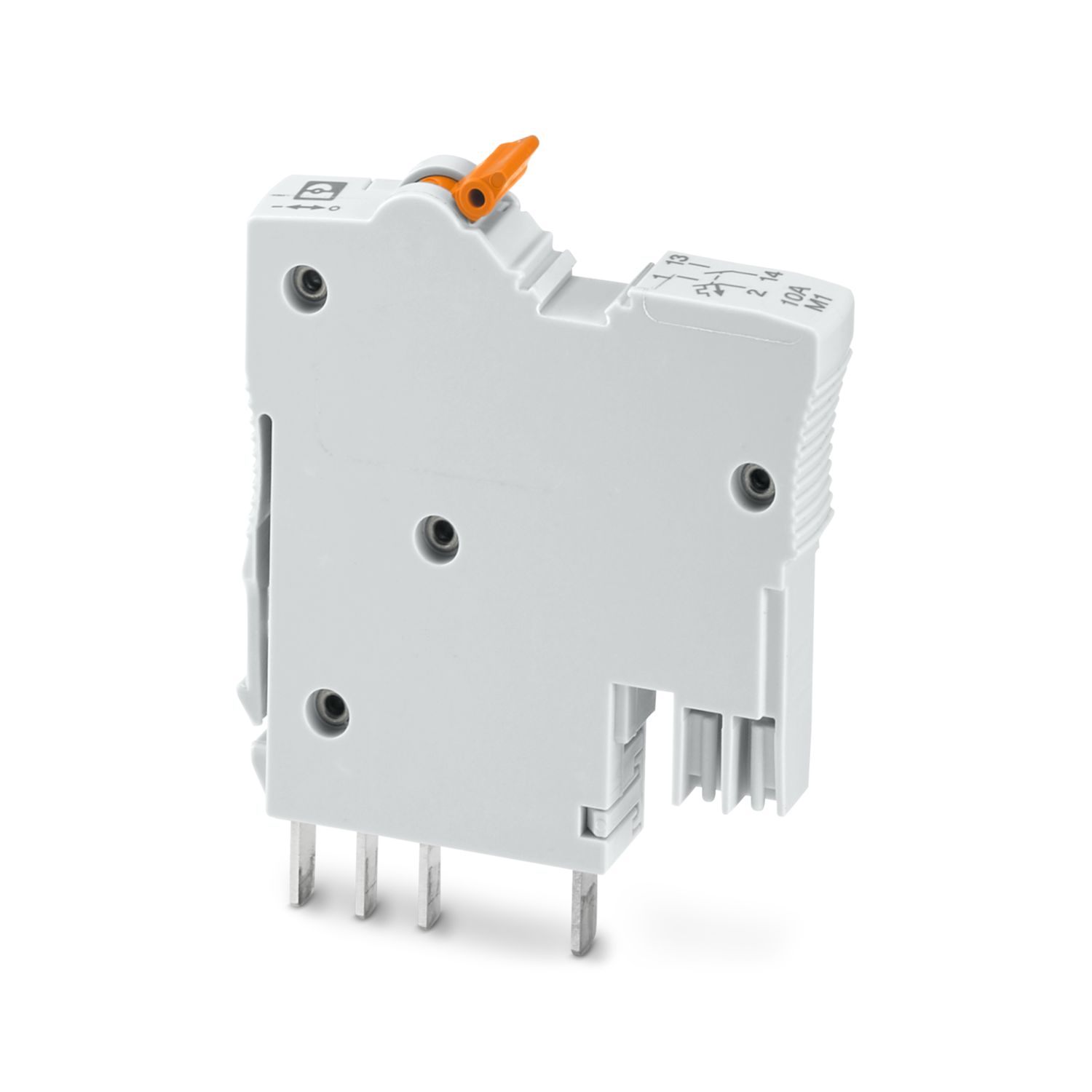
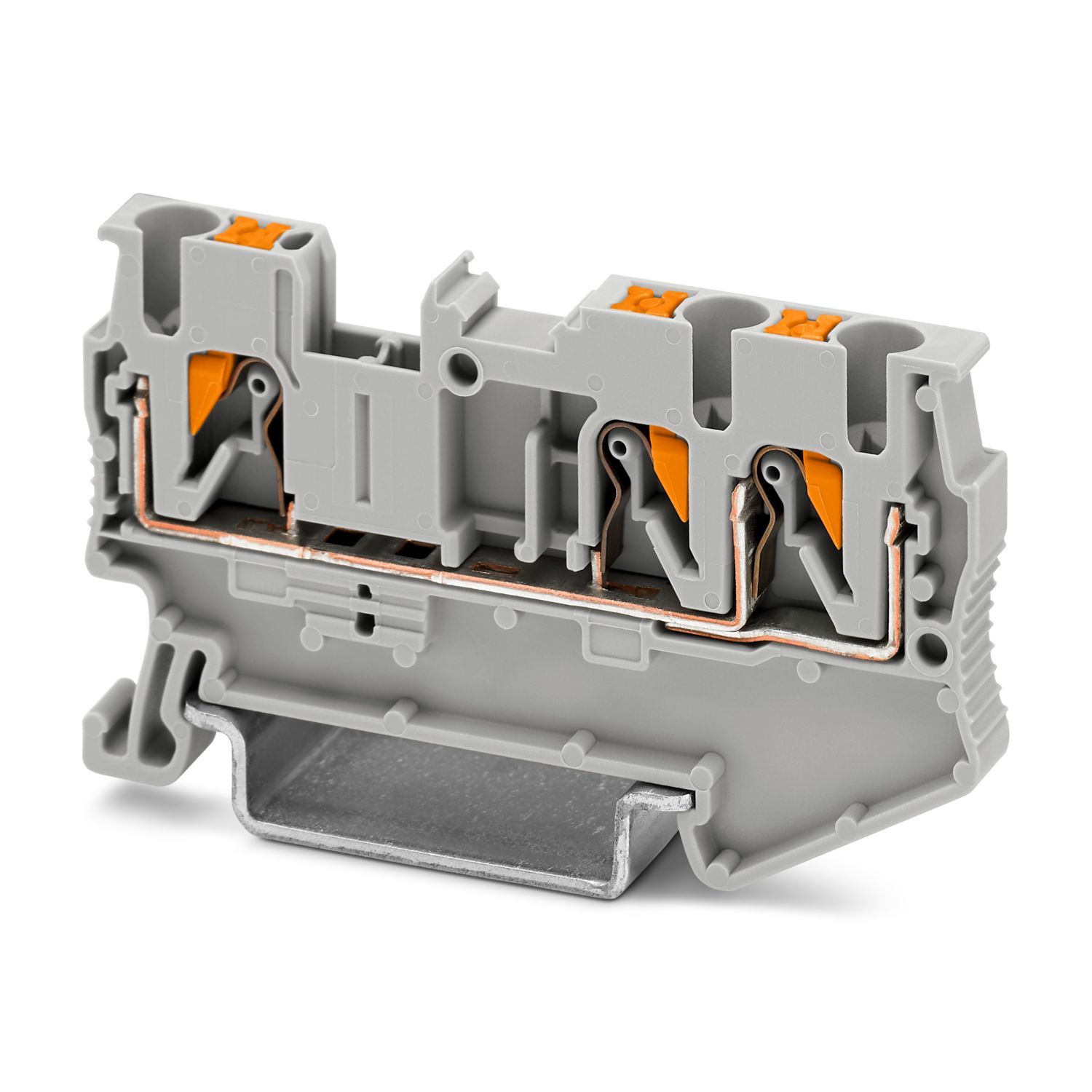
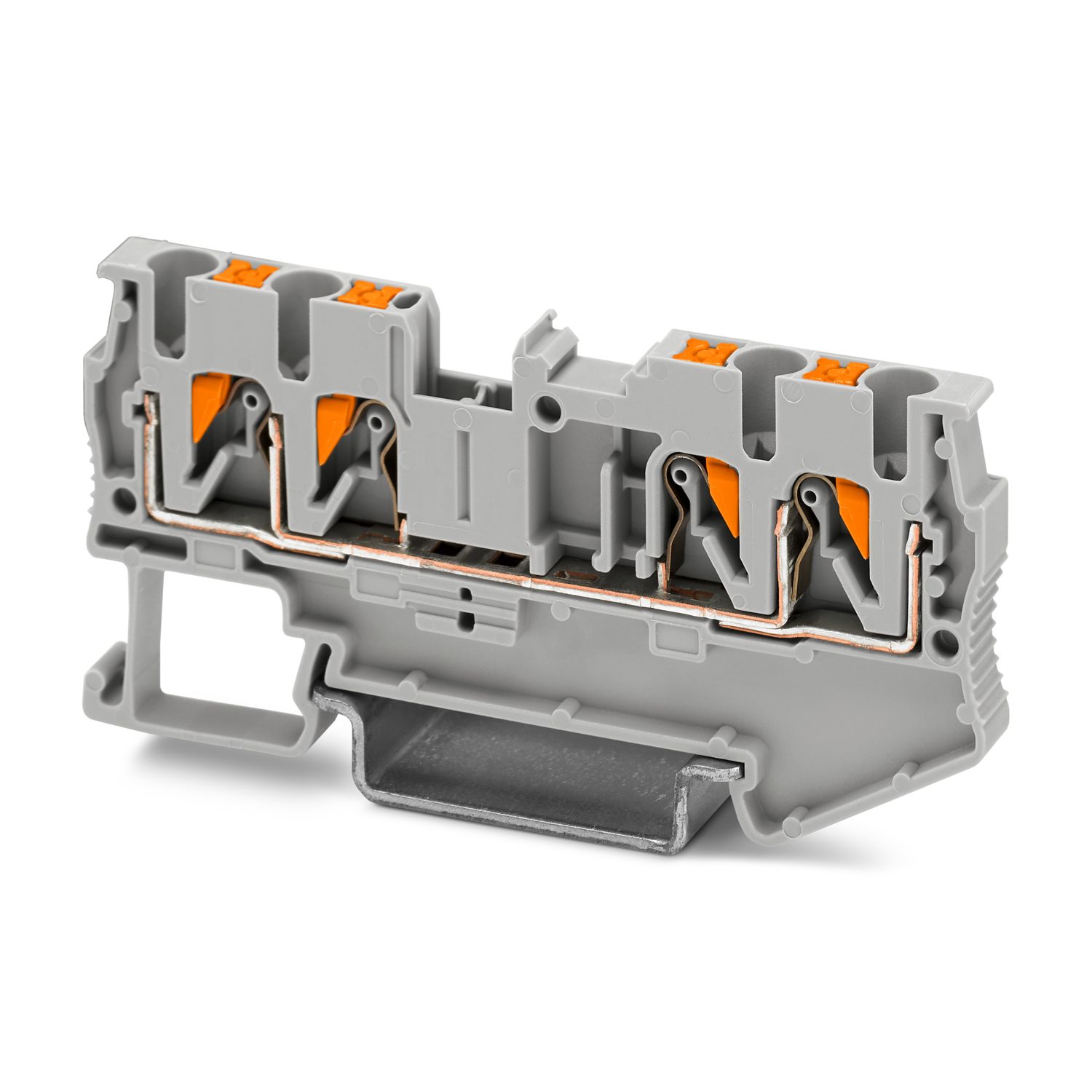
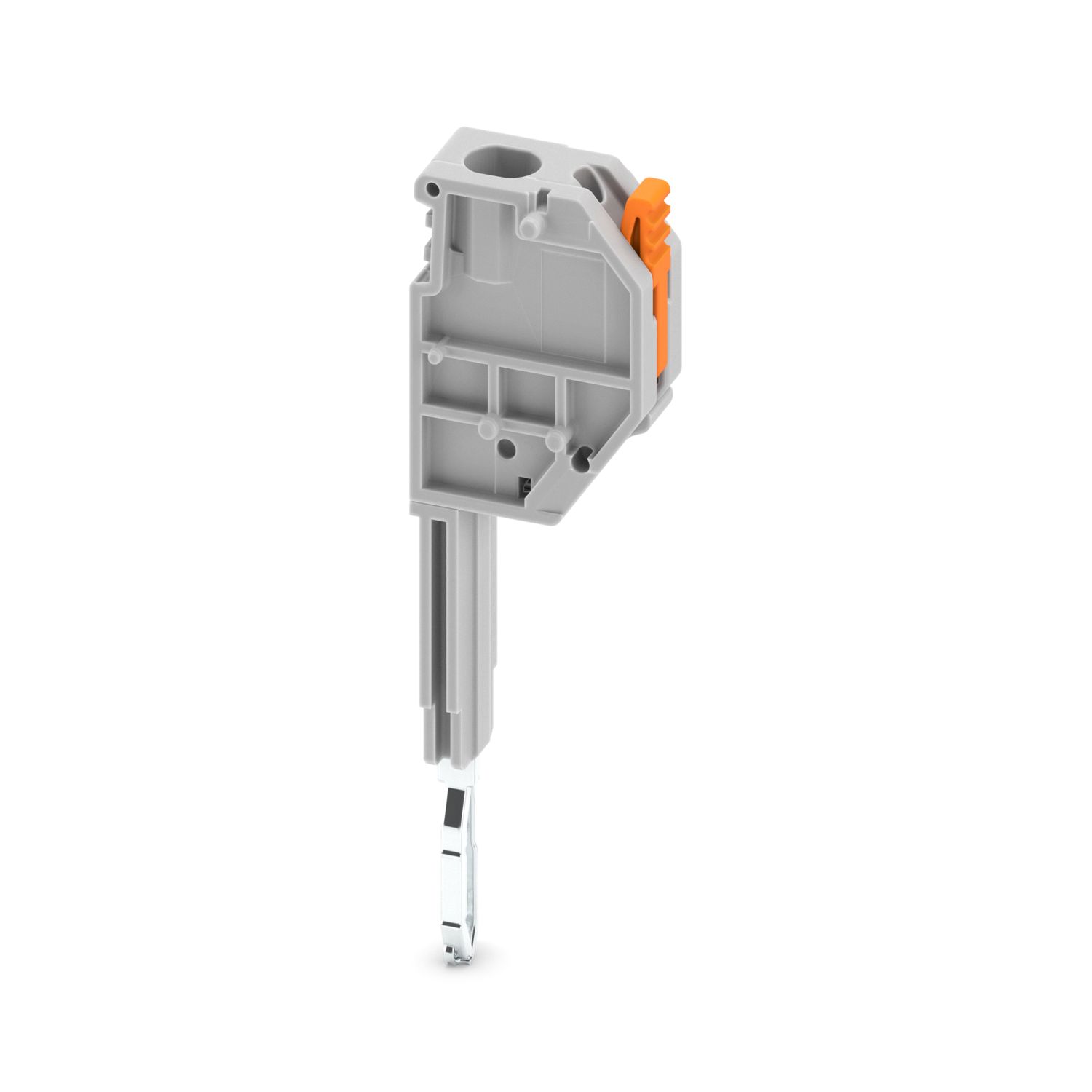
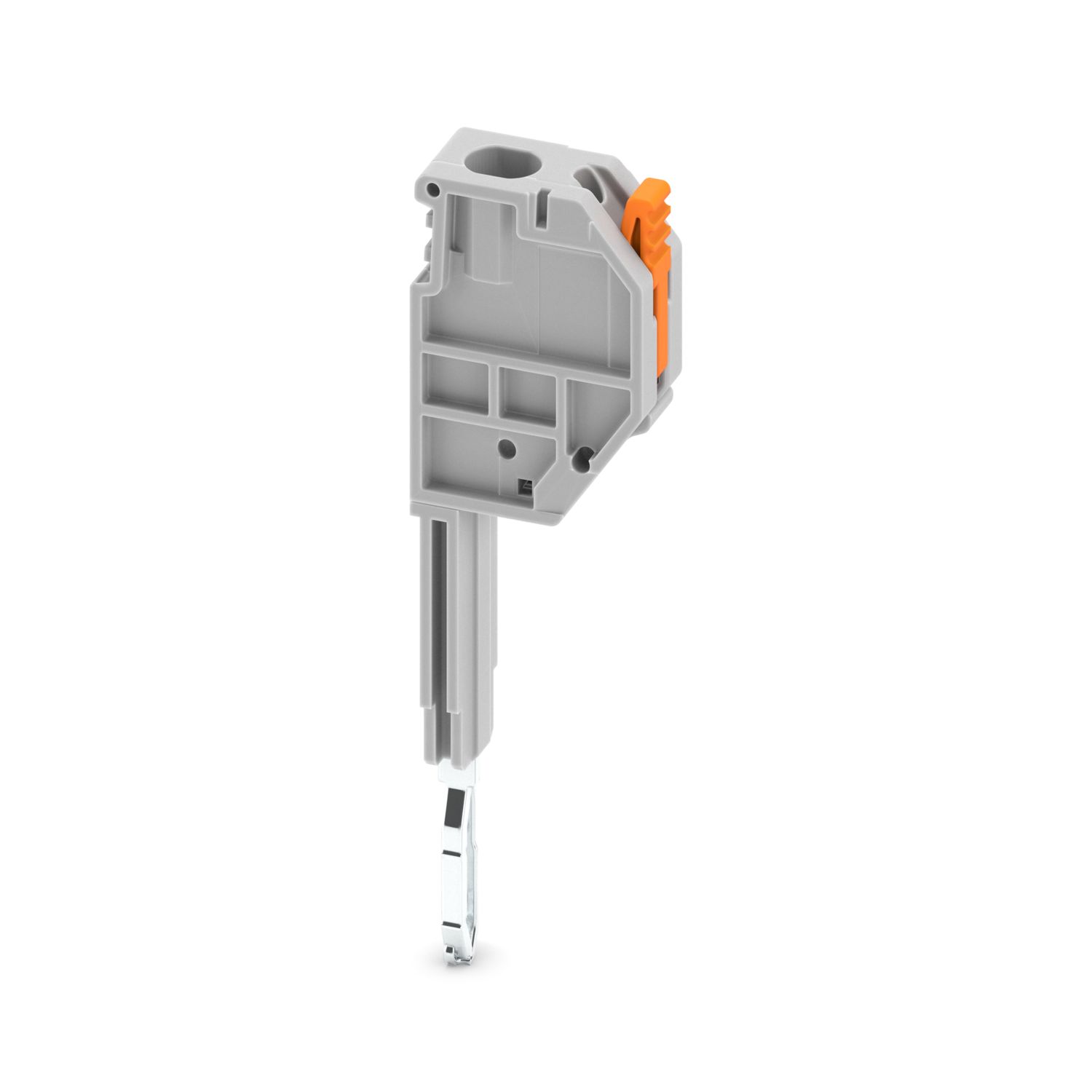
Basiselement
1567576
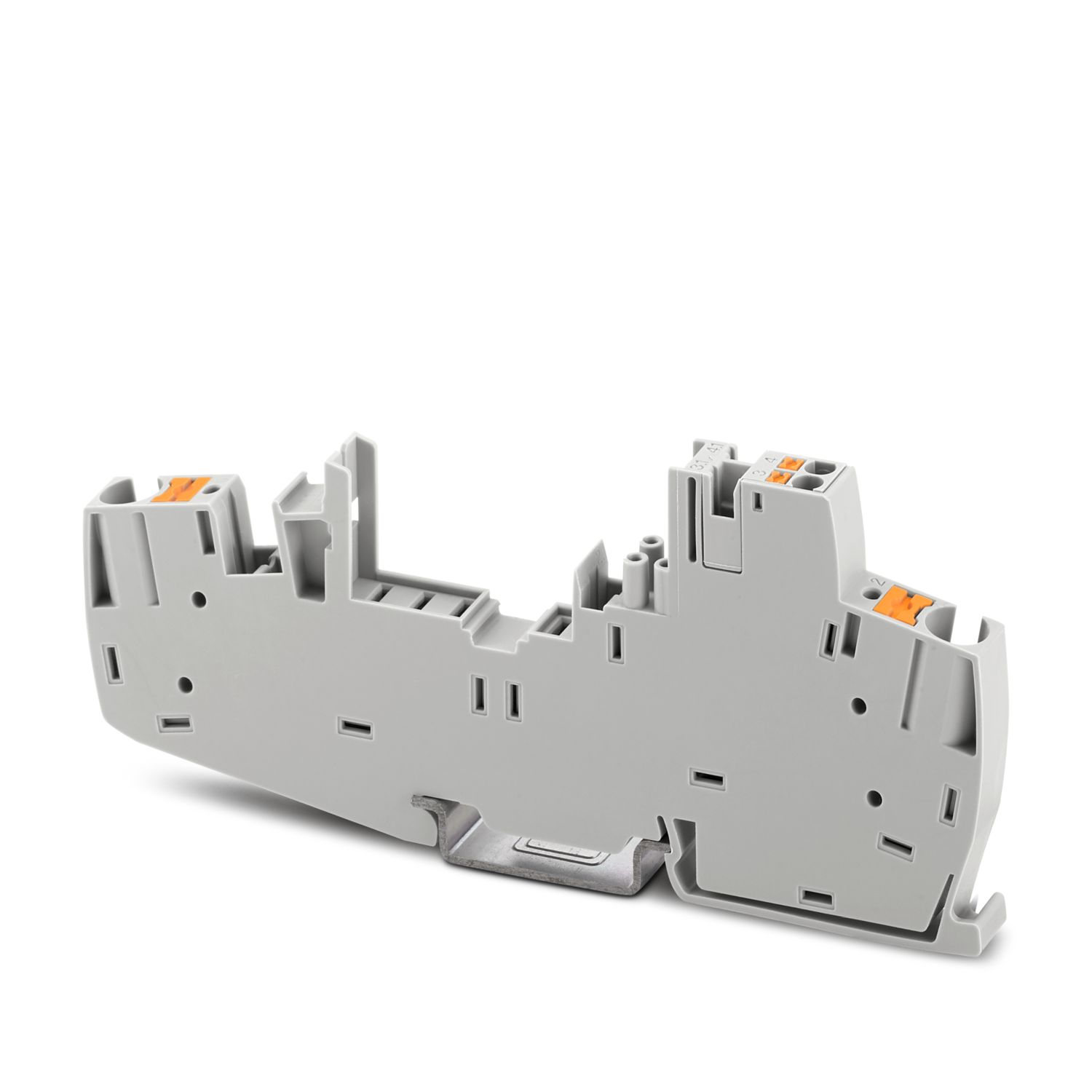
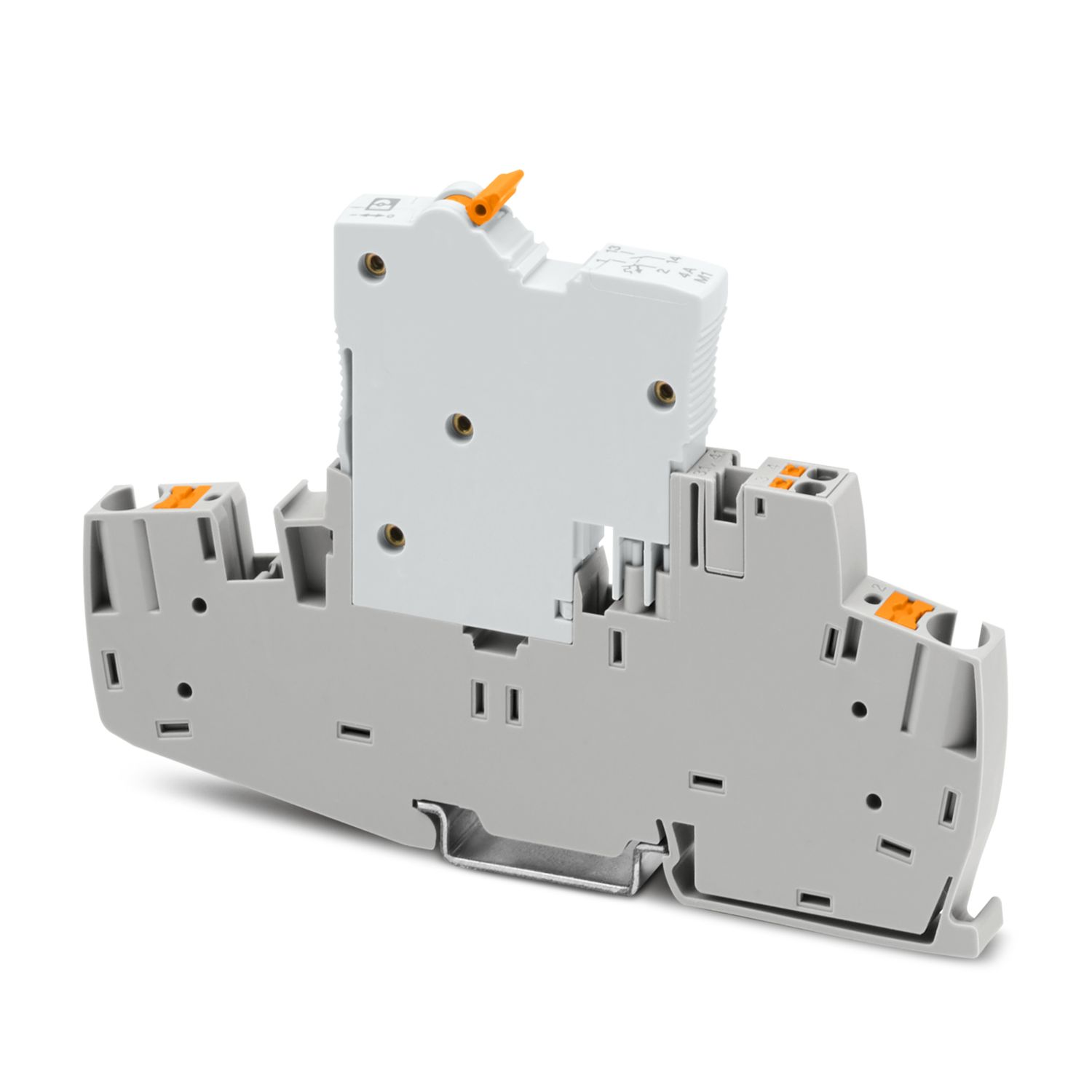
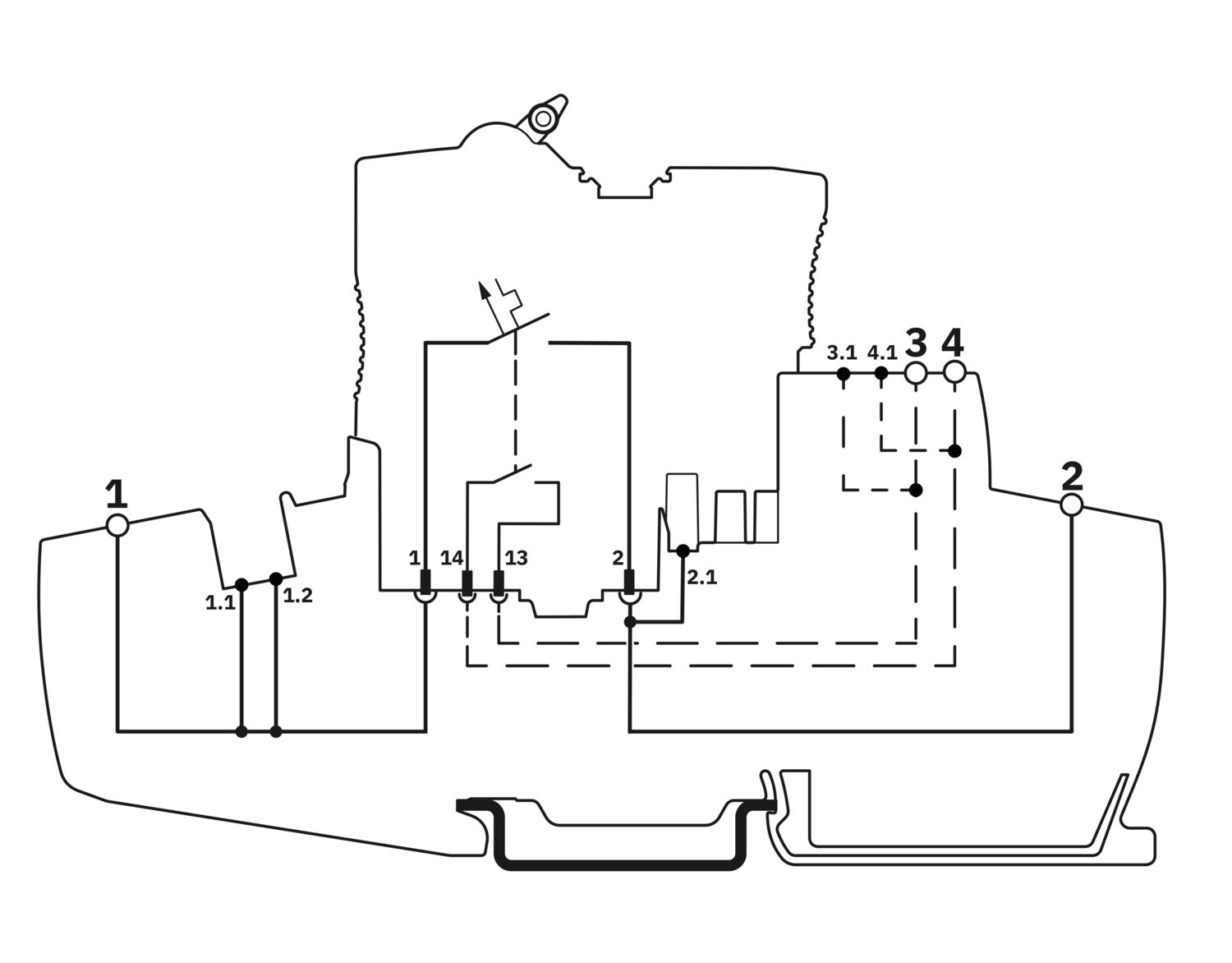
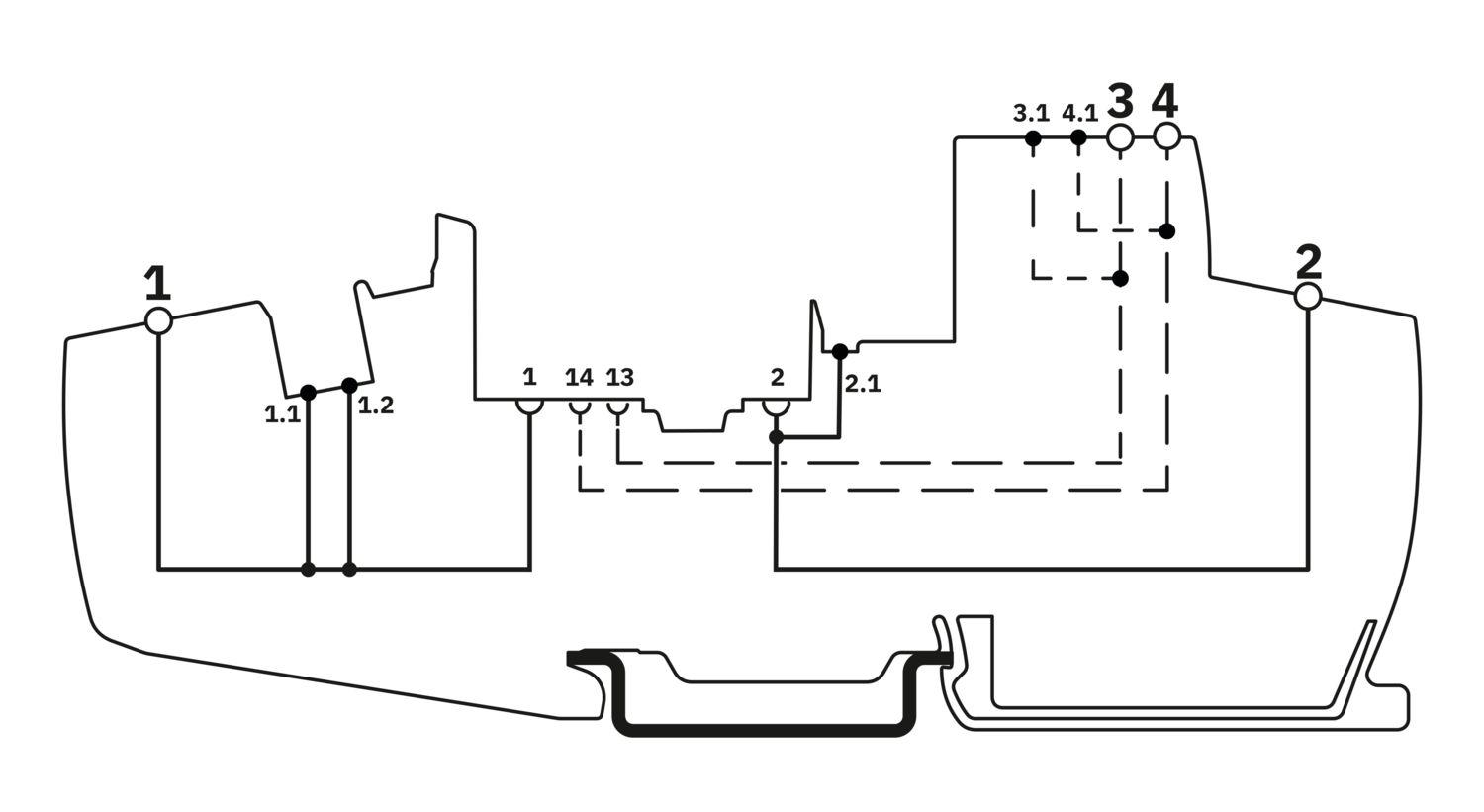
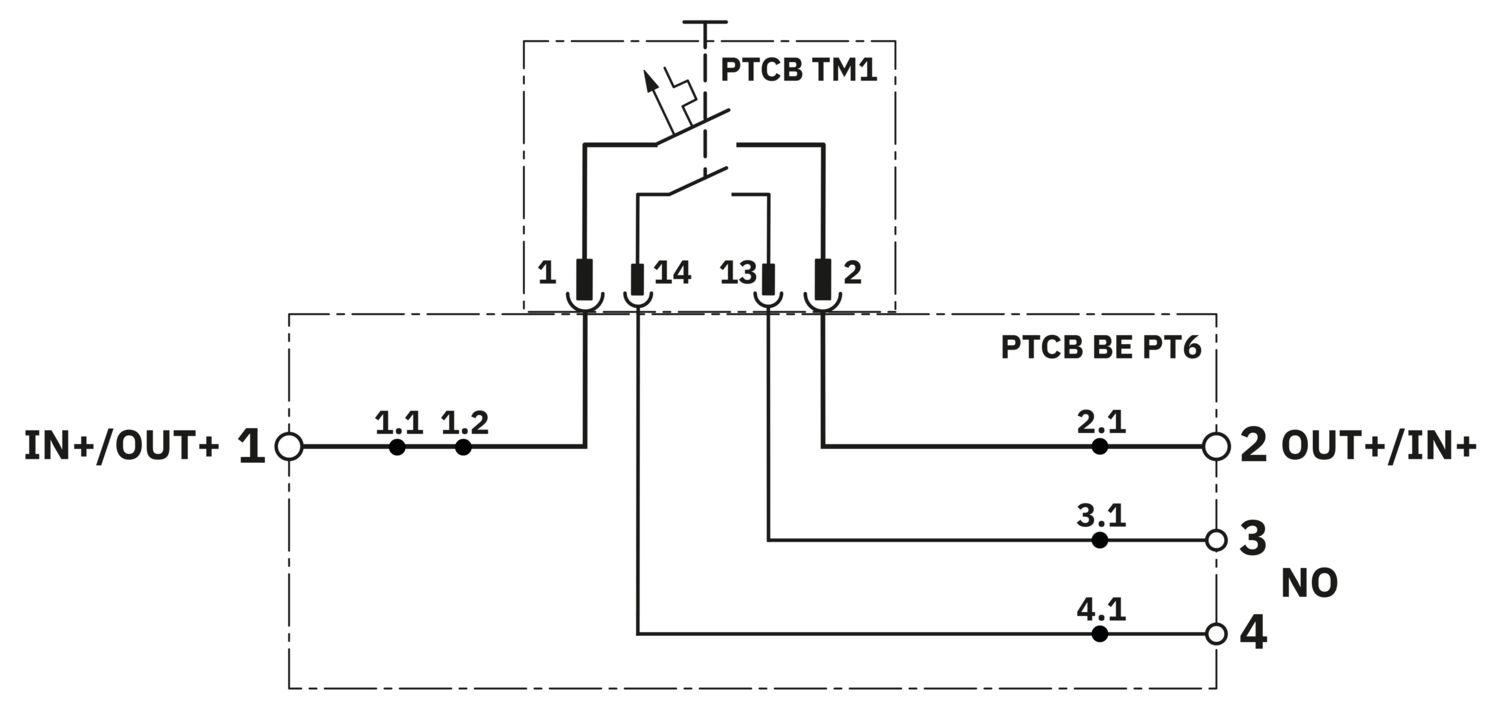
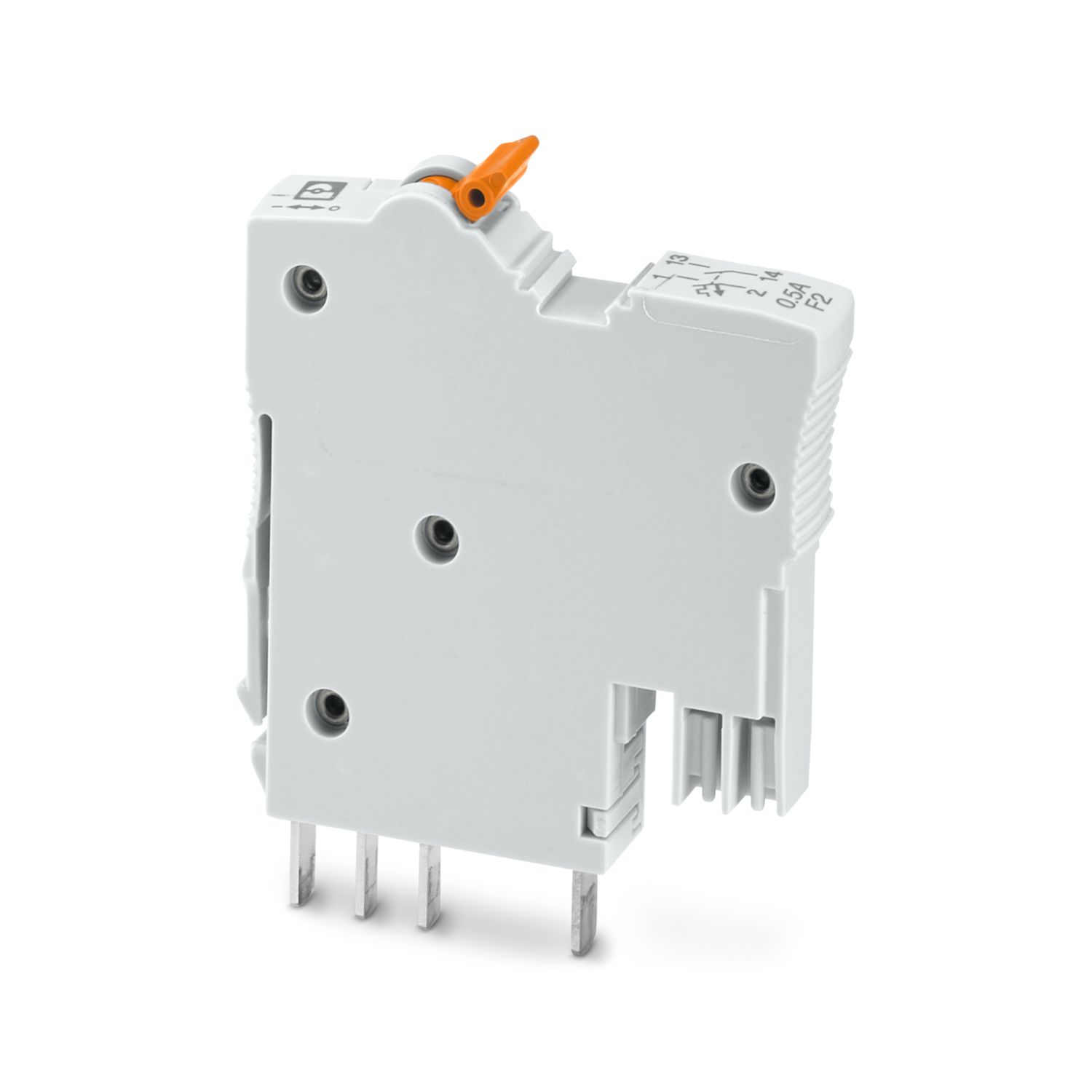
Basiselement, montagetechniek: Montagerail: TH 35 - 7,5 mm, nominale stroom: 31 A
Voor de werking van dit artikel zijn aanvullende artikelen nodig.
Naar het noodzakelijke toebehoren
Productdetails
| Algemeen | |
| Opmerking | Het basiselement bevat geen elektronische stroomcircuits. |
| Producttype | Basiselement |
| Levensduur mechanisch | 25 steekcycli |
| Isolatie-eigenschappen | |
| Overspanningscategorie | II (250 V AC / IEC 60934) |
| III (UL 1077, UL 1059) | |
| III (80 V DC / IEC 60934) | |
| Vervuilingsgraad | 2 (250 V AC / IEC 60934) |
| 3 (UL 1077, UL 1059) | |
| Algemeen | |
| Nominale spanning | 240 V AC (IEC 60934) |
| 277 V AC (UL 1077) | |
| 277 V AC (UL 1059) | |
| 56 V DC (IEC 60934) | |
| 56 V DC (UL 1077) | |
| 56 V DC (UL 1059) | |
| nominale isolatiespanning Ui | 250 V AC (IEC 60934) |
| 80 V DC (IEC 60934) | |
| 277 V AC (UL 1077) | |
| 277 V AC (UL 1059) | |
| nominale stroom IN | 31 A (UL 1059, zonder apparatenbeveiligingsschakelaar) |
| 16 A (Hoofdcontacten 1-2, UL 1077 en IEC 60934) | |
| 1 A (Hulpcontacten 3-4, zonder apparatenbeveiligingsschakelaar) | |
| test-stootspanning | 2,5 kV (IEC 60934, versterkte isolatie tussen belastings- en hulpcircuit) |
| Isolatieweerstand Riso | > 100 MΩ (500 V DC) |
| Spanningsvastheid | 3000 V AC (tussen belastingscircuit 1-2 en hulpcircuit 3-4) |
| 1554 V AC (tussen open belastingscontacten 1-2, hulpcontacten 3-4) | |
| Weergave / afstandsmelding | |
| Benaming aansluiting | Aansluiting 3/4 |
| Aansluiting 1/2 | |
| Aansluitmethode | Push-in-aansluiting |
| Striplengte | 12 mm |
| Aderdoorsnede soepel | 0,5 mm² ... 10 mm² |
| Aderdoorsnede massief | 0,5 mm² ... 10 mm² |
| 1 mm² ... 10 mm² (direct steekbaar) | |
| Aderdoorsnede AWG | 20 ... 8 |
| aderdoorsnede soepel met adereindhuls met kunststofhuls | 0,5 mm² ... 6 mm² |
| 1 mm² ... 6 mm² (direct steekbaar) | |
| aderdoorsnede soepel met adereindhuls zonder kunststofhuls | 0,5 mm² ... 6 mm² |
| 1 mm² ... 6 mm² (direct steekbaar) | |
| Aansluiting 3/4 | |
| Aansluitmethode | Push-in-aansluiting |
| Striplengte | 8 mm |
| Aderdoorsnede soepel | 0,14 mm² ... 1,5 mm² |
| Aderdoorsnede massief | 0,14 mm² ... 1,5 mm² |
| Aderdoorsnede AWG | 26 ... 16 |
| aderdoorsnede soepel met adereindhuls met kunststofhuls | 0,14 mm² ... 1 mm² |
| aderdoorsnede soepel met adereindhuls zonder kunststofhuls | 0,14 mm² ... 1,5 mm² |
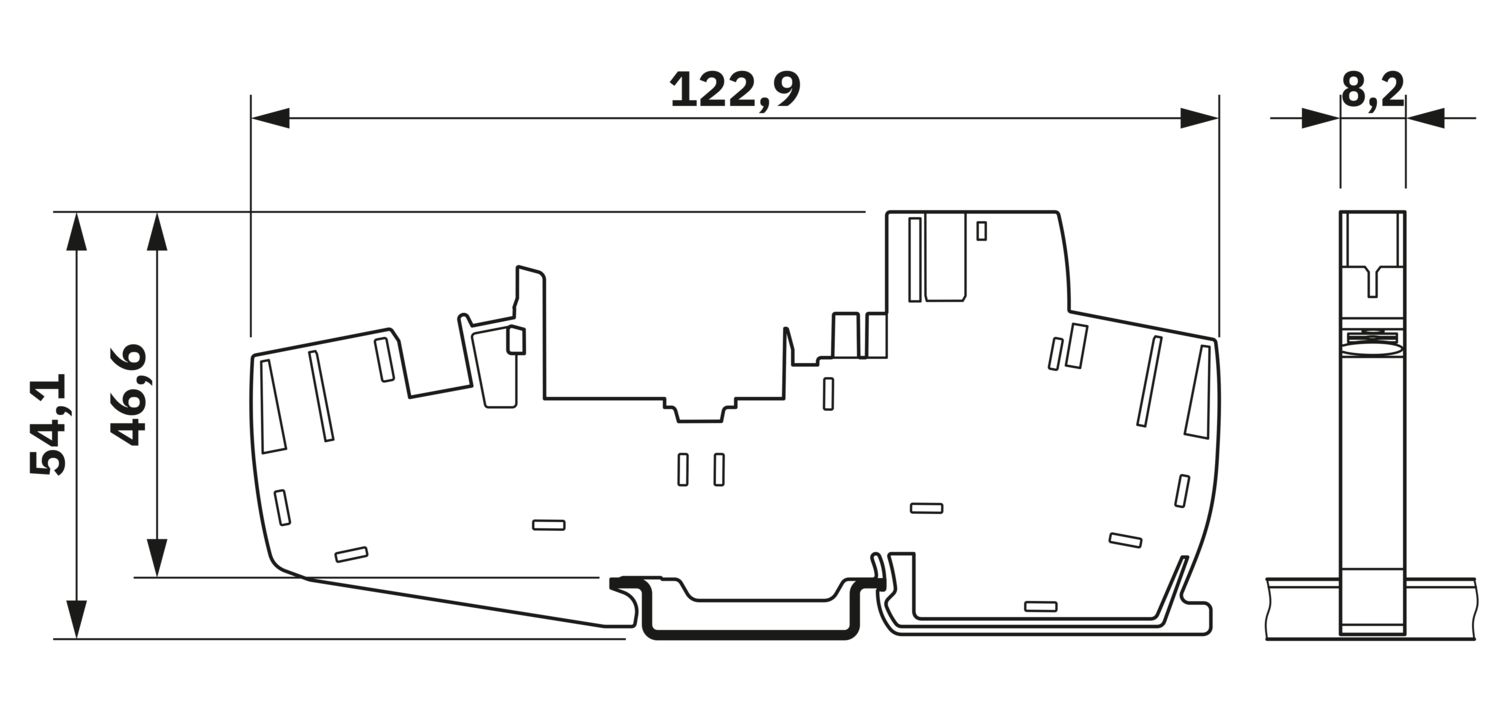
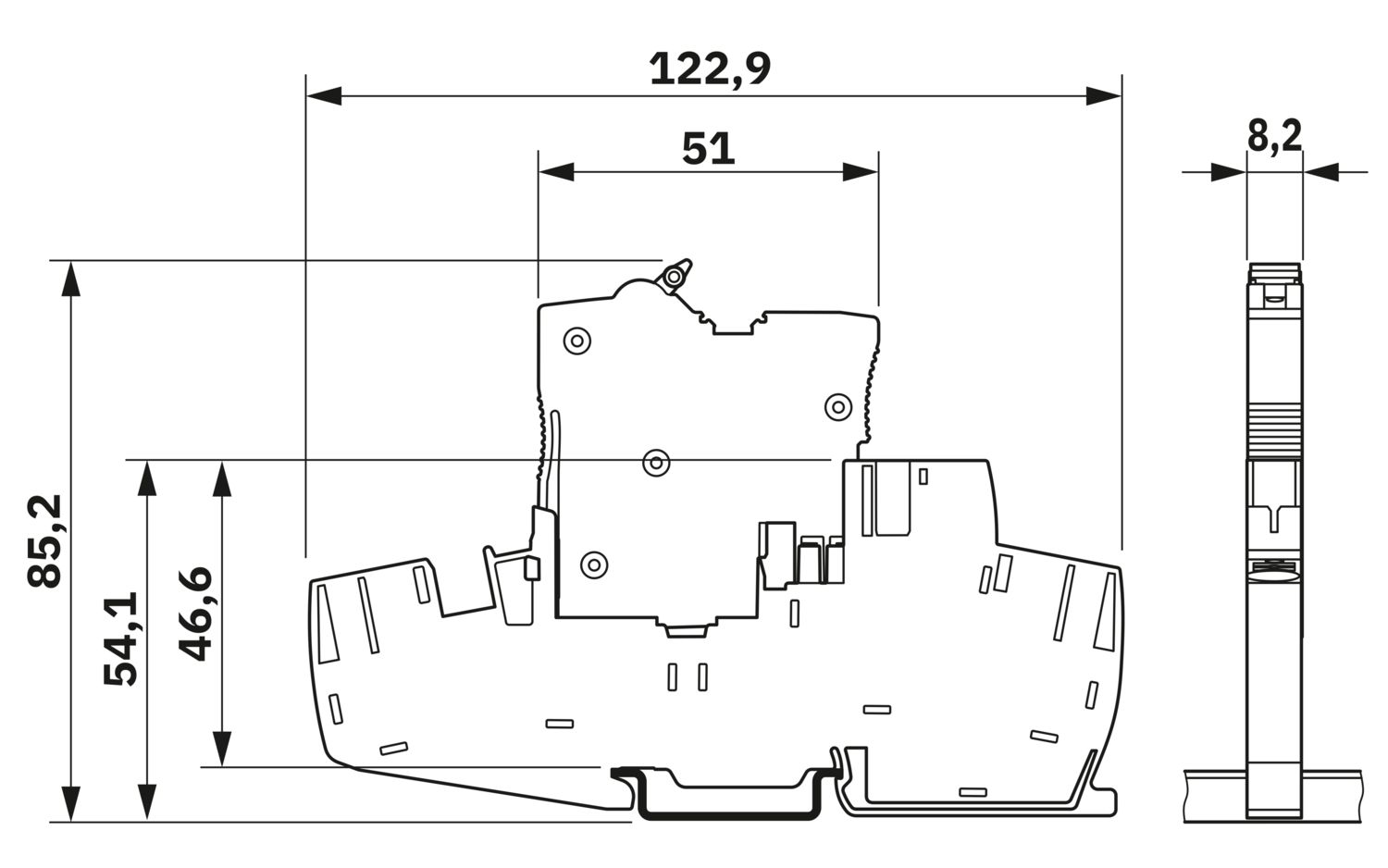
| Maatschets |
|
| Breedte | 8,2 mm |
| Hoogte | 122,9 mm |
| diepte | 54,1 mm |
| Breedte compleet module | 8,2 mm |
| hoogte compleet moduul | 122,9 mm |
| Diepte compleet module | 85,2 mm |
| Kleur | grijs (RAL 7042) |
| materiaal | PA |
| Brandbaarheidsklasse volgens UL 94 | V-0 |
| isolatiemateriaalgroep | I |
| Mechanische gegevens | |
| open zijwand | Nee |
| Omgevingsomstandigheden | |
| beschermklasse | IP20 |
| omgevingstemperatuur (bedrijf) | -30 °C ... 60 °C |
| Omgevingstemperatuur (opslag/transport) | -40 °C ... 80 °C |
| hoogtepositie | ≤ 2000 m (250 V AC / IEC 60934) |
| vochttest | 96 h, 95 % RH, 40 °C |
| schok (bedrijf) | 30g (IEC 60068-2-27, test Ea) |
| Categorie 1, klasse B (DIN EN 61373) | |
| trillingen (bedrijf) | 10 Hz ... 150 Hz, 20 cycli (IEC 60068-2-6, test Fc) |
| 10 Hz ... 75 Hz (amplitude ± 0,35 mm; volgens IEC 60068-2-6, test Fc) | |
| 75 Hz ... 150 Hz (8g) | |
| Categorie 1, klasse B (DIN EN 61373) | |
| UL-toelating | |
| Codering | UL Recognized UL 1059 |
| UL Recognized UL 1077 | |
| CSA, Canada | |
| Codering | CSA C22.2 No. 235-04 |
| normen/bepalingen | IEC 60934 |
| Opmerking | 2019 |
| normen/bepalingen | UL 1077 |
| Opmerking | Extra beschermingsmiddelen voor gebruik in elektrische bedrijfsmiddelen |
| normen/bepalingen | UL 1059 |
| Opmerking | Aansluitklemmen |
| normen/bepalingen | CSA C22.2 No. 235-04 |
| Opmerking | 2017 |
| normen/bepalingen | IEC 60068-2-6 |
| Opmerking | Omgevingsinvloeden - Trillingen (sinusvormig) |
| normen/bepalingen | EN 60068-2-27 |
| Opmerking | Omgevingsinvloeden - Schokken |
| normen/bepalingen | EN 60068-2-78 |
| Opmerking | Omgevingsinvloeden - Vochtigheid en warmte, constant |
| normen/bepalingen | DIN EN 50274 |
| Opmerking | Vingerbescherming en handrugveiligheid |
| normen/bepalingen | IEC 60529 |
| Opmerking | 2019 |
| normen/bepalingen | EN 61373 |
| Opmerking | Spoorwegtoepassingen - bedrijfsmiddelen van spoorwegvoertuigen - tests van trillingen en schokken |
| normen/bepalingen | EN 45545-2 |
| Opmerking | Spoorwegtoepassingen - brandbescherming in railvoertuigen - deel 2: vereisten aan de brandbaarheid van materialen en componenten |
| montagetechniek | Montagerail: TH 35 - 7,5 mm |


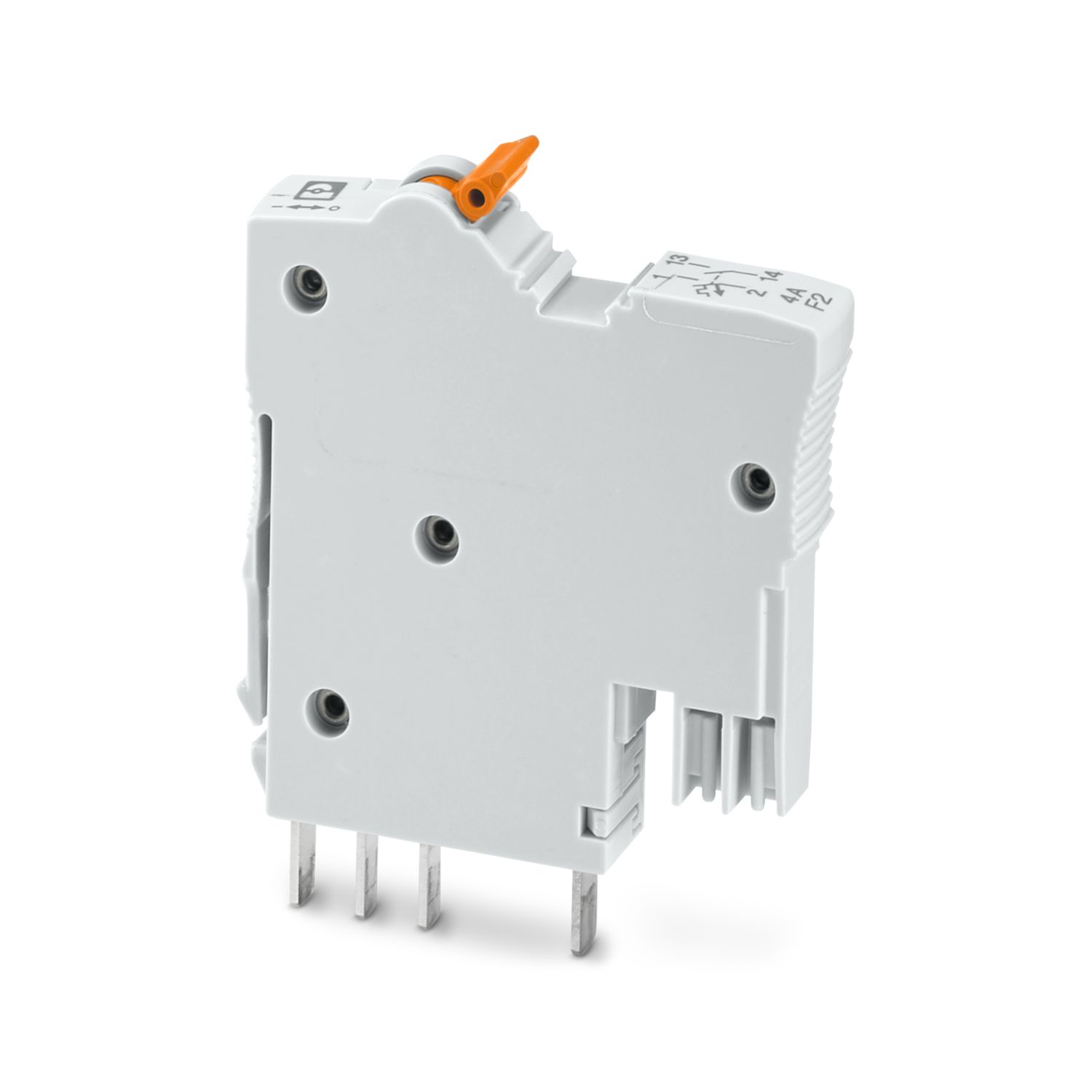


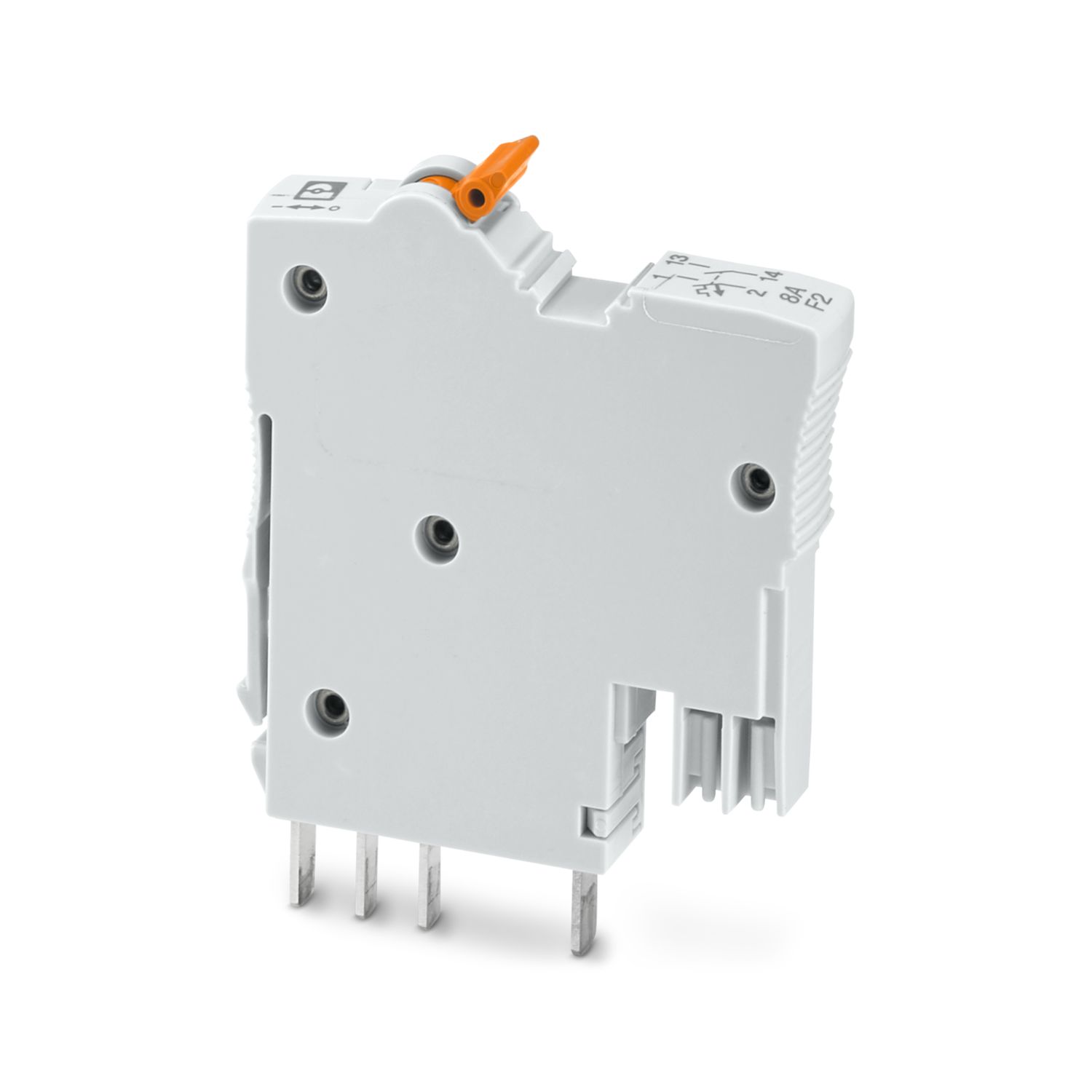


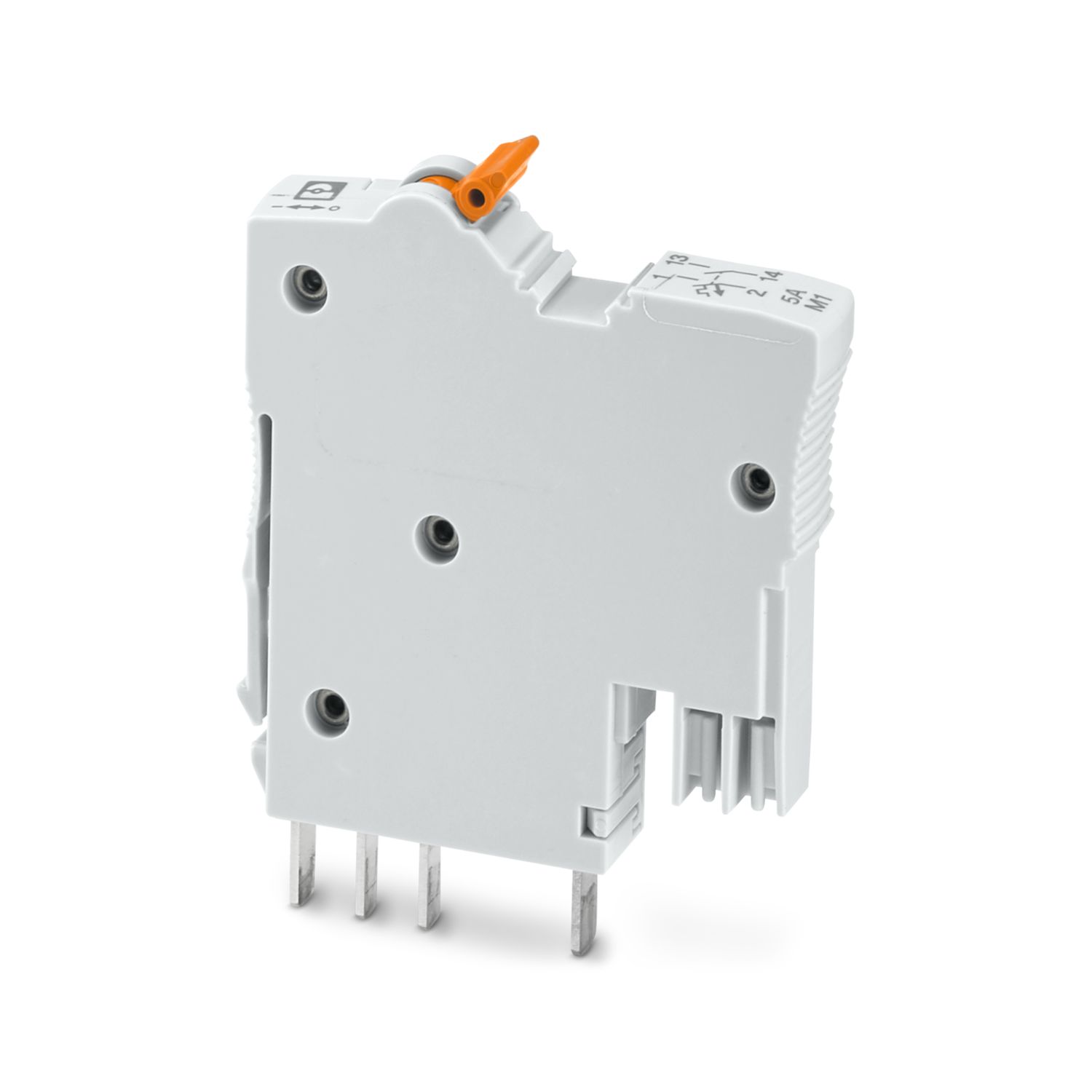
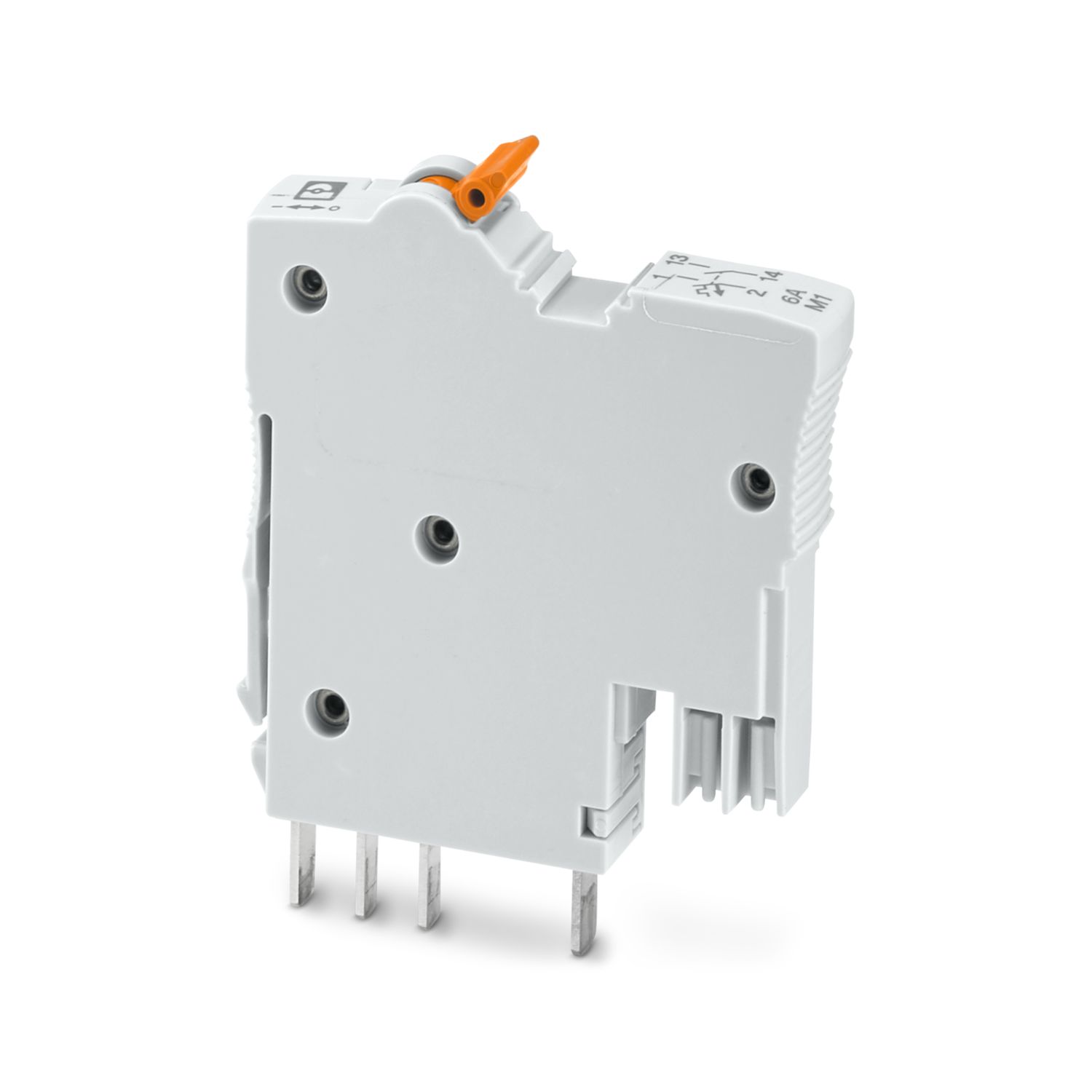



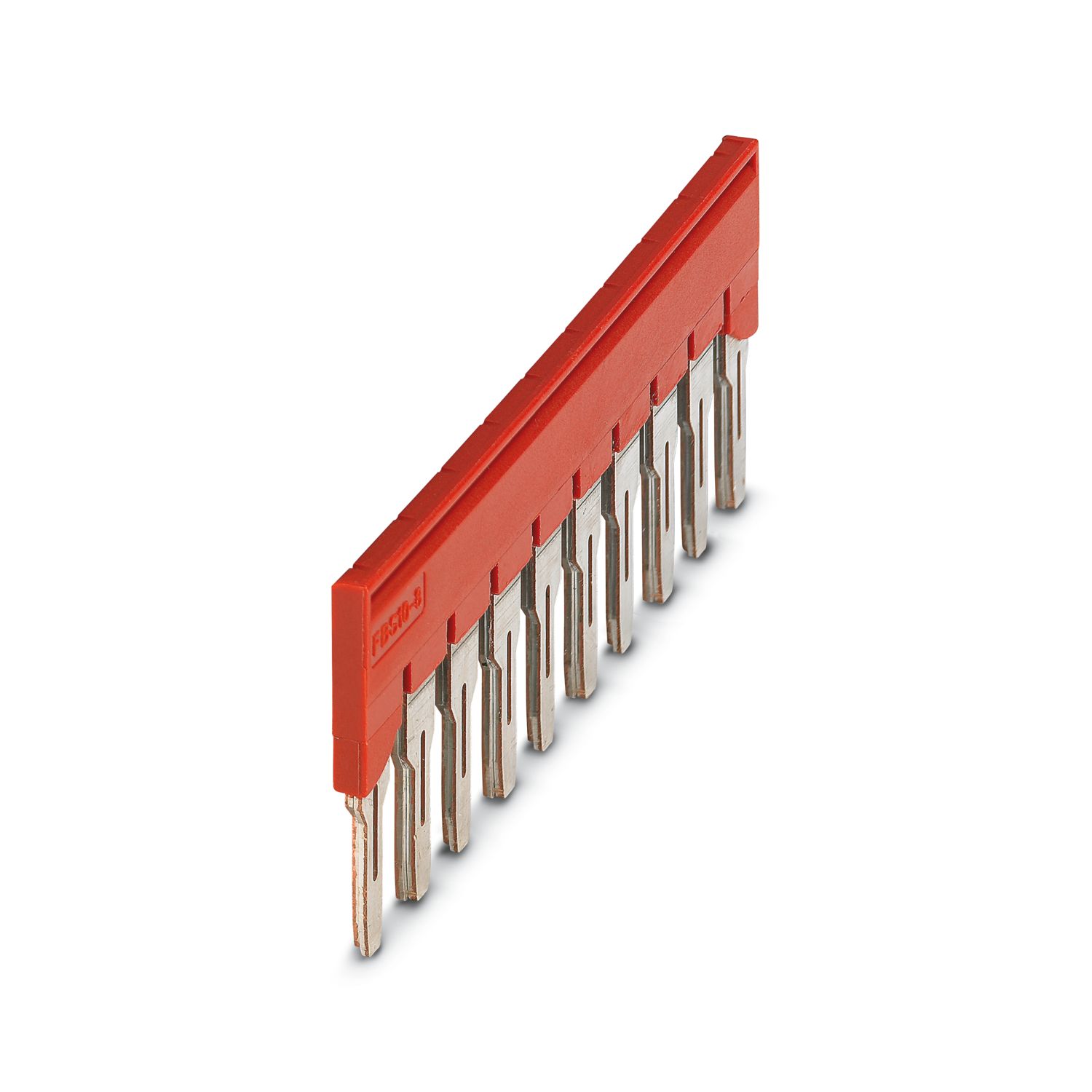
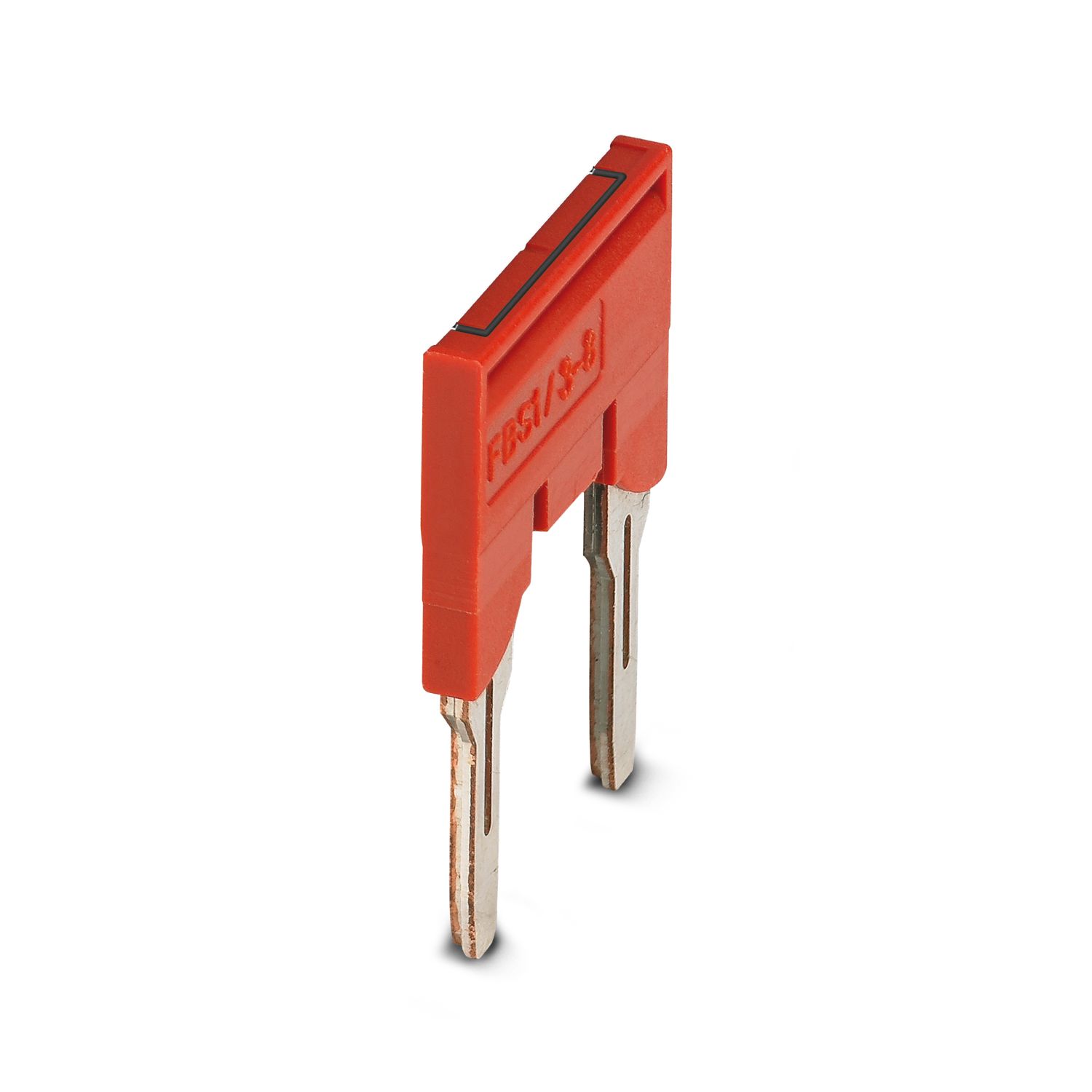
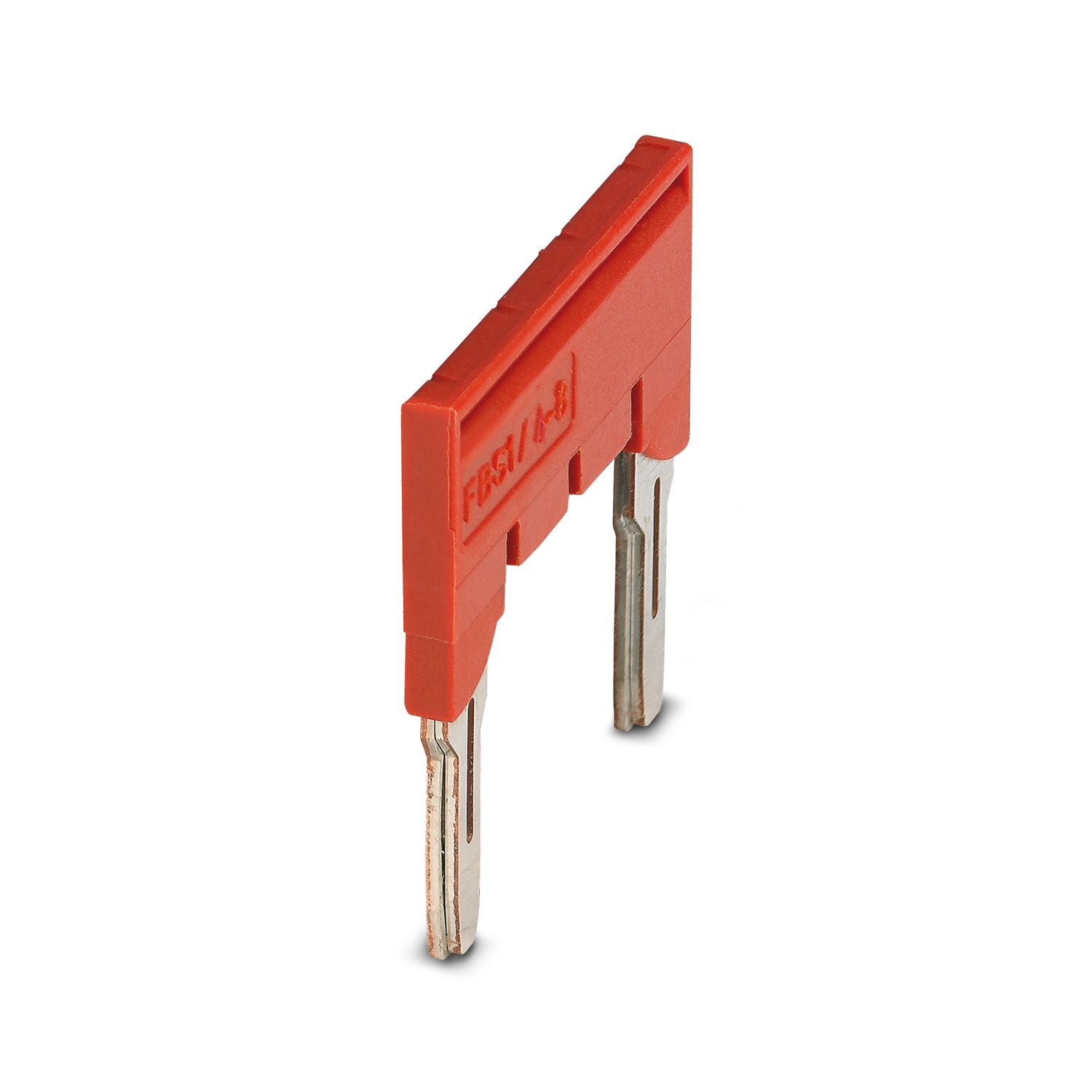
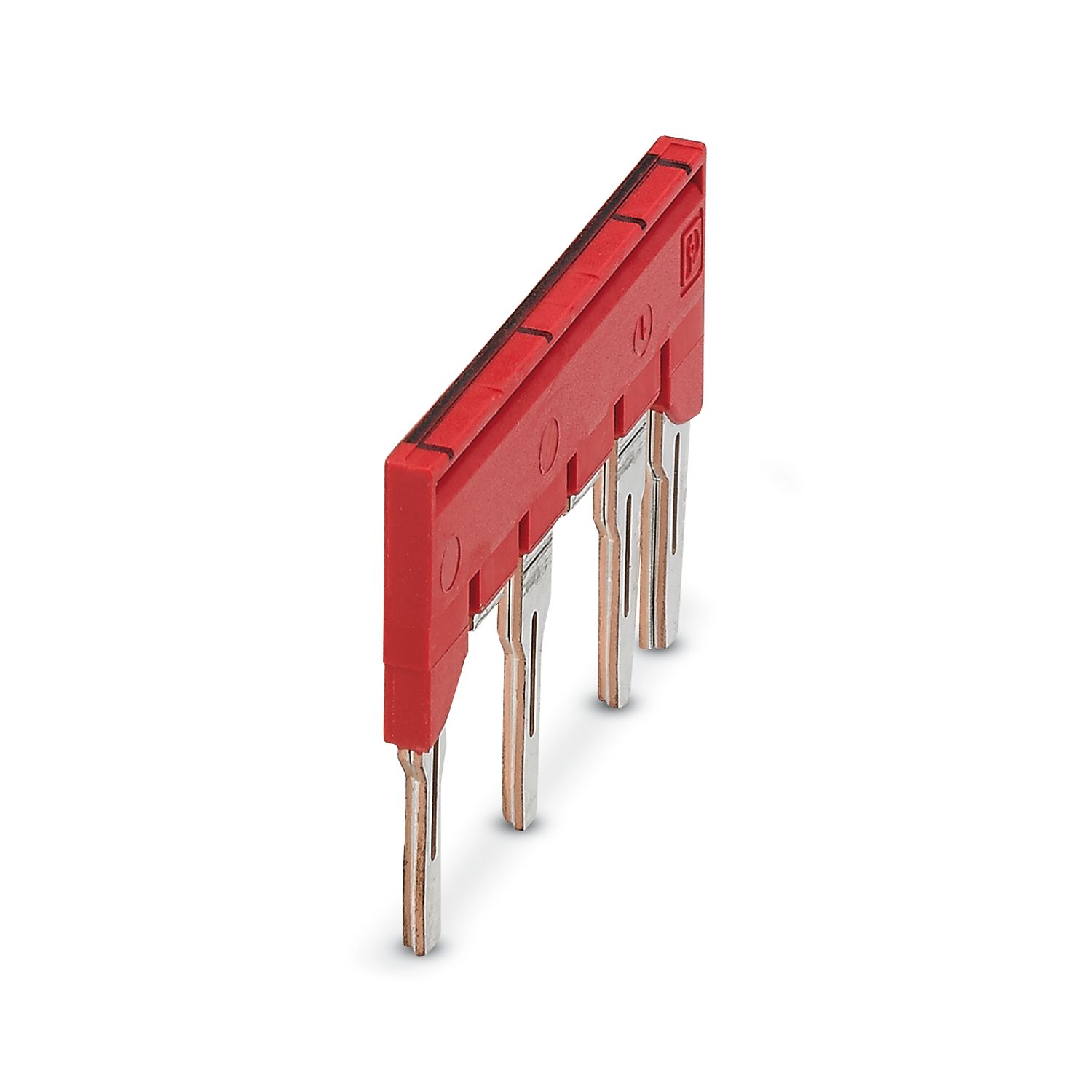
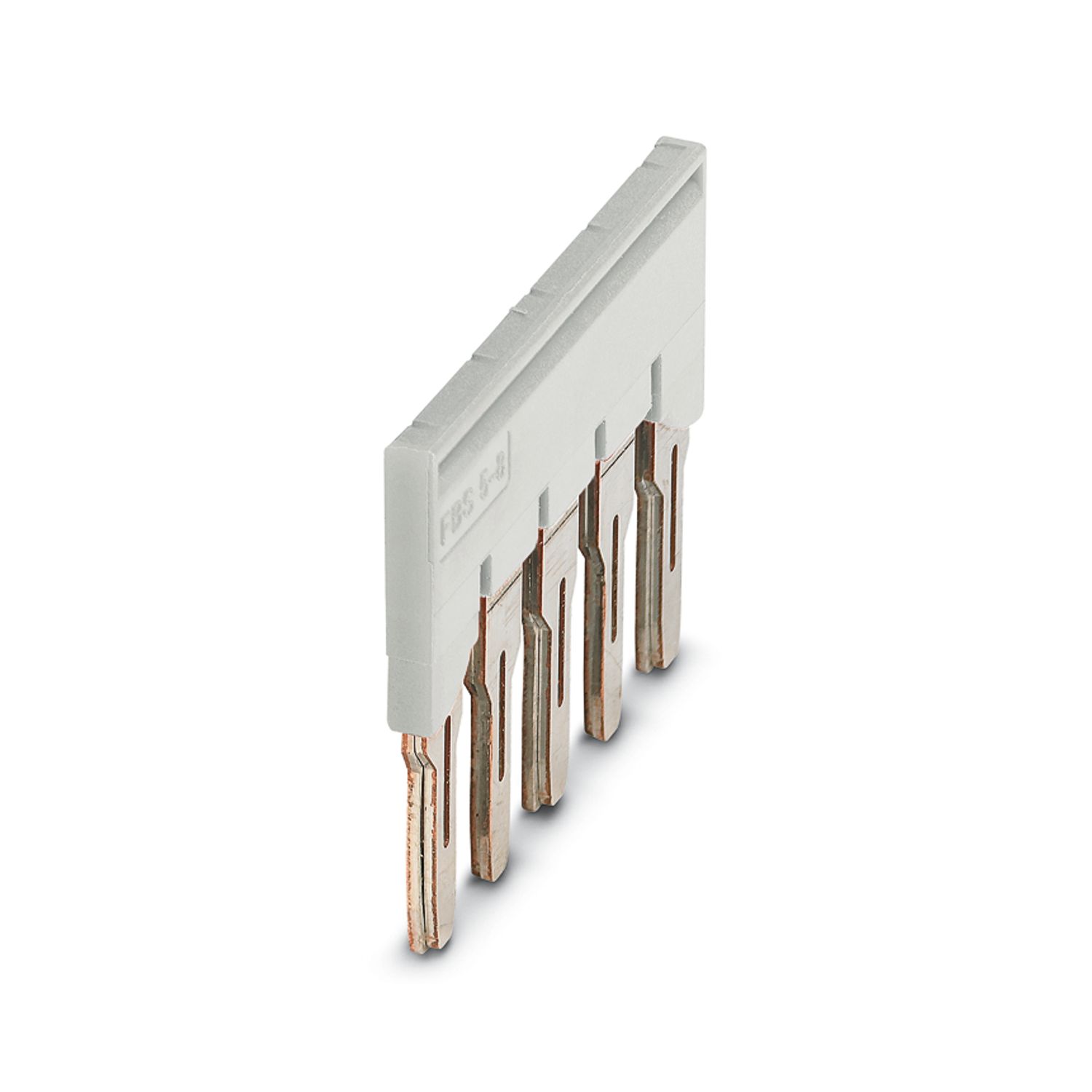
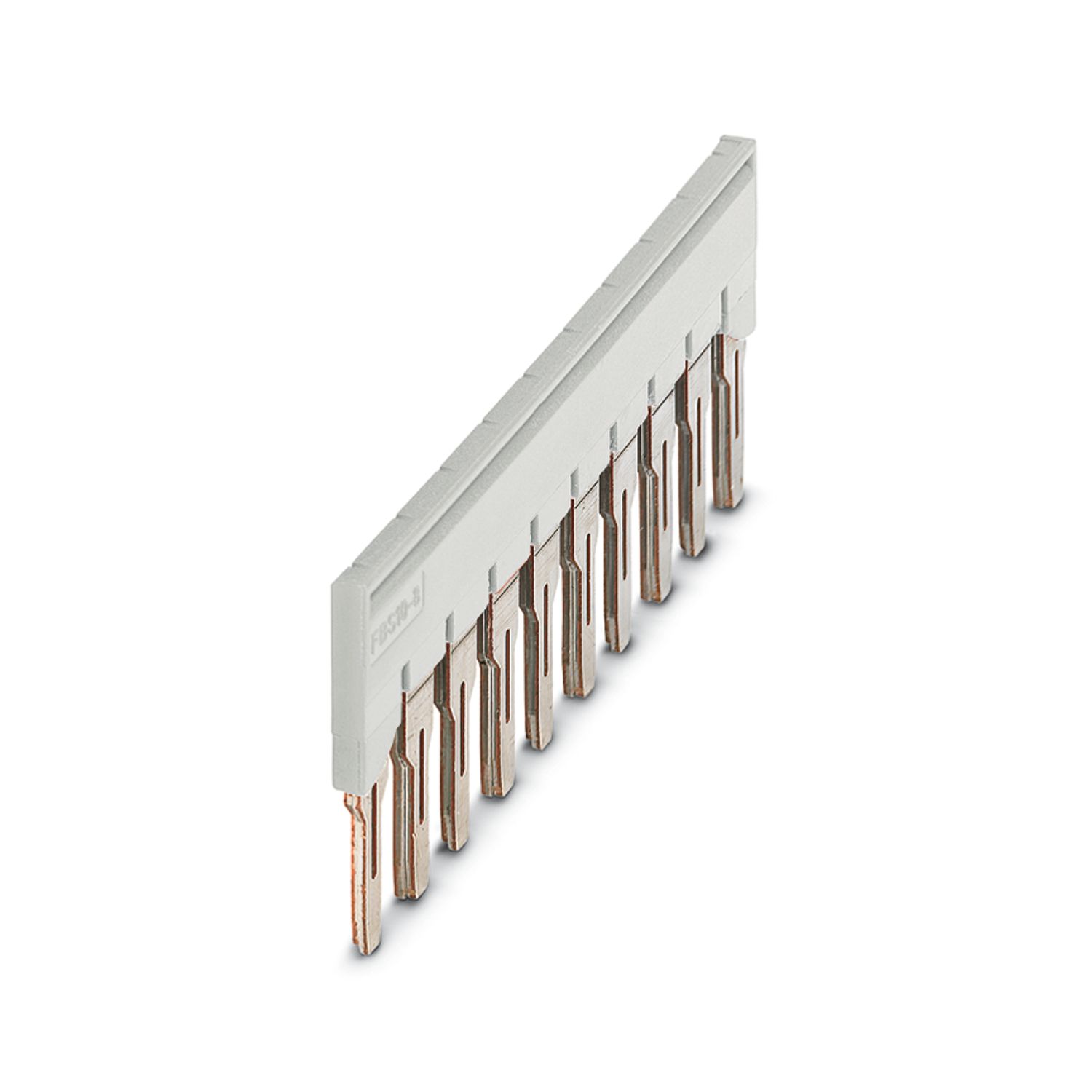
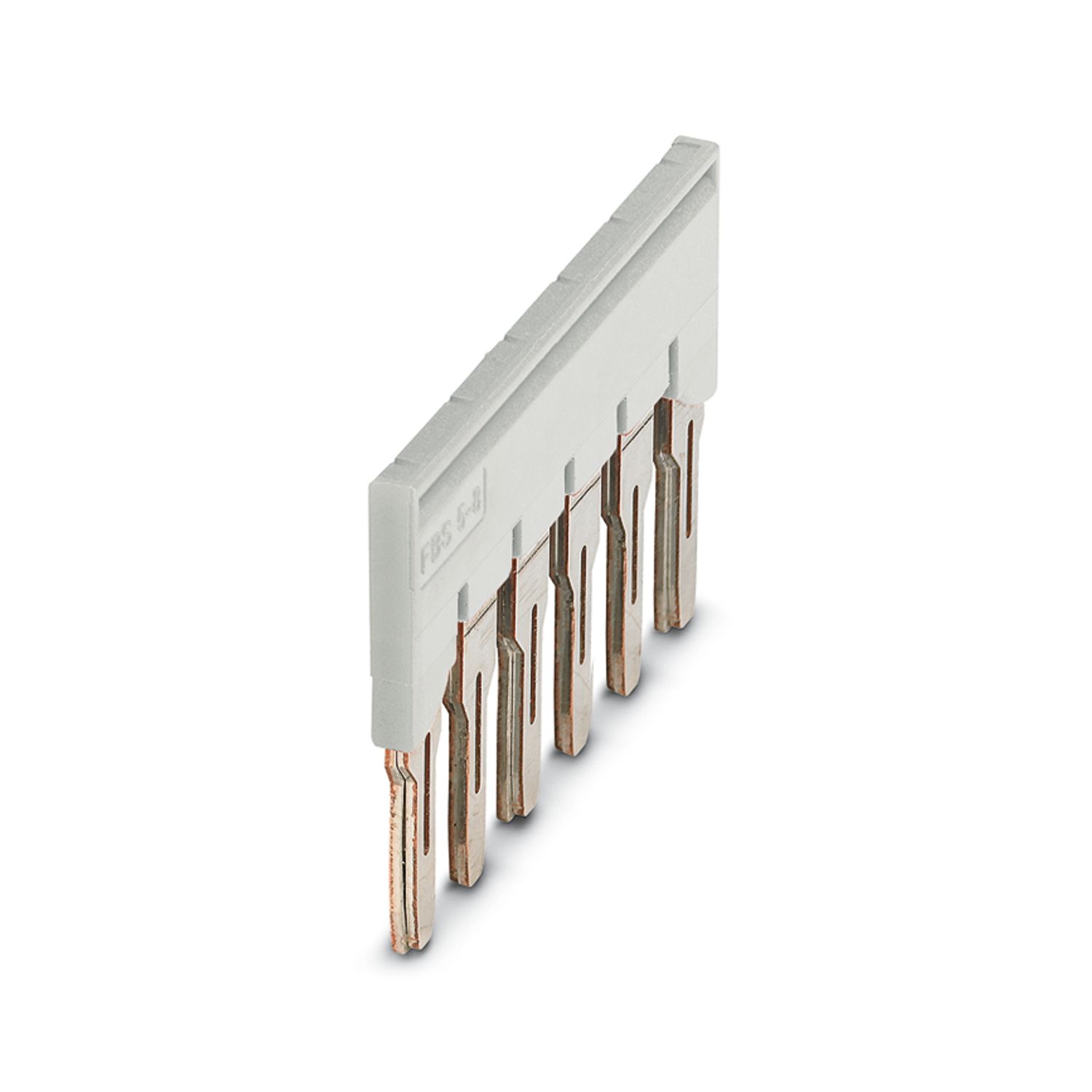
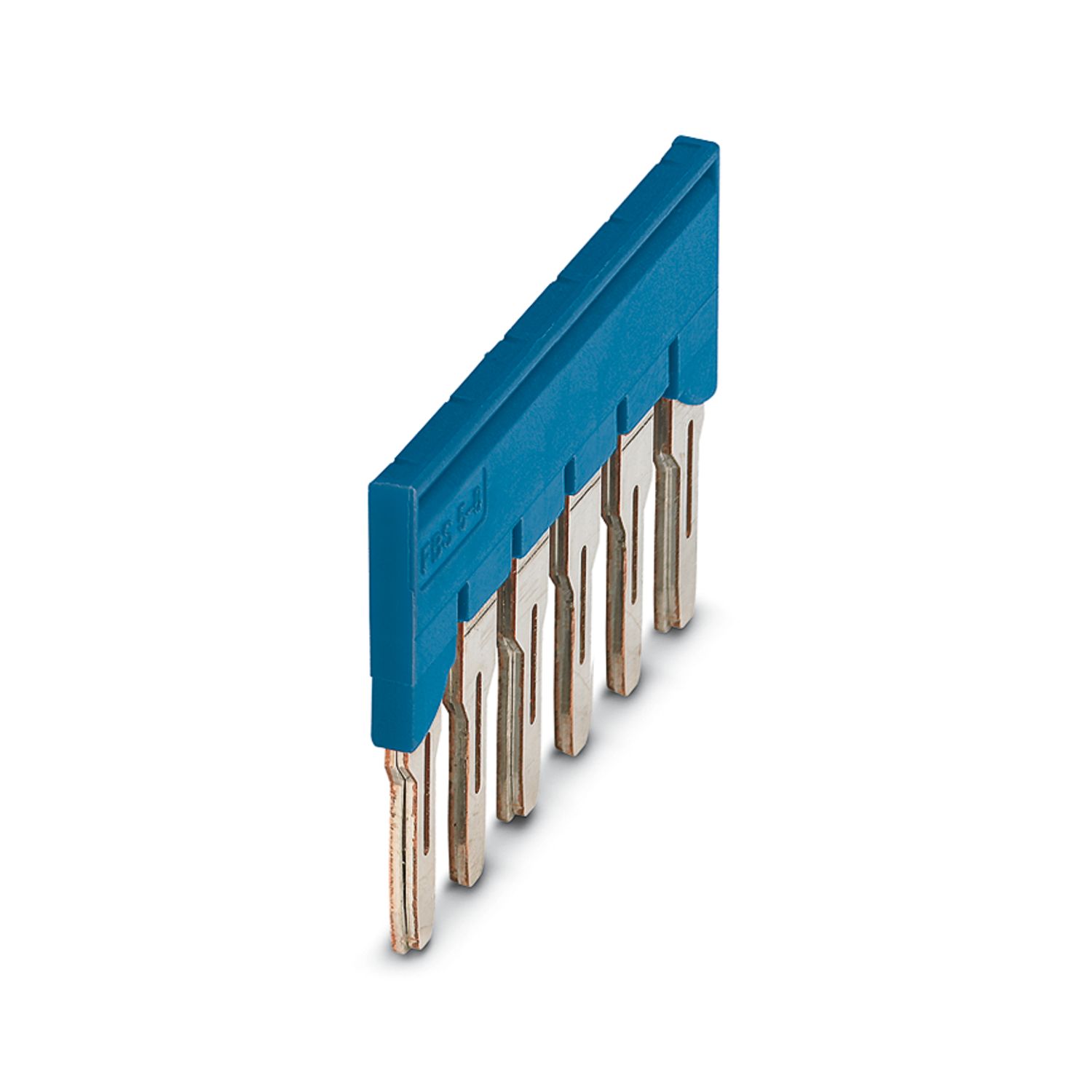
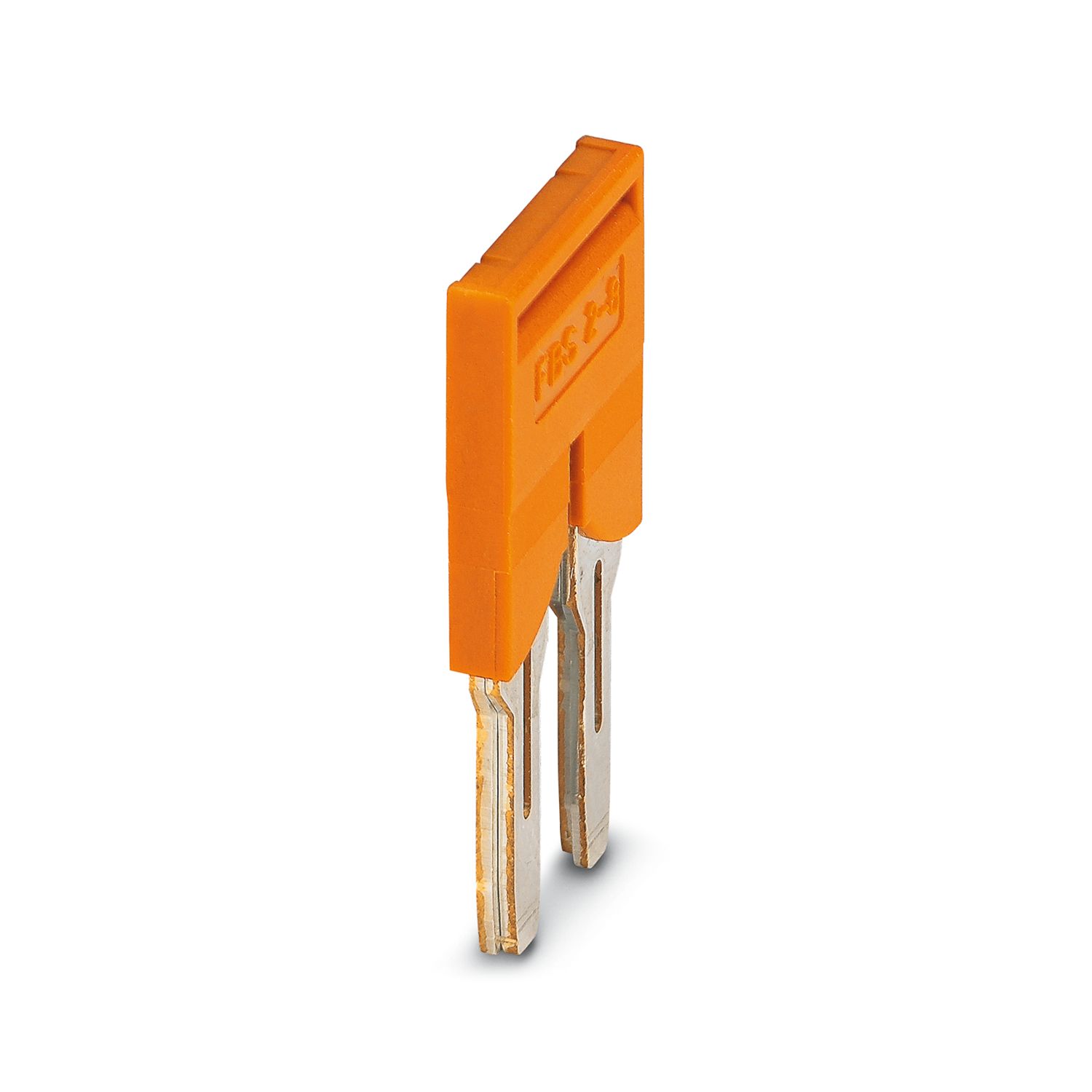
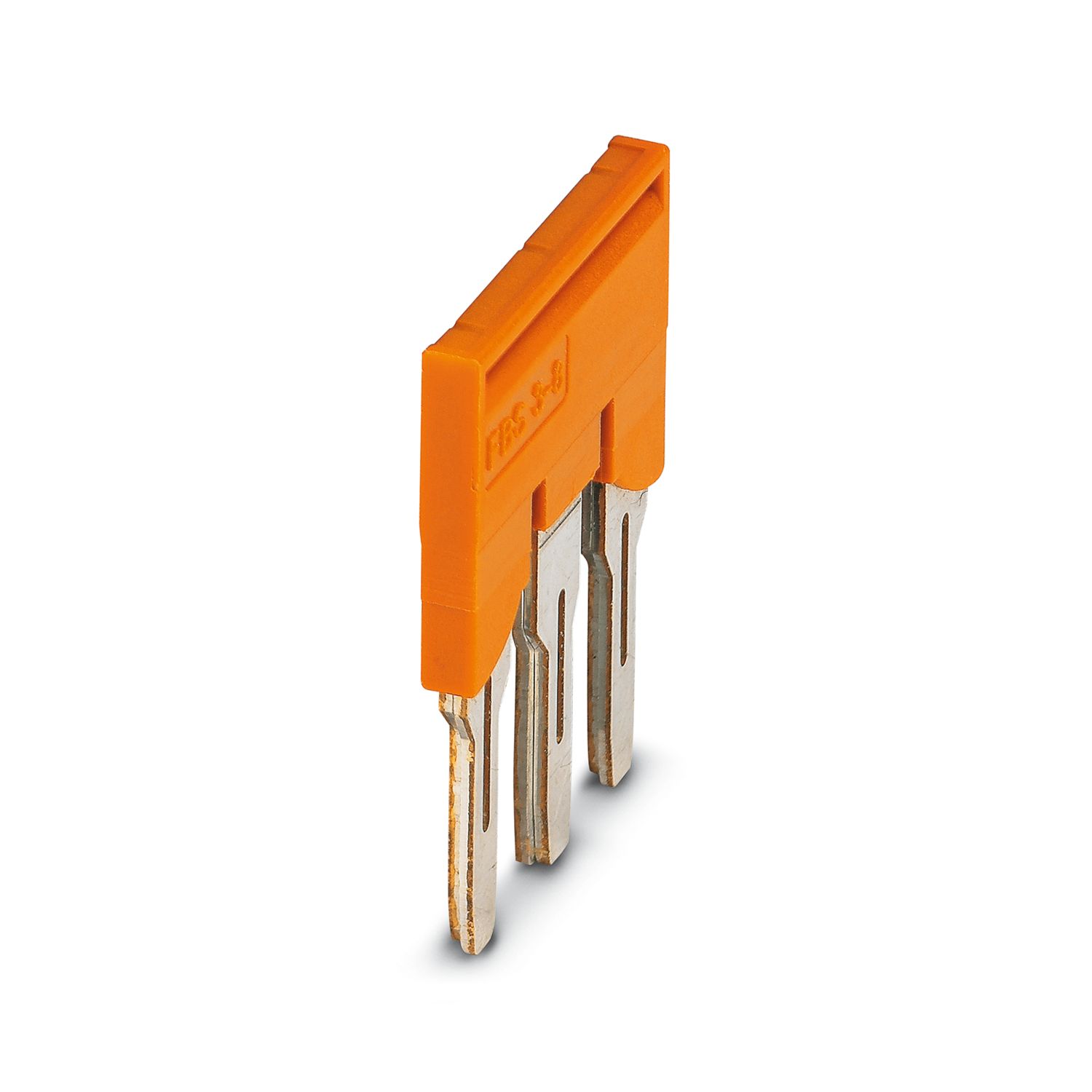
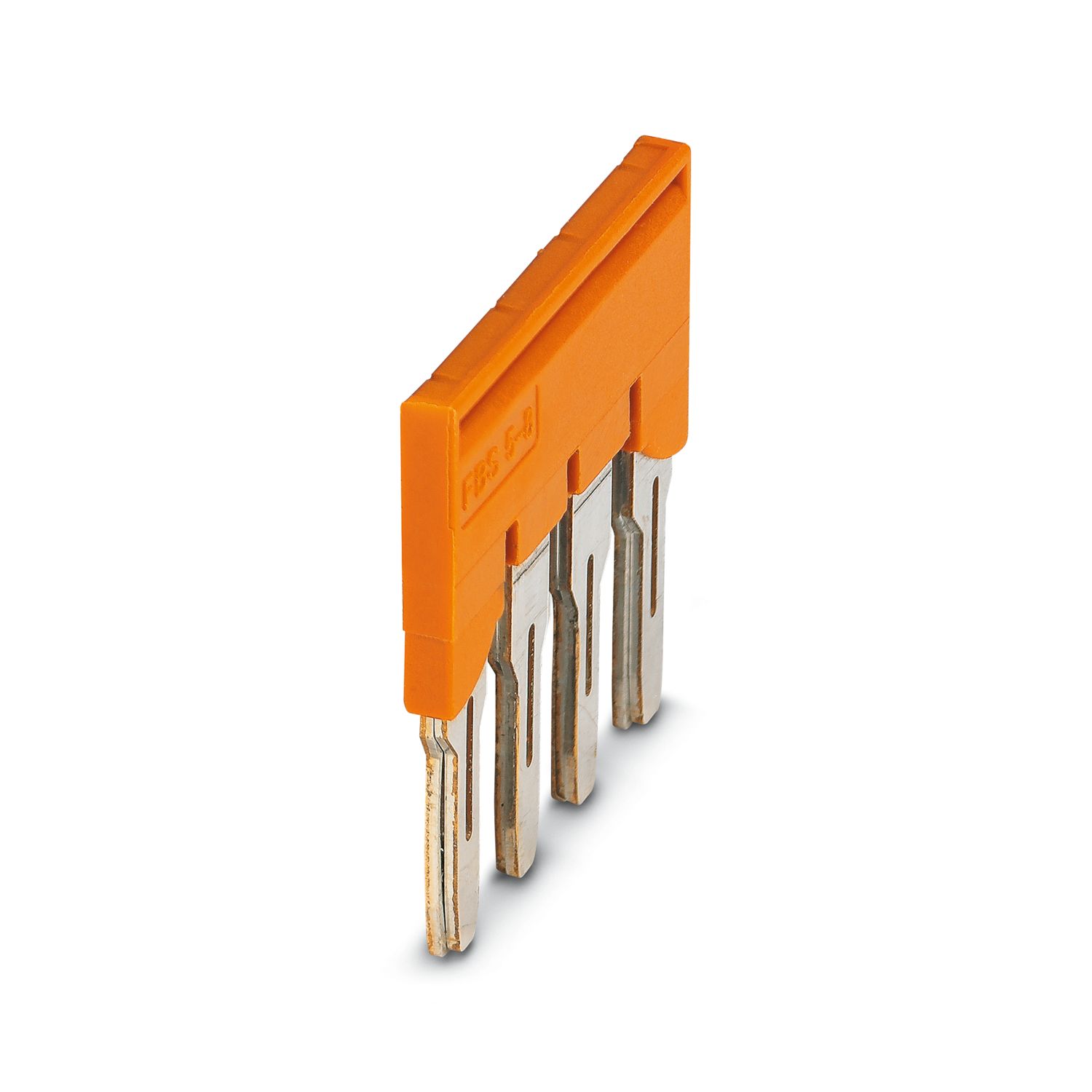
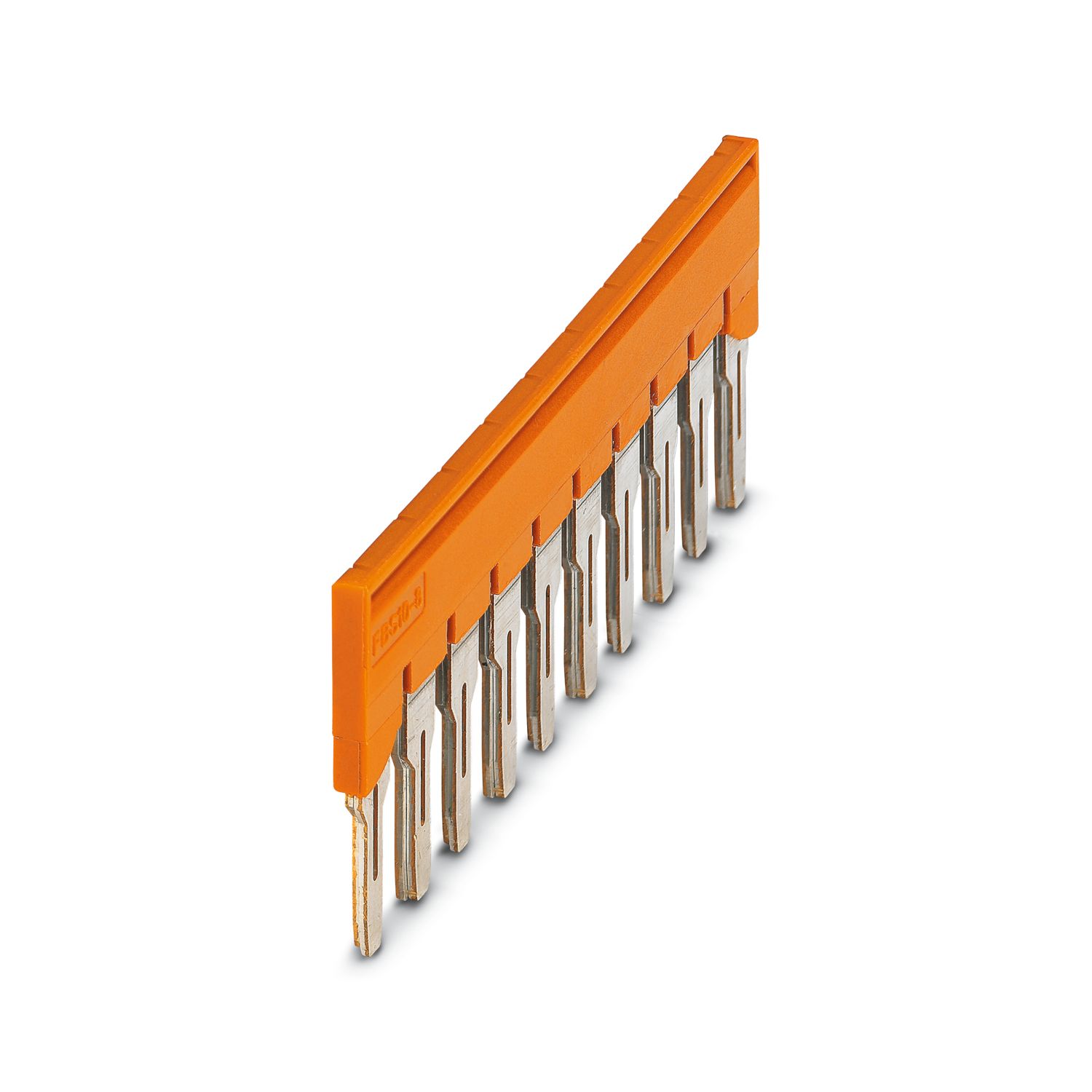
Uw voordelen
Meer ruimte in de schakelkast door slechts 8 mm bouwbreedte
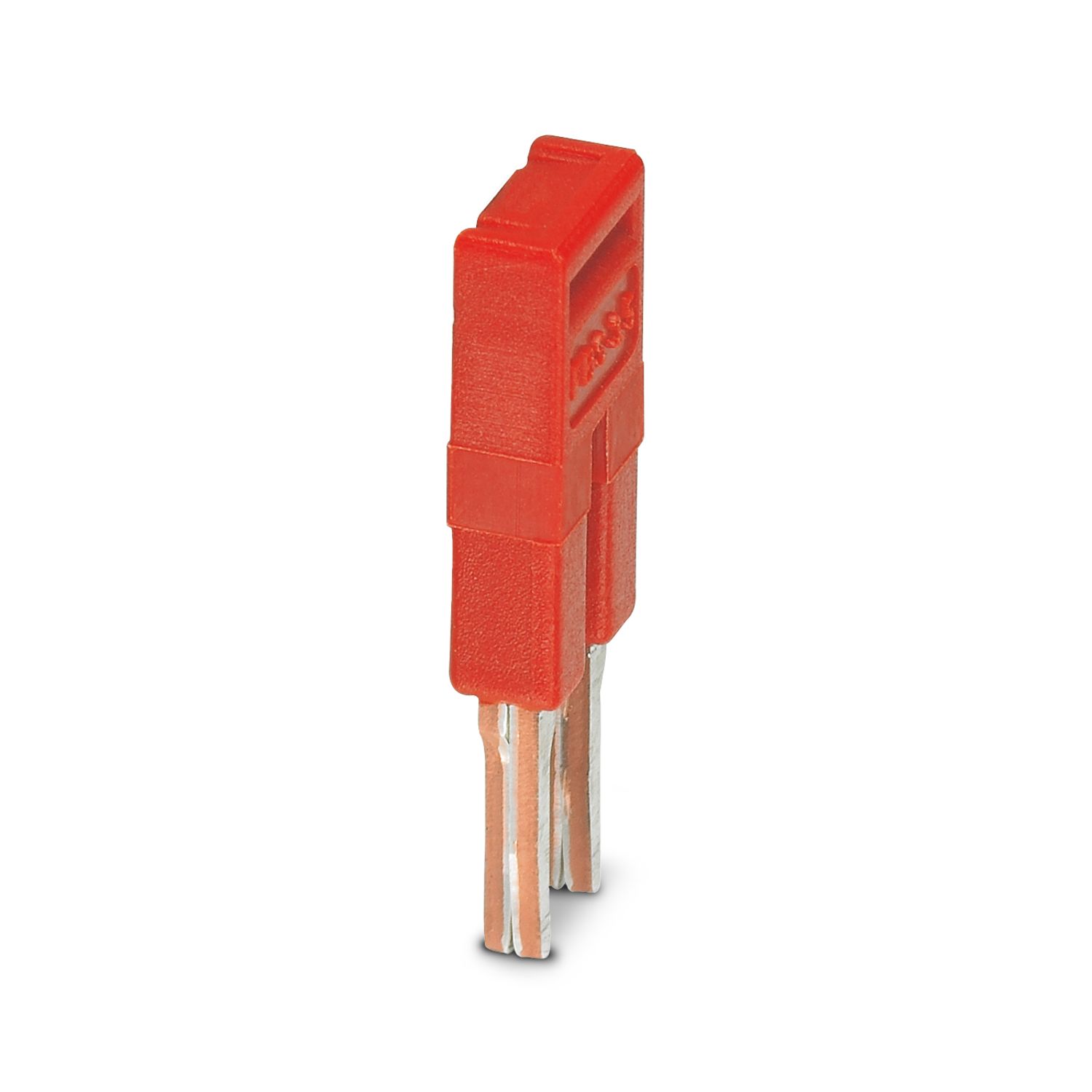
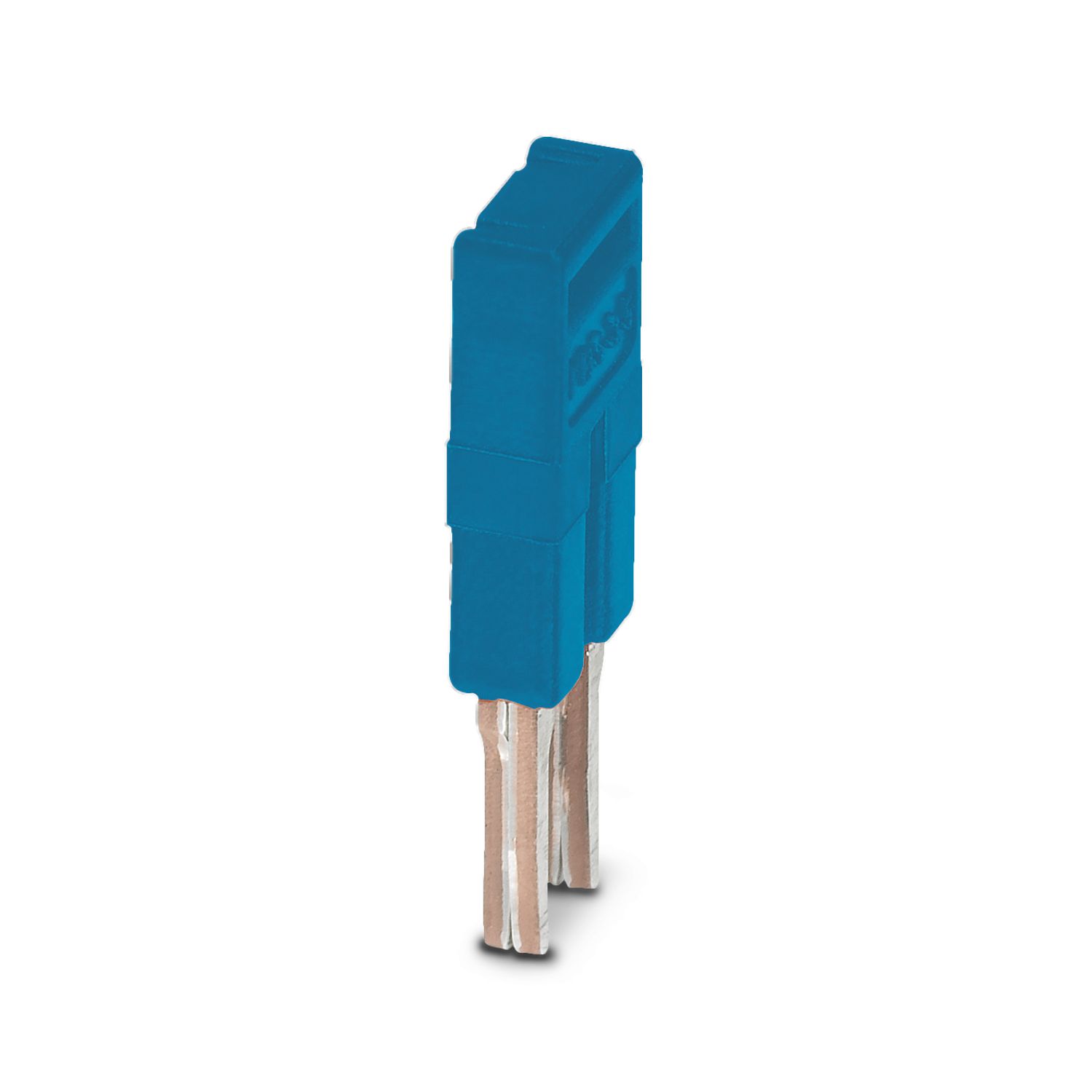
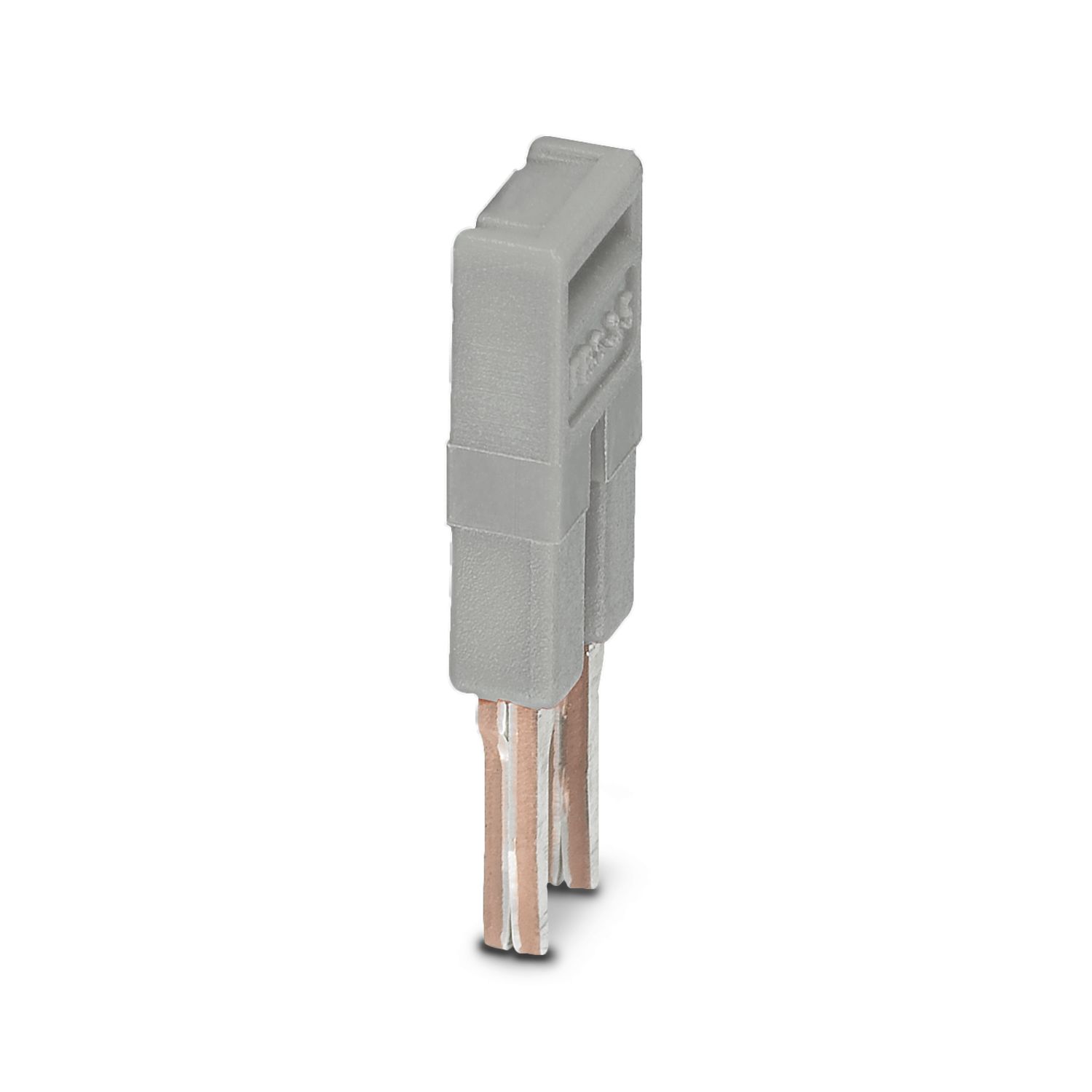
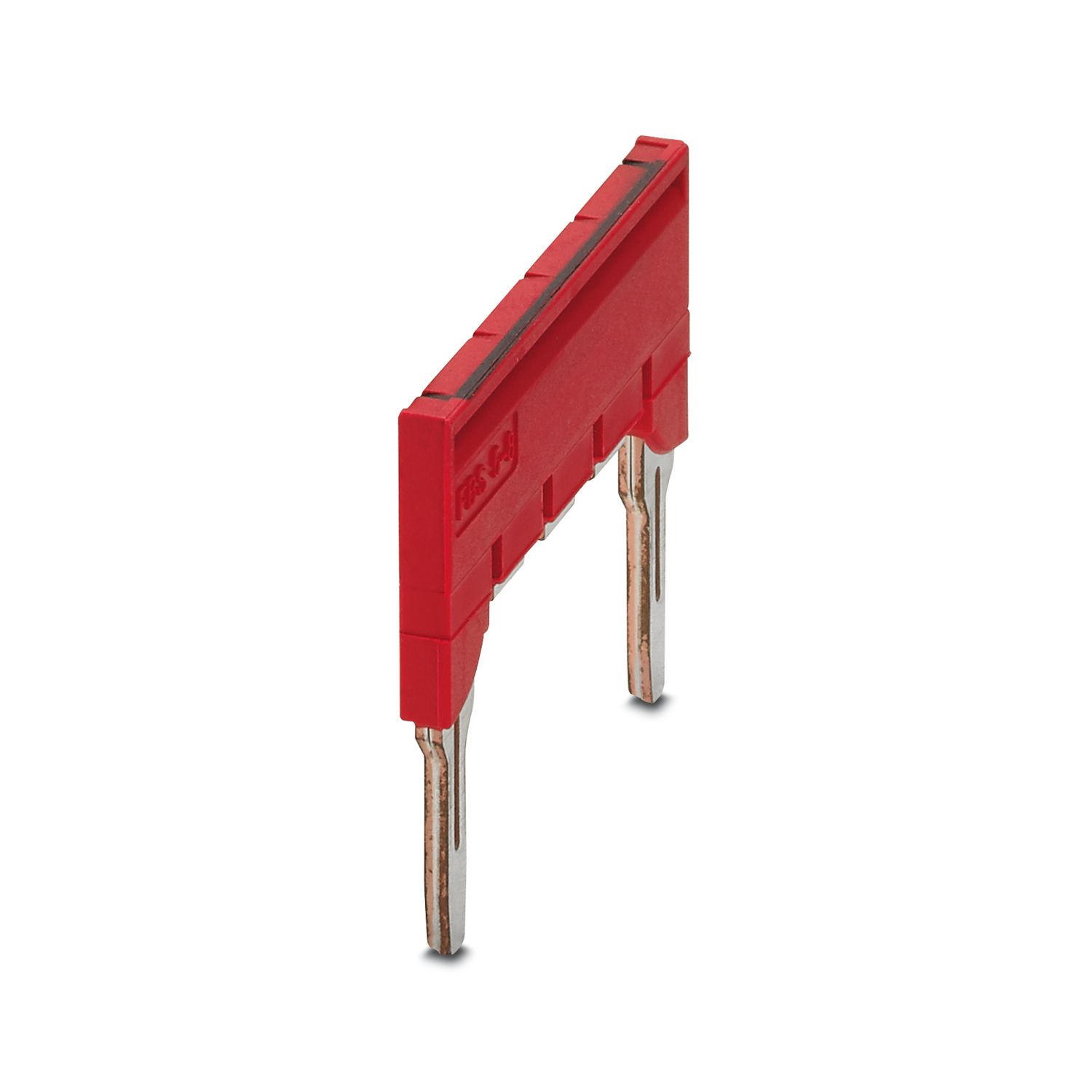
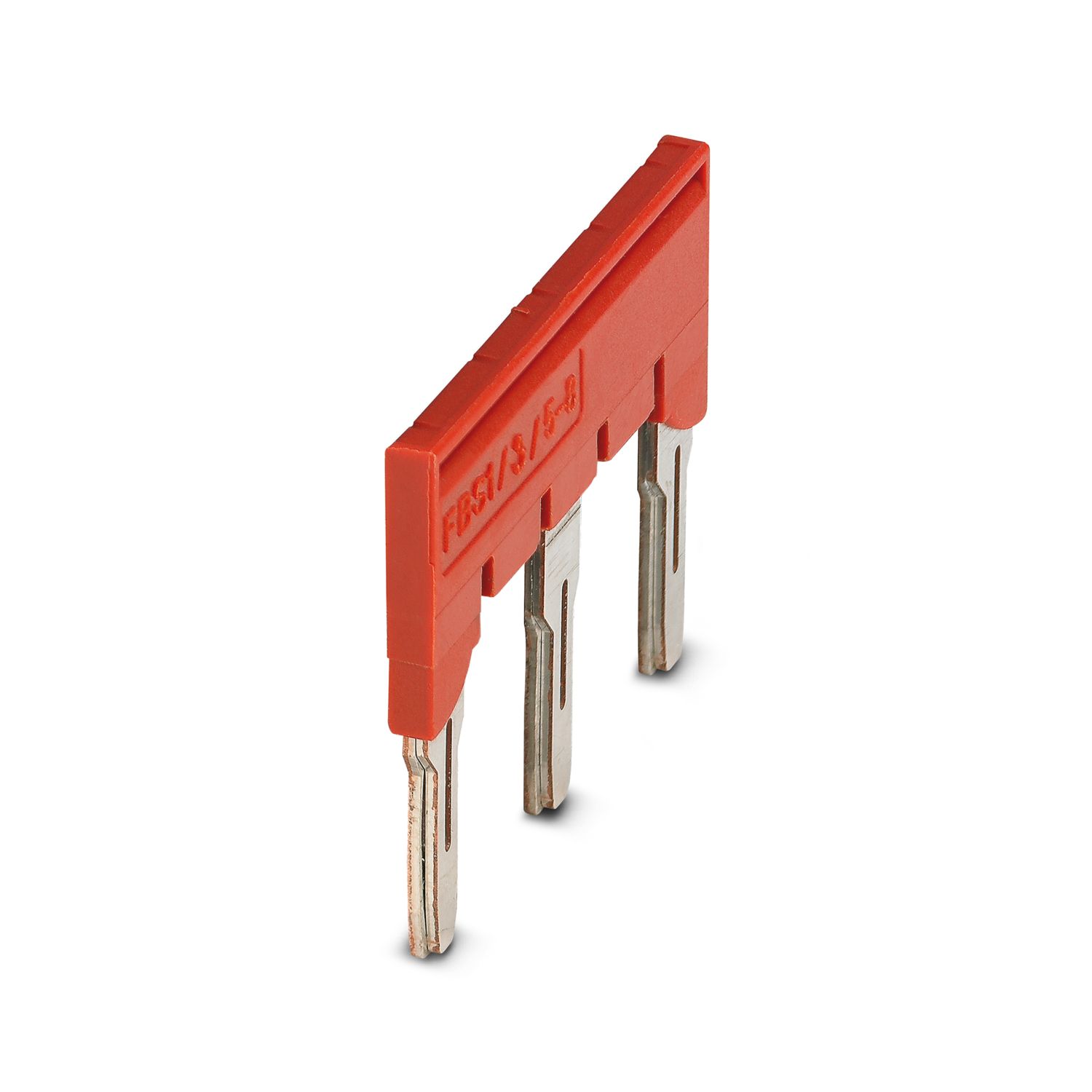
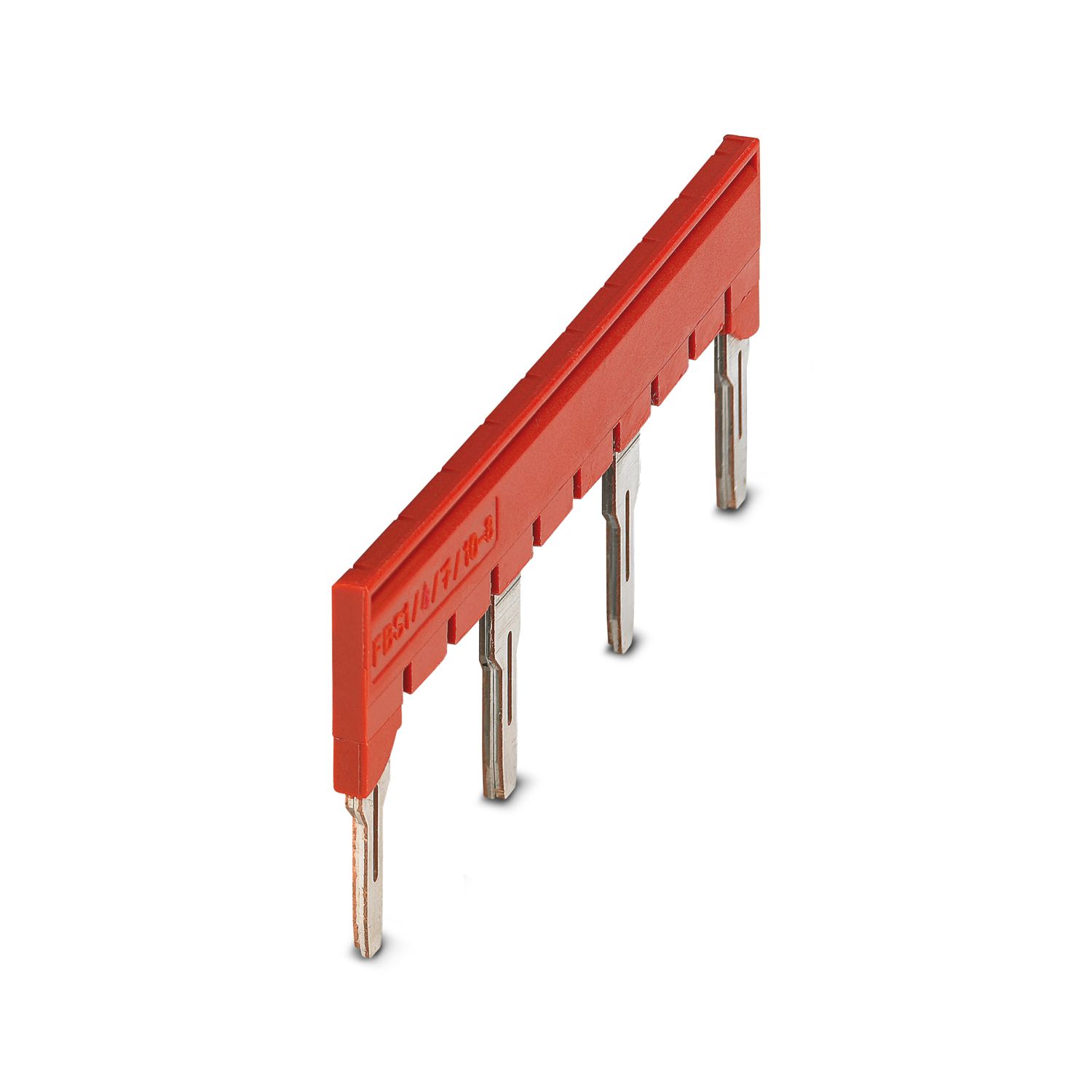
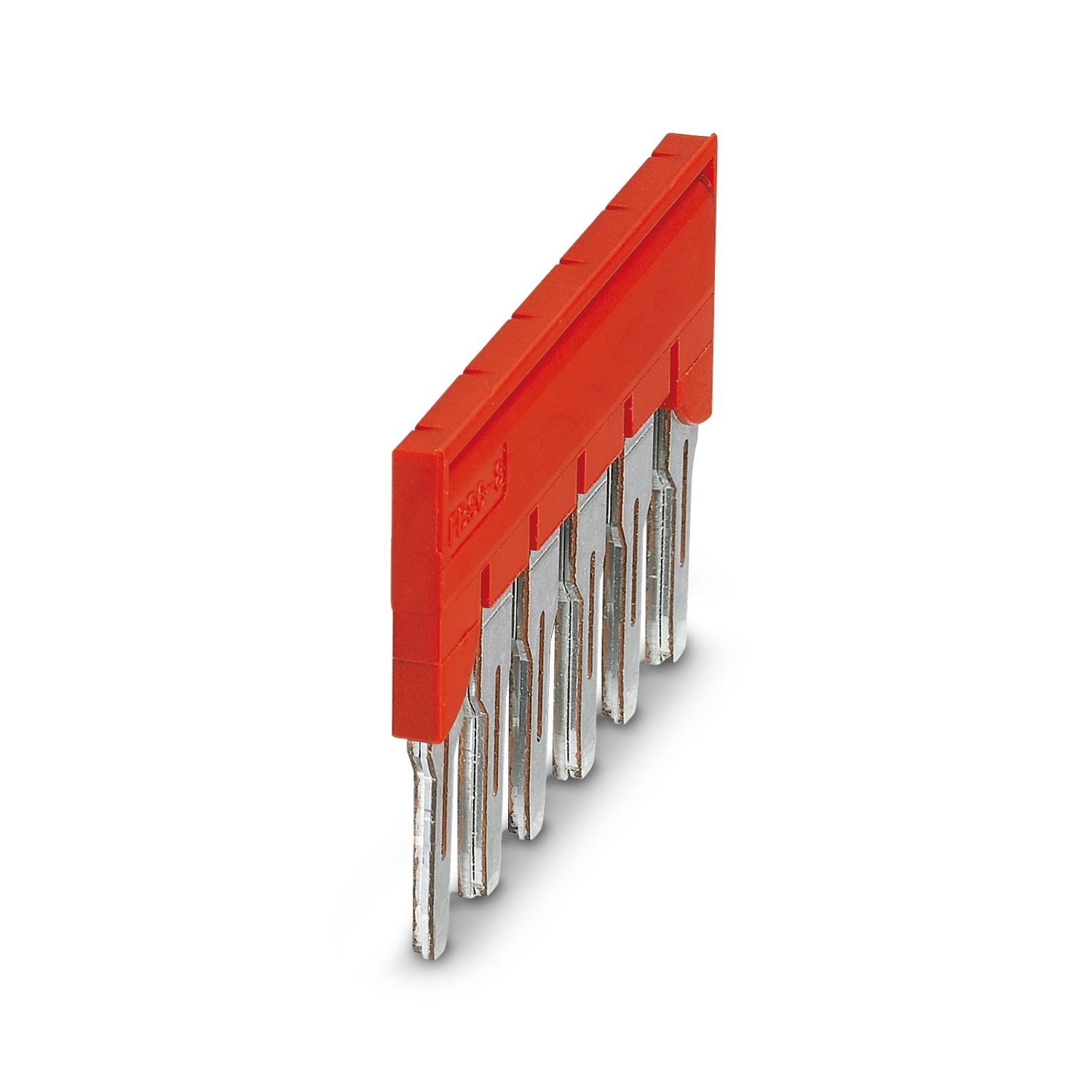
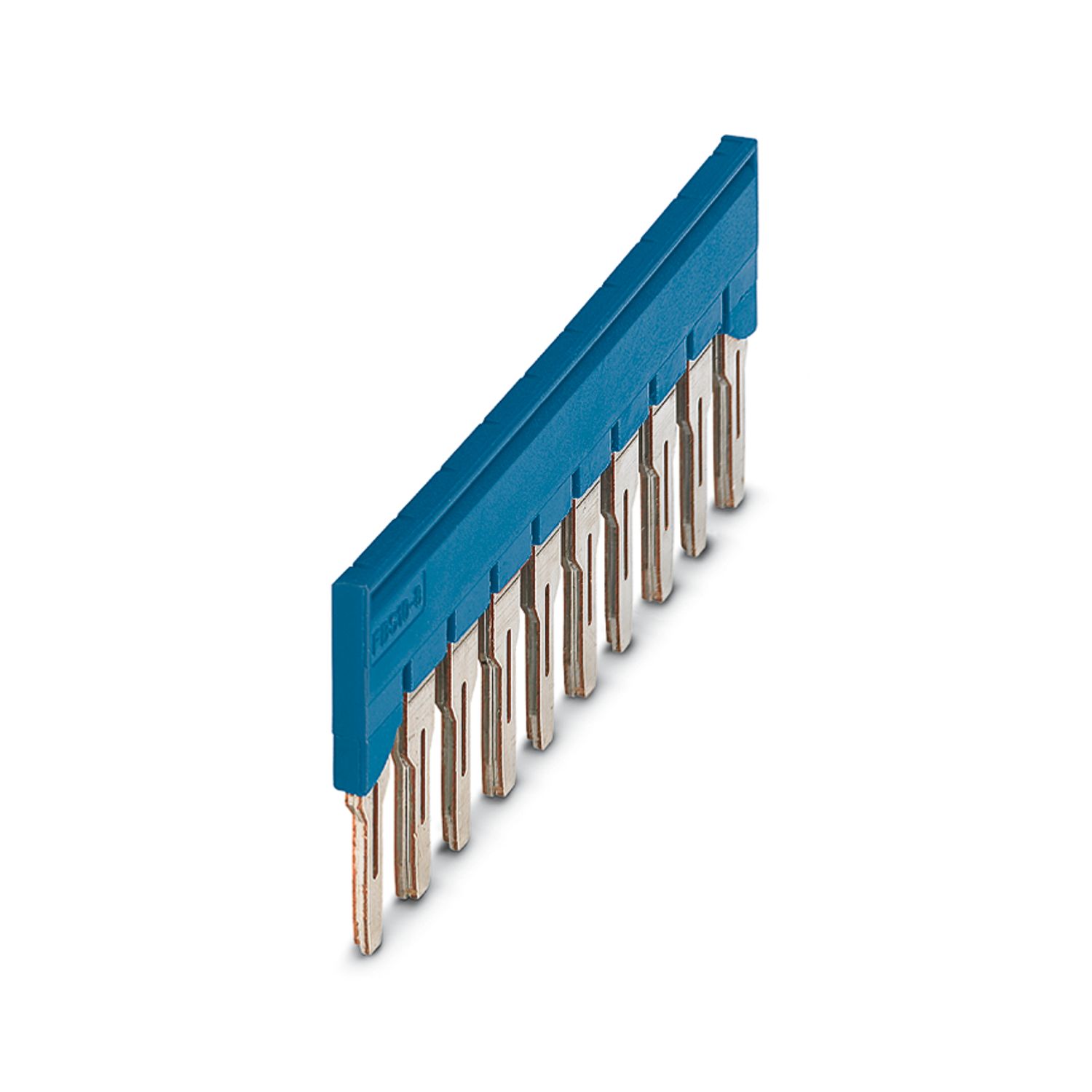
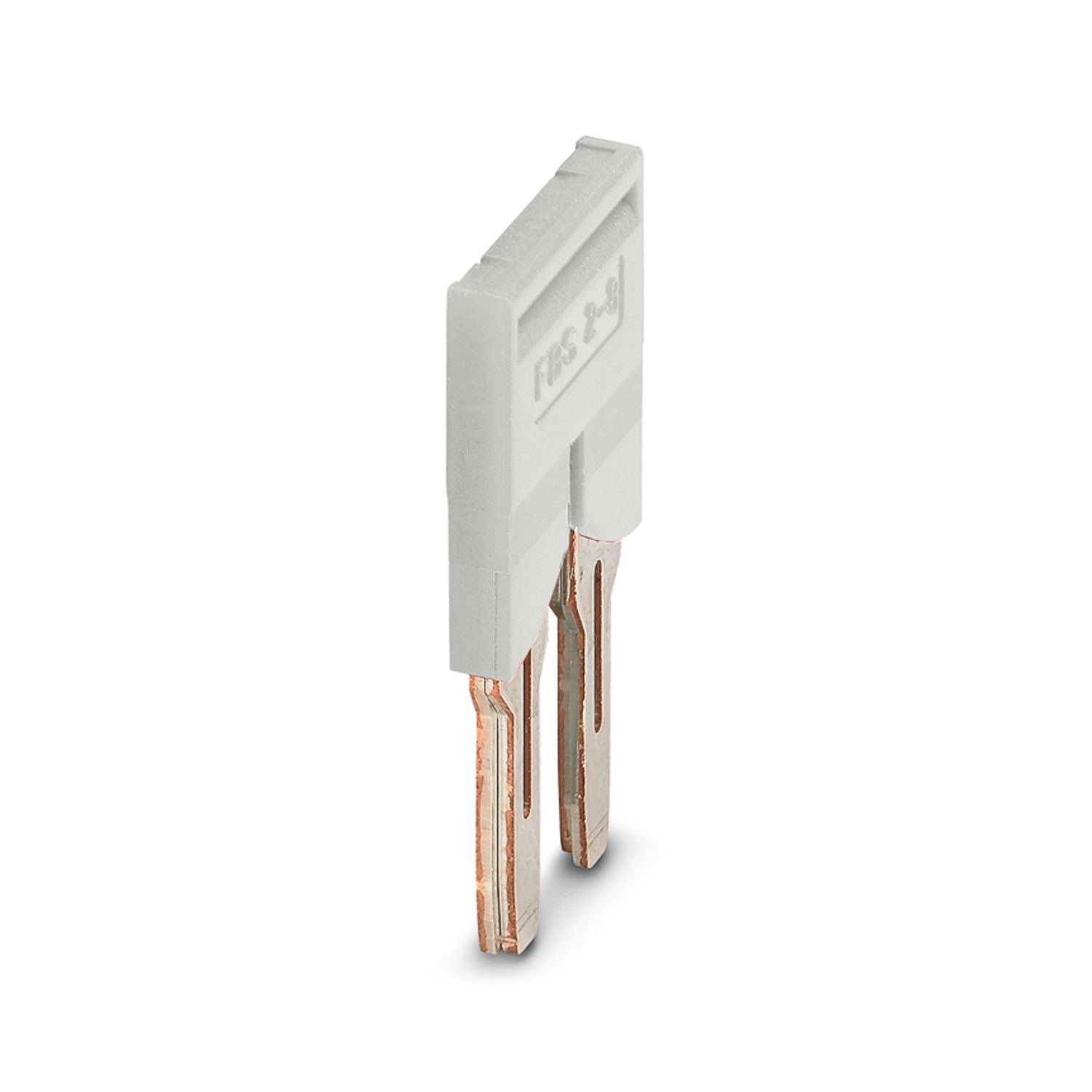
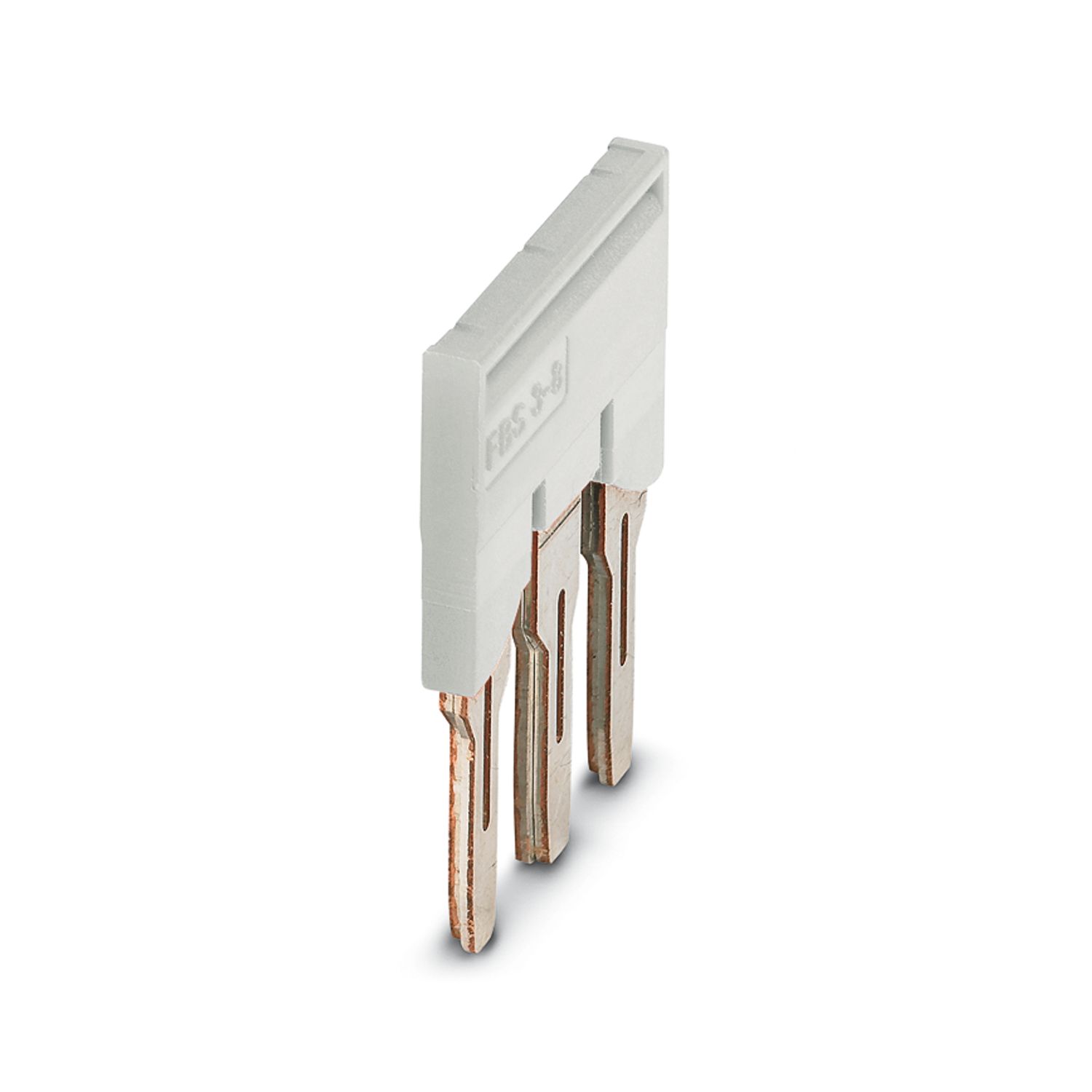
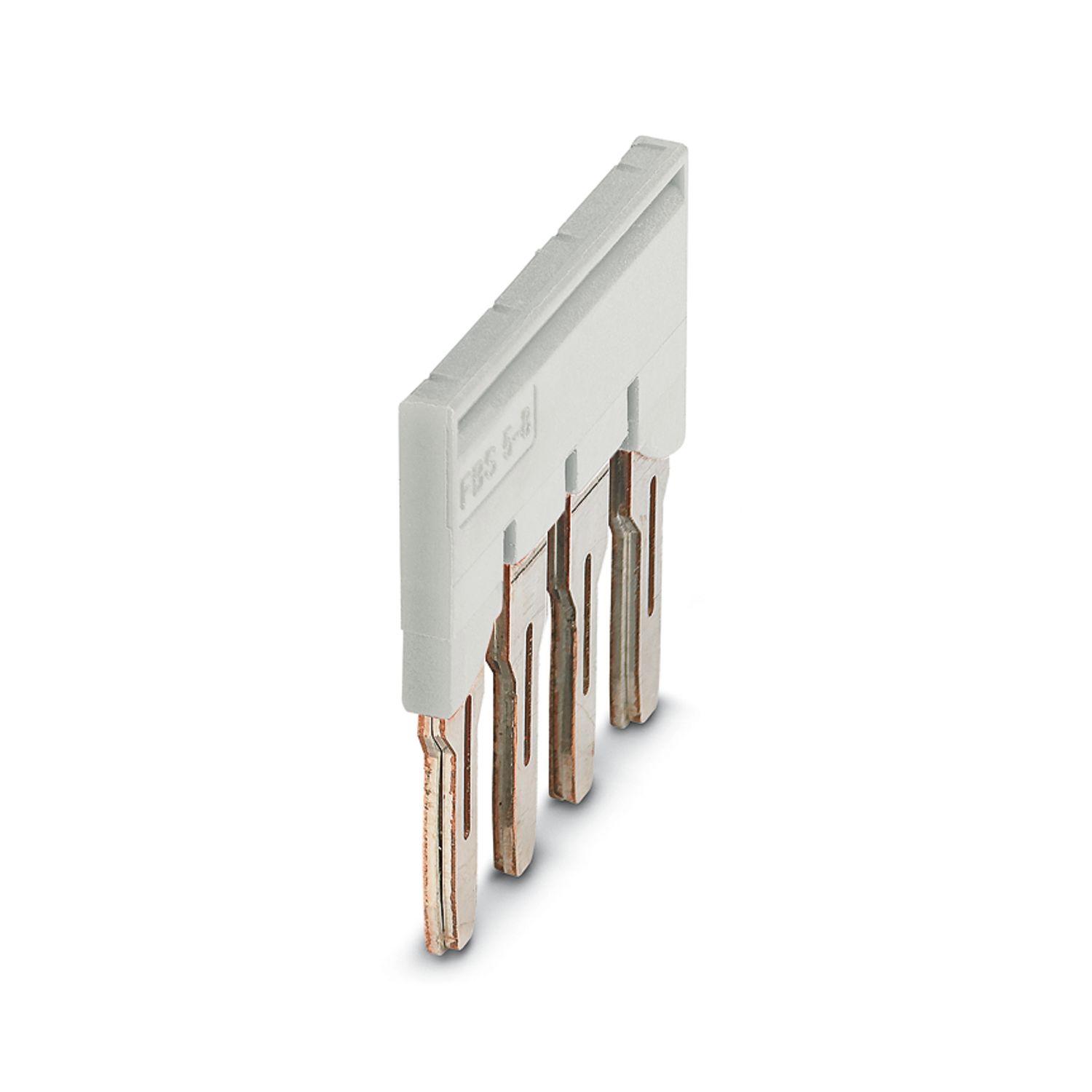
Eenvoudig op te bouwen applicaties dankzij doorverbinding met het aansluitklemmenprogramma CLIPLINE complete
Transparantie over het gebruik en de status van het systeem dankzij geïntegreerde aansluitingen voor individuele of collectieve signalen
Eenvoudige inbedrijfstelling en onderhoud dankzij vooraf installeerbare aansluiting die onaangeroerd blijft bij het vervangen van de stekker
Vaak gestelde vragen
Hoe werkt de voeding en hoe wordt de overbrugging uitgevoerd?
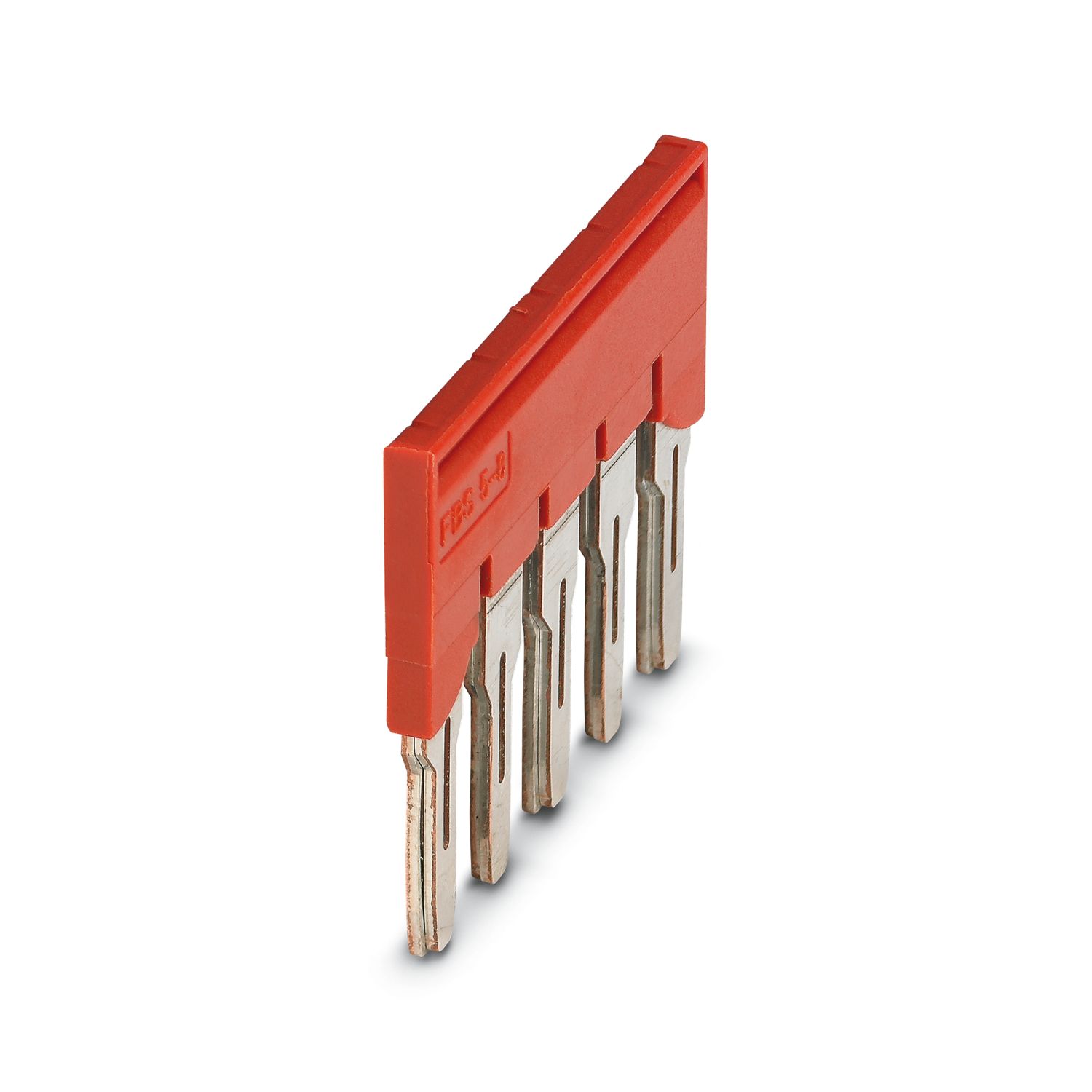
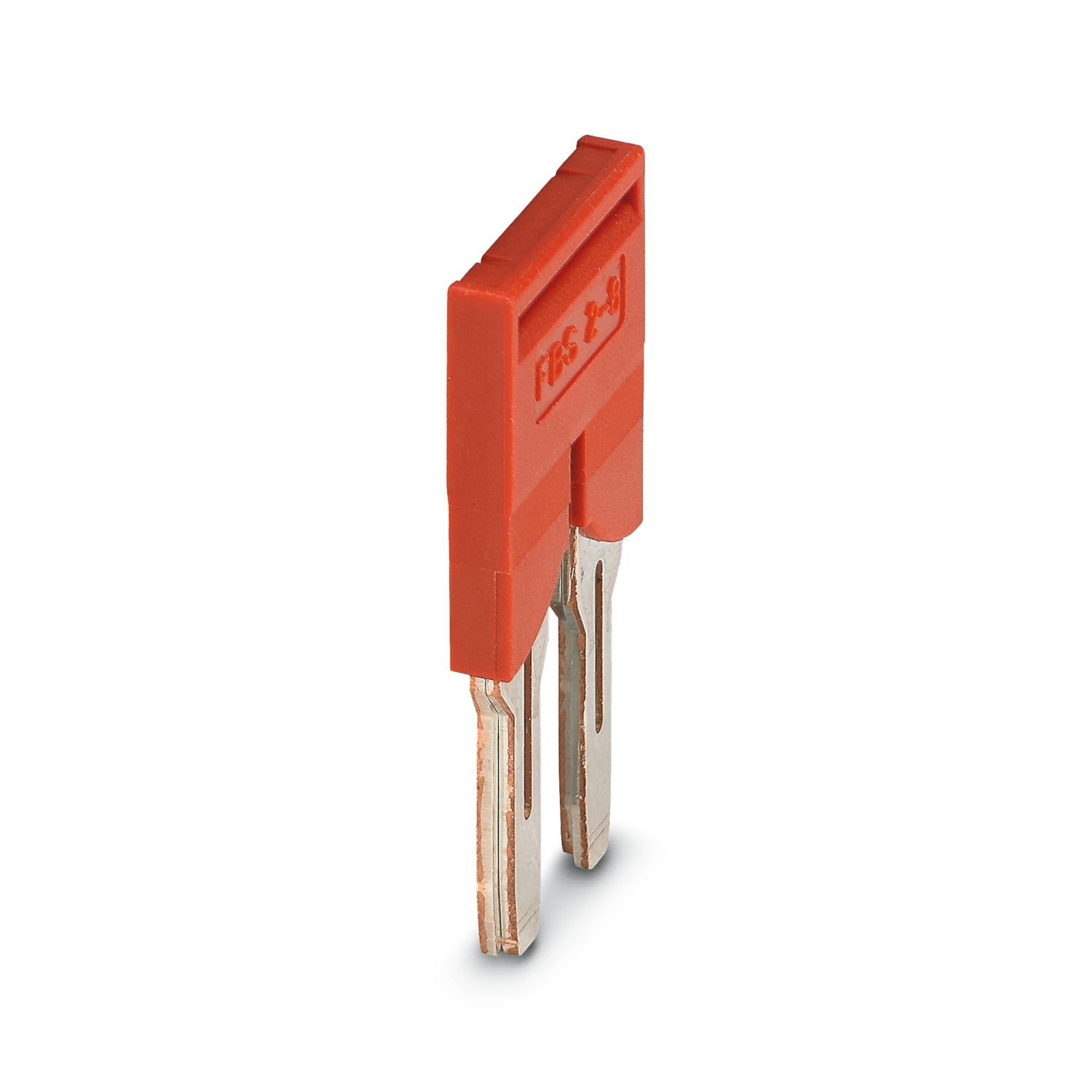
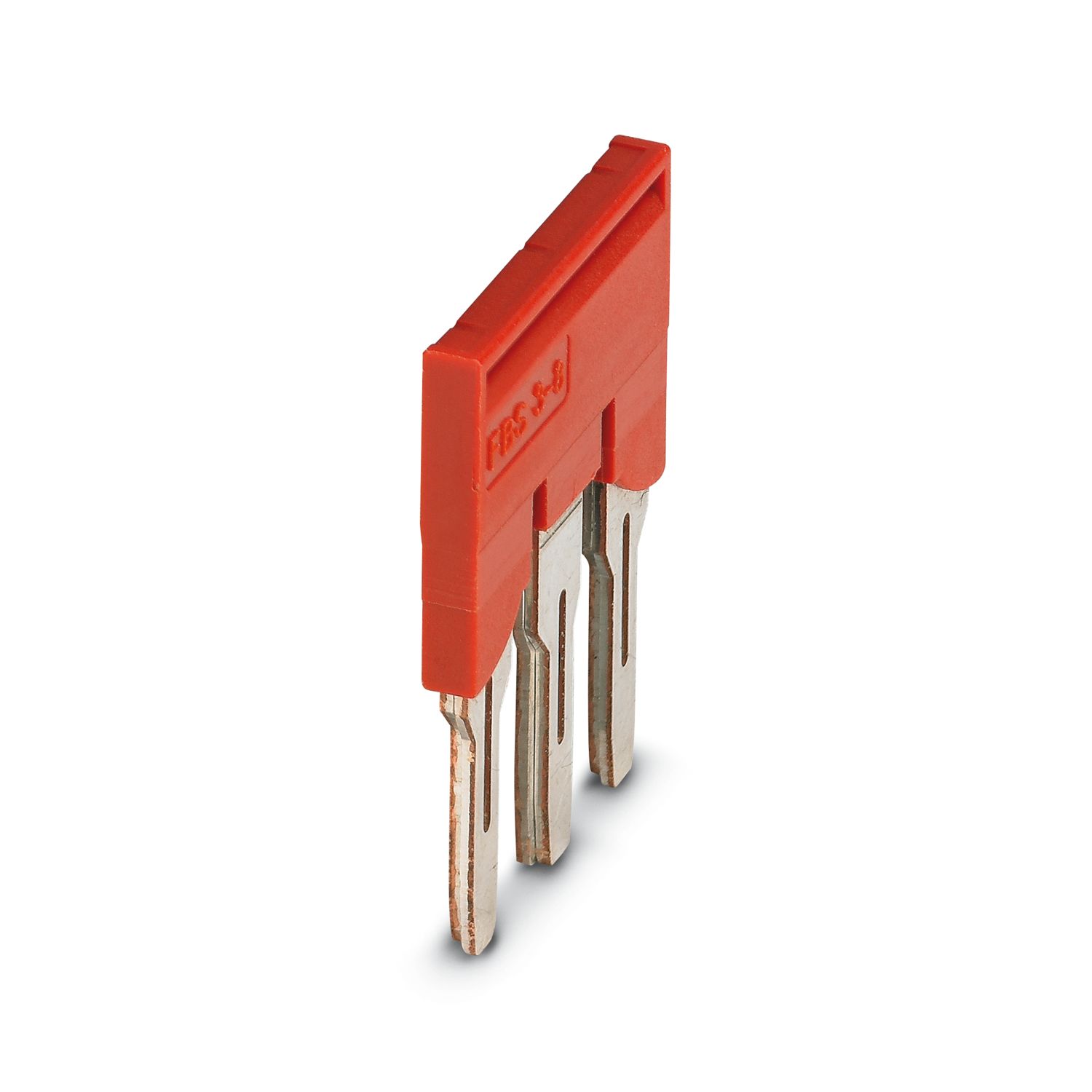
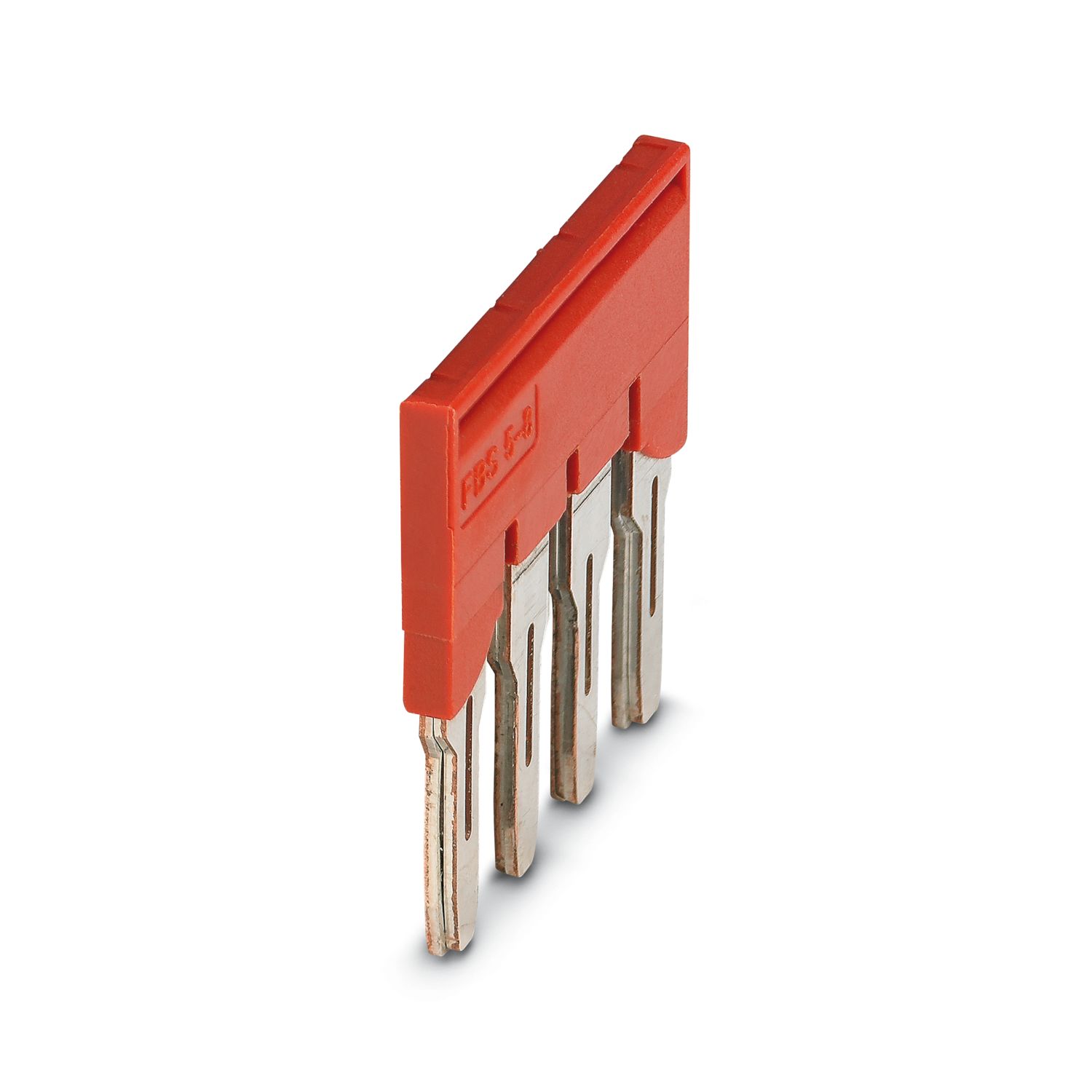
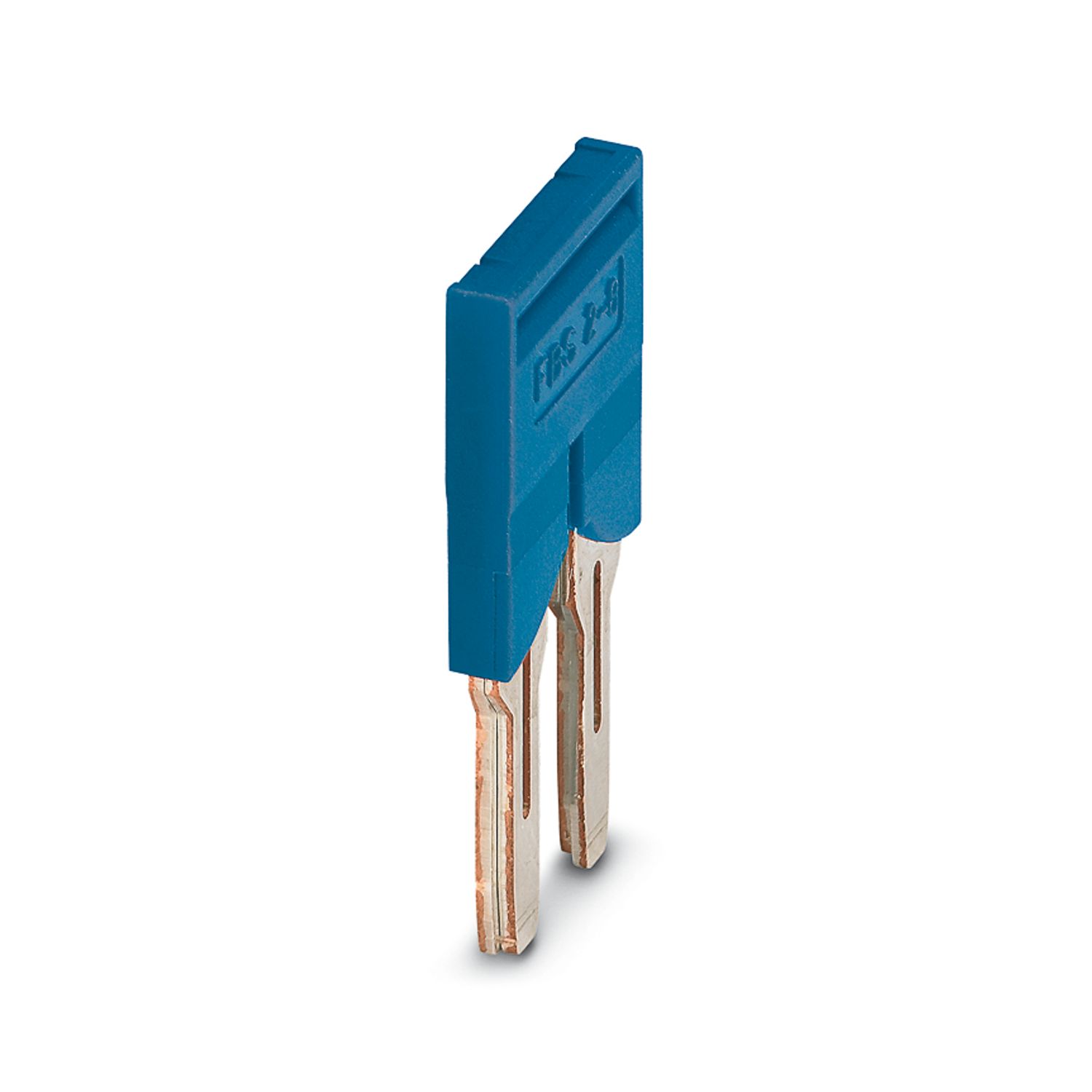
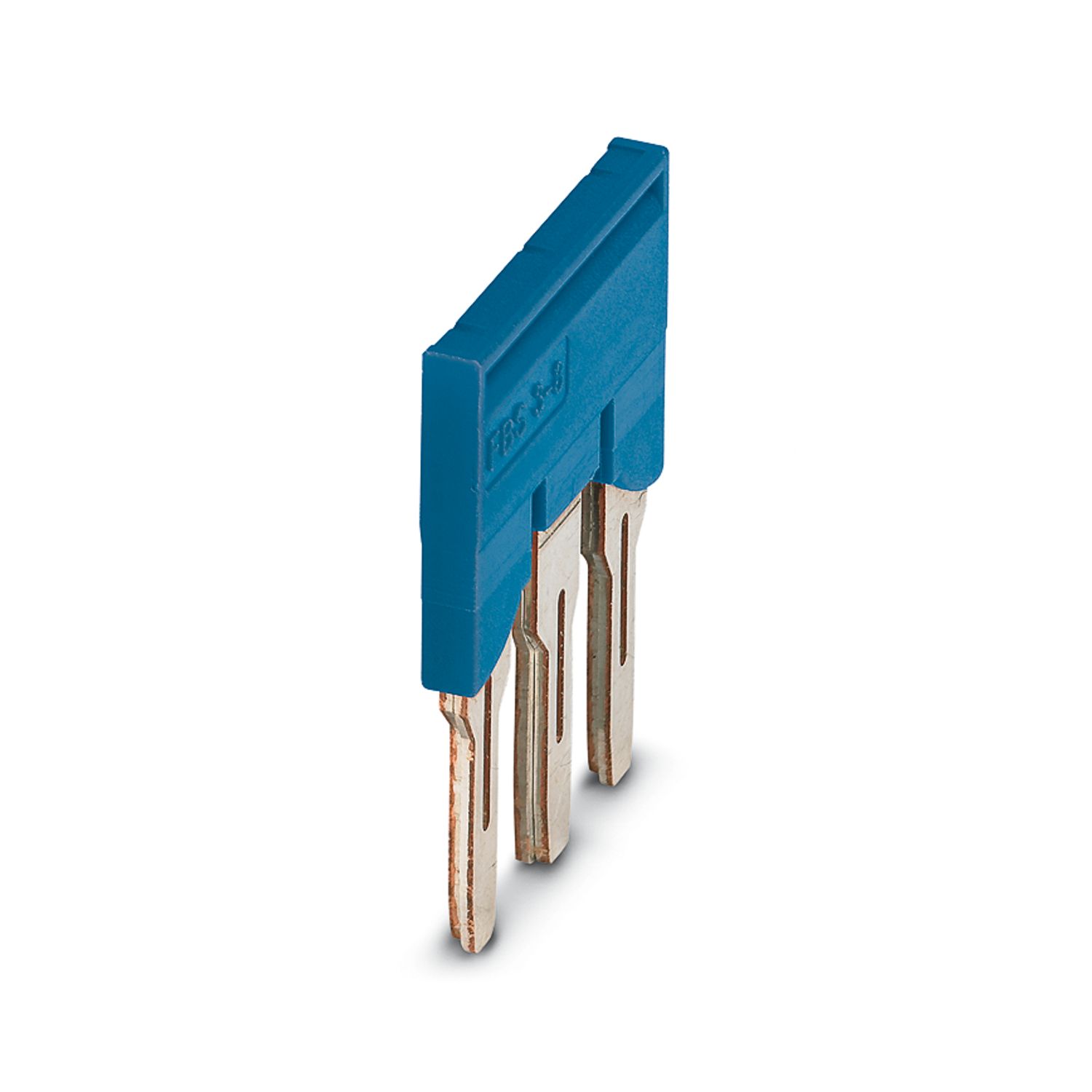
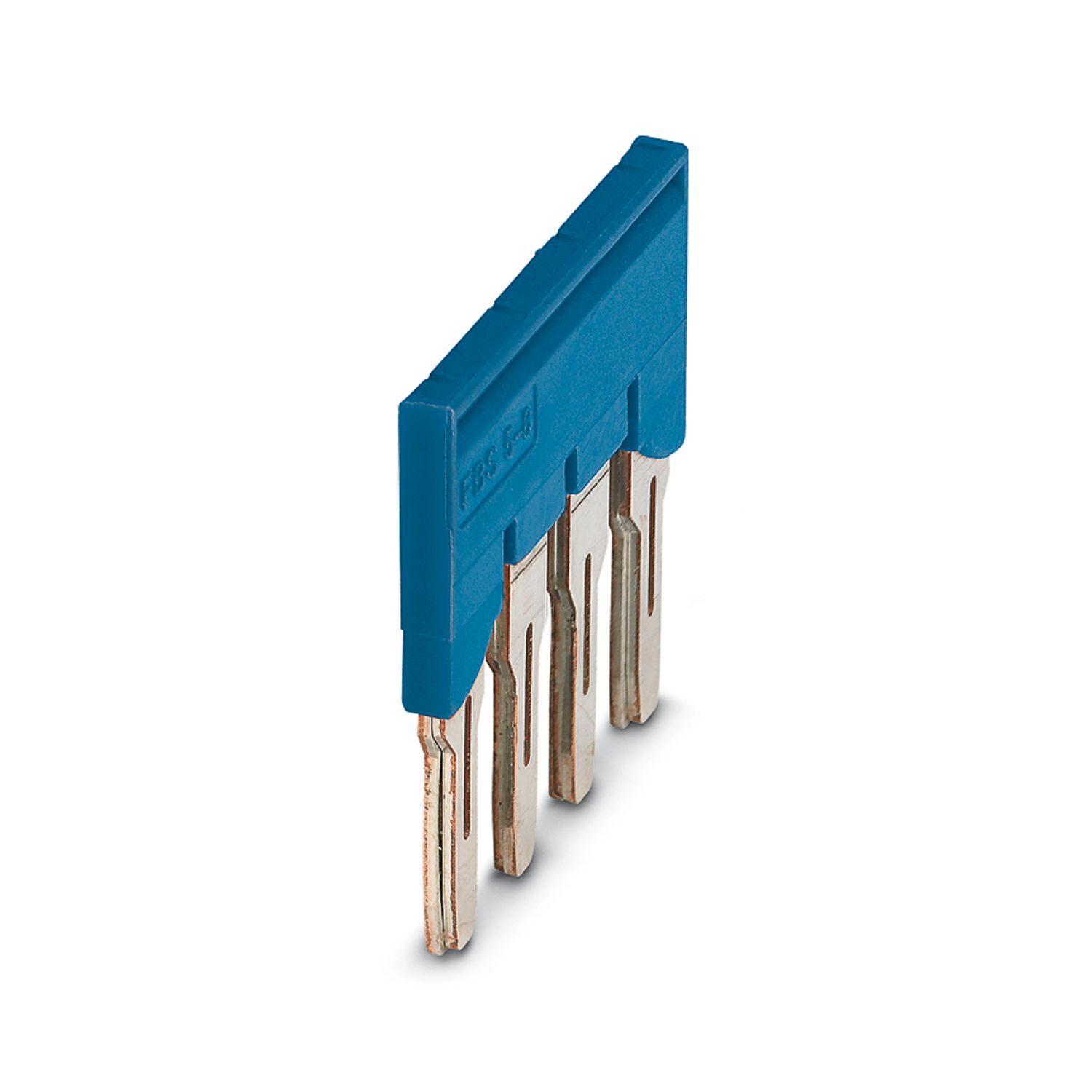
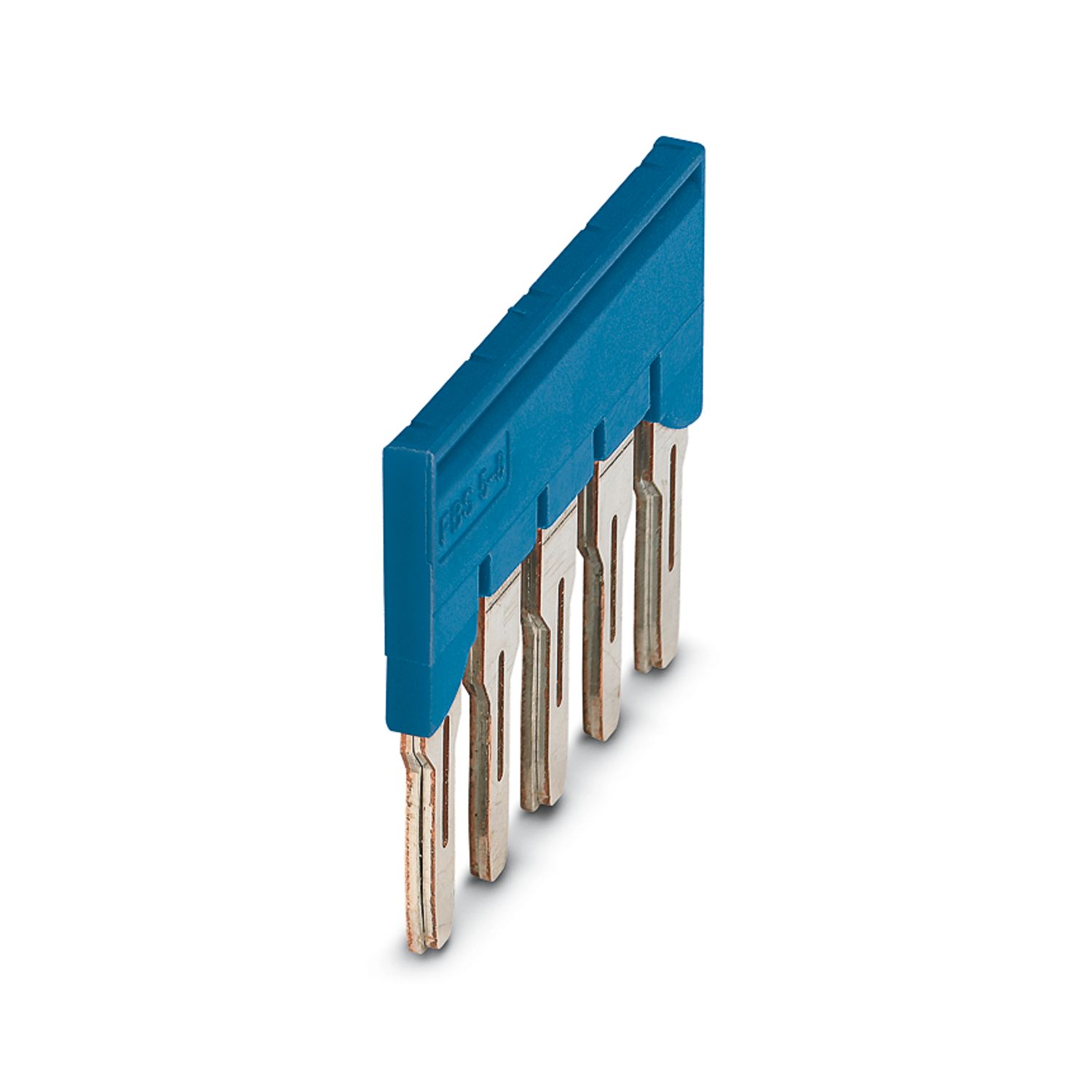
Stromen tot 40 A kunnen bij het bovenste aansluitpunt gevoed worden. Er kunnen kabels met maximaal 6 mm2 flexibel of 10 mm2 star worden aangesloten. De opgeslagen stroom kan over de hierboven aangegeven brugschachten met FBD ...... Meer bekijken
Stromen tot 40 A kunnen bij het bovenste aansluitpunt gevoed worden. Er kunnen kabels met maximaal 6 mm2 flexibel of 10 mm2 star worden aangesloten. De opgeslagen stroom kan over de hierboven aangegeven brugschachten met FBD ...-8 bruggen worden verdeeld. Van toepassing is: stromen groter dan 31 A moeten over twee bruggen worden verdeeld, stromen tot en met 31 A kunnen over één brug worden verdeeld.
Minder bekijkenWelke karakteristieken kies is wanneer?
Er zijn twee verschillende karakteristieken beschikbaar:
- De snellere karakteristiek F2 is geschikt voor gevoeligere belastingen, zoals sensoren of Ohmse belastingen. De karakteristiek wordt bij DC-spanningen in het bereik 4 ... 8 x In geactivee...
Meer bekijken
Er zijn twee verschillende karakteristieken beschikbaar:
- De snellere karakteristiek F2 is geschikt voor gevoeligere belastingen, zoals sensoren of Ohmse belastingen. De karakteristiek wordt bij DC-spanningen in het bereik 4 ... 8 x In geactiveerd.
- De middeltrage karakteristiek M1 wordt voor stroomintensievere (bij. capacitieve) belastingen of motoren aanbevolen. De karakteristiek wordt bij DC-spanningen van 8 ... 15 keer In geactiveerd.
Worden er eisen gesteld aan de voeding? Waarop moet bij de juiste dimensionering gelet worden?
Voor de selectieve beveiliging moet de voeding de vereiste verhoogde activeringsstroom kunnen leveren. Ook met de kabelimpendanties moet rekening worden gehouden.
Wat wordt er verstaan onder kortsluit-uitschakelvermogen en wat is het verschil tussen de begrippen Icn en Inc?
Kortsluit-uitschakelvermogen: maximale kortsluitstroom die de beveiligingsschakelaar veilig kan uitschakelen. Waarop moet gelet worden als de bronstroom hoger is dan het kortsluit-uitschakelvermogen? In dit geval kan de beveiligingsschakelaar met een... Meer bekijken
Kortsluit-uitschakelvermogen: maximale kortsluitstroom die de beveiligingsschakelaar veilig kan uitschakelen. Waarop moet gelet worden als de bronstroom hoger is dan het kortsluit-uitschakelvermogen? In dit geval kan de beveiligingsschakelaar met een voorzekering tot Inc worden gebruikt. Bepaalde zekeringen zijn voor dit doeleinde getest en toegelaten (zie certificaat).
- Icn (nominaal kortsluit-uitschakelvermogen): waarde die de beveiligingsschakelaar alleen, zonder voorzekering kan uitschakelen.
- Inc (bepaalde nominale kortsluitstroom): waarde die de beveiligingsschakelaar met een ervoor geschakelde zekering aan kan.
Kan de PTCB TM voor AC en DC worden gebruikt?
Ja, bij AC moet met de onbeïnvloede kortsluitstroom op de installatieplaats rekening worden gehouden. Die mag het uitschakelvermogen van de PTCB TM niet overschrijden. De magnetische activering voor AC en DC verschilt met de factor DC/AC = 1,3.