
What are smart grids? A smart grid is an advanced power grid that uses digital communication technologies to optimize the generation, distribution, and consumption of electricity.
Brief summary
As an intelligent power grid, the smart grid uses digital communication technologies to optimize the generation, distribution, and consumption of electricity. The smart grid enables bidirectional exchange between generators and loads. This is essential for the integration of renewable energy and a stable, sustainable supply.

Why do we need intelligent power grids?
The traditional power grid was based on centralized generation and easily predictable electricity flows. The energy transition is making generation more decentralized and volatile. More and more households and companies are feeding self-generated electricity into the grid with their photovoltaic systems.
Photovoltaic systems and wind farms also provide high generation capacity on a large scale, albeit very volatile. The sun doesn’t shine around the clock and the wind is just as unpredictable over several days. The conventional power grid is not designed to optimally manage these dynamic changes and the high proportion of fluctuating feed-in power. Intelligent management of power grids is therefore essential. This allows a flexible response to volatile power flows, ensures grid stability, and enables efficient storage of surplus energy.
How does an intelligent power grid work?
An intelligent power grid works by networking and exchanging information between all components of the energy system. The core principle is the ability to collect and analyze data in real time and make decisions based on this. This enables the appropriate use of existing flexibility in generation and consumption as well as storage as a direct instrument of flexibility.
Sensors throughout the power grid monitor the status of the lines, the current flows, and the voltage. This data is transmitted to central control systems in order to create forecasts and send control commands to decentralized units.
The role of the prosumer
Flexible consumers, often prosumers (producers and consumers) who generate their own electricity, play a key role in the efficient use of grid infrastructure by adapting their behavior to benefit the grid. Important elements include smart meters, also known as intelligent electricity meters. Smart meters can measure electricity consumption and feed-in and transmit this data digitally to the metering point operator. The latter can also forward the data to the grid operator. On the other hand, dynamic electricity tariffs from the power provider can be passed on to the customer via the metering point operator.
The electricity price may vary depending on current availability and demand, with a corresponding electricity contract. Consumers can then actively control their consumption. For example, by using energy-intensive appliances whenever there is a lot of renewable electricity in the grid and prices are low. Batteries significantly increase flexibility on the usage side.
Intelligent grid control and communication
Intelligent grid control is the brain of the smart grid. It includes technologies for monitoring, analyzing, and optimizing grid operation:
- Sensors and actuators record data such as current flow and voltage.
- A robust and secure communication infrastructure is required to transmit the data volumes in real time.
- Algorithms for analyzing historical and current power flows forecast expected generation and consumption, possibly with the aid of AI. In principle, these can support the identification of anomalies and the optimization of grid management.
- Aggregators use digital platforms in the sense of a virtual power plant and network decentralized generators, storage systems, and loads into a controllable network.

Decentralized generation and storage
A key feature of the smart grid is the integration of decentralized generators and storage systems:
- Photovoltaic systems generally feed electricity directly into the grid. In the smart grid, feed-in is monitored and regulated.
- Wind turbines generators are also managed intelligently in order to utilize the existing grid efficiently and protect it in the event of bottlenecks.
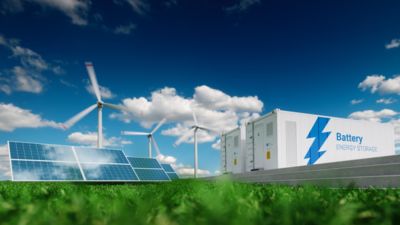
- Large battery storage systems at grid level and smaller residential storage systems for consumers can absorb surplus energy and release it when needed.
- In the future, electric cars could serve as mobile storage systems (vehicle-to-grid) and also absorb electricity and feed it into the grid as required.
Active load management
The intelligent power grid enables active load management (demand-side management), in which electricity consumption is actively controlled:
- Flexible loads such as heat pumps or charging stations for electric cars adapt to electricity prices and grid load.
- Dynamic tariffs encourage shifting consumption to times of high availability.
- Many households with photovoltaic systems optimize their self-consumption, especially those with storage systems and controllable loads. This can ease the load on the grid.
The advantages of smart grids: More than just efficiency
The implementation of intelligent power grids brings with it a number of advantages. They go far beyond simply increasing efficiency and are crucial to the success of the energy transition and the primary goal of decarbonization.

Increased integration of renewable energy
The key advantage of smart grids is their ability to integrate high proportions of renewable energy into the power grid in a secure and stable manner. As wind and solar power naturally fluctuate, a flexible and intelligent grid is required that can compensate for these fluctuations. Smart grids make it possible to manage the decentralized feed-in of electricity from renewable energy sources by coordinating generation and consumption in real time. This reduces the need to keep conventional power stations in reserve and accelerates the phase-out of fossil fuels.
Optimization of energy consumption and costs
Smart grids enable more efficient use of electricity and can lead to cost savings in the long term. Suitable measuring systems and dynamic electricity tariffs give consumers the opportunity to actively control their energy consumption and adapt to times when prices are lower. This promotes a more conscious use of energy and can help to reduce electricity bills.
Promotion of decentralization and participation
Intelligent power grids support the trend toward decentralizing power generation. They enable households and companies to not only consume electricity, but also generate it themselves and feed it into the grid. They become “prosumers”. This strengthens local value creation and promotes the development of local energy communities. This participation is an important step toward a citizen-oriented and sustainable energy system.
Challenges and outlook
Despite the immense benefits, there are still some challenges ahead when it comes to fully implementing intelligent power grids.

Technical and infrastructural challenges
The switch requires considerable investment in the modernization of existing infrastructure. This includes replacing millions of conventional electricity meters with smart meters, the expansion of communication networks, and the implementation of complex software and control systems. In addition, cybersecurity is extremely important, as a digitalized and networked power grid could be more vulnerable to cyberattacks that threaten grid integrity. It is essential here that sensitive data is protected.
Regulatory and social aspects
In addition to the technical hurdles, there are also regulatory and social aspects to consider. Legislation must be adapted to create the framework conditions for operation and billing in an intelligent power grid. This applies, for example, in the context of the German Renewable Energy Sources Act. Acceptance by consumers is also crucial. Concerns about data protection, costs, and complexity must be allayed through transparent communication and clear benefits. To build trust, people need to be informed about how smart grids work and the benefits they offer.
The smart grid is the future
Despite these challenges, one thing is clear: The intelligent power grid is the future of our power supply. It is absolutely essential for the success of the energy transition and the decarbonization of our society. Continuous research and development in areas such as artificial intelligence, energy storage technologies, and e-mobility will further improve the performance of smart grids.
Summary
The smart grid is more than just technology. The intelligent power grid is key to the energy transition and sustainable supply. It integrates renewable energy efficiently and flexibly. Networking and intelligent control enable the supply and demand of grid participants to be coordinated in real time. This increases grid stability and enables active consumer participation. Despite challenges in terms of infrastructure, security, and acceptance, smart grids are crucial for a climate-friendly future based on renewable energy.
Connect with our experts


More posts

The All Electric Society – how sector coupling works
Flexibility with a battery storage system and energy management.
What is a dark lull?
Staying close to the meaning of the term, it refers to a longer period of time in which there is neither sunlight nor wind. How can we counteract this?
Battery storage system as a functional booster
Phoenix Contact uses open control technology to close the gap between power generation, storage, and further use.