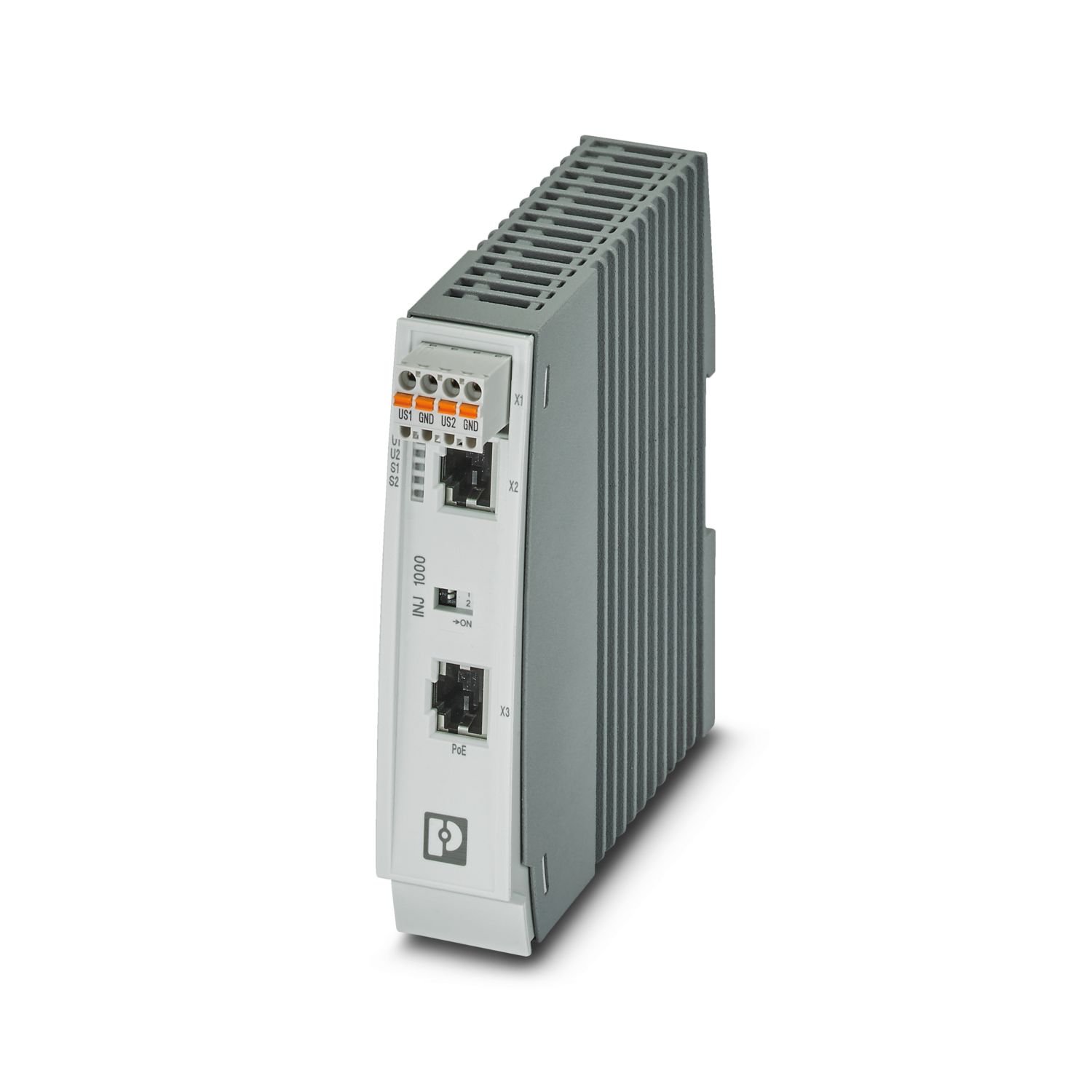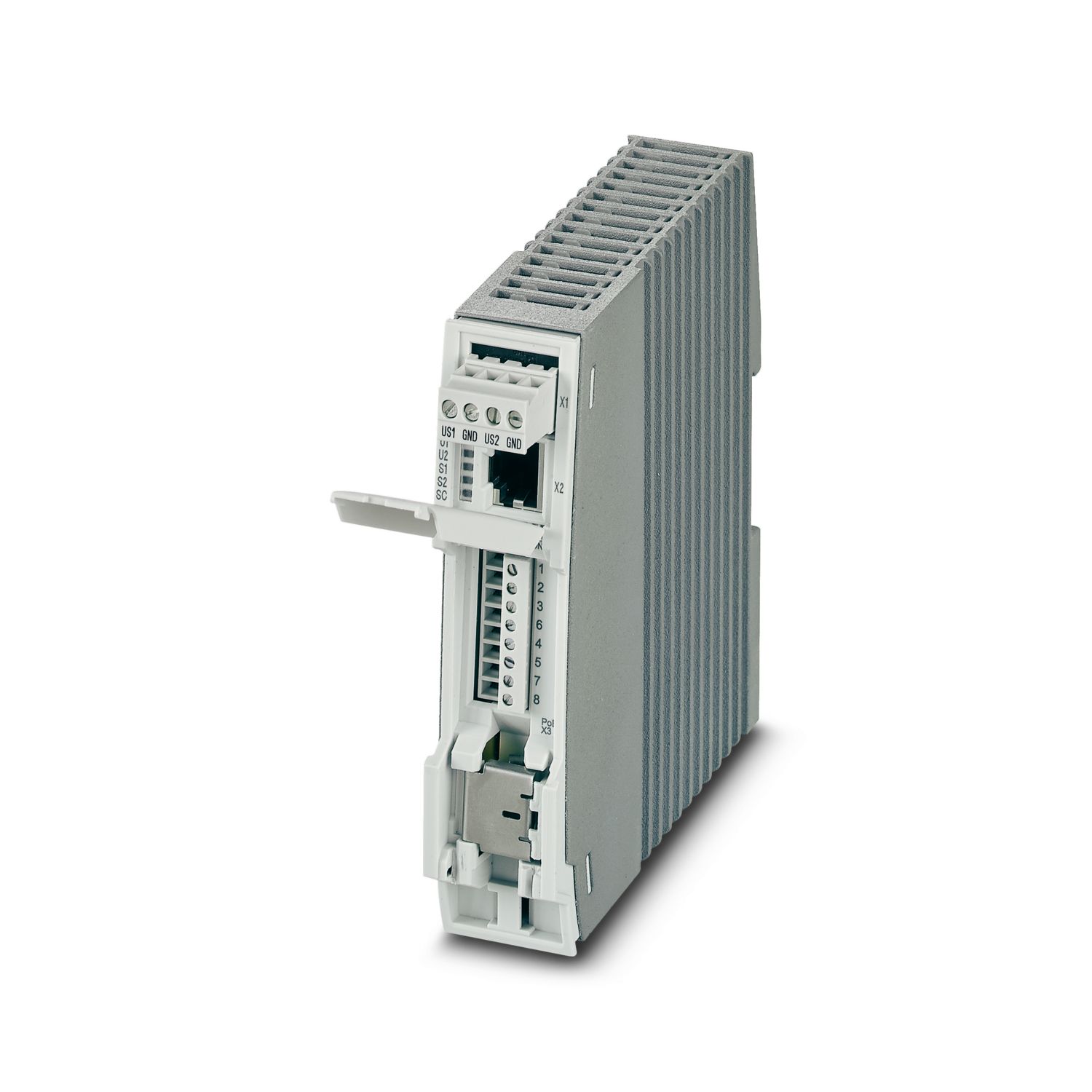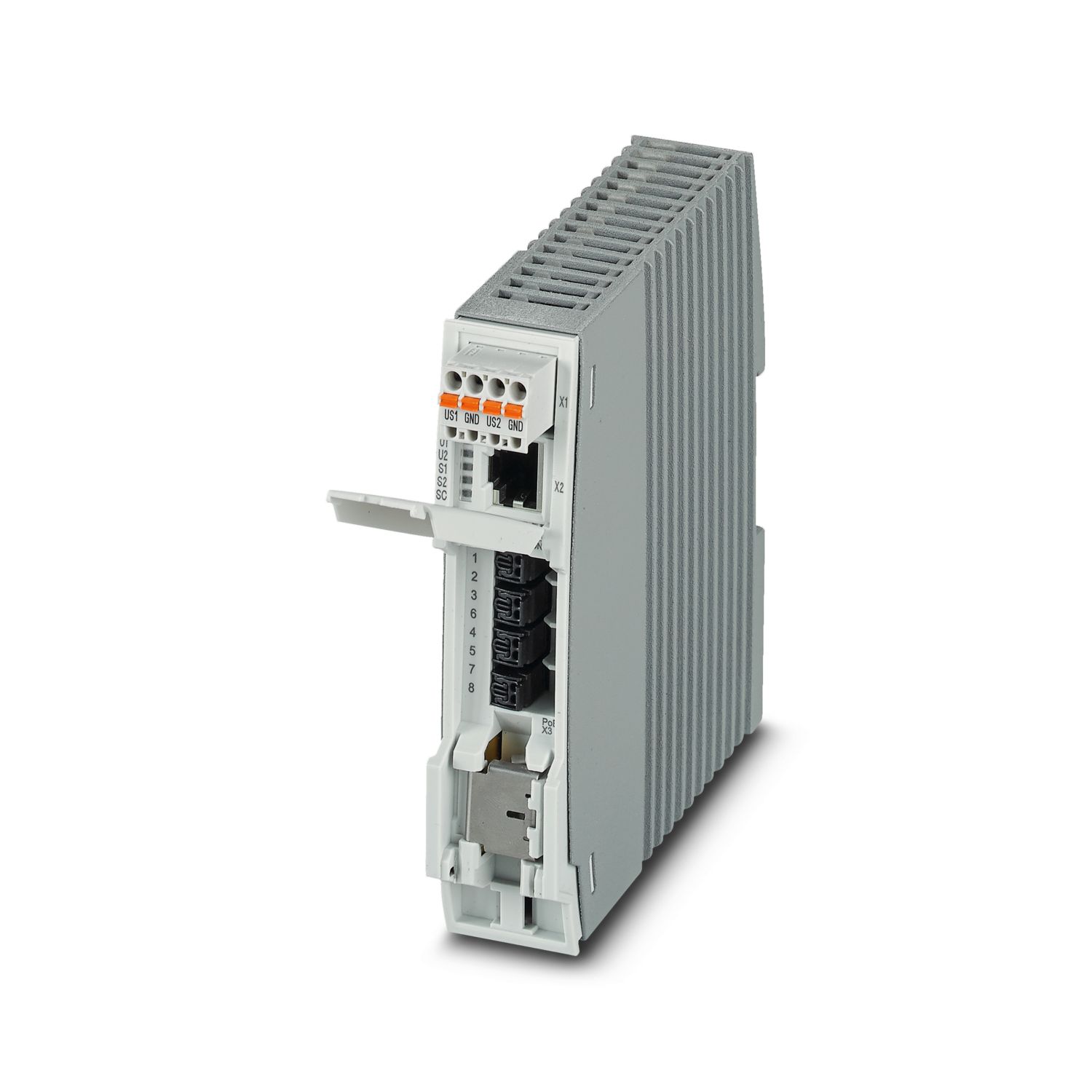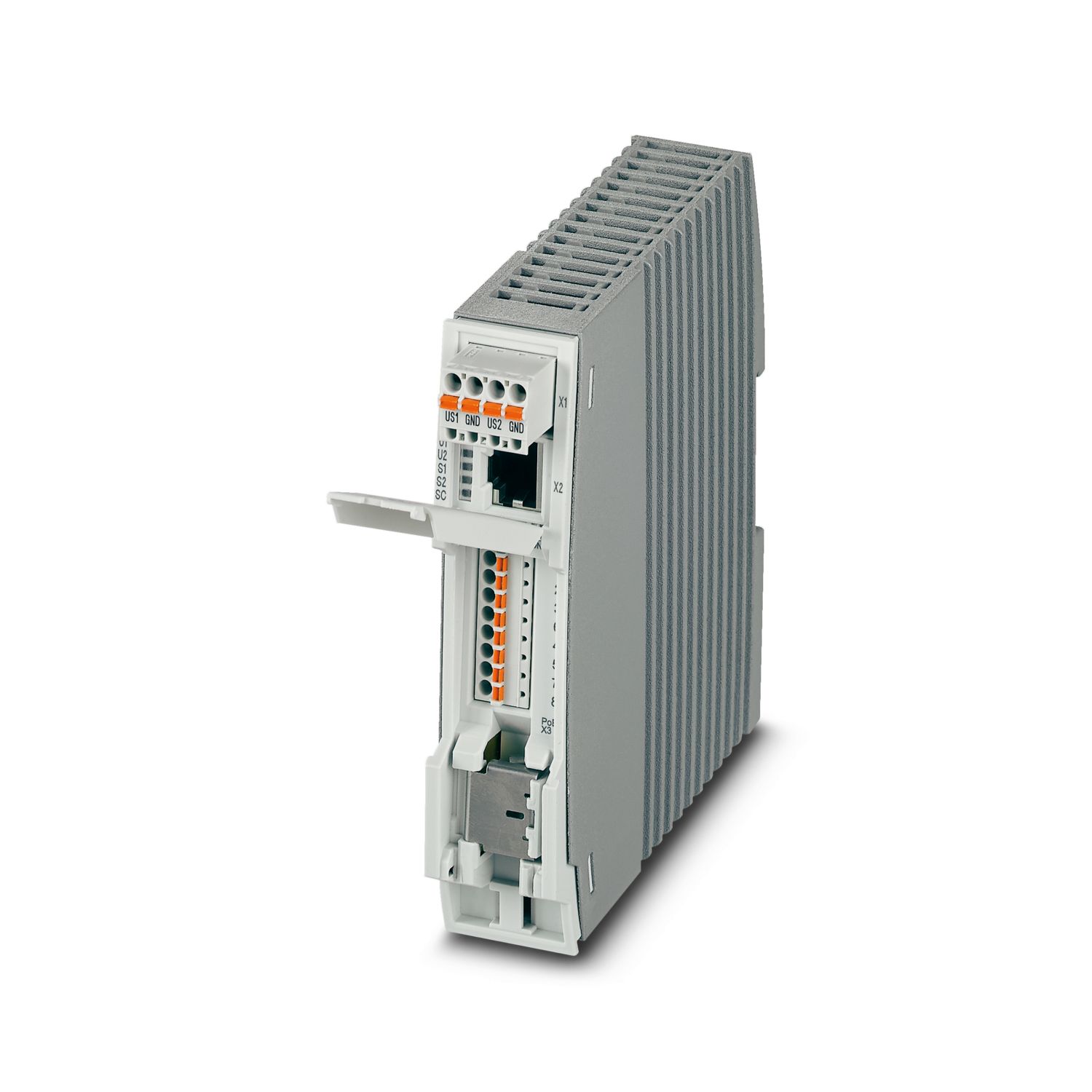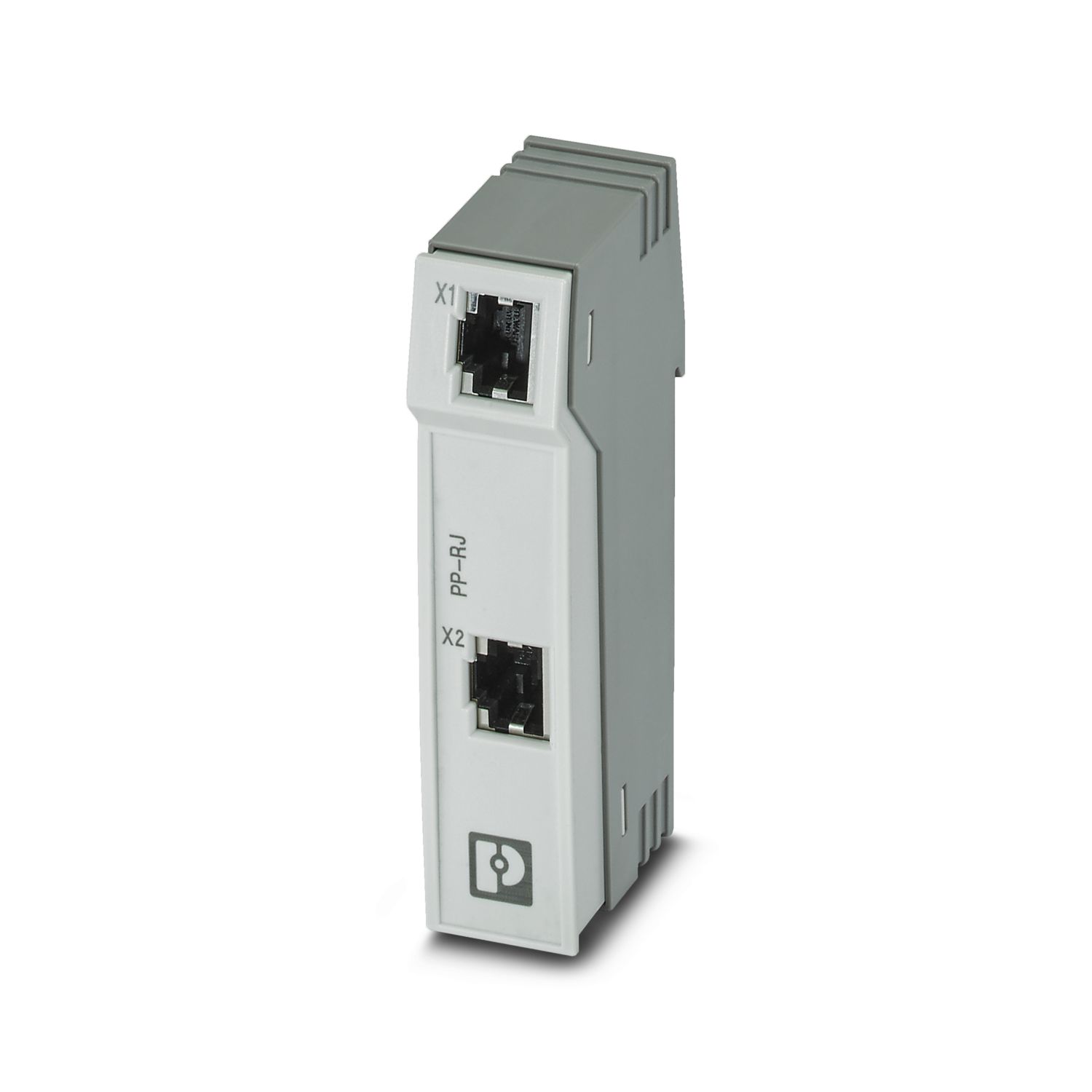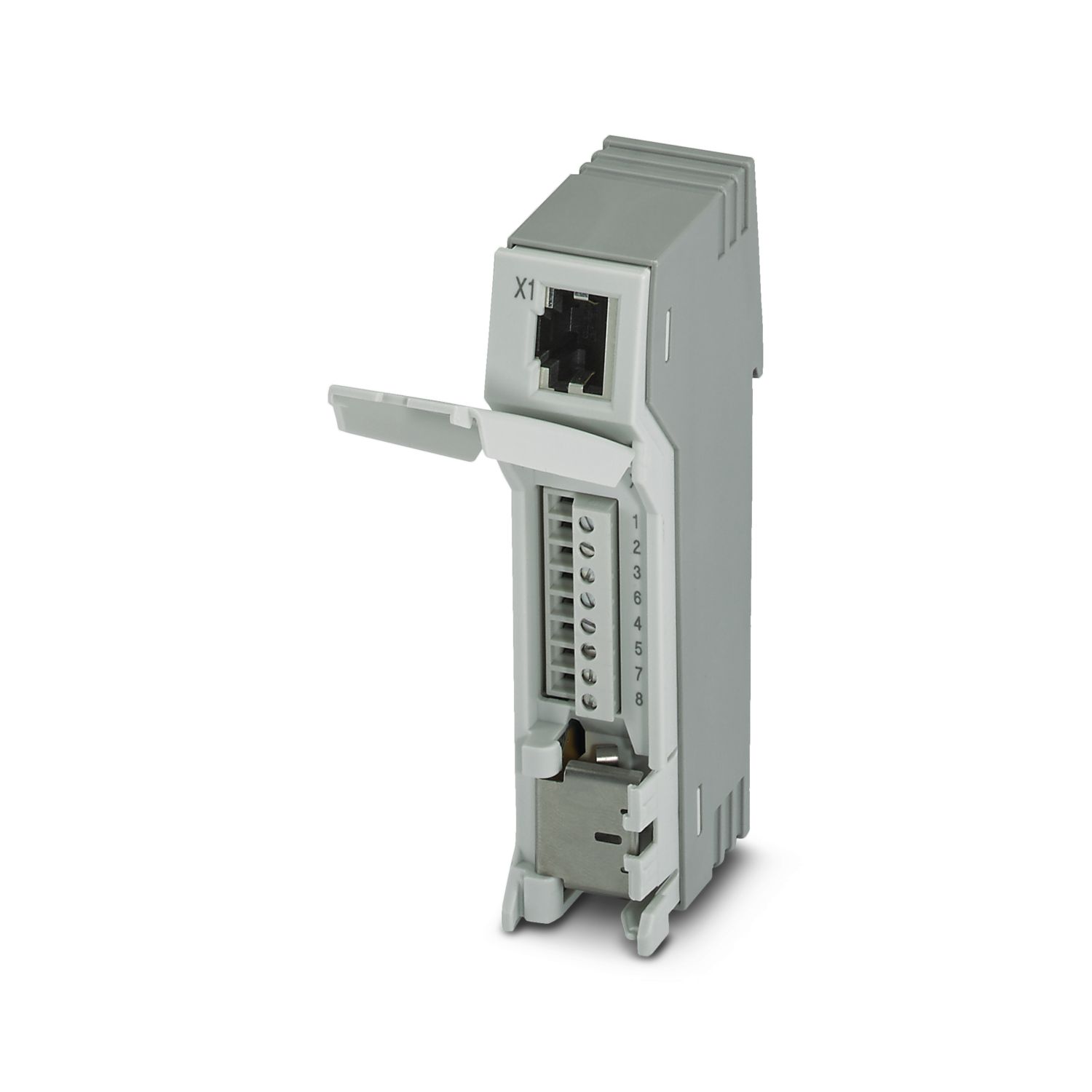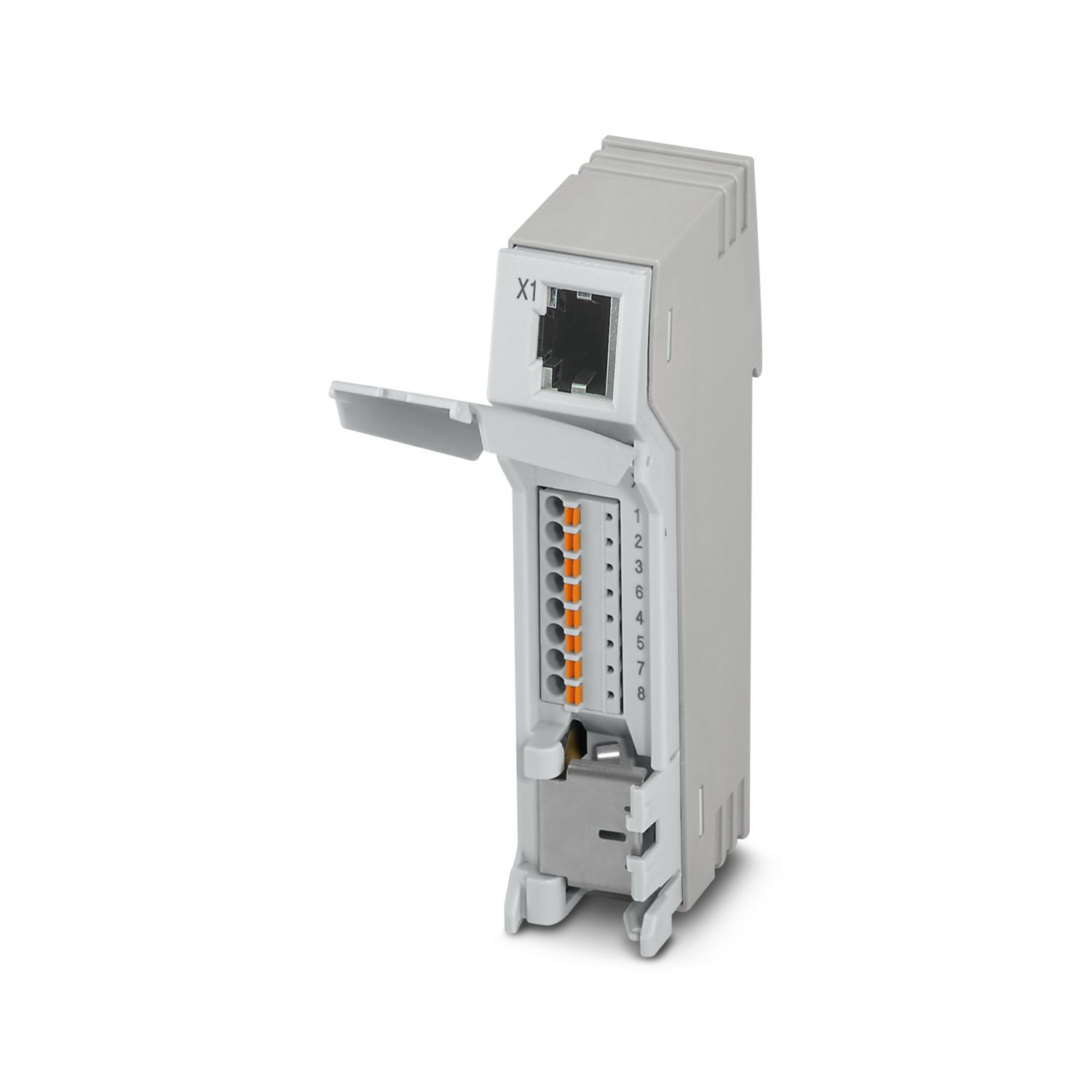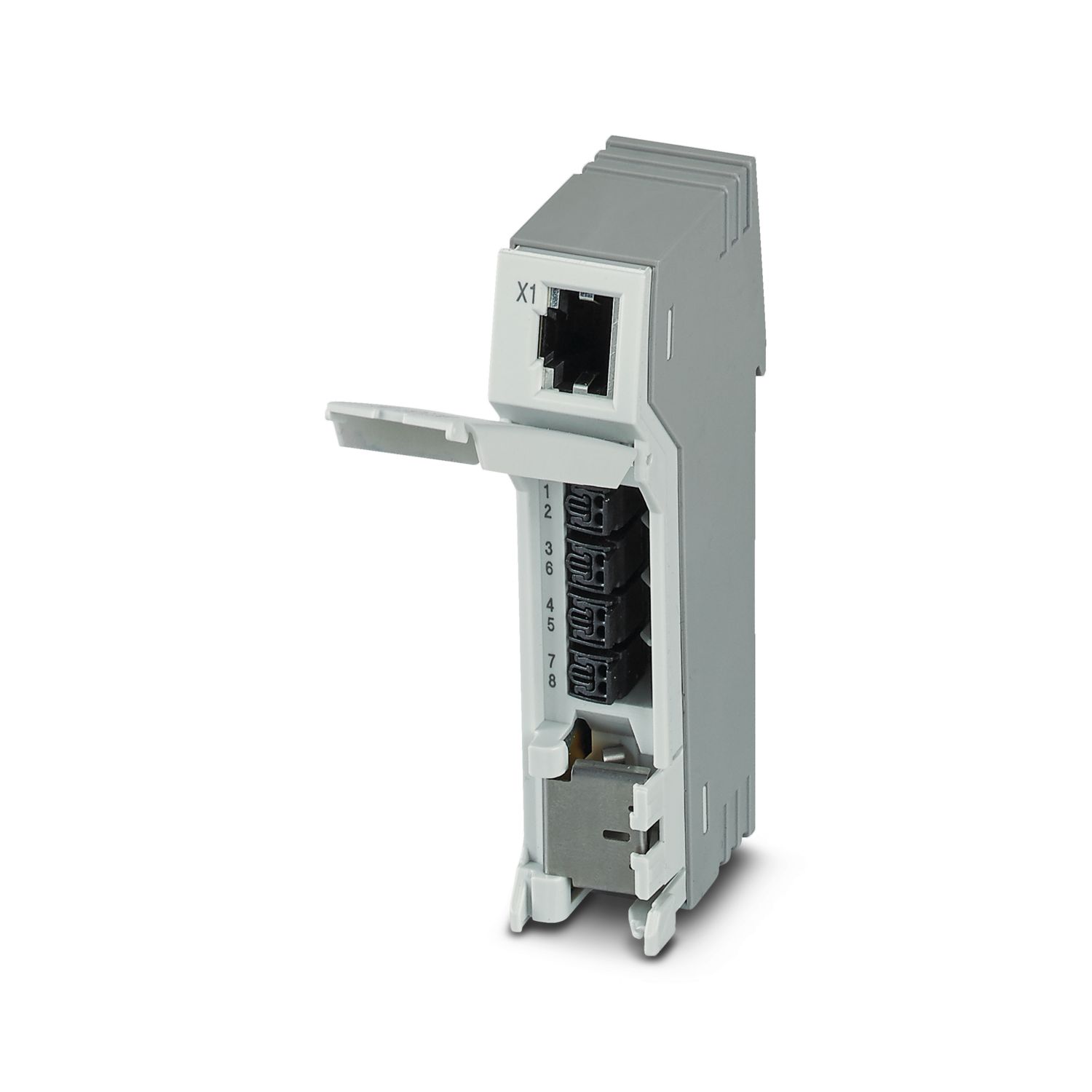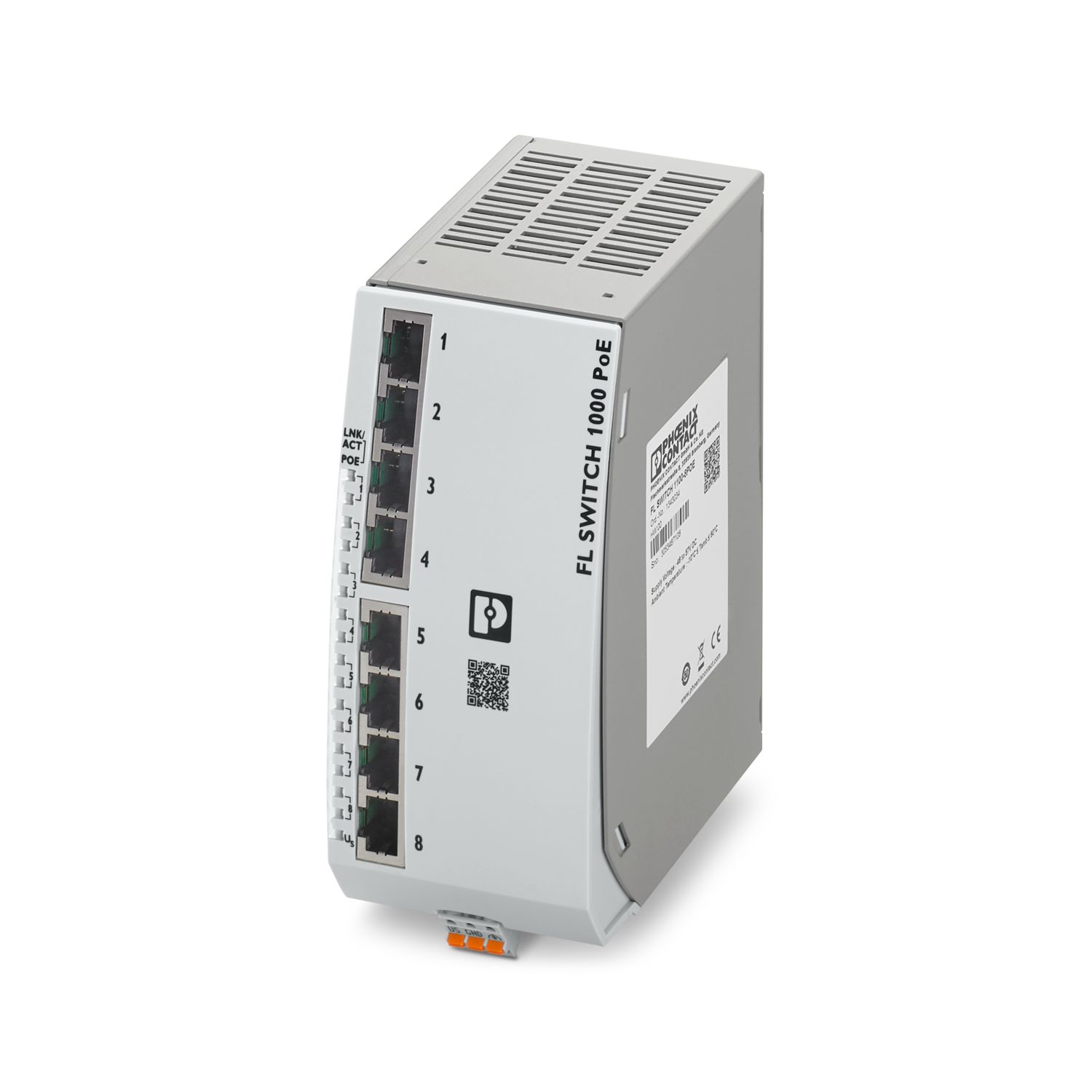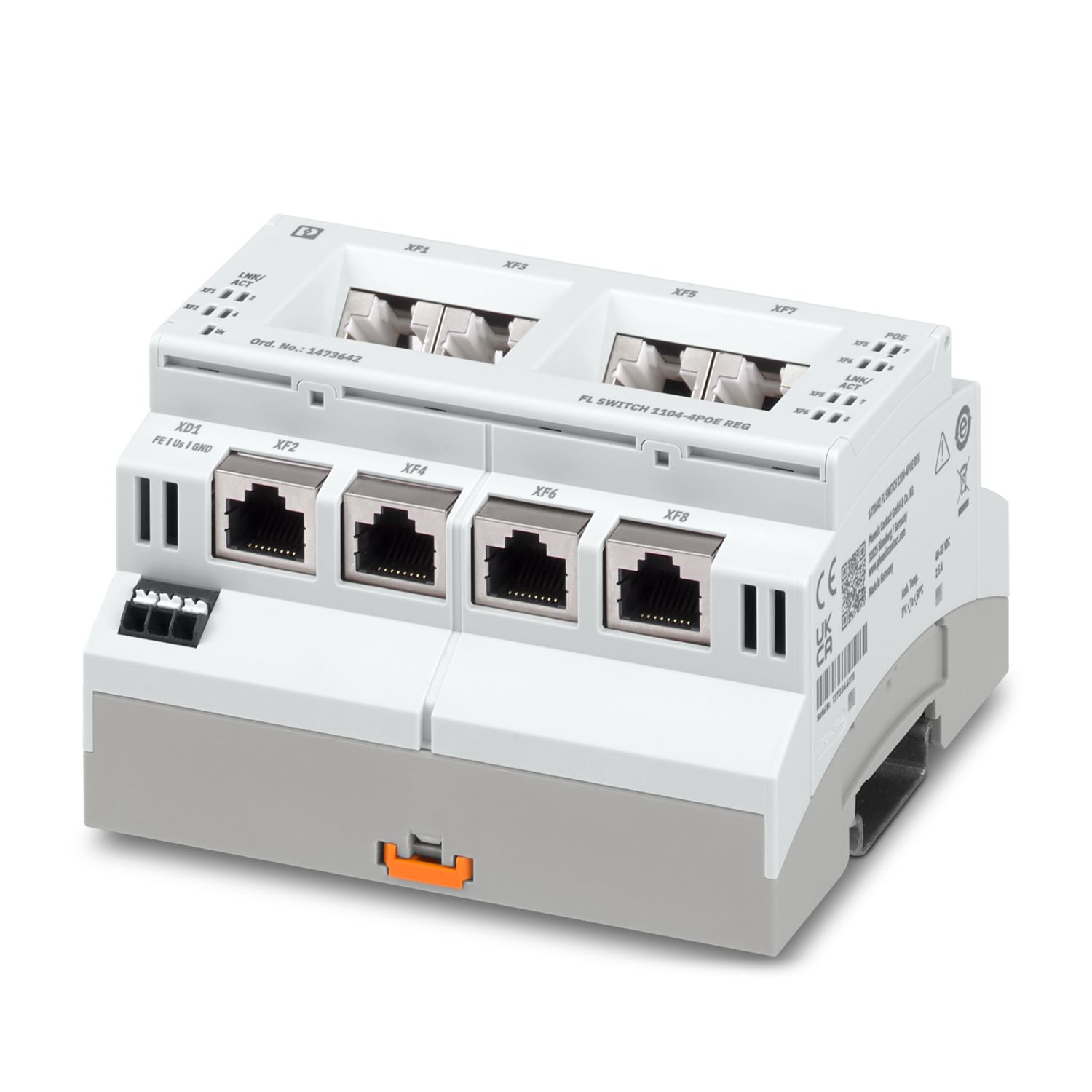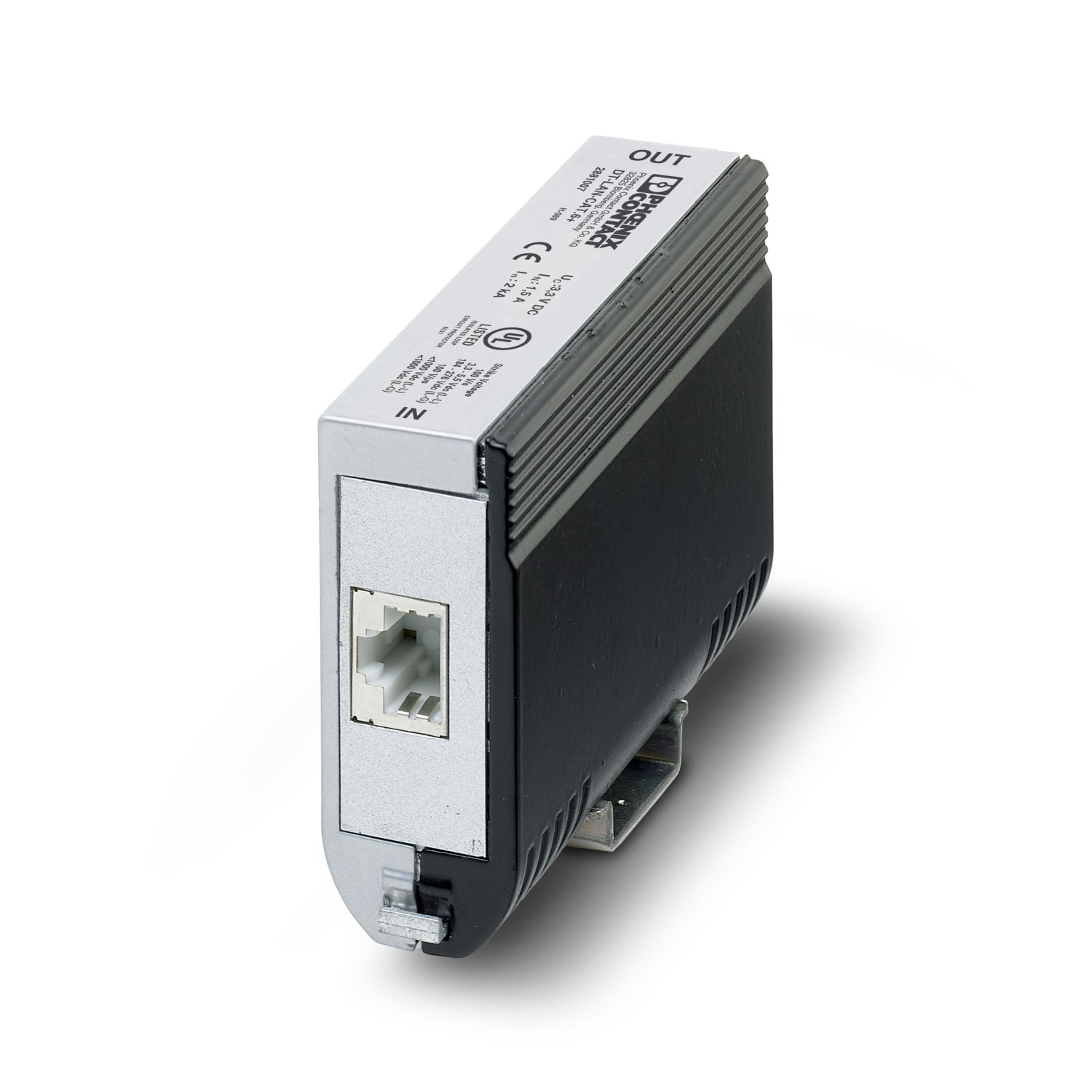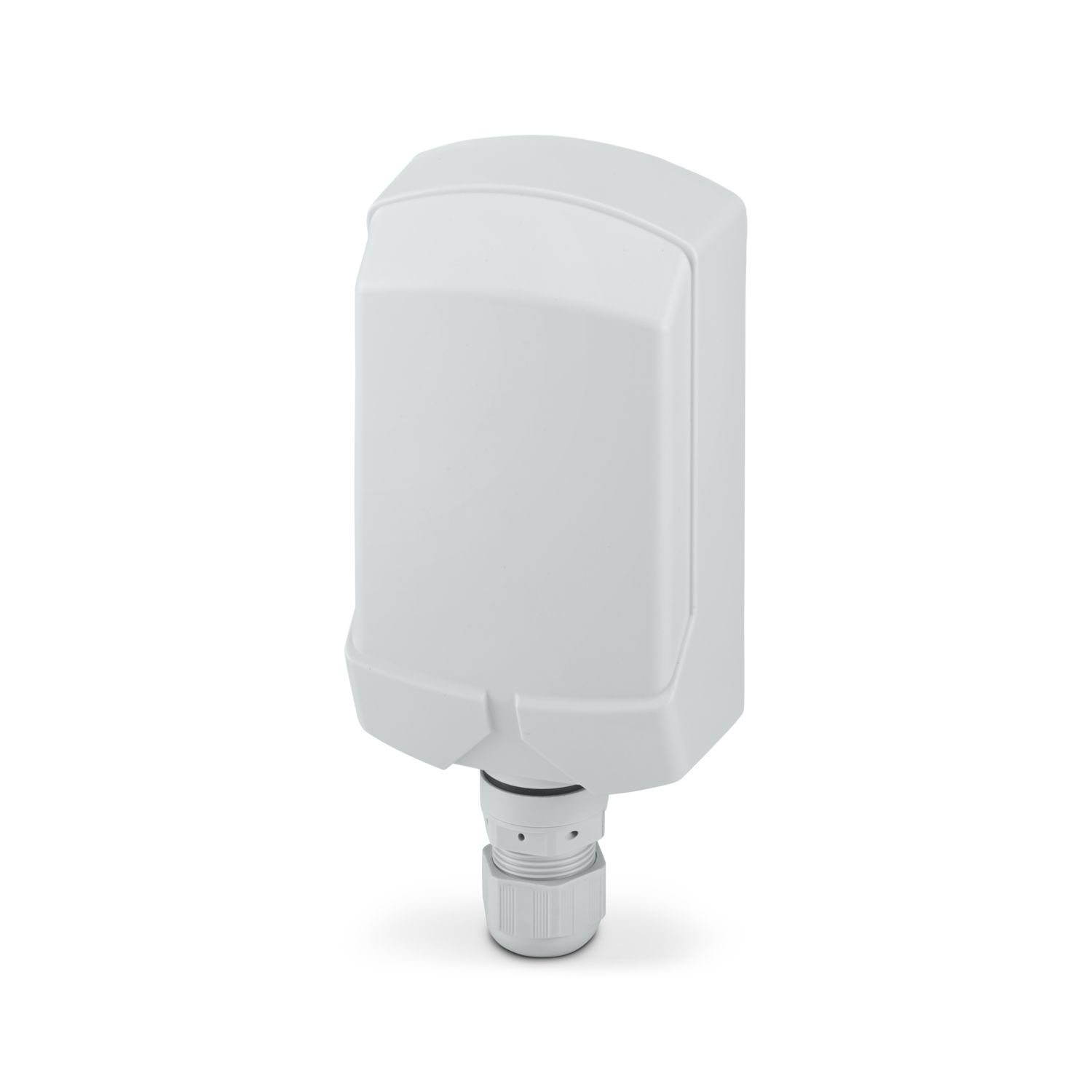
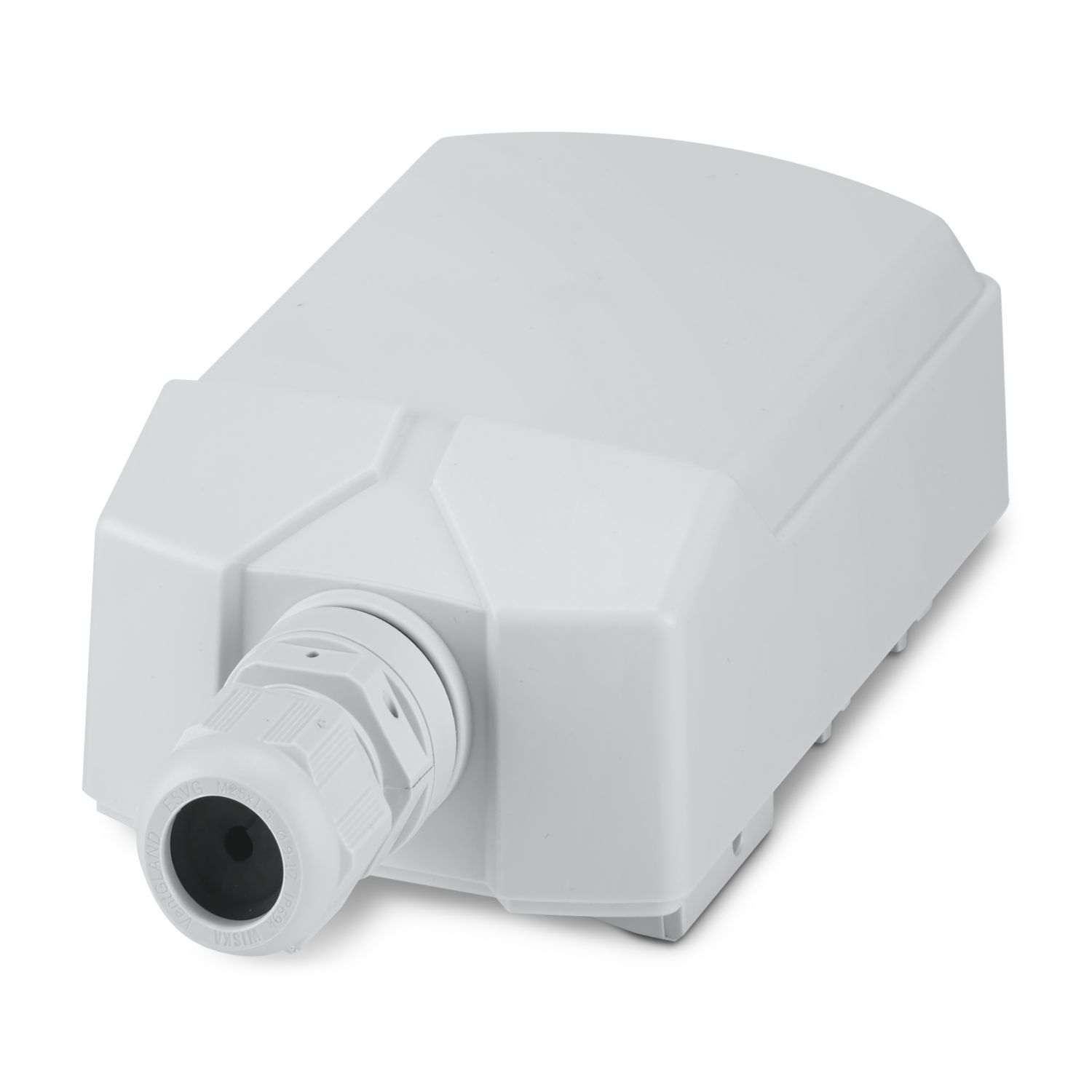
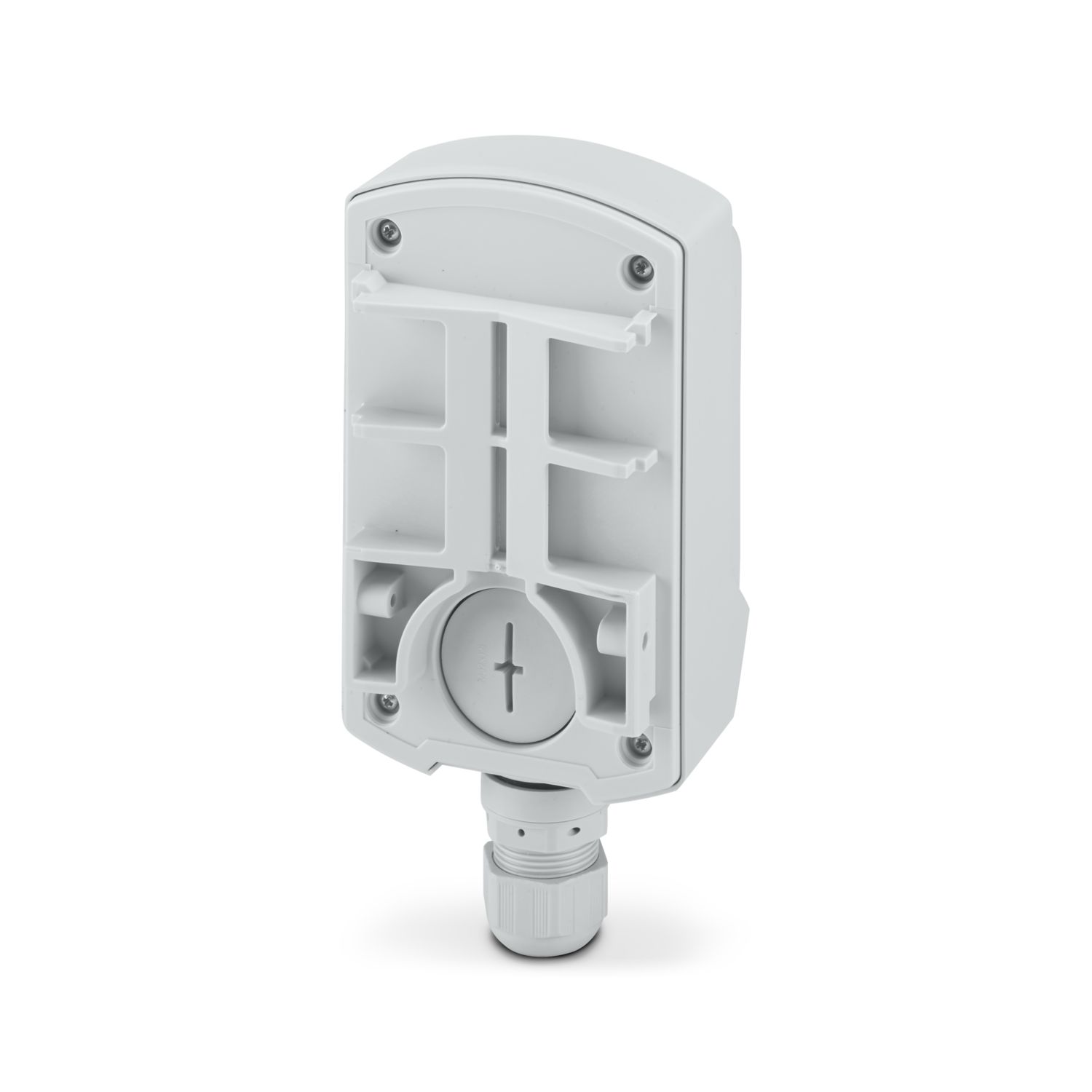
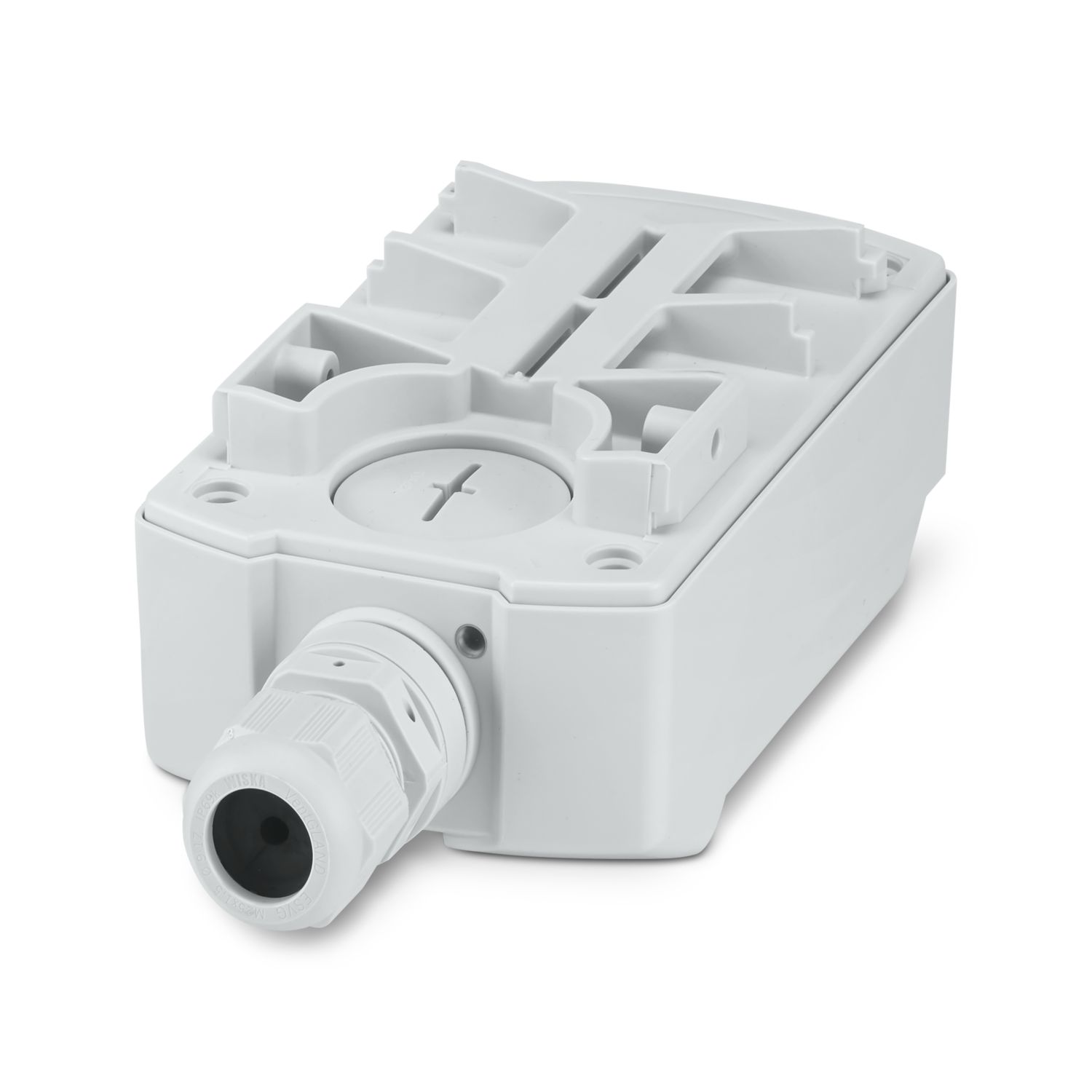
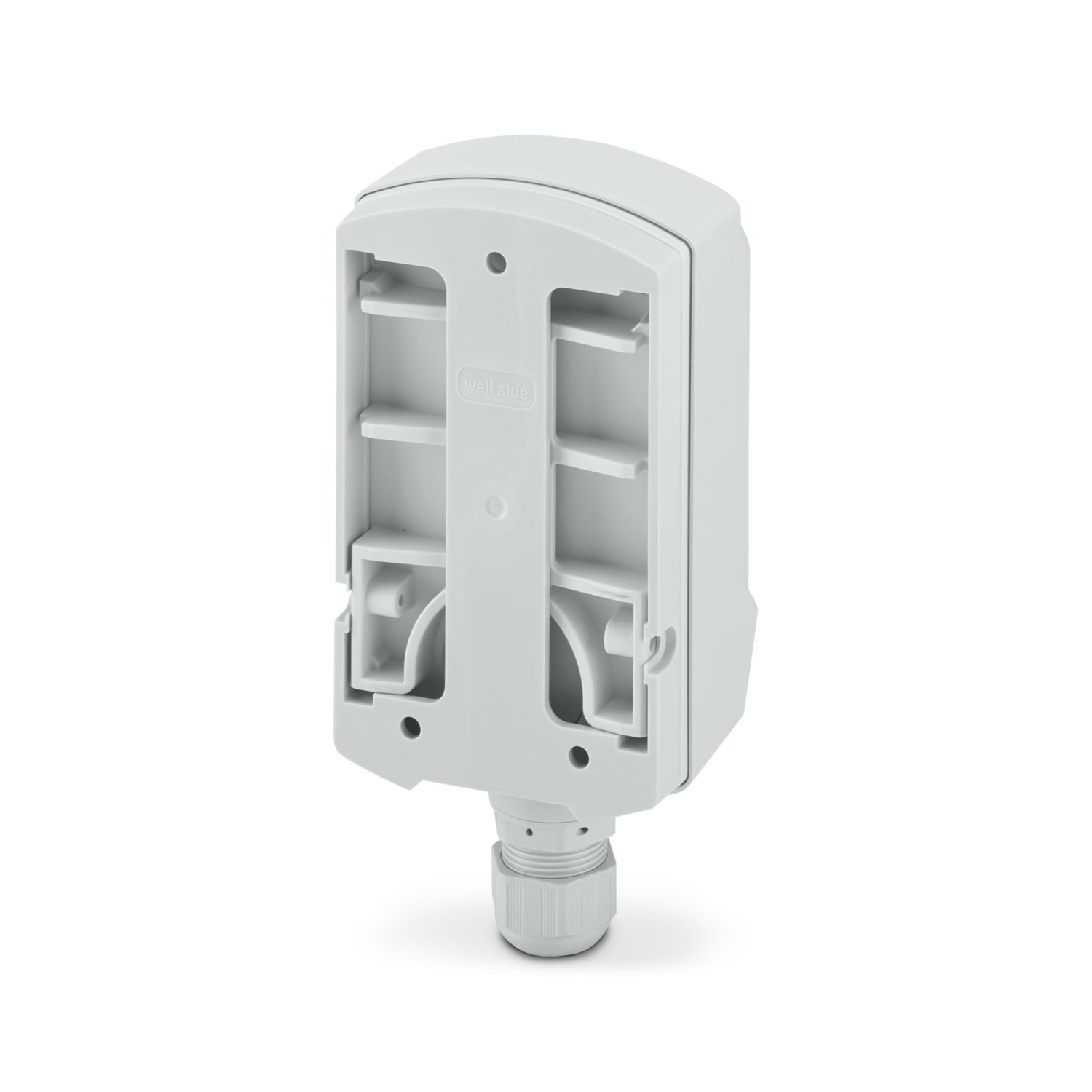
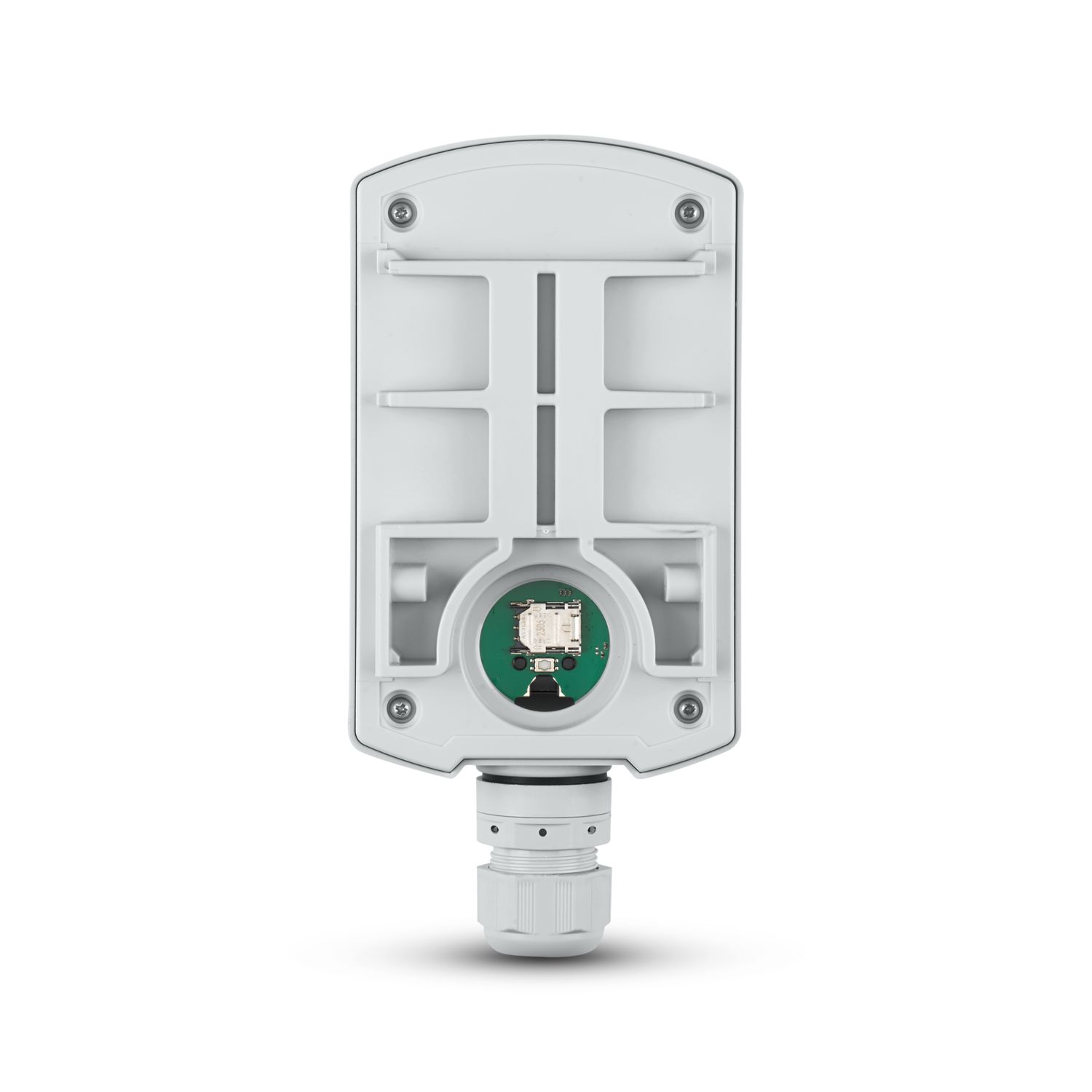
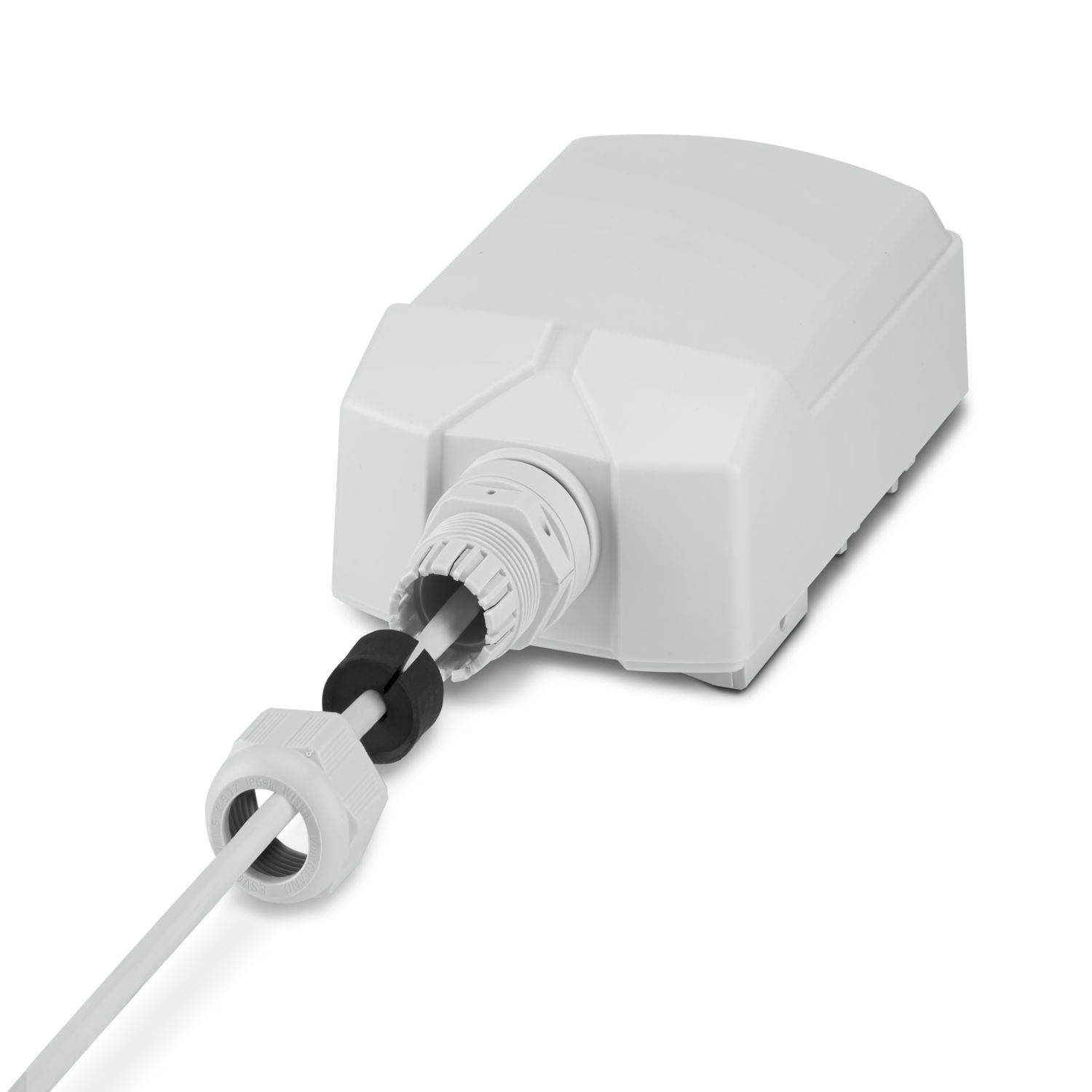
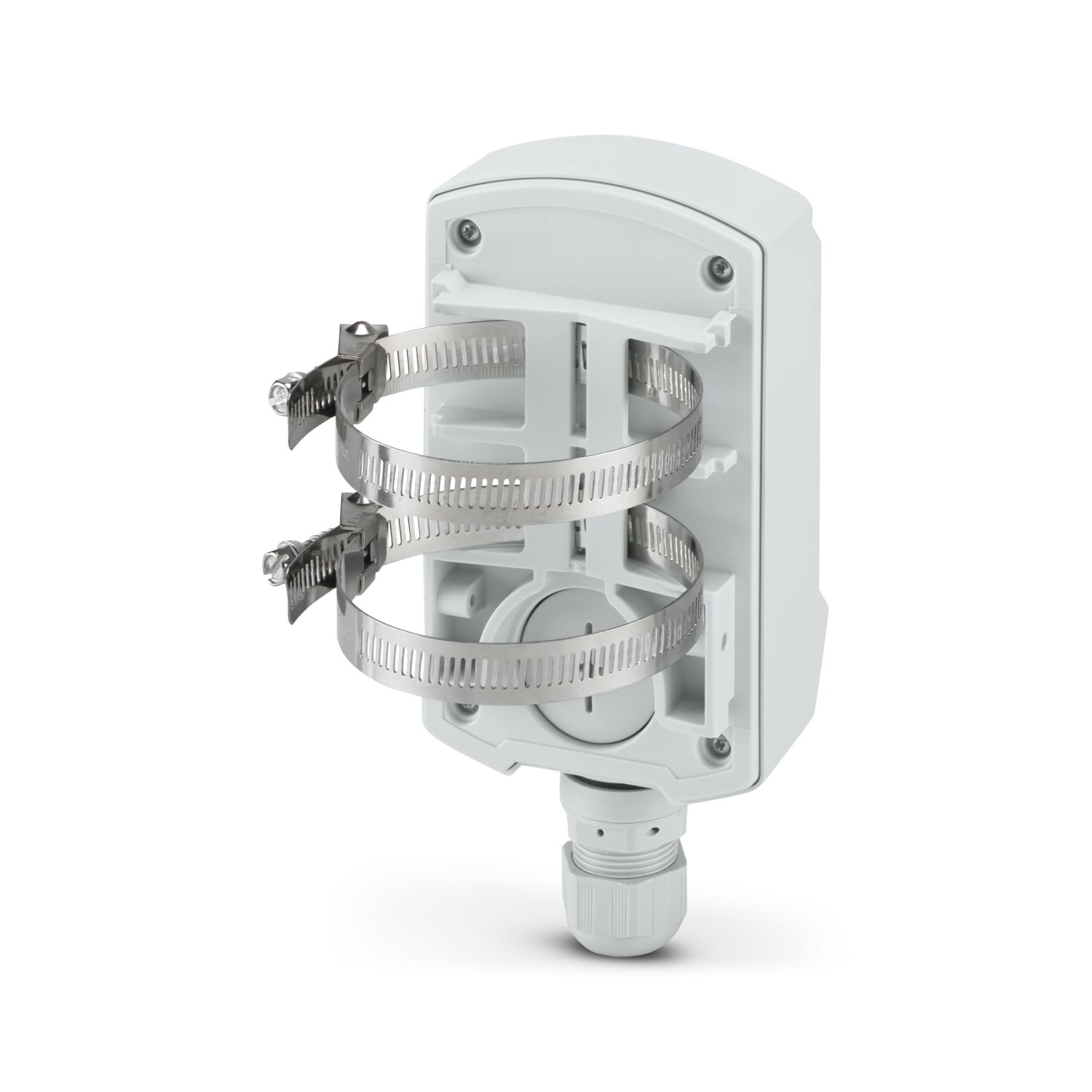
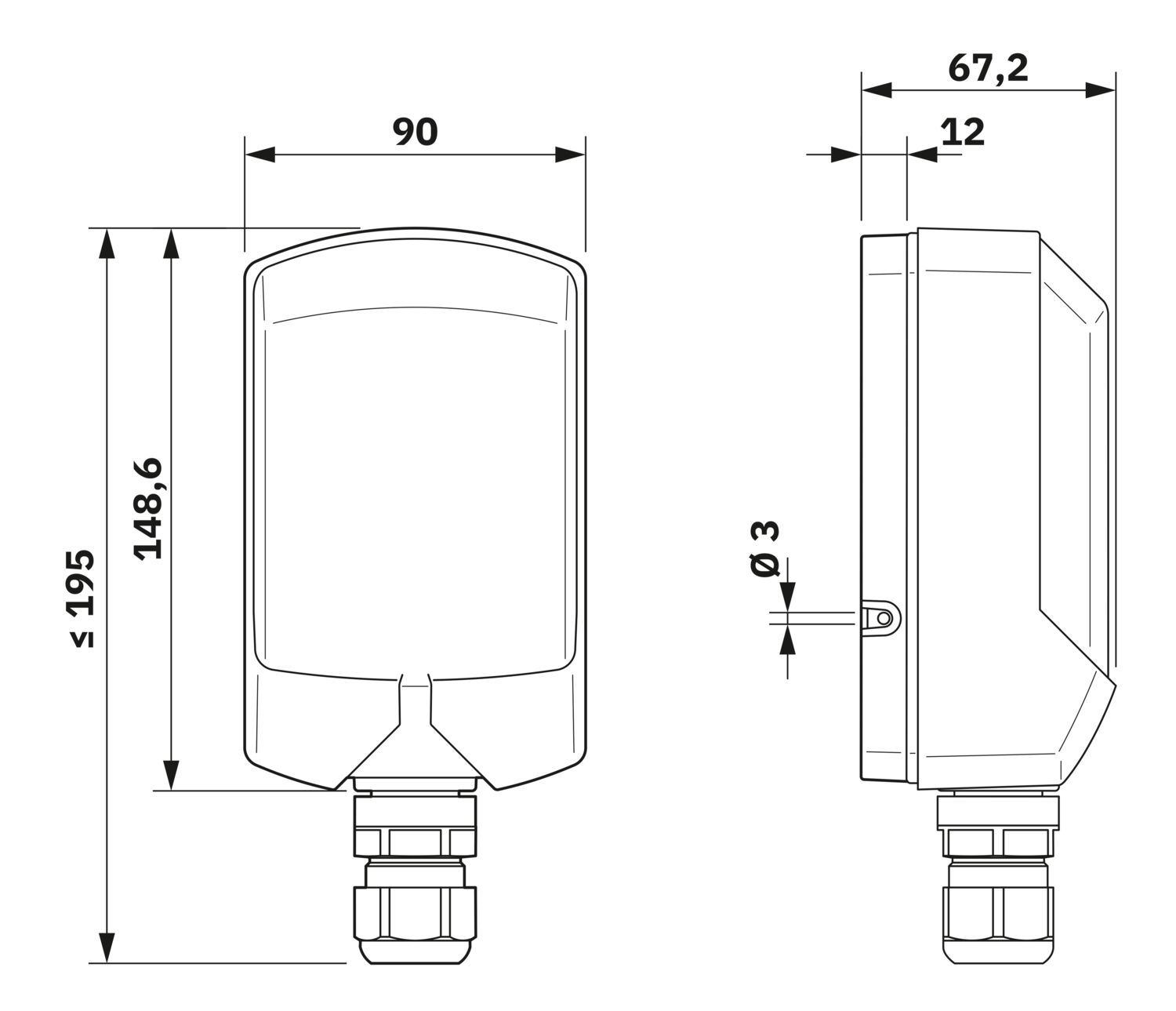
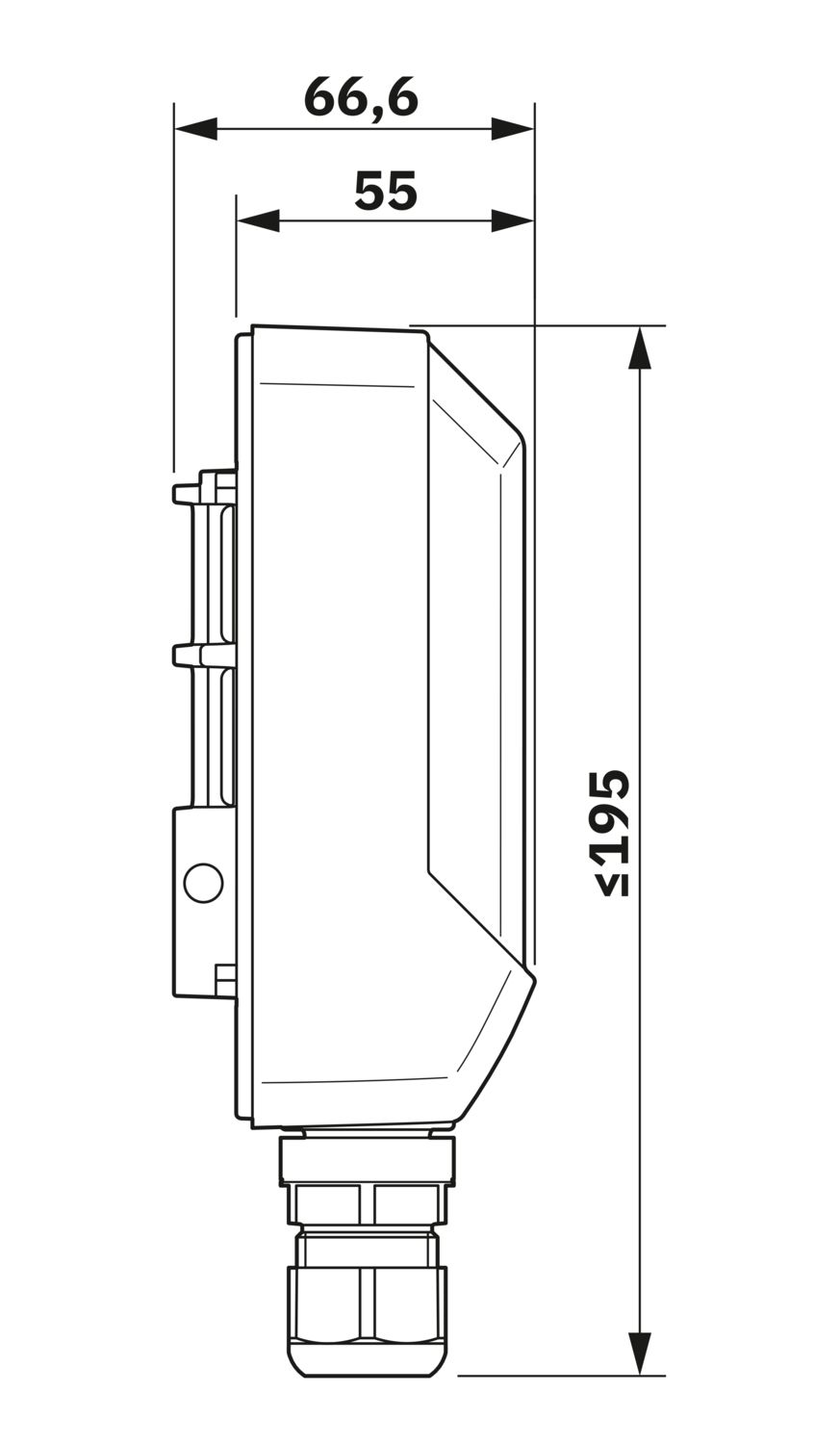
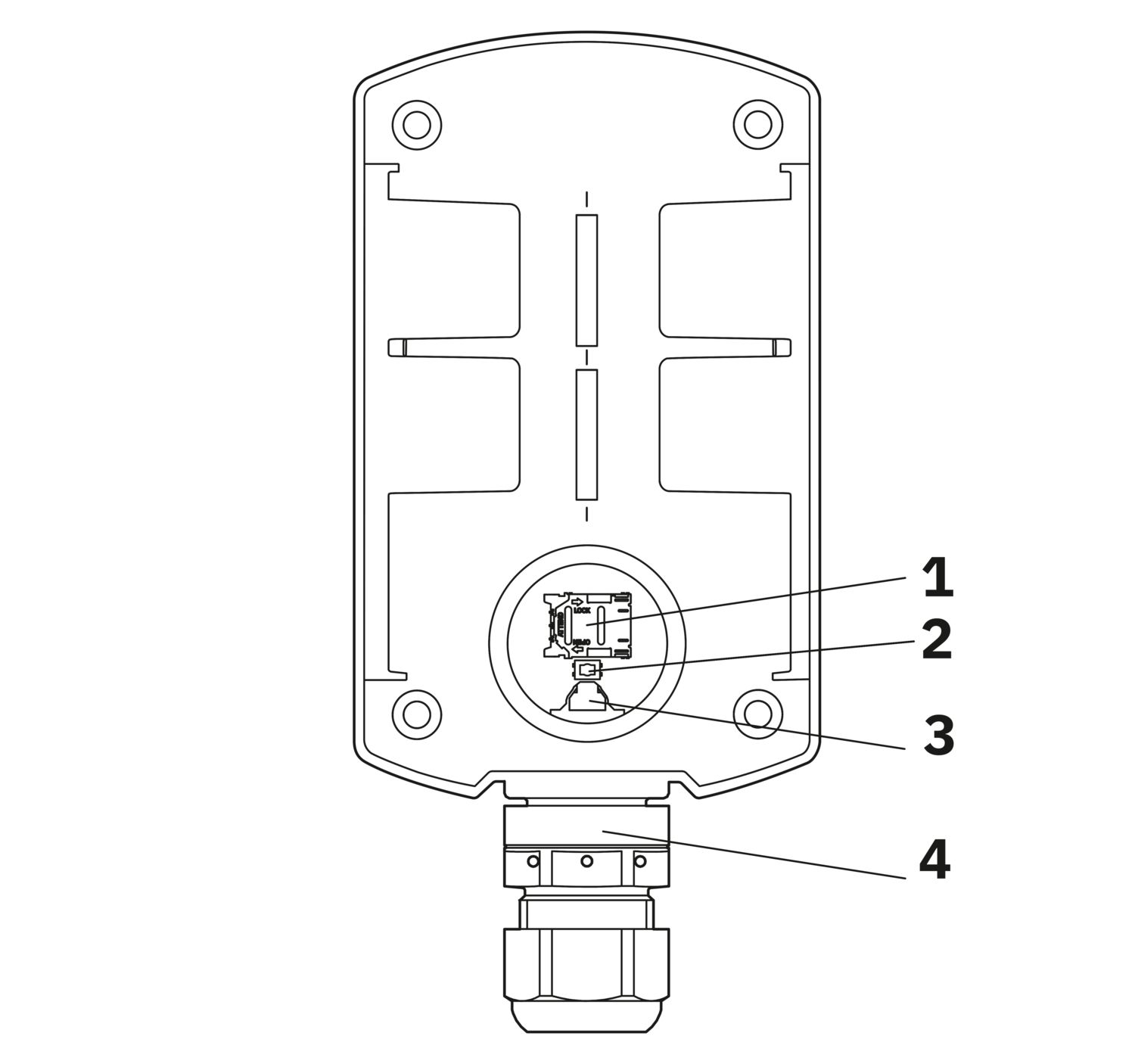
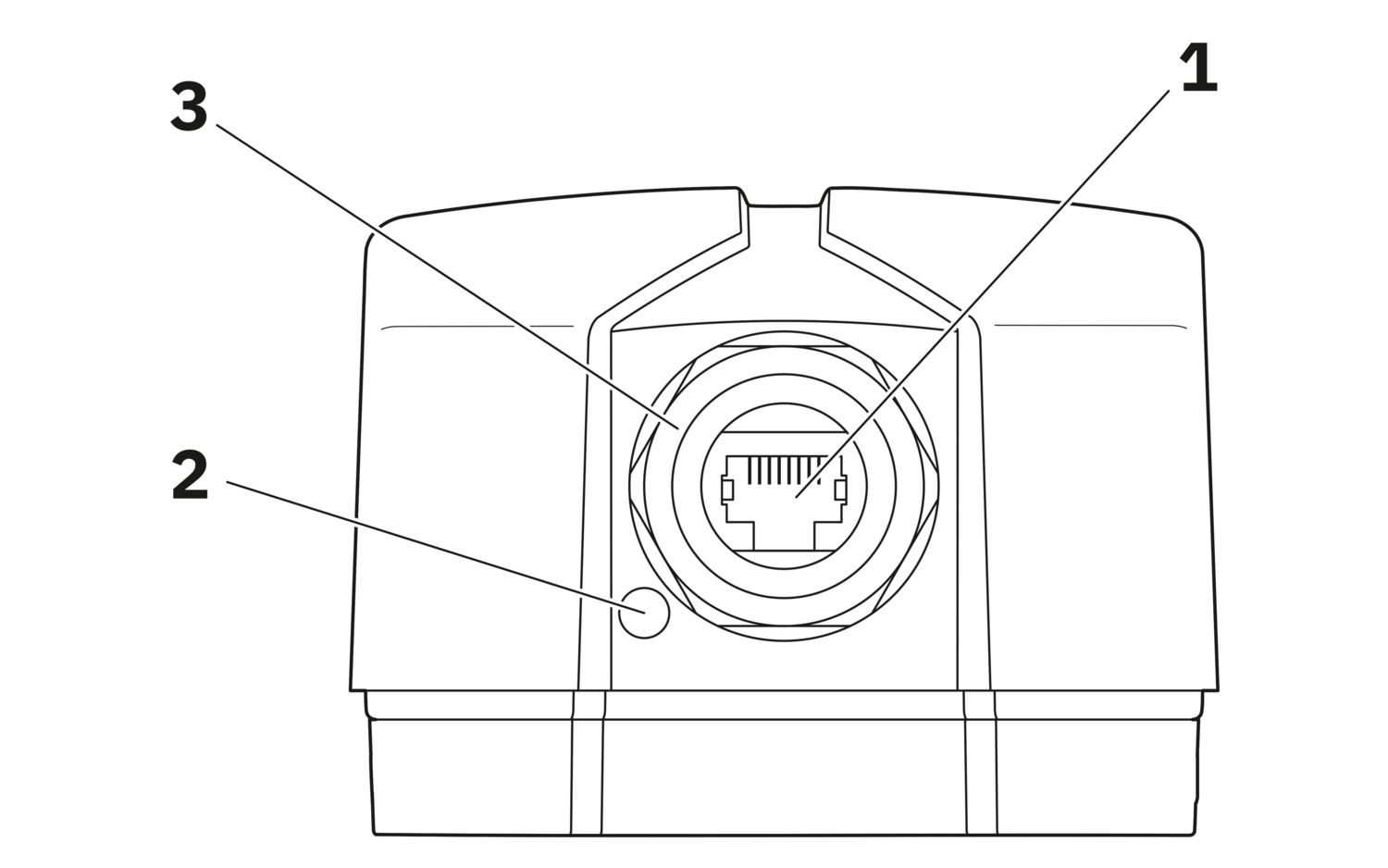
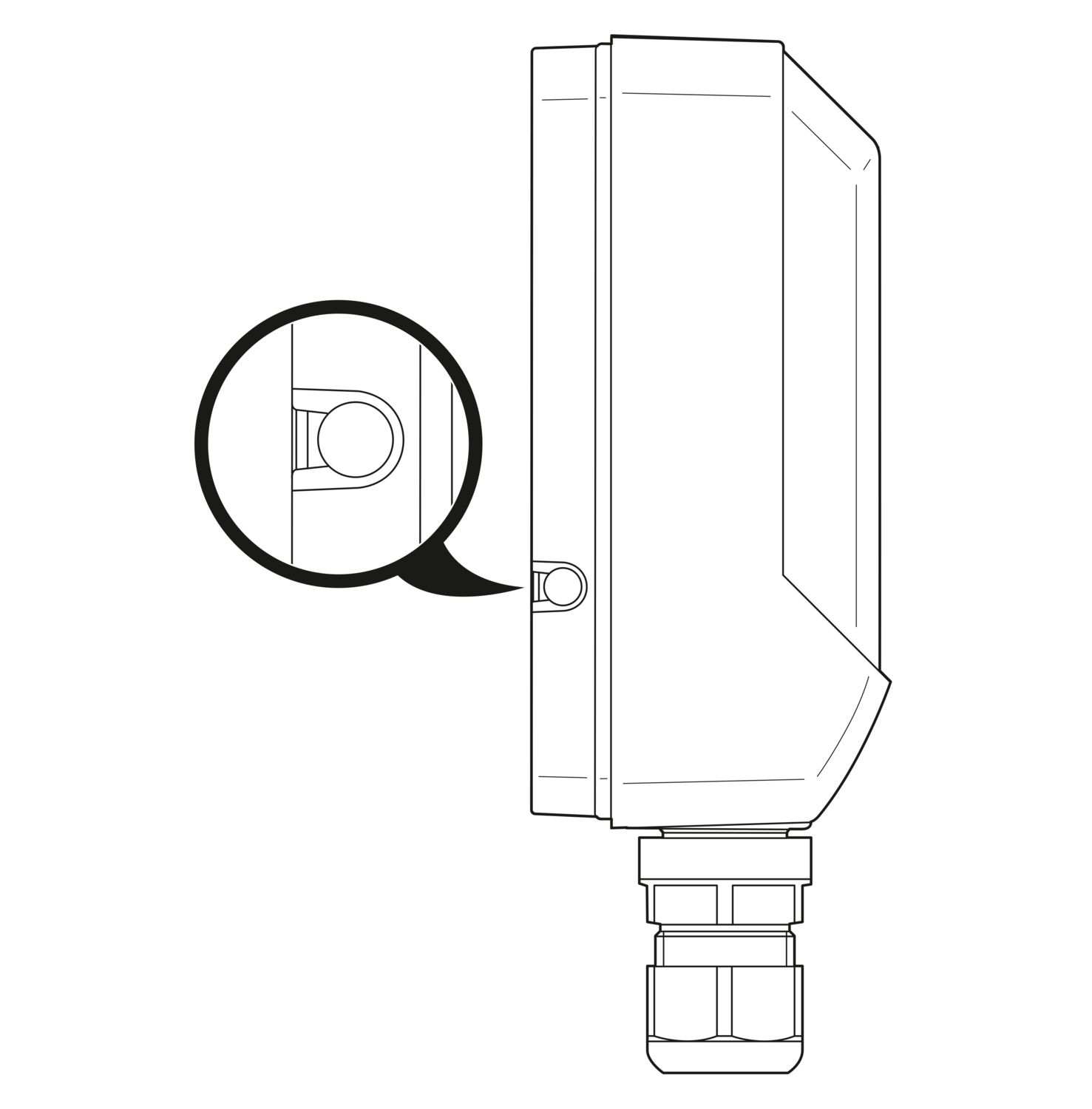
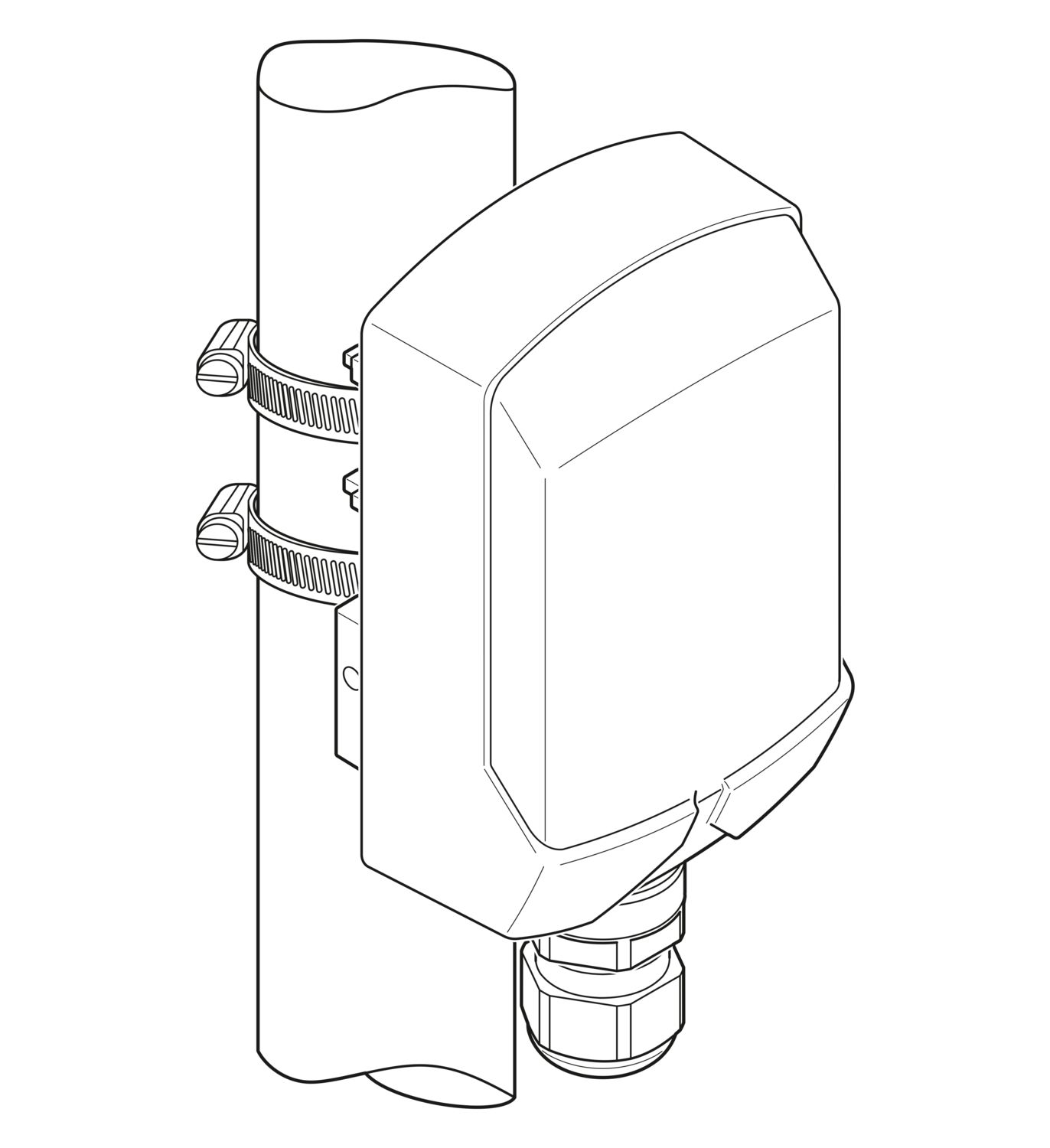
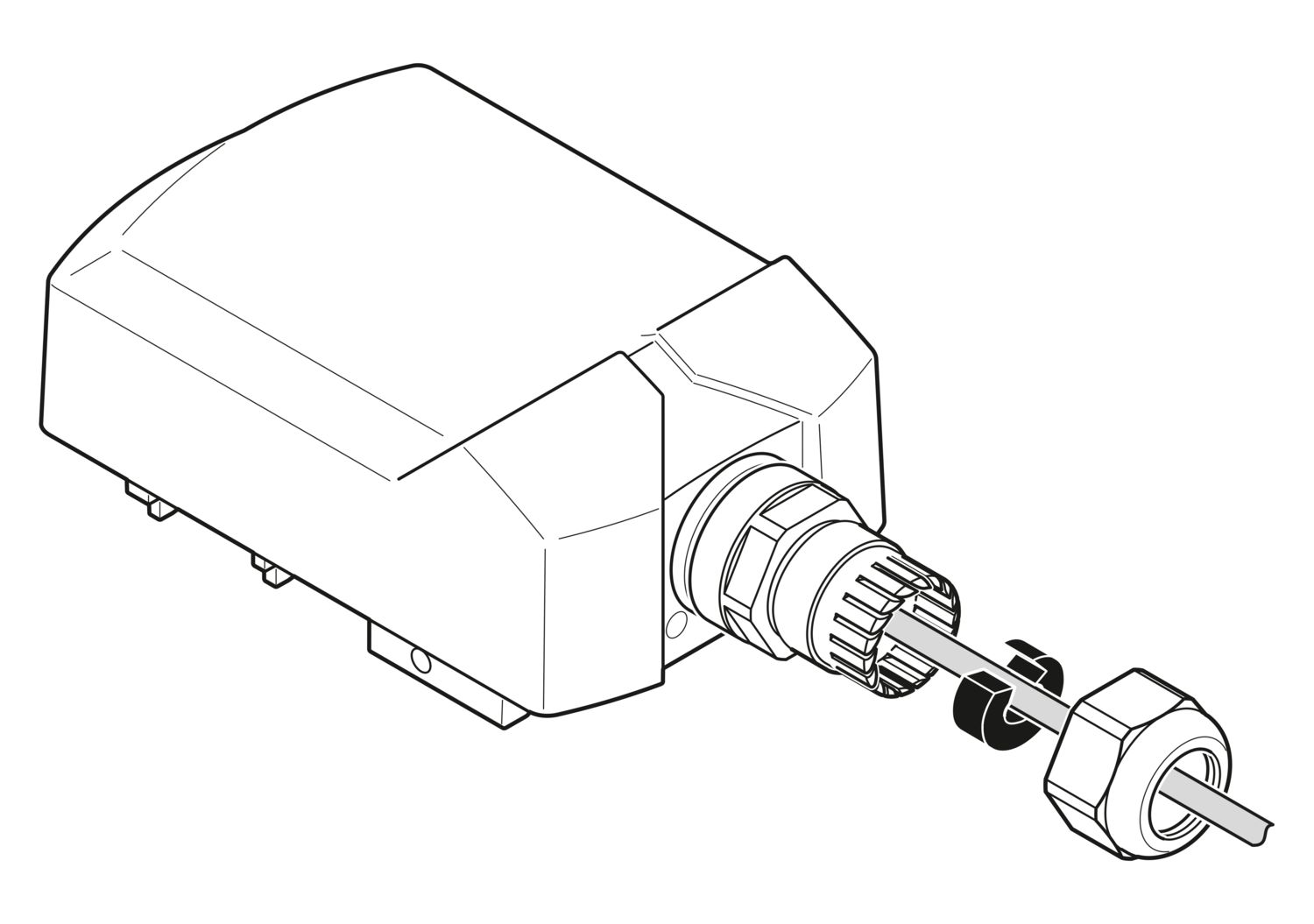
With Cellulink, network-enabled devices without a built-in cellular module can quickly and easily access cellular networks. The combination of integrated cellular technology, built-in antennas, and Power over Ethernet (PoE) significantly reduces installation and cabling effort. Cellulink provides more than just a cellular connection. With its integrated GNSS receiver for GPS, GLONASS, Galileo, and BeiDou, Cellulink supports global positioning and, as an NTP time server, also provides a precise time base for distributed systems. Both geolocation and time synchronization via GNSS work regardless of whether a SIM card is inserted or a cellular connection is active. This makes it possible to reliably locate plants, precisely assign events, and synchronize processes across multiple sites. The combination of cellular communication, location data, and time synchronization in a single device reduces integration effort and opens up new possibilities for IIoT, infrastructure, and energy applications.
CELLULINK 6501-5G GL M25
-
Router
1637531
Industrial 5G outdoor router, SA/NSA, integrated antennas, can be used worldwide, 4G/3G fallback, mast mounting, panel mounting with accessories, RJ45 port (PoE In), NAT, dual SIM, eSIM, geolocation and time synchronization via GNSS, IP66/69K, IK10, development process certified in accordance with IEC 62443-4-1, product certified in accordance with IEC 62443-4-2, being prepared for compliance with the CRA
Product details
Compatible products
Your advantages
Frequently asked questions
Can the device receive GNSS location data and the time even without a SIM card or Internet access?
Yes, both geolocation and time synchronization via GNSS (GPS, GLONASS, Galileo, BeiDou) work regardless of whether a SIM card is inserted or a cellular connection is active. The time is synchronized via NTP. Location data can be retrieved via the website or the REST API.
Can the Cellulink devices establish a VPN tunnel?
No, the Cellulink devices do not have a VPN function. Especially when the device is mounted remotely in public spaces, unencrypted communication from your application to the mounting location of the device provides a target for attack. Your applicati... View more
No, the Cellulink devices do not have a VPN function. Especially when the device is mounted remotely in public spaces, unencrypted communication from your application to the mounting location of the device provides a target for attack. Your application should always be end-to-end encrypted. Use a VPN-capable controller such as PLCnext Control or a security appliance such as the mGuard product family for this. The normal Internet communication to a cloud or to web servers should already be encrypted. Use TLS encryption (HTTPS, MQTTS), for example, for this. A VPN function in Cellulink is then no longer necessary. If you still need a cellular router with VPN function, use the TC ROUTER product family.
View lessDo the Cellulink devices have an energy-saving mode?
The devices do not have an energy-saving mode. However, you can switch off the cellular module via web-based management or an API. This significantly reduces the energy consumption of the device. Communication via the cellular network is then no long... View more
The devices do not have an energy-saving mode. However, you can switch off the cellular module via web-based management or an API. This significantly reduces the energy consumption of the device. Communication via the cellular network is then no longer possible.
You can achieve maximum energy savings by switching off the device completely. For example, a controller can switch the PoE supply via a relay. Please note that it takes some time for the device to start and be registered in the cellular network.