
PTCB BE PT 6/10
-
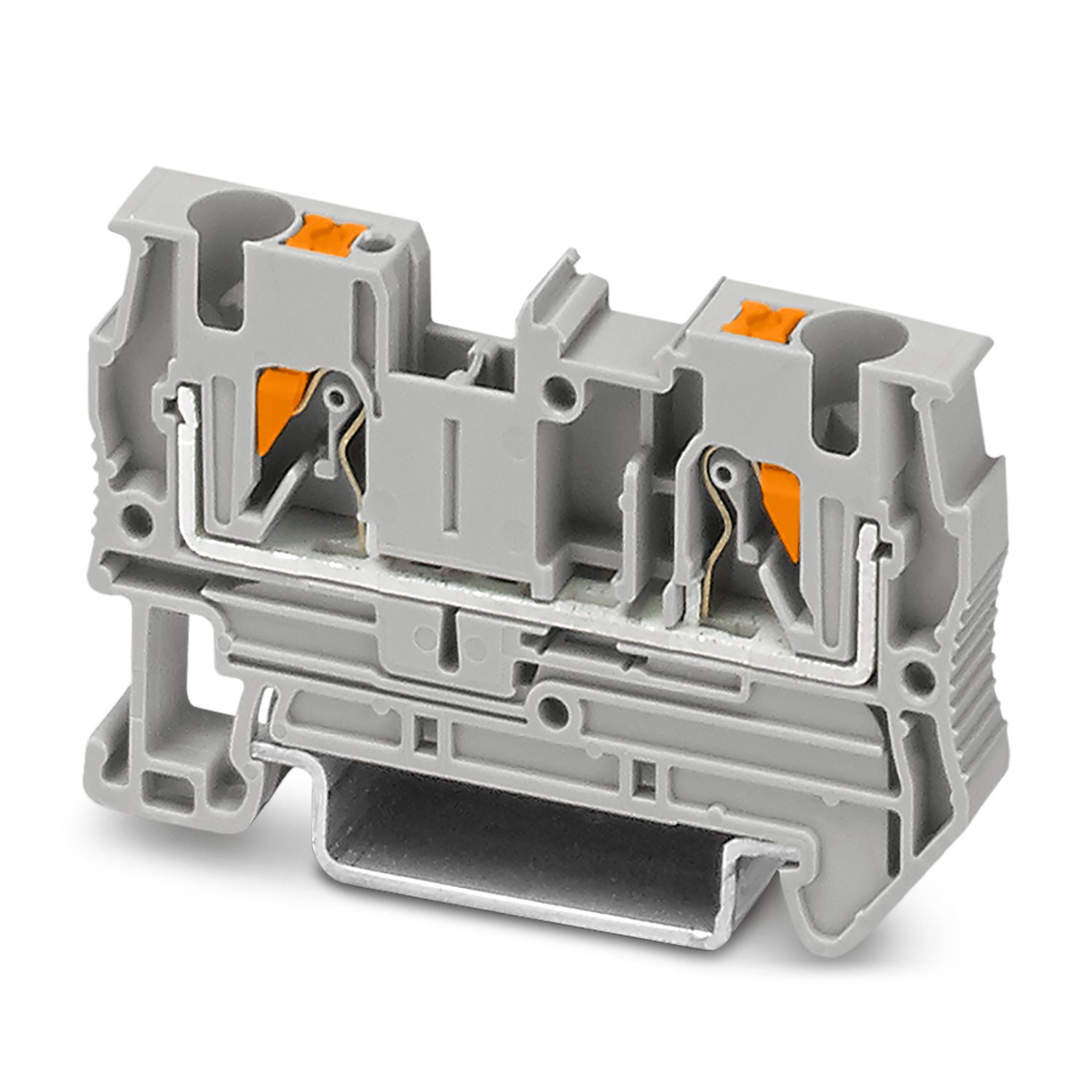
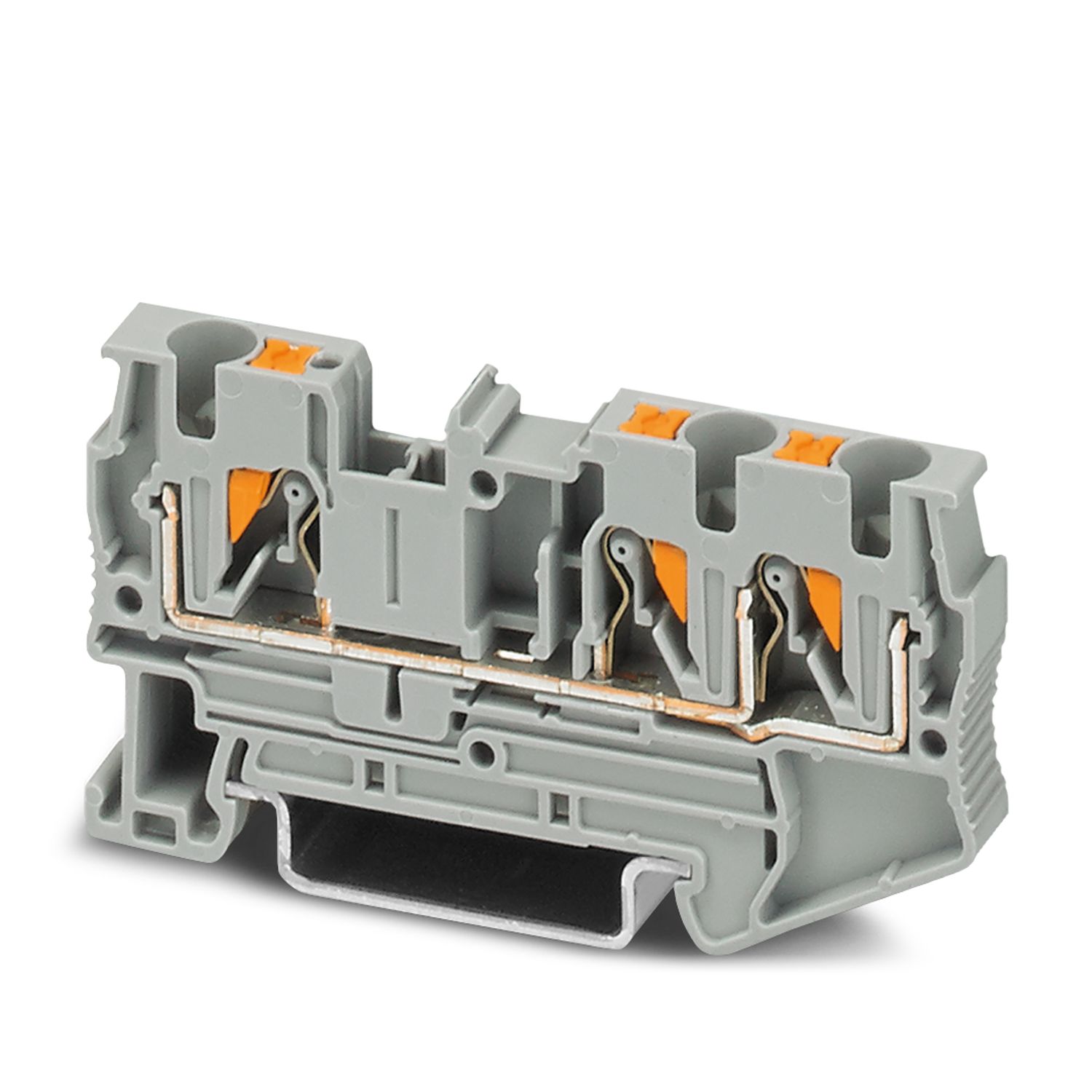
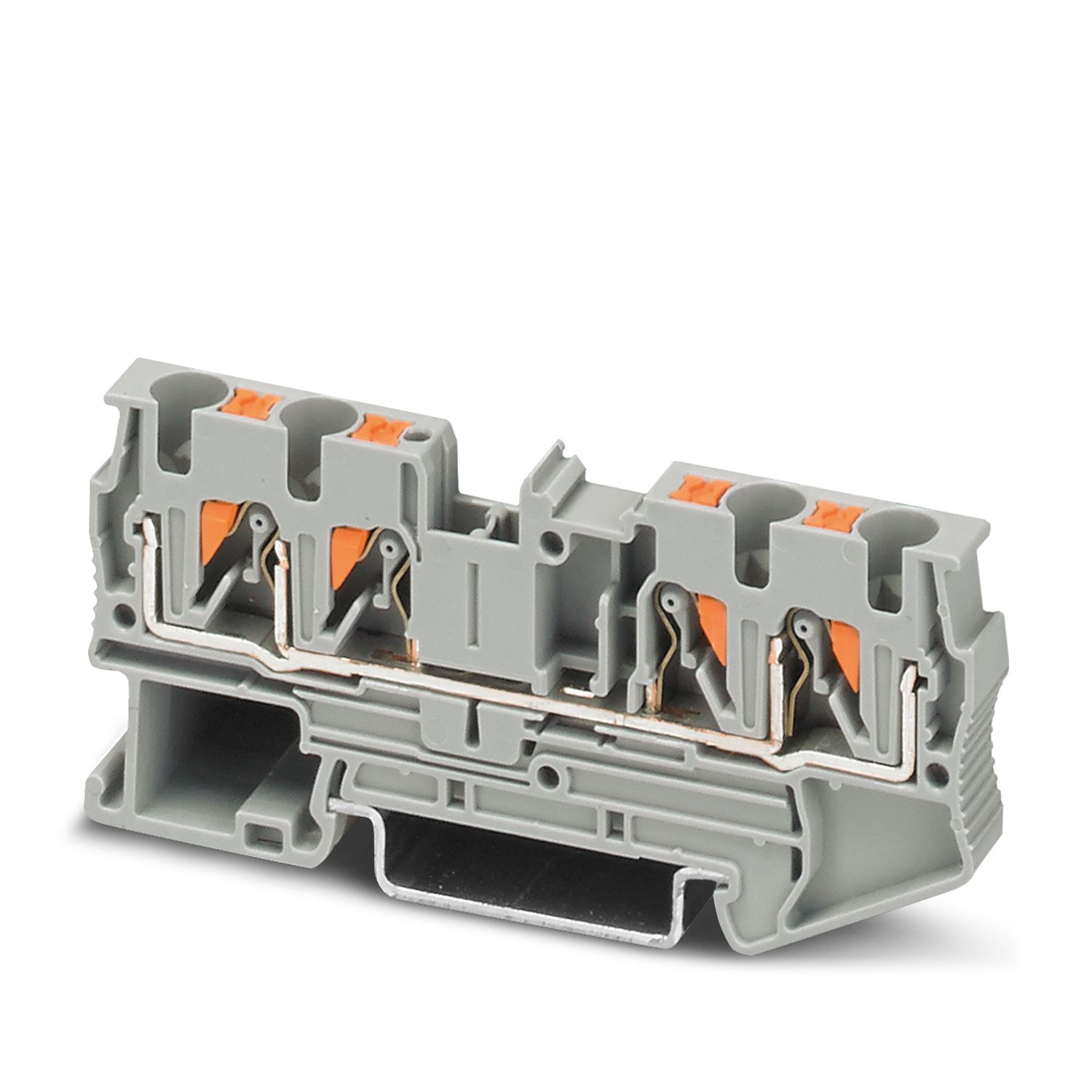
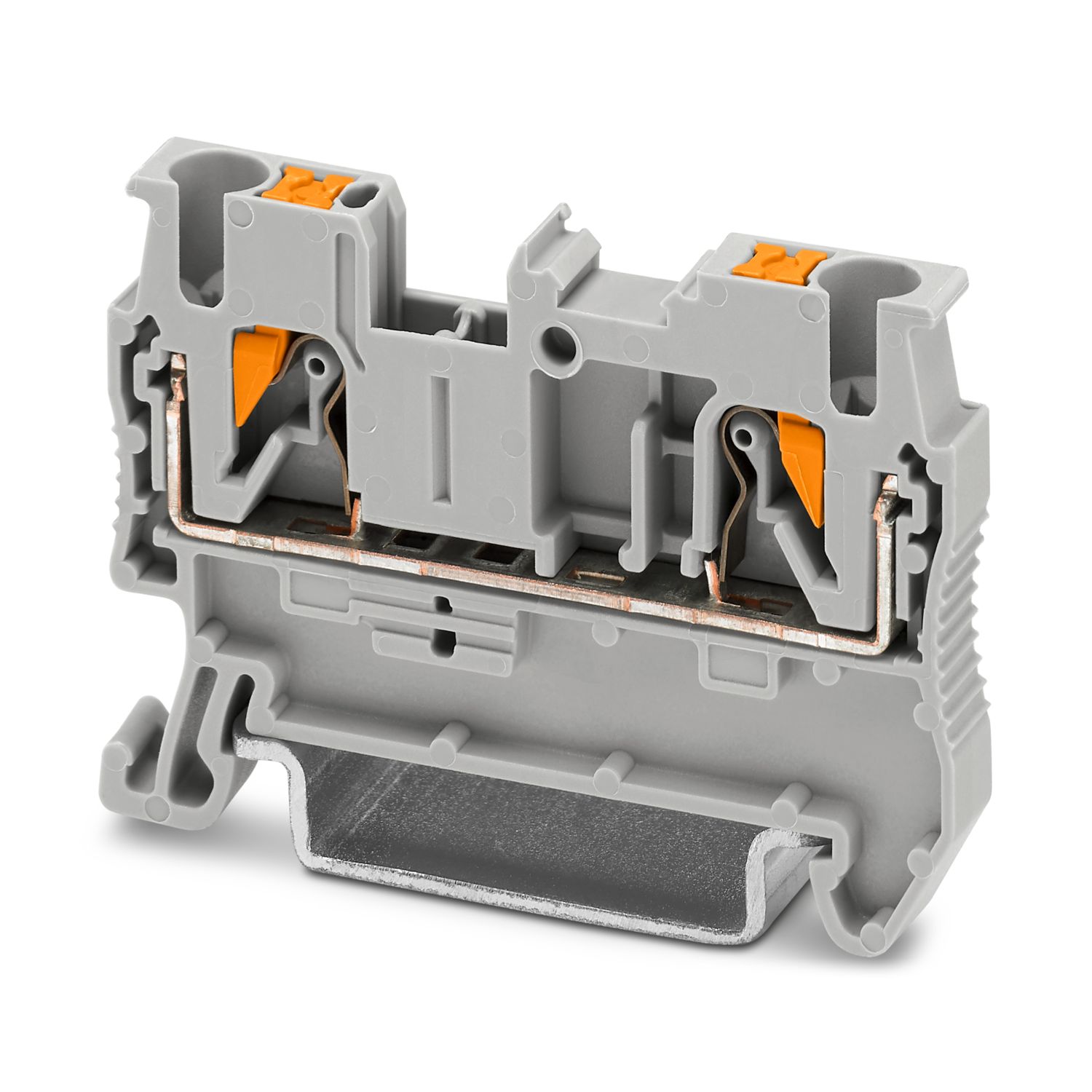
Elemento de base
1760600
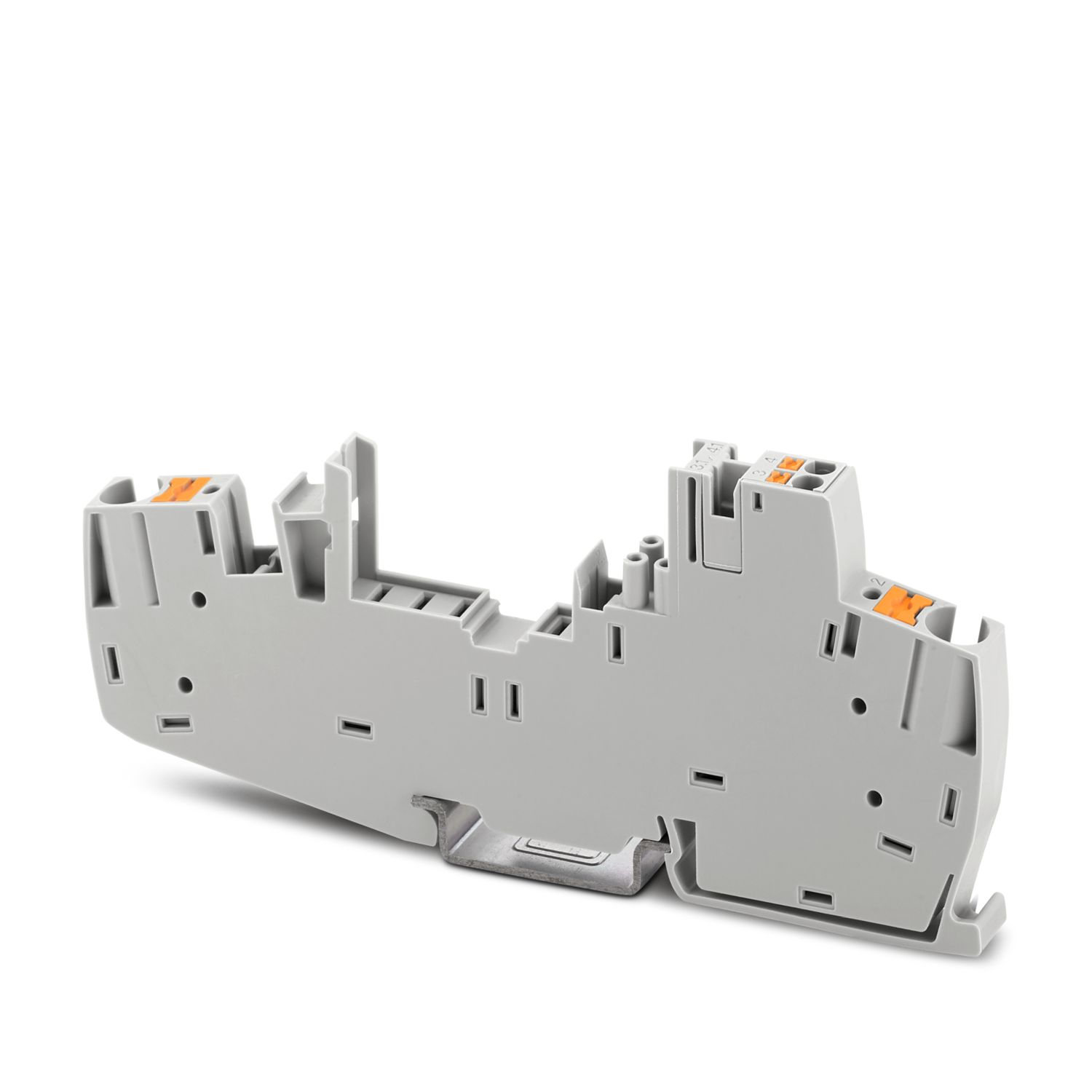
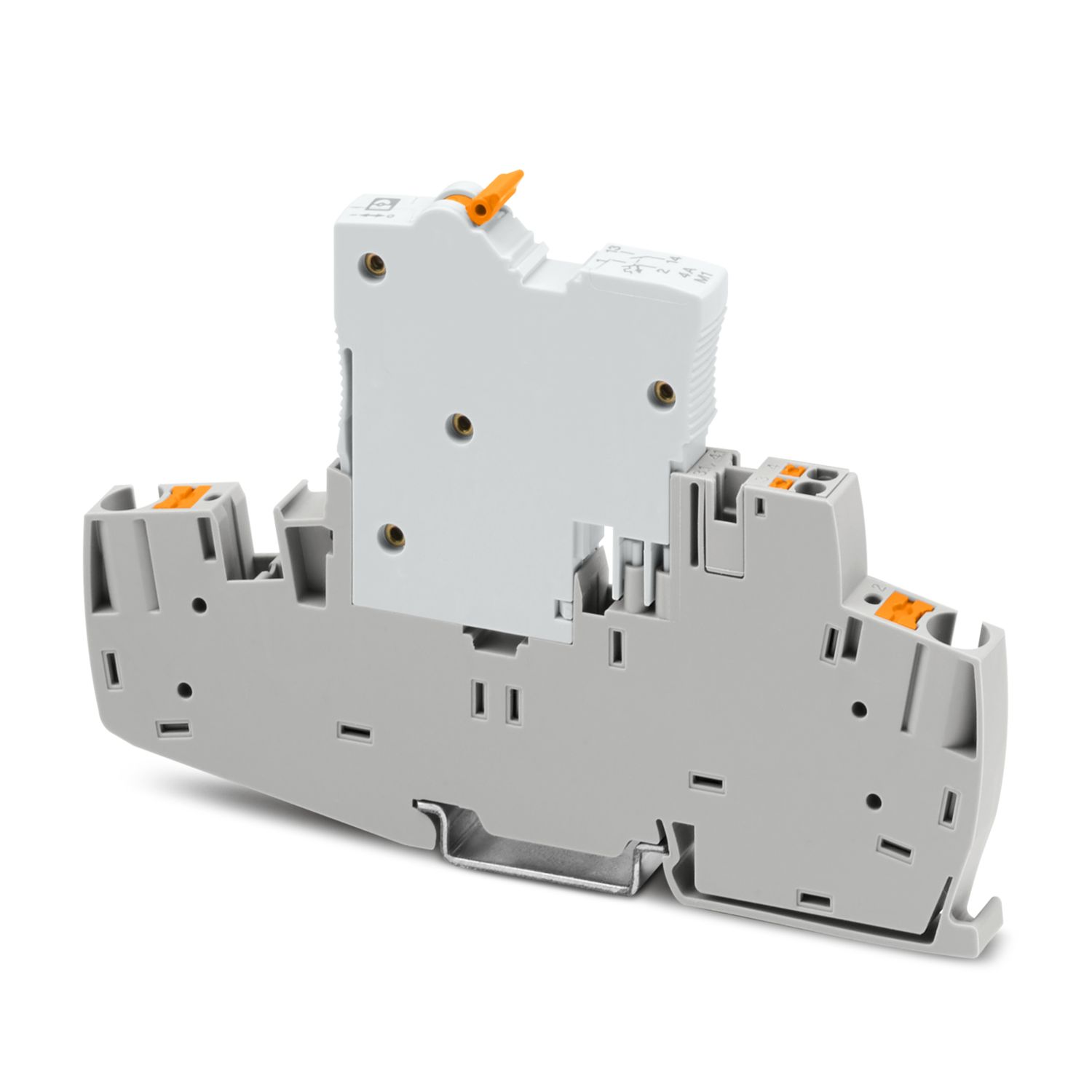
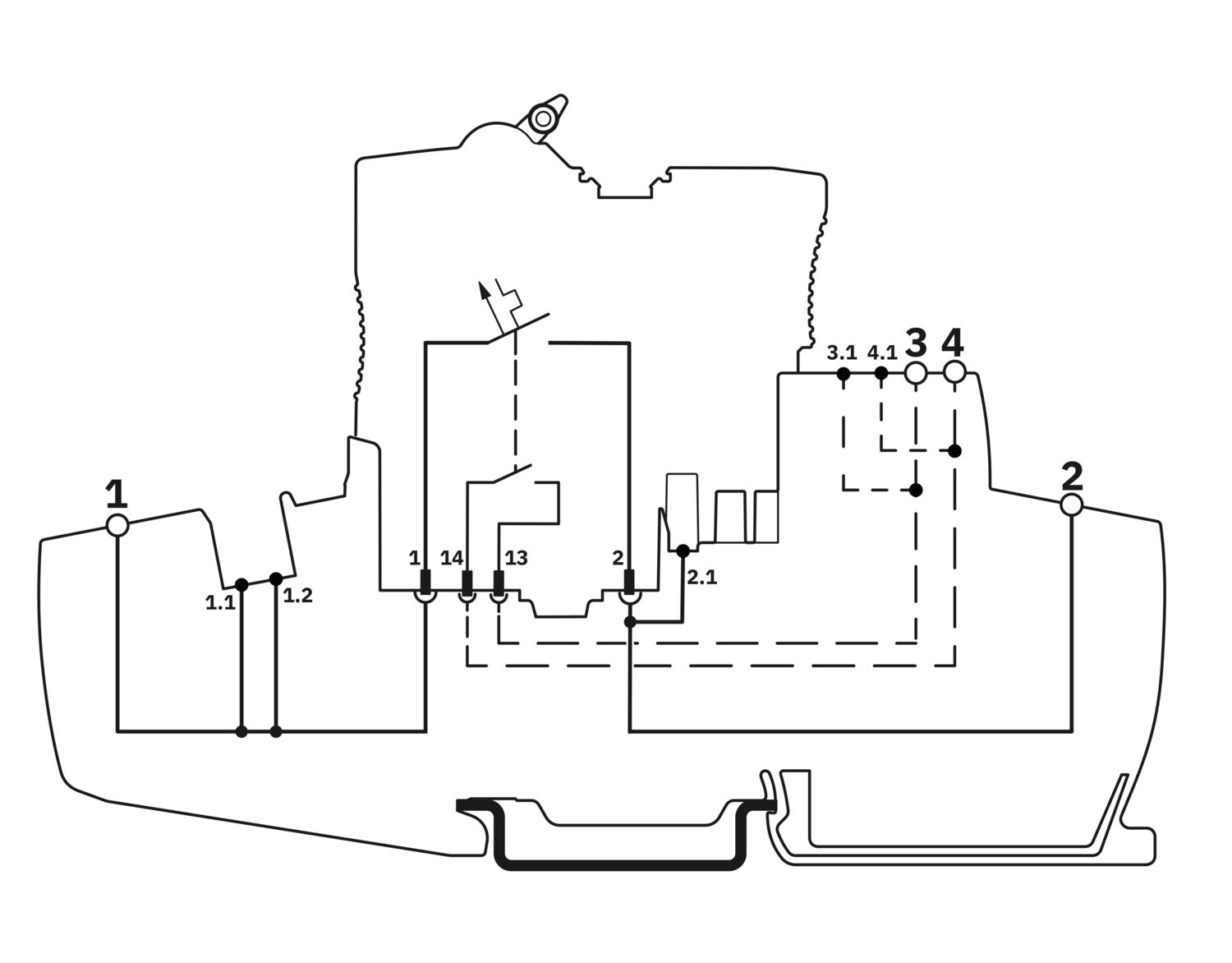
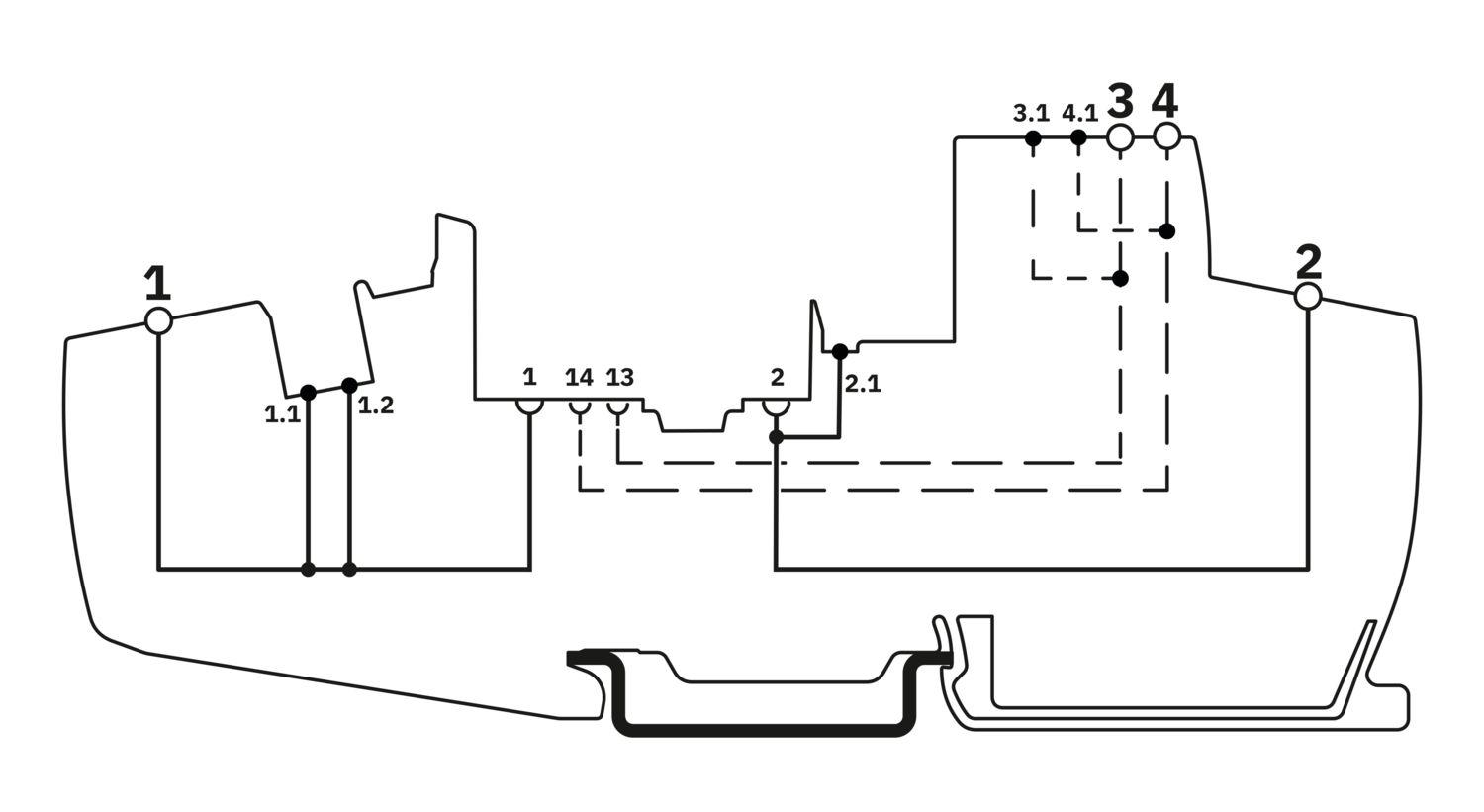
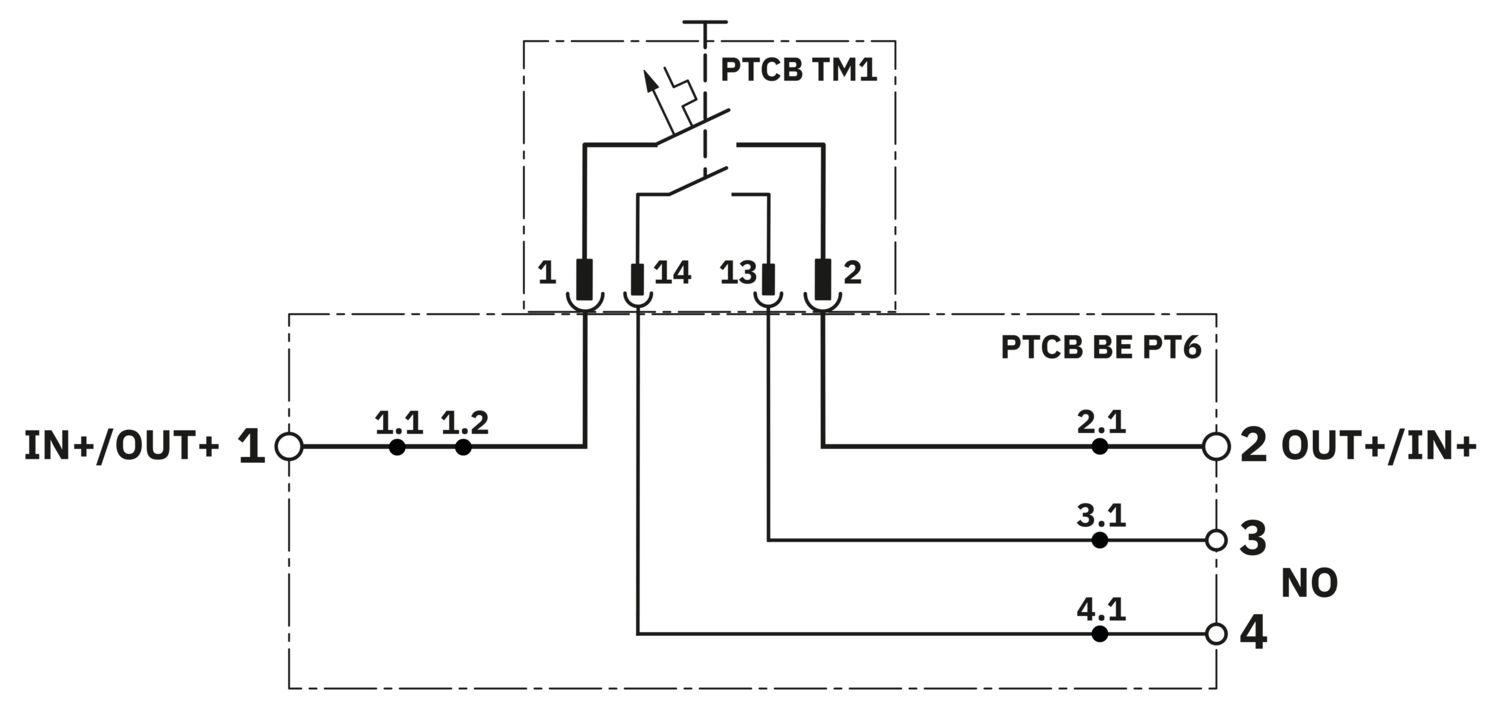
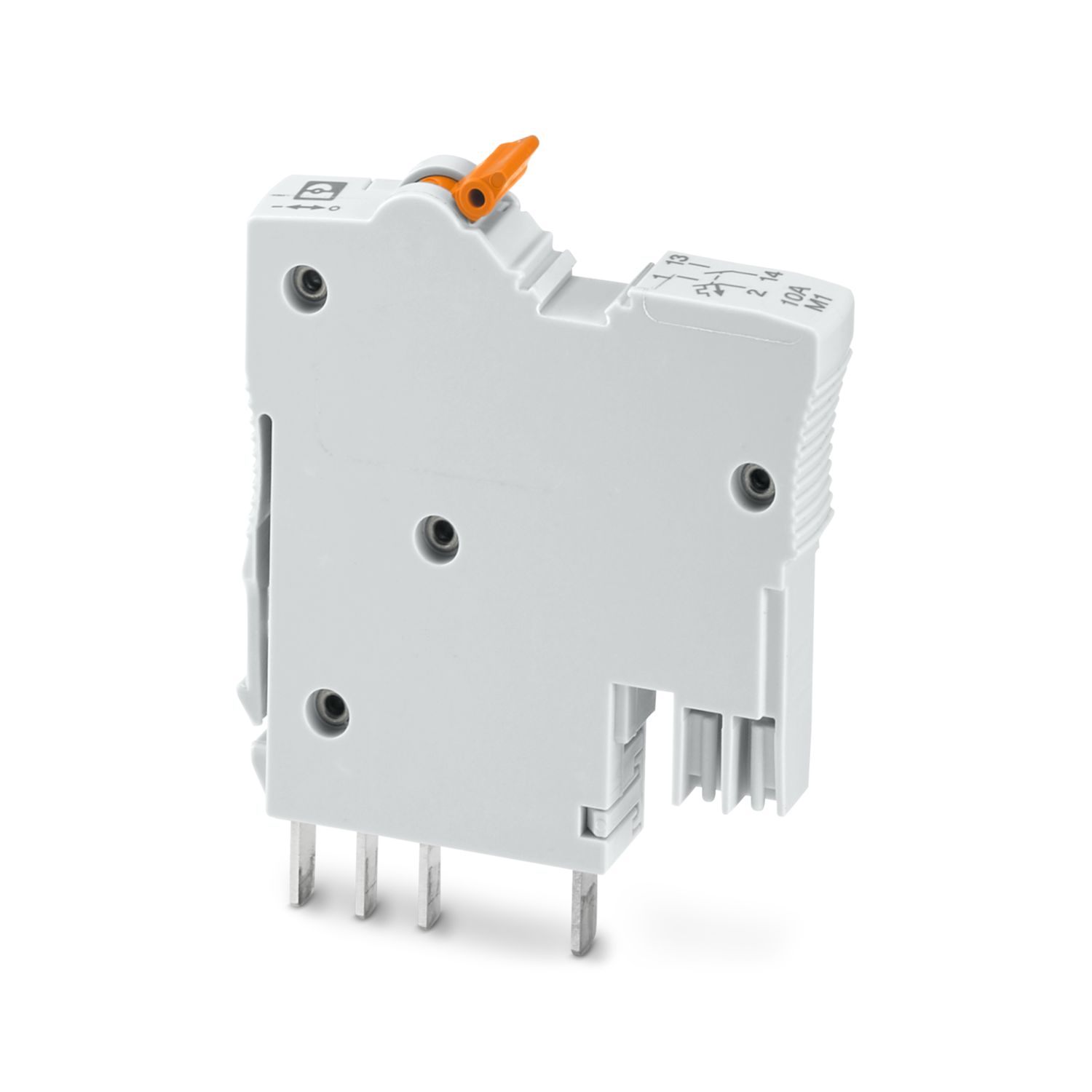
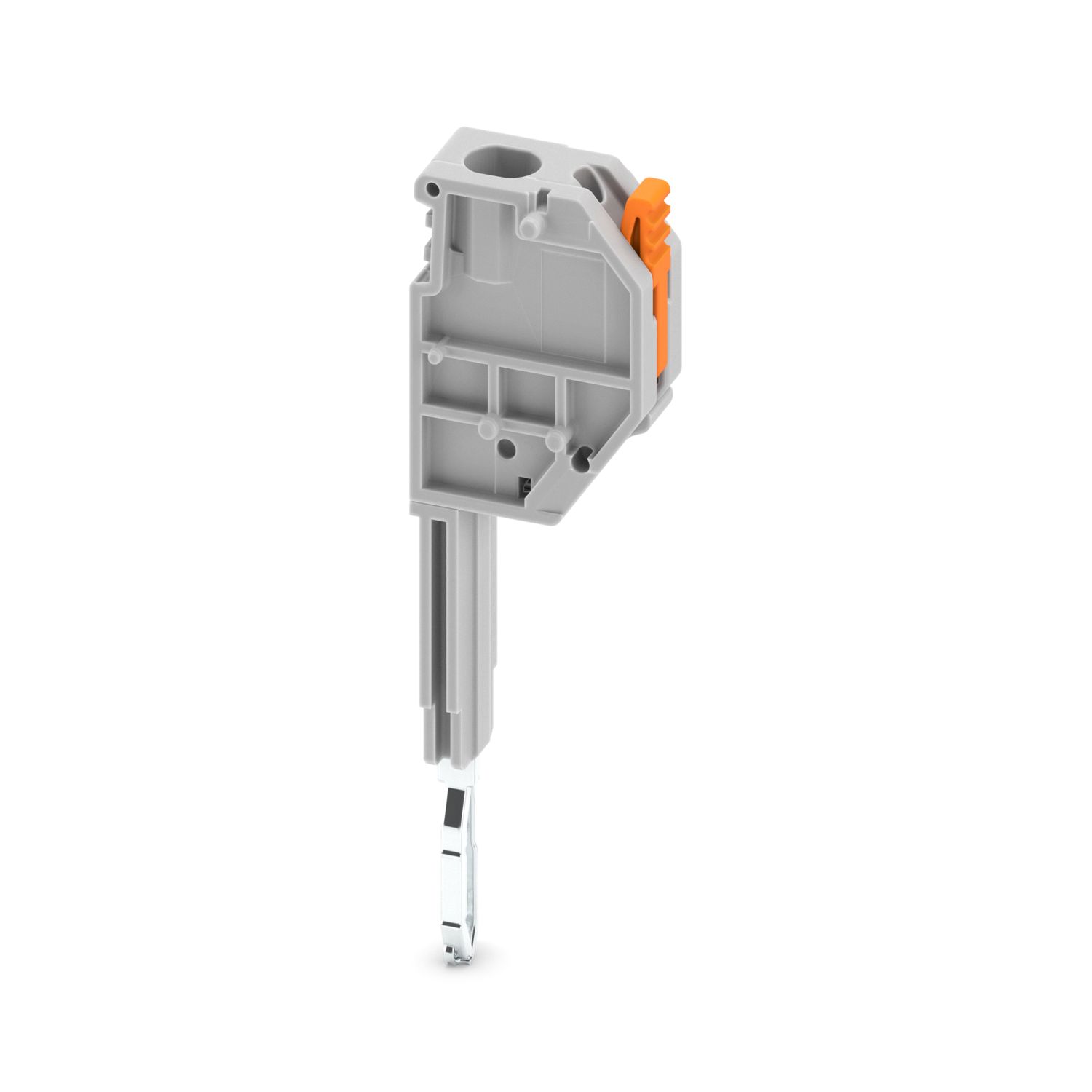
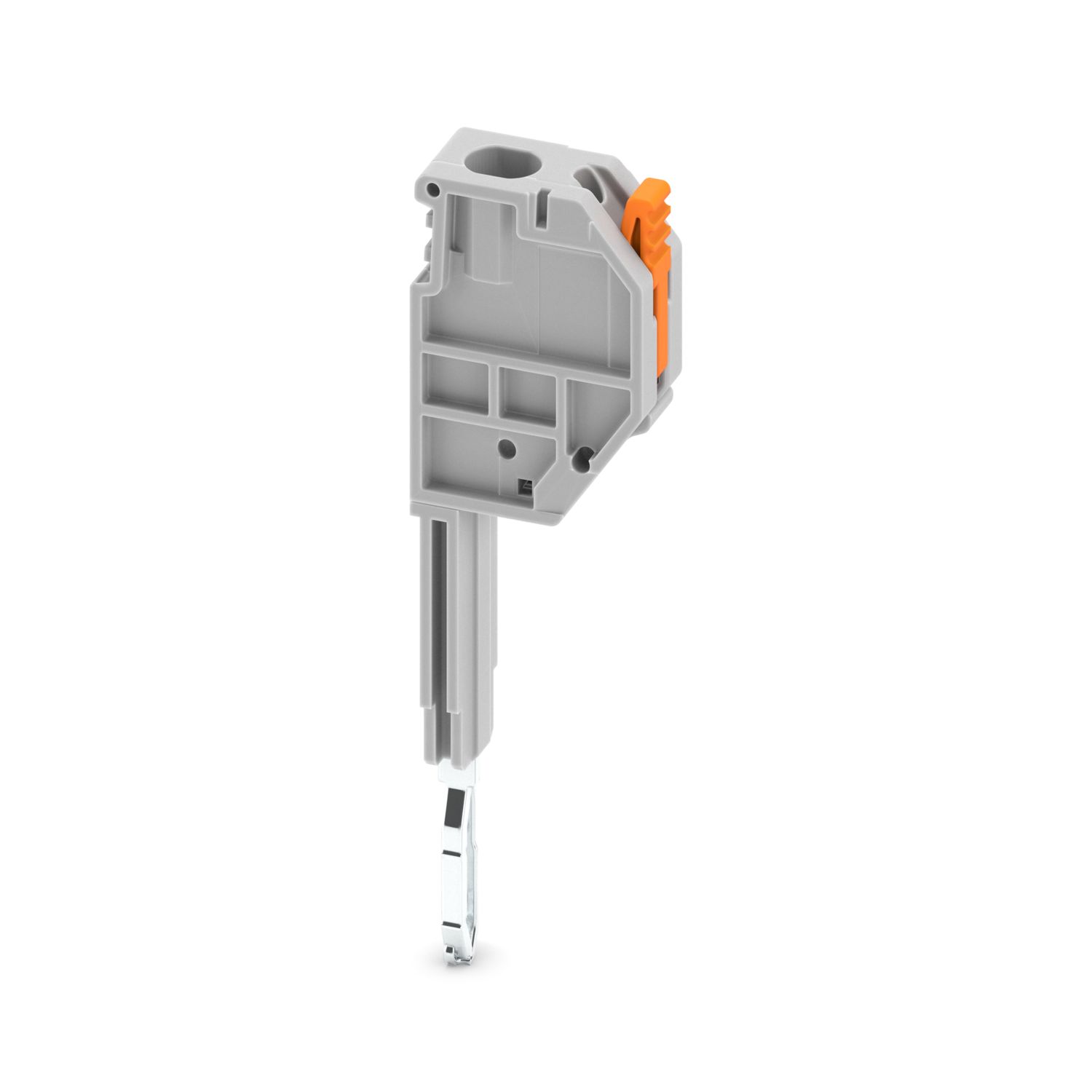
Elemento de base, clase de montaje: Carril: TH 35 - 7,5 mm, corriente asignada: 31 A
Este producto precisa otros productos para su funcionamiento.
Accesorios necesarios
Detalles de producto
| Generalidades | |
| Observación | El elemento de base no contiene circuitos eléctricos. |
| Tipo de producto | Elemento de base |
| Vida útil mecánica | 25 ciclos de conexión |
| Propiedades de aislamiento | |
| Categoría de sobretensión | II (250 V AC / IEC 60934) |
| III (UL 1077, UL 1059) | |
| III (80 V DC / IEC 60934) | |
| Grado de polución | 2 (250 V AC / IEC 60934) |
| 3 (UL 1077, UL 1059) | |
| Generalidades | |
| Tensión nominal | 240 V AC (IEC 60934) |
| 277 V AC (UL 1077) | |
| 277 V AC (UL 1059) | |
| 56 V DC (IEC 60934) | |
| 56 V DC (UL 1077) | |
| 56 V DC (UL 1059) | |
| Tensión asignada de aislamiento Ui | 250 V AC (IEC 60934) |
| 80 V DC (IEC 60934) | |
| 277 V AC (UL 1077) | |
| 277 V AC (UL 1059) | |
| Corriente asignada IN | 31 A (UL 1059, sin interruptor para protección de equipos) |
| 16 A (Contactos principales 1-2, UL 1077 e IEC 60934) | |
| 1 A (Contactos auxiliares 3-4, sin interruptor para protección de equipos) | |
| Tensión transitoria de dimensionamiento | 2,5 kV (IEC 60934, aislamiento reforzado entre los circuitos de carga y auxiliar) |
| Resistencia de aislamiento Riso | > 100 MΩ (500 V DC) |
| Rigidez dieléctrica | 3000 V AC (entre el circuito de carga 1-2 y el circuito auxiliar 3-4) |
| 1554 V AC (entre contactos de carga abiertos 1-2, contactos auxiliares 3-4) | |
| Visualización/señal remota | |
| Denominación Conexión | Conexión 3/4 |
| Conexión 1/2 | |
| Tipo de conexión | Conexión push-in |
| Longitud de pelado | 12 mm |
| Sección de conductor flexible | 0,5 mm² ... 10 mm² |
| Sección de conductor rígido | 0,5 mm² ... 10 mm² |
| 1 mm² ... 10 mm² (directamente insertable) | |
| Sección de conductor AWG | 20 ... 8 |
| Sección de conductor flexible con puntera, con manguito de plástico | 0,5 mm² ... 6 mm² |
| 1 mm² ... 6 mm² (directamente insertable) | |
| Sección de conductor flexible con puntera, sin manguito de plástico | 0,5 mm² ... 6 mm² |
| 1 mm² ... 6 mm² (directamente insertable) | |
| Conexión 3/4 | |
| Tipo de conexión | Conexión push-in |
| Longitud de pelado | 8 mm |
| Sección de conductor flexible | 0,14 mm² ... 1,5 mm² |
| Sección de conductor rígido | 0,14 mm² ... 1,5 mm² |
| Sección de conductor AWG | 26 ... 16 |
| Sección de conductor flexible con puntera, con manguito de plástico | 0,14 mm² ... 1 mm² |
| Sección de conductor flexible con puntera, sin manguito de plástico | 0,14 mm² ... 1,5 mm² |
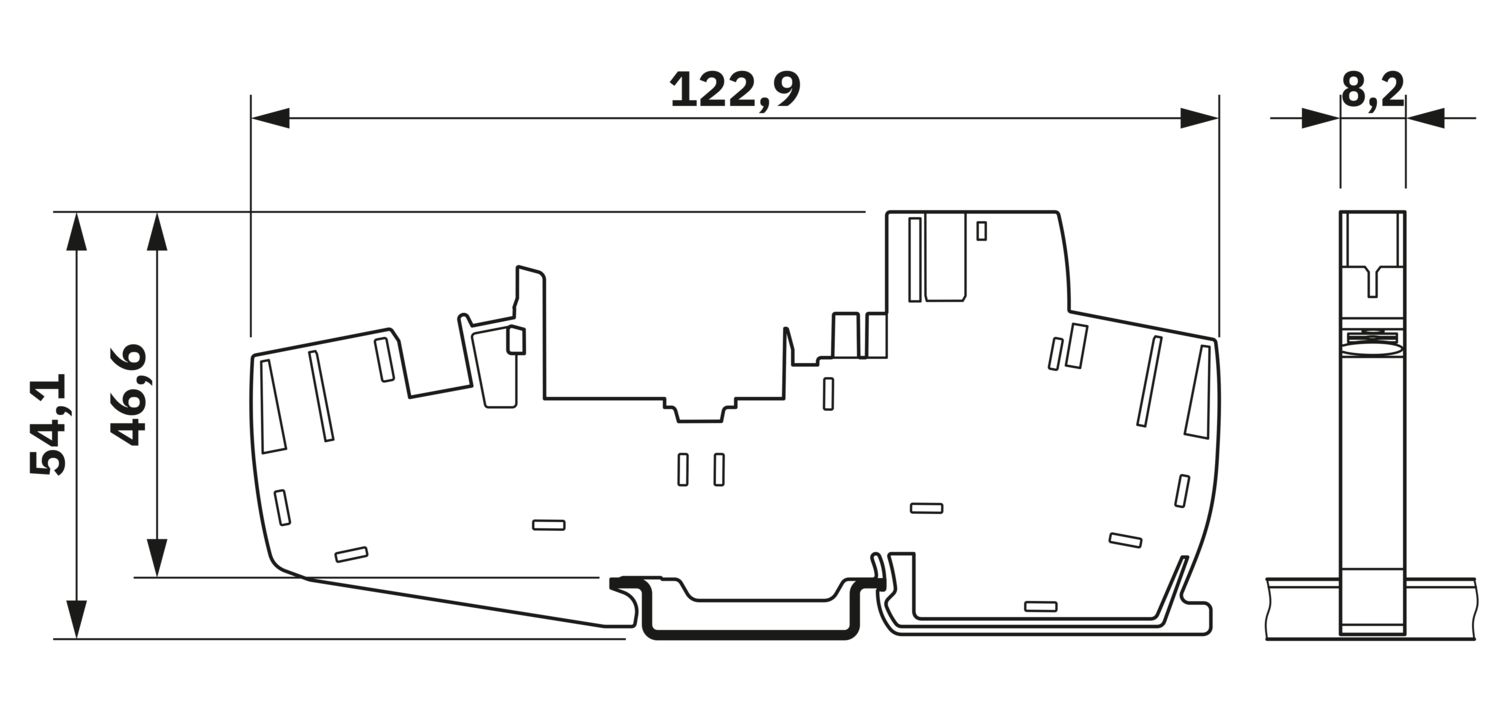
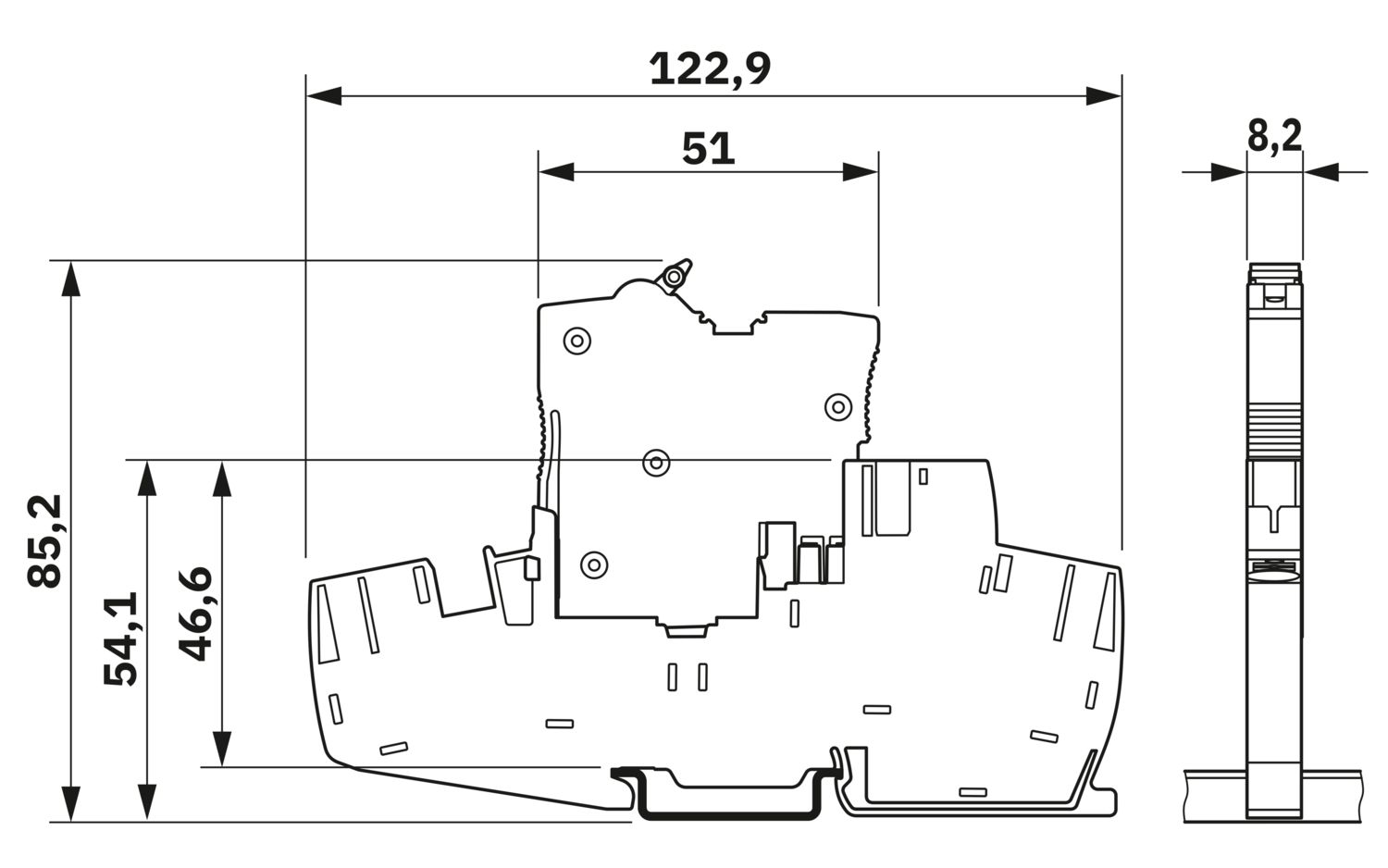
| Esquema de dimensiones |
|
| Anchura | 8,2 mm |
| Altura | 122,9 mm |
| Profundidad | 54,1 mm |
| Anchura del módulo completo | 8,2 mm |
| Altura del módulo completo | 122,9 mm |
| Profundidad del módulo completo | 85,2 mm |
| Color | gris (RAL 7042) |
| Material | PA |
| Clase de inflamabilidad según UL 94 | V-0 |
| Grupo material aislante | I |
| Datos mecánicos | |
| Pared lateral abierta | No |
| Condiciones ambientales | |
| Índice de protección | IP20 |
| Temperatura ambiente (servicio) | -30 °C ... 60 °C |
| Temperatura ambiente (almacenamiento / transporte) | -40 °C ... 80 °C |
| Altitud | ≤ 2000 m (250 V AC / IEC 60934) |
| Comprobación de humedad | 96 h, 95 % RH, 40 °C |
| Choques (en servicio) | 30g (IEC 60068-2-27, prueba Ea) |
| Categoría 1, clase B (DIN EN 61373) | |
| Vibración (en servicio) | 10 Hz ... 150 Hz, 20 ciclos (IEC 60068-2-6, Test Fc) |
| 10 Hz ... 75 Hz (Amplitud ±0,35 mm; según IEC 60068-2-6, prueba Fc) | |
| 75 Hz ... 150 Hz (8g) | |
| Categoría 1, clase B (DIN EN 61373) | |
| Homologación UL | |
| Marcado | UL Recognized UL 1059 |
| UL Recognized UL 1077 | |
| CSA, Canada | |
| Marcado | CSA C22.2 No. 235-04 |
| Normas/disposiciones | IEC 60934 |
| Observación | 2019 |
| Normas/disposiciones | UL 1077 |
| Observación | Dispositivos de protección adicionales para su uso en equipamientos eléctricos |
| Normas/disposiciones | UL 1059 |
| Observación | Bornas para carril |
| Normas/disposiciones | CSA C22.2 No. 235-04 |
| Observación | 2017 |
| Normas/disposiciones | IEC 60068-2-6 |
| Observación | Influencias ambientales - Oscilaciones (sinusoidales) |
| Normas/disposiciones | EN 60068-2-27 |
| Observación | Influencias ambientales - impactos |
| Normas/disposiciones | EN 60068-2-78 |
| Observación | Influencias ambientales - Humedad y calor, constante |
| Normas/disposiciones | DIN EN 50274 |
| Observación | Protección contra contacto del dorso de la mano y de los dedos |
| Normas/disposiciones | IEC 60529 |
| Observación | 2019 |
| Normas/disposiciones | EN 61373 |
| Observación | Aplicaciones ferroviarias - Equipamiento de vehículos ferroviarios - Ensayos para oscilaciones y choques |
| Normas/disposiciones | EN 45545-2 |
| Observación | Aplicaciones ferroviarias - Protección contra incendios en vehículos ferroviarios - Parte 2: Requisitos de la reacción al fuego de materiales y componentes |
| Tipo de montaje | Carril: TH 35 - 7,5 mm |
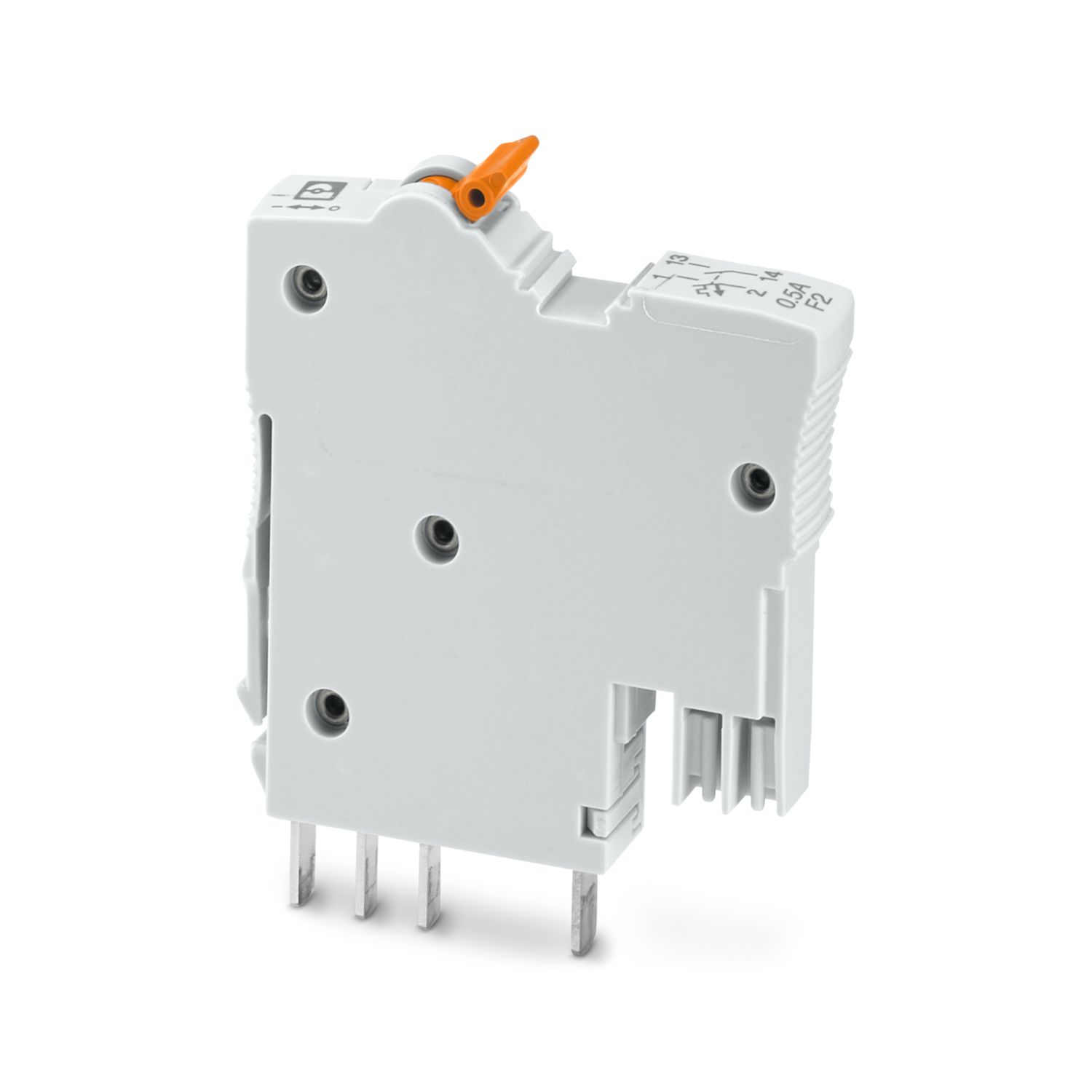


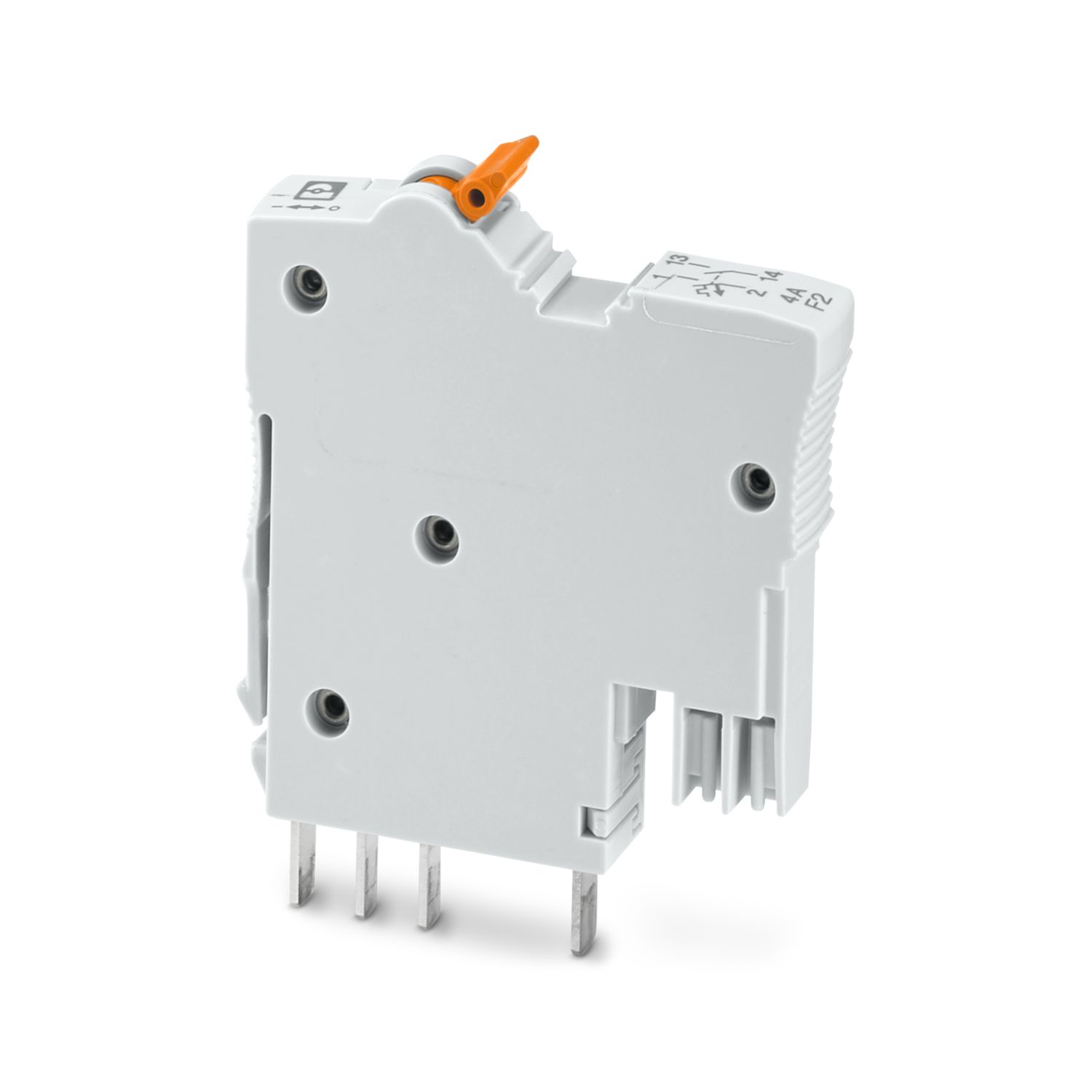


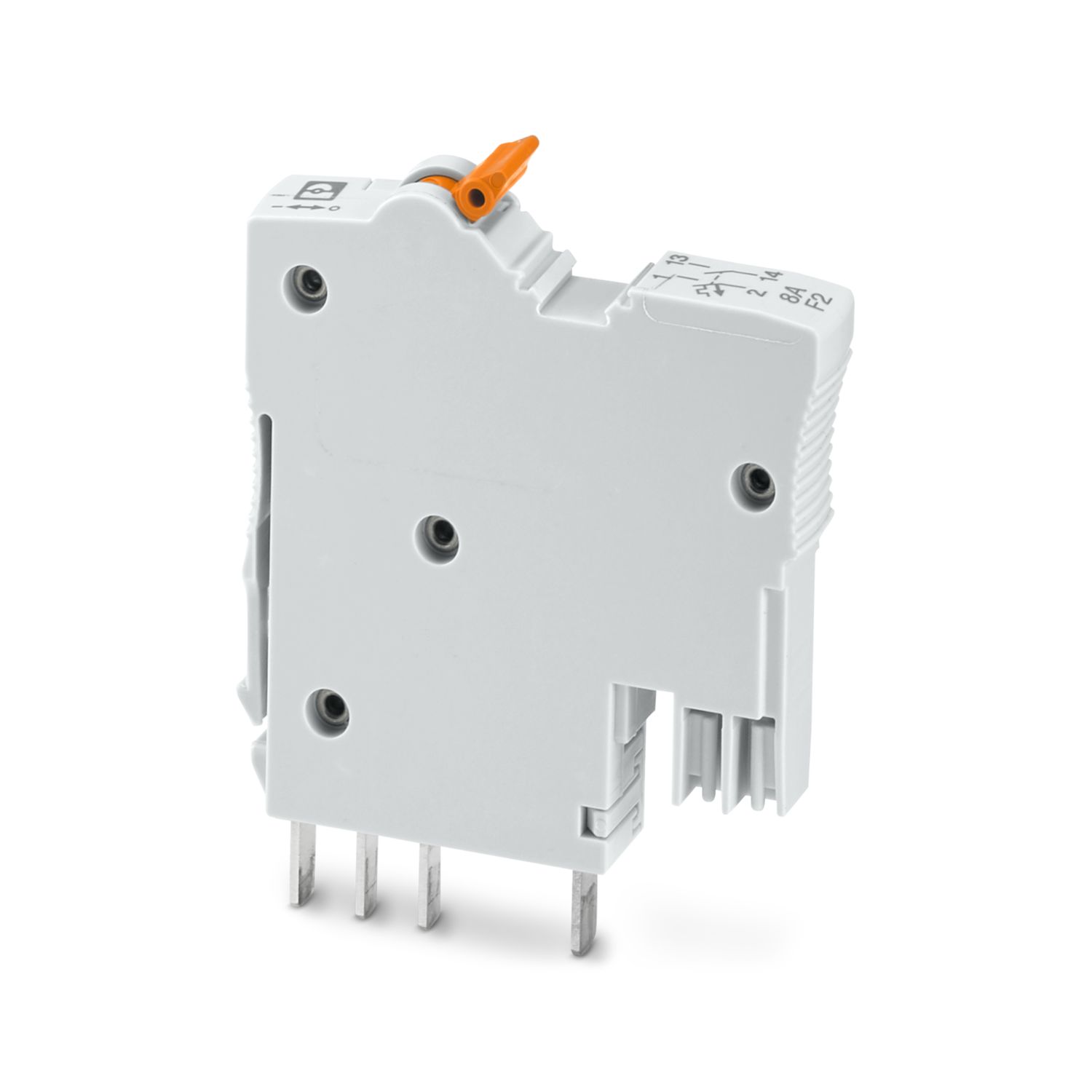


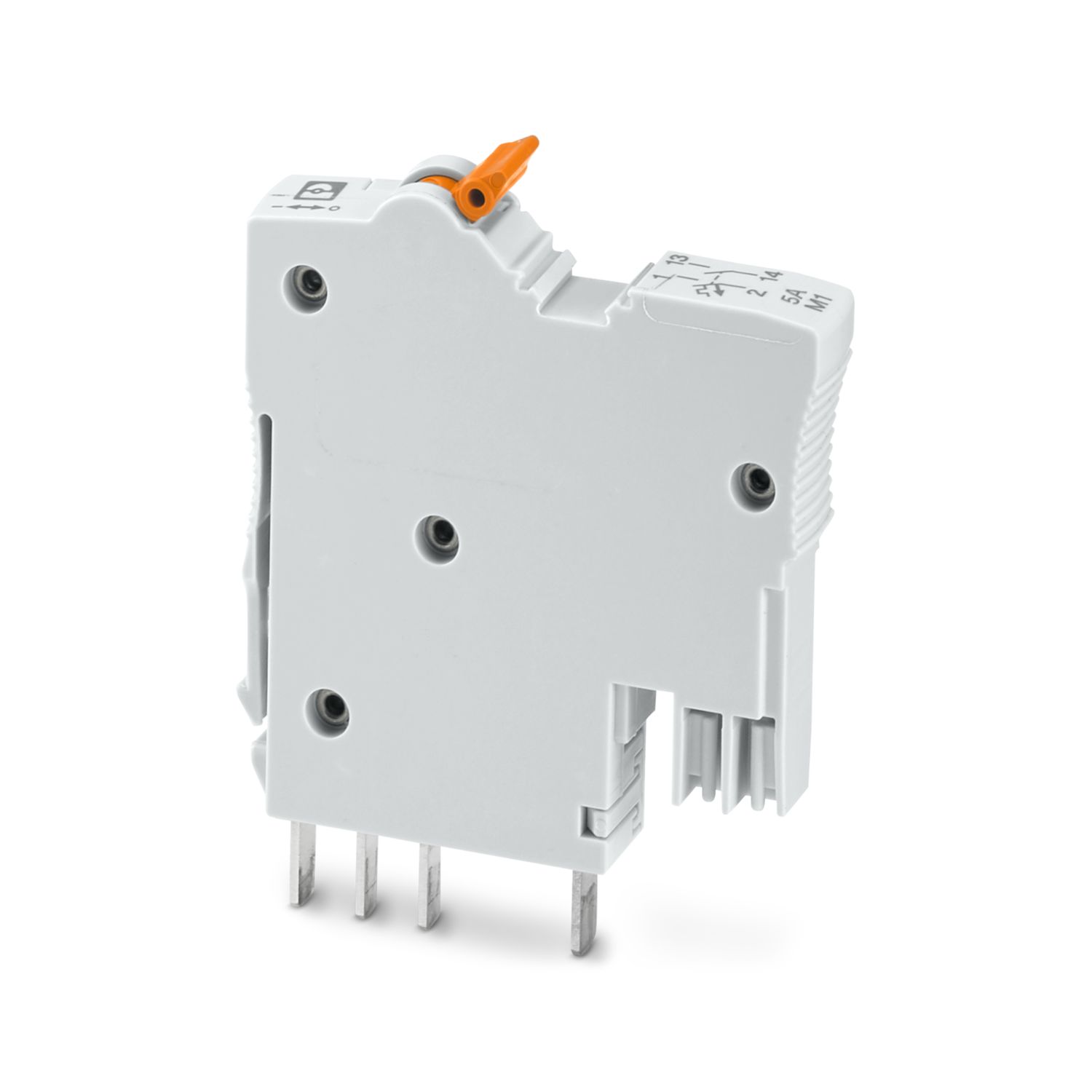
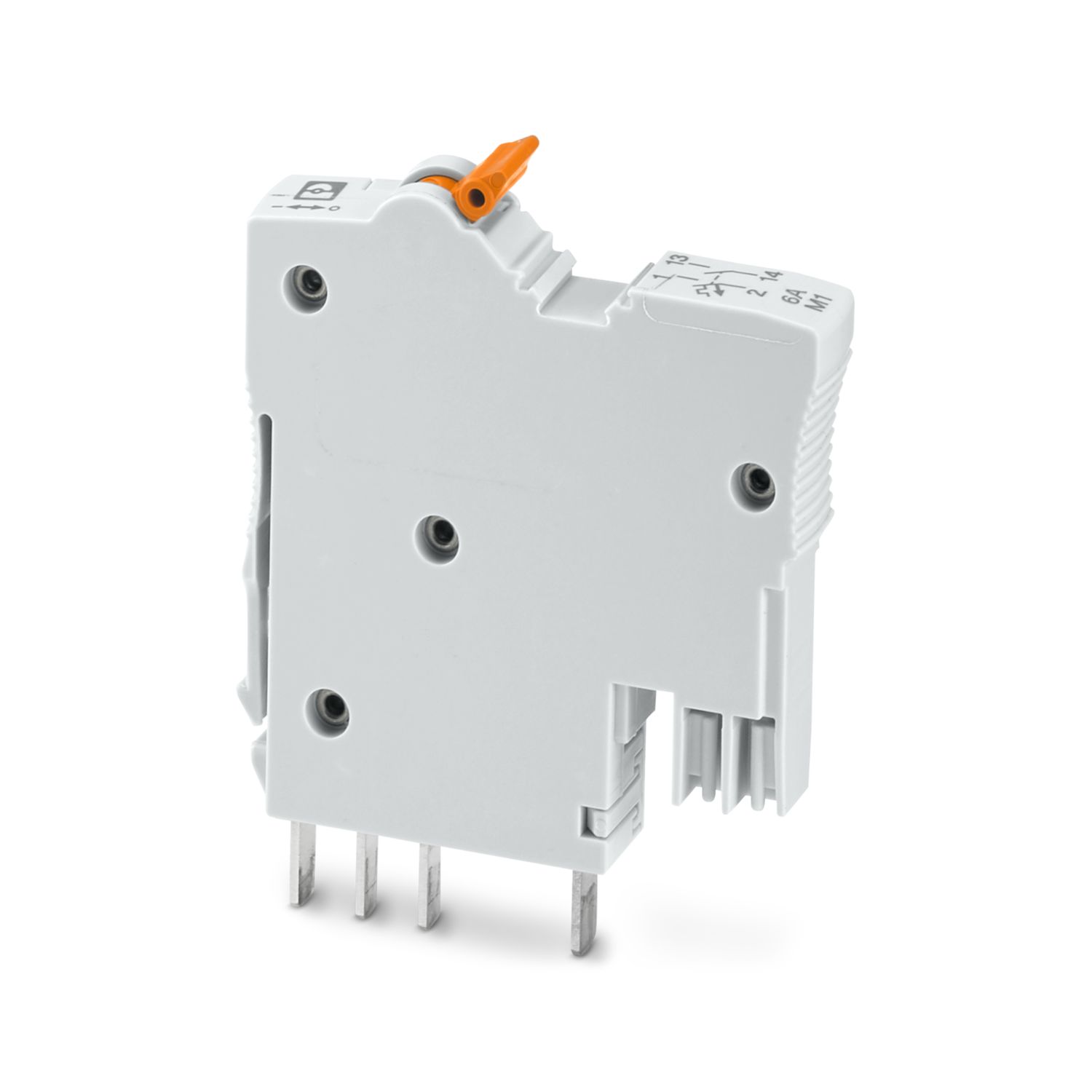



Sus ventajas
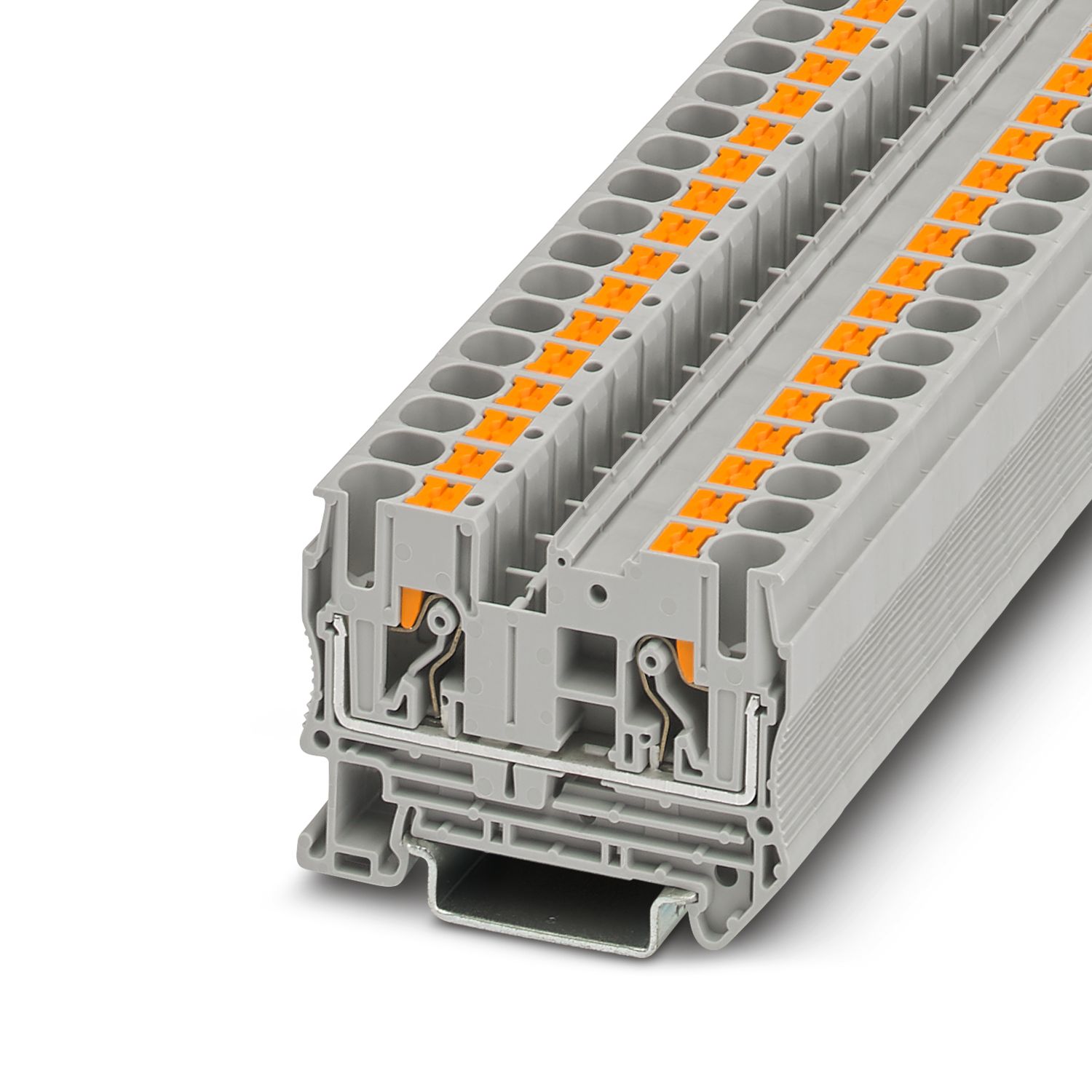
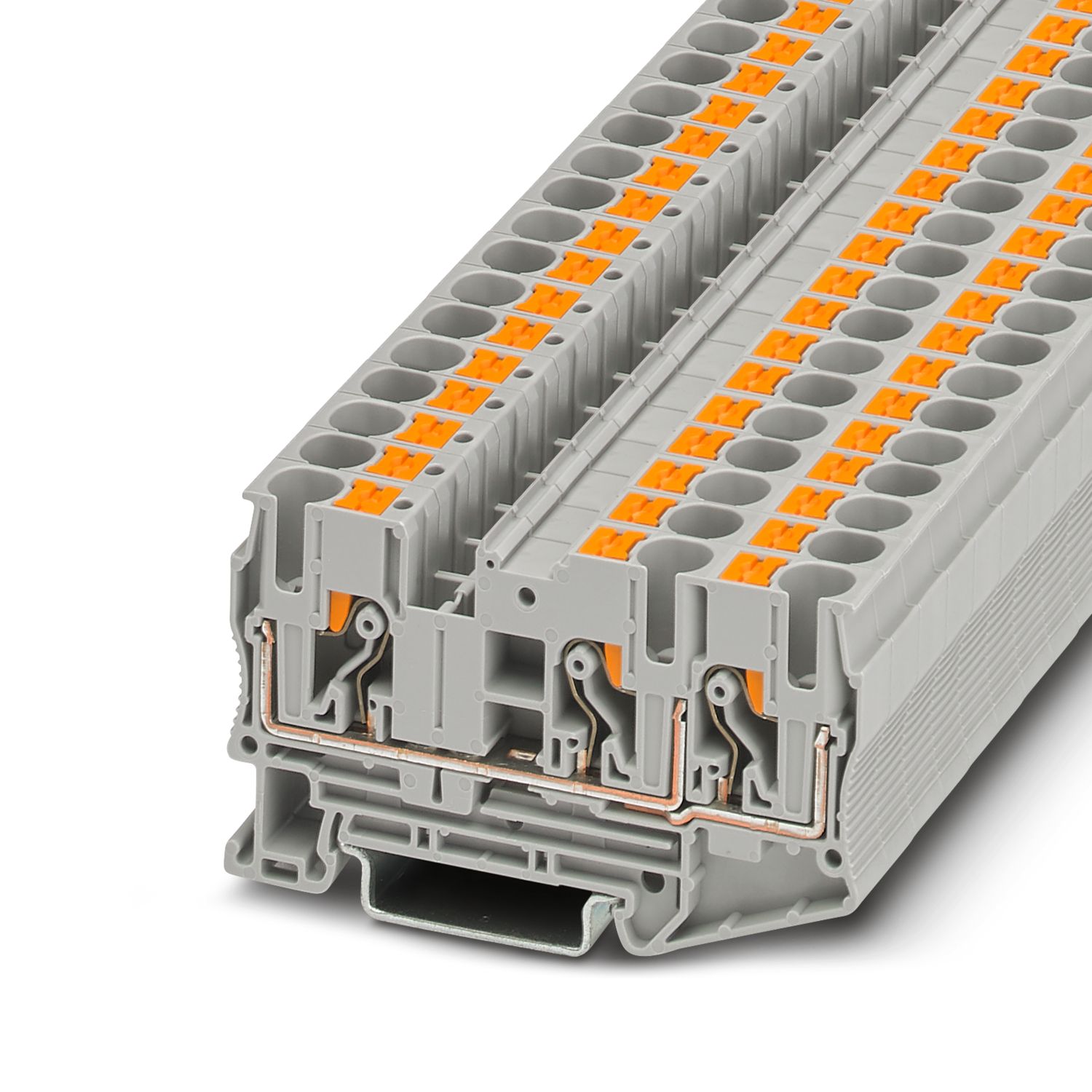
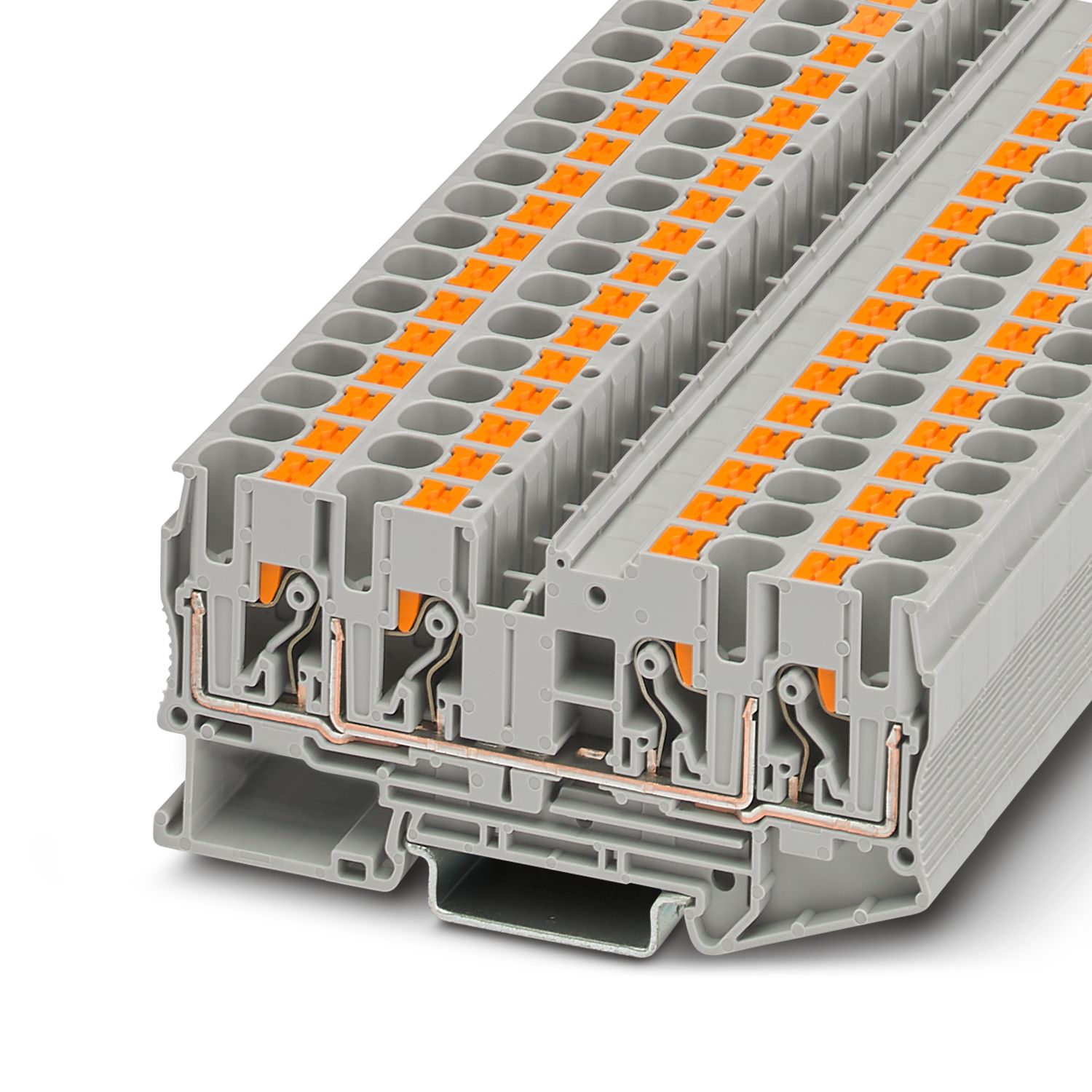
Más espacio en el armario de control gracias a la anchura de solo 8 mm
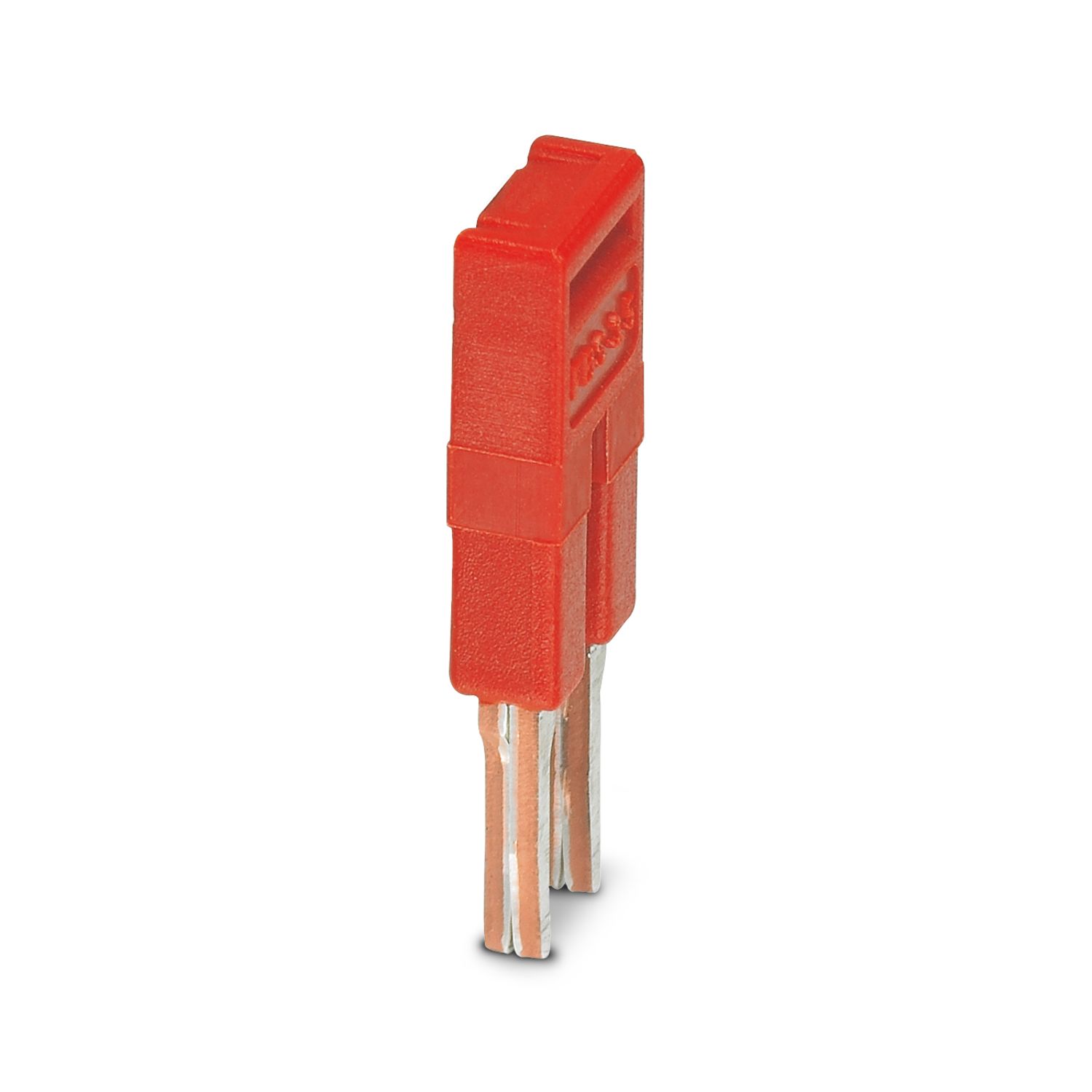
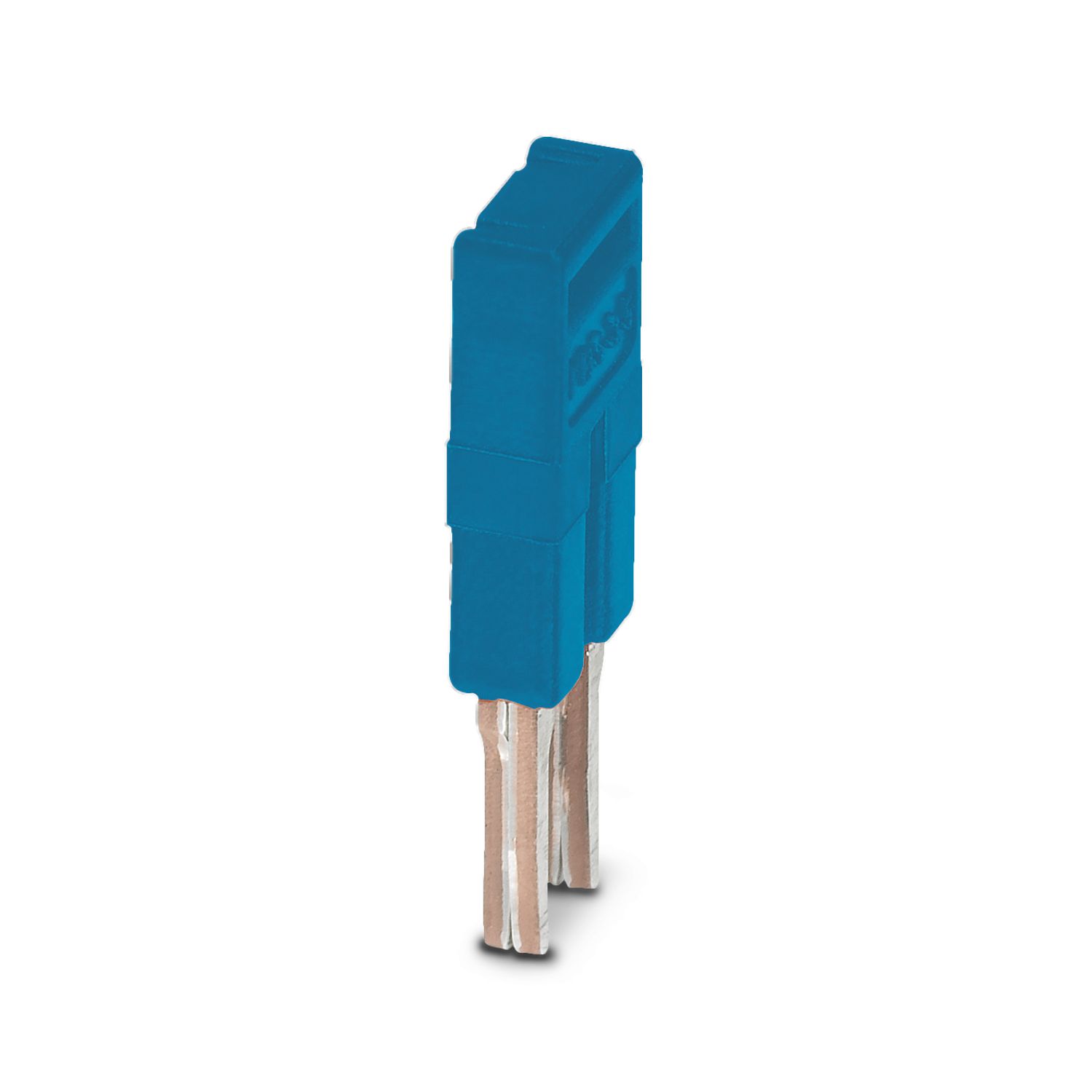
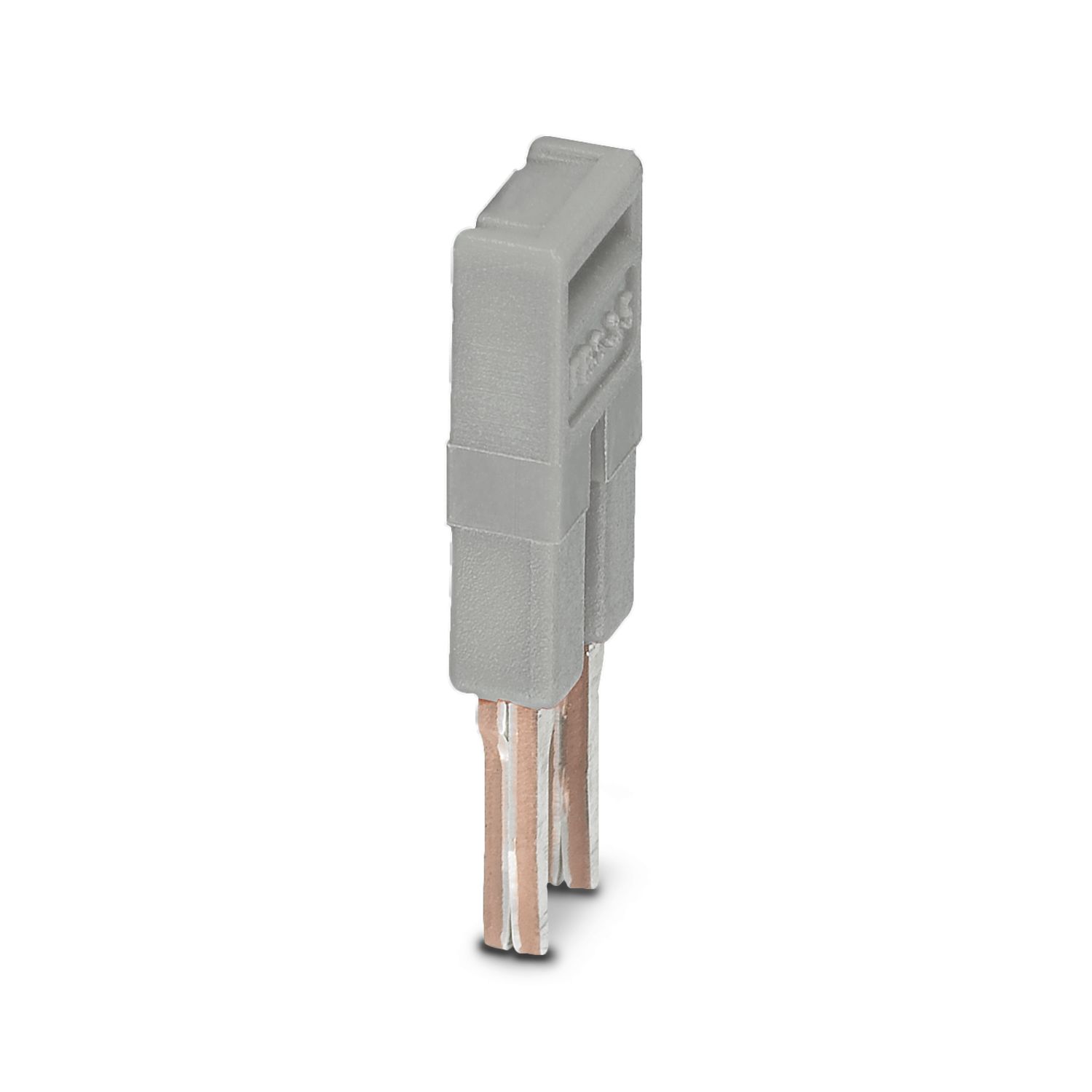
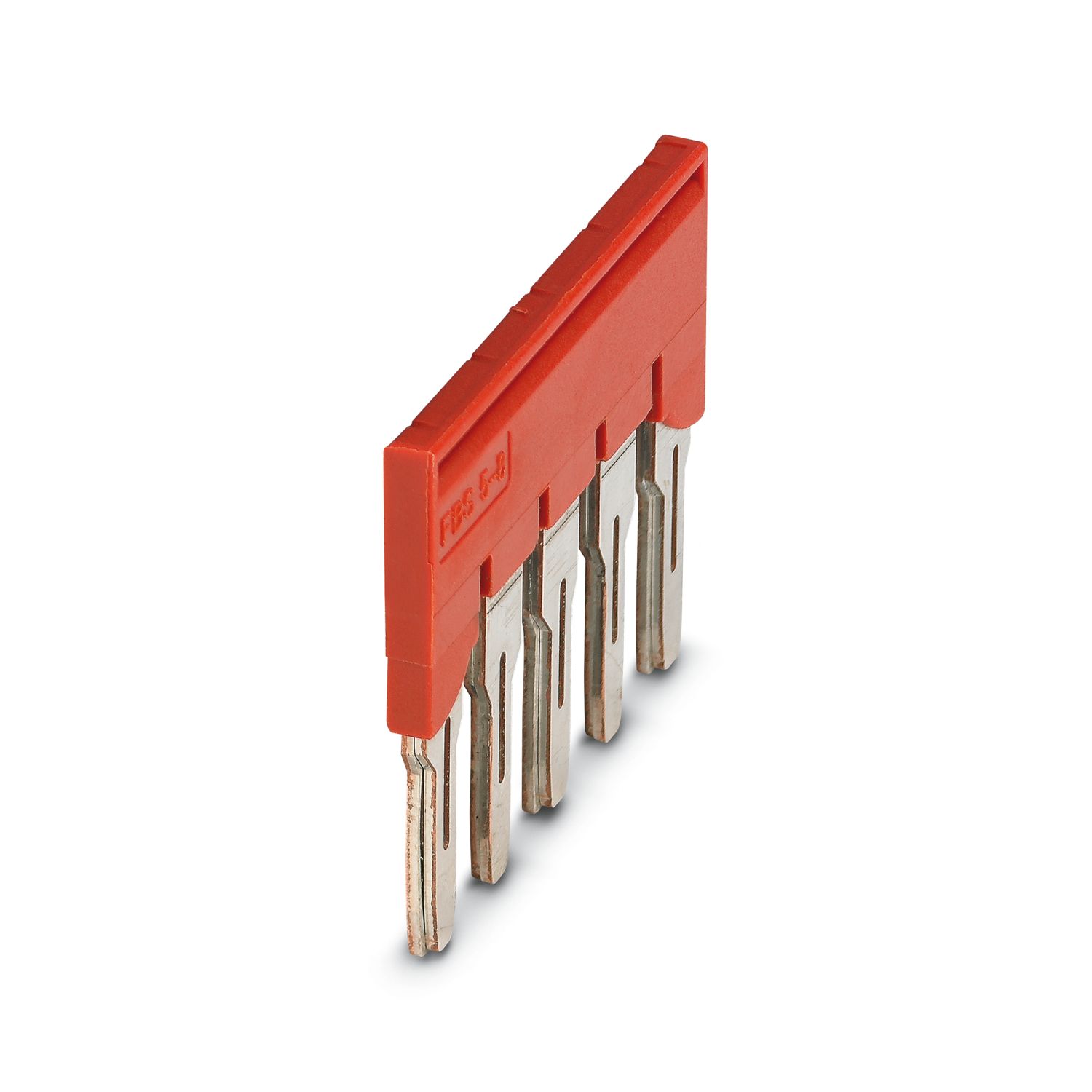
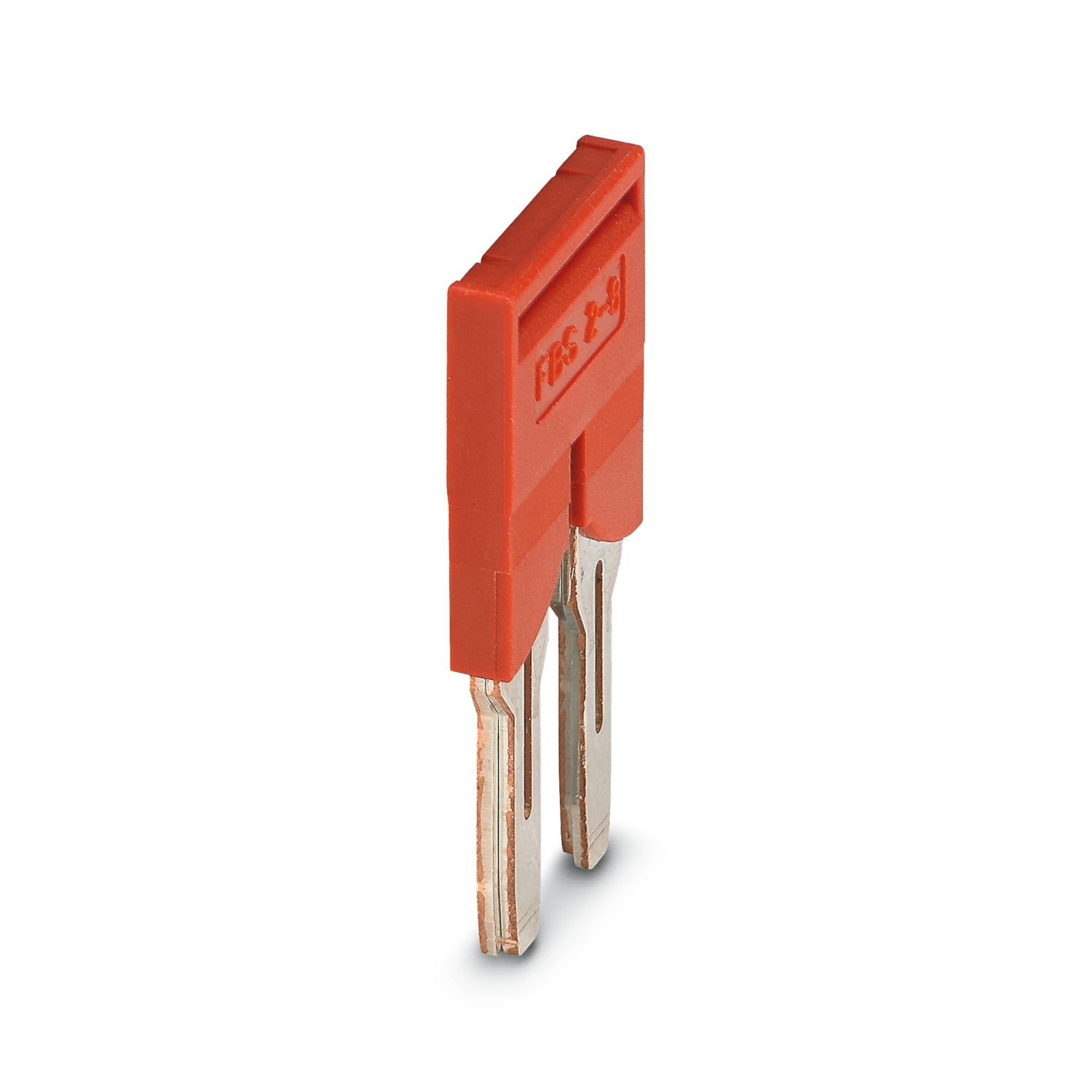
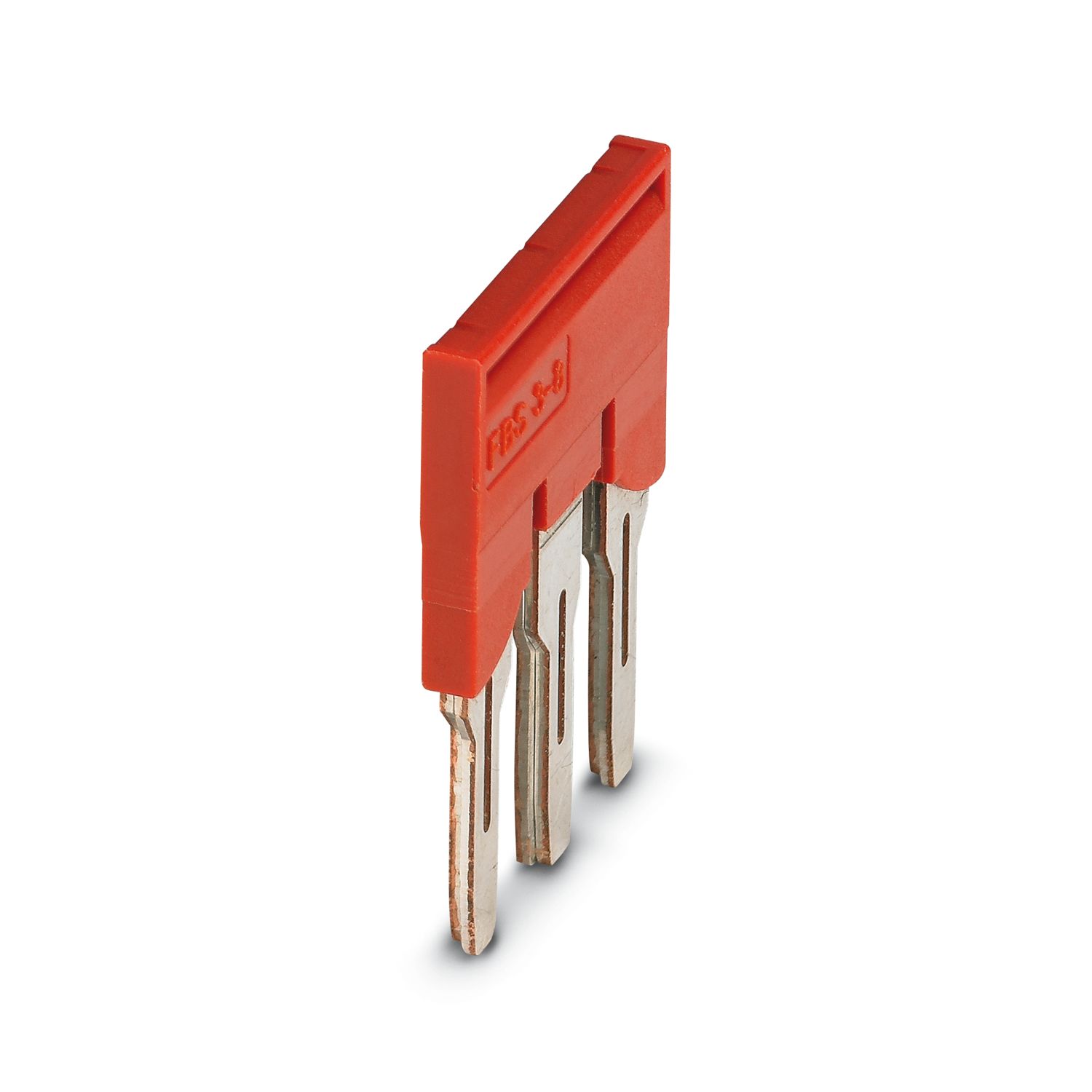
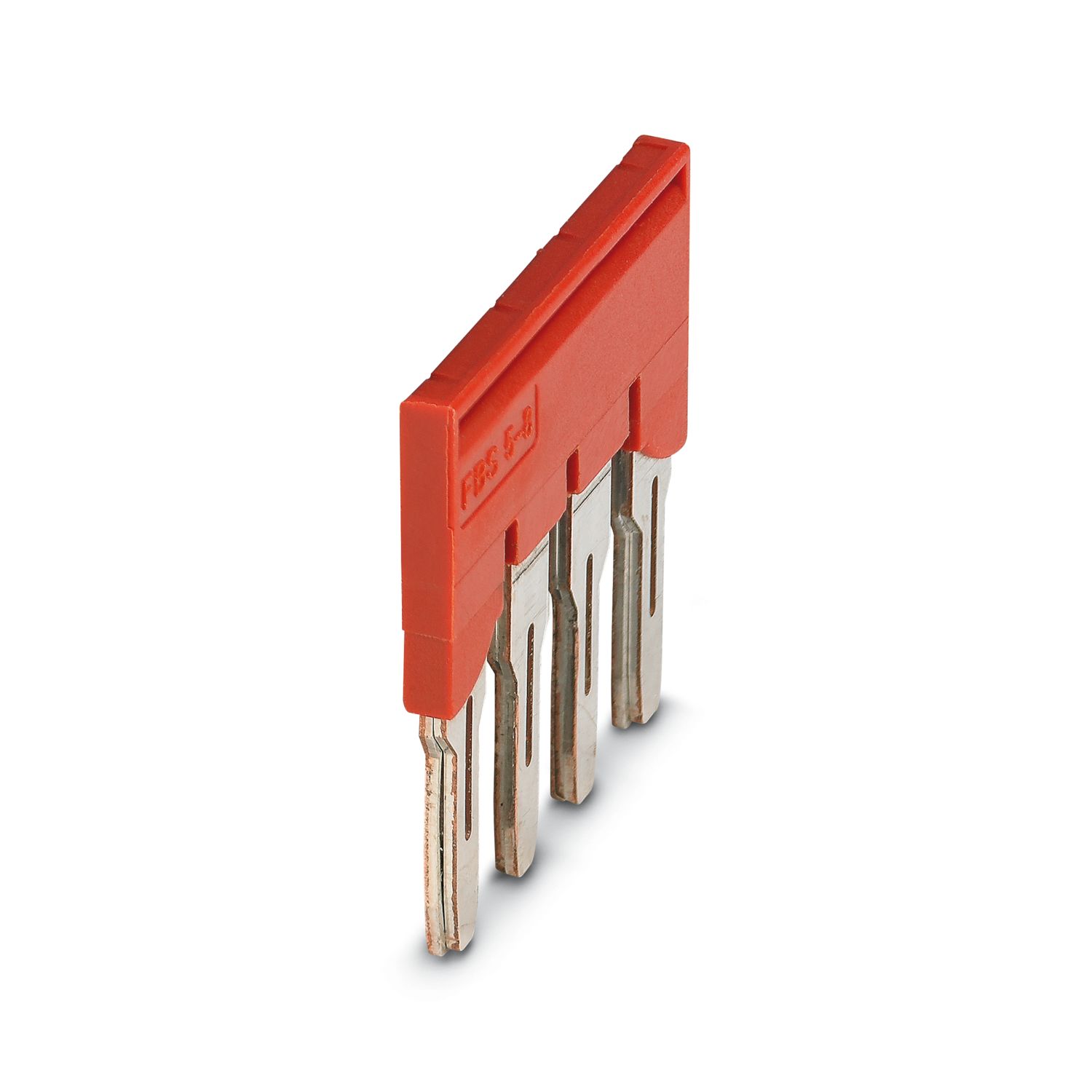
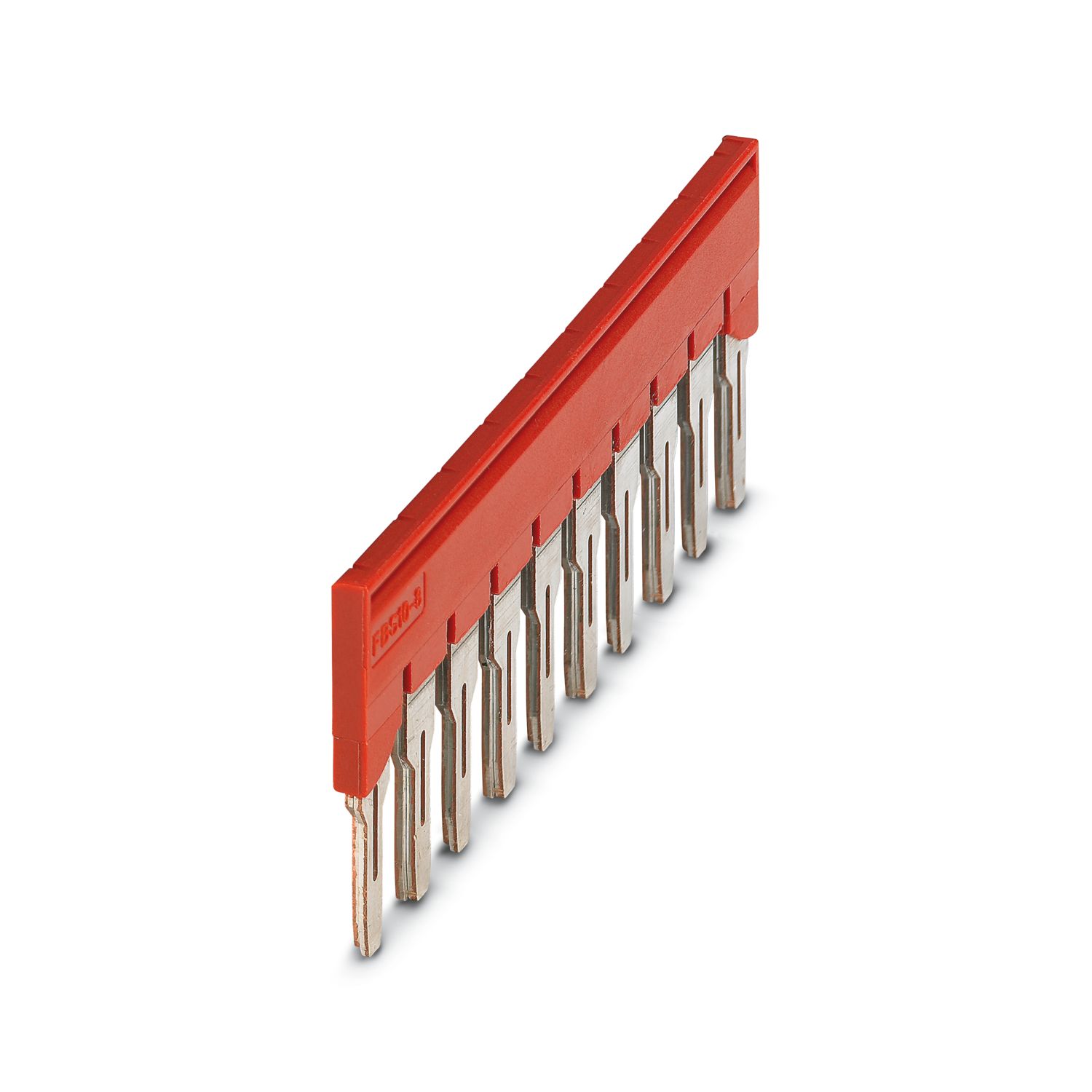
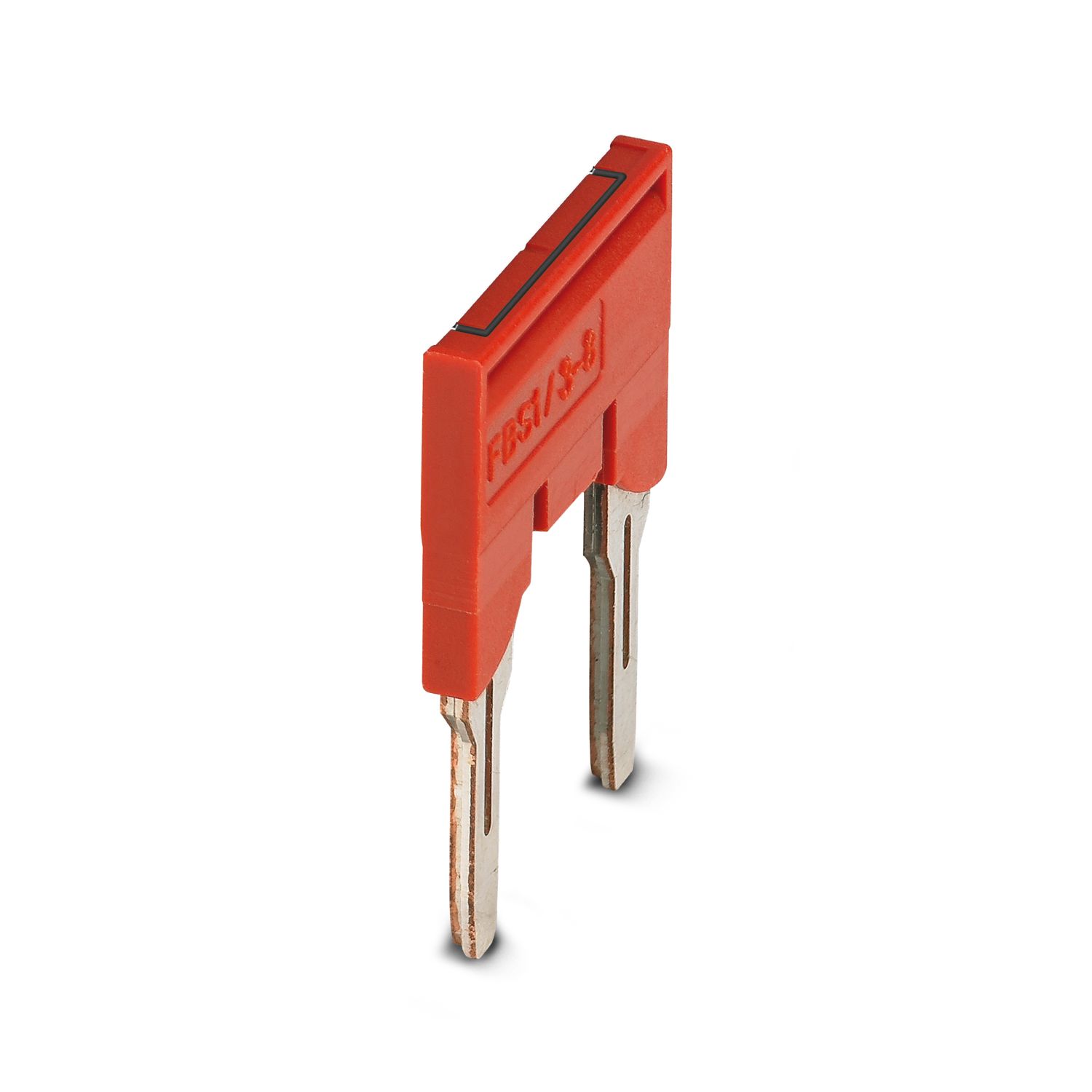
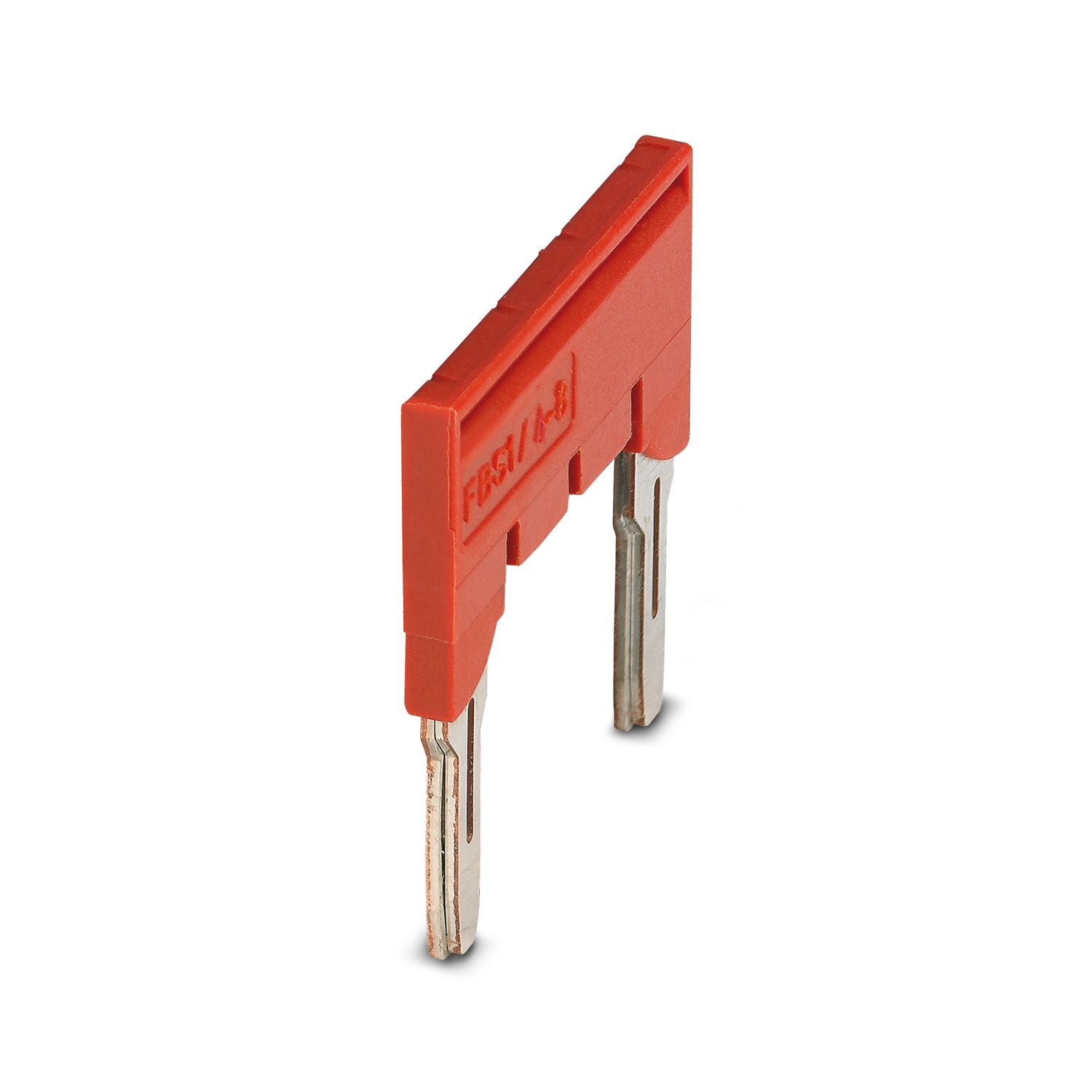
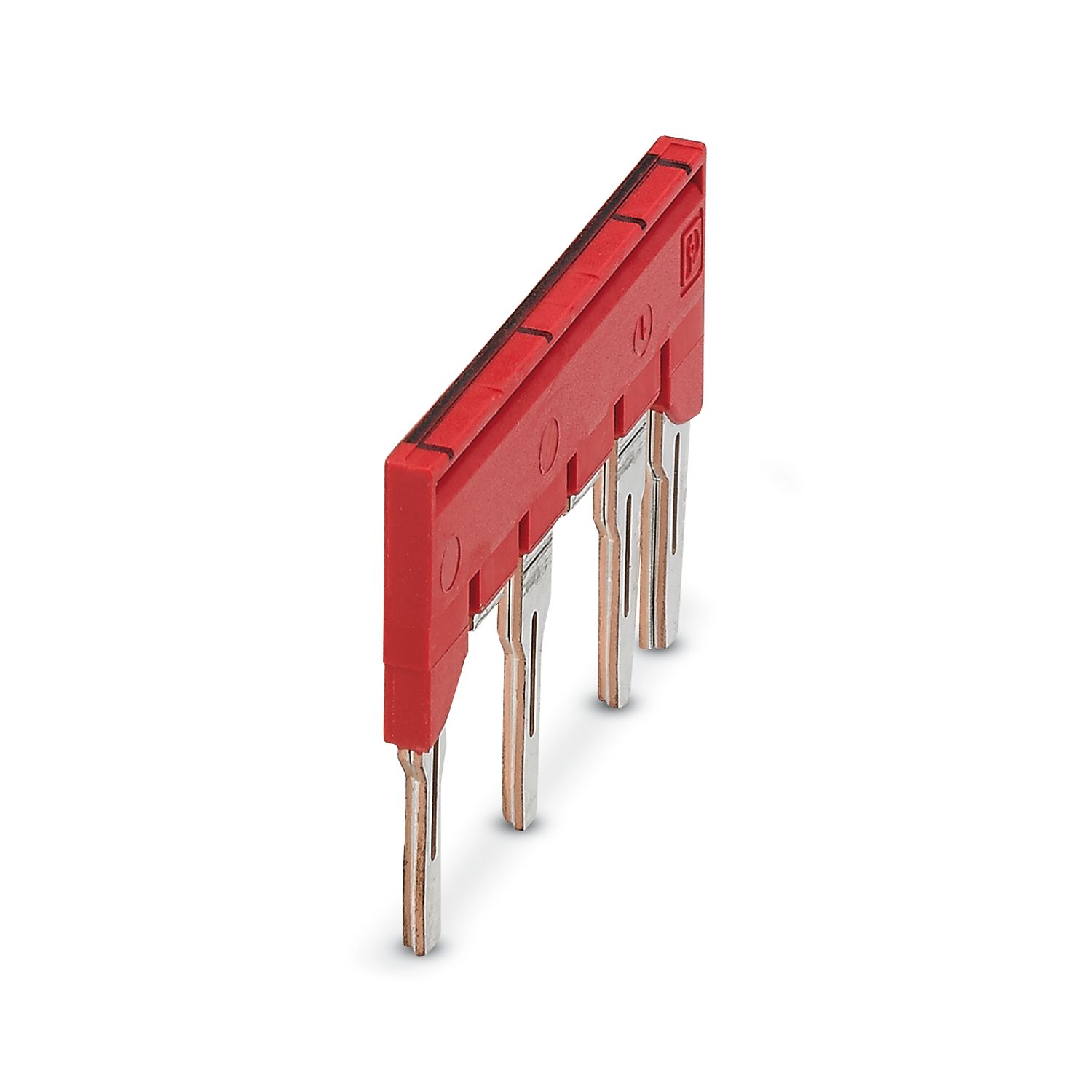
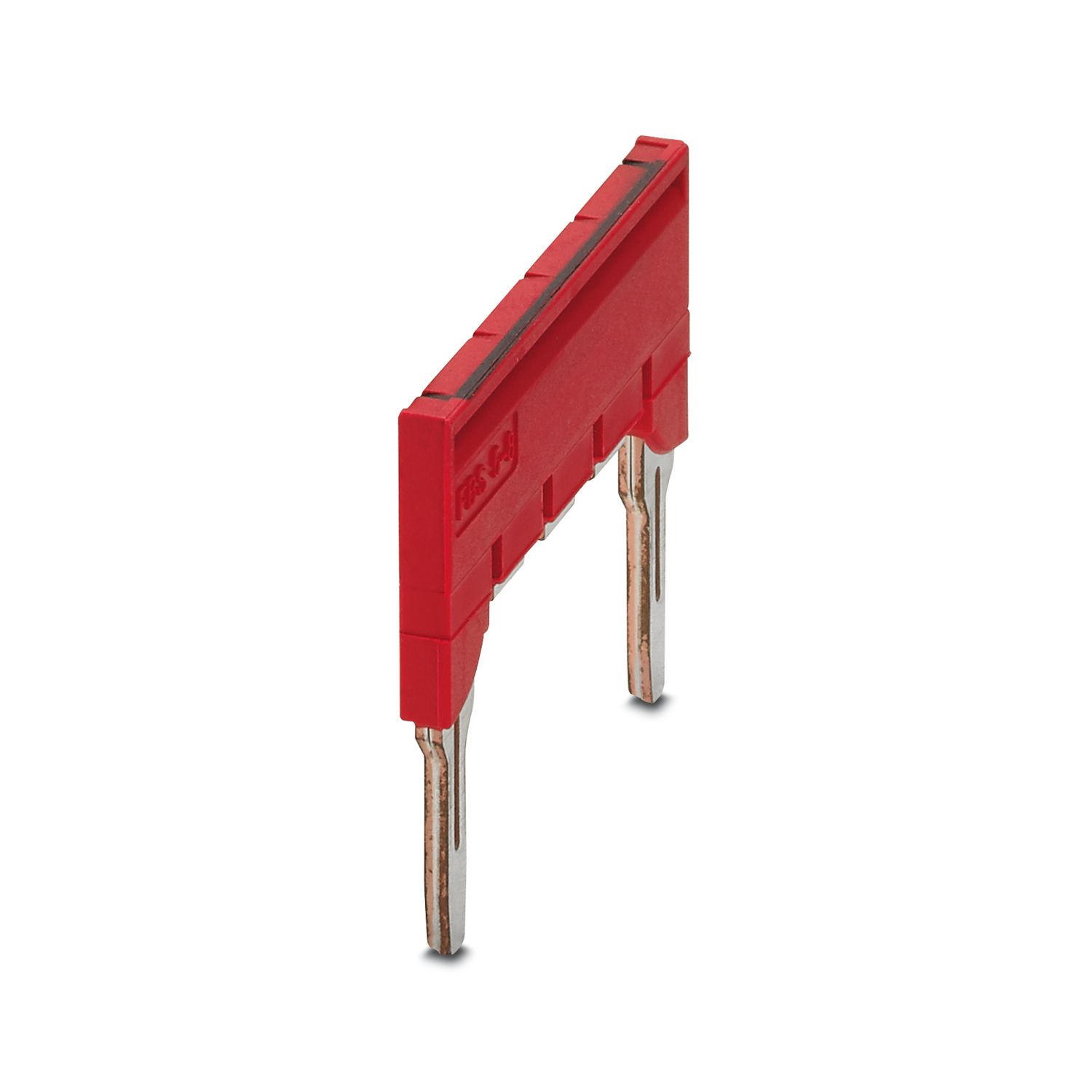
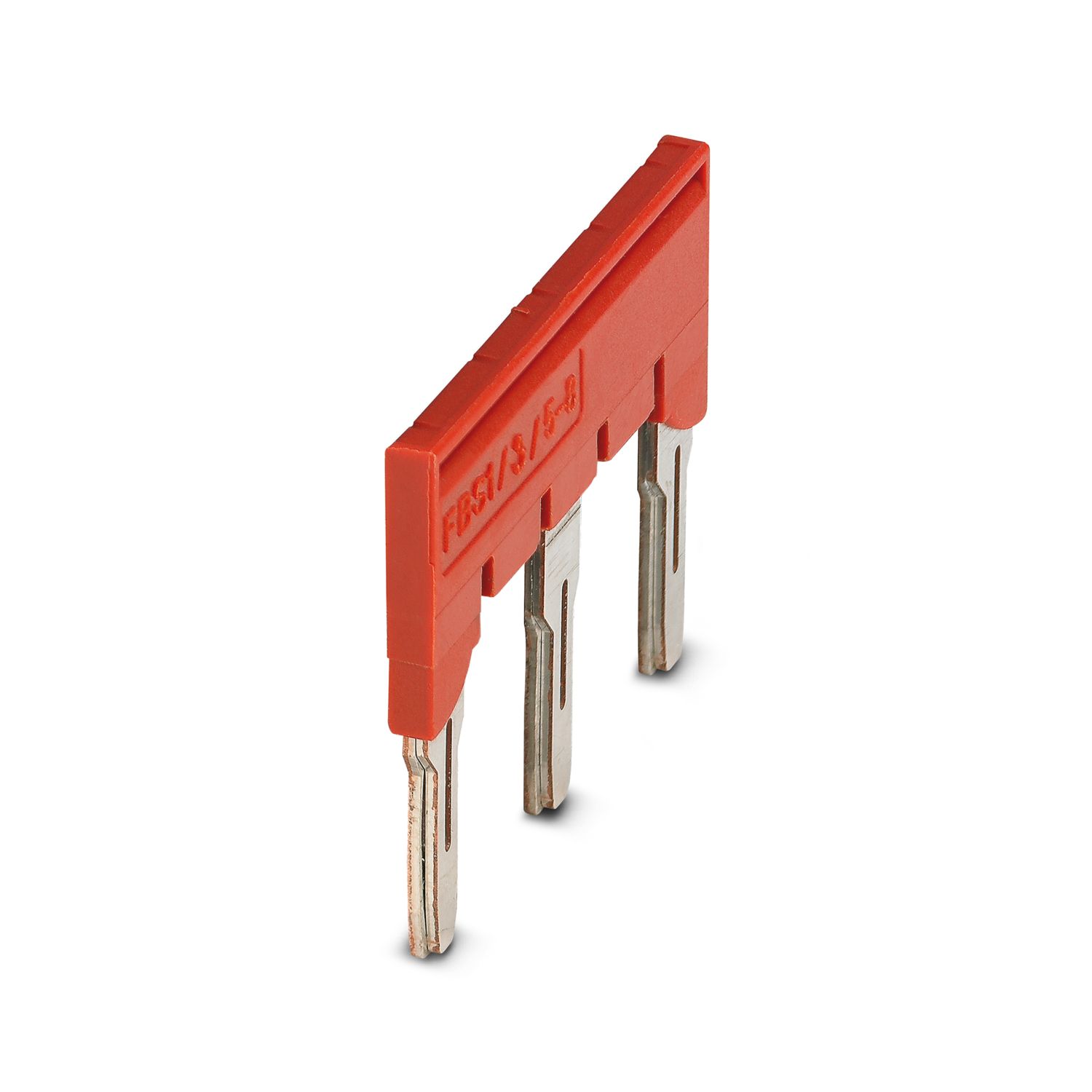
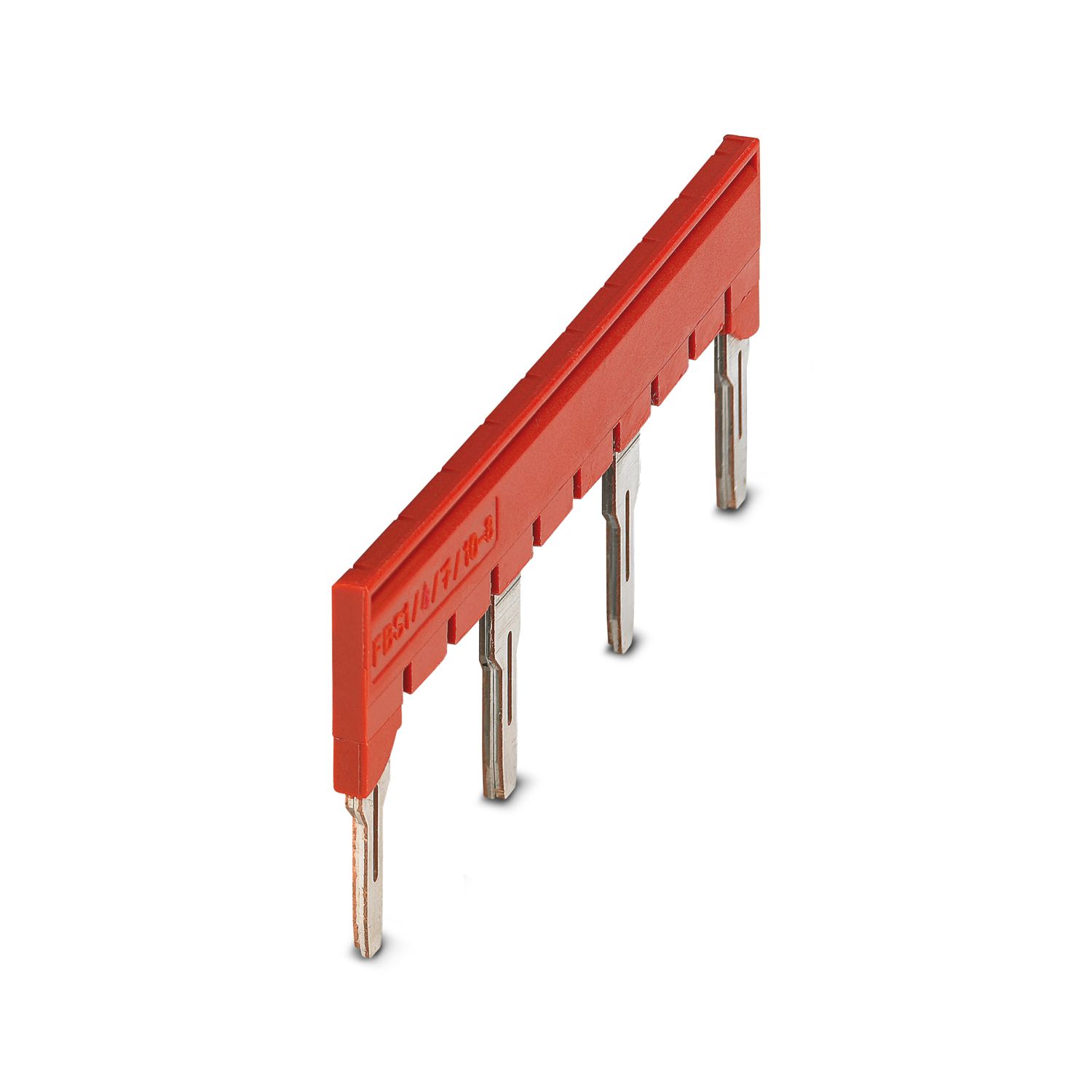
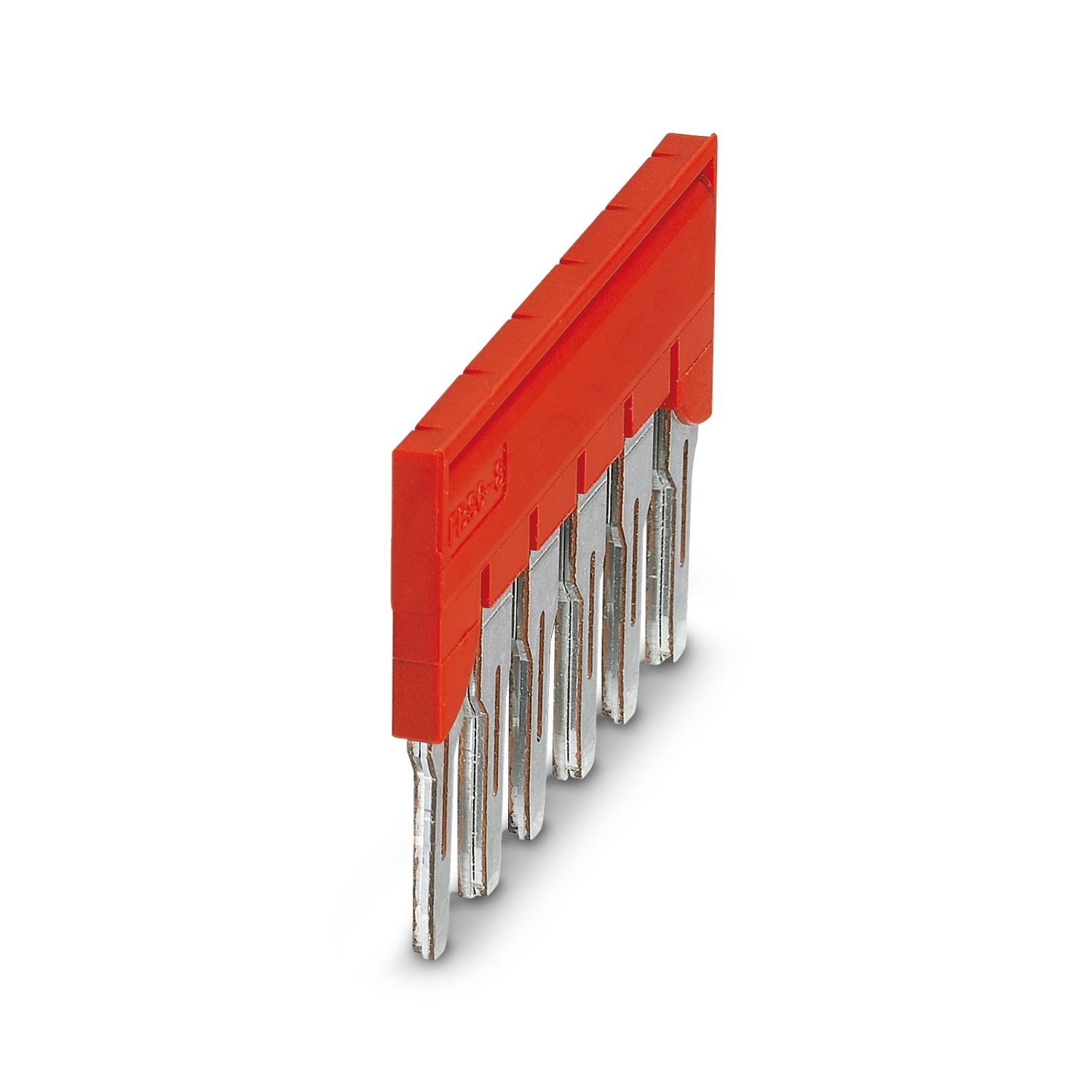
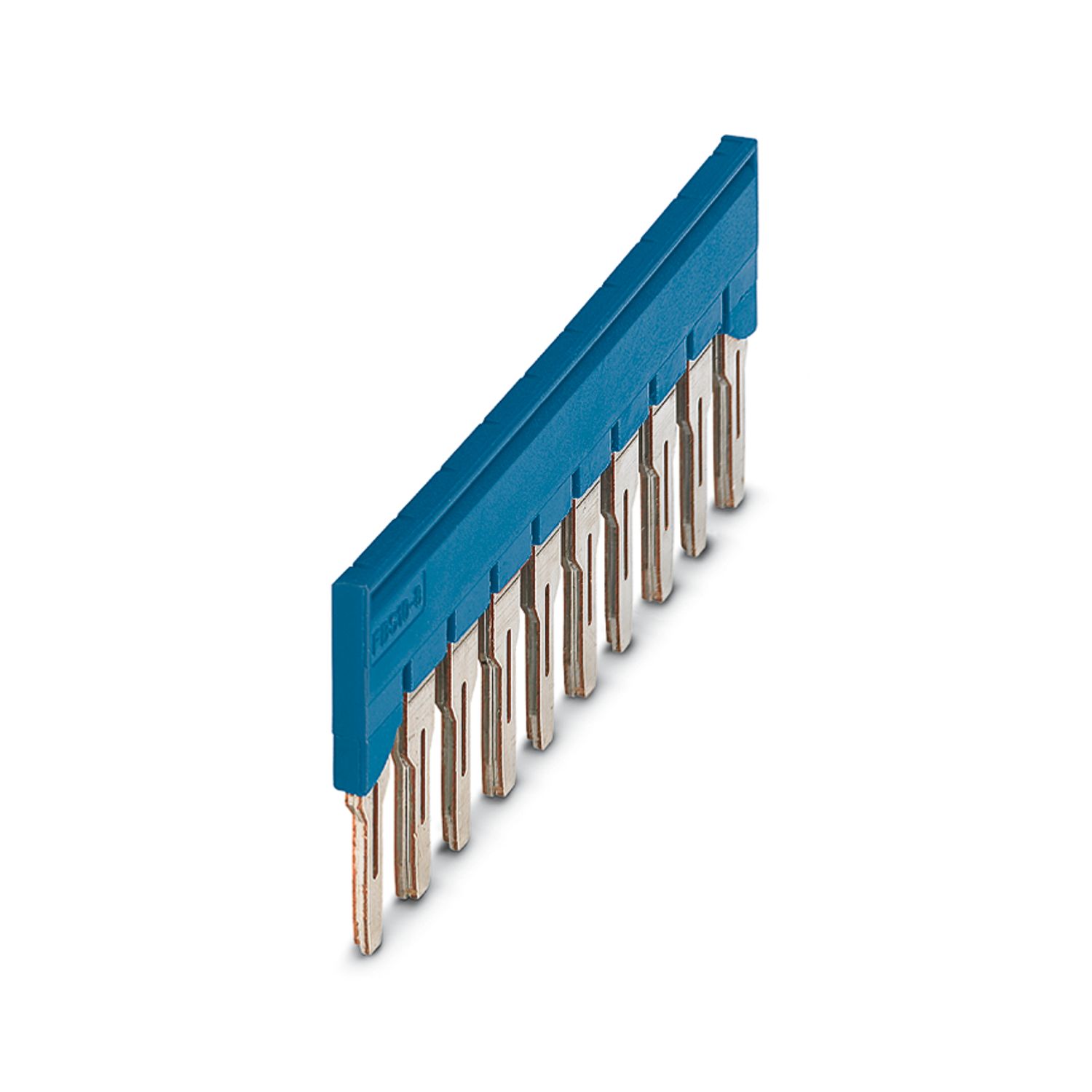
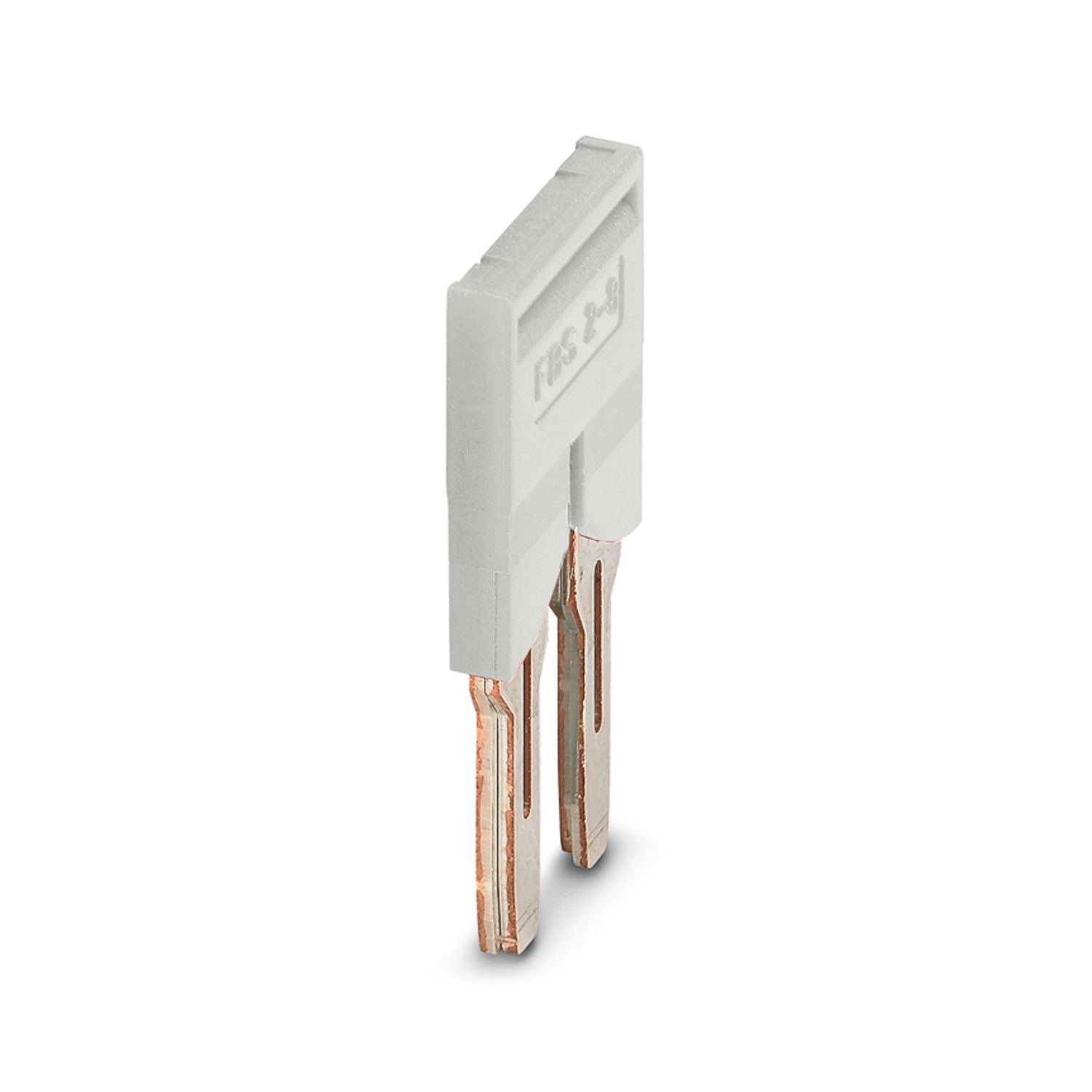
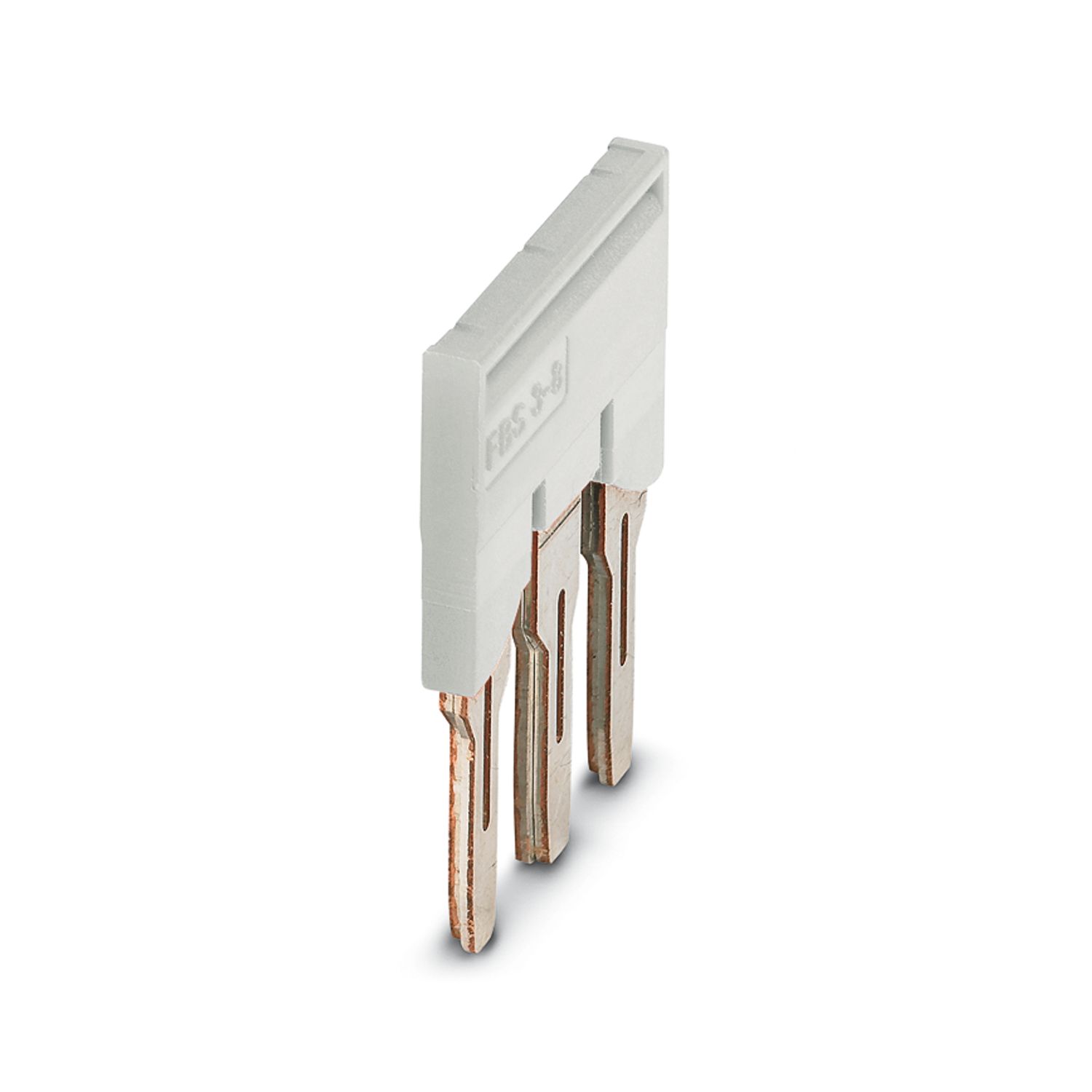
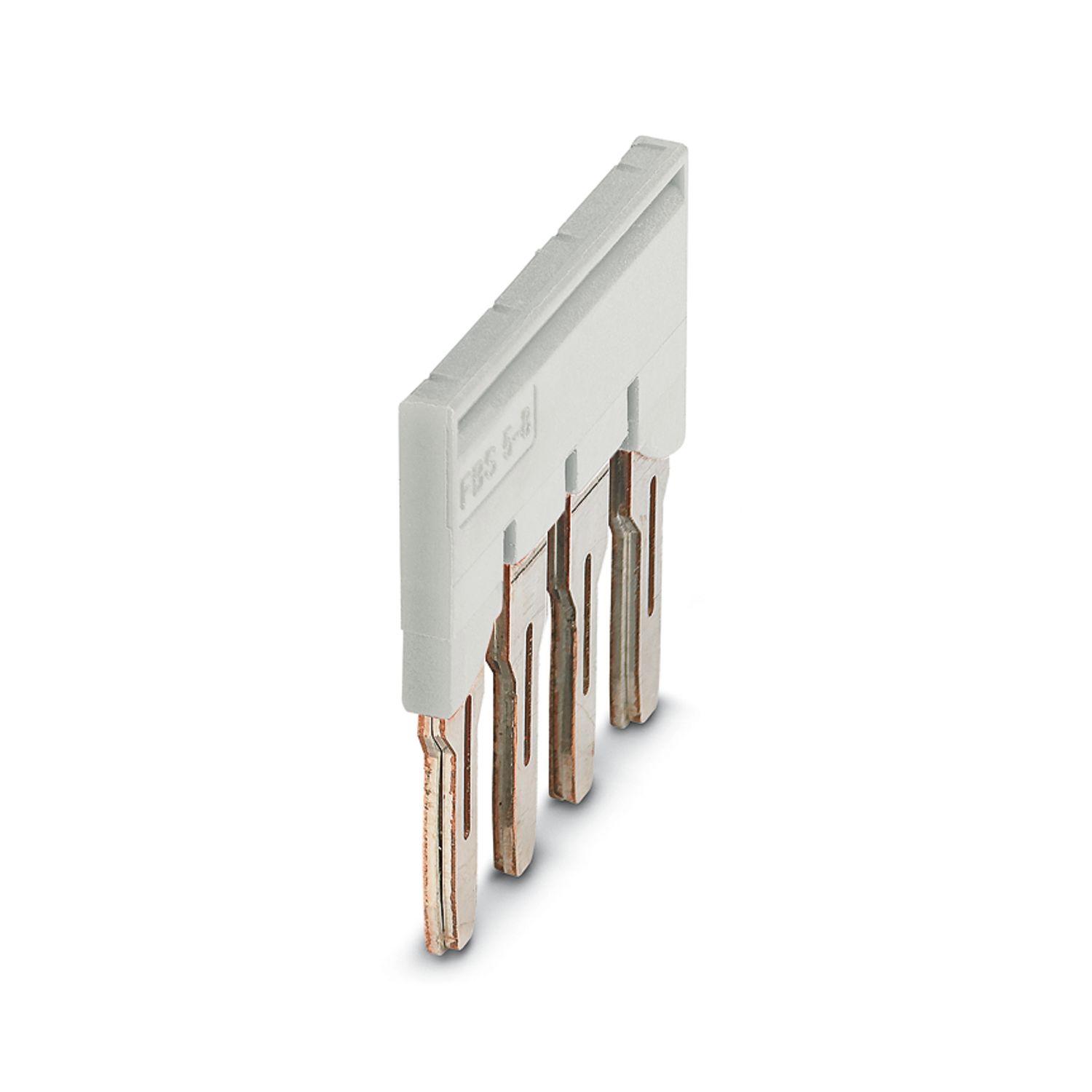
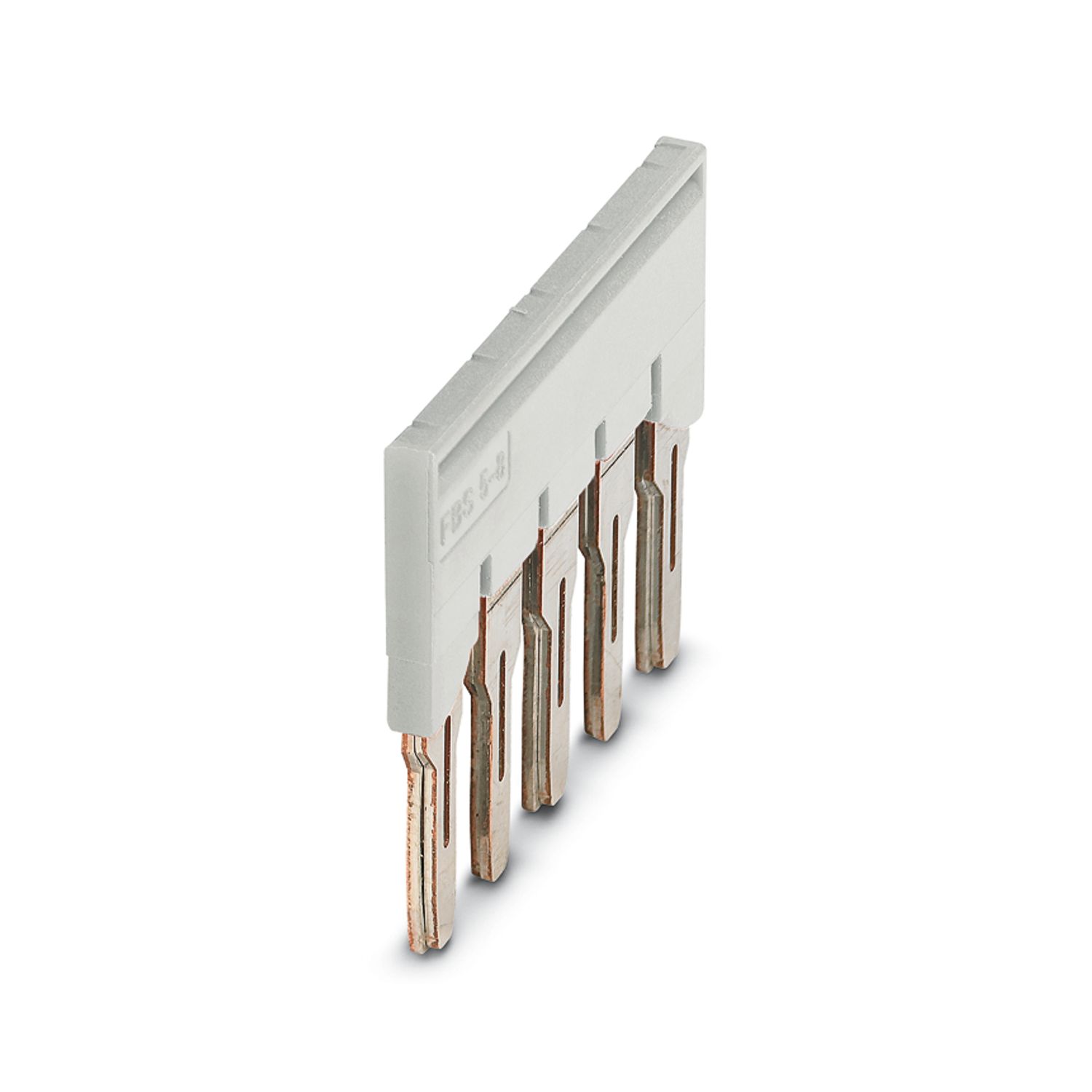
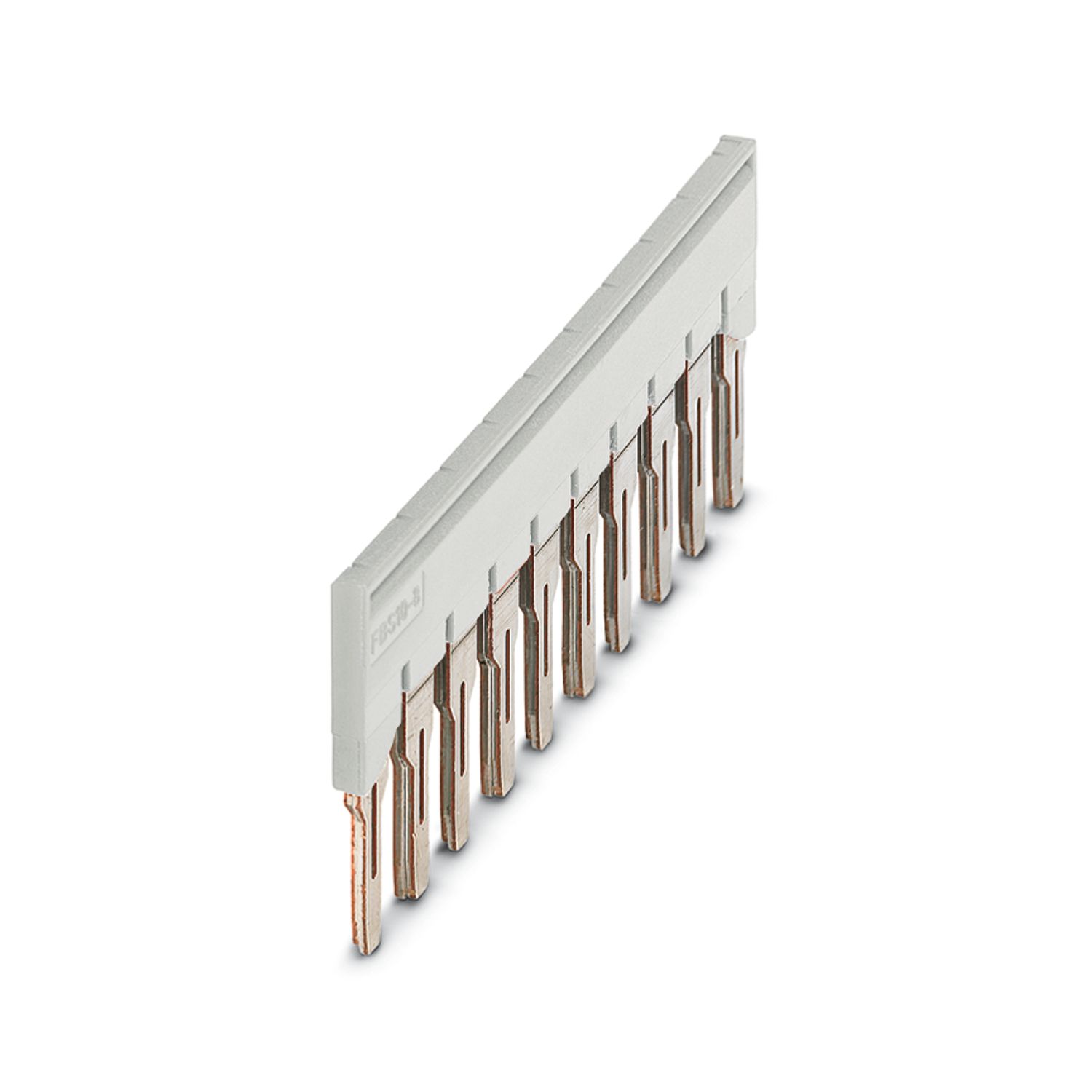
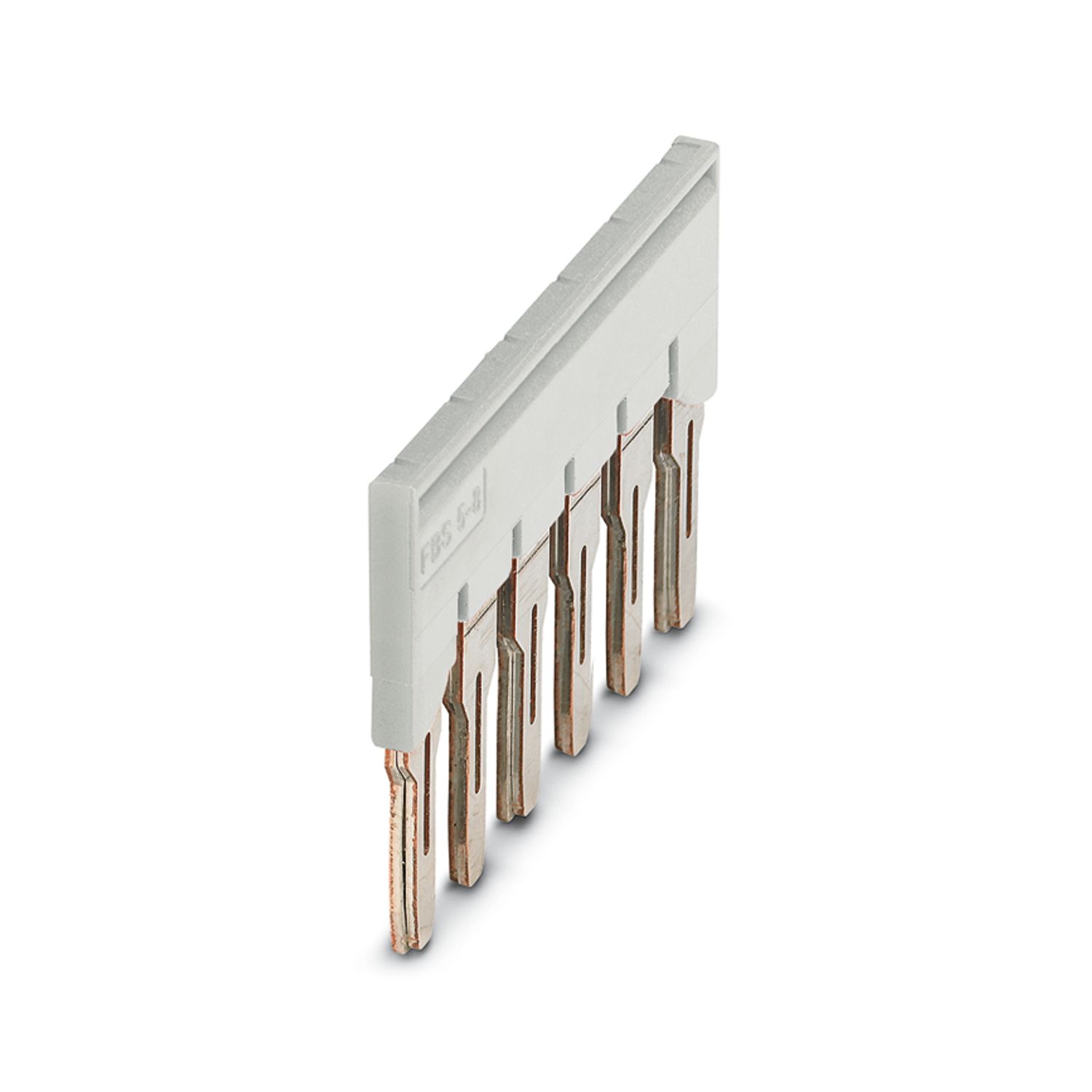
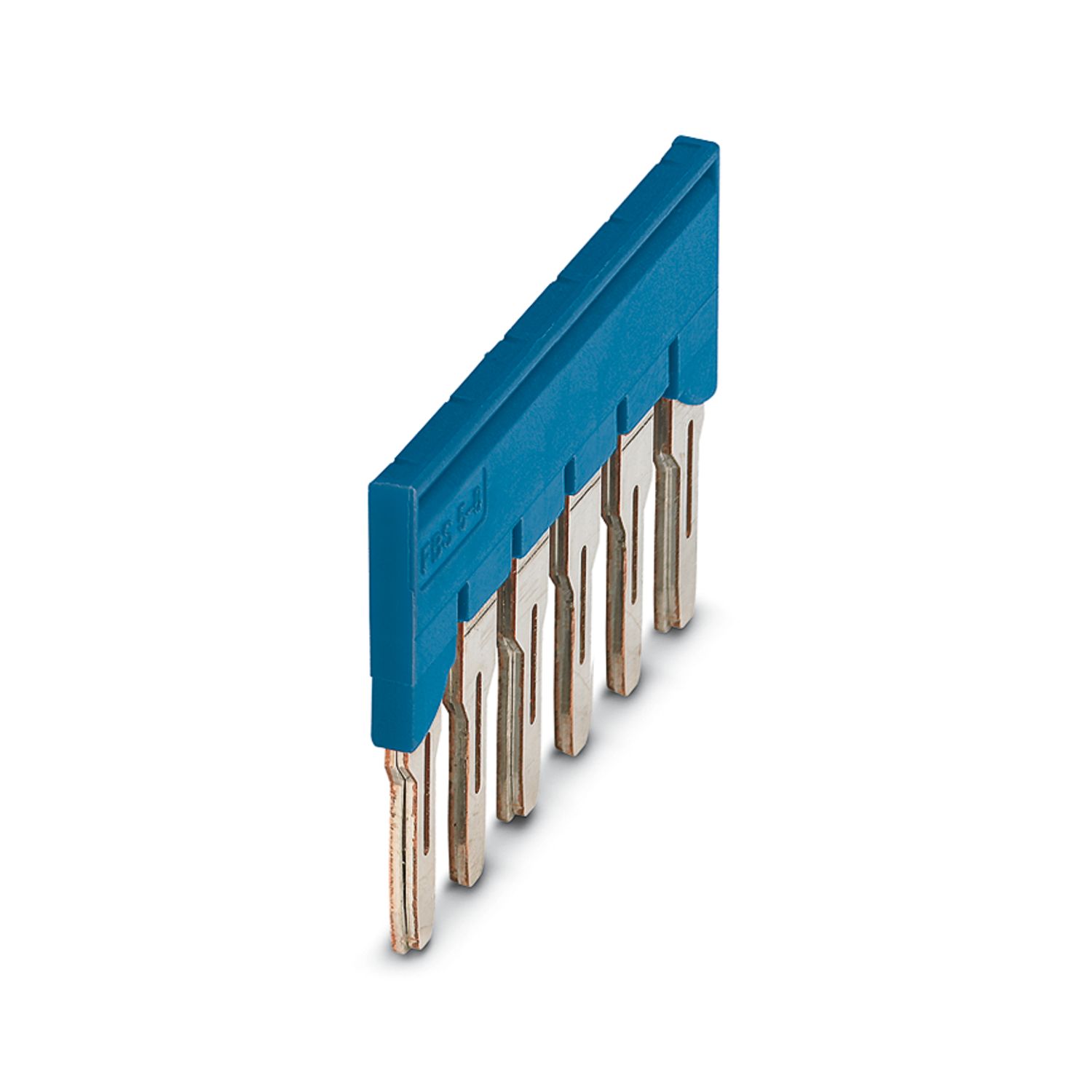
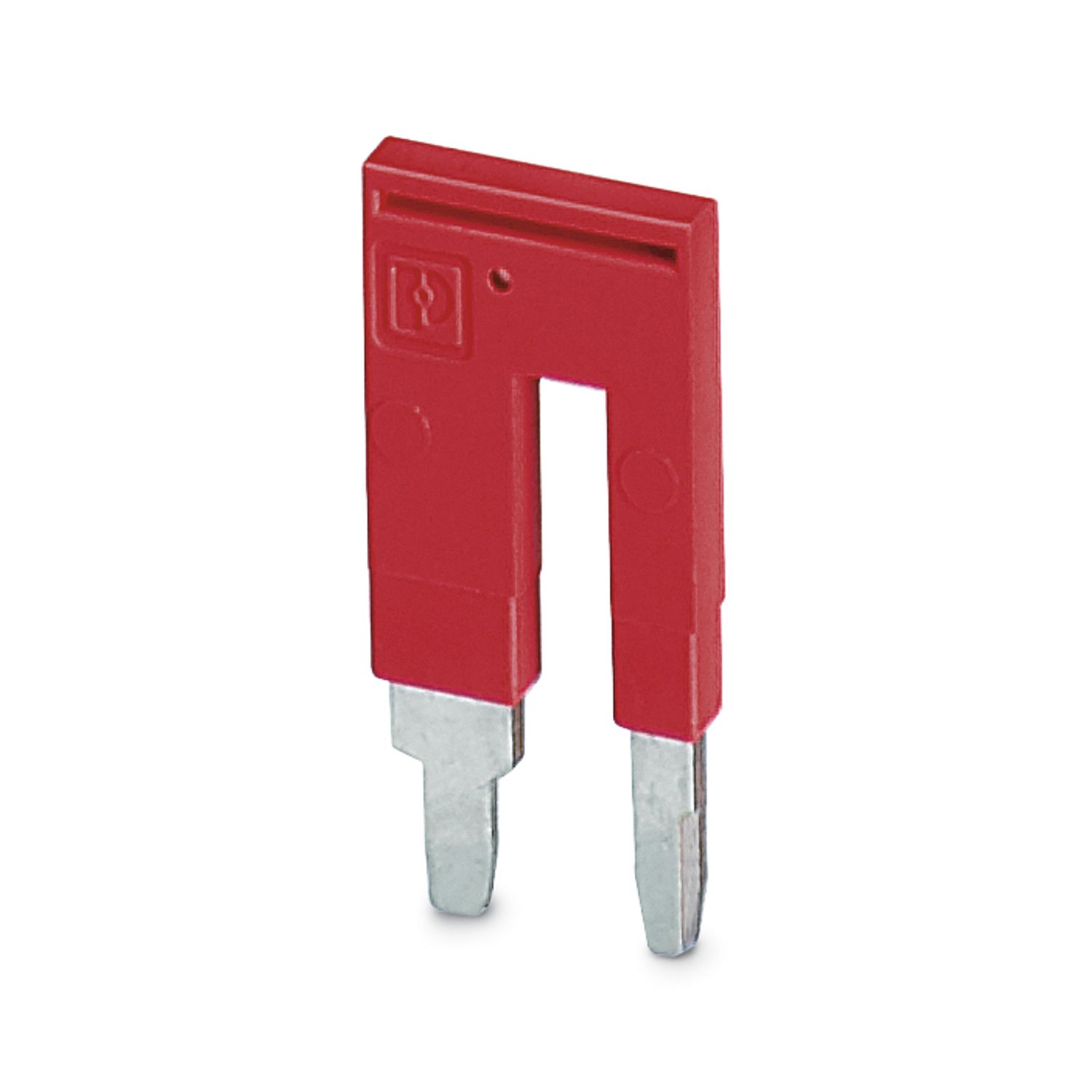
Creación sencilla de aplicaciones porque pueden puentearse con el programa de bornes para carril CLIPLINE complete
Transparencia sobre la utilización y el estado del sistema gracias a las conexiones integradas para señales individuales o colectivas
Fácil puesta en servicio y mantenimiento gracias al cableado preinstalable que permanece intacto al sustituir el conector
Preguntas frecuentes
¿Cómo funciona la alimentación y cómo se hace el puenteado?
En el punto de embornaje superior pueden suministrarse corrientes de hasta 40 A. Es posible conectar conductores flexibles de hasta 6 mm2 o rígidos de hasta 10 mm2. La corriente alimentada puede distribuirse con puentes FBS ...-... Ver más
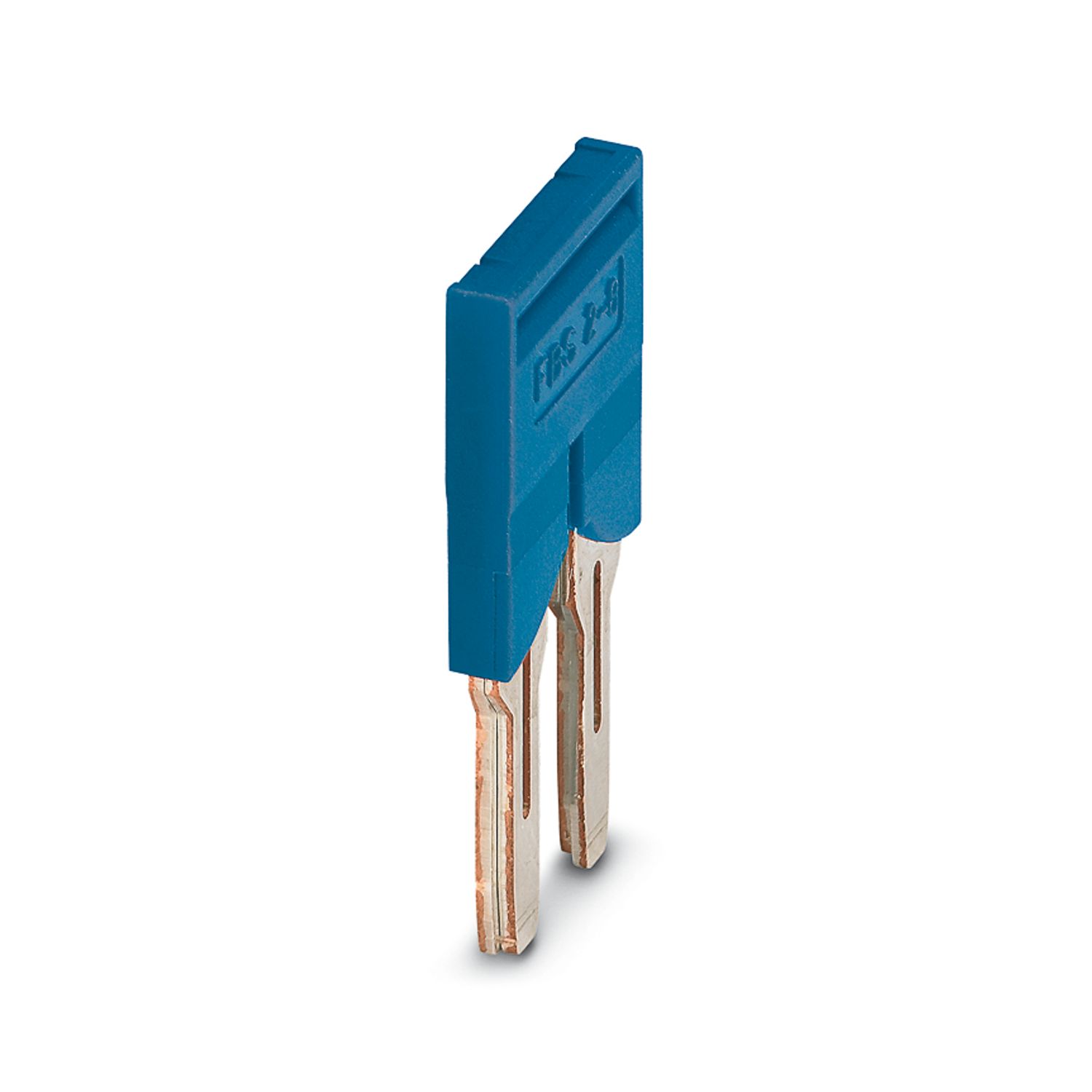
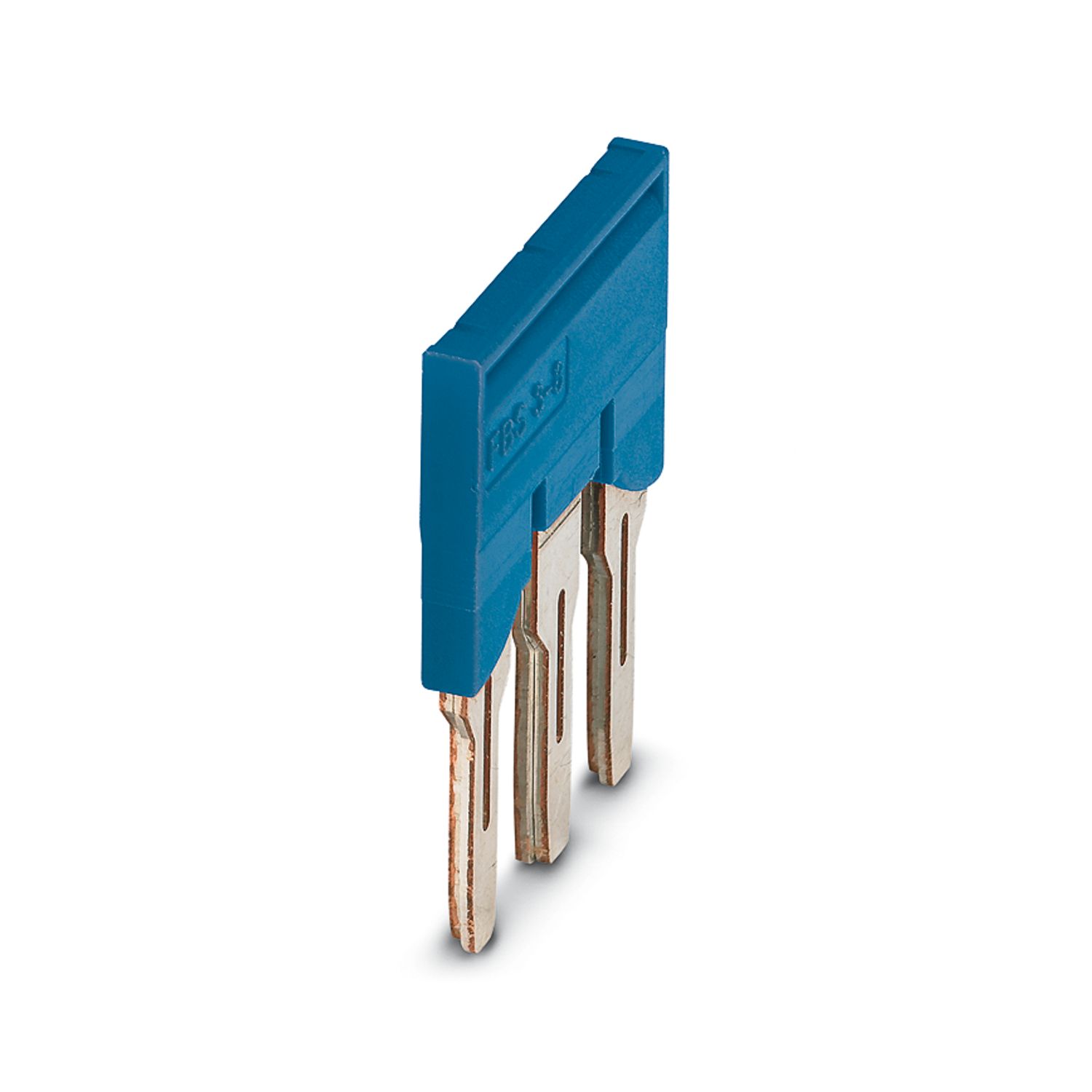
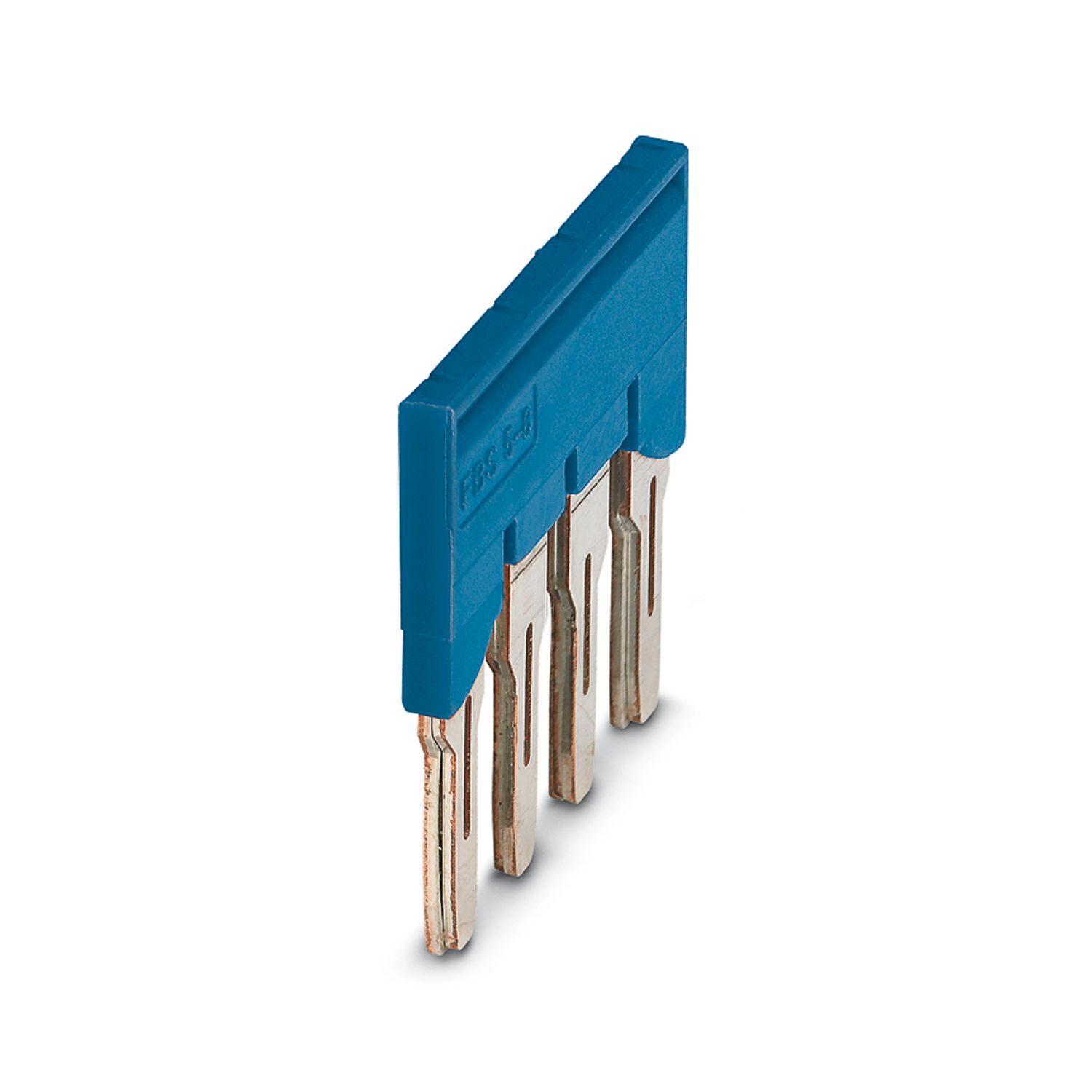
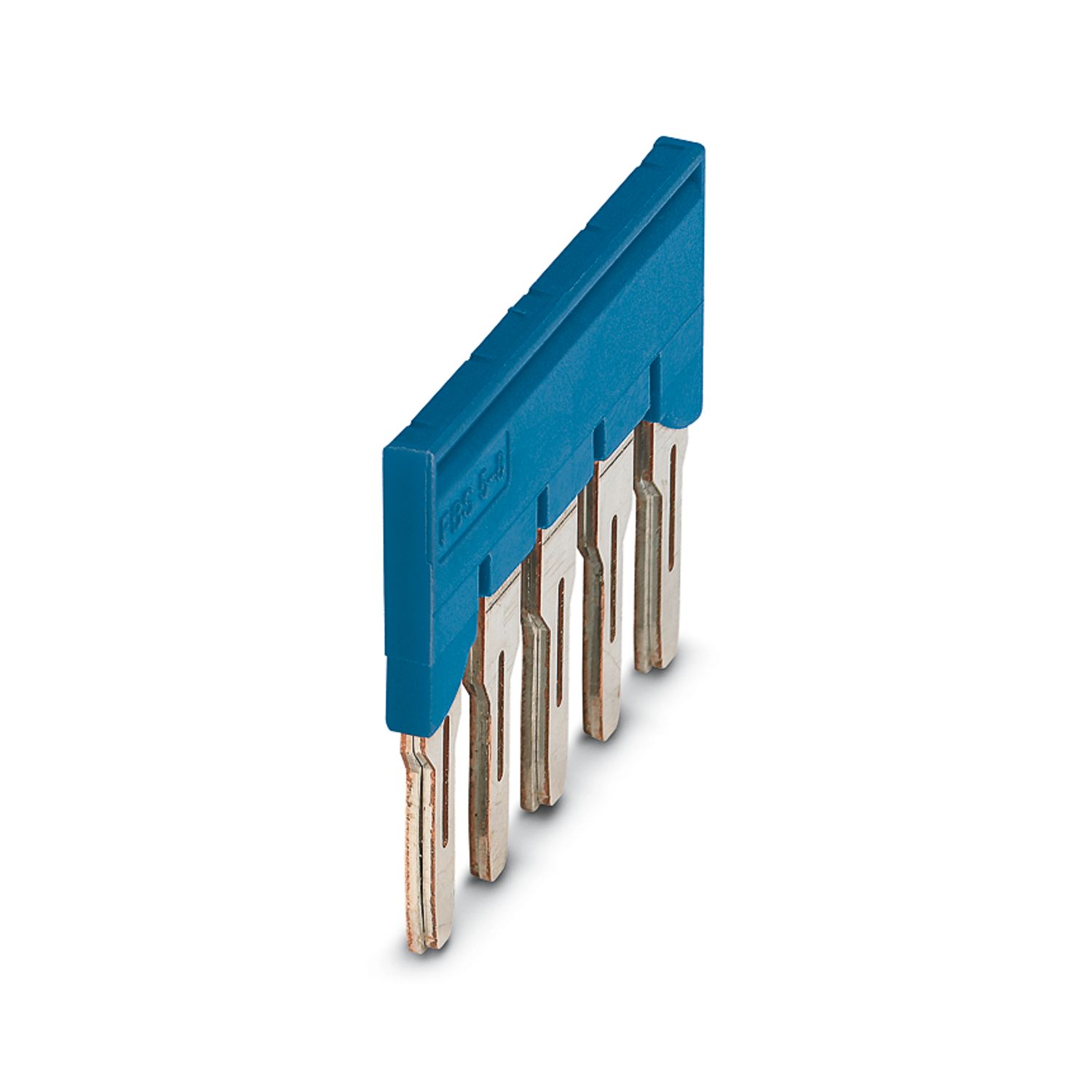
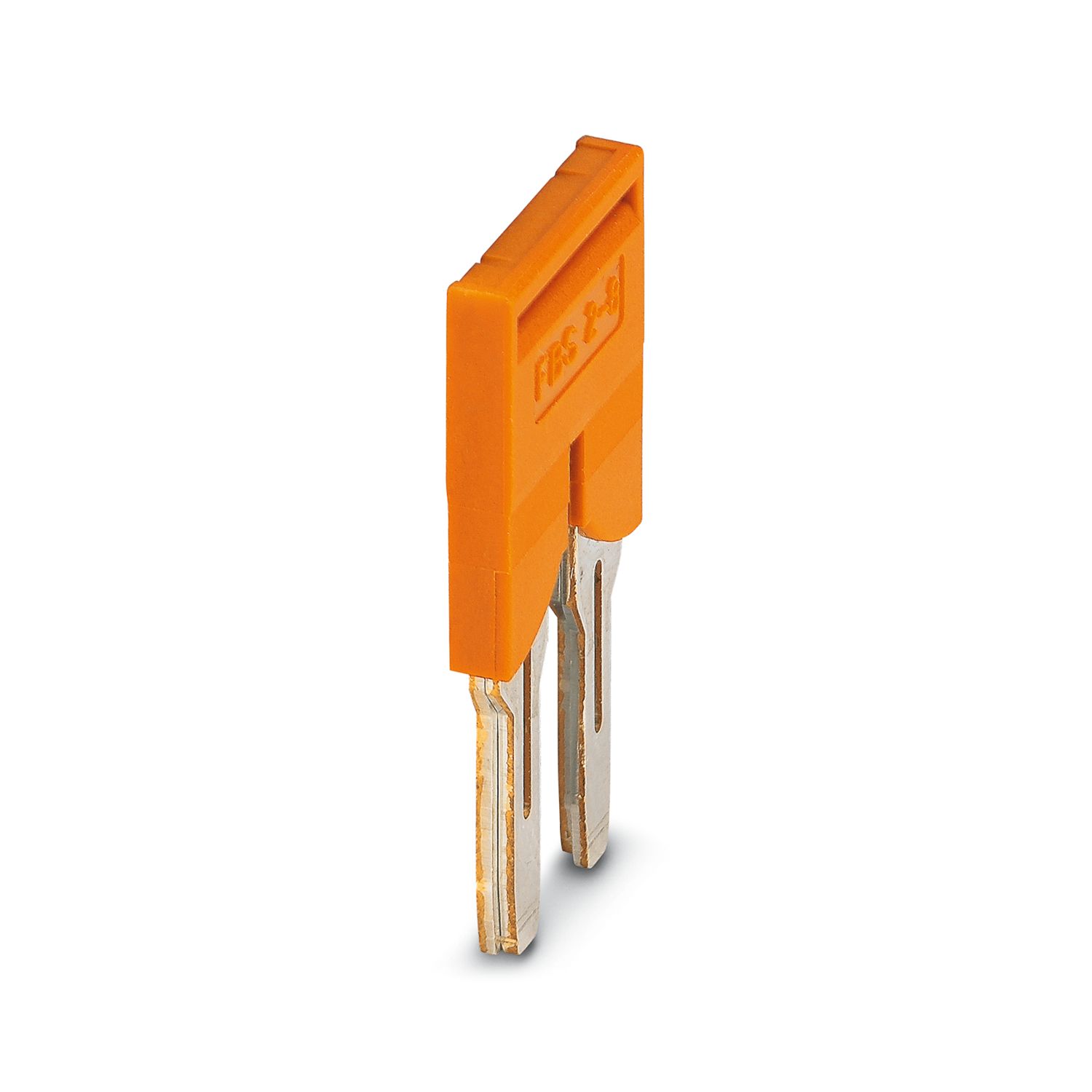
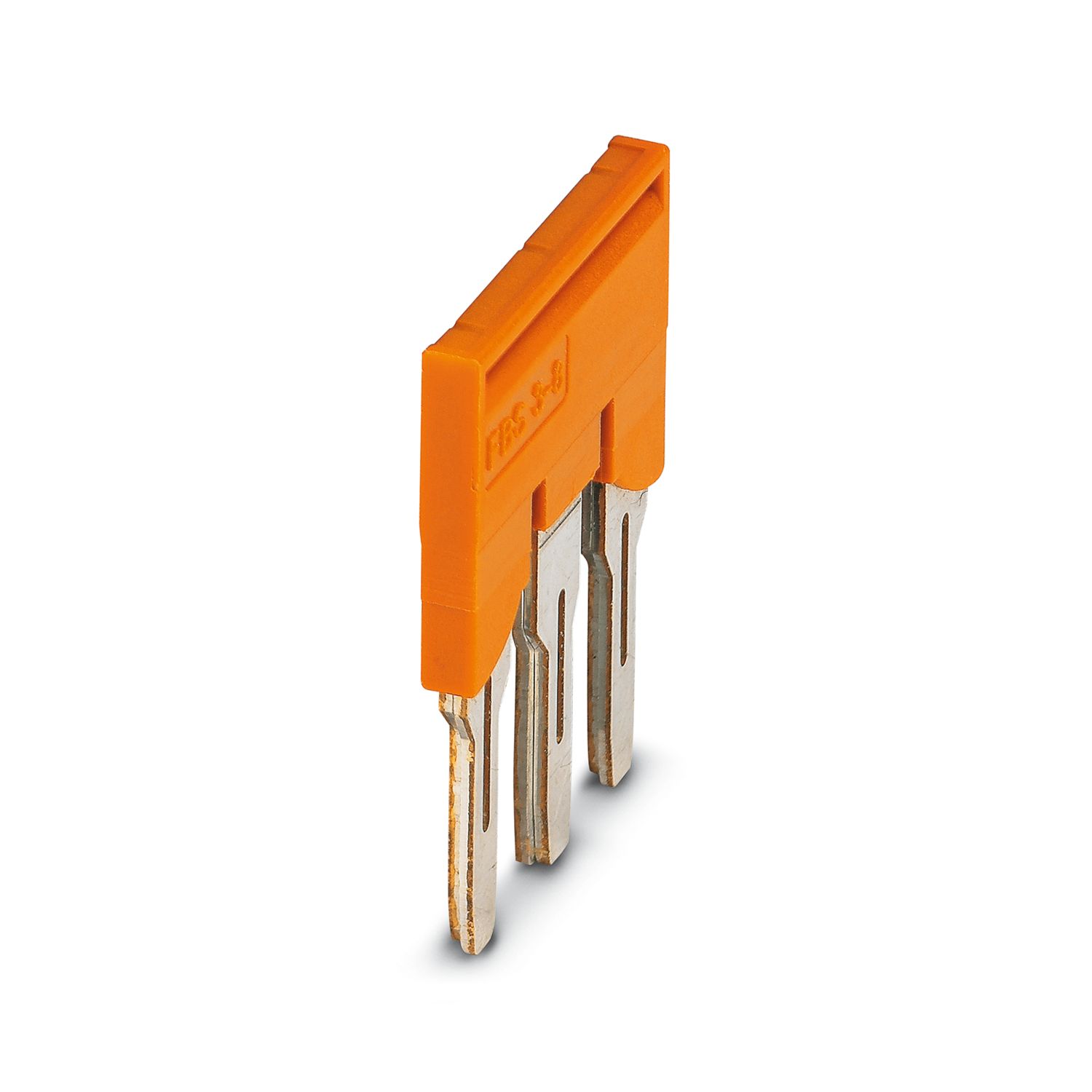
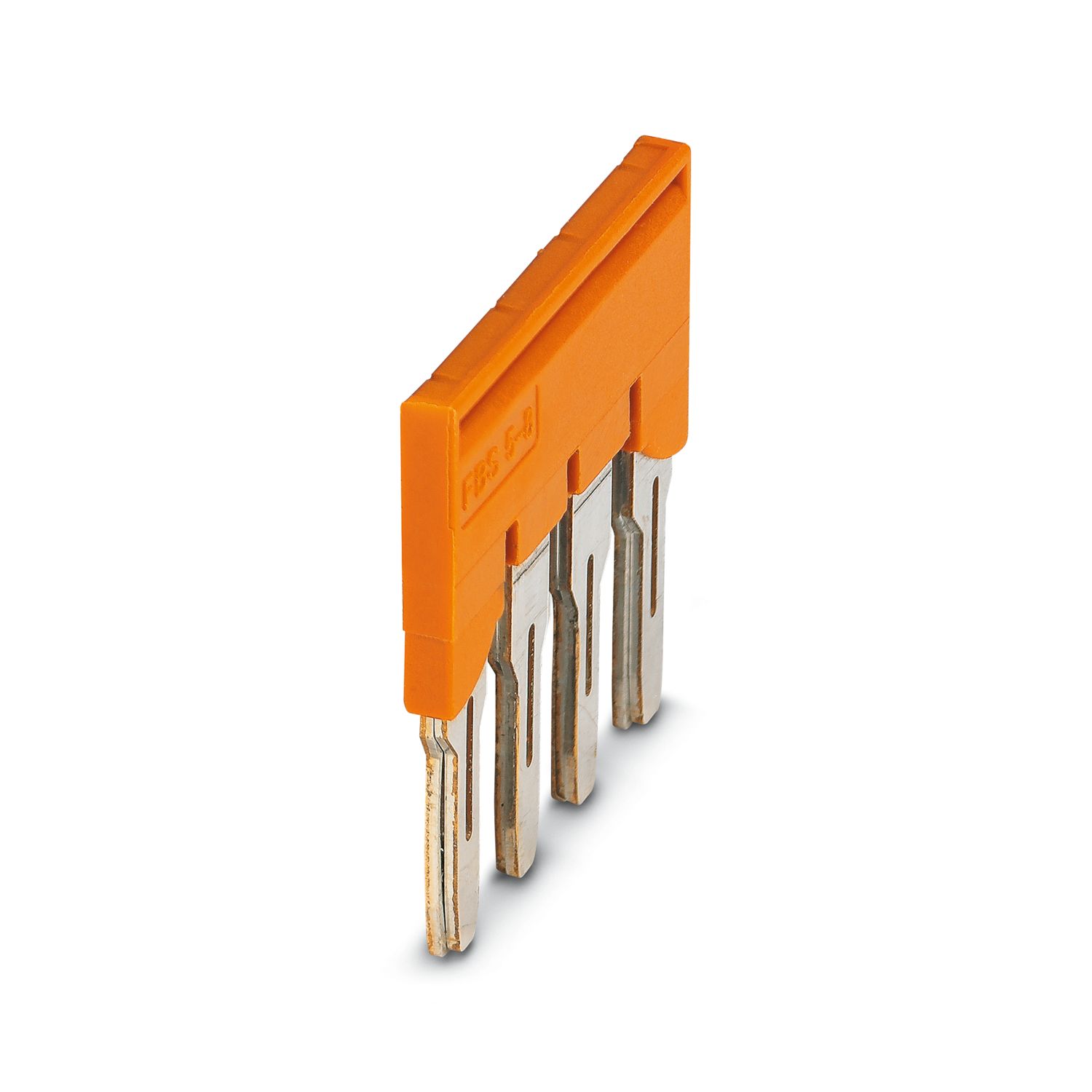
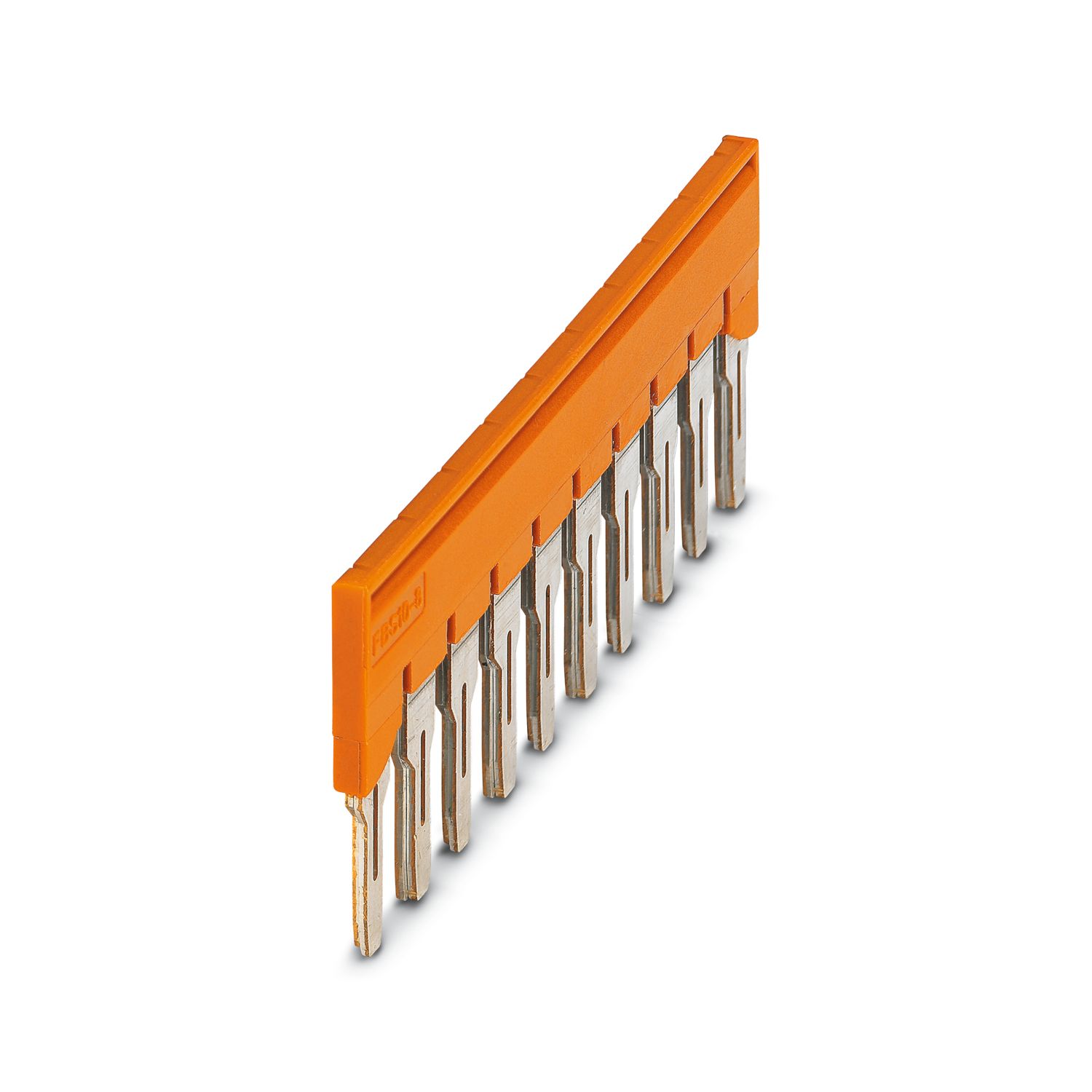
En el punto de embornaje superior pueden suministrarse corrientes de hasta 40 A. Es posible conectar conductores flexibles de hasta 6 mm2 o rígidos de hasta 10 mm2. La corriente alimentada puede distribuirse con puentes FBS ...-8 a través de los fosos de puenteado dispuestos en la parte superior. Es válido lo siguiente: las corrientes superiores a 31 A deben distribuirse a través de dos puentes; las corrientes hasta 31 A pueden distribuirse a través de un puente.
Ver menos¿Qué curvas características elijo y cuándo?
Hay disponibles dos curvas características diferentes:
- La curva característica F2, más rápida, es adecuada para cargas más sensibles, como sensores o cargas resistivas. Se dispara con tensiones DC en el rango de 4 ... 8 x In.
- La curva carac...
Ver más
Hay disponibles dos curvas características diferentes:
- La curva característica F2, más rápida, es adecuada para cargas más sensibles, como sensores o cargas resistivas. Se dispara con tensiones DC en el rango de 4 ... 8 x In.
- La curva característica de retardo medio M1 se recomienda para cargas o motores que consuman más corriente (por ejemplo, capacitivos). Se dispara a tensiones DC de 8 ... 15 x In.
¿Hay algún requisito para la alimentación eléctrica? ¿Qué se debe que tener en cuenta para un correcto dimensionamiento?
Para una protección selectiva, la alimentación eléctrica debe ser capaz de suministrar el aumento de corriente de disparo necesario. También se deben tener en cuenta las impedancias de la línea.
¿Qué se entiende por capacidad de desconexión en caso de cortocircuito y cuál es la diferencia entre los términos Icn e Inc?
Capacidad de desconexión en caso de cortocircuito: corriente de cortocircuito máxima que el interruptor de protección puede desconectar de forma segura. ¿Qué debe tenerse en cuenta si la corriente de la fuente es superior a la capacidad de desconexió... Ver más
Capacidad de desconexión en caso de cortocircuito: corriente de cortocircuito máxima que el interruptor de protección puede desconectar de forma segura. ¿Qué debe tenerse en cuenta si la corriente de la fuente es superior a la capacidad de desconexión en caso de cortocircuito? En este caso, el interruptor de protección puede utilizarse con un fusible de seguridad hasta Inc. Algunos fusibles han sido probados y homologados para este fin (véase el certificado).
- Icn (capacidad nominal de desconexión en caso de cortocircuito): valor que el interruptor de protección puede desconectar por sí solo sin fusible de seguridad.
- Inc (corriente de cortocircuito condicionada): valor que puede soportar el interruptor de protección con un fusible conectado antes de él.
¿Se puede utilizar el PTCB TM para AC y DC?
Sí, para AC debe tenerse en cuenta la corriente de cortocircuito no afectada en el lugar de instalación previsto. Esta no debe superar la capacidad de desconexión del PTCB TM. El disparo magnético para AC y DC difiere en el factor DC/AC = 1,3.