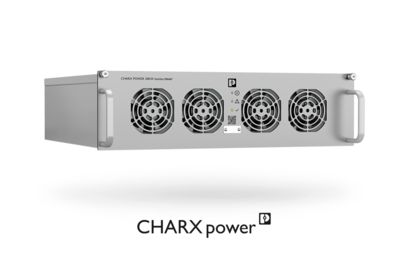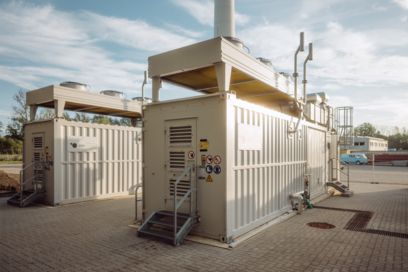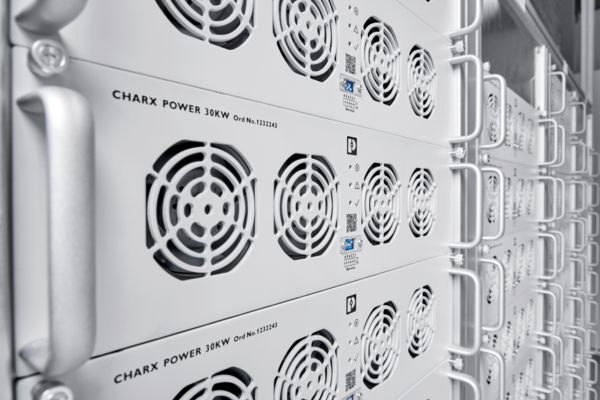
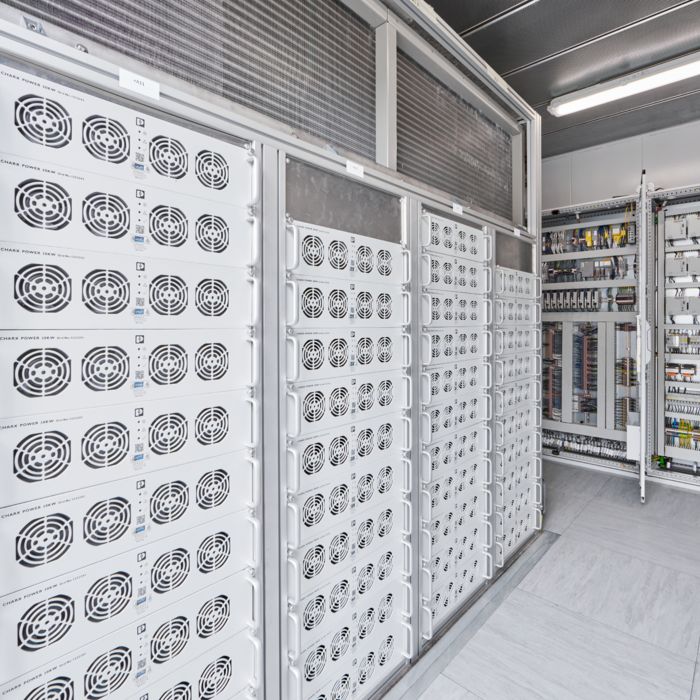
CHARX AC/DC converters based on IGBT or SiC technology are used for the DC power supply. With an efficiency of up to 97 percent, they are significantly superior to monolithic converters. With a controllable DC output voltage range of 30 to 1,000 V, they can be adapted to the operating voltage of different electrolysis stacks. Both the operating voltage and the output current can be ramped up slowly via a ramp function. The converters feature internal electrical isolation between the AC and DC grids. This is vitally important for the design of the power supply of many electrolyzers.
Modular supply concept for electrolyzers A modular solution consisting of AC/DC converters is ideal for supplying electrolysis cells with direct current. Find out in our white paper how a modular supply concept simplifies maintenance and has a beneficial effect on the availability and service life of electrolysis stacks.
Direct current for electrolyzers
Electrolyzers in the megawatt range are being built around the world to produce green hydrogen. Manufacturers are focusing on modular and scalable systems, at least at the level of the electrolysis stacks. Direct current supplies the stacks. Instead of large monolithic supply blocks, using many small AC/DC converters, similar to electrolysis cells, has proven to be advantageous. Such a modular supply concept creates the basis for different topologies. At the same time, the concept facilitates the scaling of hydrogen plants.
The challenge
Scalable alternative to monolithic large-scale converters
Common to all electrolyzers is the need for direct current. Alternating current from the public power grid is initially rectified by AC/DC converters. Often, monolithic large converters are still used, which are installed individually for the respective electrolysis plant.
An alternative is a modular supply concept based on our AC/DC converters in the CHARX power system. With the wide range of possible topologies that can be implemented with the aid of modular AC/DC converters, the concept is suitable for use in pilot systems and large electrolyzers alike.
Solution
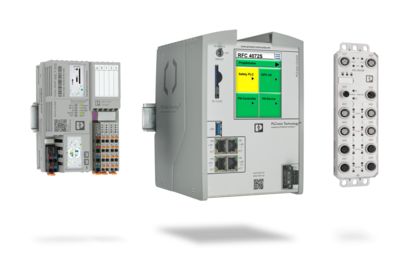
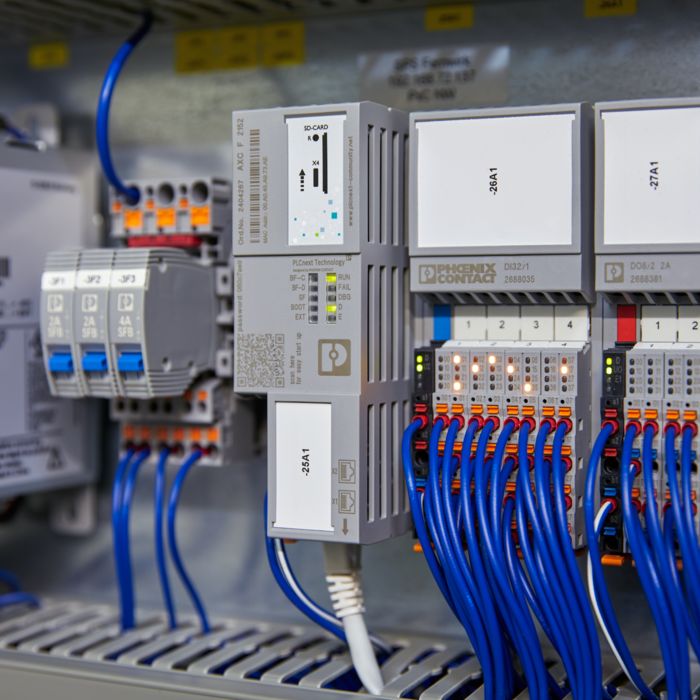
Our devices from the PLCnext Control family are ideal for control applications. Library elements that simplify programming are available for the controllers. They enable flexible control of voltage and current and easy integration of data points for condition monitoring. Furthermore, the CHARX converters are also equipped with an openly accessible bus system.
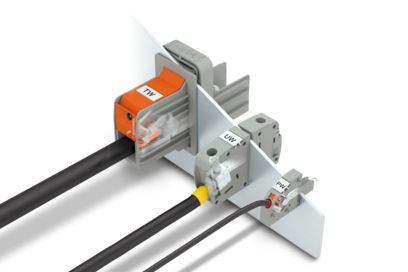
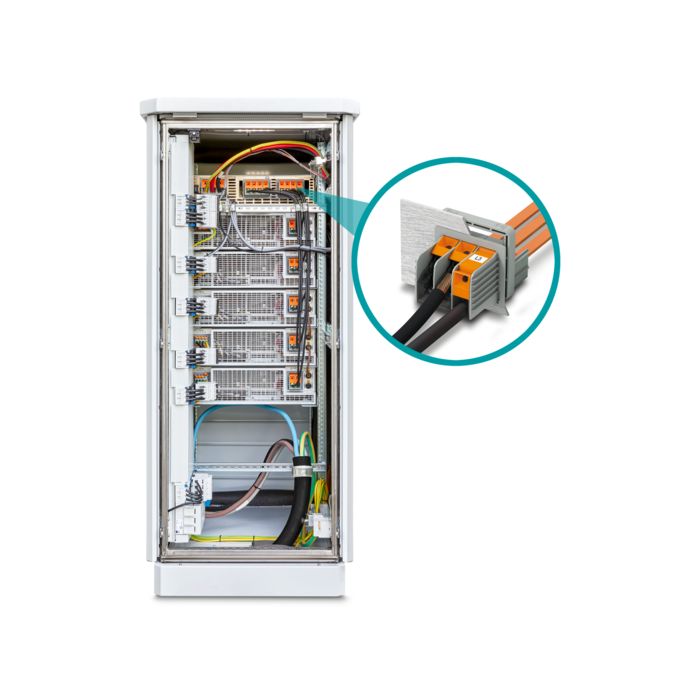
The 19" rack design means that the modules fit in any control cabinet that is standardized for this format. The modules adapt optimally to the power requirements of the respective electrolysis modules. The power cables are particularly easy to install using our T-LOX terminal blocks. This eliminates the need for individual backplane planning. You can also add additional modules quickly and easily at a later date. Operation without a backplane also facilitates the natural air flow and therefore the heat dissipation of the devices. Service and maintenance work is simplified by the handiness and effortless installation of the devices.
Increased availability
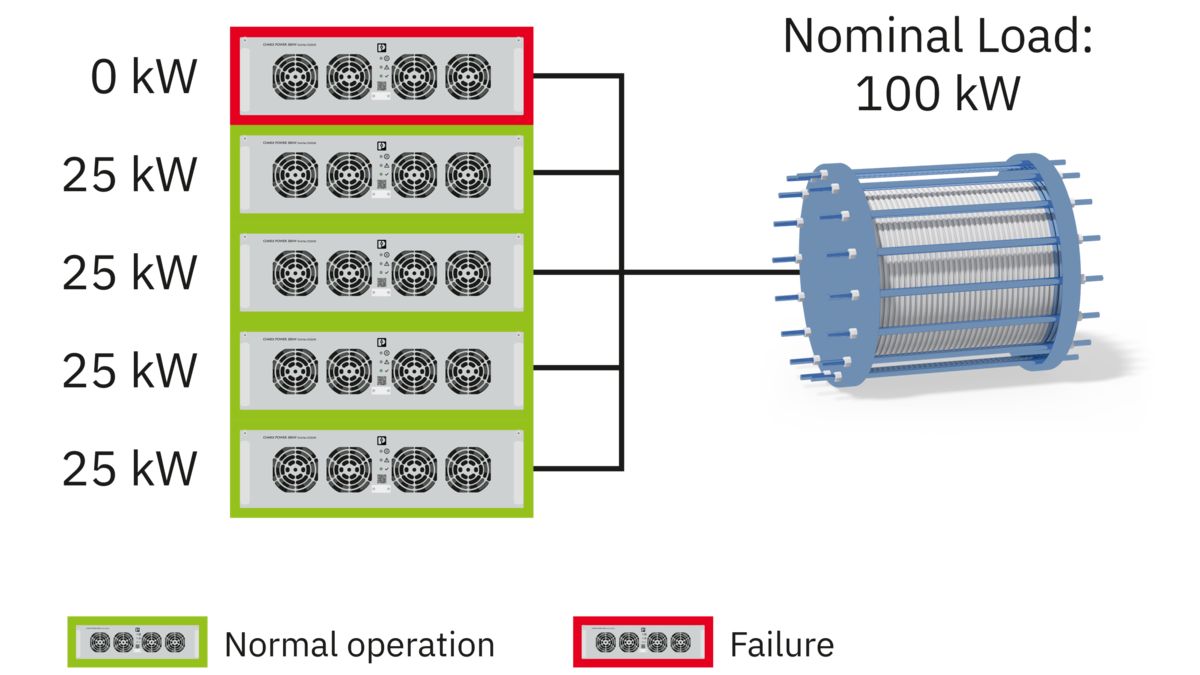
Modular rectifier concepts increase availability in electrolysis applications. If a defect occurs in a large monolithic converter, the entire electrolysis plant fails. However, with a modular approach, only the portion of the affected power module is lost. Depending on the system design, the failure of a power module can even be fully compensated.
Contact
What to expect in our white paper An excerpt of the topic highlights:
- High availability of the power supply, as the failure of a rectifier module is effectively compensated or reduced
- Increased availability of electrolysis cells with module-based IGBT rectifier technology
- Increased service life and optimum efficiency in partial-load operation due to time-dependent replacement of AC/DC modules