
What is electrification? Electrification enables processes to be made more efficient, emissions to be reduced, and innovative technologies to be driven forward.

Brief summary
In a world that is becoming increasingly aware of the importance of climate protection and sustainable development, one term is increasingly coming into focus: electrification. It enables processes to be made more efficient, emissions to be reduced, and innovative technologies to be driven forward. This development can change our energy consumption and bring us a big step closer to a climate-neutral future.
What does electrification mean?
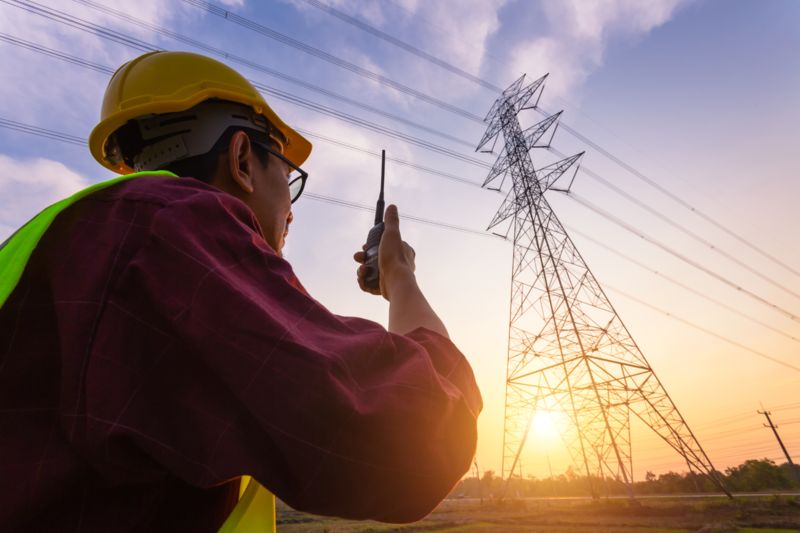
Electrification describes the process of switching from forms of energy based on combustion or mechanical power to the use of electricity. This involves the transition from fossil fuels such as coal, gas, and to electrically generated energy. This process affects not only generation, but also how we use and distribute the energy in the various sectors of our lives.
Electrification stands for the increased use of electricity in areas that previously relied on other energy sources – such as lighting, heating, vehicle drives, and industrial processes.
The history of electrification
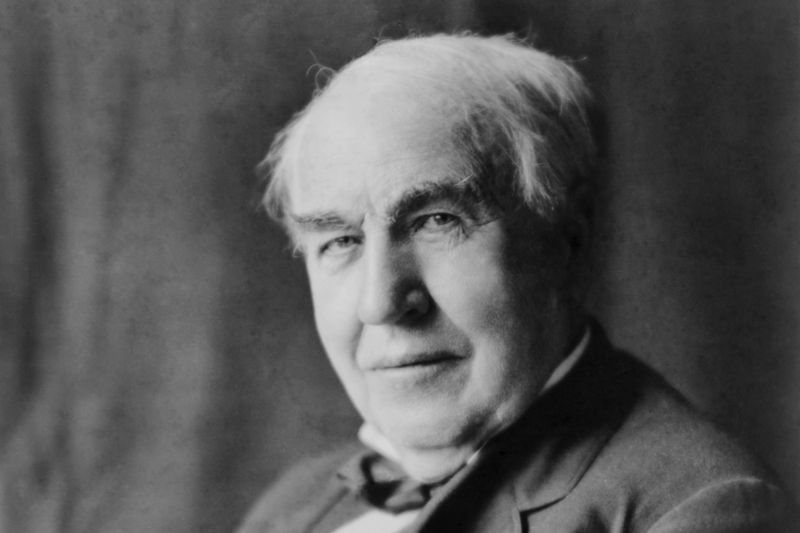
The history of electrification is closely linked to the development of electricity itself and marks one of the most significant advances in human civilization. When did electricity begin to make its practical entry into everyday life? The first fundamental discoveries regarding electricity and its phenomena date back to the 17th and 18th centuries. But it was not until the 19th century, with inventions such as the light bulb by Thomas Edison and the development of generators and transformers, that electrification began on a larger scale.
The phase of comprehensive electrification began at the end of the 19th and beginning of the 20th century. It was the time of the second industrial revolution, when electrical energy replaced steam power in factories and the public power grid was steadily expanded. During this phase, cities were electrified, streetcars and trains were electrically powered, and electric lighting changed society’s nightlife. The expansion of the infrastructure and the increasing supply of electricity were decisive steps that paved the way for today’s applications and made an enormous contribution to development and progress.
Examples and fields of application
Today, electrification can be felt in almost all areas of life and is influencing both industry and our everyday lives.
Electric drives in the transport sector
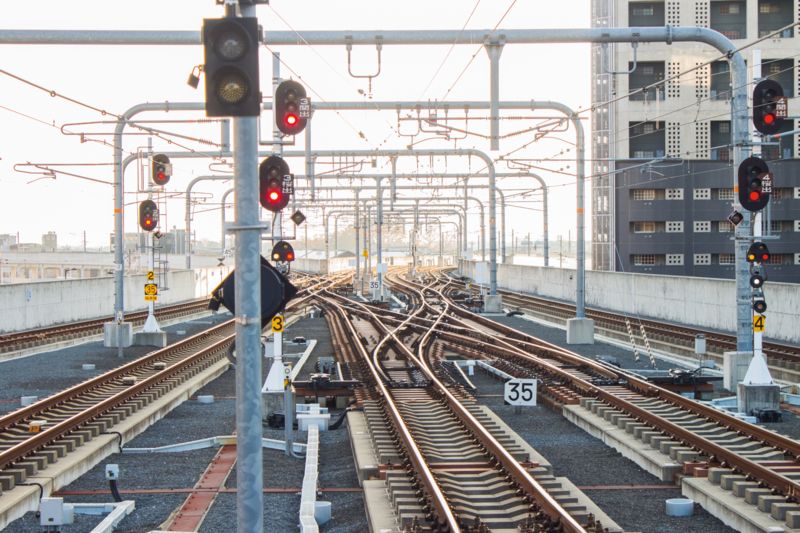
- Rail transport: The electrification of railroad lines is a long-standing project in many countries. Many of the main routes throughout Germany and Europe are already electrically powered. In order to make rail traffic even more environmentally friendly and achieve greater efficiency, the conversion of further routes is crucial.
- Electric vehicles: The electric drive has gained enormous importance in recent years. Electric vehicles are not only quieter, they are also much more environmentally friendly if the electricity comes from renewable sources. They help to improve the air quality in urban areas and reduce our dependence on fossil fuels.
The electrification of industry
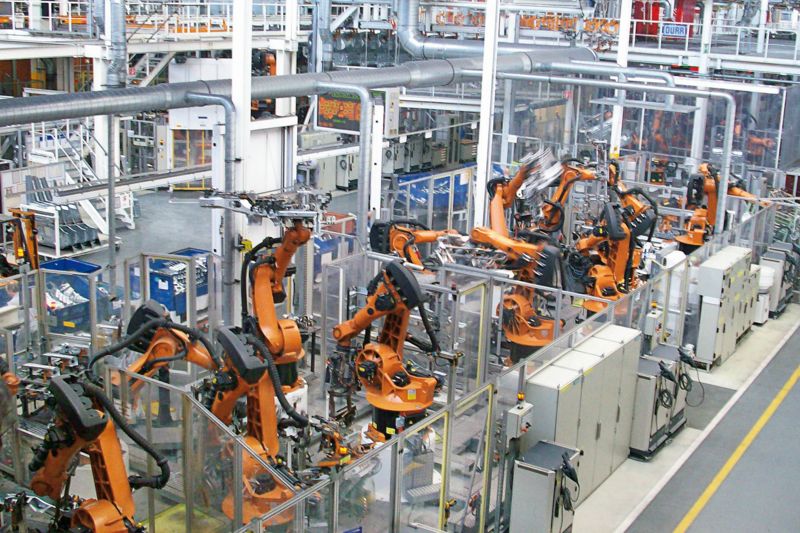
Electrification has revolutionized industry from the ground up. Where steam engines and internal combustion engines once dominated the scene, precise, efficient, and often intelligently controlled electrical machines and systems are now in use. The transition to electric drives and processes has optimized production processes, reduced maintenance costs, and raised automation to a new level. State-of-the-art Industry 4.0 concepts rely heavily on the digital control and networking of electrical components, which enables a high degree of efficiency and flexibility. The contribution toward increasing productivity and the sustainable development of industry is immense.

Heating and cooling: The transition in buildings
Electrification is also playing an increasingly important role in the building sector. The electrification of heating is a central pillar of the heating transition. Instead of heating with gas or oil, state-of-the-art technologies such as heat pumps are being used. They use electricity to generate heat from the environment (air, water, the ground). This solution is not only efficient, but also much more environmentally friendly, especially if the electricity comes from renewable sources. Cooling systems are also becoming increasingly electrically operated, which is leading to lower energy consumption and improving the quality of living and our working conditions. All of this is because these technologies, for example, use electricity in a targeted manner and adjust their output continuously, so that they only cool when it is really necessary.
Smart grids and security of supply
Increasing electrification requires the expansion and modernization of our infrastructure, especially the electricity grid. The development of intelligent electricity grids (smart grids) is crucial. In these flexibly controlled grids, demand and supply can be dynamically adjusted, the integration of renewable energies can be optimized, and the stability of the power supply guaranteed. Technological advances have also made it possible to intelligently control loads and storage systems, which can make more efficient use of electricity, avoid peak loads, and ensure a high-level security of supply.
The advantages of electrification
Electrification is not just a trend, but a strategic solution with far-reaching benefits for society, the environment, and the economy.
Electrification for climate protection and decarbonization
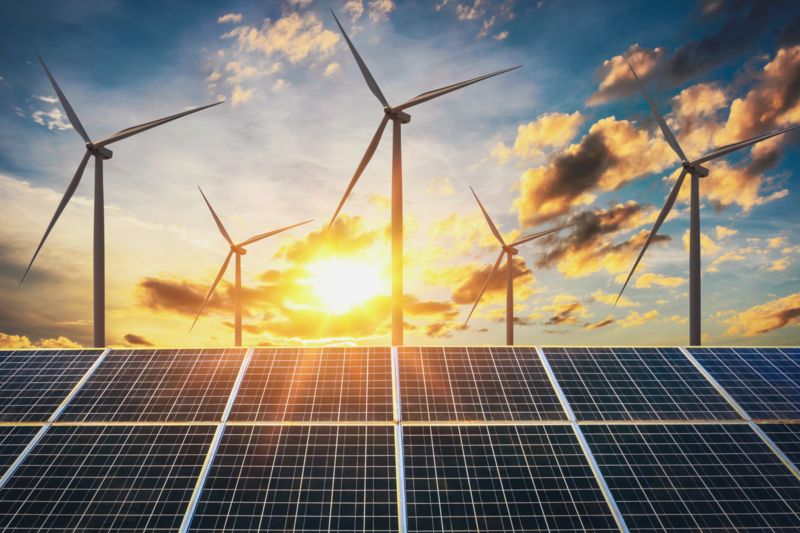
One of the particularly great advantages of electrification is its decisive contribution to climate protection and the decarbonization of our economy. By replacing fossil fuels with electricity that is increasingly generated from renewable energies such as wind, solar, and hydropower, we are significantly reducing greenhouse gas emissions. This goal is of great global importance and enables sustainable development. The switch to electric systems is a central pillar of the energy transition and will help us to achieve the goals set out in the Paris Climate Agreement.
Efficiency and economy
In many fields of application, electric systems are significantly more efficient than their fossil-fuel counterparts. An electric drive, for example, converts a much higher percentage of the energy supplied into movement than an internal combustion engine. This high level of efficiency not only leads to lower energy consumption, but also to considerable cost savings for consumers and industry in the long term. The advantage lies in the use and transmission of electricity.
Innovation and technological developments
Electrification is a strong driver of innovation and technological development. The demand for efficient electrical components, batteries, intelligent control systems, and state-of-the-art electricity grid solutions is driving research and development in many industries. This is leading to the creation of new products, services, and business models, which in turn is creating jobs and strengthening the competitiveness of the economy. The continuous development of technology and infrastructure is crucial if we are to fully exploit the benefits of electrification.
Expansion of infrastructure and the power grid
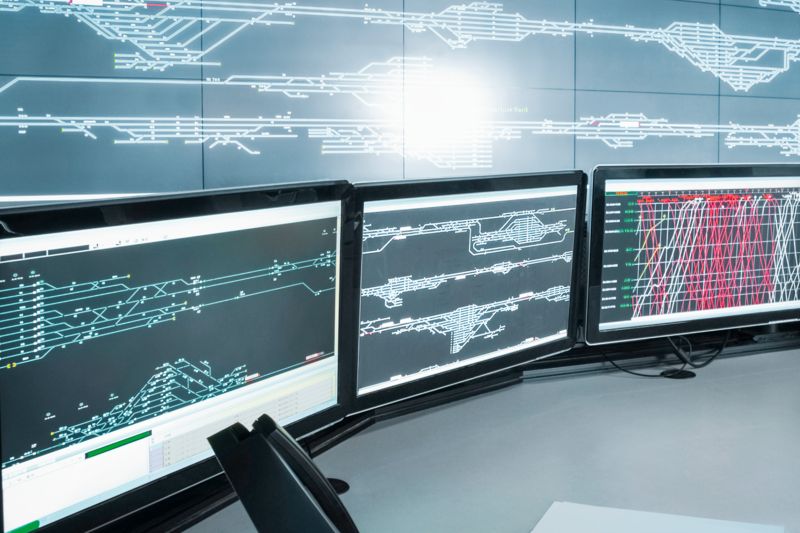
The biggest challenges include the massive expansion and modernization of the infrastructure, especially the electricity grid. The increasing use of electricity in all sectors requires a more robust, intelligent, and flexible grid that is capable of integrating the fluctuating supply from renewable energies while ensuring a high-level security of supply. The planning and implementation of these complex projects will require huge investments and a coordinated effort from politics, business, and science. The expansion of the electricity grid and charging infrastructure is of central importance here.
Supply with renewable energy
Electrification will only develop its full potential if the electricity comes from renewable energies. In order to meet the increasing demand and achieve the goal of decarbonization, the further rapid expansion of wind power and solar systems is essential. This also includes solutions for energy storage (batteries, hydrogen), for efficient use, and distribution. This represents a major challenge in terms of planning and supply, but also offers immense opportunities for sustainable development.
Summary
A global effort is needed to achieve climate targets. This requires not only technological solutions, but also social acceptance, political framework conditions, and international cooperation.
Electrification is an indispensable pillar for a sustainable and modern future. It enables the decarbonization of our economy, increases efficiency, and promotes innovation. The challenges are considerable, but the benefits clearly outweigh them. With strategic planning, continuous infrastructure expansion, and the further contribution of renewable energies, we can realize the full potential of electrification and achieve positive growth for all.
Connect with our experts

More posts

Consume electricity and save money
The All Electric Society Factory in Blomberg, Germany, demonstrates how battery storage systems and DC grids are ushering in a new era together.
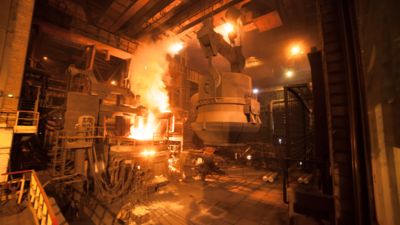
What is energy recovery?
Energy recovery involves making energy that is normally lost as waste heat, friction, or kinetic energy usable again.
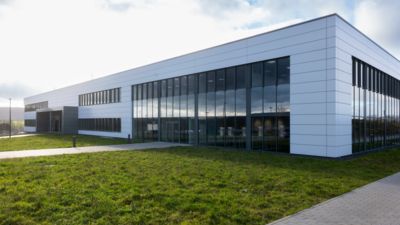
The All Electric Society Factory
Production in the All Electric Society Factory by Phoenix Contact can be energy-positive thanks to a sophisticated DC power grid. A look behind the scenes reveals how this works.