


Battery energy storage systems
When the sun sets, our work begins
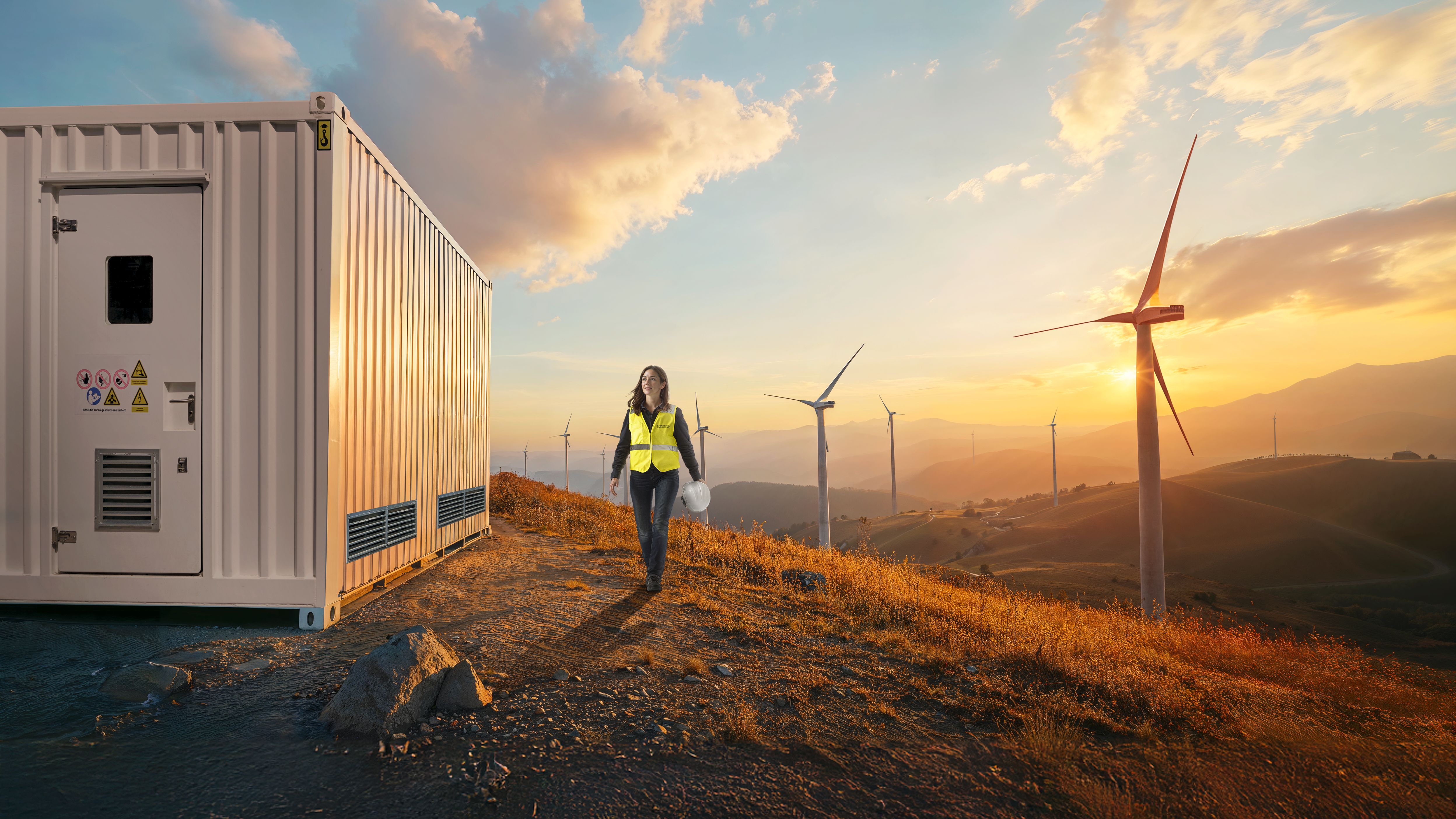
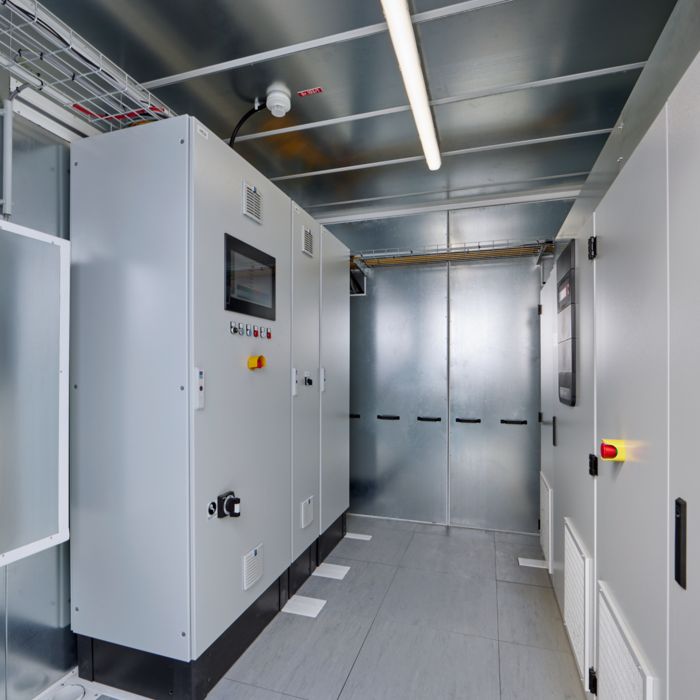
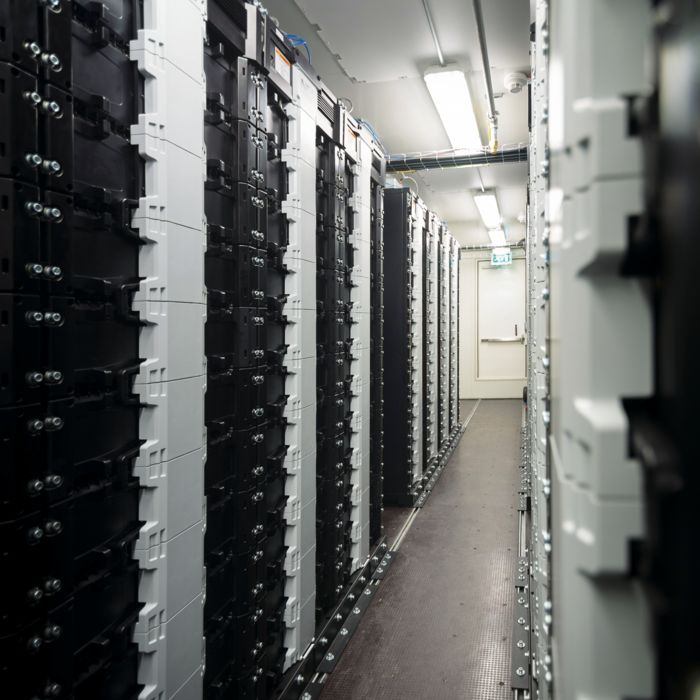
The sun does not shine all the time and the wind does not blow continuously, but energy is needed at all times. Battery storage systems are the solution for an independent power supply despite the volatility of the power generators. To ensure the reliable operation of your battery storage system, Phoenix Contact has a comprehensive product portfolio for battery storage systems of all different sizes and applications.
Find out about our service portfolio for your battery storage system
Comprehensive, coordinated product solutions in accordance with international safety standards (e.g. IEC, UL)
Field-tested components, systems, and technologies for the reliable and service-friendly operation of battery storage systems
Easy integration through standardized interfaces, automation solutions, and common protocols
Scalability and flexibility with modular solutions for adapting to different system sizes
Partnership-based, expert project consulting for identifying optimization potentials and the best possible solutions with our BESS experts
Battery storage system applications
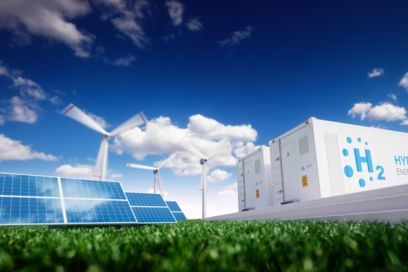
Battery storage systems can be integrated into hybrid systems that combine various PtX technologies, such as power-to-gas (PtG, hydrogen) and power-to-heat (PtH). This enables the power generated to be used efficiently.
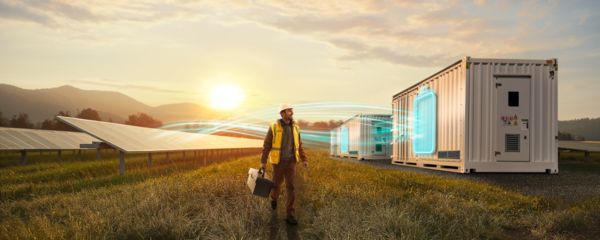
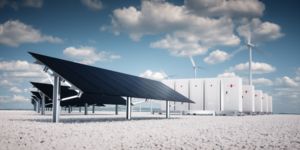
To counteract the volatility of renewable power generators, grid-supporting utility-scale storage systems will play a central role in the future energy landscape. They ensure the necessary grid stabilization when there is no sun or wind.
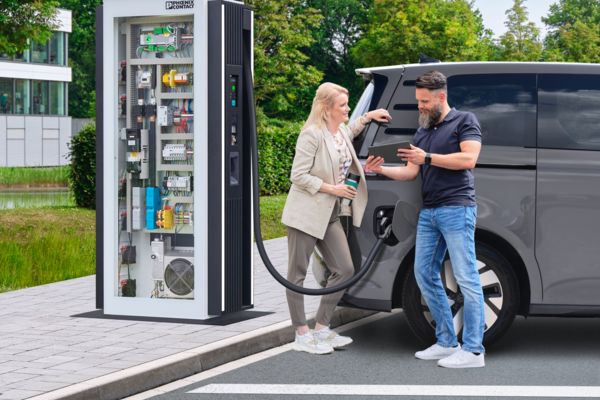
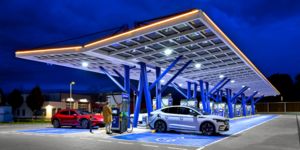
Energy storage systems are an essential component of a reliable charging infrastructure. Even in locations with a limited grid capacity, they enable the installation of fast charging stations without the need for extensive grid upgrades.
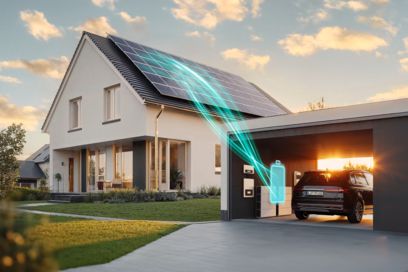
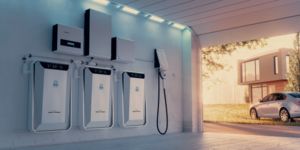
In private homes, battery storage systems are often used in combination with a solar system, inverter, and home charger. Here, they are used to optimize self-consumption. This in turn leads to cost savings and energy independence.
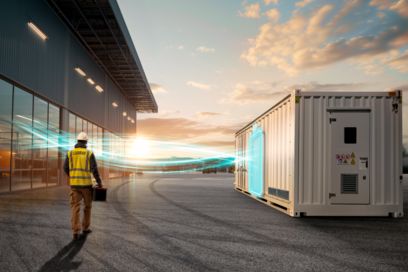
Battery storage systems can be integrated into industrial DC grids easily. They are a flexible solution for handling peak loads and increasing the efficiency of the system. At the same time, there are significantly less conversion losses.
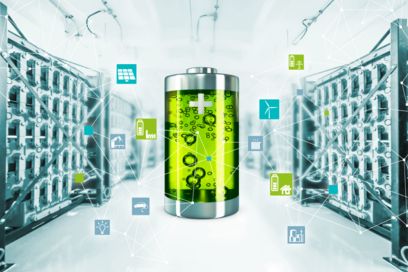
In data centers, energy storage units ensure an uninterruptible power supply, even in the event of a power failure. Due to the sensitivity and the potential loss of data, high availability is essential for operation.
Energy storage systems in the form of batteries make the power supply more independent and more climate friendly. Only with the help of such technologies can we ensure the optimal use of available energy.
FAQs: Battery storage systems
The acronym BESS stands for battery energy storage system. A battery energy storage system (BESS) is an essential part of the modern energy infrastructure. This technology makes it possible to store electrical energy efficiently and to release it again when needed. This is also making a decisive contribution to ensuring a more even and reliable power supply for the future.
In view of the increasing share of renewable, volatile energies in the global energy mix, battery storage systems are an indispensable tool for realizing a sustainable and efficient energy transition. It will continue to be important to ensure a continuous power supply in the future. Battery storage systems enable intelligent and optimized energy management through the storage of excess energy in times of low demand and its release for use at peak times. This balances out fluctuating purchase and consumption quantities. For this reason, battery storage systems are an essential part of an electrified world and are therefore an important foundation of the All Electric Society.
Battery storage systems feature numerous advantages that make them an attractive solution for households and companies. They make it possible to use self-generated electricity efficiently and to be less dependent on external energy sources. This increases energy independence, because less electricity needs to be drawn from the grid. In addition, battery storage systems help to save costs, because they enable the use of stored energy during expensive peak times, thereby reducing electricity costs. Furthermore, battery storage systems support the use of electricity from renewable energy sources and contribute to reducing carbon emissions. They therefore make a positive contribution to environmental protection.
The battery storage capacities needed will grow disproportionately in the coming years. The forecast is for a total global capacity of more than 2,500 GWh by 2030. Grid-supporting large-scale storage systems will account for a large proportion of this. This development is being driven by the massive expansion of renewable energies – the installed capacity of renewables is estimated to increase by 5,520 GW by 2030. The associated increasing volatility in the energy system will require powerful storage solutions to balance out feed-in fluctuations and ensure grid stability in the long term.
White paper
Green energy for the society of the future
Energy storage systems will play a central role in an All Electric Society (AES). The white paper sheds light on the importance of energy storage units as a core element of the AES and examines suitable storage technologies for sector coupling. Find out more about the applications and the market development of the various types of energy storage unit.