Understanding virtual controls

This concise webinar covers the basics of virtual controls. It covers the container approach (OCI), IT and OT architecture, and typical use cases. The content is explained in a practical way.
Virtual control
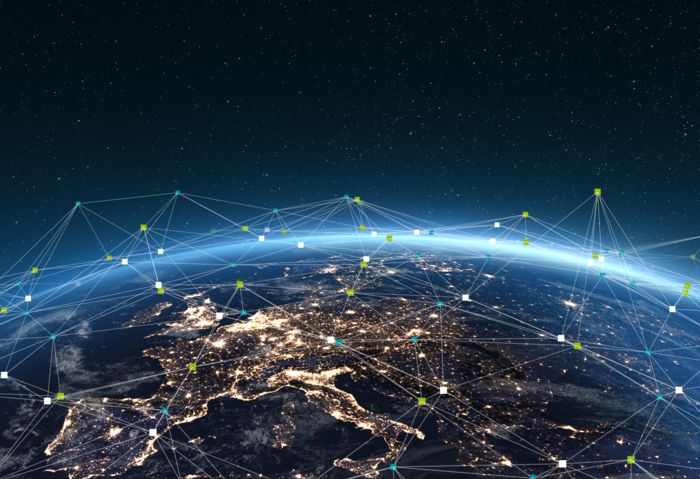
A networked world

Why virtual controls, and why now?

Industrial automation is becoming increasingly software-based. Systems are becoming more interconnected, and operational technology and information technology are converging more closely. Traditional PLC concepts often reach their limits in terms of scalability, updatability, and integration into modern software landscapes.

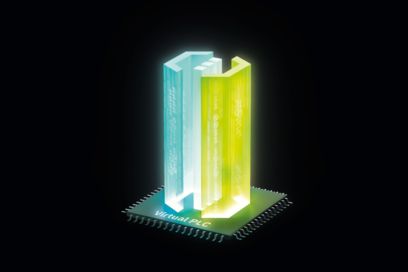
A virtual control combines real-time requirements with traditional control technology and IT concepts of containerization. It is a software-based controller that can be operated independently of any hardware.

Find out more in the webinar

  • What is a virtual control – and what is it not?
  • What tasks can a virtual control like Virtual PLCnext Control perform?
  • What hardware or platform options are realistic (edge, IPC, server)?
  • What does a modern IT/OT software architecture using containers look like?

About the webinar

  • Format: On-demand webinar (free registration required)
  • Duration: 15 minutes
  • Language: English
  • Level: Basic (beginner-friendly)
  • Requirements: A basic understanding of automation or software/IT is helpful

Overview of the webinar content This webinar focuses on the specific benefits for your practical application. Find out which questions regarding virtual controls and modern OT/IT architectures are answered.

Virtual PLCnext Control – future-proof
Virtual PLCnext Control – easy to maintain
Virtual PLCnext Control – IT and OT
Virtual PLCnext Control – future-proof

  • What is a virtual control? What is not a virtual control?
  • How does a virtual control differ from a simulation and a software PLC?
  • What tasks does a virtual control generally perform?
  • Who is this topic relevant to? Why does this affect automation and IT equally?

Virtual PLCnext Control – easy to maintain

  • What typical problems do virtual controls solve in projects, e.g., in terms of flexibility, scalability, maintenance, and hardware integration?
  • In what situations is a virtual control particularly useful, e.g., when existing industrial PC or server structures are in place?
  • When is a traditional hardware PLC the better choice?

Virtual PLCnext Control – IT and OT

  • What does “control as software” mean? Why does containerization play a role in this?
  • On which platforms can this generally run, e.g., on industrial PCs, edge PCs, or servers? What does this mean for your planning?
  • What are the best first steps to take if you want to assess this topic in your own environment?

Webinar recording
A concise explanation of virtual controls

Understand the basics of virtual controls and how control logic can be integrated as a container into modern IT/OT architectures. ​

Request a free copy now
Virtual PLCnext Control