cULus Recognized
Approval ID: E60425| Nominal voltage UN | Nominal current IN | Cross section AWG | Cross section mm2 | |
|---|---|---|---|---|
| B | ||||
| 12 - 6 | ||||
| C | ||||
| 12 - 6 | ||||
CSA
Approval ID: 158887| Nominal voltage UN | Nominal current IN | Cross section AWG | Cross section mm2 | |
|---|---|---|---|---|
| B | ||||
| 12 - 6 | ||||
| C | ||||
| 12 - 6 | ||||

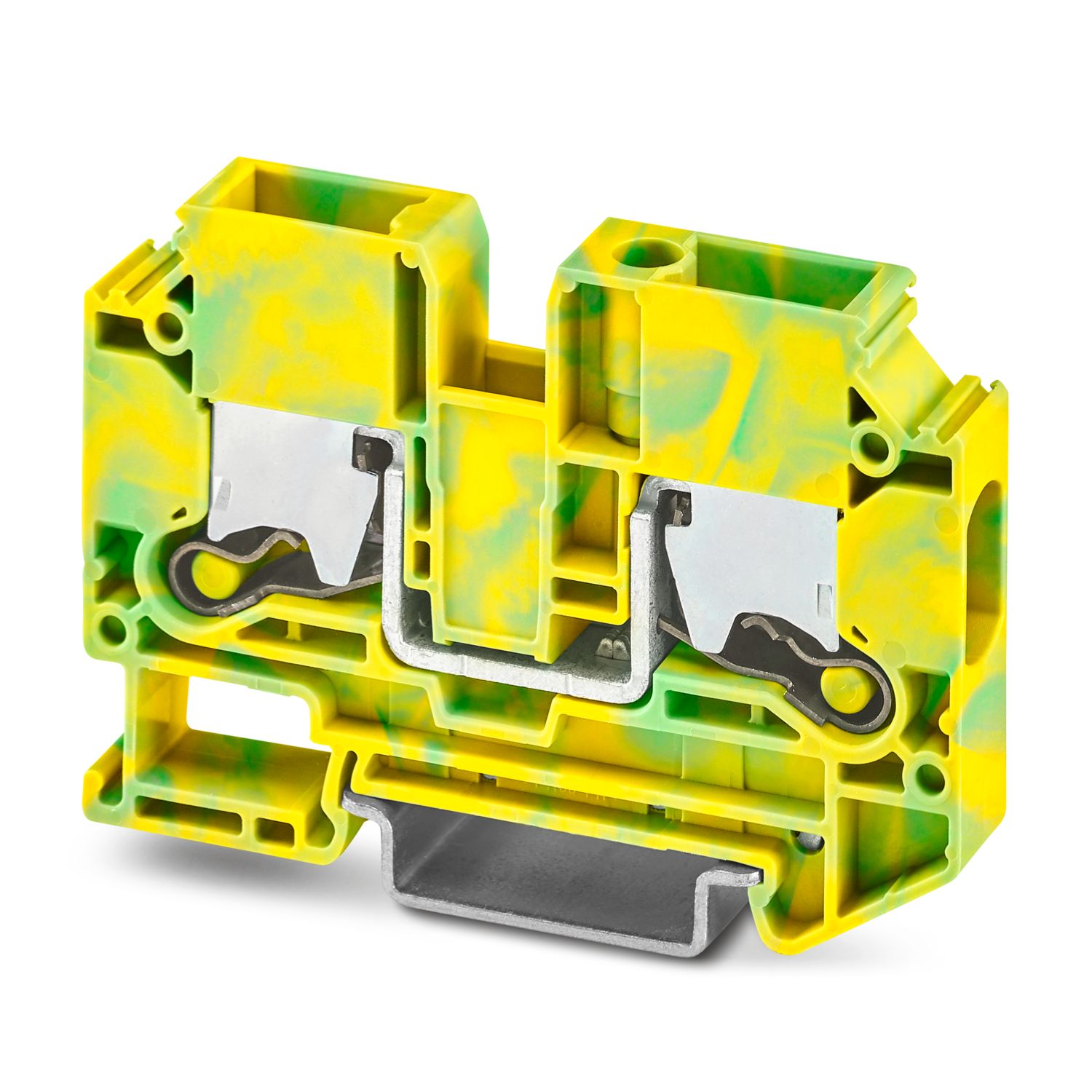

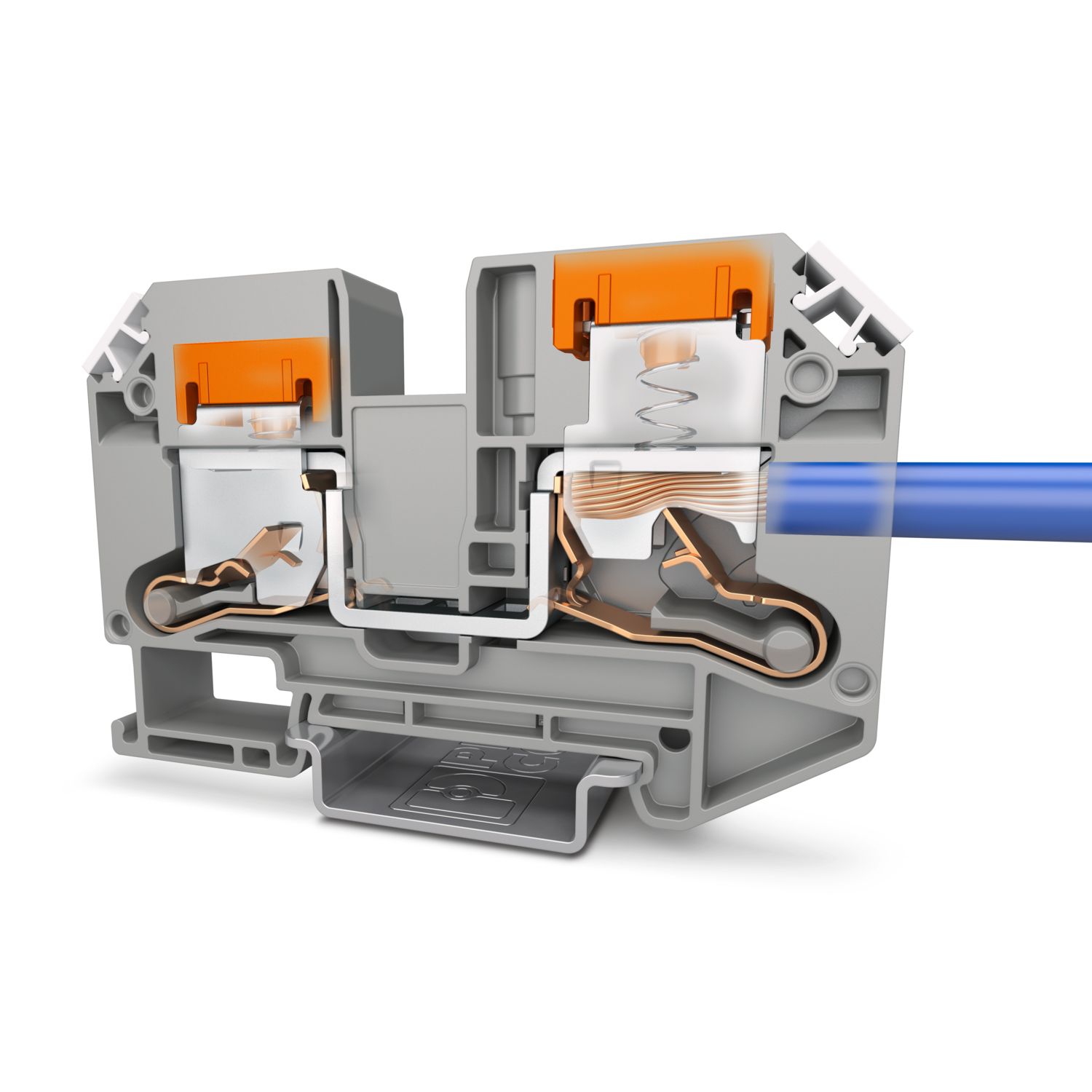
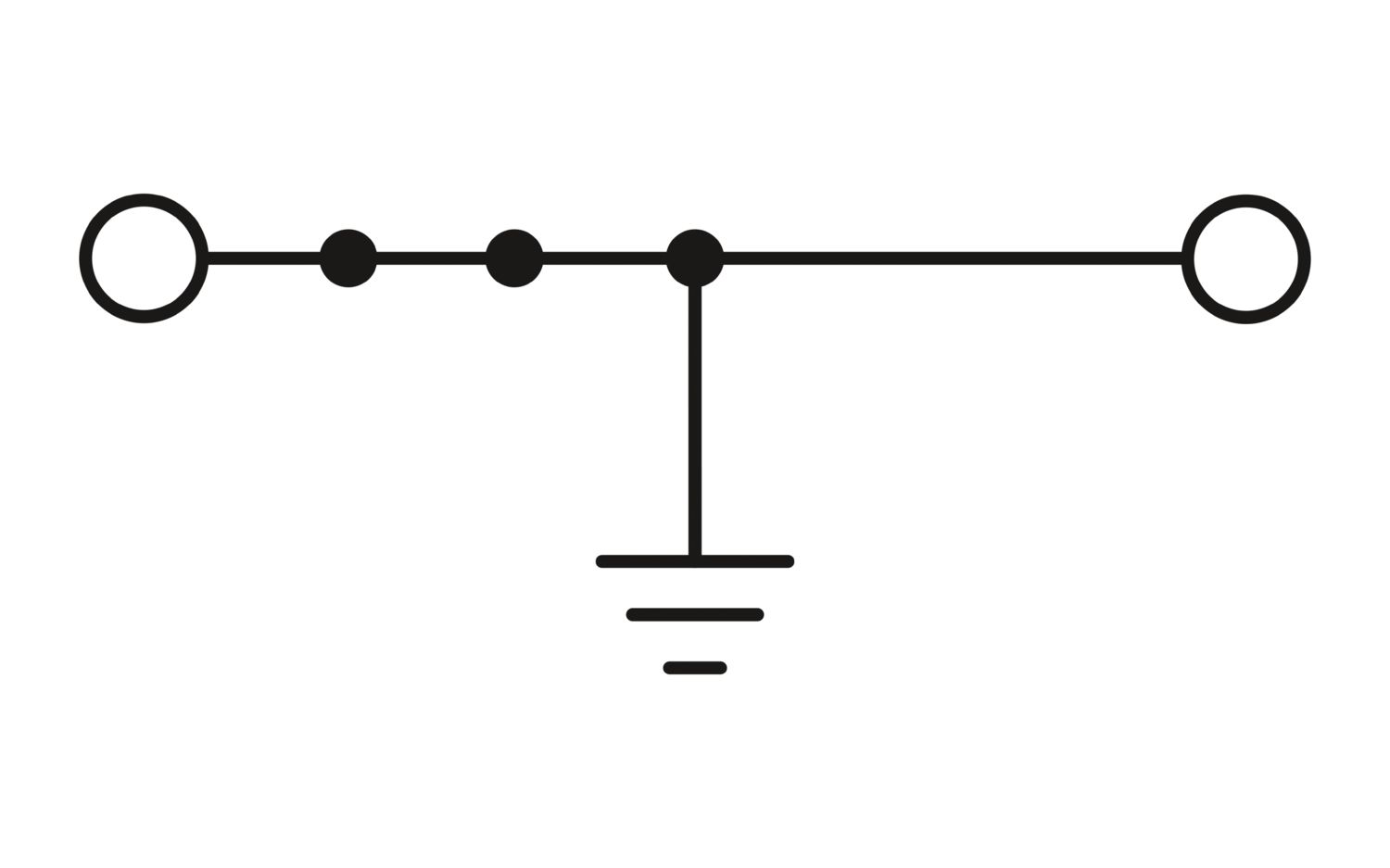

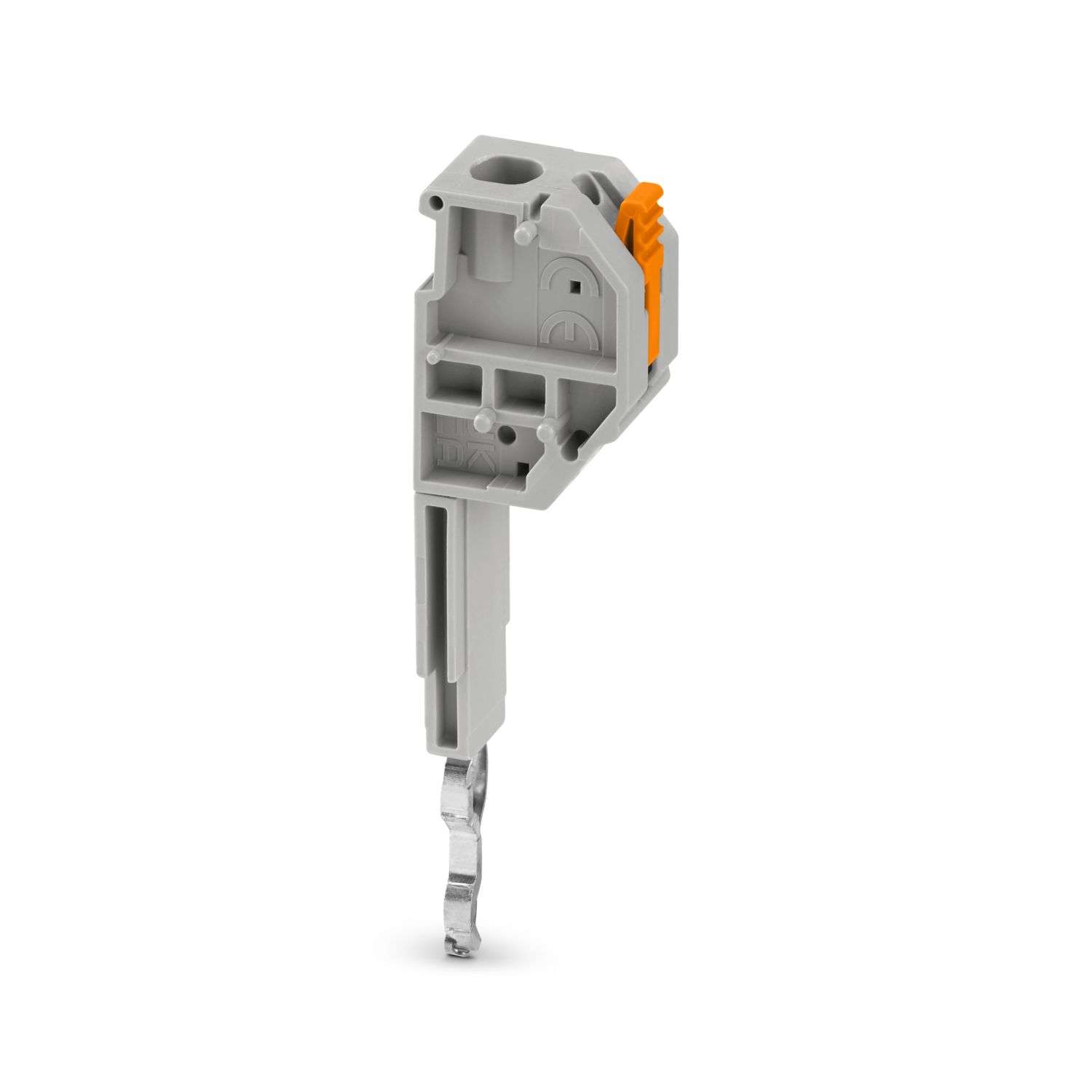
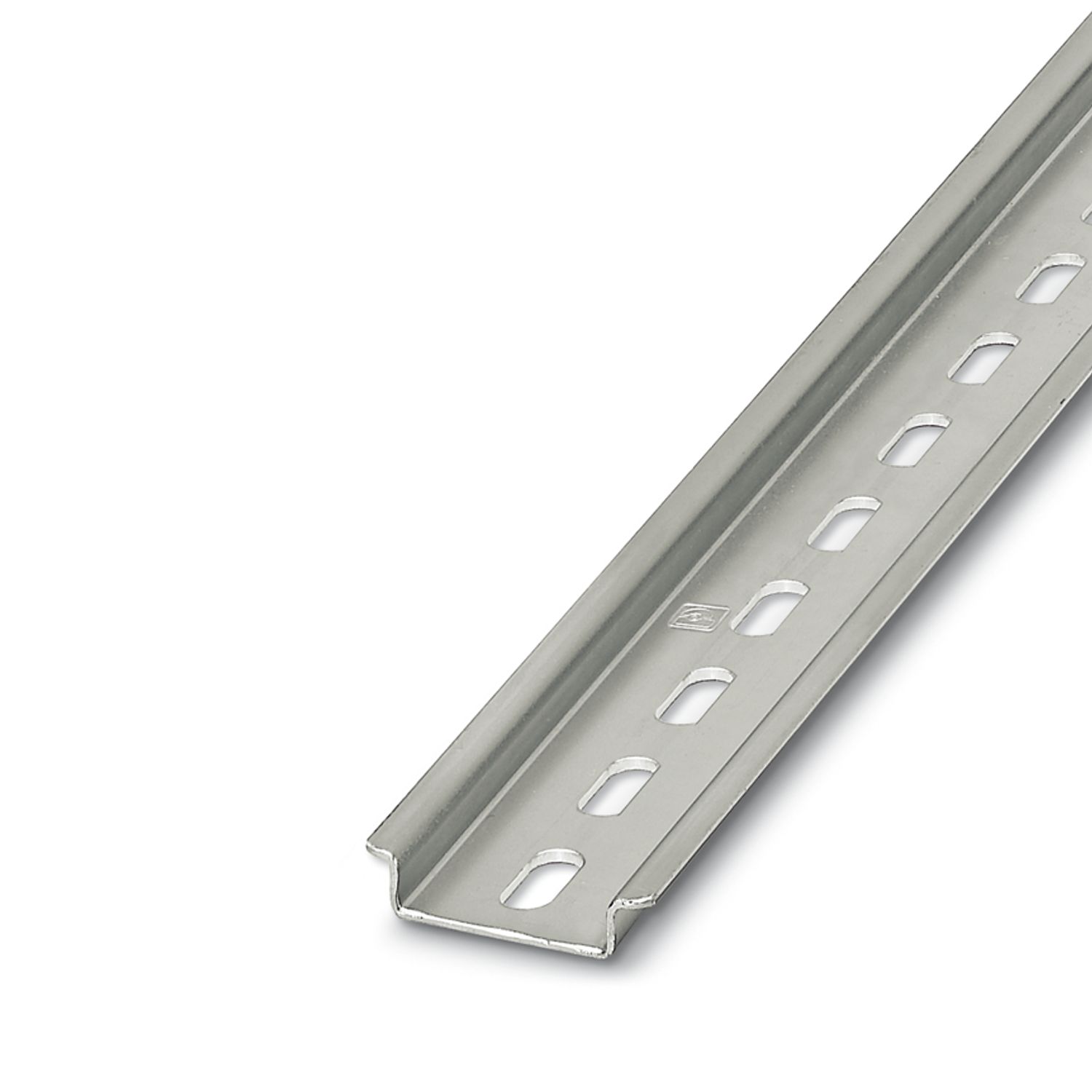
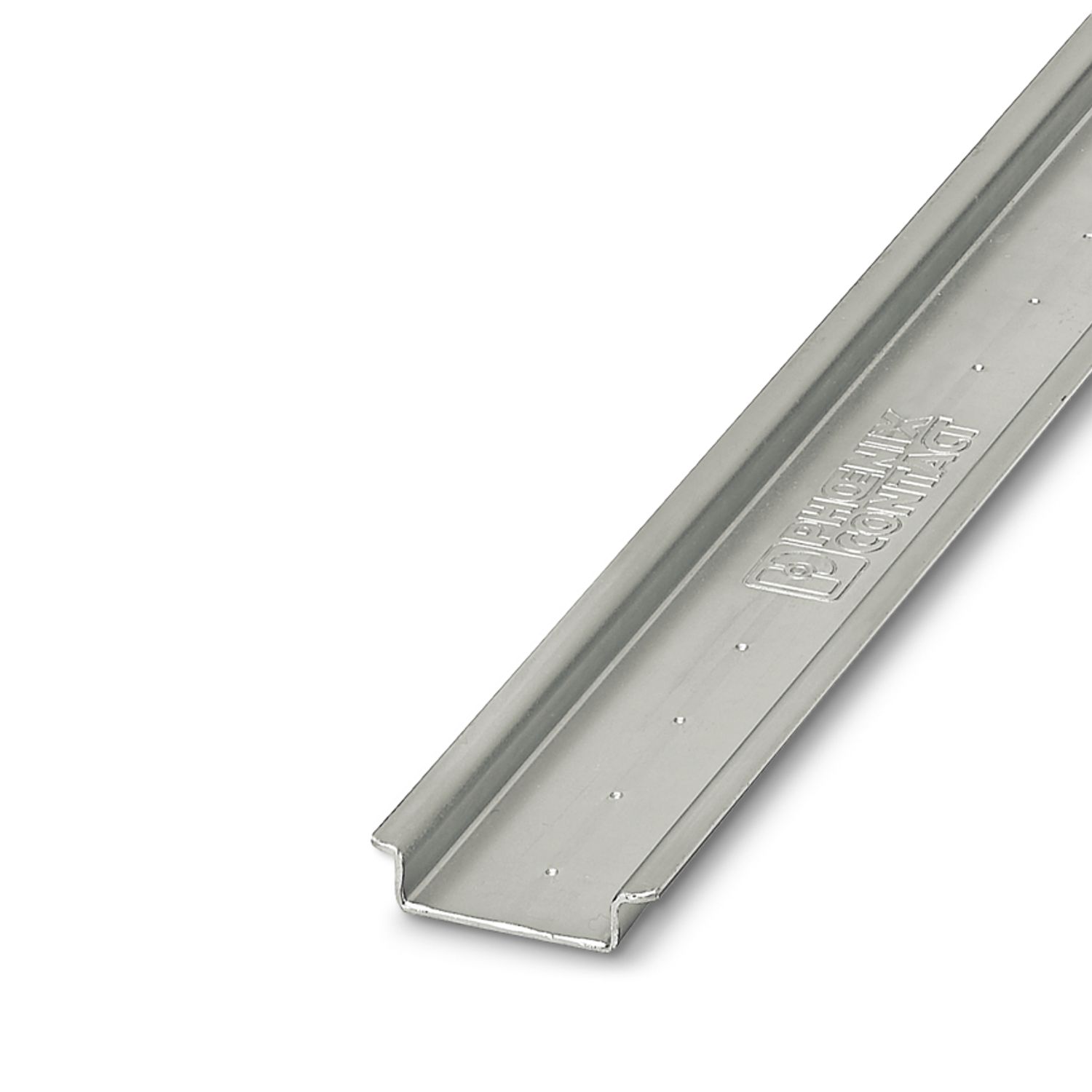
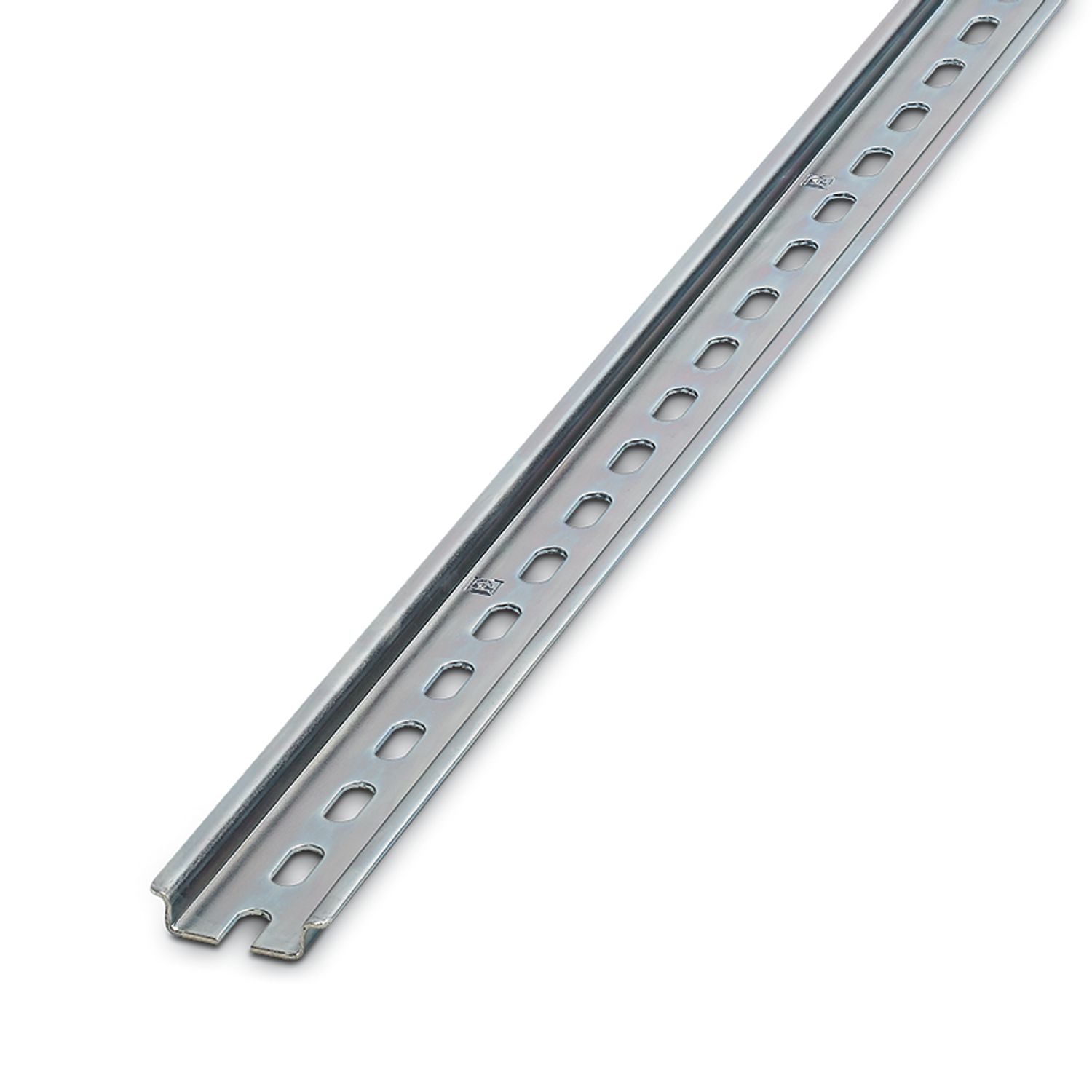
Protective conductor terminal block, number of connections: 2, number of positions: 1, connection method: Push-X-connection, Rated cross section: 10 mm2, cross section: 1.5 mm2 - 16 mm2, mounting type: NS 35/7,5, NS 35/15, color: green-yellow
| Nominal voltage UN | Nominal current IN | Cross section AWG | Cross section mm2 | |
|---|---|---|---|---|
| B | ||||
| 12 - 6 | ||||
| C | ||||
| 12 - 6 | ||||
| Nominal voltage UN | Nominal current IN | Cross section AWG | Cross section mm2 | |
|---|---|---|---|---|
| B | ||||
| 12 - 6 | ||||
| C | ||||
| 12 - 6 | ||||

What is the difference between Push-X and Push-in?
With Push-X, the contact spring is already preloaded. This allows the conductor to be inserted without any noticeable counterforce. In addition, a defined tripping mechanism at the end of the clamping chamber ensures maximum safety: The conductor is ... View more
With Push-X, the contact spring is already preloaded. This allows the conductor to be inserted without any noticeable counterforce. In addition, a defined tripping mechanism at the end of the clamping chamber ensures maximum safety: The conductor is clamped only once it is fully inserted, ensuring that it always makes optimal contact with the current bar.
View lessDoes Push-X work with fine wires too?
Yes. Thanks to the preloaded contact spring, the conductor can be inserted with virtually no effort until it reaches the locking mechanism. This is a clear advantage, especially with flexible conductors: There is no need to push against a spring. Rel... View more
Yes. Thanks to the preloaded contact spring, the conductor can be inserted with virtually no effort until it reaches the locking mechanism. This is a clear advantage, especially with flexible conductors: There is no need to push against a spring. Releasing the locking mechanism also requires only a very small amount of force, which the specified conductors can easily exert. Not convinced yet? Try it for yourself! Order a free sample: https://phoe.co/push-x
View lessCan I also connect flexible conductors without ferrules?
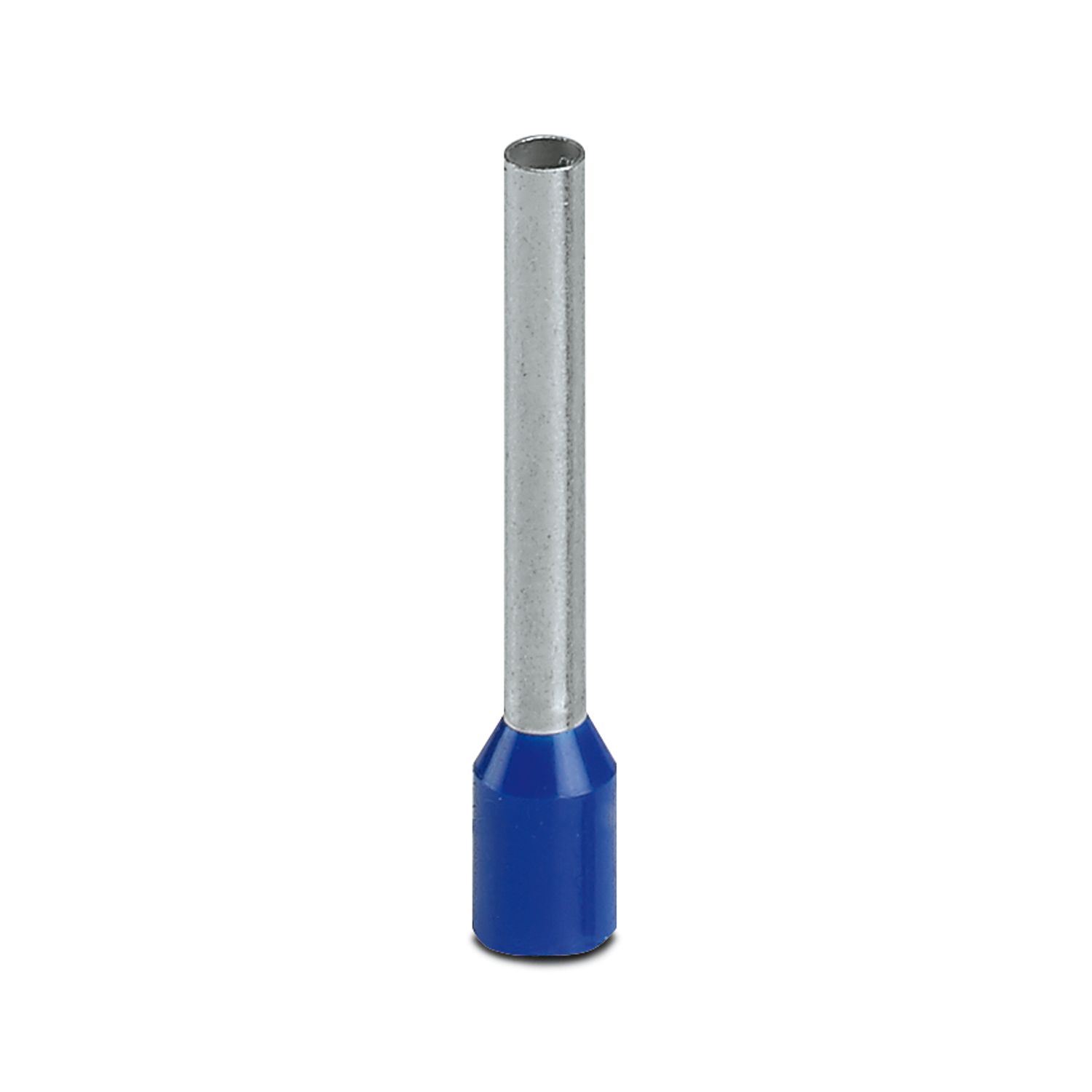
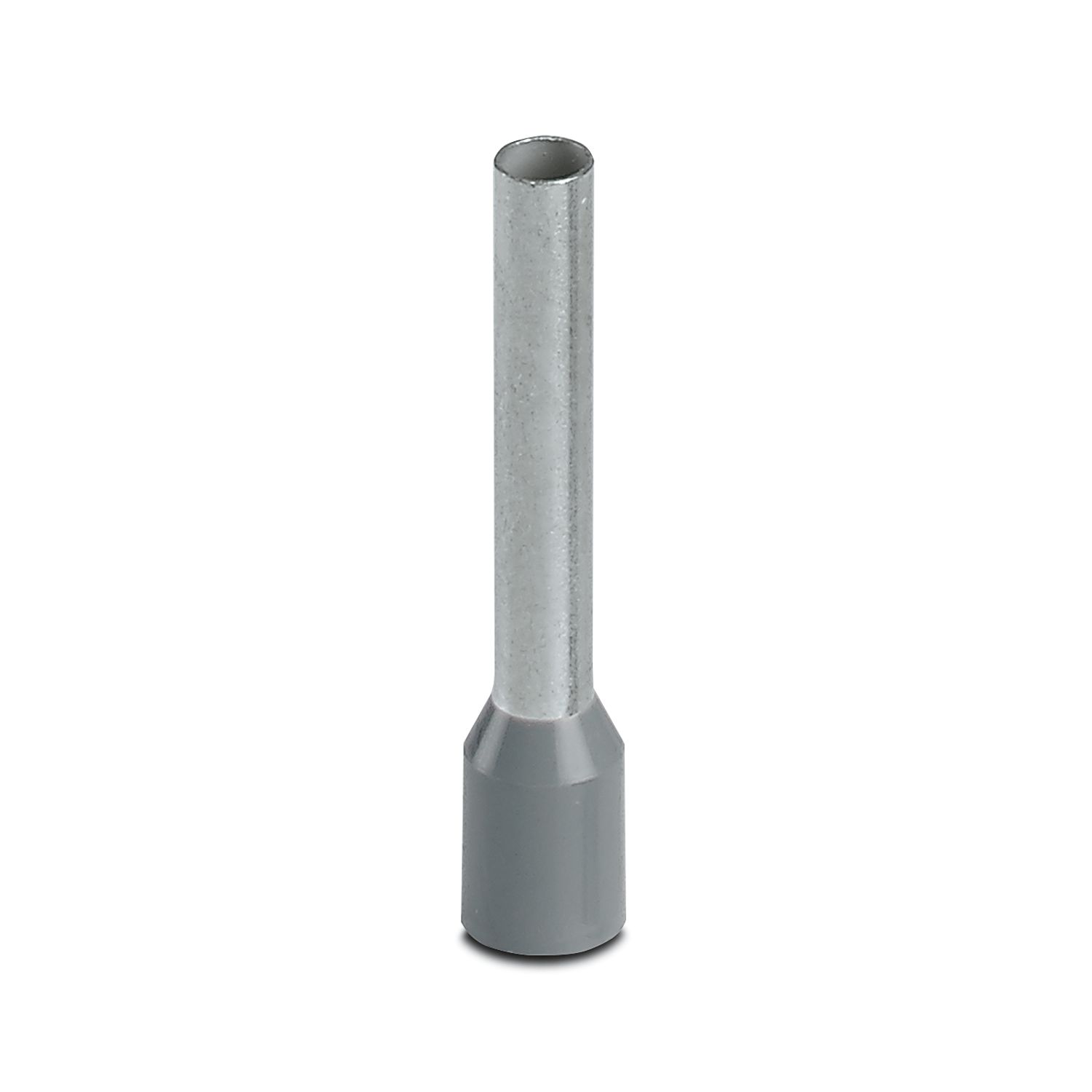
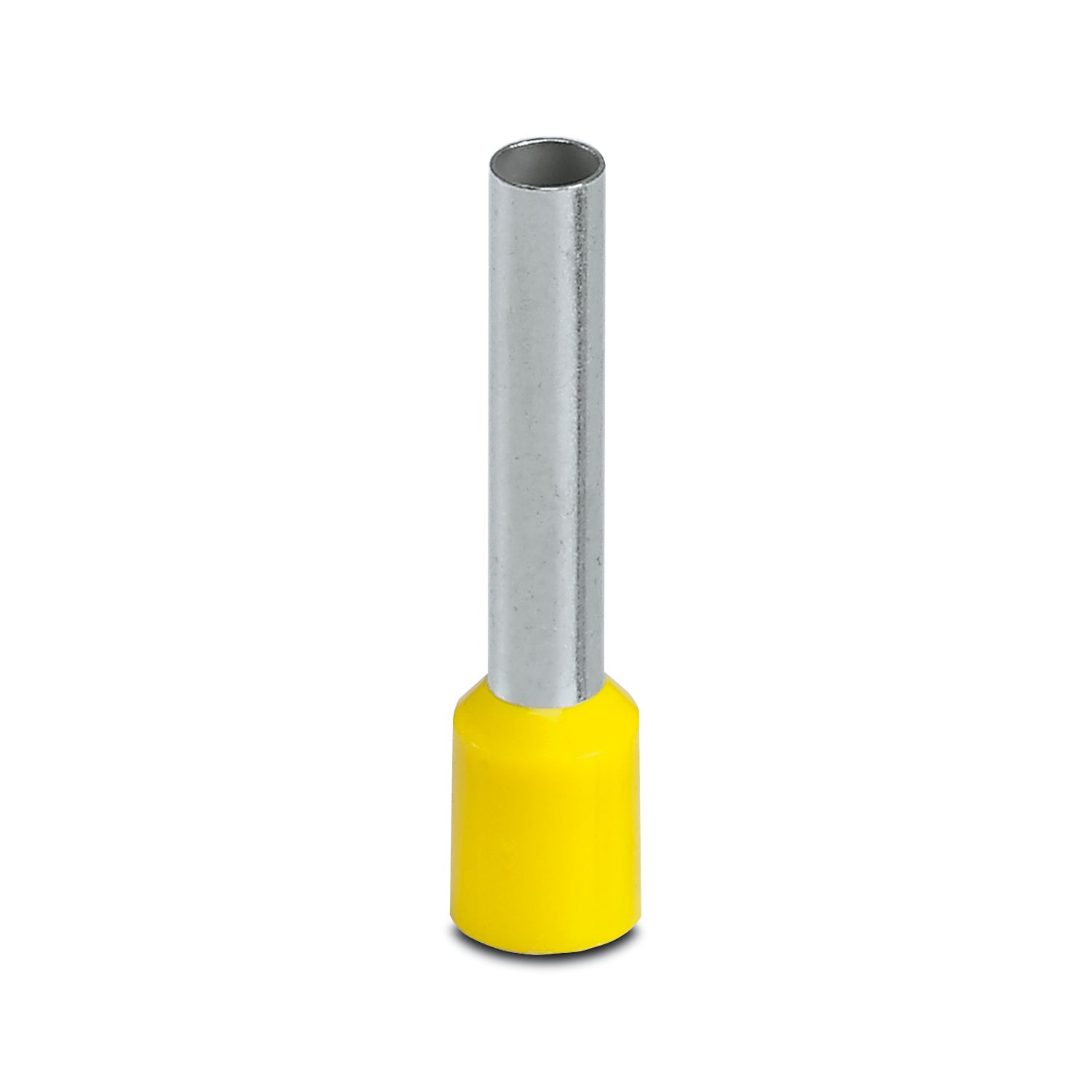
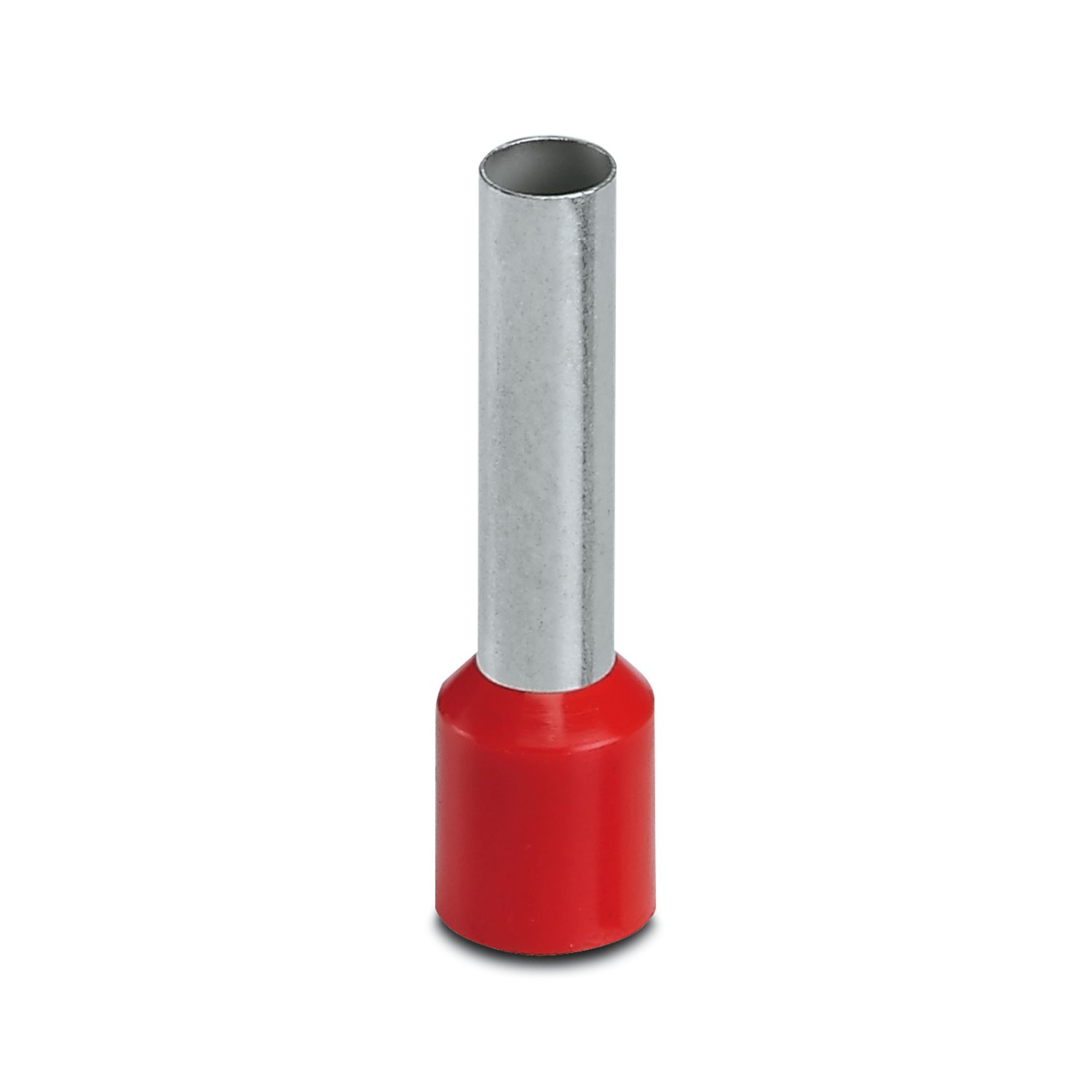
Is there anything to keep in mind when using ferrules?
Yes. The length of the ferrule is crucial. Since the locking mechanism is located at the end of the clamping chamber, it must be possible to insert the conductor all the way in.
Therefore, make sure that the plastic collar on the ferrule does not ...
View more
Yes. The length of the ferrule is crucial. Since the locking mechanism is located at the end of the clamping chamber, it must be possible to insert the conductor all the way in.
Therefore, make sure that the plastic collar on the ferrule does not prevent the ferrule from being inserted all the way. You can find the appropriate sleeve length in the technical data.
How secure is the connection? Can the conductor come loose?
No. Under normal conditions, the conductor cannot come loose. The connection is maintained by a spring that exerts a consistently high and uniform contact force, independently of the user. This ensures reliable and secure clamping at all times.
Do the terminal blocks come pre-tensioned, or do I need to prepare them before wiring them for the first time?
The terminal blocks are shipped from the factory with the contact chamber already pre-tensioned (and open). No preparation is necessary. Supplementary testing procedures ensure that 99.9% of the terminal blocks are open when they reach the customer. ... View more
The terminal blocks are shipped from the factory with the contact chamber already pre-tensioned (and open). No preparation is necessary. Supplementary testing procedures ensure that 99.9% of the terminal blocks are open when they reach the customer. In addition, under normal storage conditions, the terminal blocks can be stored for up to five years without the contact chamber being triggered unintentionally.
View lessHow do I disconnect the line? Is it complicated?
No. As with the Push-in mechanism, the line is released by pressing the actuating push button. It is important to press the button all the way down to its end position. It noticeably engages there, and this preloads the contact chamber for rewiring. ... View more
No. As with the Push-in mechanism, the line is released by pressing the actuating push button. It is important to press the button all the way down to its end position. It noticeably engages there, and this preloads the contact chamber for rewiring. Afterward, the conductor can be easily and conveniently removed with one hand.
View lessIs Push-X really faster, or is it just a marketing gimmick?
Yes, Push-X really is faster. The time savings result from several factors: tool-free connection, no need to switch between tools, no need for ferrules in many cases, and clear audible and tactile feedback. There is no need to push or pull repeatedly... View more
Yes, Push-X really is faster. The time savings result from several factors: tool-free connection, no need to switch between tools, no need for ferrules in many cases, and clear audible and tactile feedback. There is no need to push or pull repeatedly. Especially when dealing with large quantities, these advantages add up to a significant gain in efficiency.
View lessIs the technology robust enough to withstand industrial use, vibrations, and everyday wear and tear?
Yes. Push-X is designed to meet industrial requirements and provides a stable, reliable connection even under typical conditions such as vibration, temperature fluctuations, or mechanical stress. It is precisely these kinds of effects that are common... View more
Yes. Push-X is designed to meet industrial requirements and provides a stable, reliable connection even under typical conditions such as vibration, temperature fluctuations, or mechanical stress. It is precisely these kinds of effects that are common causes of contact problems that are specifically minimized by the spring principle.
View lessCan I easily install or retrofit Push-X in existing systems?
Yes. Push-X is designed so that the terminal blocks can be seamlessly integrated into existing systems. They are designed to match the PT and ST terminal blocks and are compatible with standard accessories. As a result, adjustments to the control cab... View more
Yes. Push-X is designed so that the terminal blocks can be seamlessly integrated into existing systems. They are designed to match the PT and ST terminal blocks and are compatible with standard accessories. As a result, adjustments to the control cabinet are generally not necessary. One exception is the XT 1.5: Compared to the PT 1.5/S, it is intentionally 0.7 mm wider to improve ease of use. Standardized accessories for the CLIPLINE complete system can continue to be used without restriction.
View lessHow can I tell if the conductor is really connected properly?
Push-X gives you immediate confirmation that the connection is correct. Both visually via the actuating push button and audibly through an audible click when the spring is released. This provides the user with immediate, clear confirmation, which sig... View more
Push-X gives you immediate confirmation that the connection is correct. Both visually via the actuating push button and audibly through an audible click when the spring is released. This provides the user with immediate, clear confirmation, which significantly increases process reliability.
View lessIs Push-X also suitable for automated wiring?
Yes. Push-X is designed for both manual and automated wiring.
The clearly defined release mechanism ensures that connections can be performed reliably by a reproducible process, which is a key advantage for automated applications....
View more
Yes. Push-X is designed for both manual and automated wiring.
The clearly defined release mechanism ensures that connections can be performed reliably by a reproducible process, which is a key advantage for automated applications.
Is it possible to wire more than one conductor per connection point?
No. With a spring-loaded terminal, the wiring of multiple conductors in a single terminal is not supported.
However, suitable alternatives are available for applications with multiple conductors per potential:
• Multi-conductor terminal blocks ...
View more
No. With a spring-loaded terminal, the wiring of multiple conductors in a single terminal is not supported.
However, suitable alternatives are available for applications with multiple conductors per potential:
• Multi-conductor terminal blocks with 3 or more connections per potential
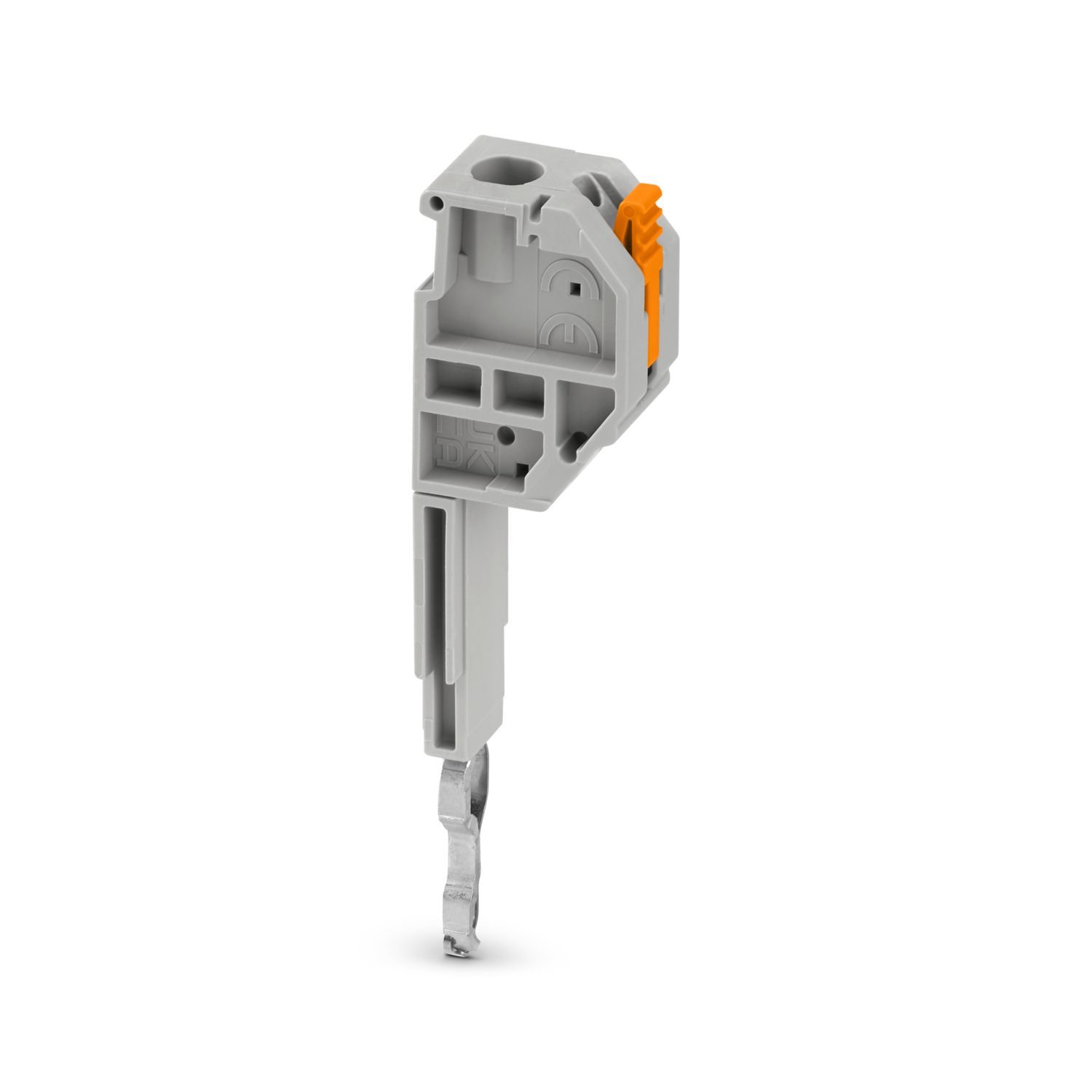
• Pick-off plugs (LPO) that can be plugged into the bridge shaft to provide additional connection options – also ideal for retrofit projects
More information about multi-wire connections
https://assets.phoenixcontact.com/file/633f3cb5-d75f-4334-9c81-fa2935673cde/media/original?EN_Infopaper_Mehrleiteranschluss_LoRes.pdf