
PTCB BE PT 6
-
Base element
1567576
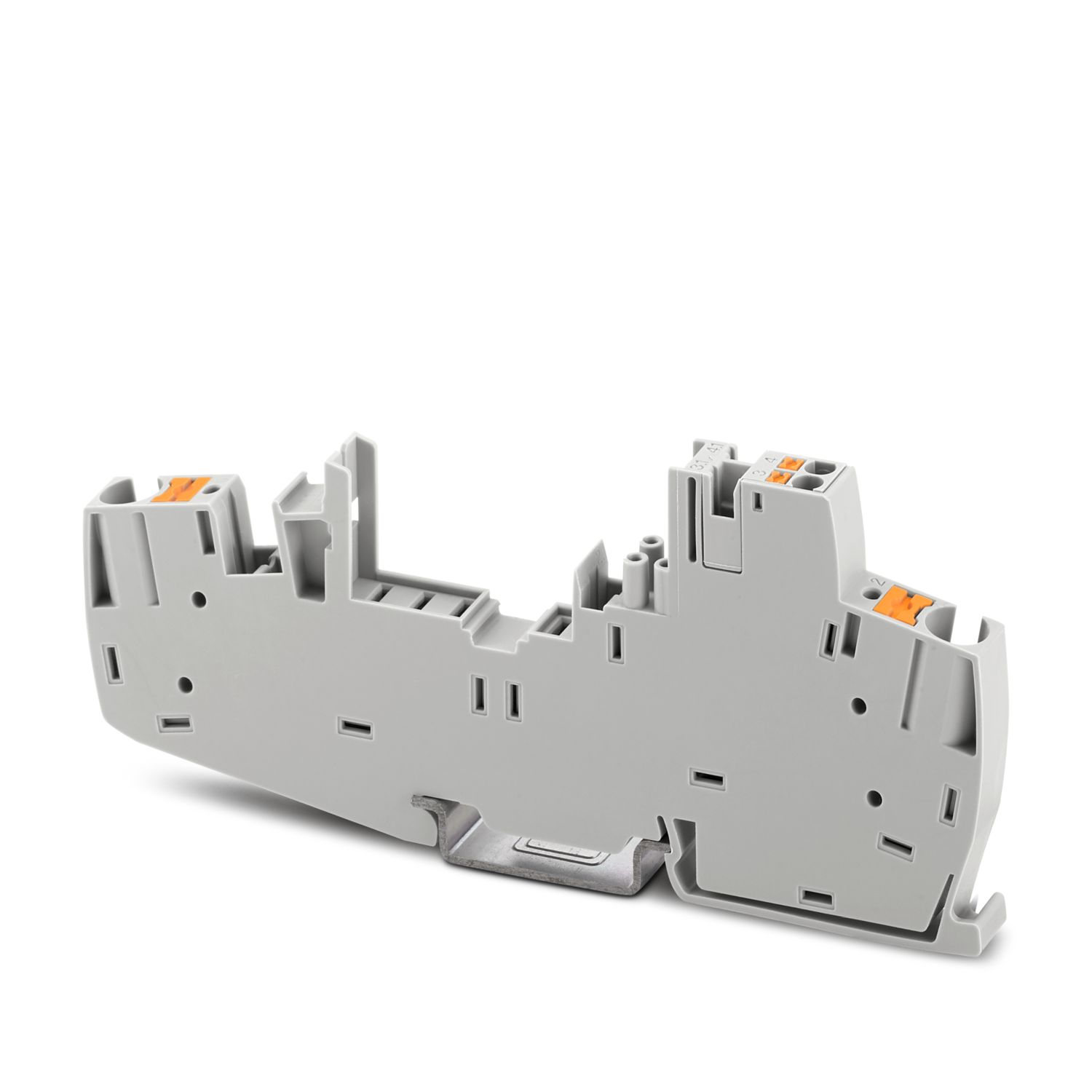
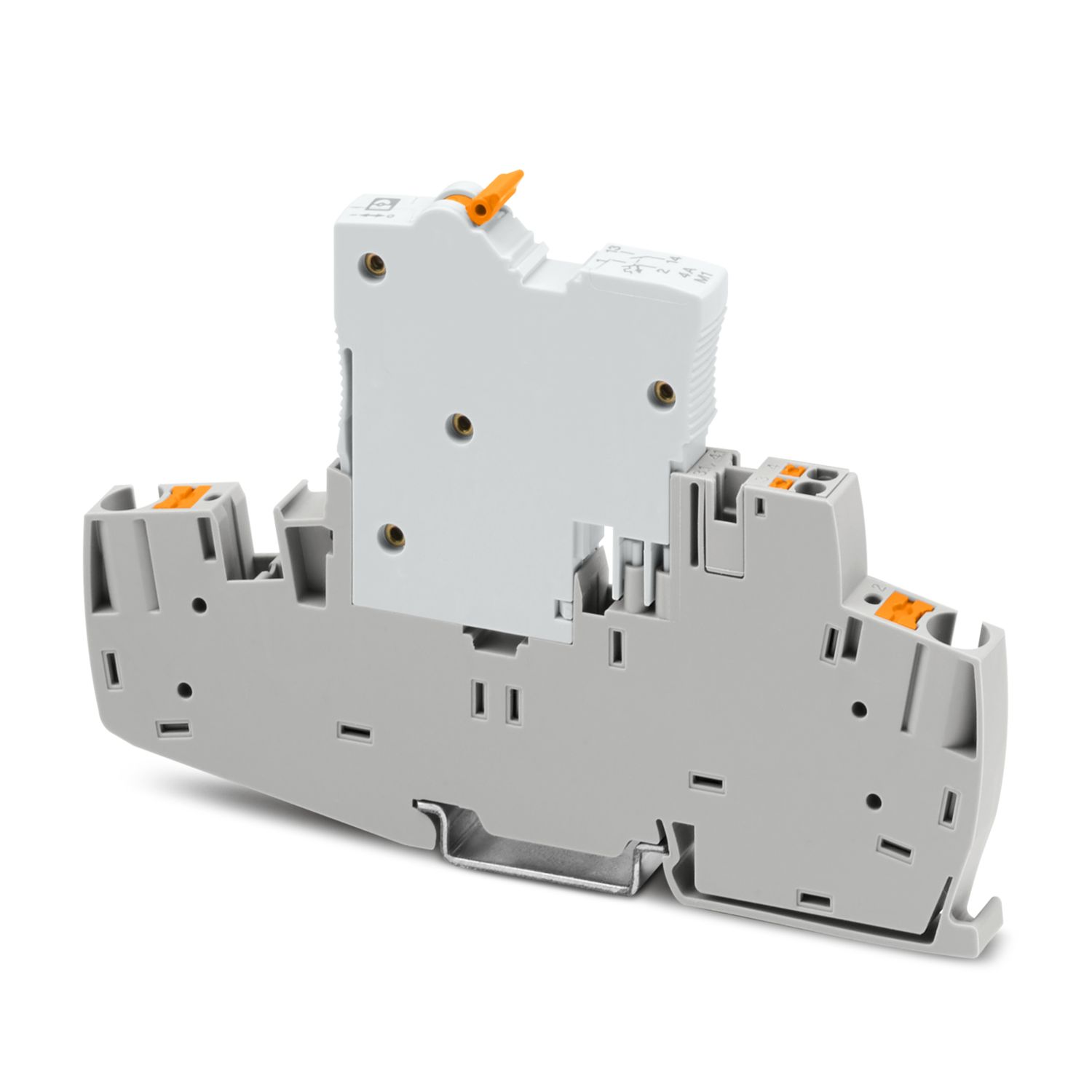
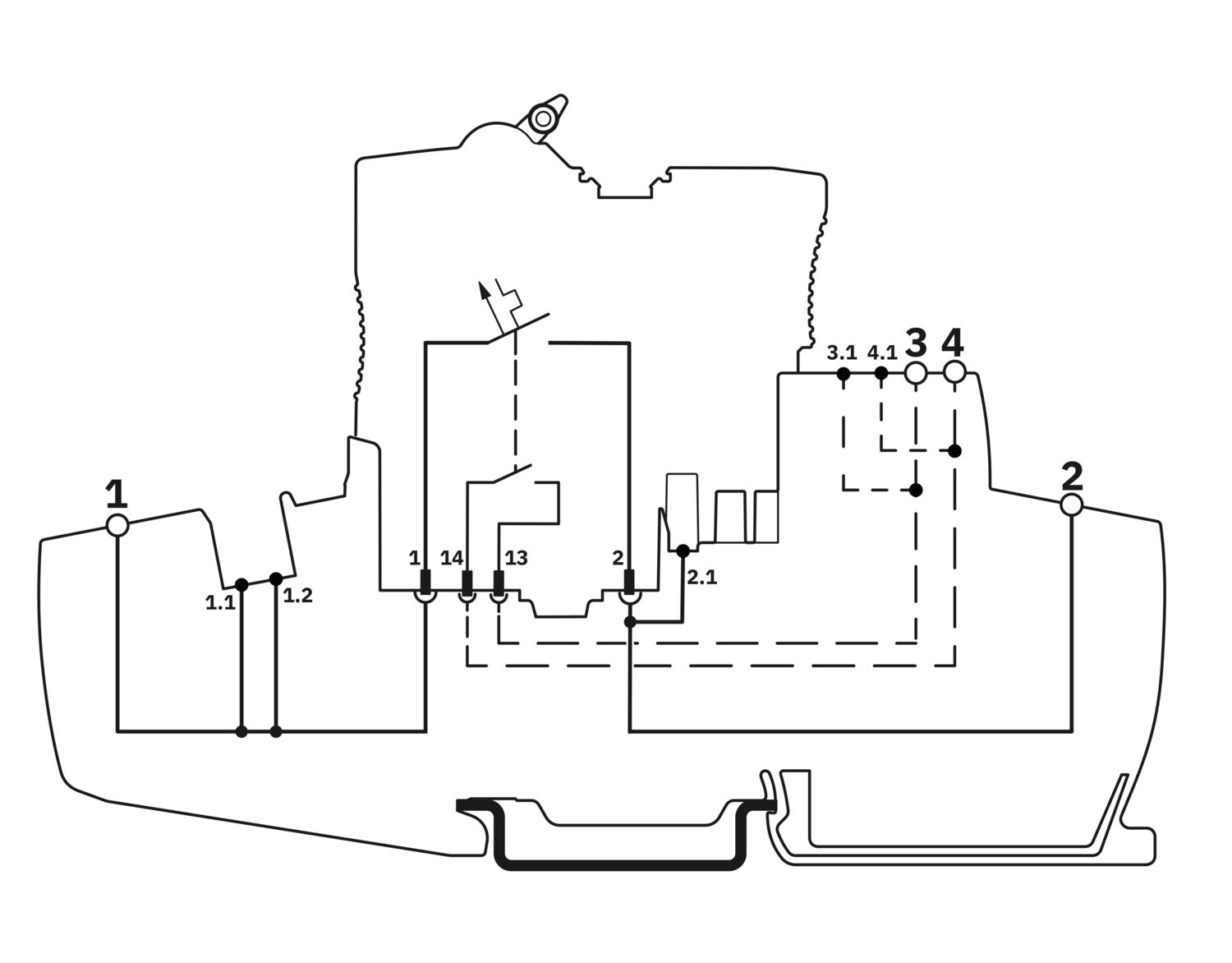
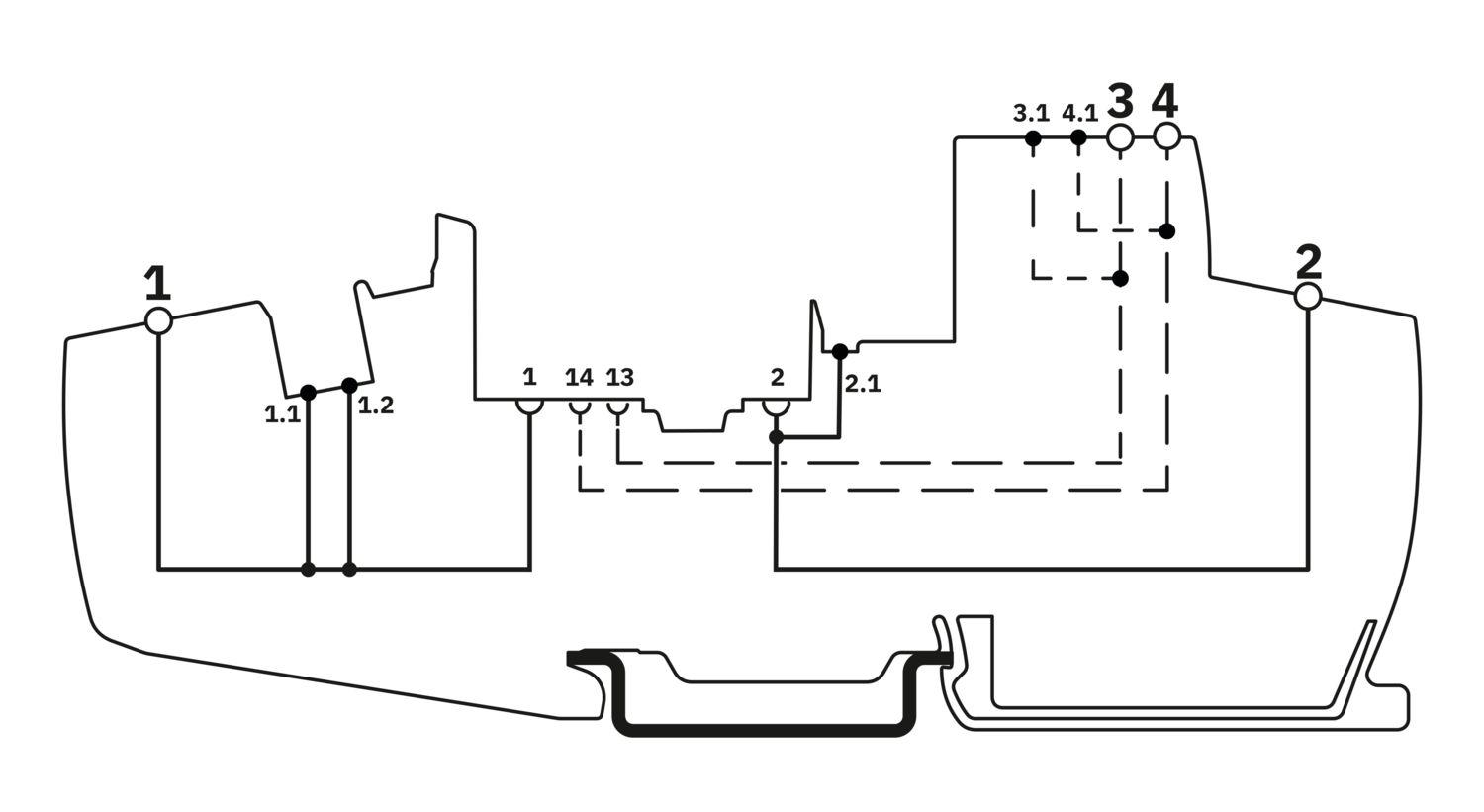
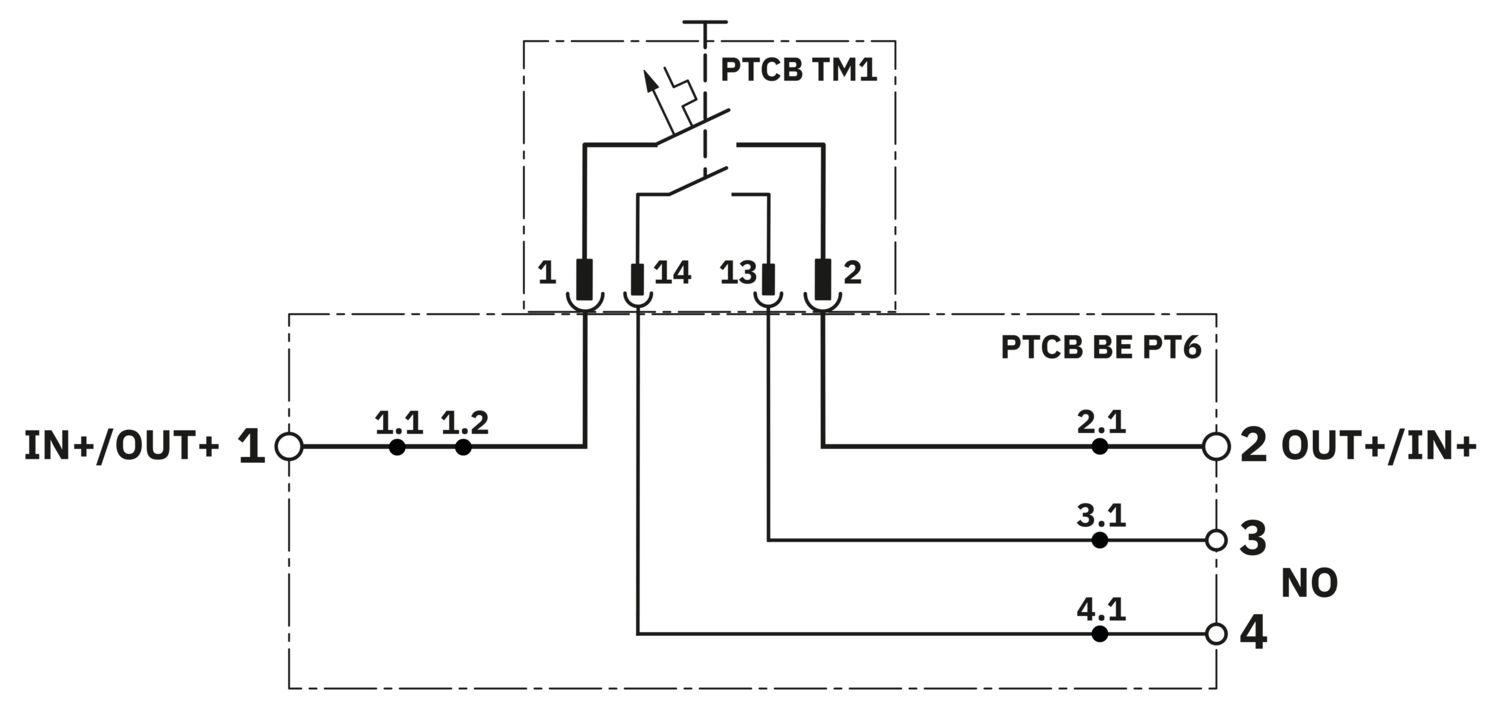
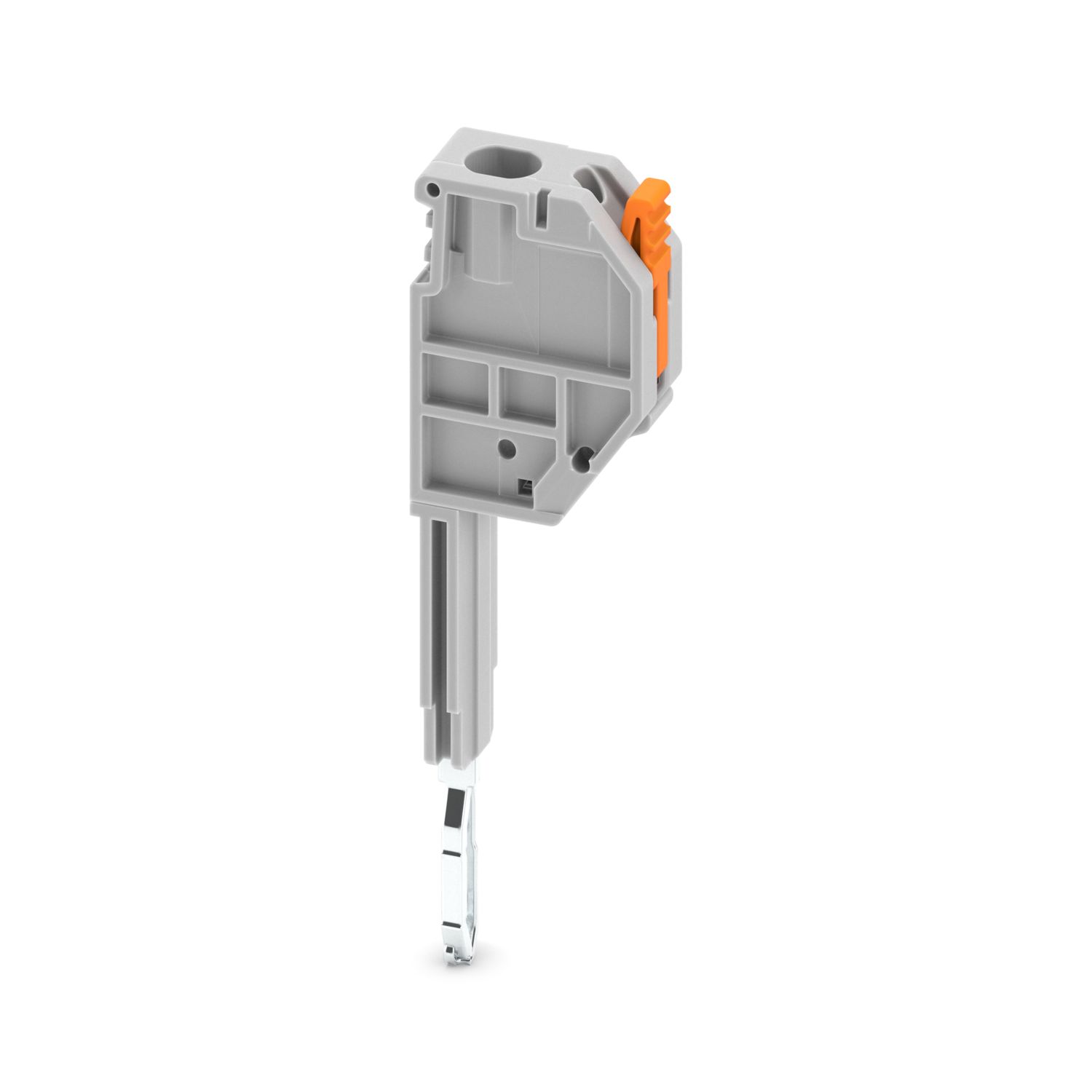
Base element, mounting type: DIN rail: TH 35 - 7.5 mm, rated current: 31 A
This product needs further products for operation.
Mandatory accessories
Product details
| General | |
| Note | The base element does not contain any electronic circuits. |
| Product type | Base element |
| Mechanical service life | 25 insertion cycles |
| Insulation characteristics | |
| Overvoltage category | II (250 V AC / IEC 60934) |
| III (UL 1077, UL 1059) | |
| III (80 V DC / IEC 60934) | |
| Pollution degree | 2 (250 V AC / IEC 60934) |
| 3 (UL 1077, UL 1059) | |
| General | |
| Rated voltage | 240 V AC (IEC 60934) |
| 277 V AC (UL 1077) | |
| 277 V AC (UL 1059) | |
| 56 V DC (IEC 60934) | |
| 56 V DC (UL 1077) | |
| 56 V DC (UL 1059) | |
| Rated insulation voltage Ui | 250 V AC (IEC 60934) |
| 80 V DC (IEC 60934) | |
| 277 V AC (UL 1077) | |
| 277 V AC (UL 1059) | |
| Rated current IN | 31 A (UL 1059, without device circuit breaker) |
| 16 A (Main contacts 1-2, UL 1077 and IEC 60934) | |
| 1 A (Auxiliary contacts 3-4, without device circuit breaker) | |
| Rated surge voltage | 2.5 kV (IEC 60934, reinforced insulation between load and auxiliary circuit) |
| Insulation resistance Riso | > 100 MΩ (500 V DC) |
| Dielectric strength | 3000 V AC (between load circuit 1-2 and auxiliary circuit 3-4) |
| 1554 V AC (between open load contacts 1-2, auxiliary contacts 3-4) | |
| Indicator/remote signaling | |
| Connection name | Connection 3 / 4 |
| Connection 1 / 2 | |
| Connection method | Push-in connection |
| Stripping length | 12 mm |
| Conductor cross-section flexible | 0.5 mm² ... 10 mm² |
| Conductor cross-section rigid | 0.5 mm² ... 10 mm² |
| 1 mm² ... 10 mm² (direct plug-in) | |
| Conductor cross-section AWG | 20 ... 8 |
| Conductor cross-section, flexible, with ferrule, with plastic sleeve | 0.5 mm² ... 6 mm² |
| 1 mm² ... 6 mm² (direct plug-in) | |
| Conductor cross-section, flexible, with ferrule, without plastic sleeve | 0.5 mm² ... 6 mm² |
| 1 mm² ... 6 mm² (direct plug-in) | |
| Connection 3 / 4 | |
| Connection method | Push-in connection |
| Stripping length | 8 mm |
| Conductor cross-section flexible | 0.14 mm² ... 1.5 mm² |
| Conductor cross-section rigid | 0.14 mm² ... 1.5 mm² |
| Conductor cross-section AWG | 26 ... 16 |
| Conductor cross-section, flexible, with ferrule, with plastic sleeve | 0.14 mm² ... 1 mm² |
| Conductor cross-section, flexible, with ferrule, without plastic sleeve | 0.14 mm² ... 1.5 mm² |
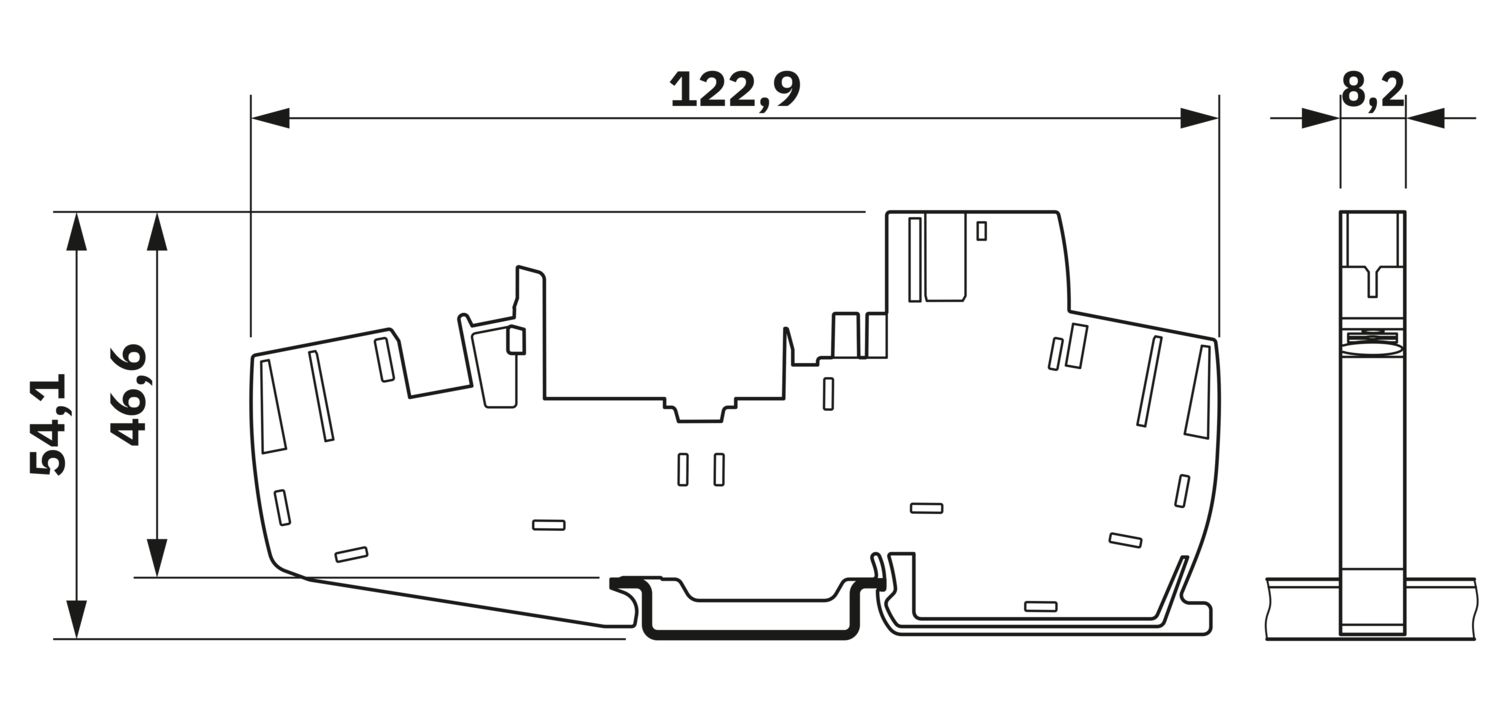
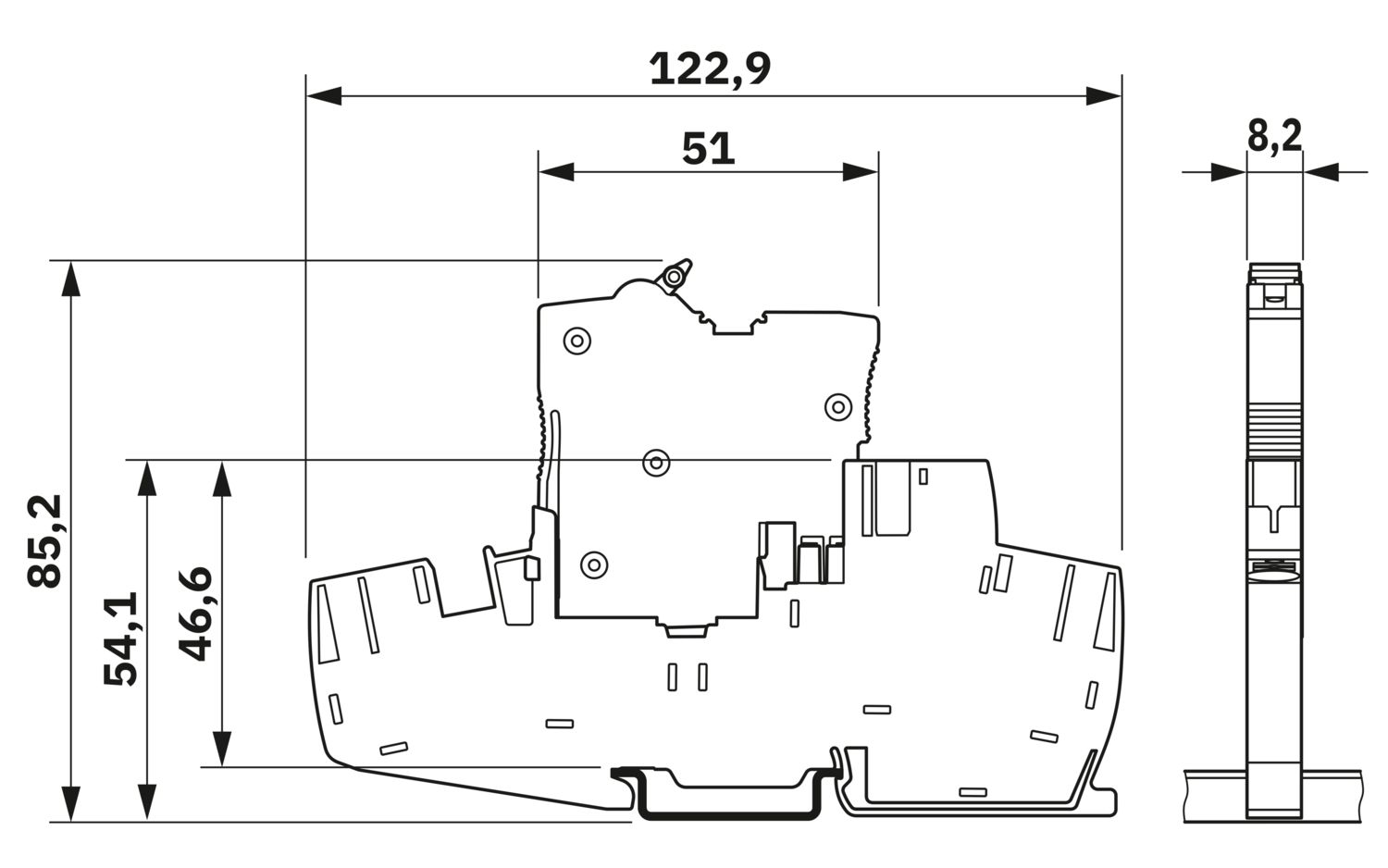
| Dimensional drawing |
|
| Width | 8.2 mm |
| Height | 122.9 mm |
| Depth | 54.1 mm |
| Complete module width | 8.2 mm |
| Complete module height | 122.9 mm |
| Complete module depth | 85.2 mm |
| Color | gray (RAL 7042) |
| Material | PA |
| Flammability rating according to UL 94 | V-0 |
| Insulating material group | I |
| Mechanical data | |
| Open side panel | No |
| Ambient conditions | |
| Degree of protection | IP20 |
| Ambient temperature (operation) | -30 °C ... 60 °C |
| Ambient temperature (storage/transport) | -40 °C ... 80 °C |
| Altitude | ≤ 2000 m (250 V AC / IEC 60934) |
| Humidity test | 96 h, 95 % RH, 40 °C |
| Shock (operation) | 30g (IEC 60068-2-27, Test Ea) |
| Category 1, Class B (DIN EN 61373) | |
| Vibration (operation) | 10 Hz ... 150 Hz, 20 cycles (IEC 60068-2-6, Test Fc) |
| 10 Hz ... 75 Hz (Amplitude ±0.35 mm; in accordance with IEC 60068-2-6, Test Fc) | |
| 75 Hz ... 150 Hz (8g) | |
| Category 1, Class B (DIN EN 61373) | |
| UL approval | |
| Identification | UL Recognized UL 1059 |
| UL Recognized UL 1077 | |
| CSA, Canada | |
| Identification | CSA C22.2 No. 235-04 |
| Standards/specifications | IEC 60934 |
| Note | 2019 |
| Standards/specifications | UL 1077 |
| Note | Additional protective devices for use in electrical equipment |
| Standards/specifications | UL 1059 |
| Note | Terminal blocks |
| Standards/specifications | CSA C22.2 No. 235-04 |
| Note | 2017 |
| Standards/specifications | IEC 60068-2-6 |
| Note | Environmental influences – Vibrations (sinusoidal) |
| Standards/specifications | EN 60068-2-27 |
| Note | Environmental influences – Shocks |
| Standards/specifications | EN 60068-2-78 |
| Note | Environmental influences – Moisture and heat, constant |
| Standards/specifications | DIN EN 50274 |
| Note | Touch protection and back-of-hand safety |
| Standards/specifications | IEC 60529 |
| Note | 2019 |
| Standards/specifications | EN 61373 |
| Note | Railway applications - Rolling stock equipment - Shock and vibration tests |
| Standards/specifications | EN 45545-2 |
| Note | Railway applications - Fire protection on railway vehicles - Part 2: Requirements for fire behavior of materials and components |
| Mounting type | DIN rail: TH 35 - 7.5 mm |
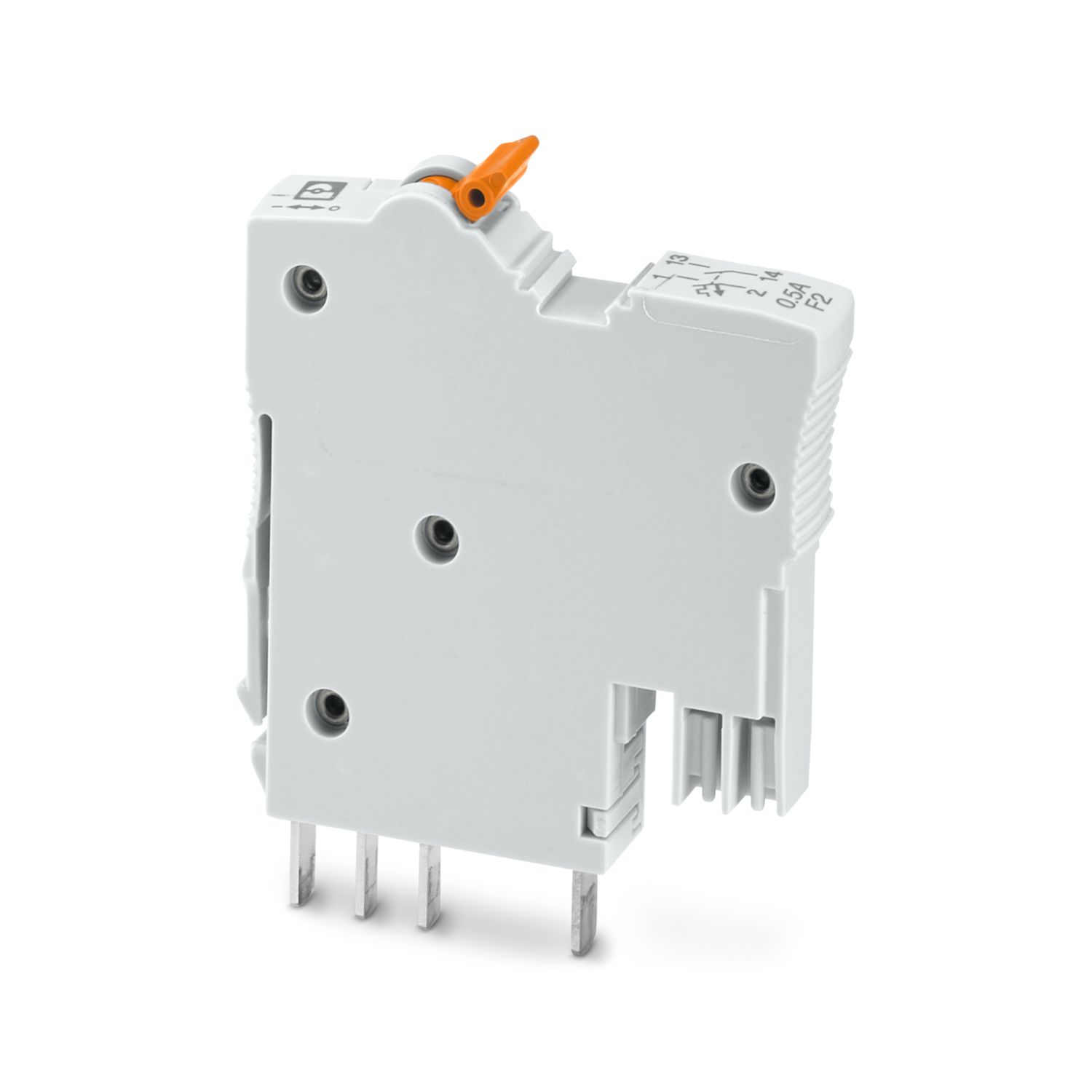


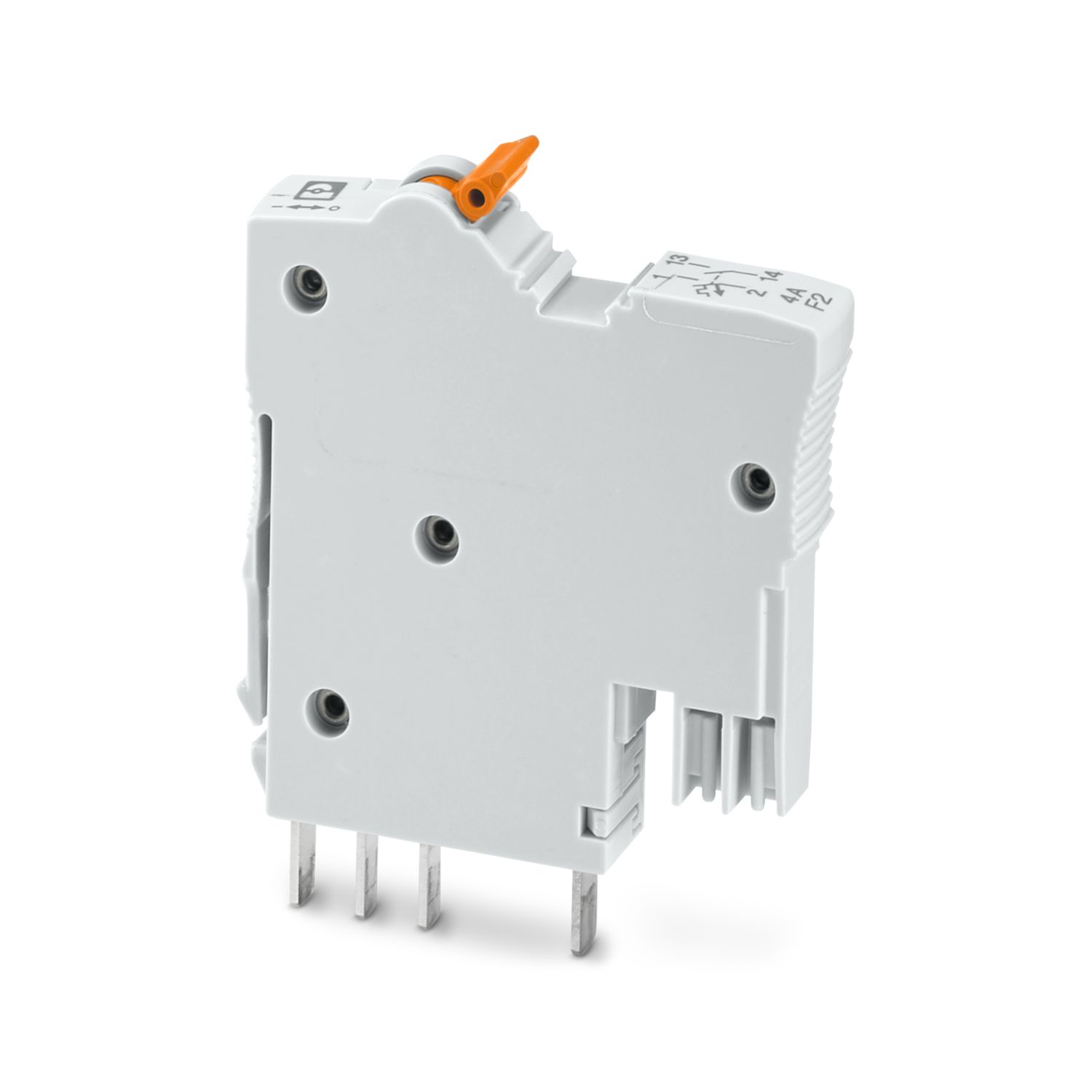


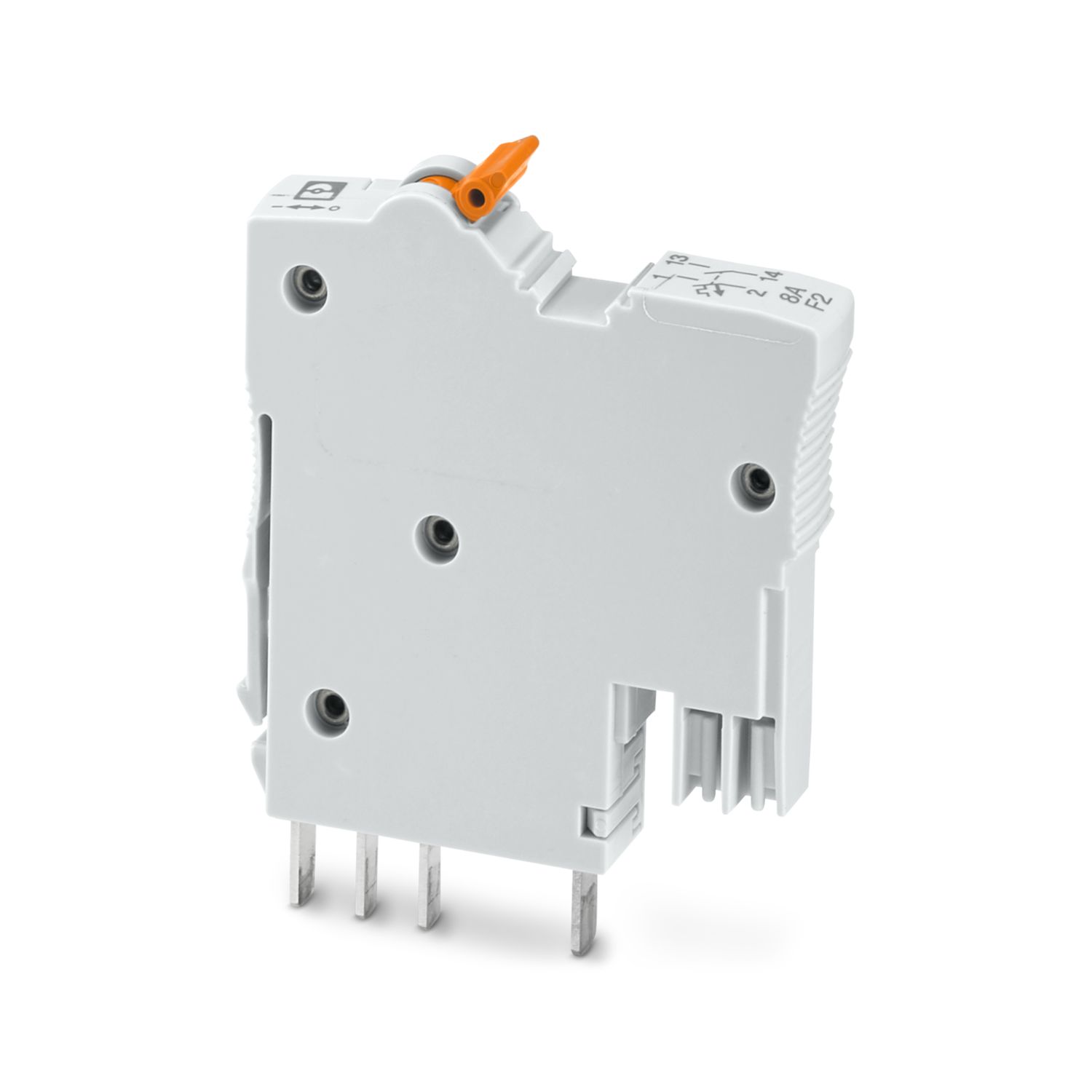


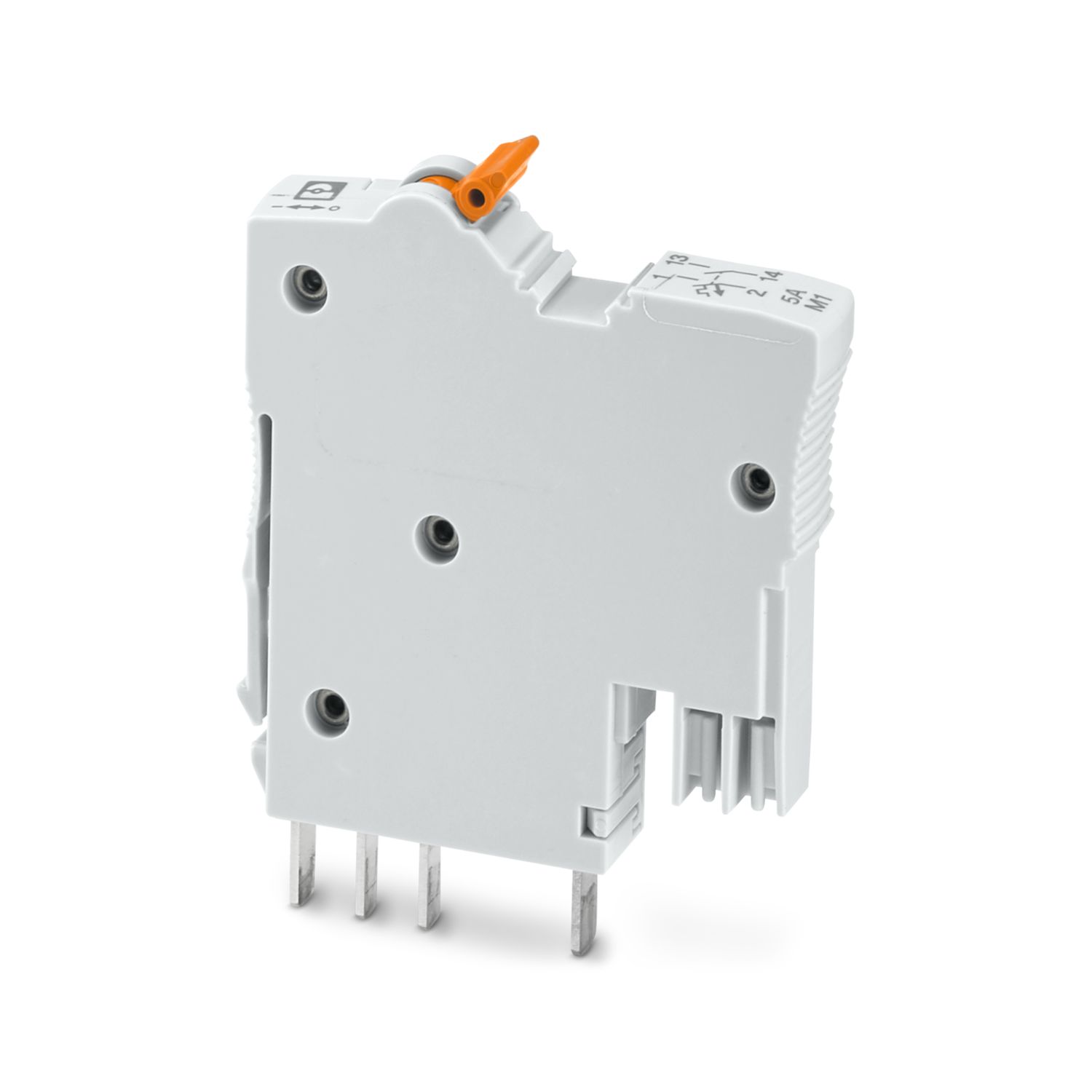
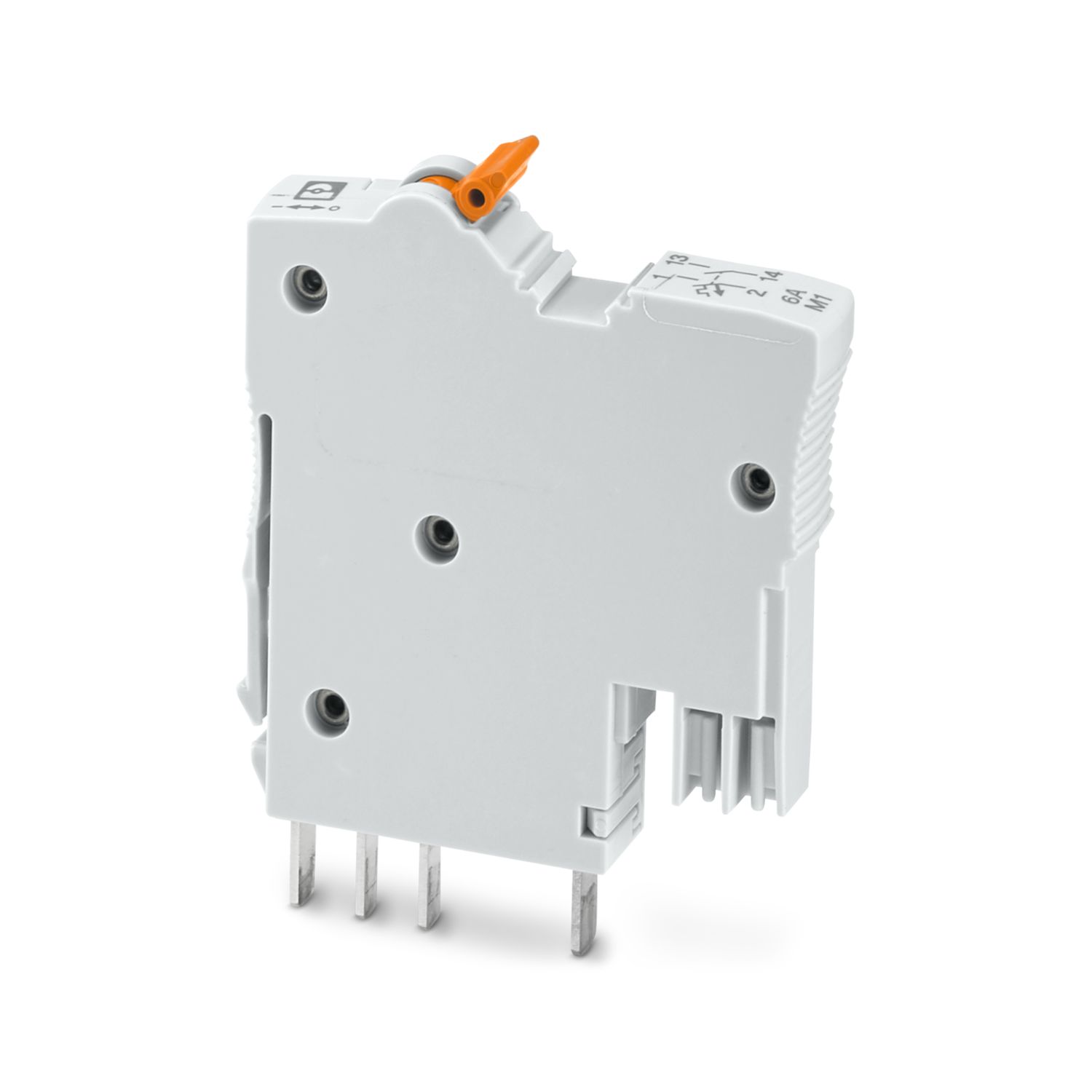

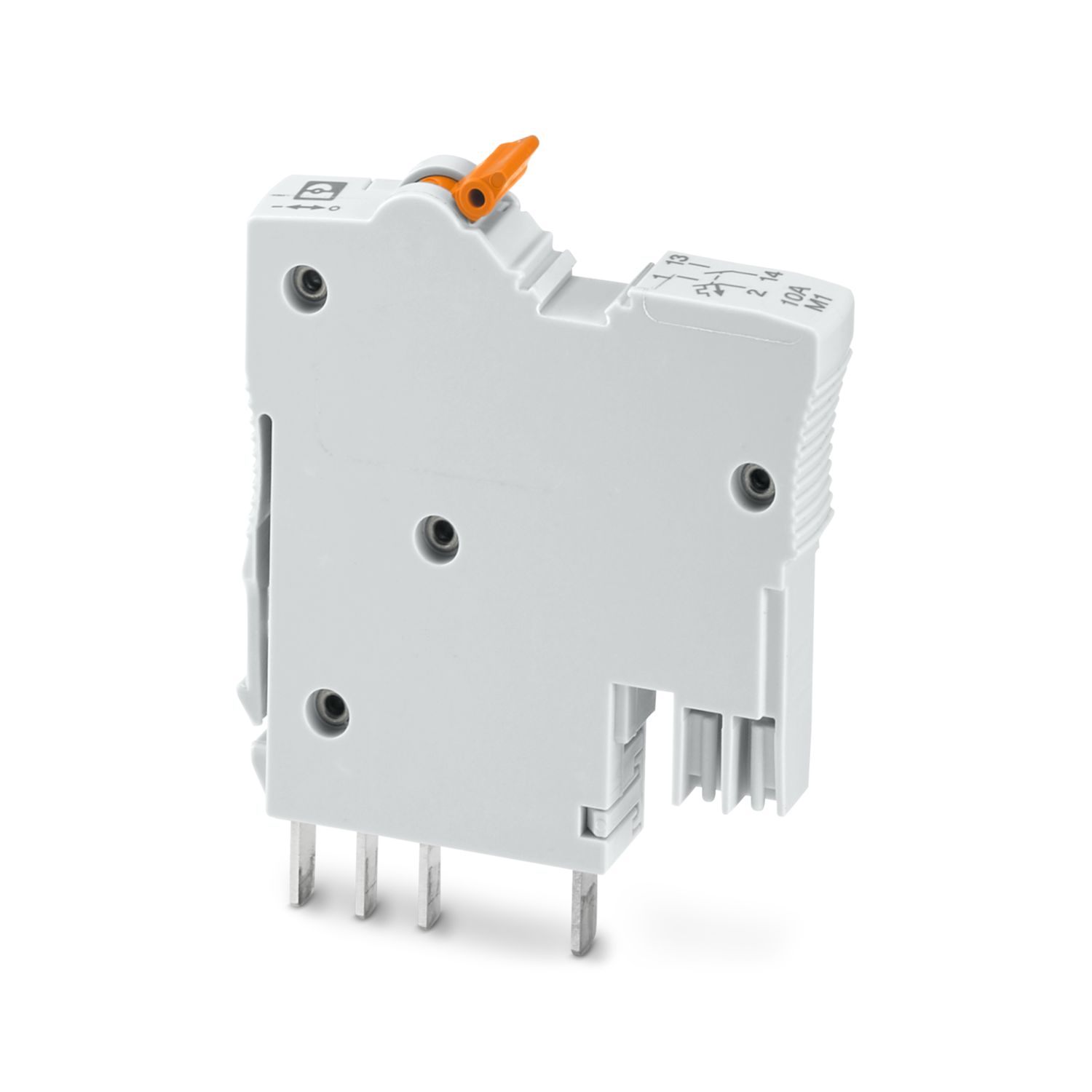


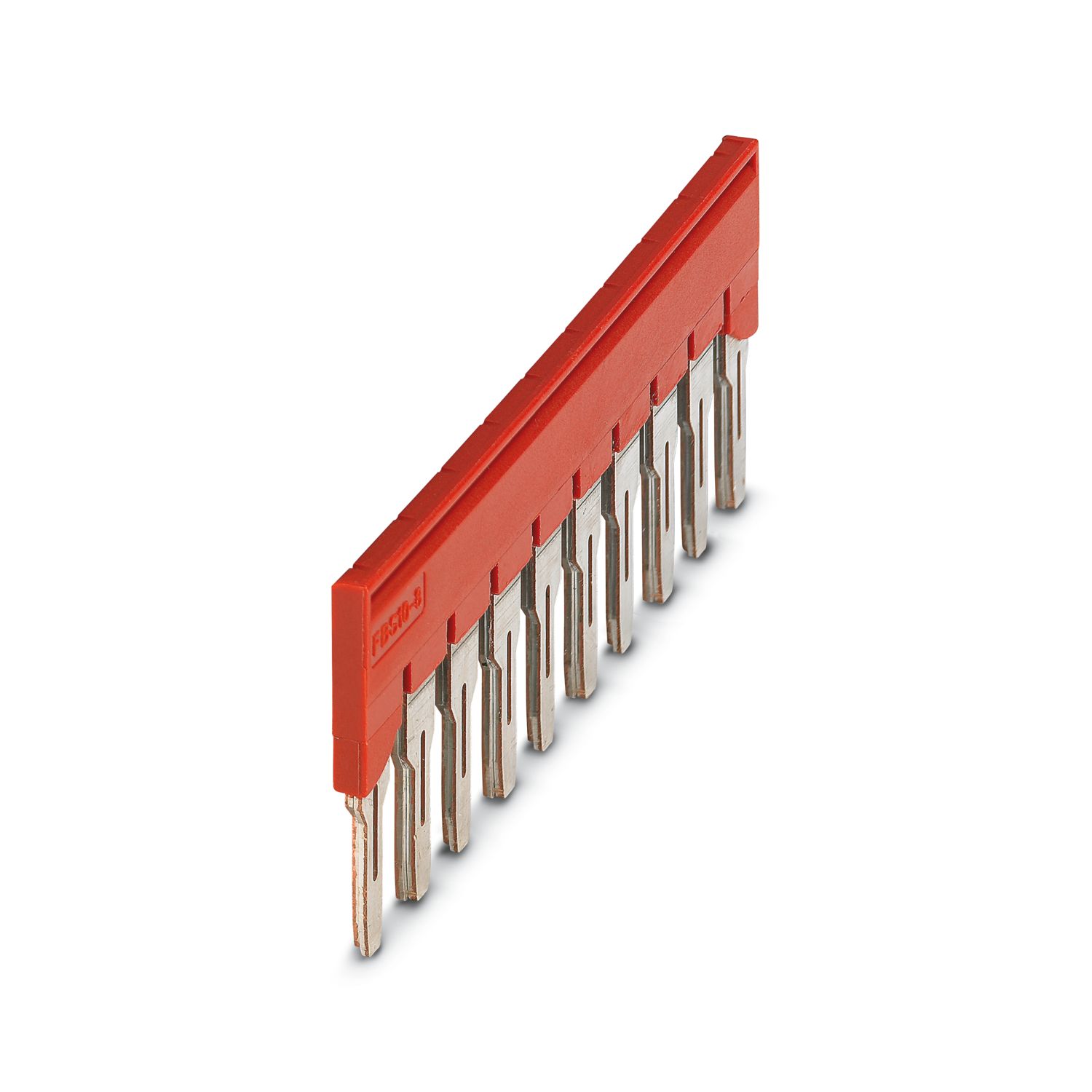
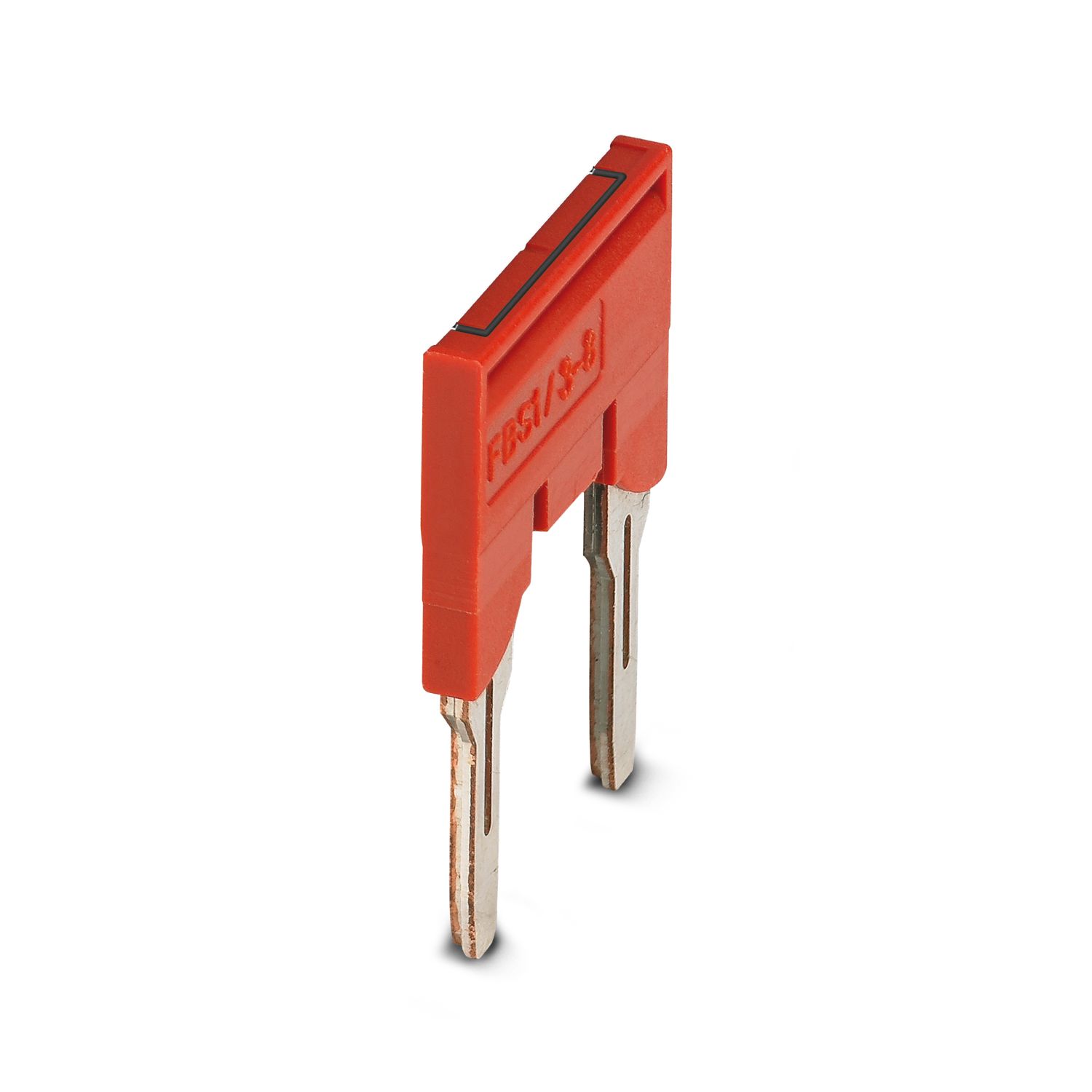
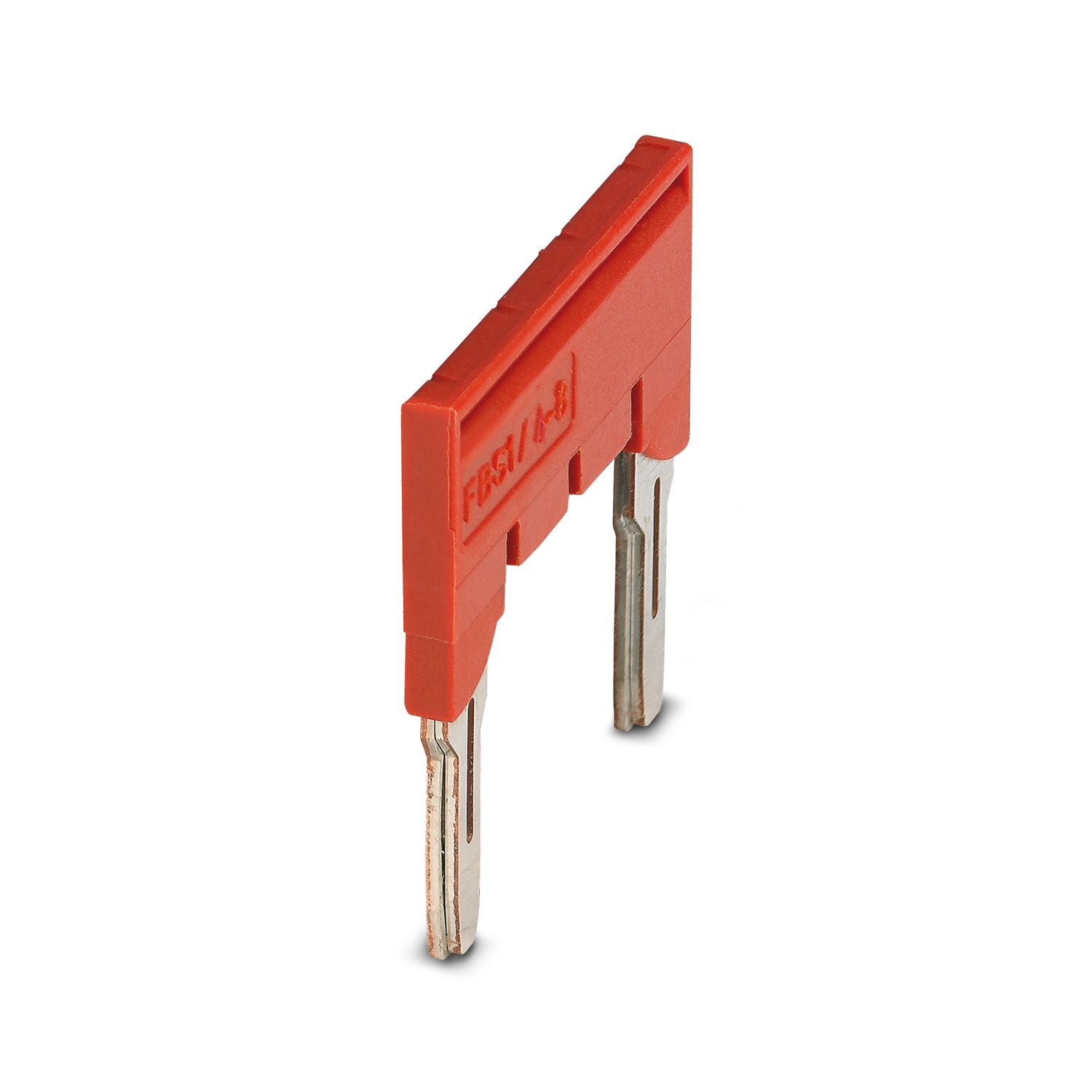
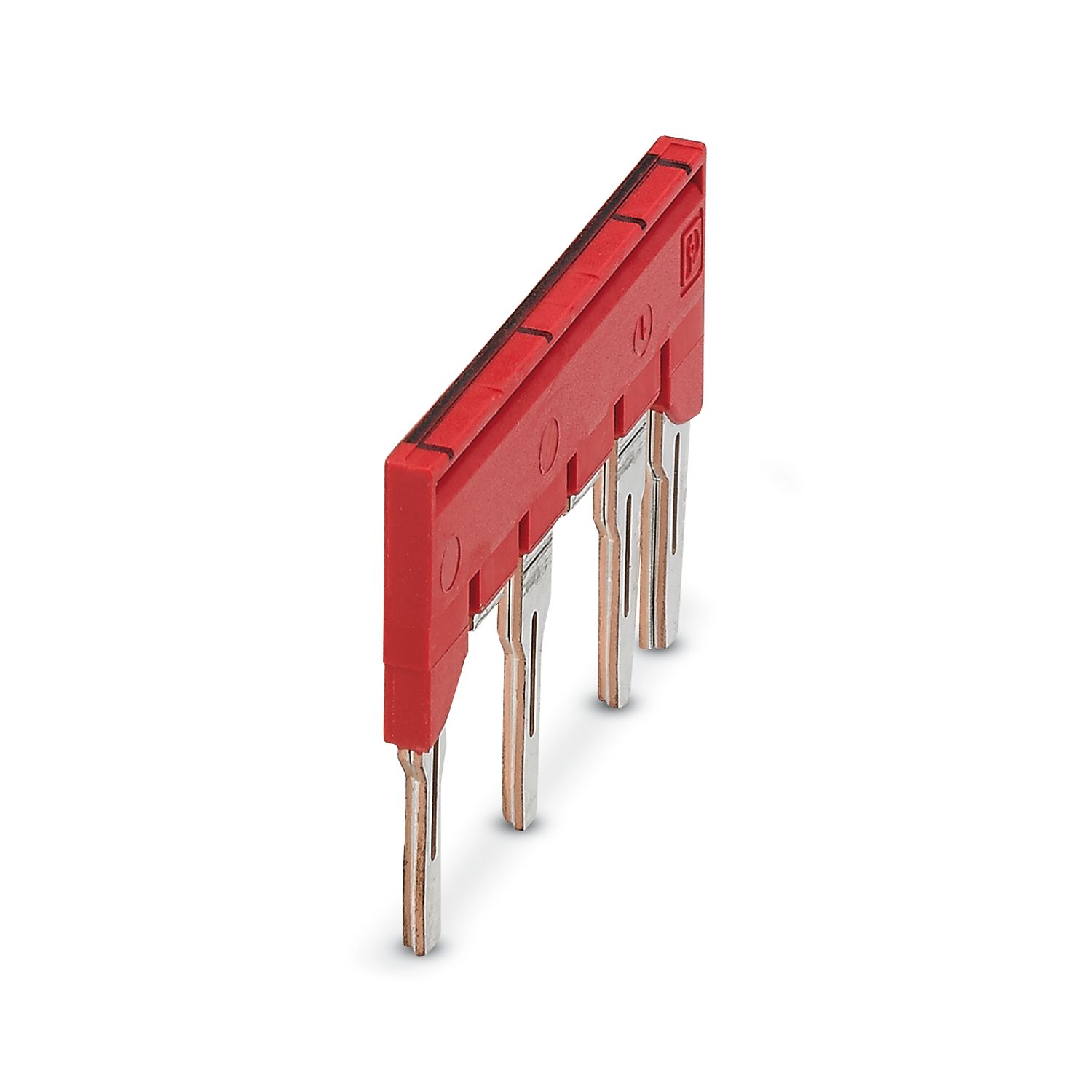
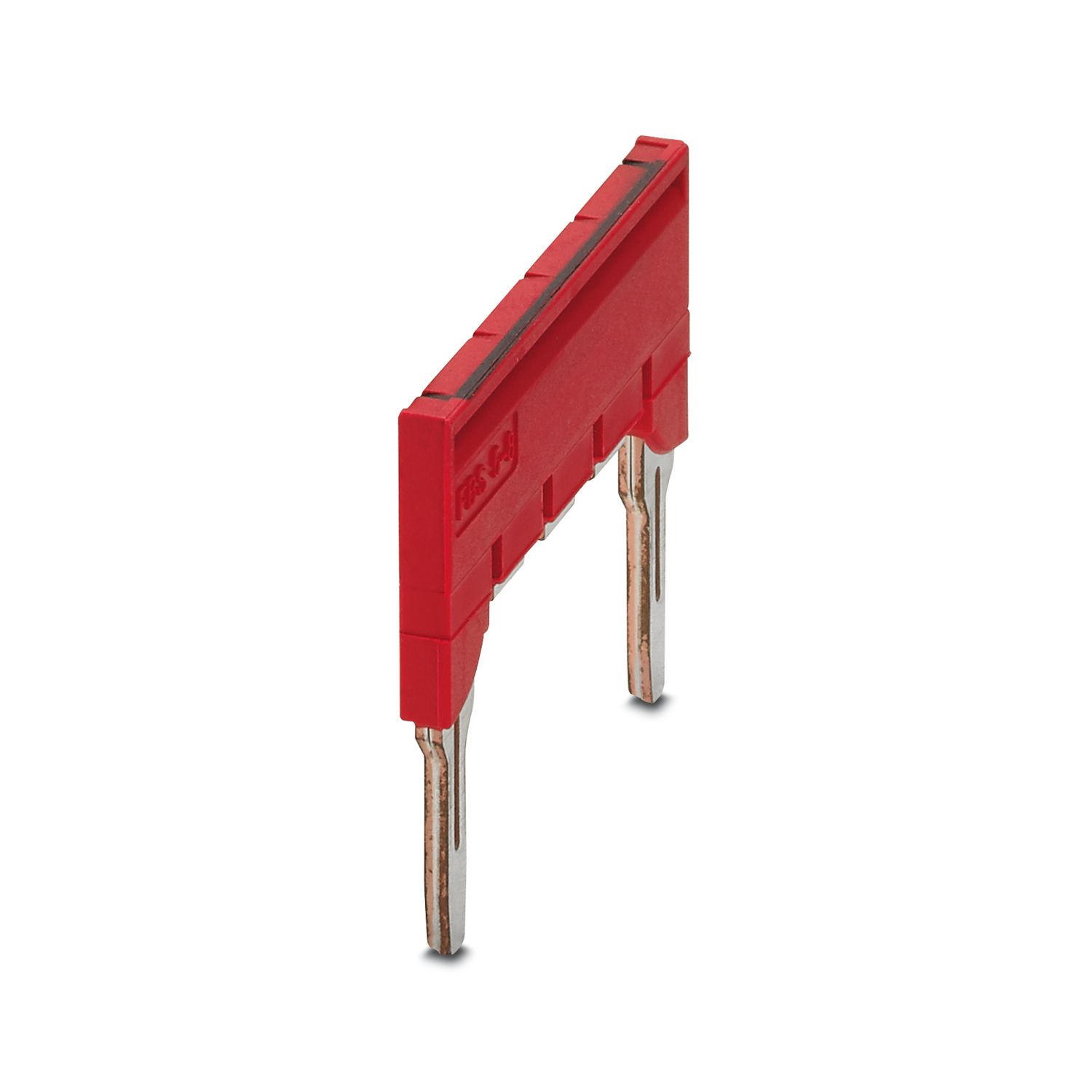
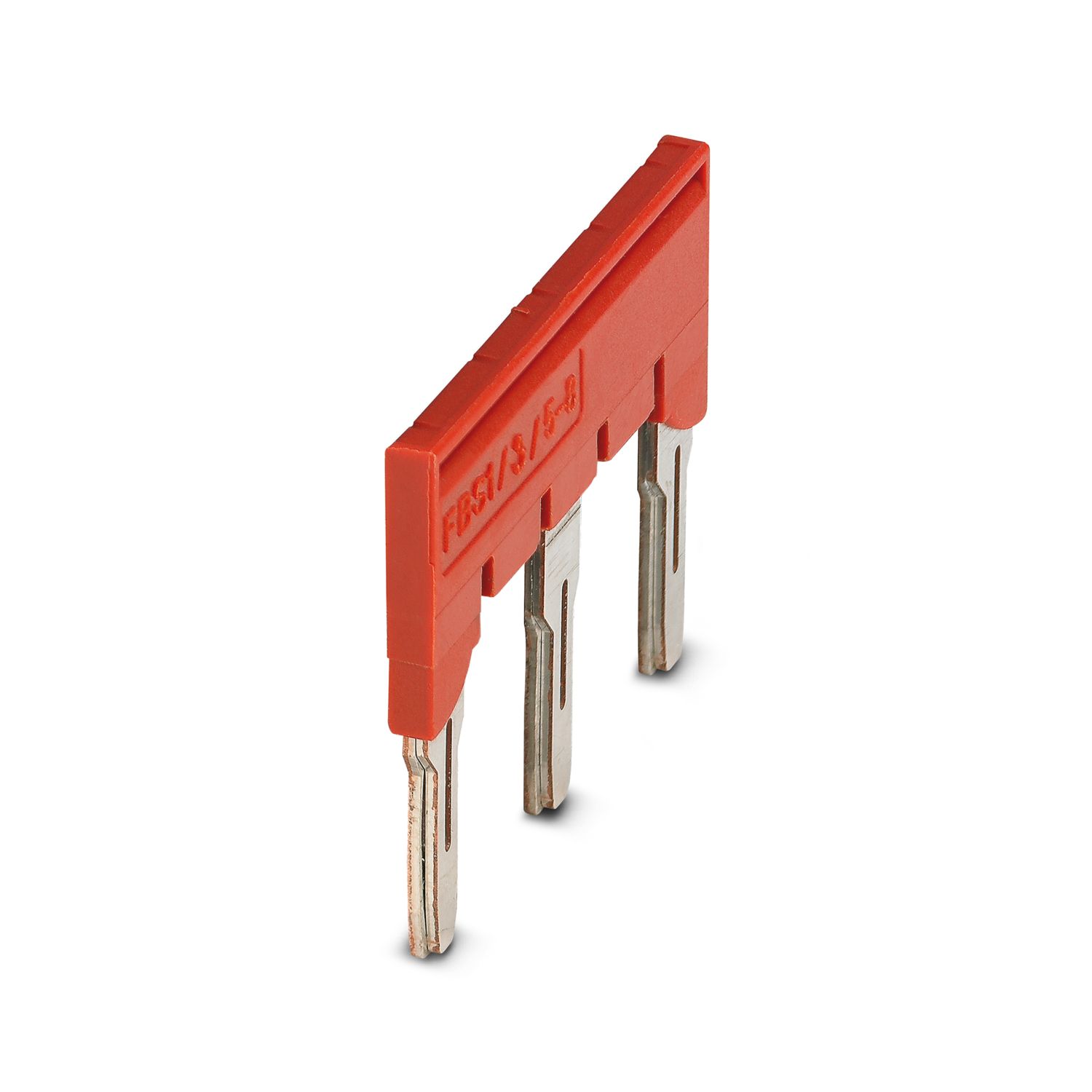
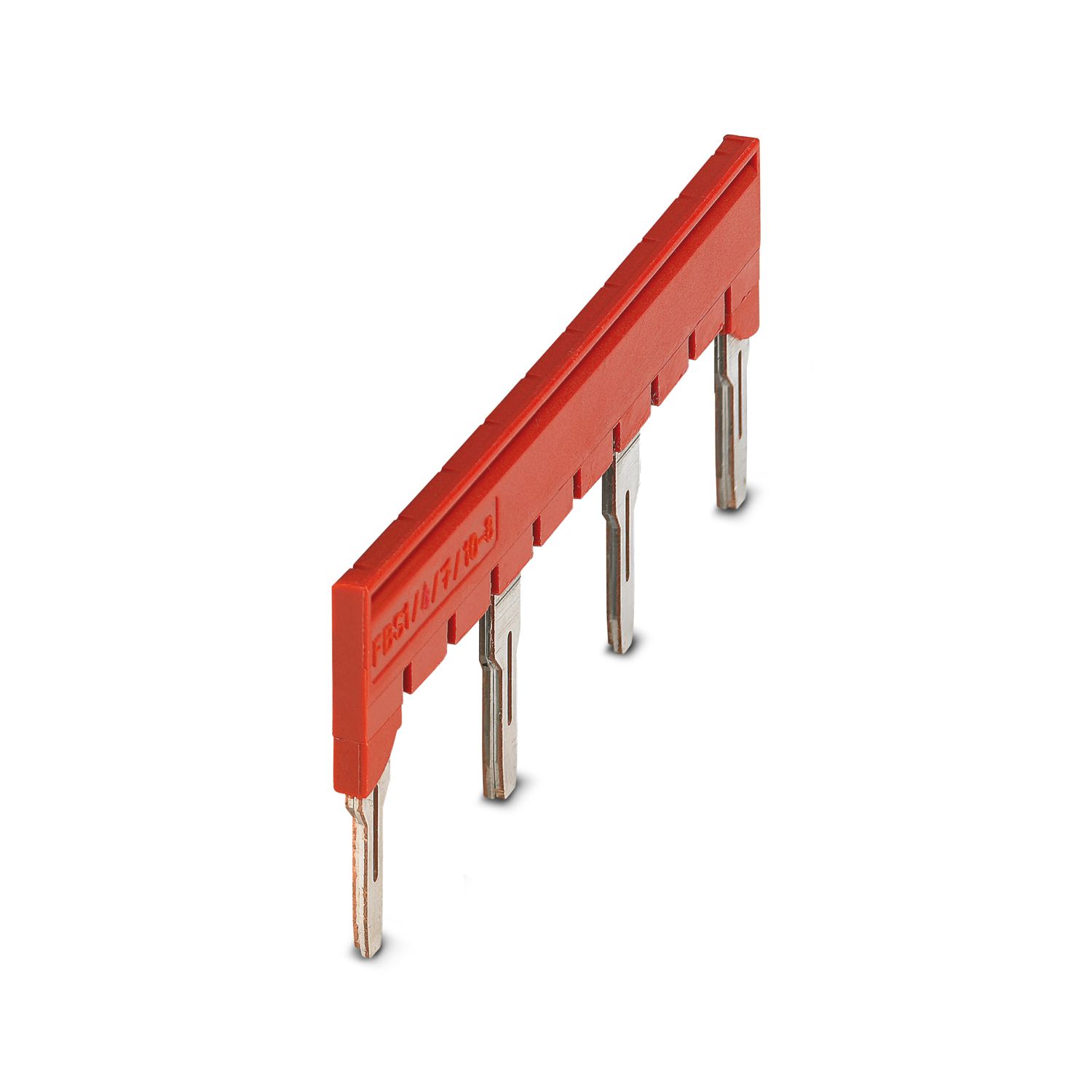
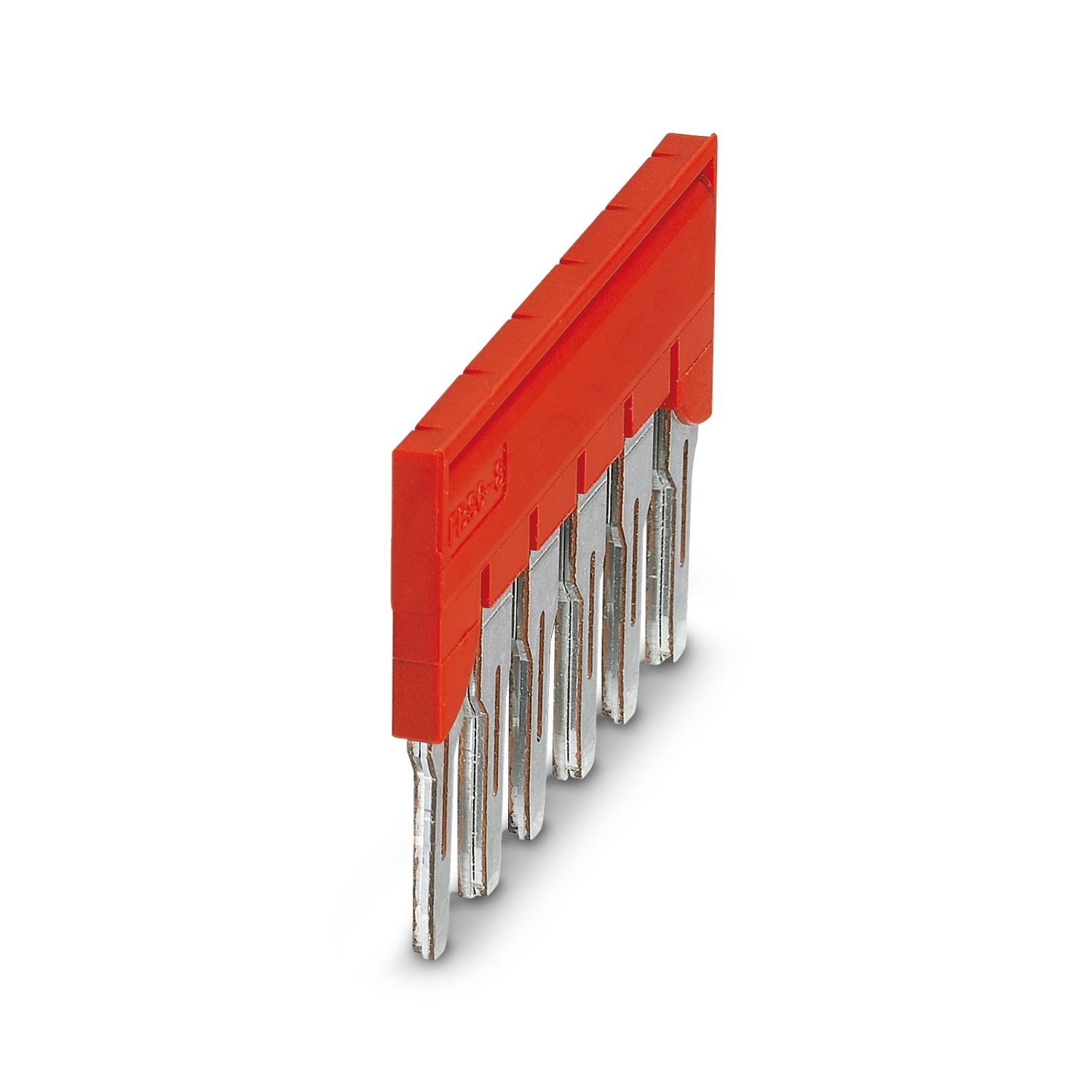
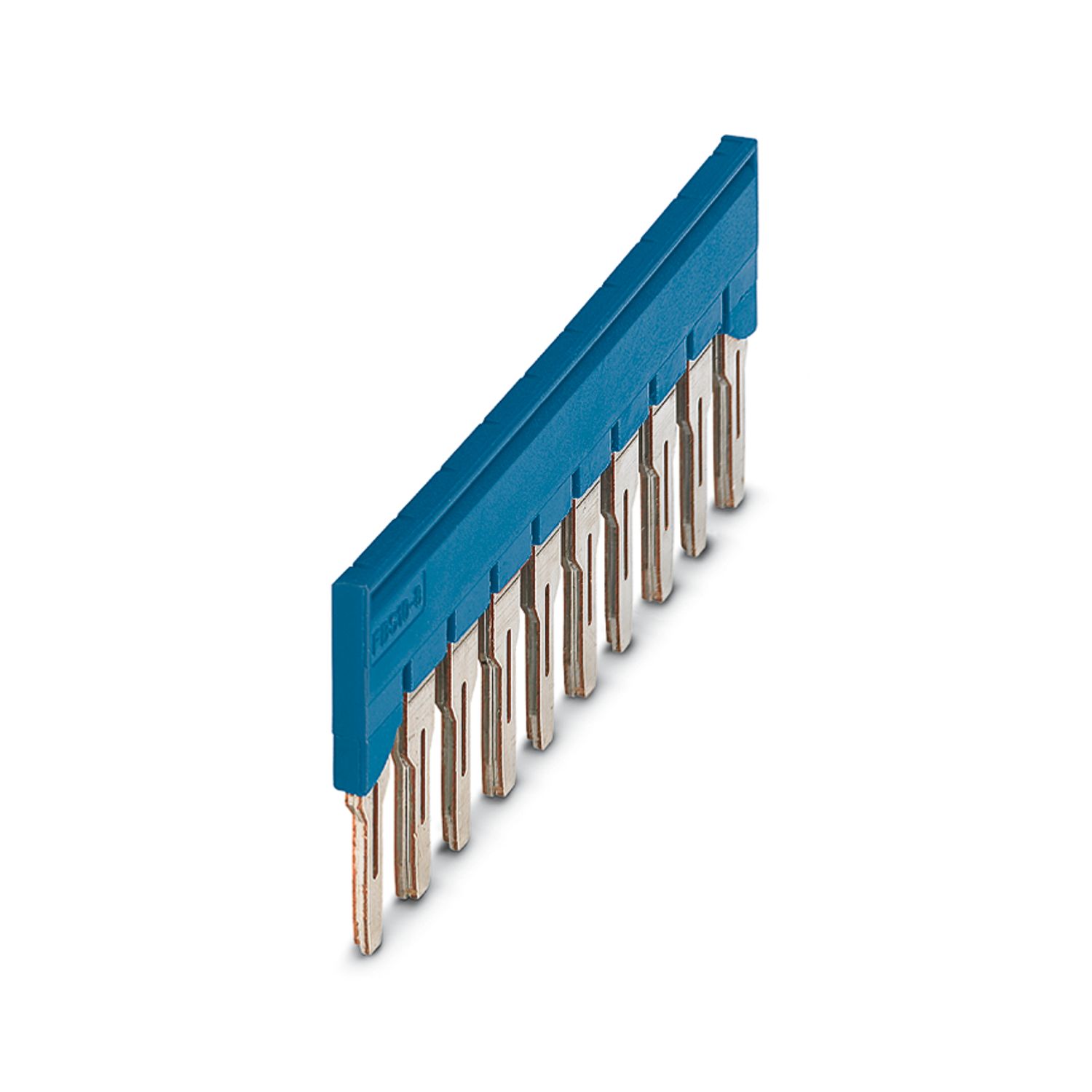
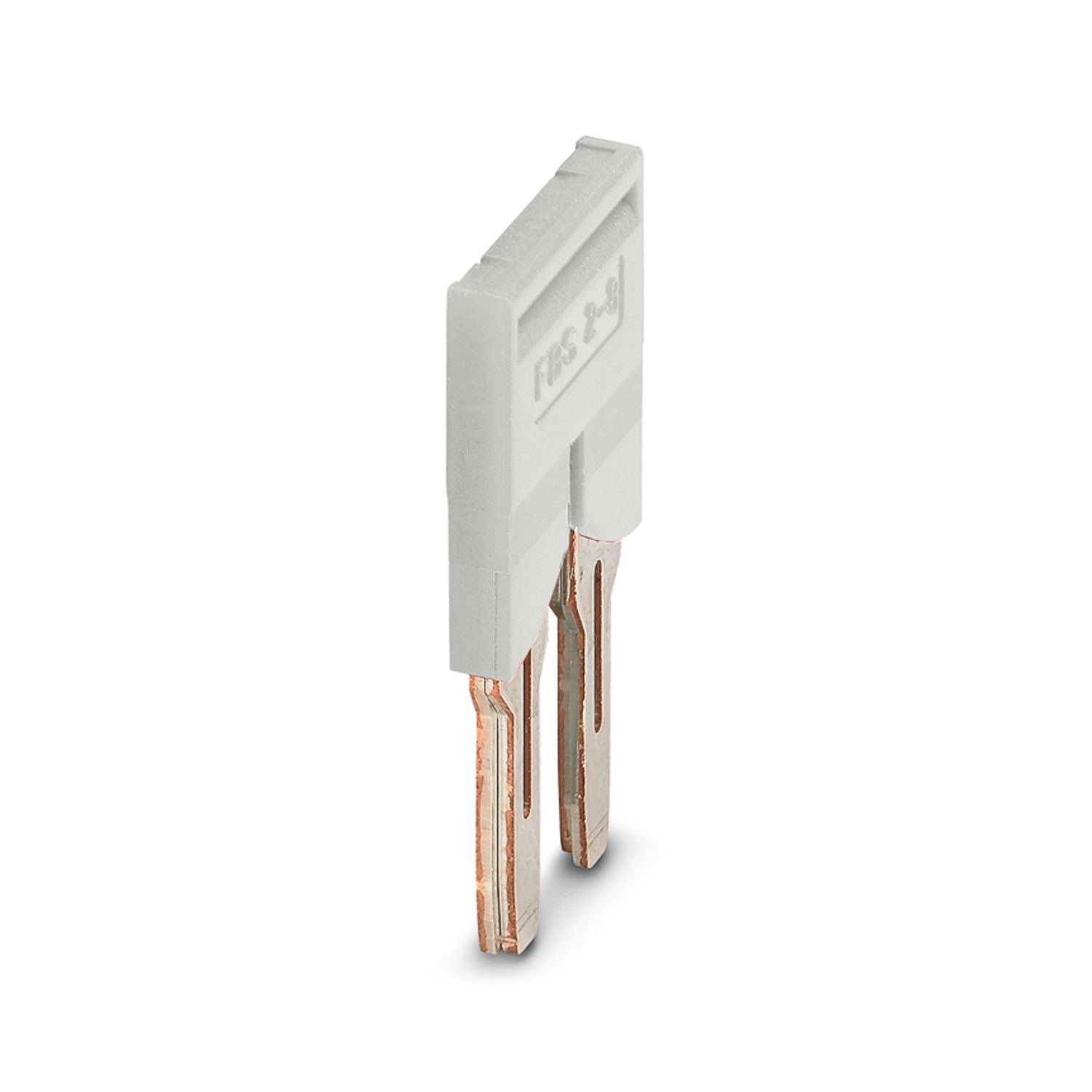
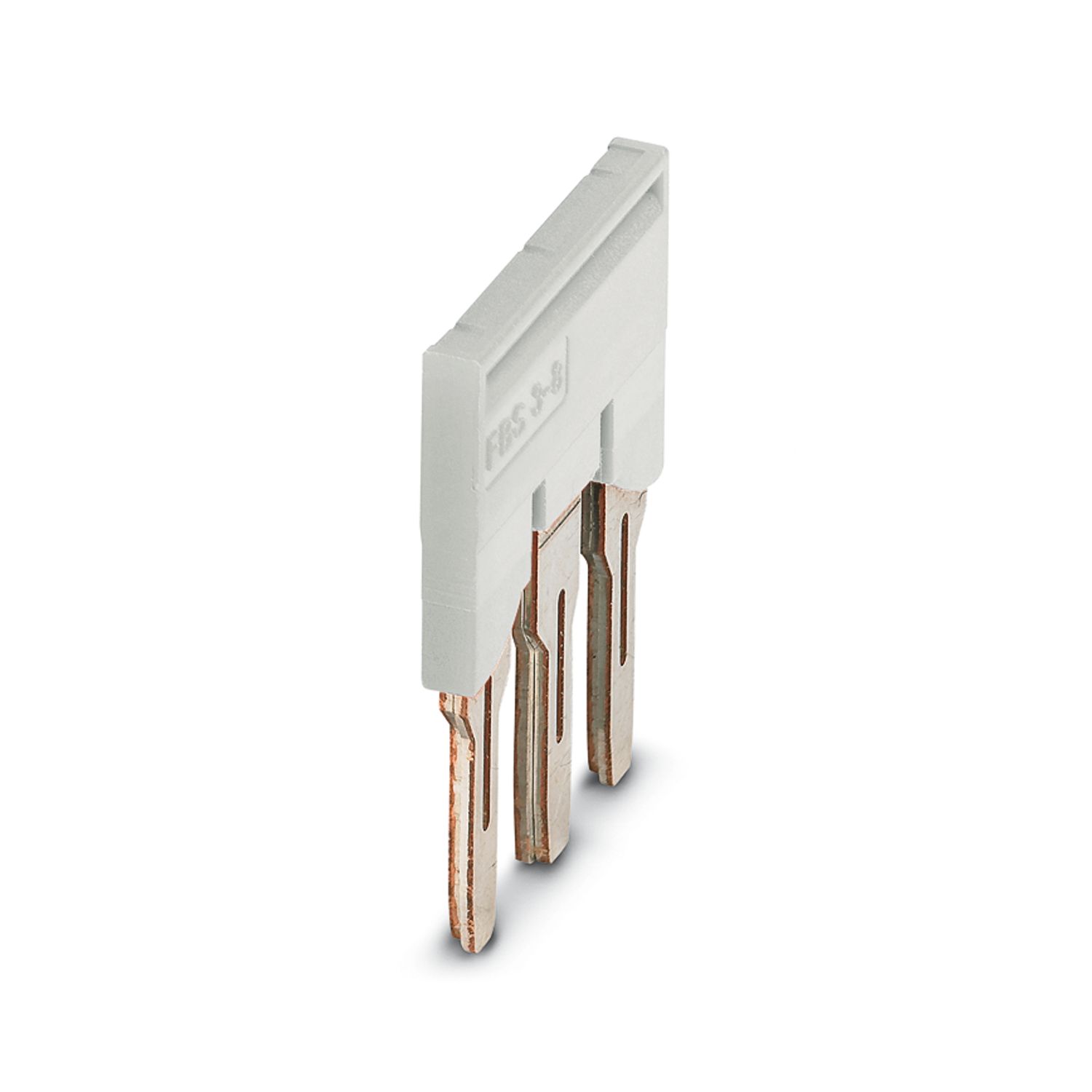
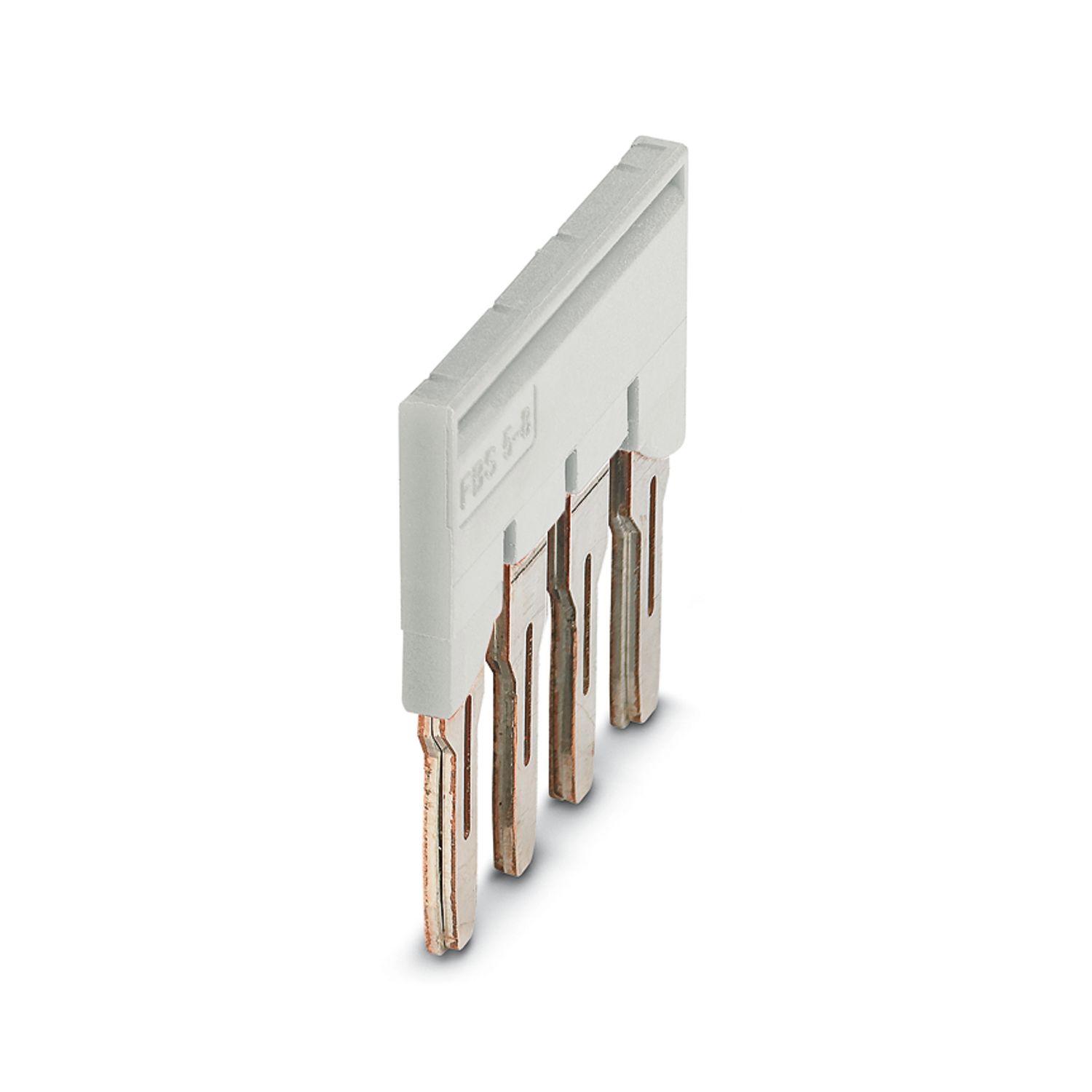
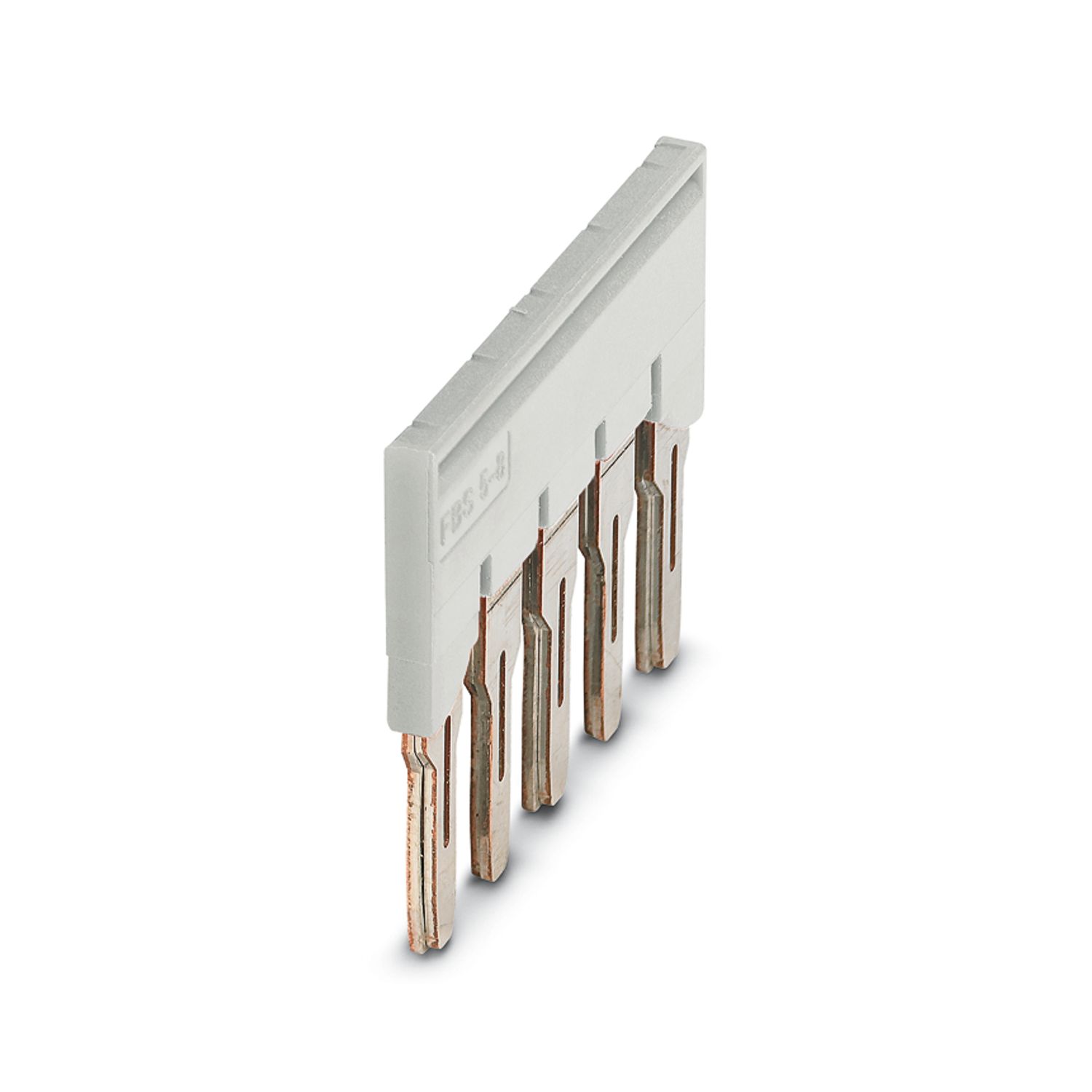
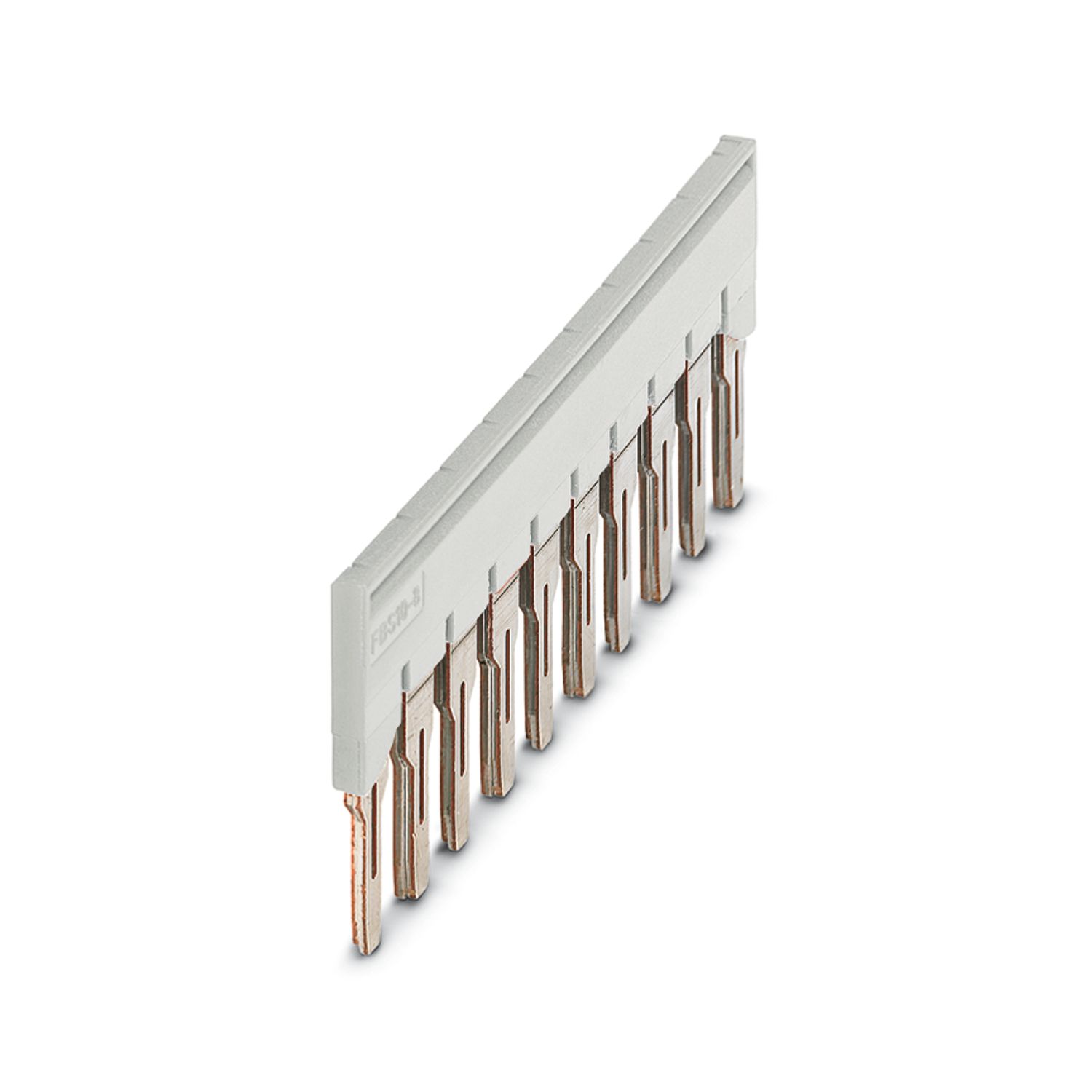
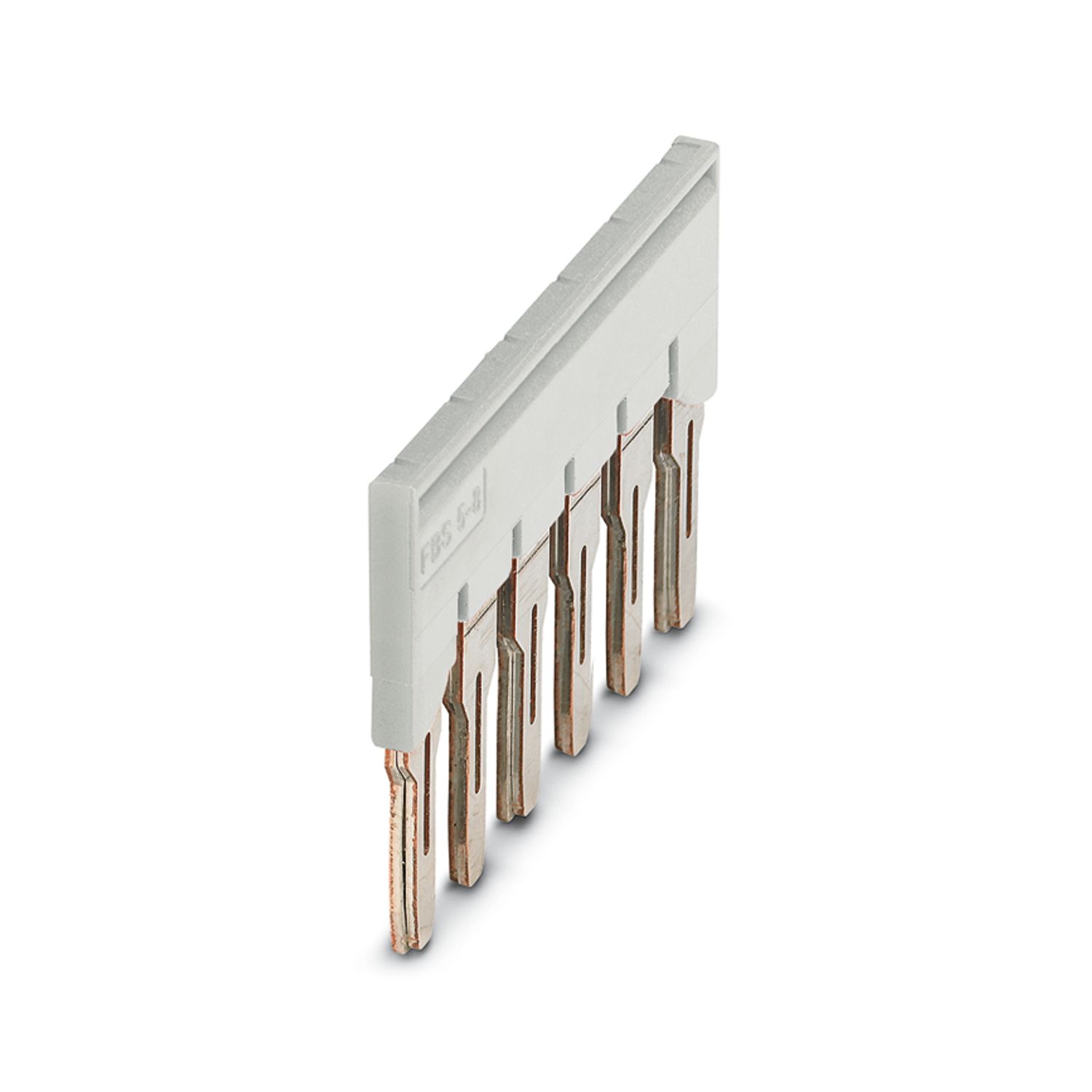
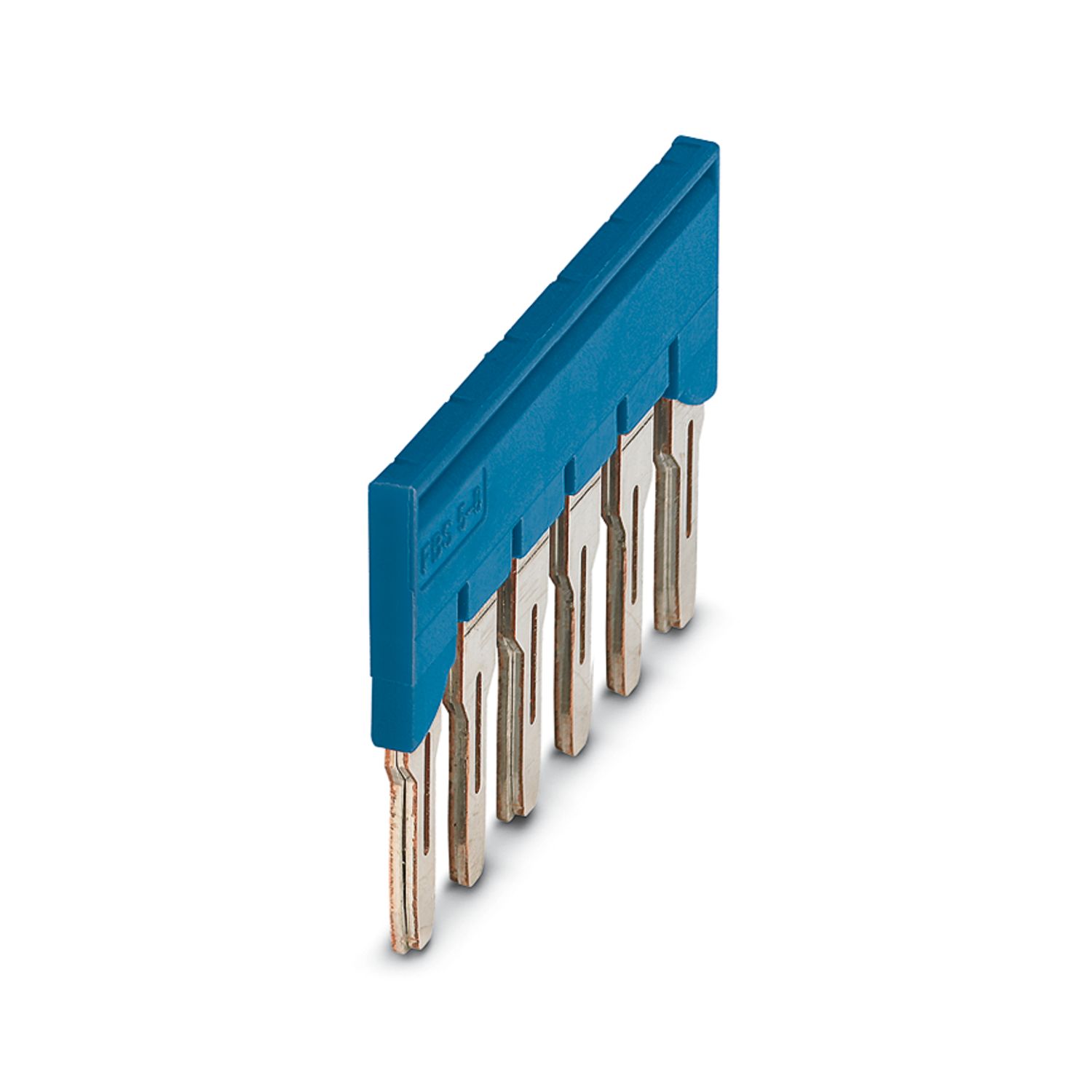
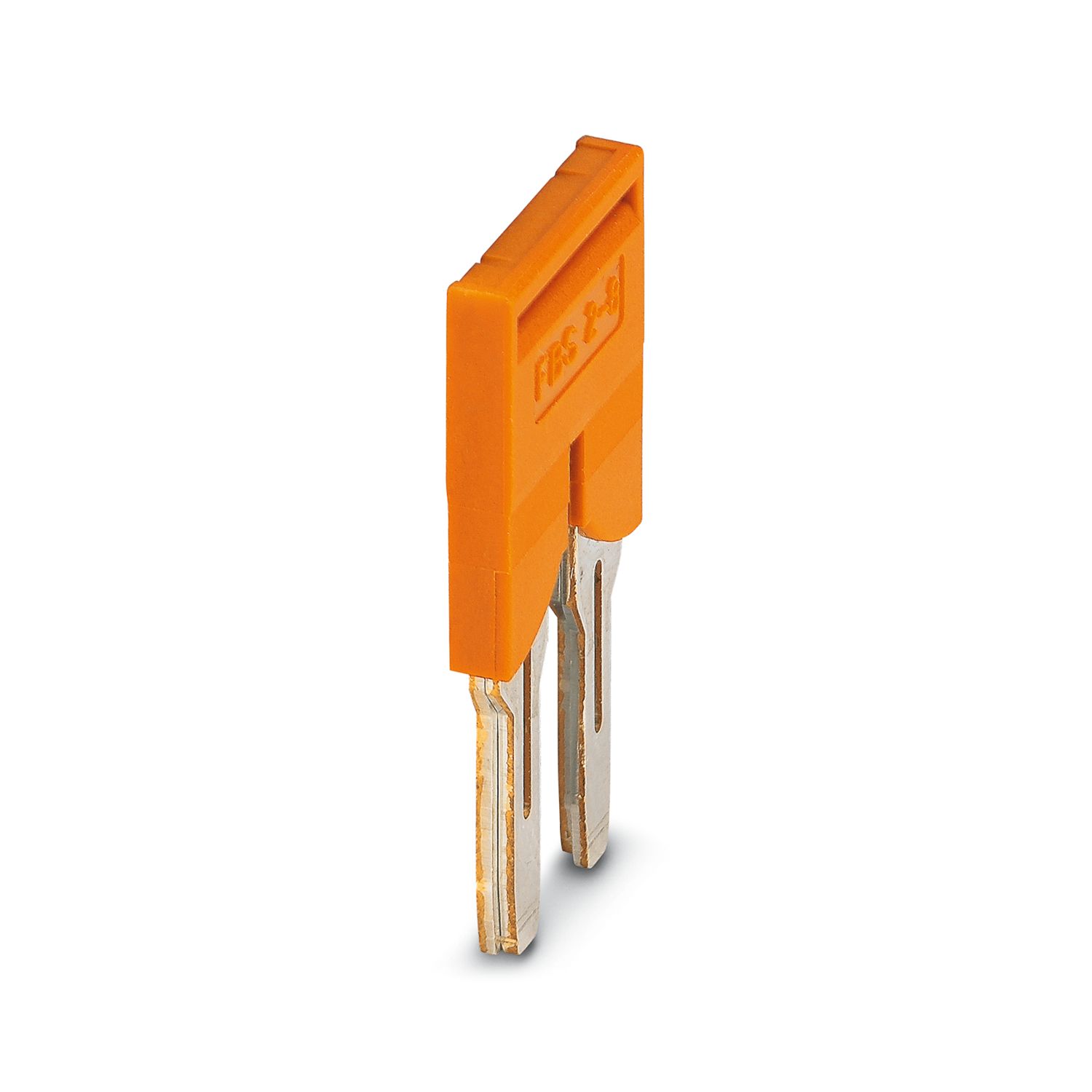
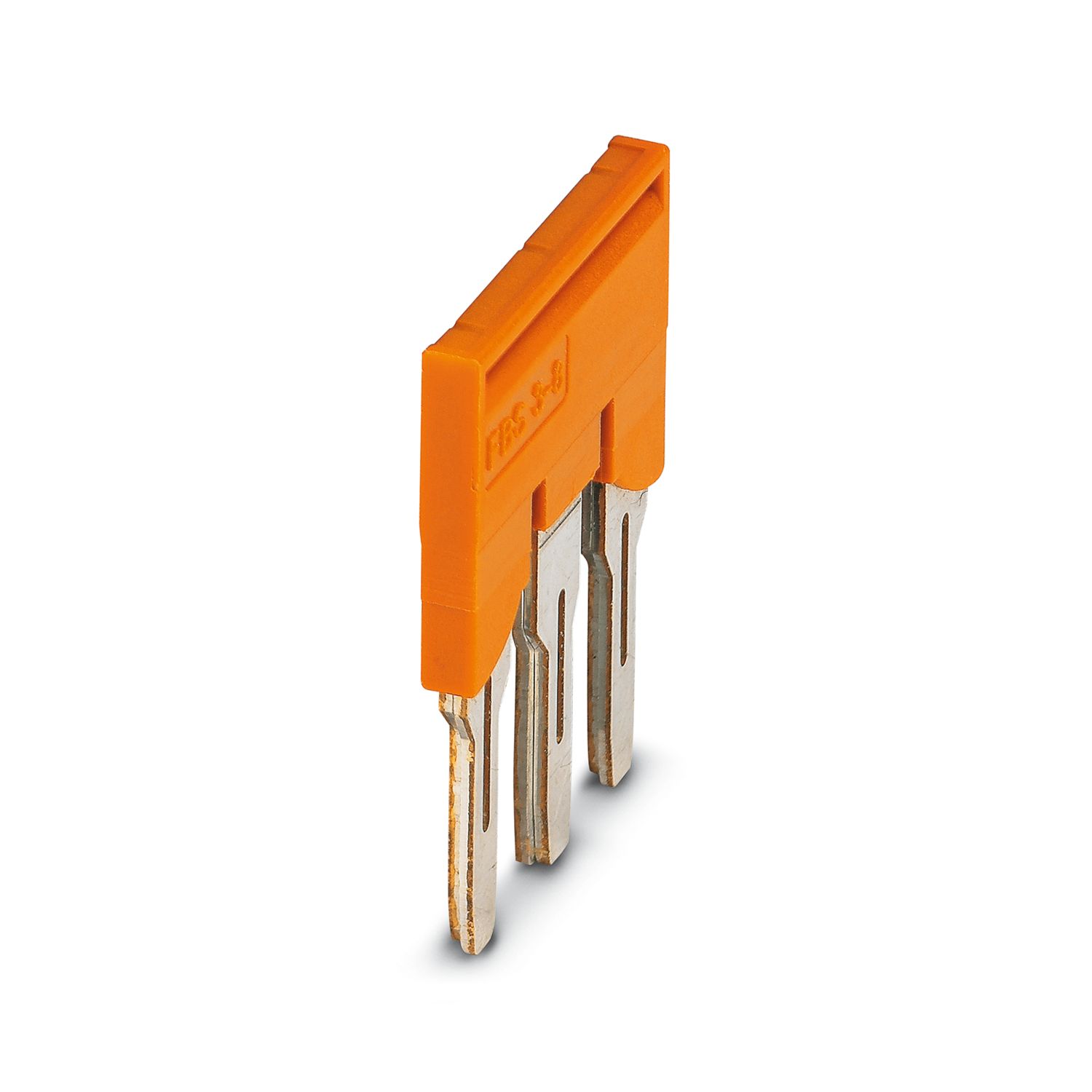
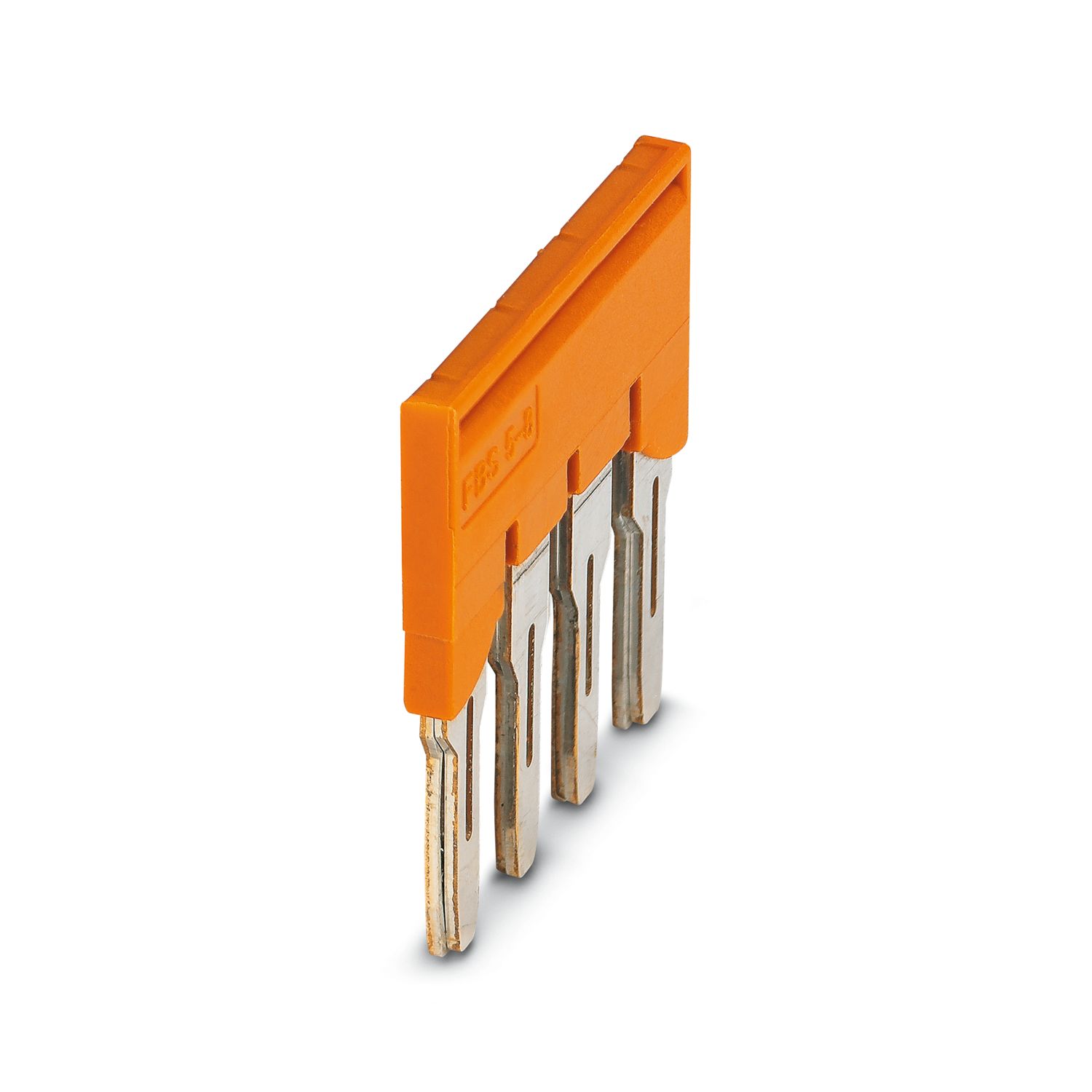
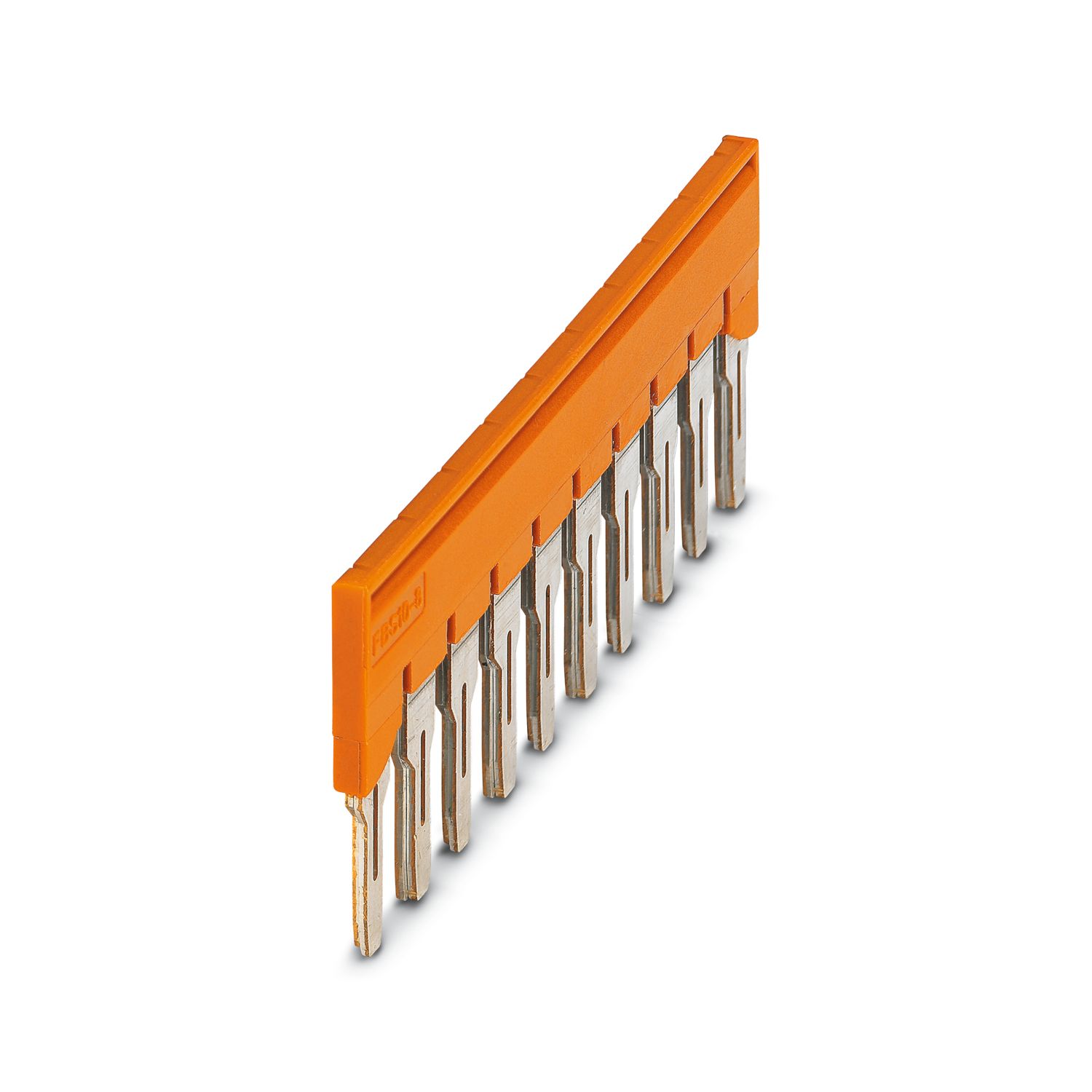
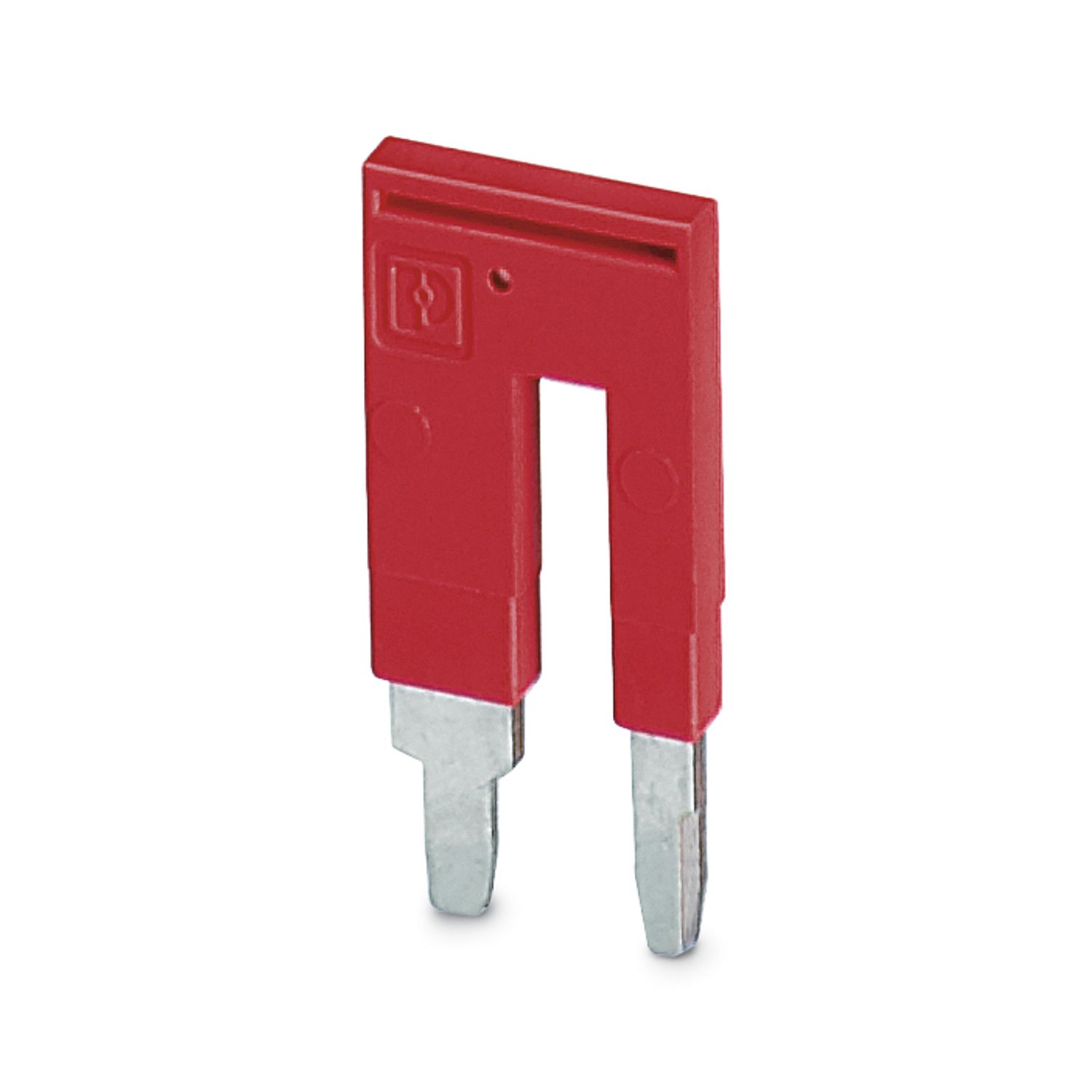
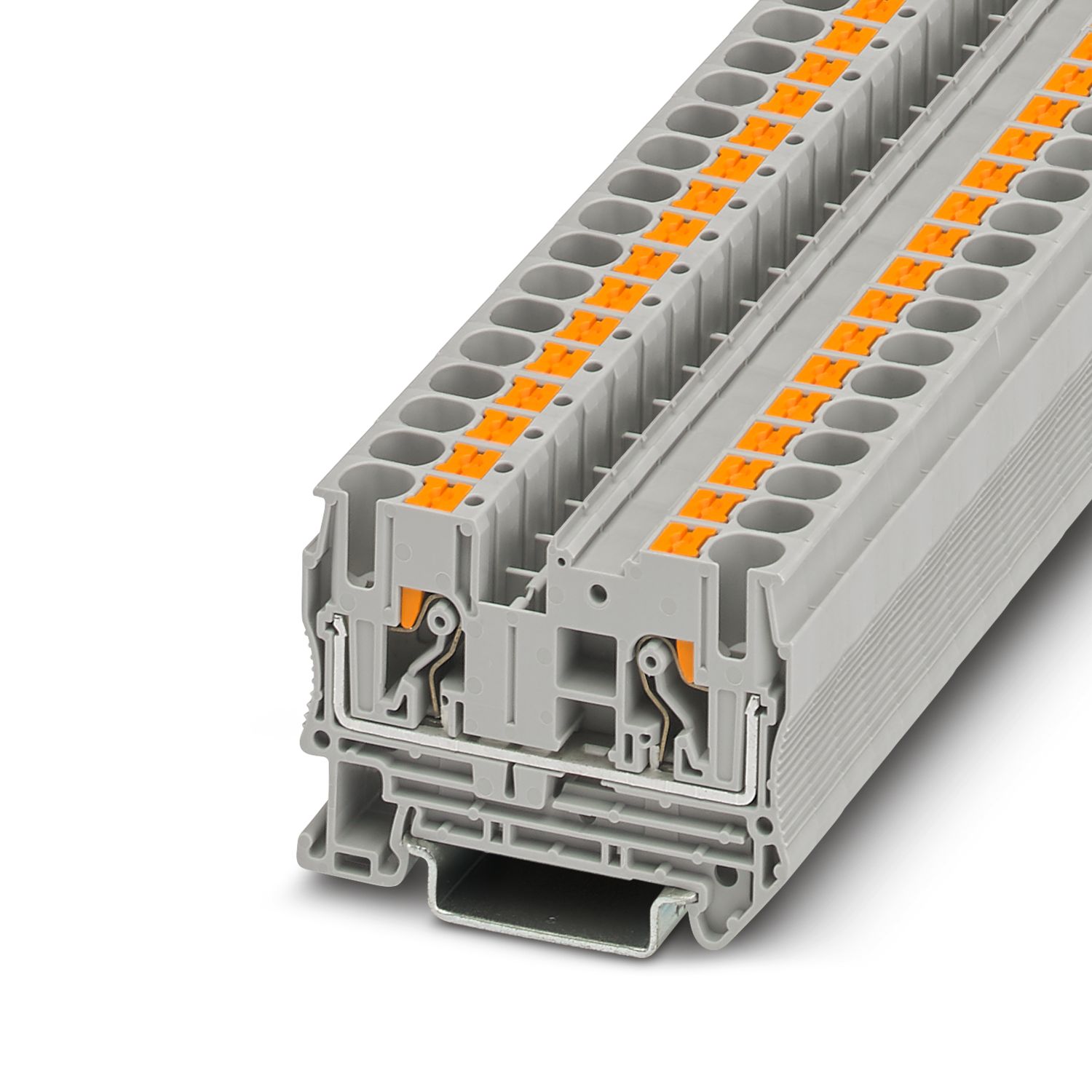
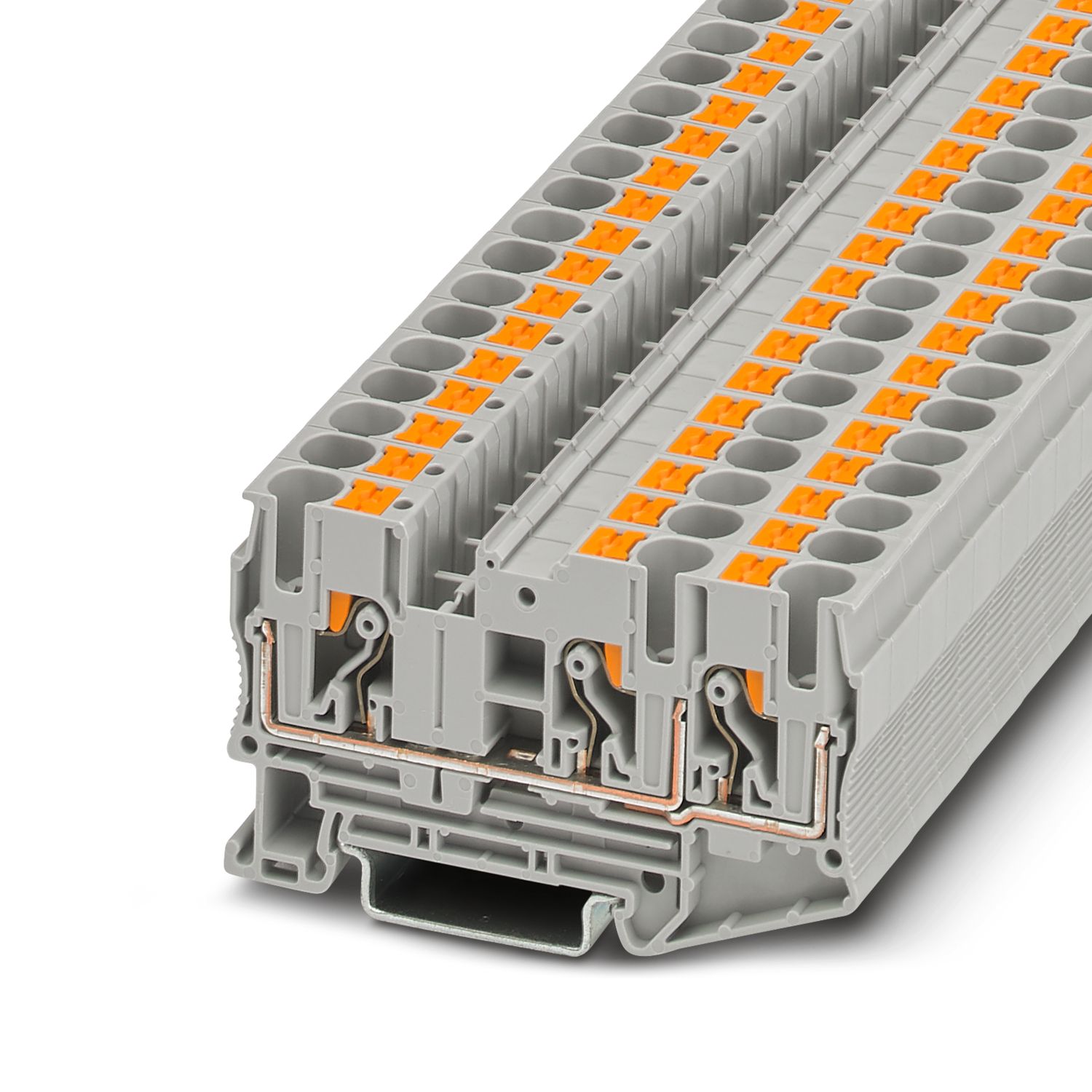
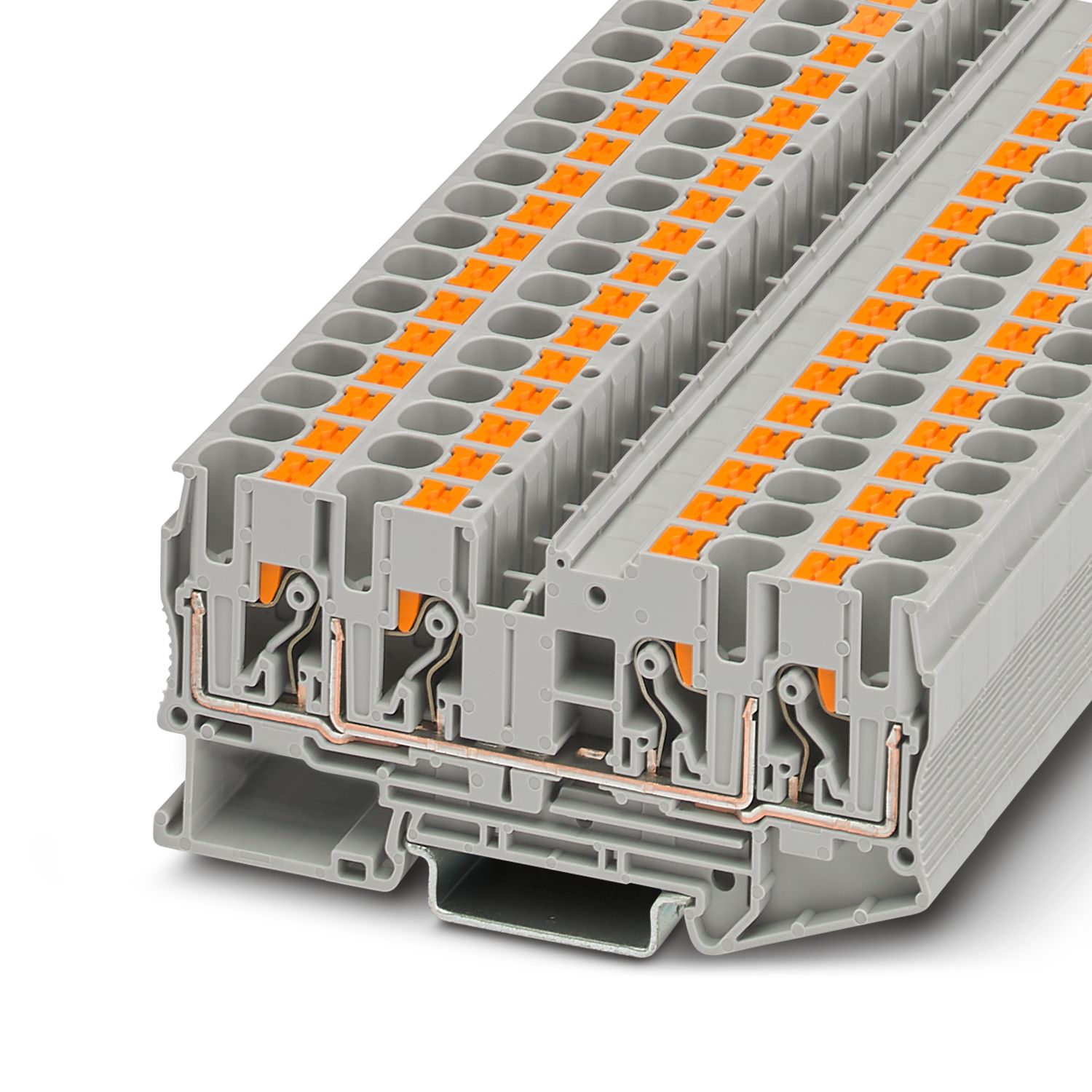
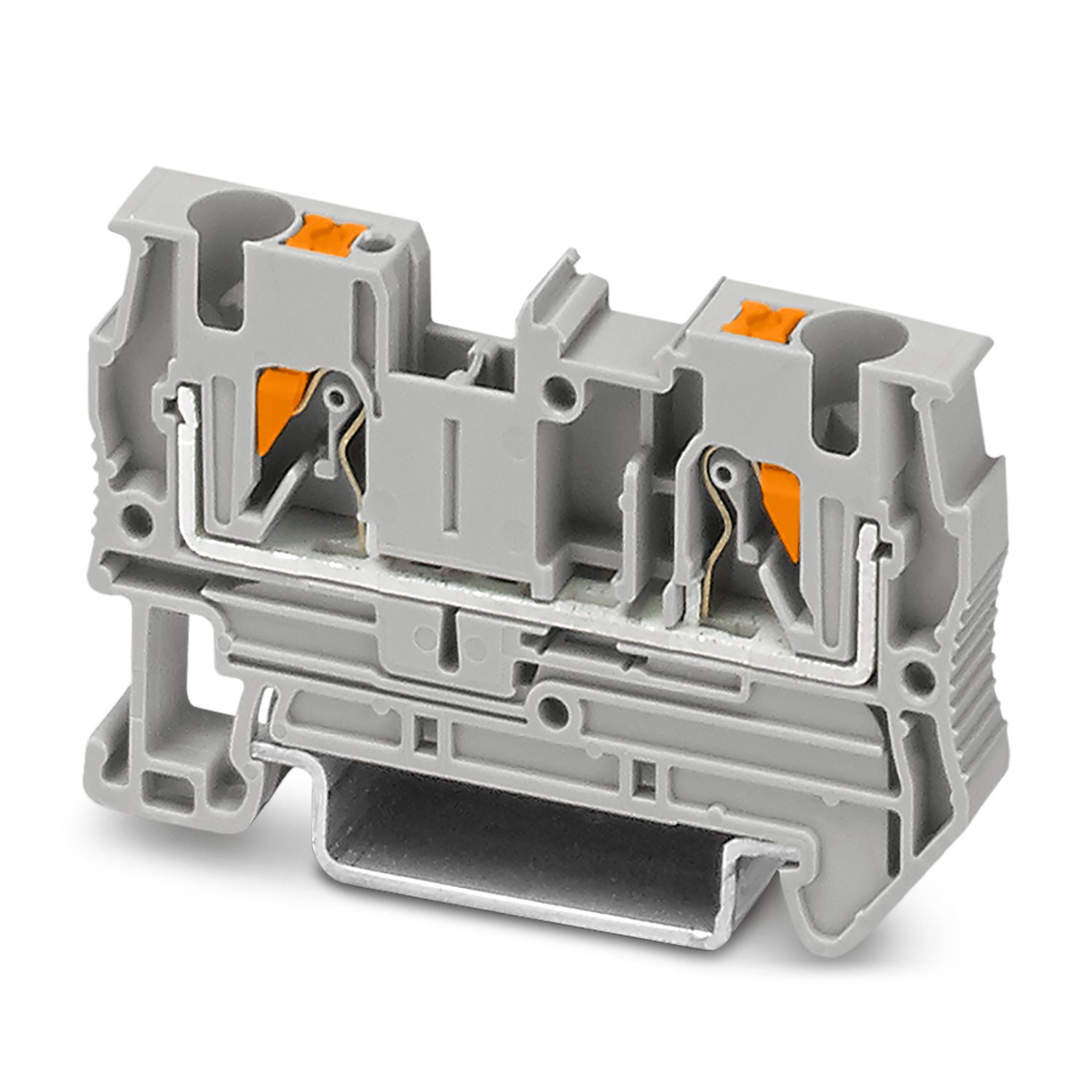
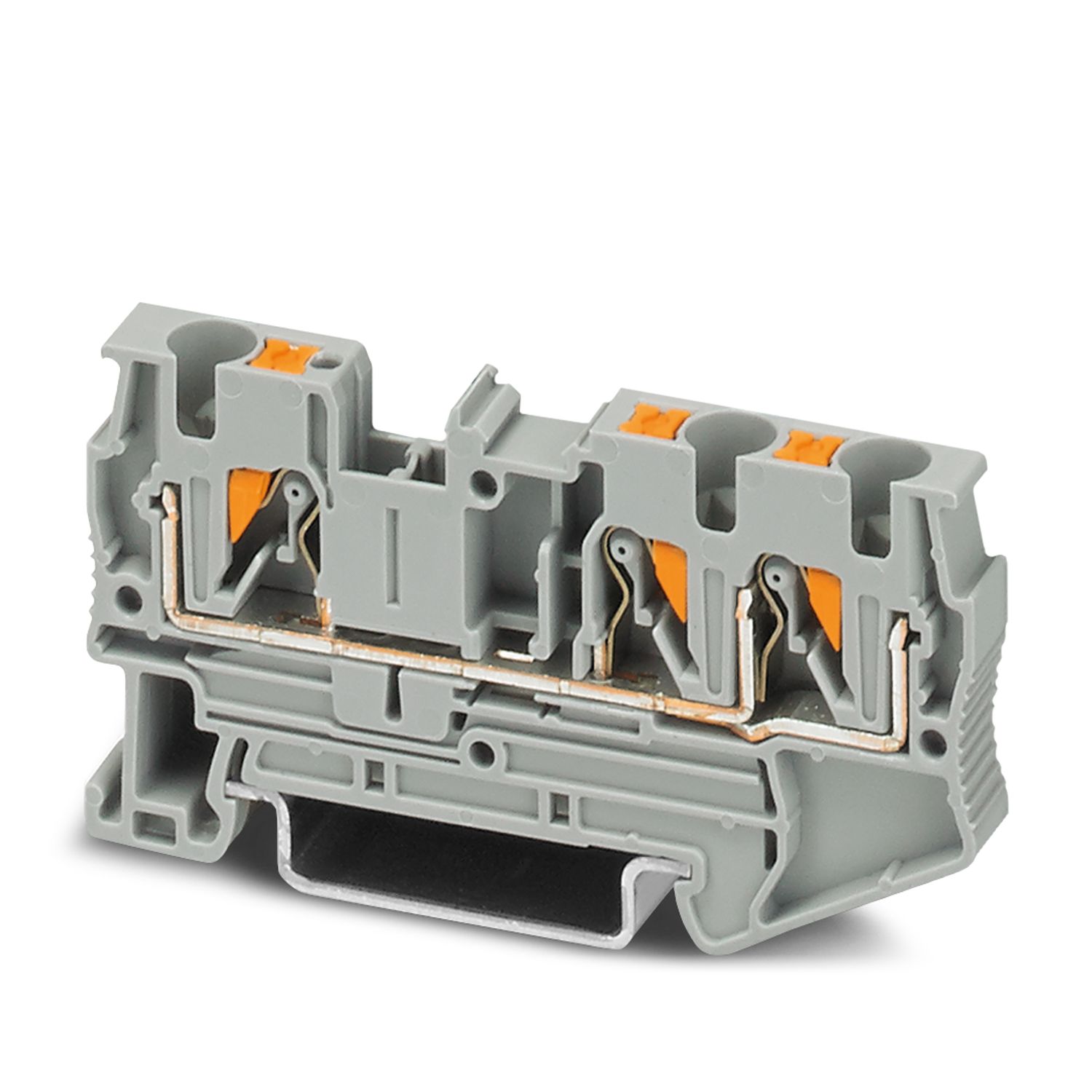
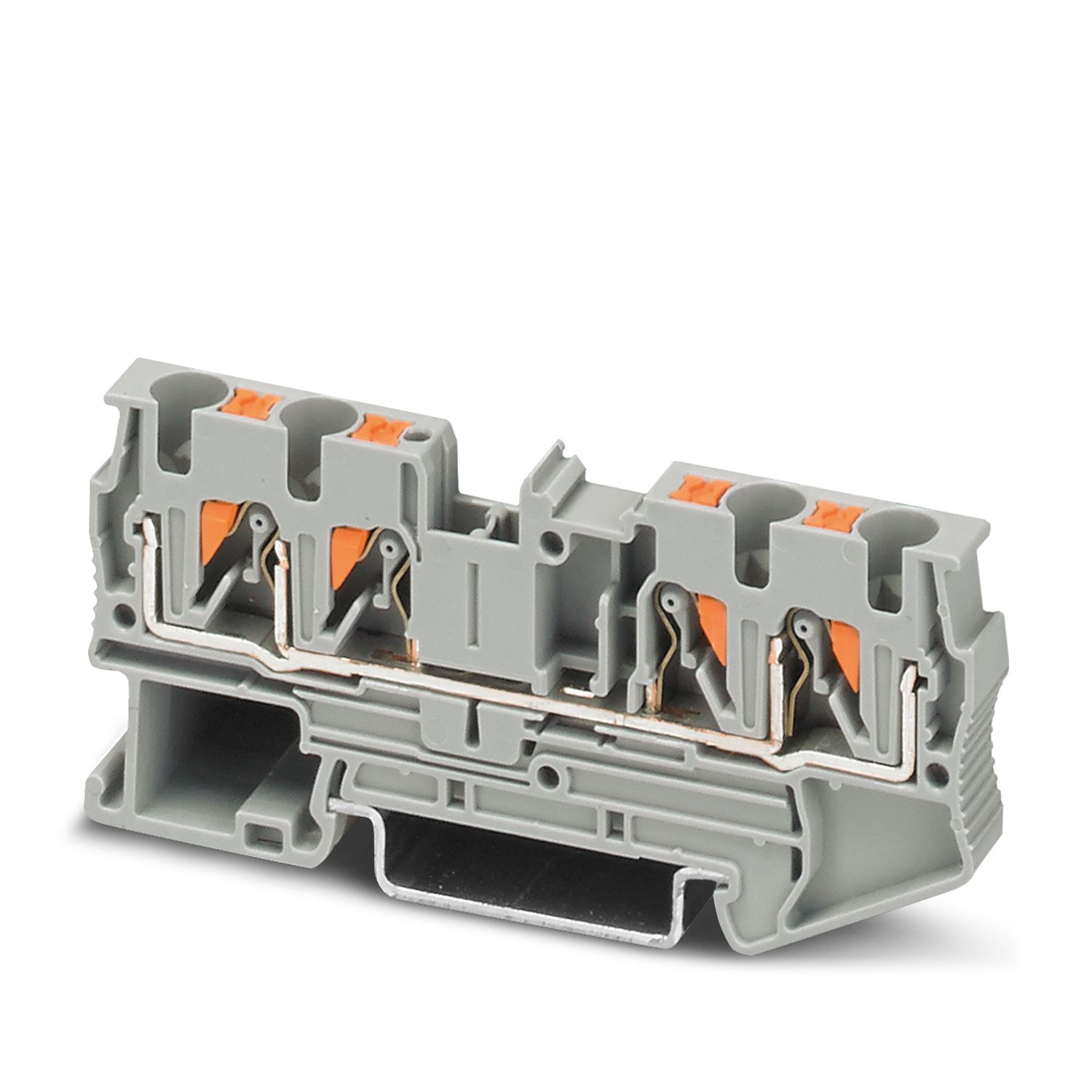
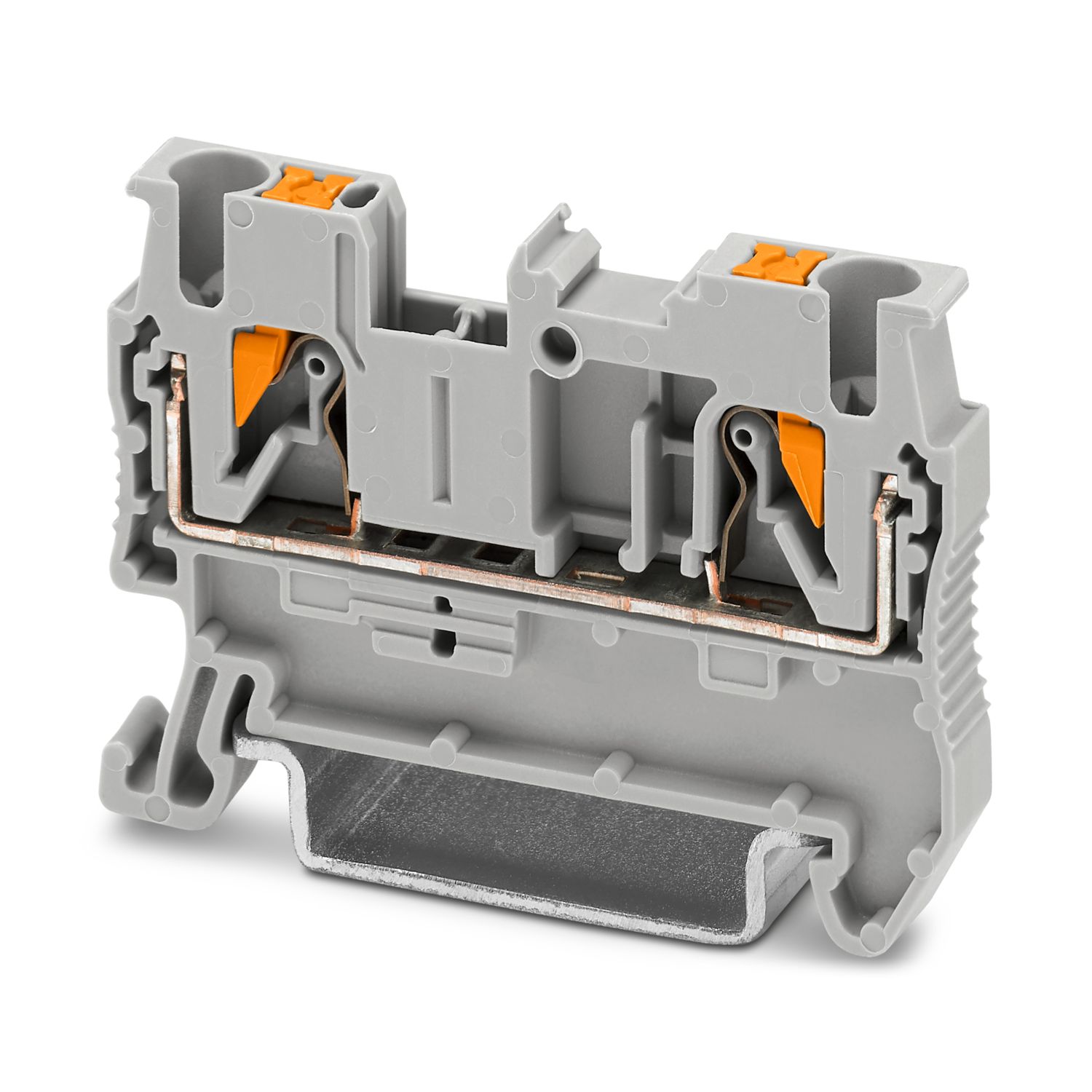
Your advantages
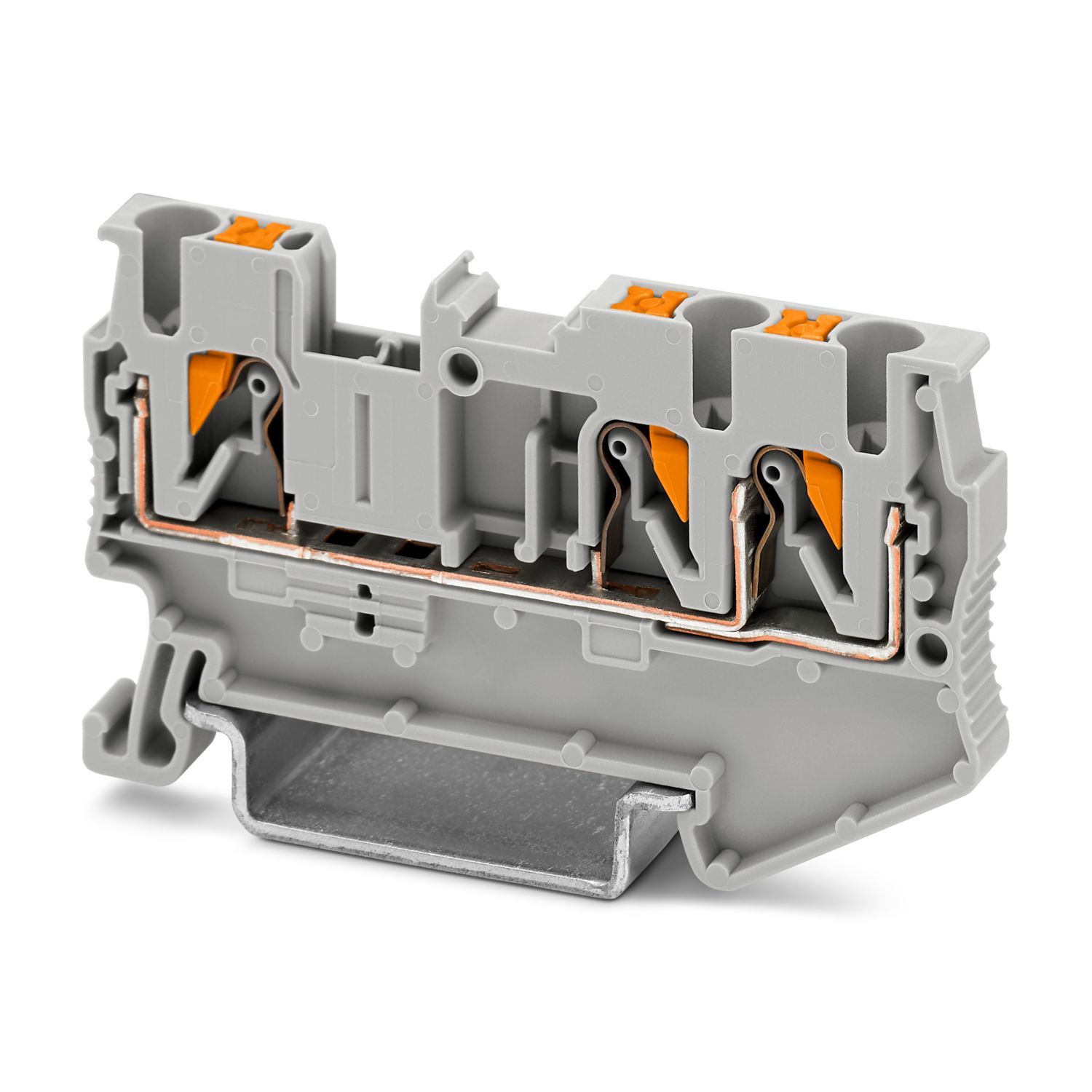
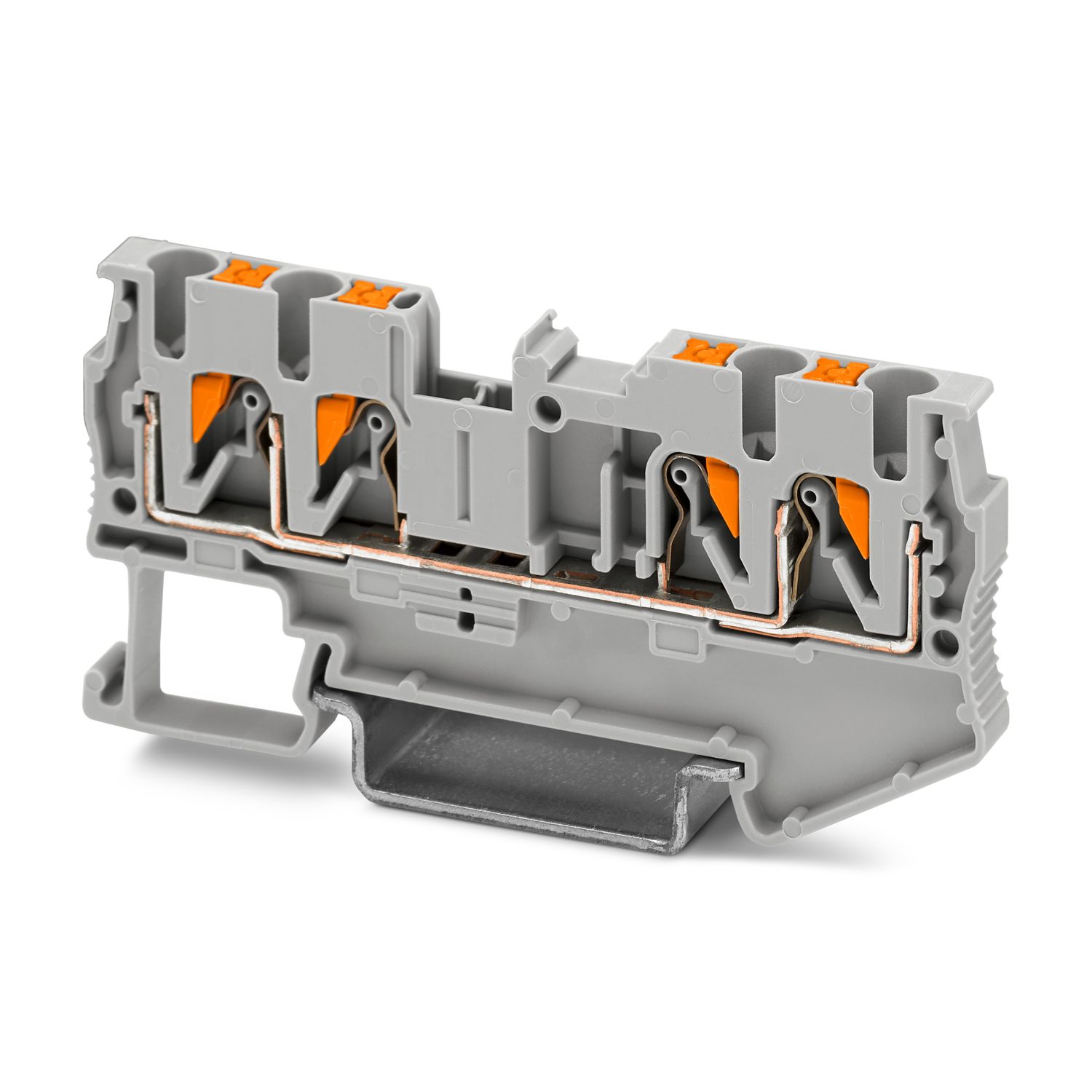
More space in control cabinets thanks to only 8 mm overall width
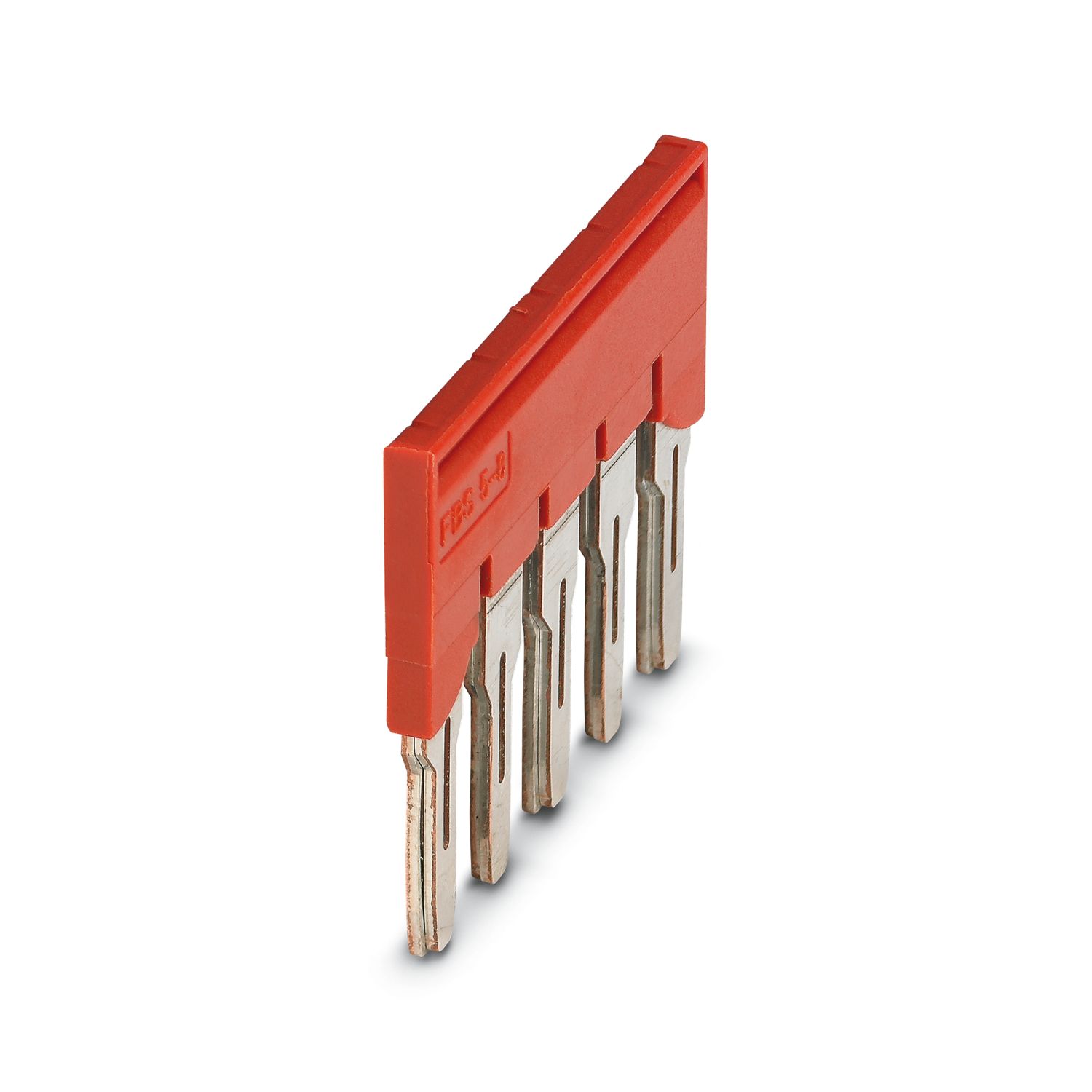
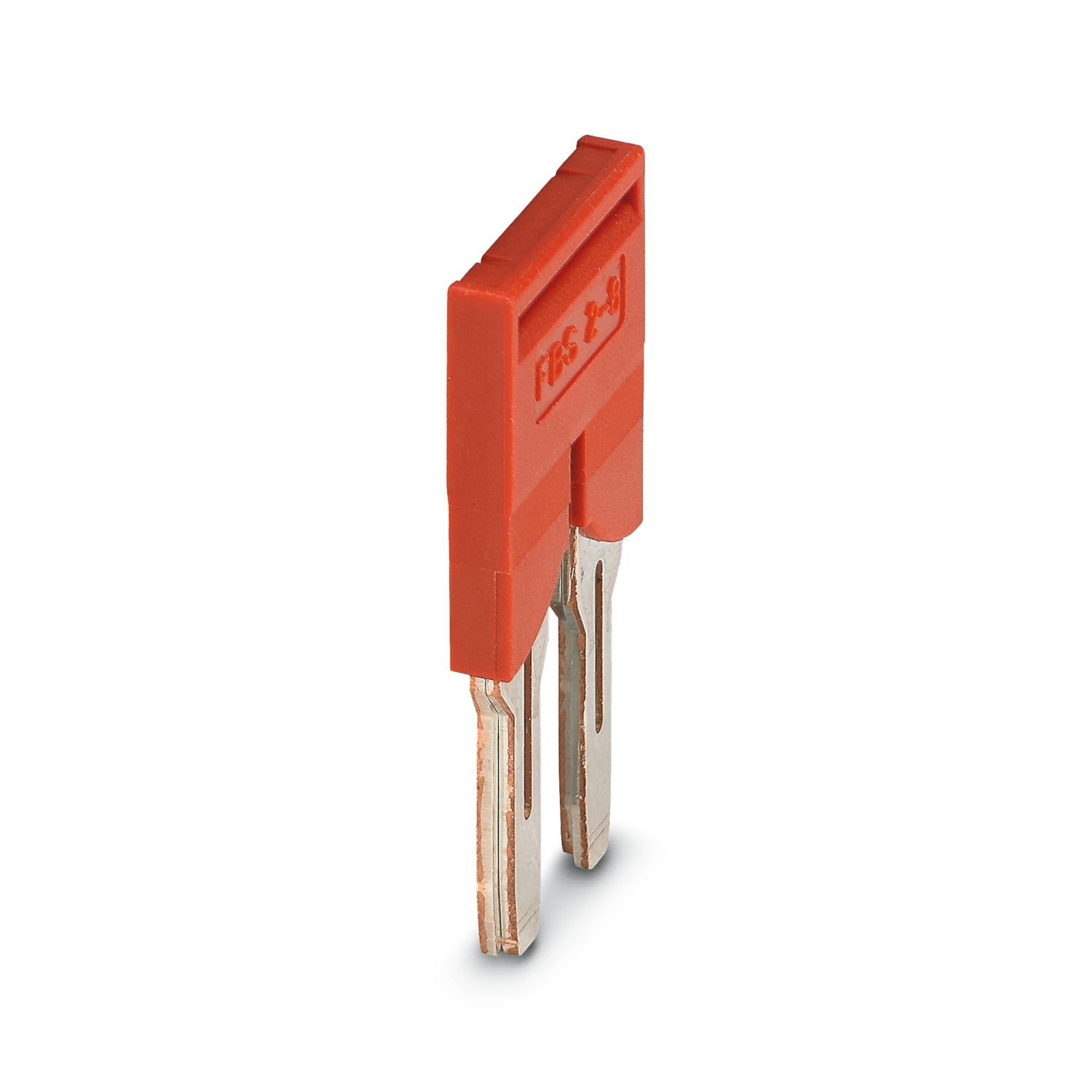
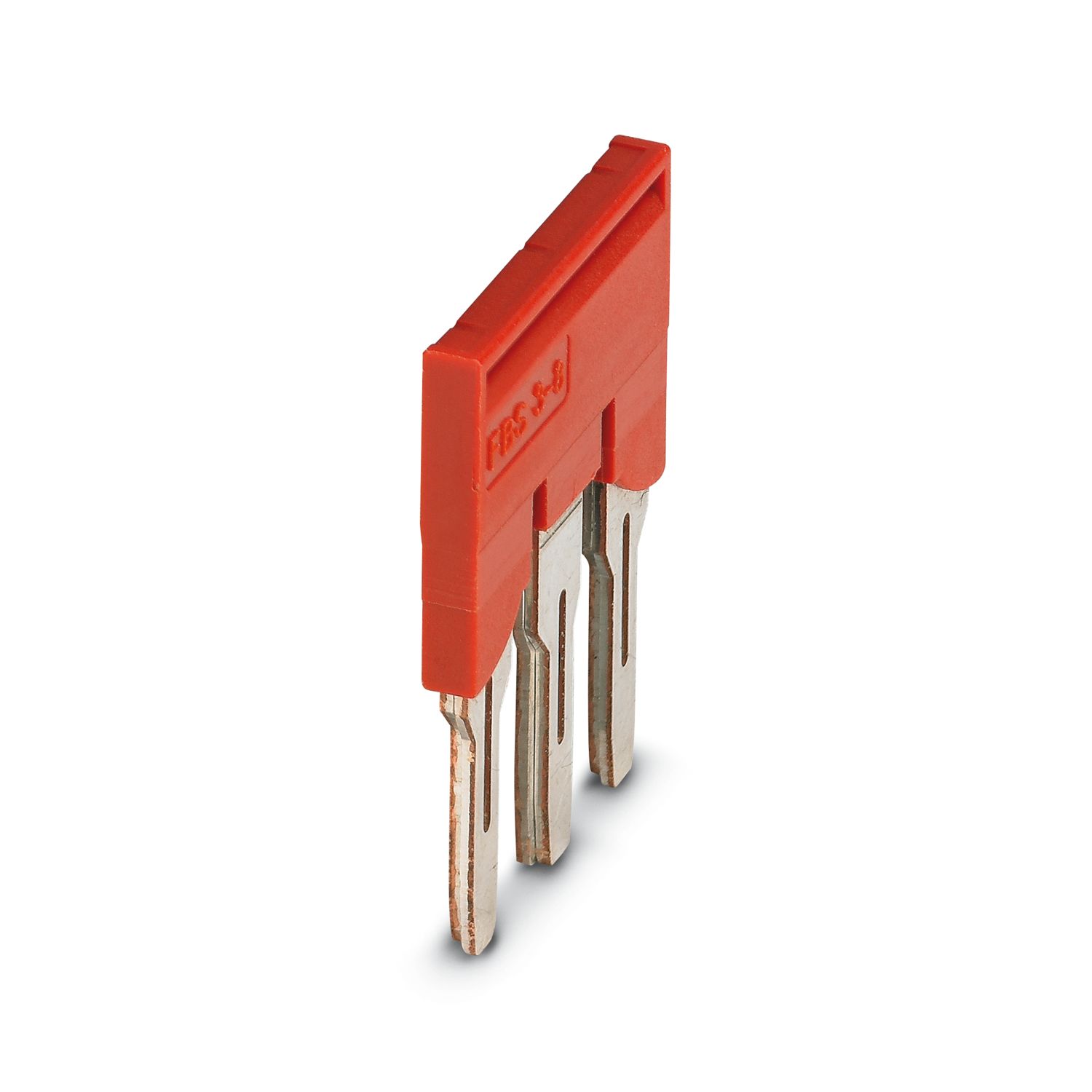
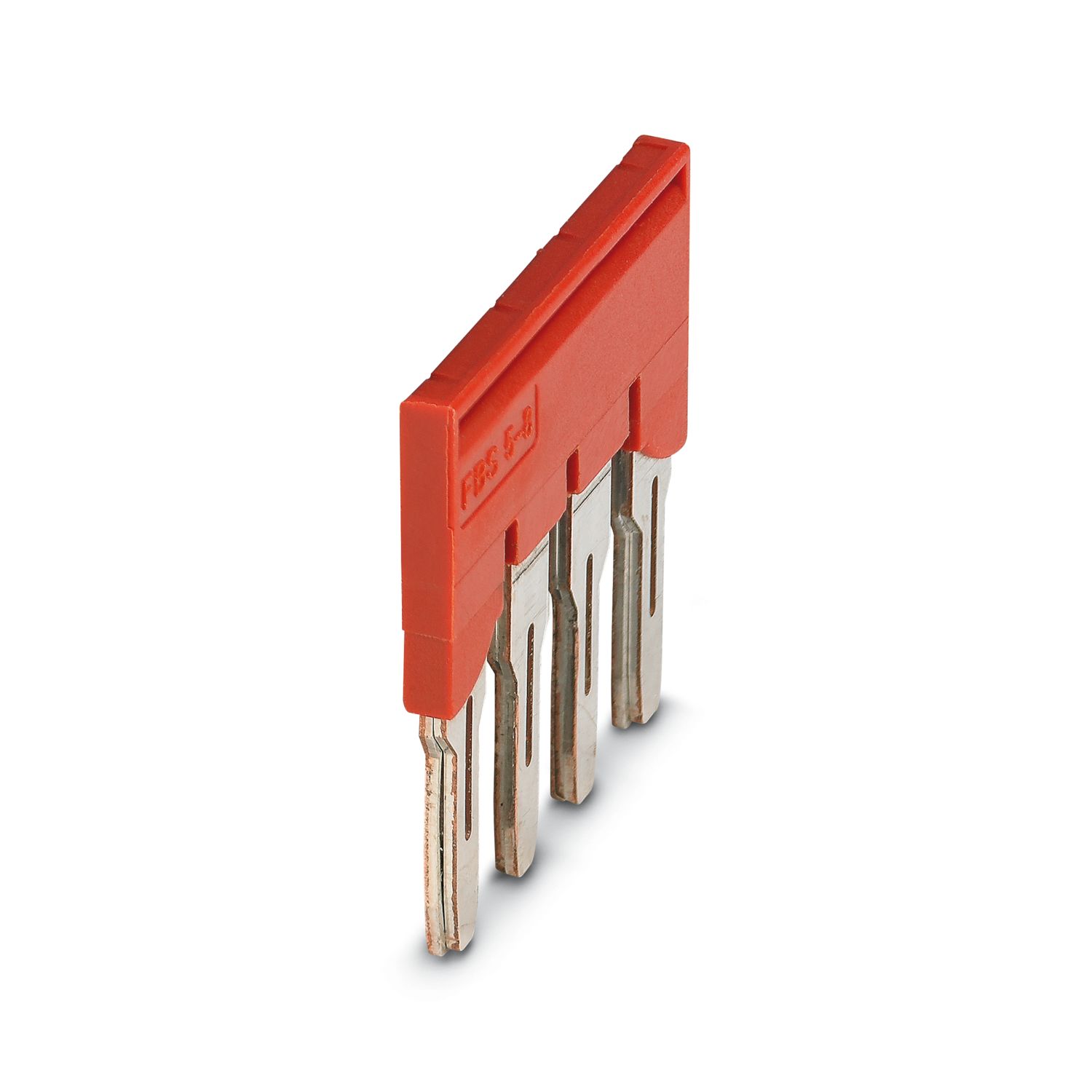
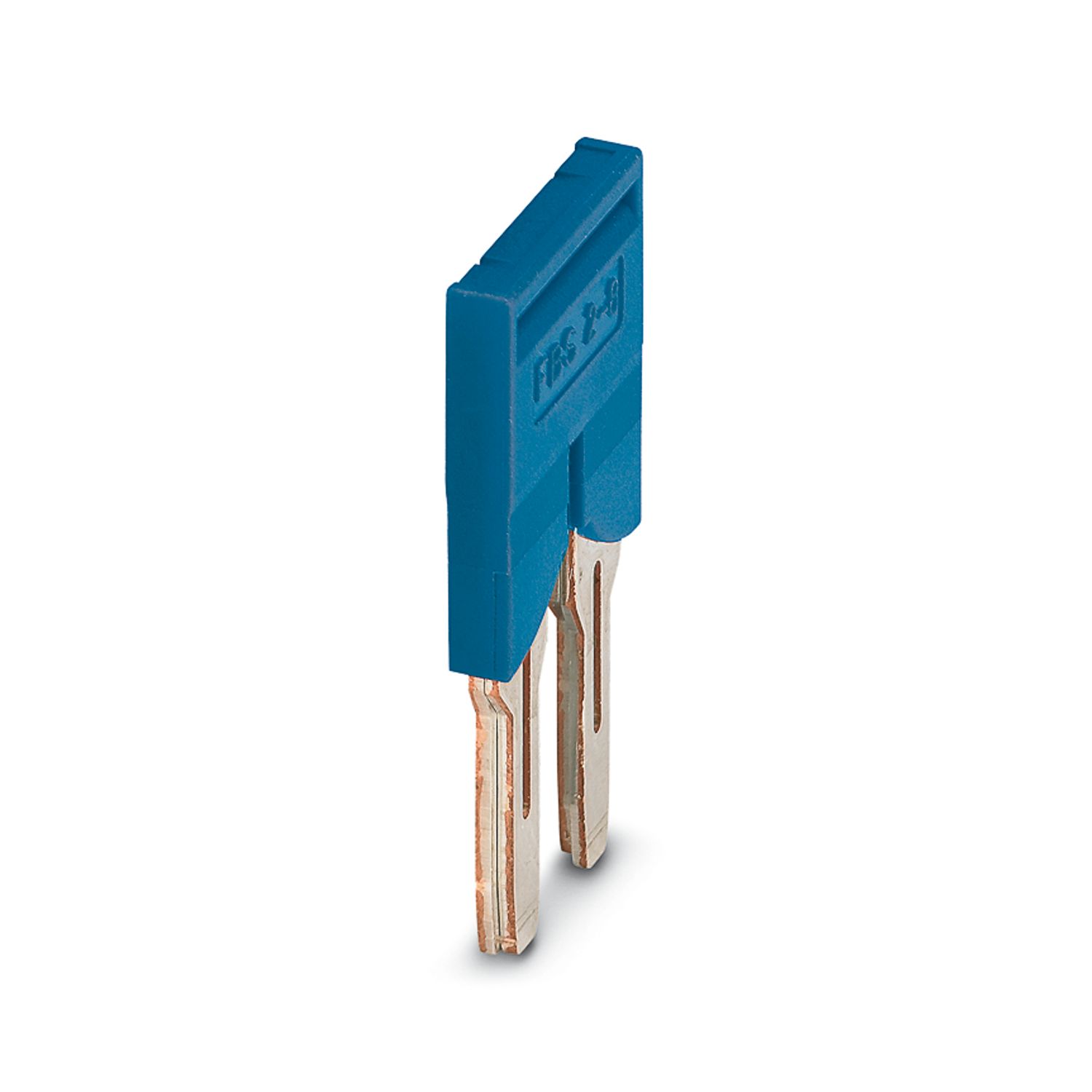
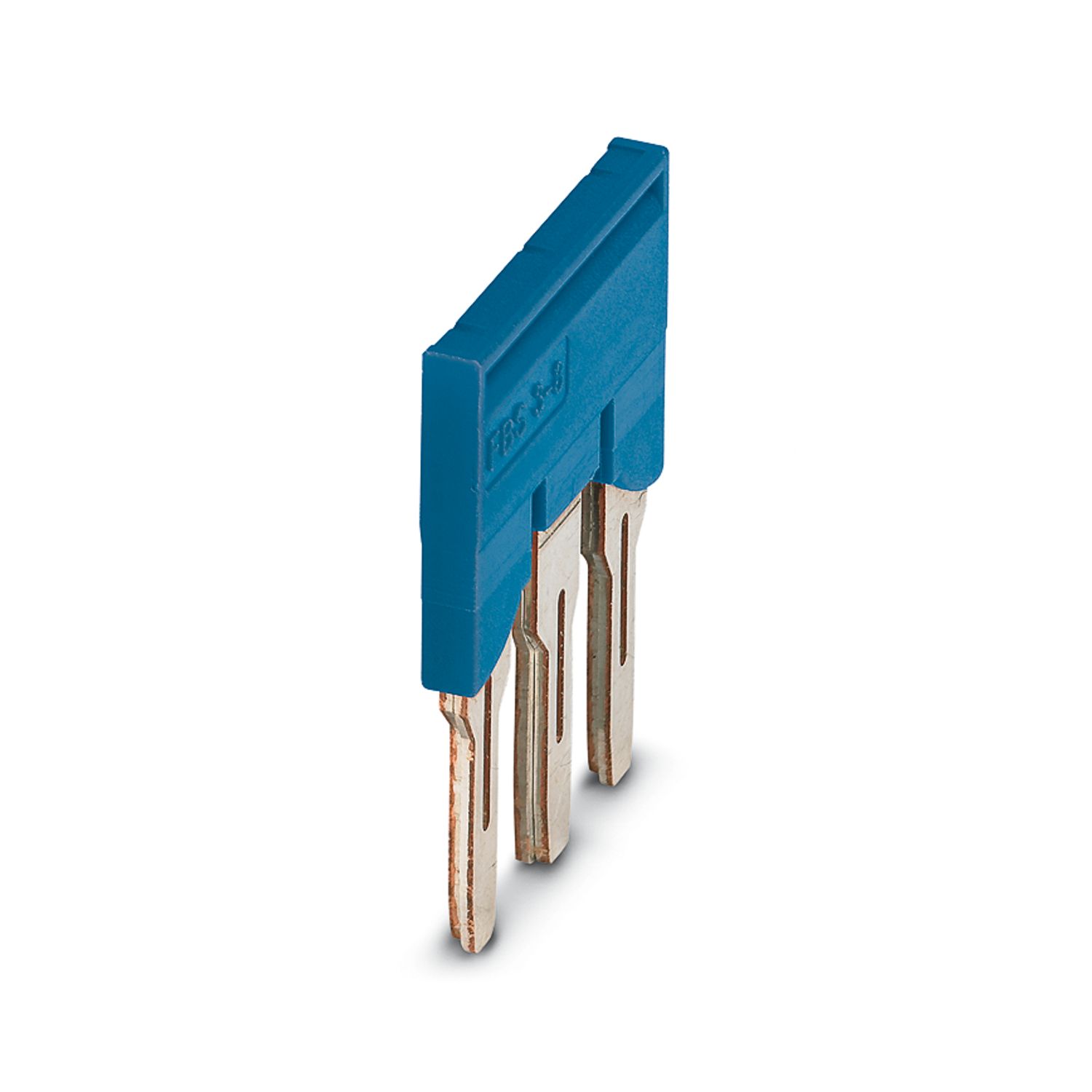
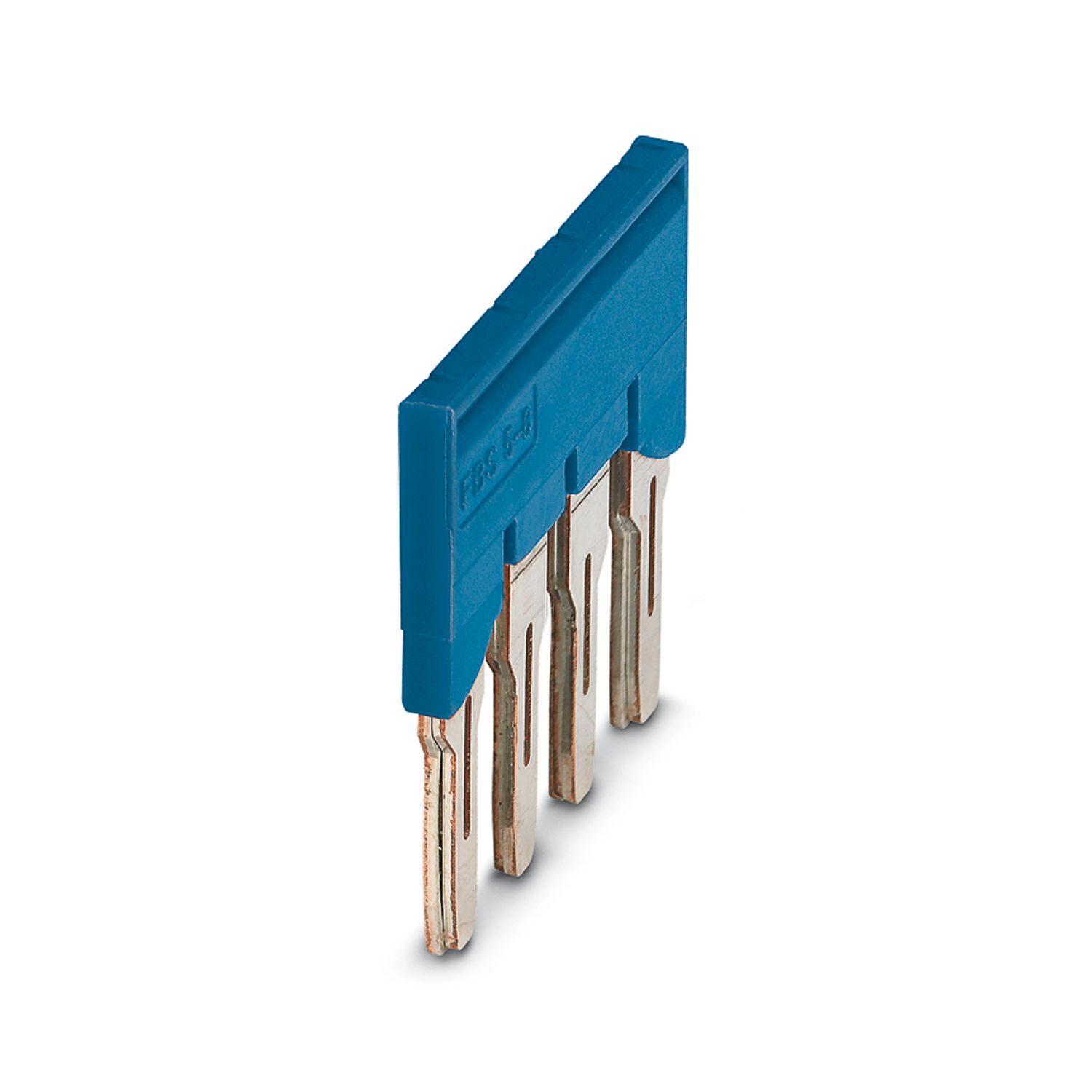
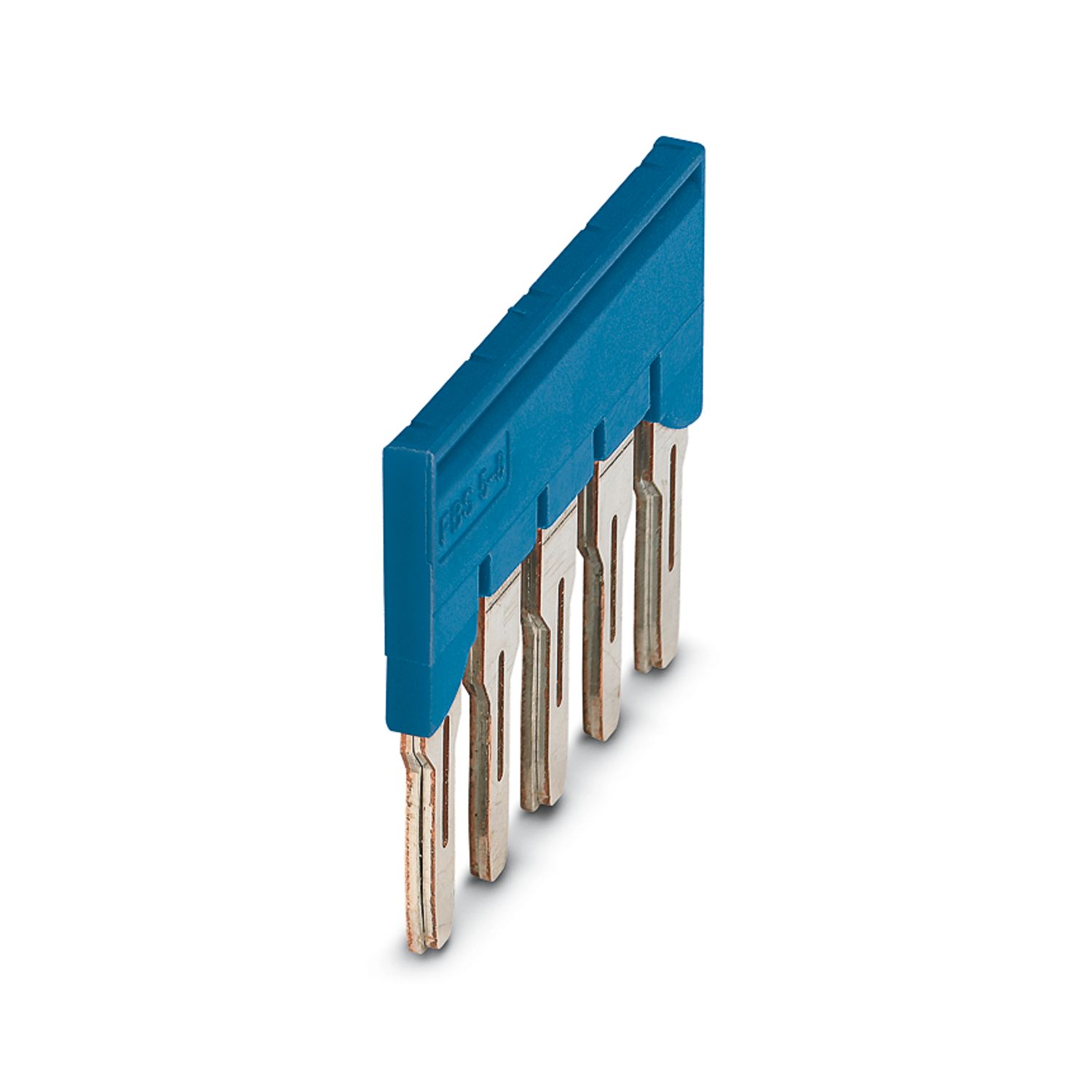
Simple application setup due to bridging option to CLIPLINE complete terminal block system
Transparency regarding the utilization and status of the system thanks to integrated connections for individual or collective signals
Easy commissioning and maintenance thanks to pre-installable wiring that remains untouched when replacing the connector
Frequently asked questions
How does the feed-in work and how is the bridging carried out?
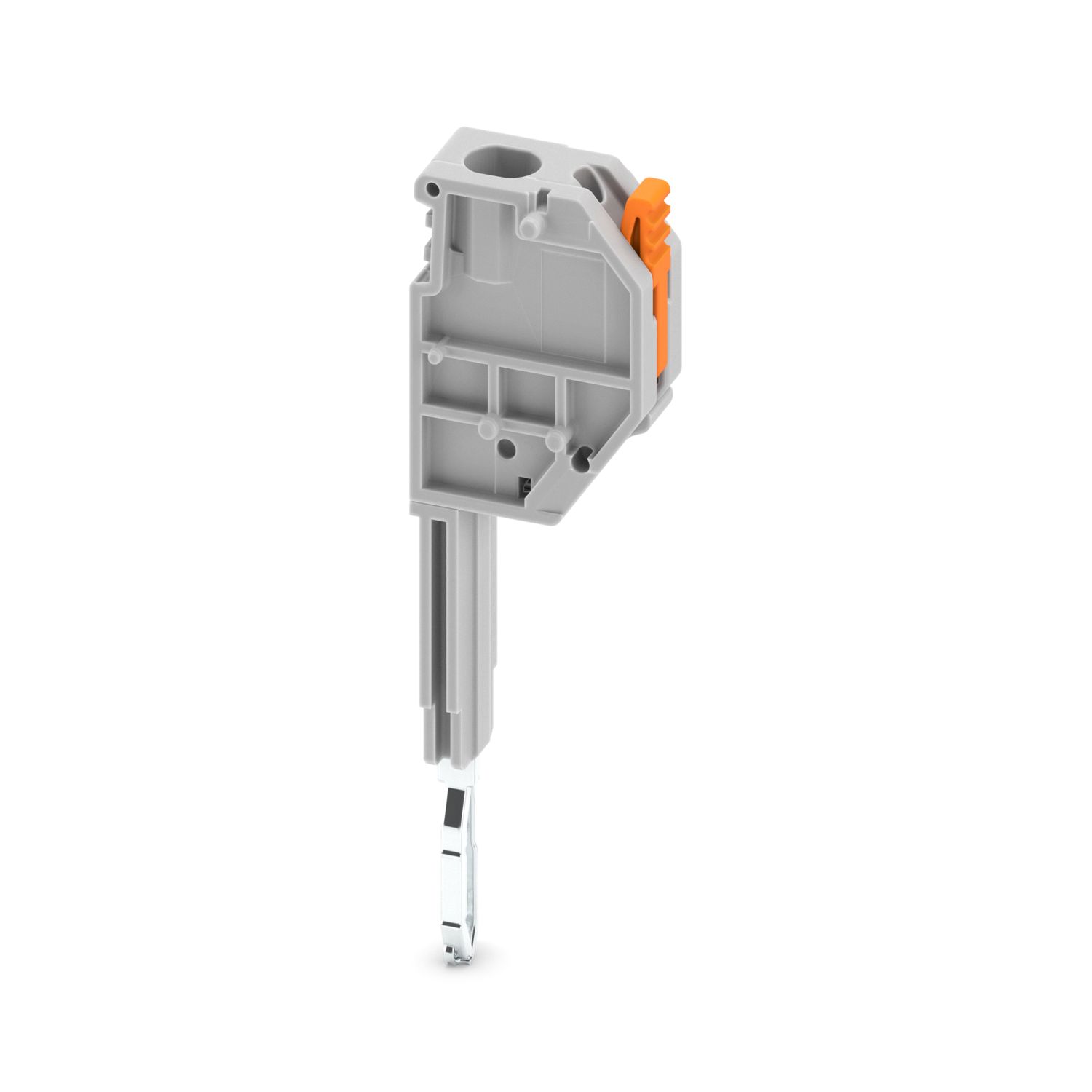
Currents of up to 40 A can be fed in at the upper terminal point. Conductors with up to 6 mm2 flexible or 10 mm2 rigid can be connected. The current fed in can be distributed via the bridge shafts arranged at the top with FBS ..... View more
Currents of up to 40 A can be fed in at the upper terminal point. Conductors with up to 6 mm2 flexible or 10 mm2 rigid can be connected. The current fed in can be distributed via the bridge shafts arranged at the top with FBS ...-8 bridges. The following applies: currents greater than 31 A must be distributed via two bridges; currents up to and including 31 A can be distributed via one bridge.
View lessWhich characteristic curves do I select and when?
Two different characteristic curves are available:
- The faster F2 characteristic curve is suitable for more sensitive loads, such as sensors or resistive loads. It triggers at DC voltages in the 4 ... 8 x In range.
- The medium-lag M1 characte...
View more
Two different characteristic curves are available:
- The faster F2 characteristic curve is suitable for more sensitive loads, such as sensors or resistive loads. It triggers at DC voltages in the 4 ... 8 x In range.
- The medium-lag M1 characteristic curve is recommended for more current-intensive (e.g. capacitive) loads or motors. It triggers at DC voltages 8 ... 15 times In.
Are there requirements for the PS? What needs to be considered for correct dimensioning?
For selective protection, the power supply should be able to supply the necessary increased tripping current. Line impedances must also be taken into account.
What is meant by short-circuit breaking capacity and what is the difference between the terms Icn and Inc?
Short-circuit breaking capacity: Maximum short-circuit current that the circuit breaker can safely switch off. What must be observed if the source current is higher than the short circuit breaking capacity? In this case, the protective circuit breake... View more
Short-circuit breaking capacity: Maximum short-circuit current that the circuit breaker can safely switch off. What must be observed if the source current is higher than the short circuit breaking capacity? In this case, the protective circuit breaker may be used with a backup fuse up to the Inc. Certain fuses have been tested and approved for this purpose (see certificate).
- Icn (rated short-circuit breaking capacity): Value that the circuit breaker alone can switch off without backup fuse.
- Inc (Conditional rated short-circuit current): Value that the switch can handle with an upstream fuse.
Can the PTCB TM be used for AC and DC?
Yes, for AC the prospective short-circuit current at the intended installation location must be taken into account. This must not exceed the breaking capacity of the PTCB TM. The magnetic tripping for AC and DC differs by the factor DC/AC = 1.3.