
PTCB E1 48DC/1-6A NO
-
Elektronischer Geräteschutzschalter
1471917
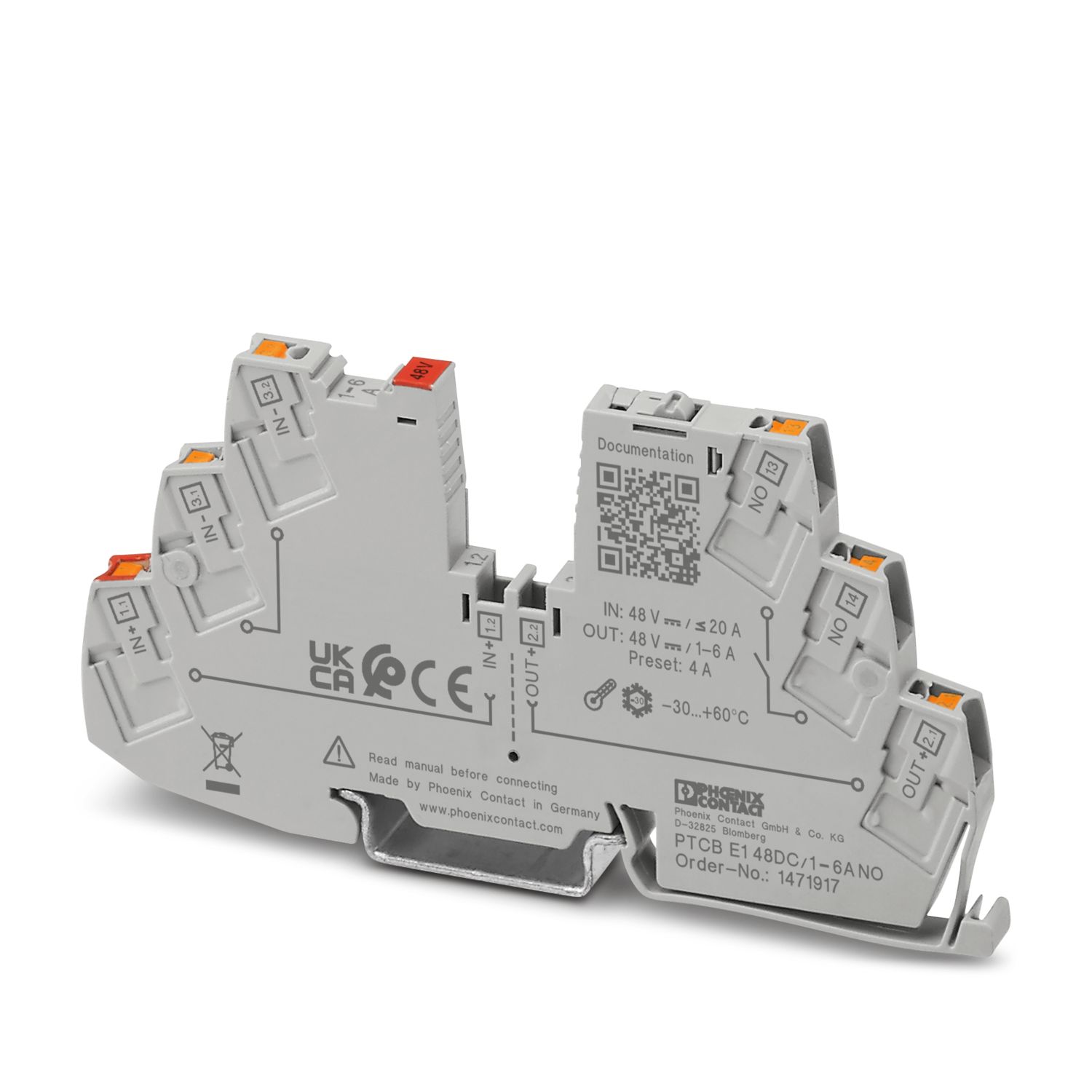
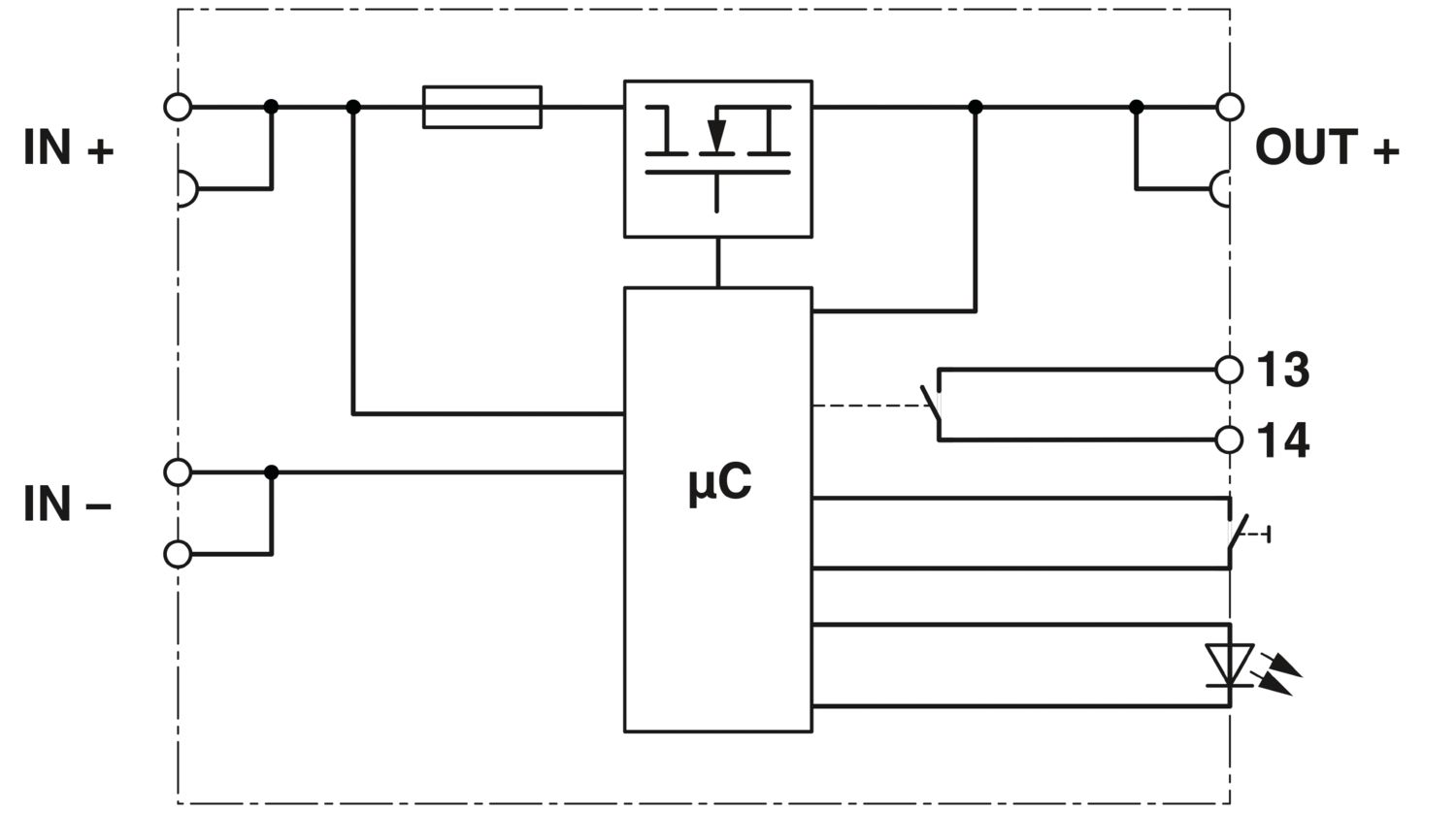
1-kanaliger, elektronischer Geräteschutz für 48 V DC-Verbraucher. Nennstrom von 1-6 A einstellbar. Mit potenzialfreiem Fernmeldekontakt. Kombinierbar zu CLIPLINE-Reihenklemmen. Zur Installation auf DIN-Tragschienen.
Produktdetails
| Allgemein | |
| Hinweis | Wiederholte harte Kurzschlüsse können das Schmelzintegral der integrierten Vorsicherung verringern. |
| Dieses Gerät ist kein Schaltgerät nach UL508 | |
| Schließen Sie den Minuspol immer an die Klemme IN- an, um die interne Spannungsversorgung sicherzustellen. Rückströme von den Lasten dürfen nicht über den Anschluss IN- des Schutzschalters in die Spannungsversorgung zurückgeführt werden. | |
| Produkttyp | Geräteschutzschalter elektronisch |
| Produktfamilie | PTCB |
| Bauform | Tragschienenmodul einteilig |
| Polzahl | 1 |
| Isolationseigenschaften | |
| Schutzklasse | III |
| Verschmutzungsgrad | 2 |
| Allgemein | |
| Betriebsspannung | 30 V DC ... 56 V DC |
| Bemessungsspannung | 48 V DC |
| Bemessungsstrom IN | 20 A (Gesamtstrom Eingang) |
| 6 A (Nennstrom Ausgang) | |
| Bemessungsstrom IN | 1 / 2 / 3 / 4 / 5 / 6 A DC (einstellbar) |
| Bemessungsstrom (voreingestellt) | 4 A |
| Bemessungsstoßspannung | 0,5 kV |
| Auslöseart | E (elektronisch) |
| Rückspeisefestigkeit | max. 60 V DC |
| Erforderliche Vorsicherung | Nur erforderlich, wenn Imax der Versorgung > Kurzschlussschaltvermögen. Integriertes Fail-Safe-Element. |
| Kurzschlussschaltvermögen | 300 A |
| Spannungsfestigkeit | max. 60 V DC (Lastkreis) |
| Sicherung | elektronisch |
| Wirkungsgrad | > 99 % |
| Ruhestrom I0 | typ. 10 mA |
| Verlustleistung | typ. 0,5 W (im Leerlauf) |
| < 2,3 W (im Nennbetrieb) | |
| Modulinitialisierungszeit | < 350 ms |
| Wartezeit nach Abschaltung eines Kanals | 5 s (bei Überlast / Kurzschluss) |
| Messtoleranz I | ± 15 % |
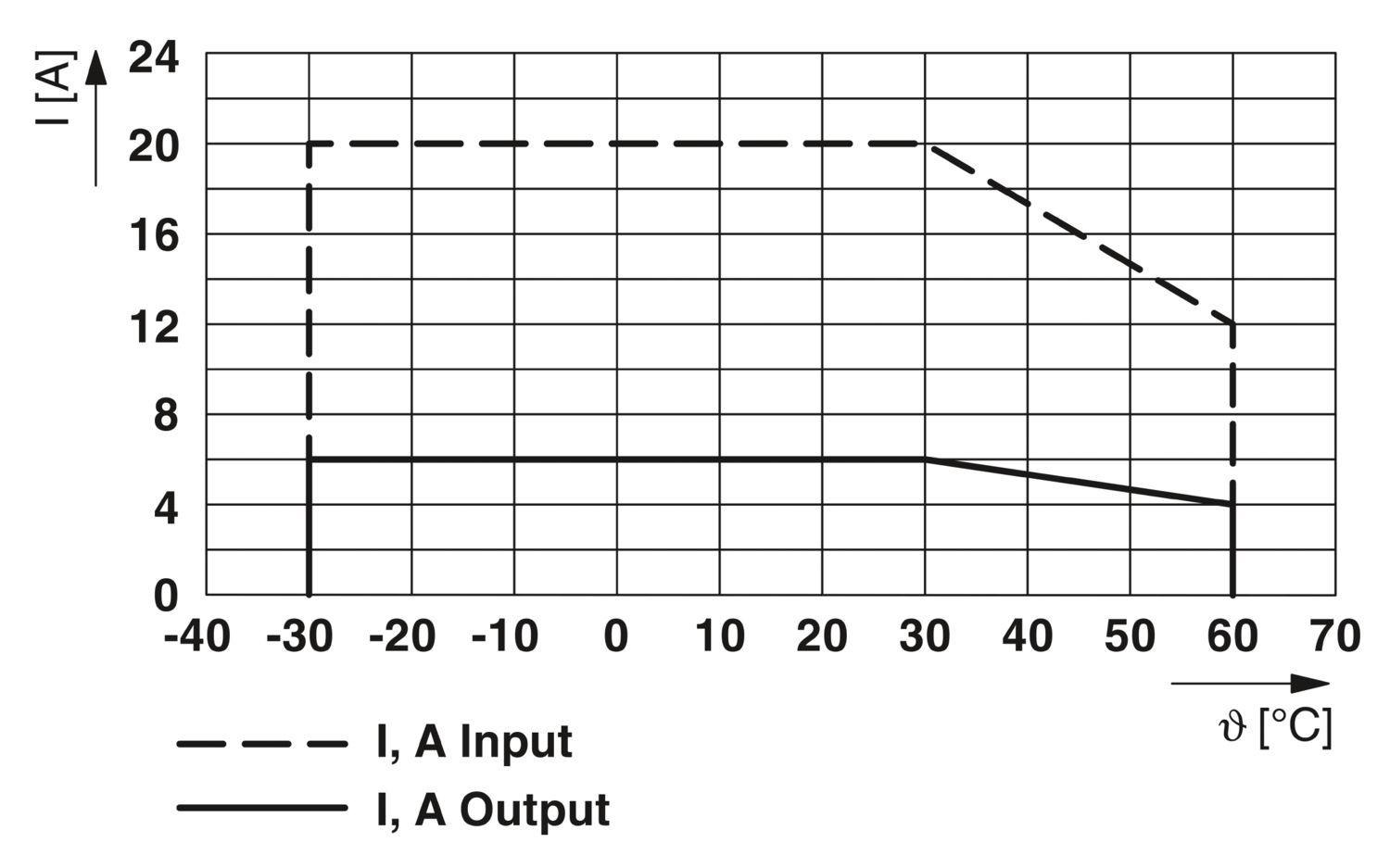
| Temperaturderating | 12 A (Gesamtstrom bei 60 °C) |
| 20 A (Gesamtstrom bei 30 °C) | |
| 6 A (Kanalstrom bei 60 °C) | |
| 4 A (Kanalstrom bei 30 °C) | |
| MTBF (IEC 61709, SN 29500) | 18684603 h (bei 25 °C mit 21 % Last) |
| 6612007 h (bei 40 °C mit 34,25 % Last) | |
| 1140836 h (bei 30 °C mit 100 % Last) | |
| Spannungsfall | 0,3 V (bei 6 A) |
| Fail-Safe-Element | 15 A DC |
| Kontaktausführung | ohne galvanische Trennung |
| Lastkreis | |
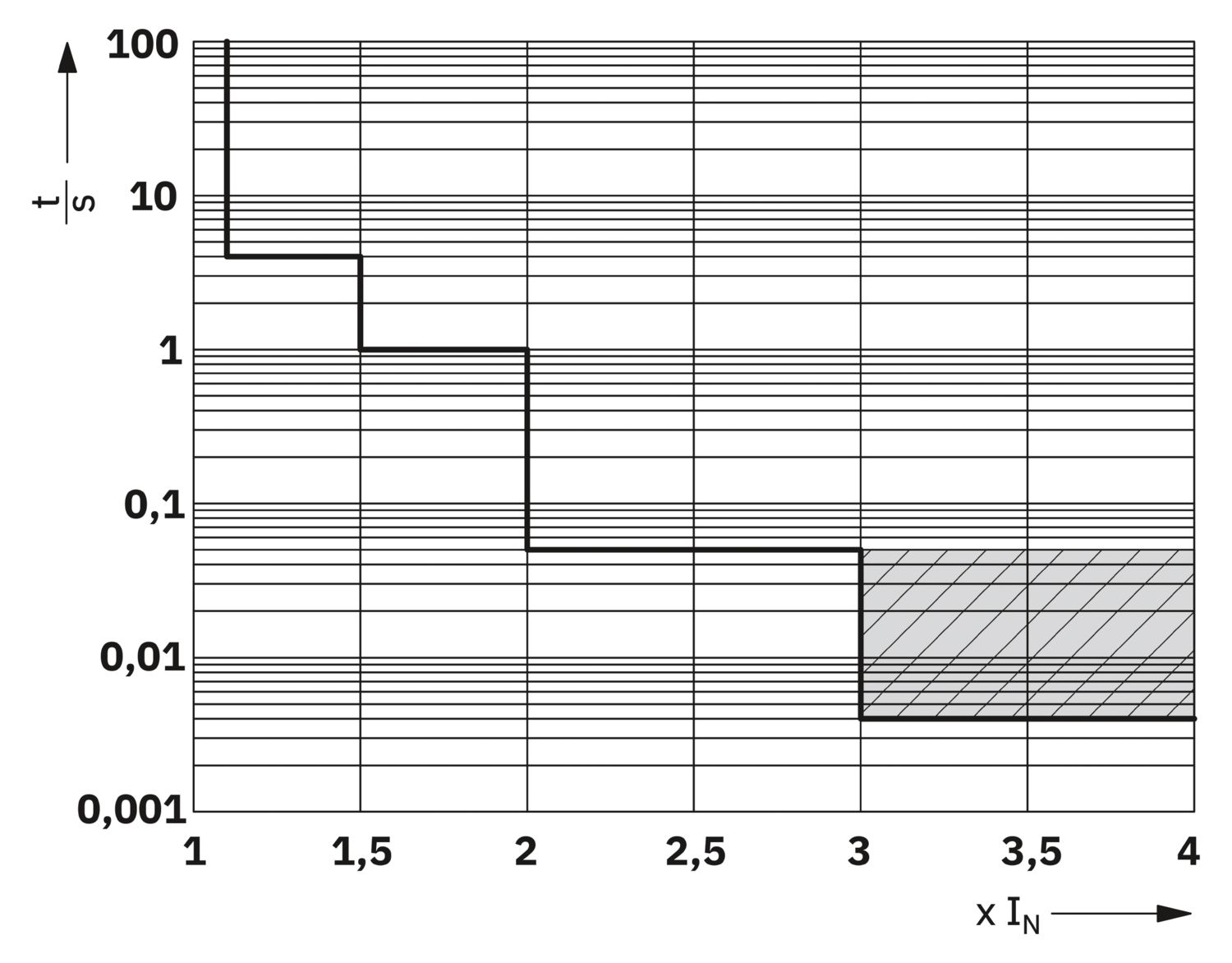
| Abschaltzeit | ≤ 10 ms (bei Kurzschluss > 3,0 x IN) |
| ≤ 50 ms (bei Überlast >2,0 x IN) | |
| ≤ 1 s (bei Überlast 1,5…2,0 x IN) | |
| ≤ 4 s (bei Überlast 1,1…1,5 x IN) | |
| Unterspannungsabschaltung | ≤ 28,5 V DC (aktiv) |
| ≥ 29,5 V DC (inaktiv) | |
| Überspannungsabschaltung | ≥ 56,5 V DC (aktiv) |
| ≤ 55,5 V DC (inaktiv) | |
| Max. kapazitive Last | 10000 µF (Abhängig von der Stromeinstellung und dem verfügbaren Kurzschlussstrom z.B. 3 mF an 48 V DC und 0,1 Ohm Leitung) |
| Anzeige / Fernmeldung | |
| Benennung Anschluss | Fernmeldekreis |
| Schaltfunktion | Schließer |
| Betriebsspannung | 0 V DC ... 56 V DC |
| Betriebsstrom | 100 mA DC |
| Hauptstromkreis IN+ | |
| Anschlussart | Push-in-Anschluss |
| Abisolierlänge | 8 mm |
| Leiterquerschnitt flexibel | 0,2 mm² ... 2,5 mm² |
| Leiterquerschnitt starr | 0,2 mm² ... 4 mm² |
| Leiterquerschnitt AWG | 24 ... 12 |
| Leiterquerschnitt flexibel mit Aderendhülse mit Kunststoffhülse | 0,2 mm² ... 2,5 mm² |
| Leiterquerschnitt flexibel mit Aderendhülse ohne Kunststoffhülse | 0,2 mm² ... 2,5 mm² |
| Hauptstromkreis IN- | |
| Anschlussart | Push-in-Anschluss |
| Abisolierlänge | 8 mm |
| Leiterquerschnitt flexibel | 0,2 mm² ... 2,5 mm² |
| Leiterquerschnitt starr | 0,2 mm² ... 4 mm² |
| Leiterquerschnitt AWG | 24 ... 12 |
| Leiterquerschnitt flexibel mit Aderendhülse mit Kunststoffhülse | 0,2 mm² ... 2,5 mm² |
| Leiterquerschnitt flexibel mit Aderendhülse ohne Kunststoffhülse | 0,2 mm² ... 2,5 mm² |
| Hauptstromkreis OUT | |
| Anschlussart | Push-in-Anschluss |
| Abisolierlänge | 8 mm |
| Leiterquerschnitt flexibel | 0,2 mm² ... 2,5 mm² |
| Leiterquerschnitt starr | 0,2 mm² ... 4 mm² |
| Leiterquerschnitt AWG | 24 ... 12 |
| Leiterquerschnitt flexibel mit Aderendhülse mit Kunststoffhülse | 0,2 mm² ... 2,5 mm² |
| Leiterquerschnitt flexibel mit Aderendhülse ohne Kunststoffhülse | 0,2 mm² ... 2,5 mm² |
| Fernmeldekreis | |
| Anschlussart | Push-in-Anschluss |
| Abisolierlänge | 8 mm |
| Leiterquerschnitt flexibel | 0,2 mm² ... 2,5 mm² |
| Leiterquerschnitt starr | 0,2 mm² ... 4 mm² |
| Leiterquerschnitt AWG | 24 ... 14 |
| Leiterquerschnitt flexibel mit Aderendhülse mit Kunststoffhülse | 0,2 mm² ... 2,5 mm² |
| Leiterquerschnitt flexibel mit Aderendhülse ohne Kunststoffhülse | 0,2 mm² ... 2,5 mm² |
| Kanal LED aus | aus (Kanal ausgeschaltet) |
| Kanal LED gelb | leuchtet (Kanal eingeschaltet, Kanalauslastung > 80 %) |
| blinkt (Programmiermodus aktiv) | |
| Kanal LED grün | leuchtet (Kanal eingeschaltet) |
| Kanal LED rot | leuchtet (Kanal ausgeschaltet, Über- oder Unterspannung aktiv) |
| leuchtet temporär (Kanal ausgeschaltet, Abkühlphase 5 s, Überlast- oder Kurzschlussauslösung) | |
| blinkt (Kanal ausgeschaltet, wiedereinschaltbereit, Überlast- oder Kurzschlussauslösung) | |
| blinkt schnell (Kanal ausgeschaltet, Fremdspannung am Ausgang, möglicher Installationsfehler) | |
| Kanal LED rot-gelb | blinkt (Übertemperatur) |
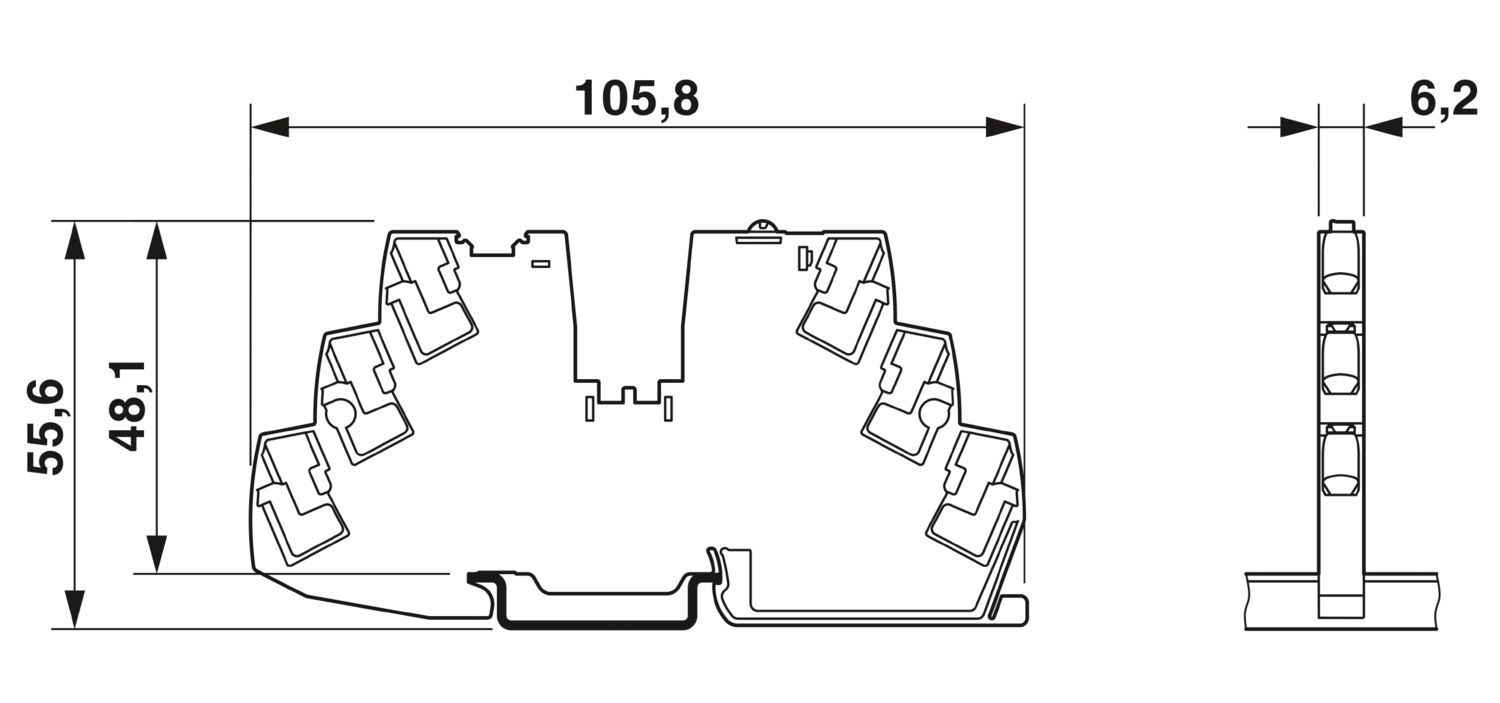
| Maßzeichnung |
|
| Breite | 6,2 mm |
| Höhe | 105,8 mm |
| Tiefe | 55,6 mm (inkl. Tragschiene 7,5 mm) |
| Farbe | grau (RAL 7042) |
| Material | PBT |
| PBT | |
| Brennbarkeitsklasse nach UL 94 | V-0 |
| Umgebungsbedingungen | |
| Schutzart | IP20 |
| Umgebungstemperatur (Betrieb) | -30 °C ... 60 °C |
| Umgebungstemperatur (Lagerung/Transport) | -40 °C ... 70 °C |
| Höhenlage | ≤ 3000 m bis 52 °C (amsl) |
| ≤ 4000 m bis 46 °C (amsl) | |
| Feuchtigkeitsprüfung | 96 h, 95 % RH, 40 °C |
| Schock (Betrieb) | 30g (IEC 60068-2-27, Test Ea) |
| Vibration (Betrieb) | 10 Hz ... 59,6 Hz (Amplitude ±0,35 mm; nach IEC 60068-2-6, Test Fc) |
| 59,6 Hz ... 150 Hz (Beschleunigung 5g; nach IEC 60068-2-6, Test Fc) | |
| 5 Hz ... 100 Hz (Resonanzsuche 4g; Resonanzfrequenz 4g; 90 min nach DNV GL Klasse B) | |
| UL-Zulassung | |
| Kennzeichnung | UL/C-UL Listed UL 508 |
| UL Recognized UL 2367 | |
| Normen/Bestimmungen | EN 61000-6-2 |
| Hinweis | EMV - Störfestigkeit für Industriebereiche |
| Normen/Bestimmungen | EN 61000-6-3 |
| Hinweis | EMV - Störaussendung für Wohnbereich, Geschäfts- und Gewerbebereiche sowie Kleinbetriebe |
| Normen/Bestimmungen | EN 60068-2-78 |
| Hinweis | Umgebungseinflüsse - Feuchte und Wärme, konstant |
| Normen/Bestimmungen | EN 50178 |
| Hinweis | Ausrüstung von Starkstromanlagen mit elektronischen Betriebsmitteln |
| Normen/Bestimmungen | EN 60068-2-6 |
| Hinweis | Umgebungseinflüsse - Schwingen (sinusförmig) |
| Normen/Bestimmungen | EN 60068-2-27 |
| Hinweis | Umgebungseinflüsse - Schocken |
| Normen/Bestimmungen | EN 60068-2-30 |
| Hinweis | Umgebungseinflüsse – Teil 2-30: Prüfverfahren – Prüfung Db: Feuchte Wärme, zyklisch |
| Montageart | Tragschiene: 35 mm |
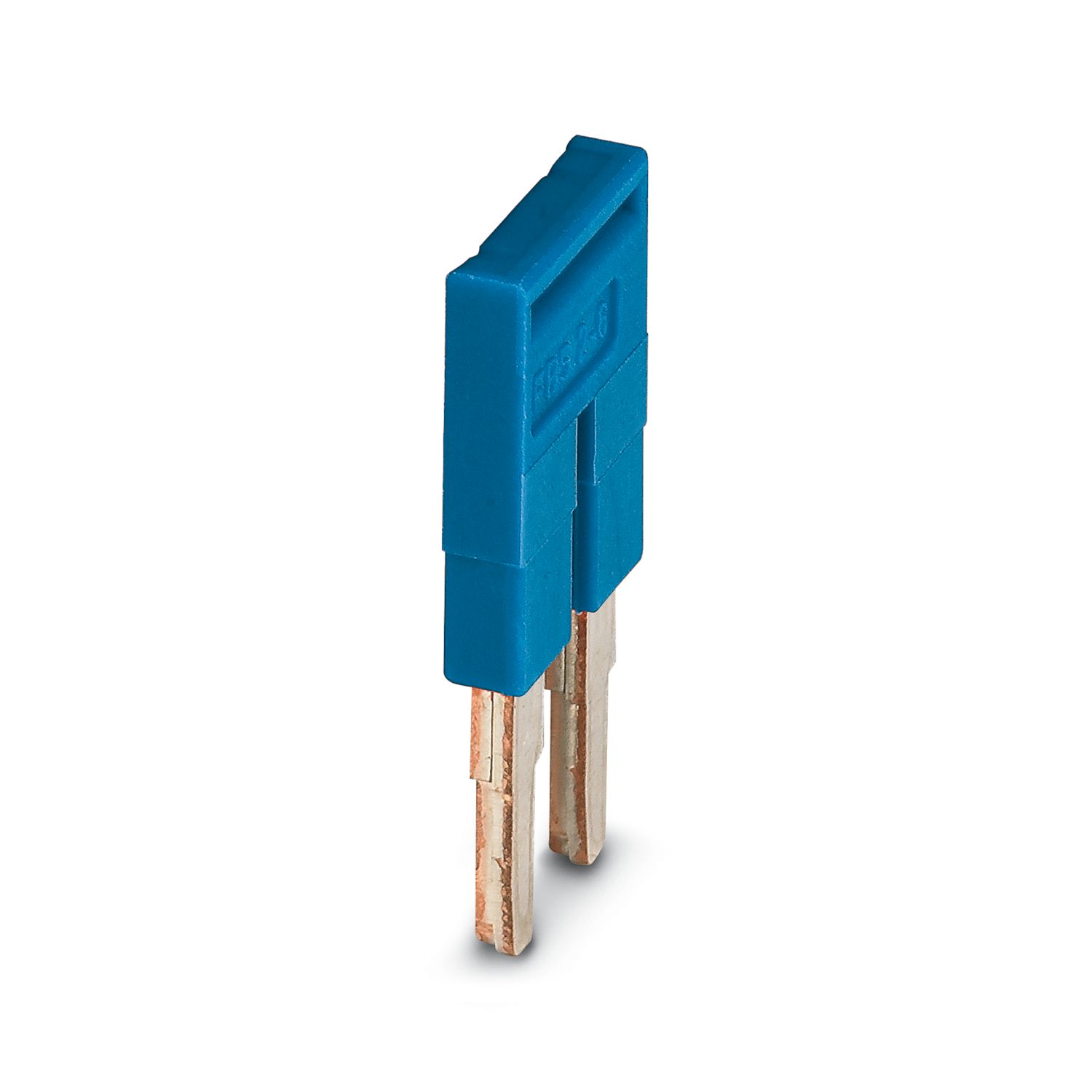
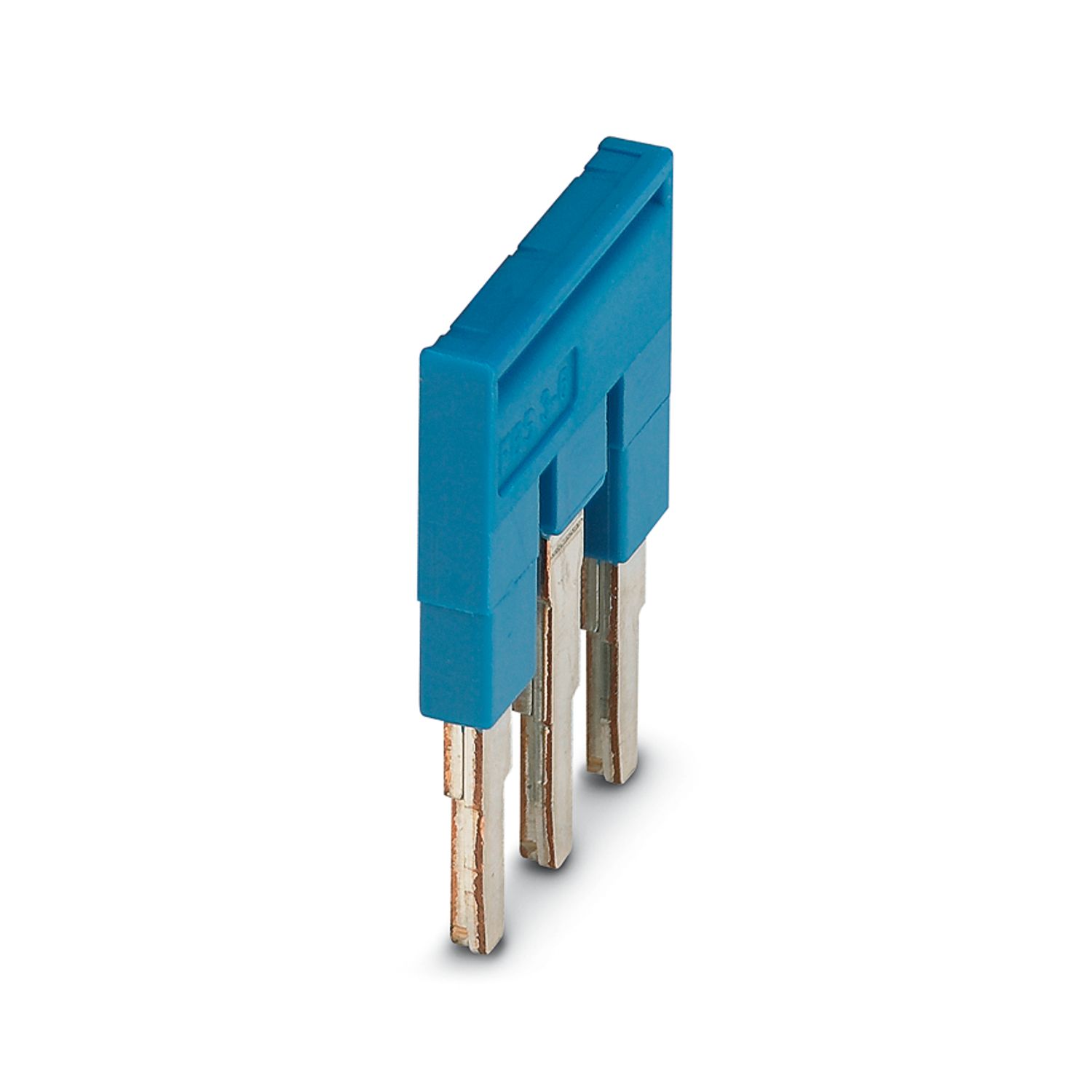
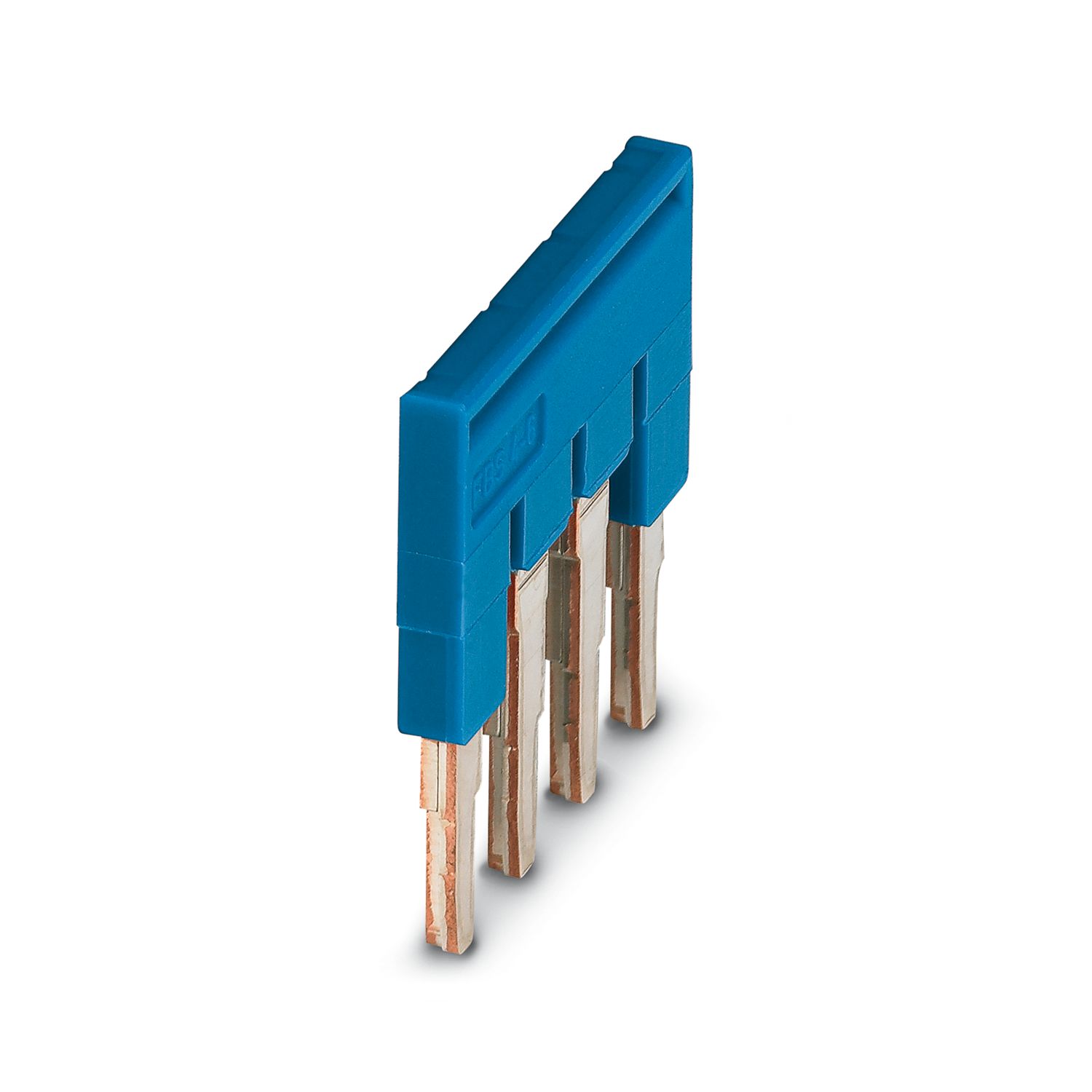
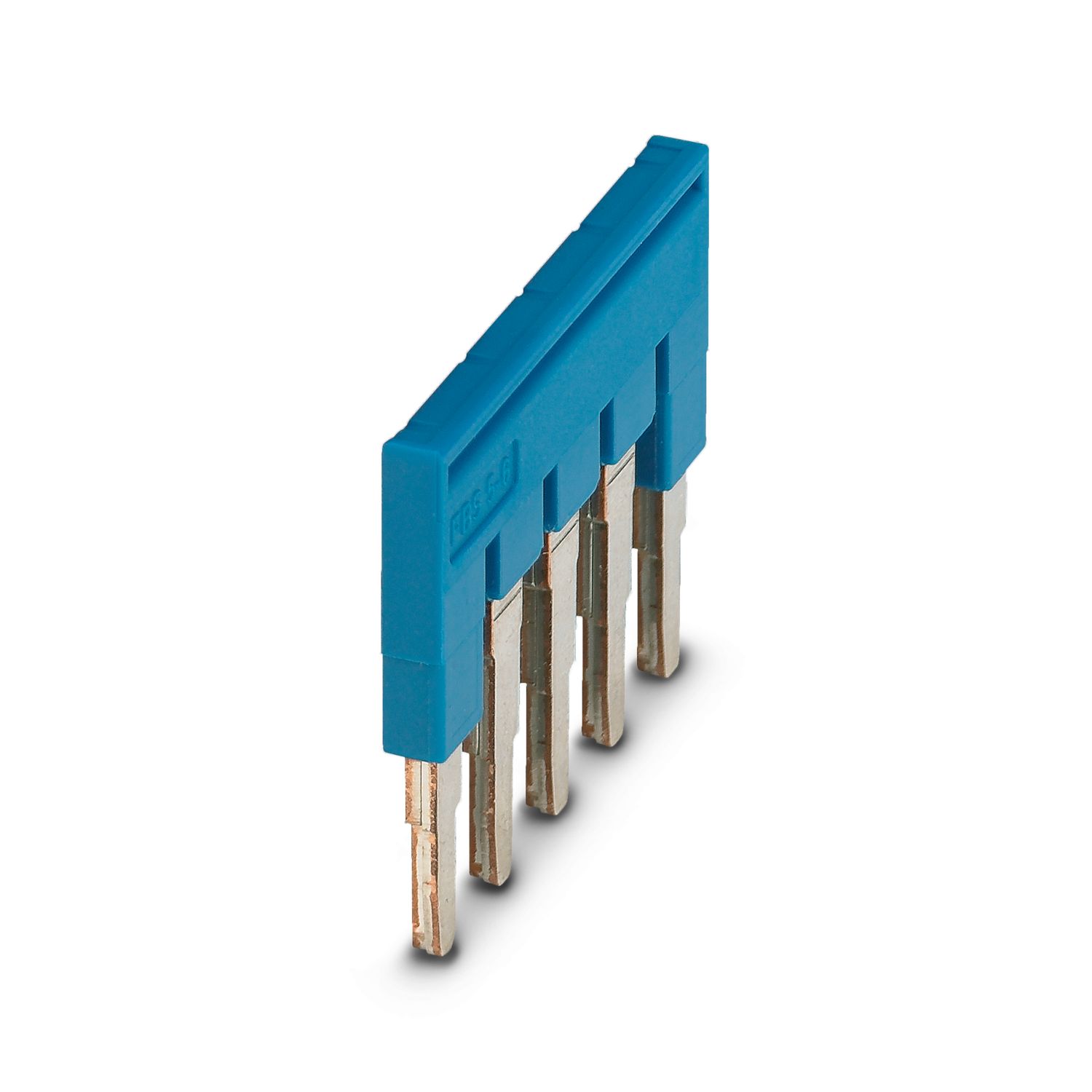
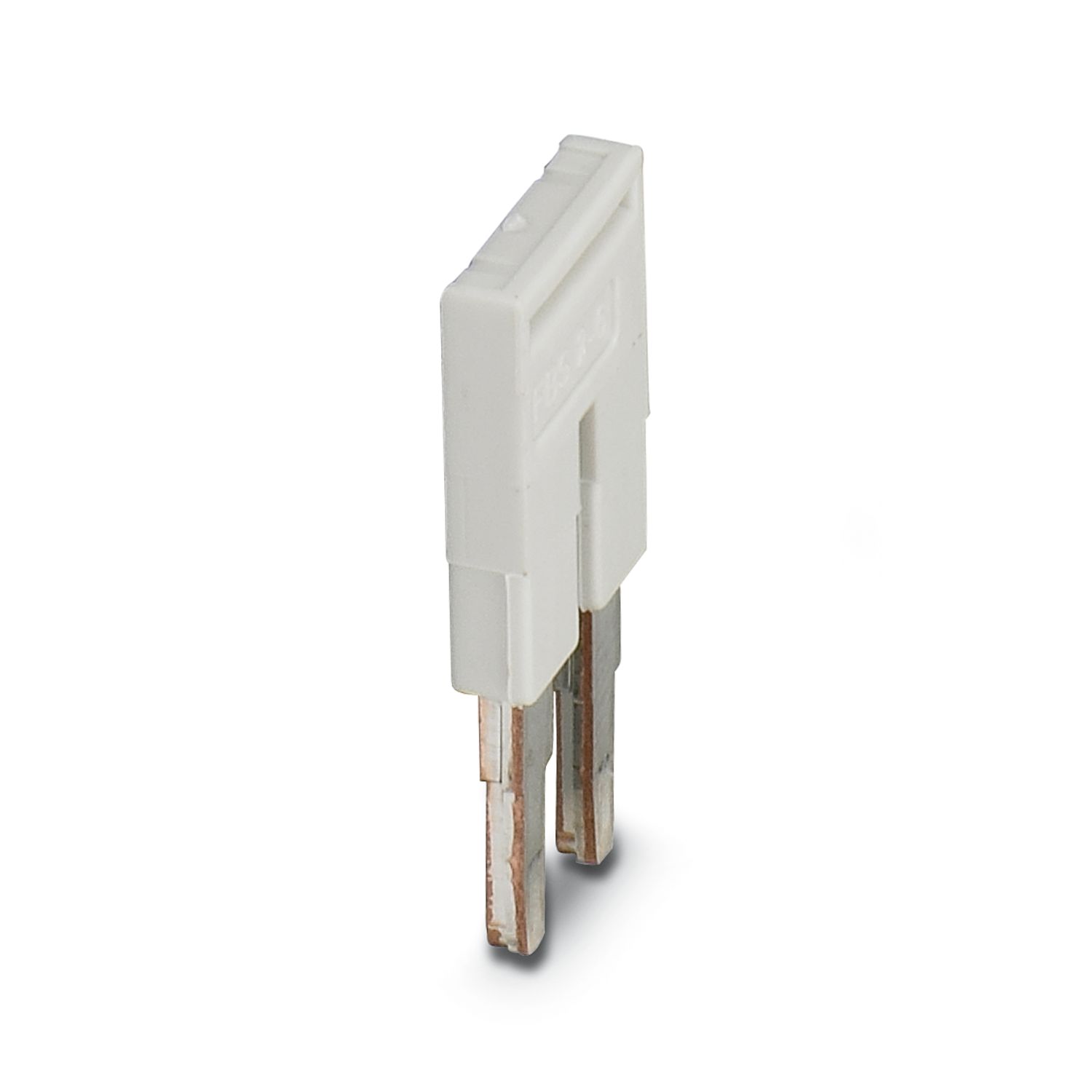
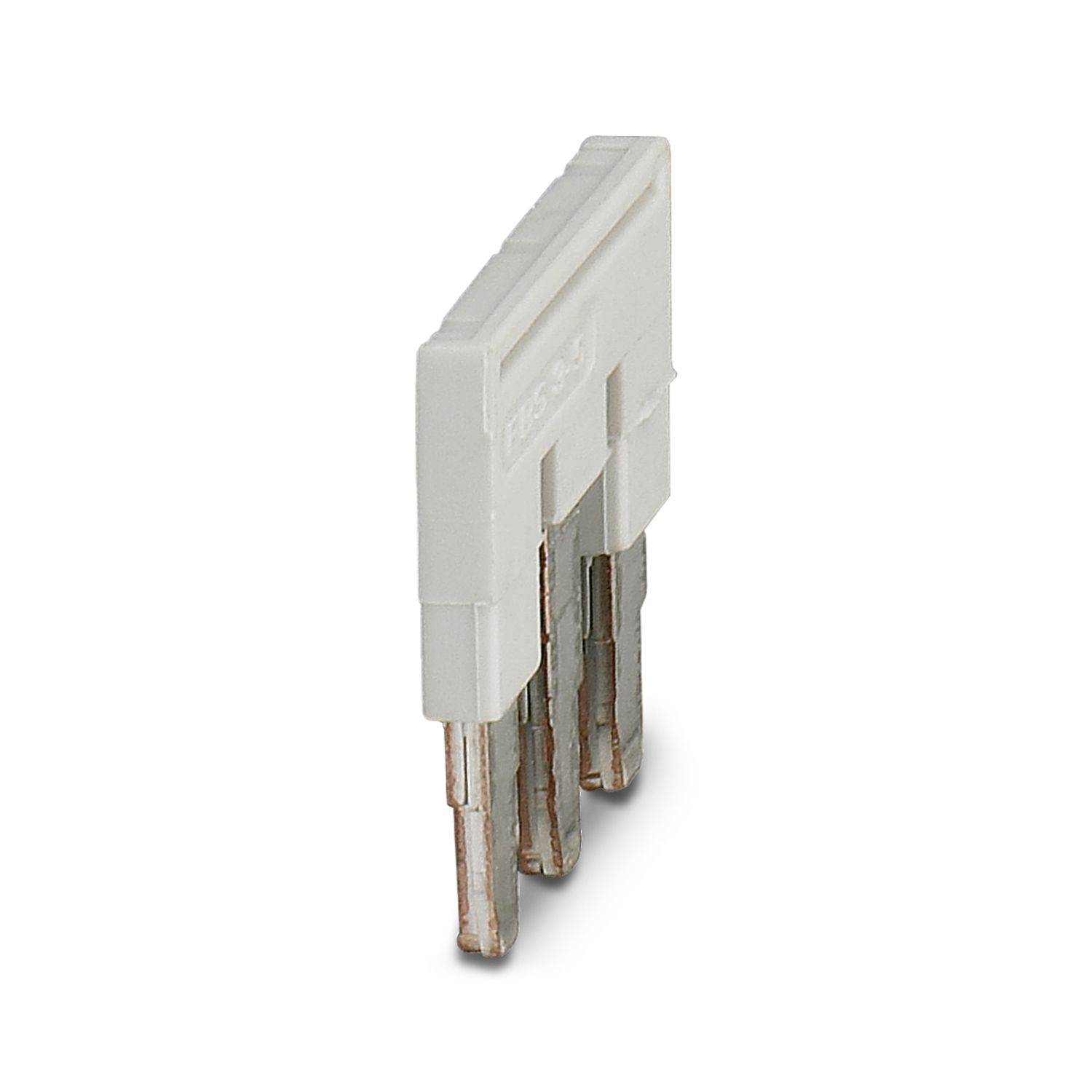
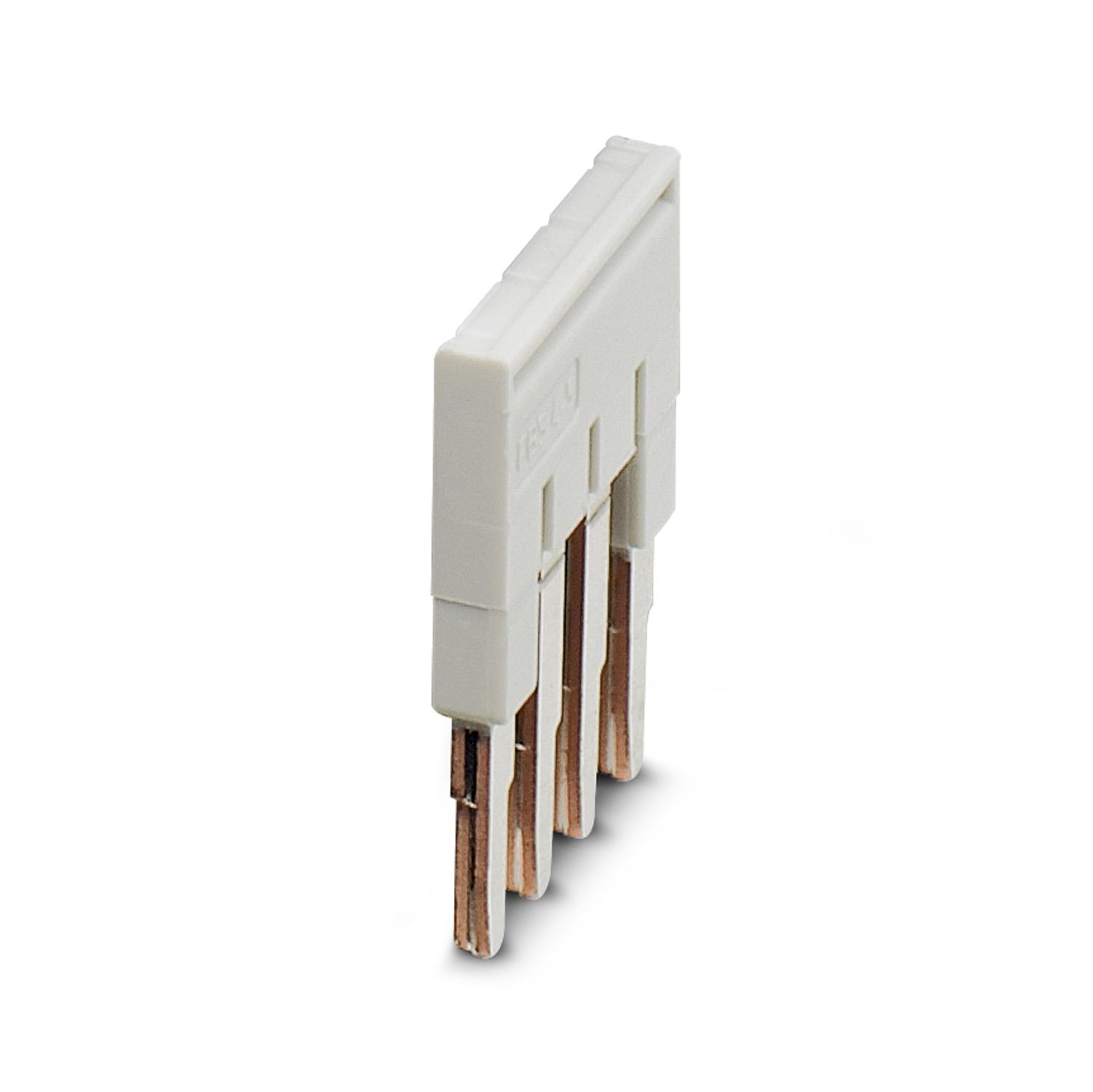
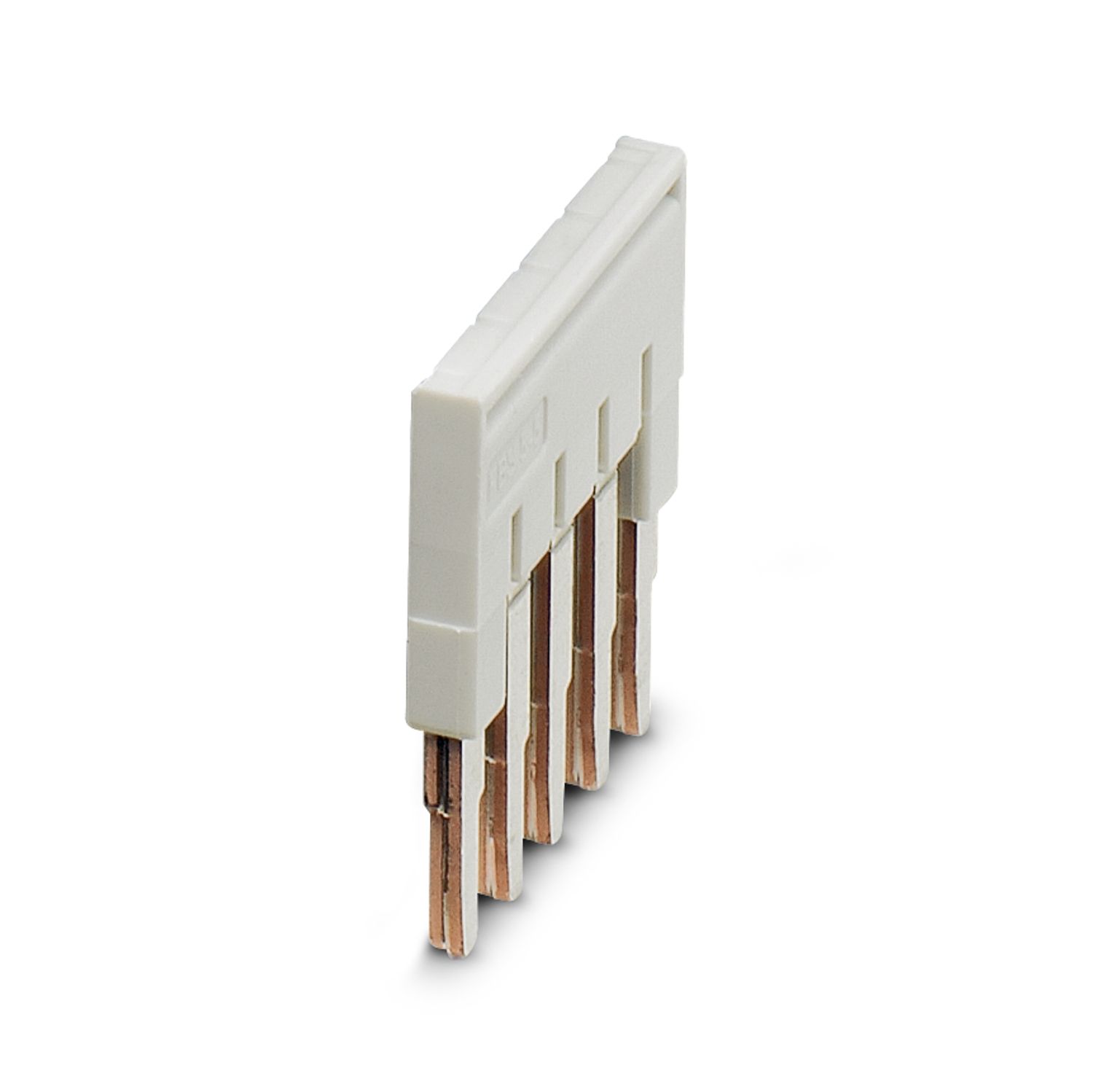
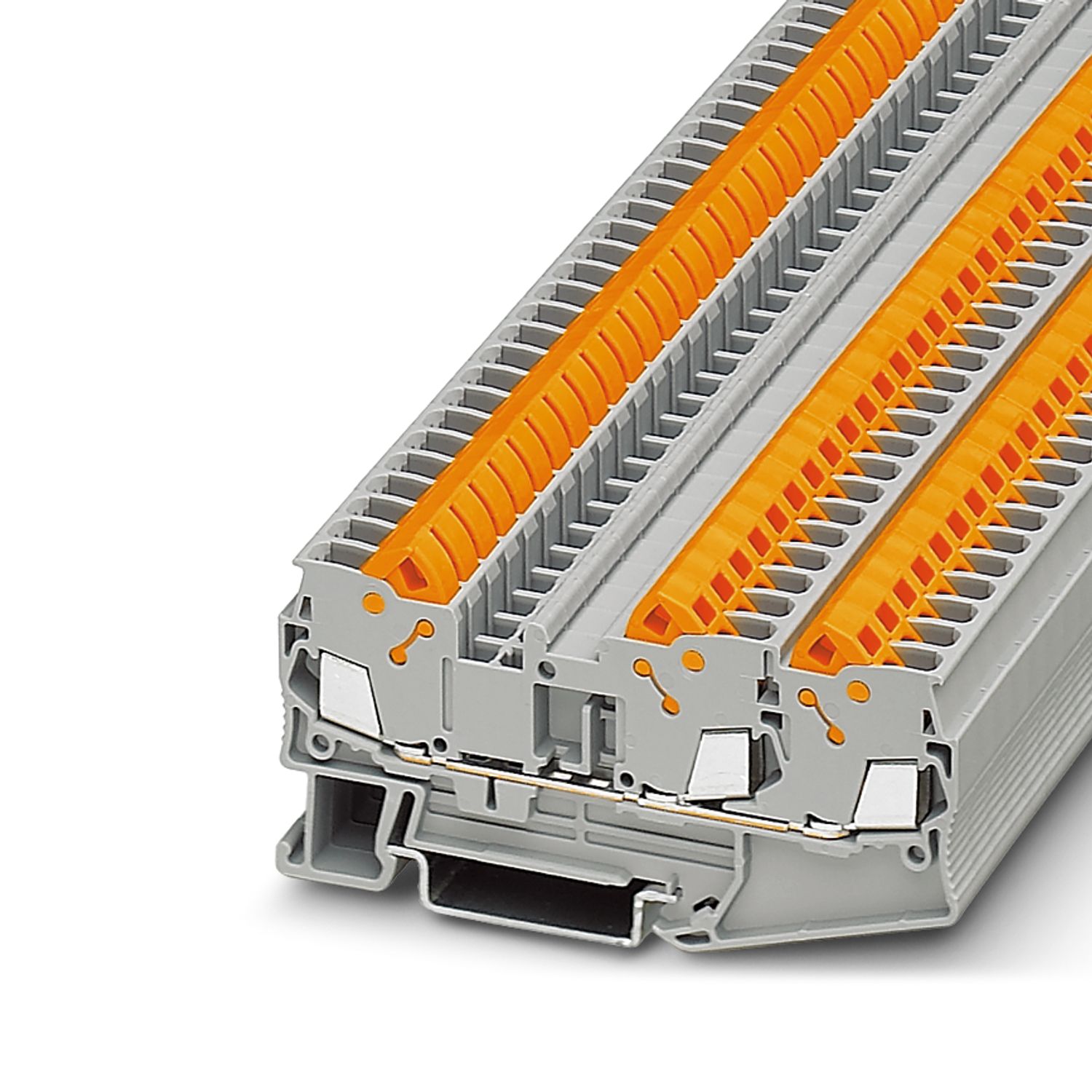
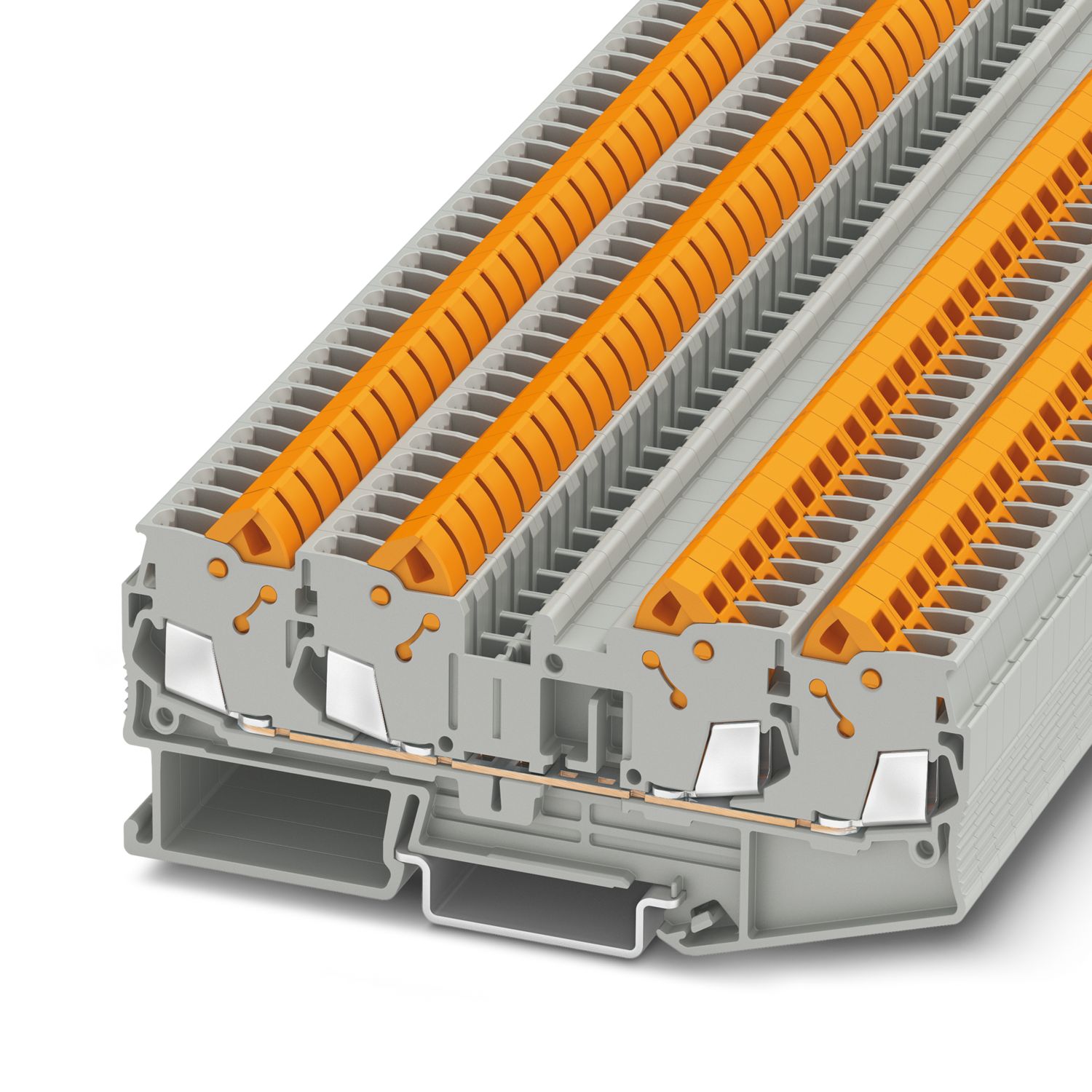
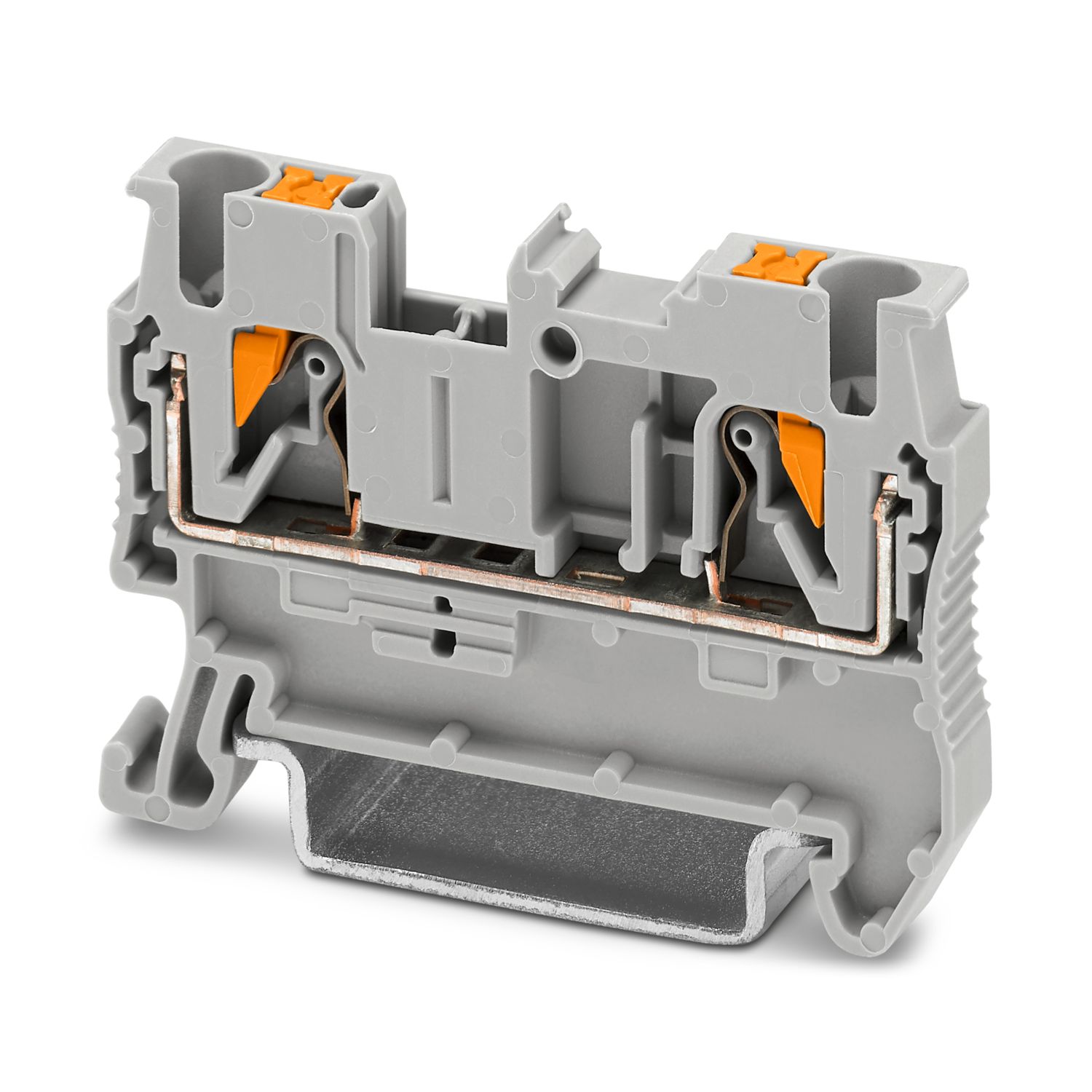
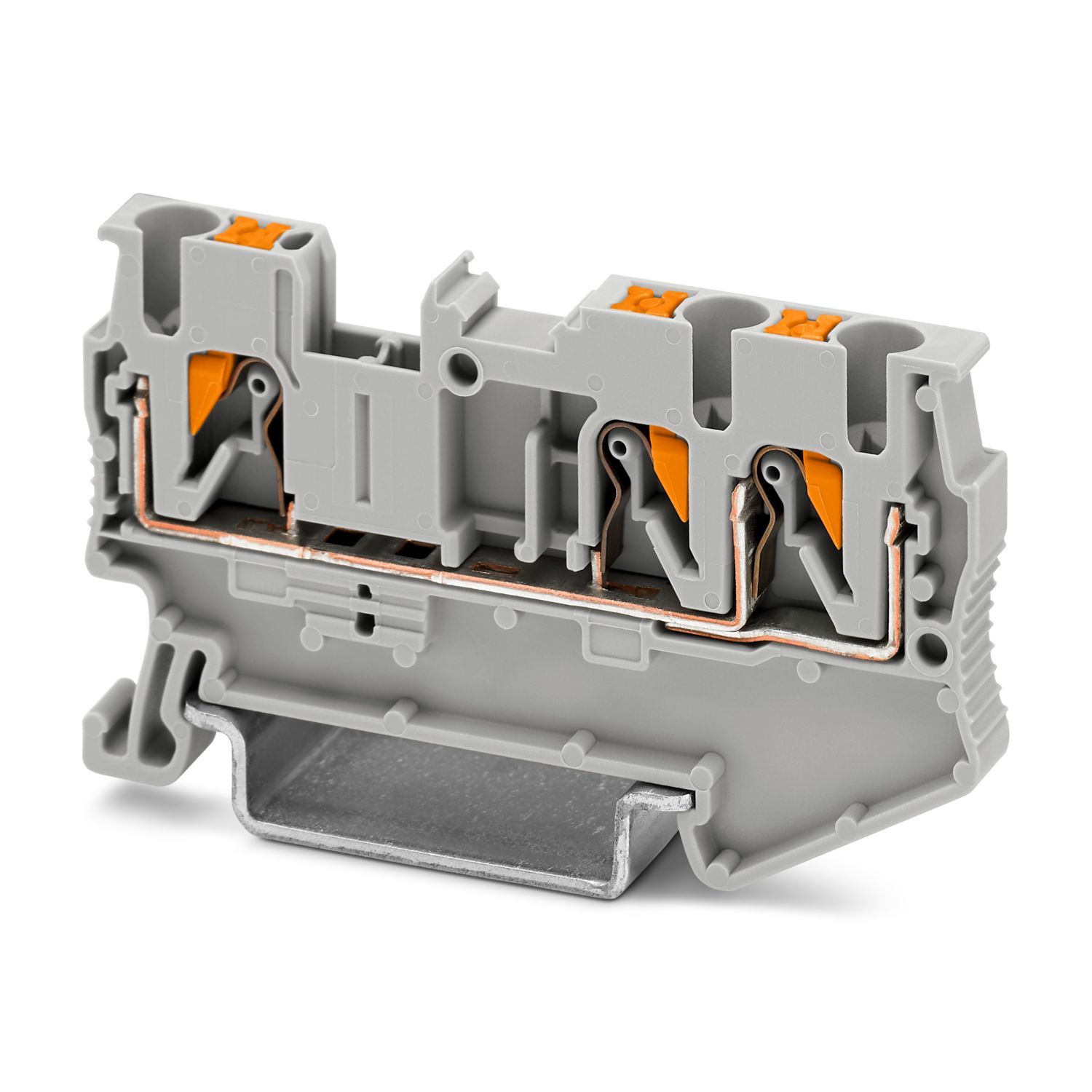
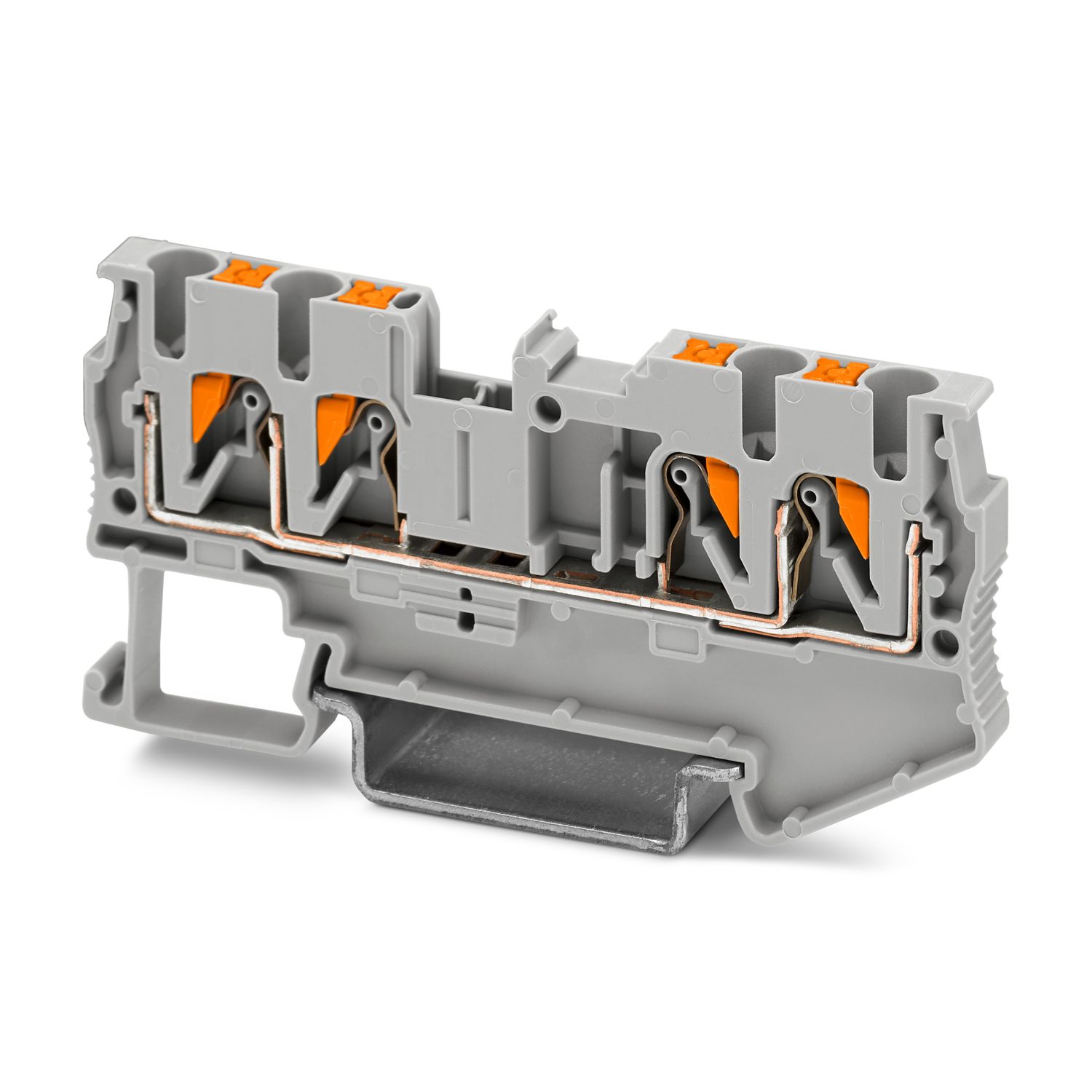
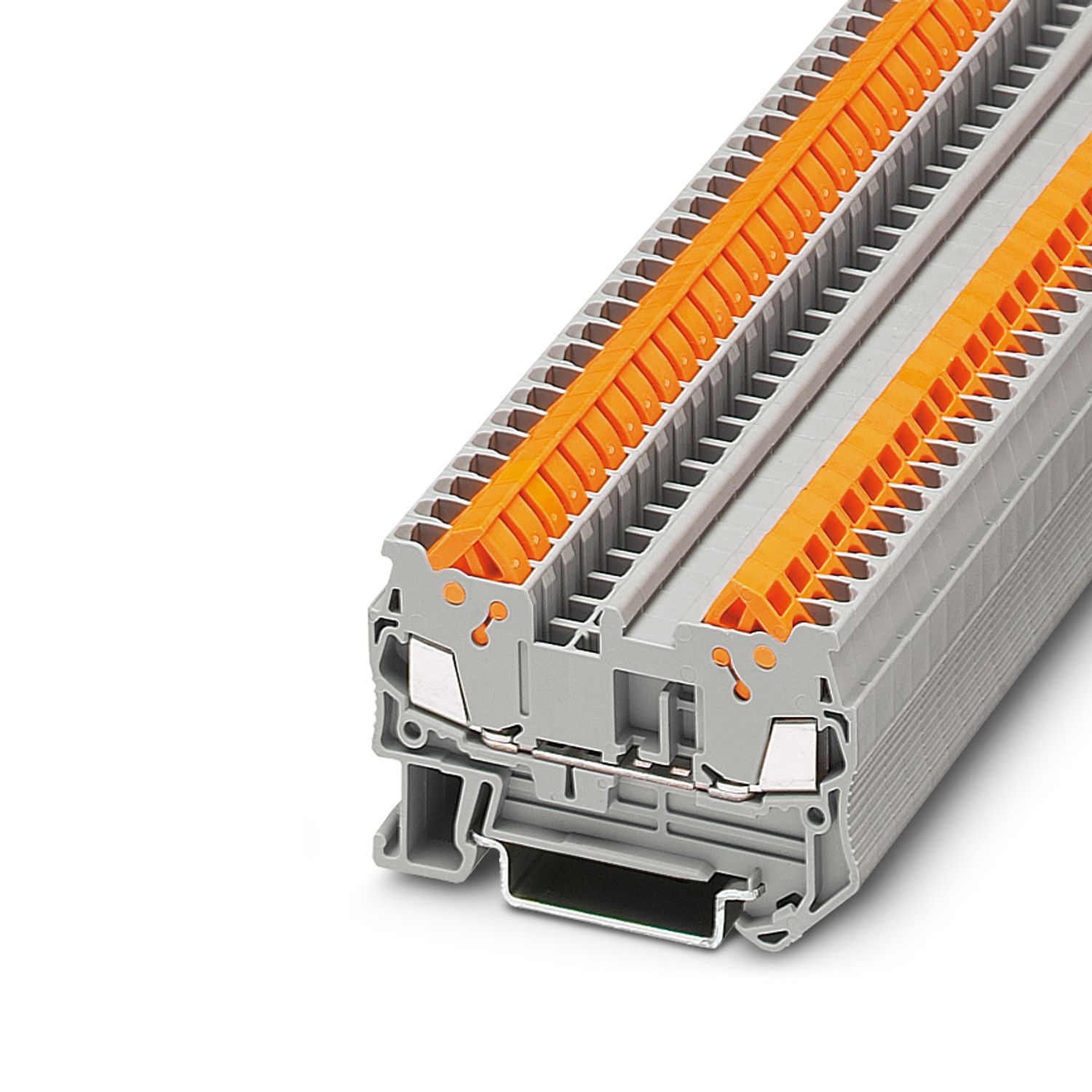
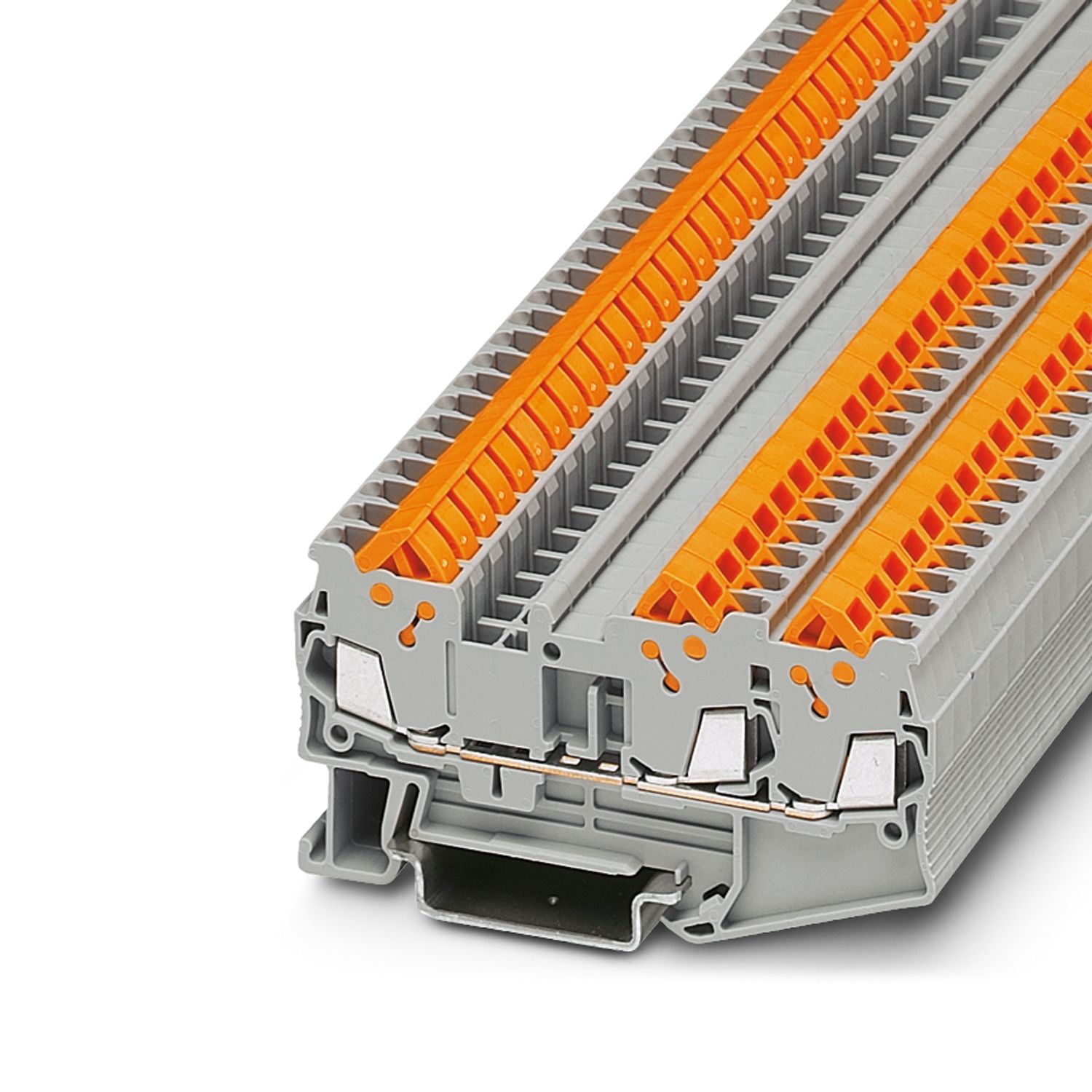
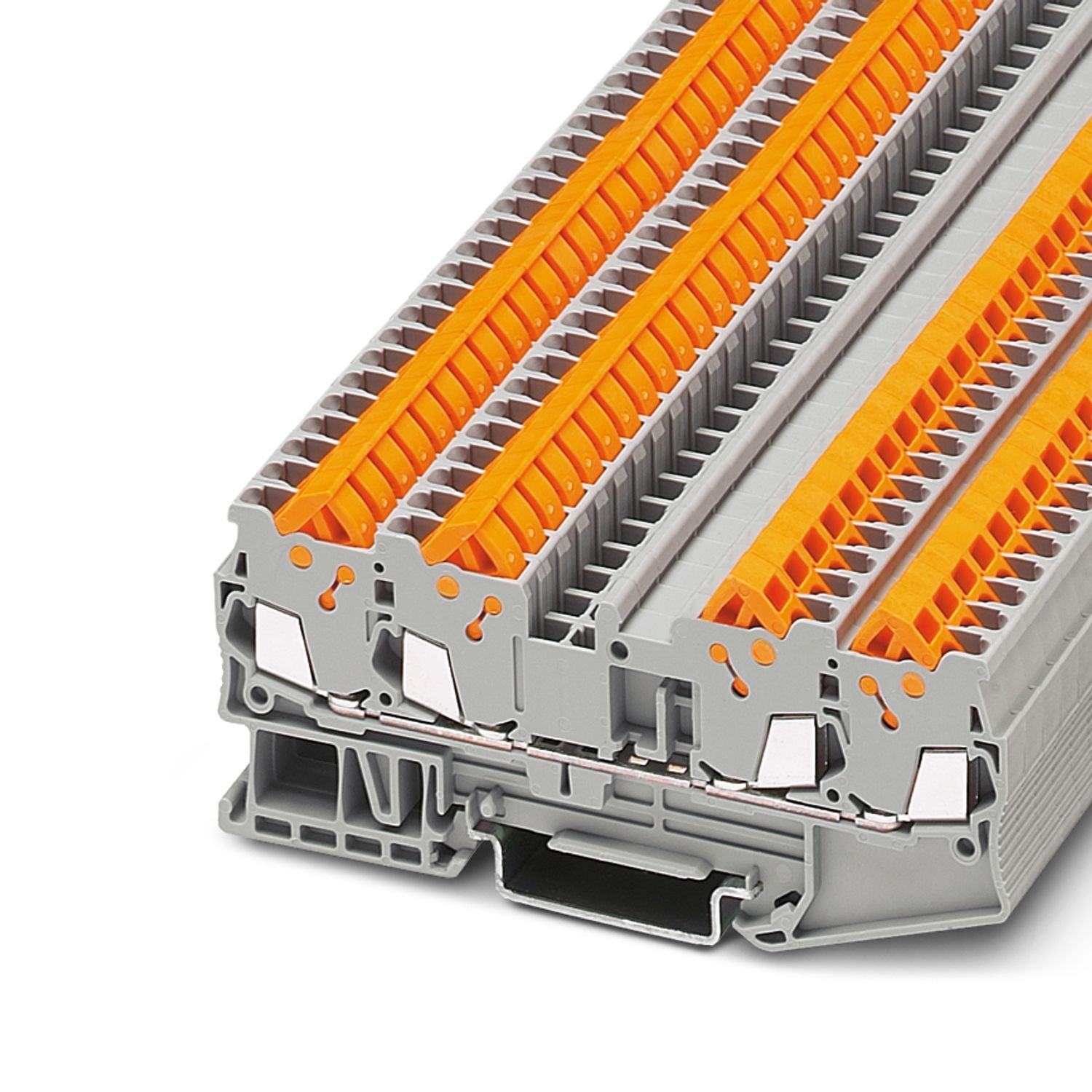
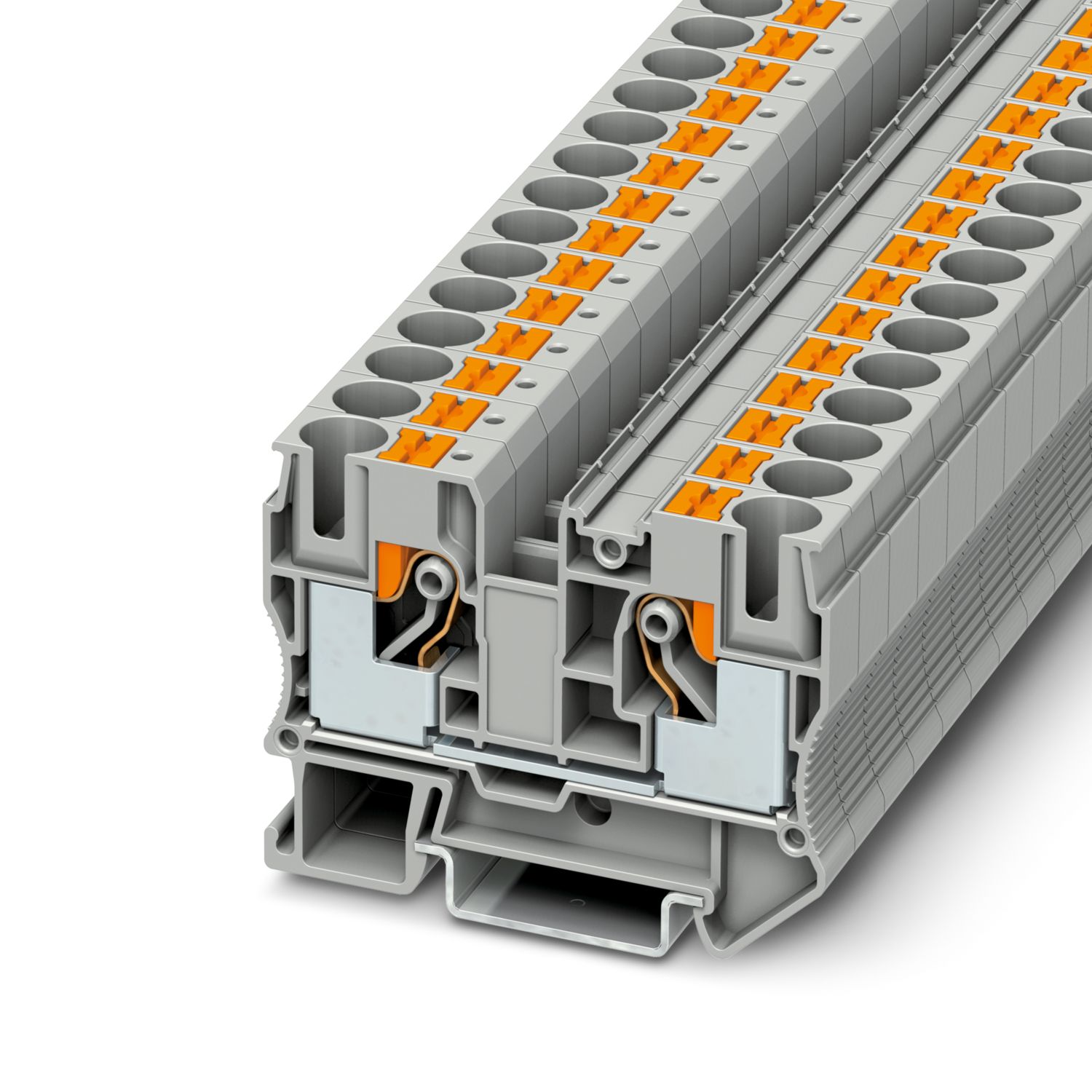
Ihre Vorteile
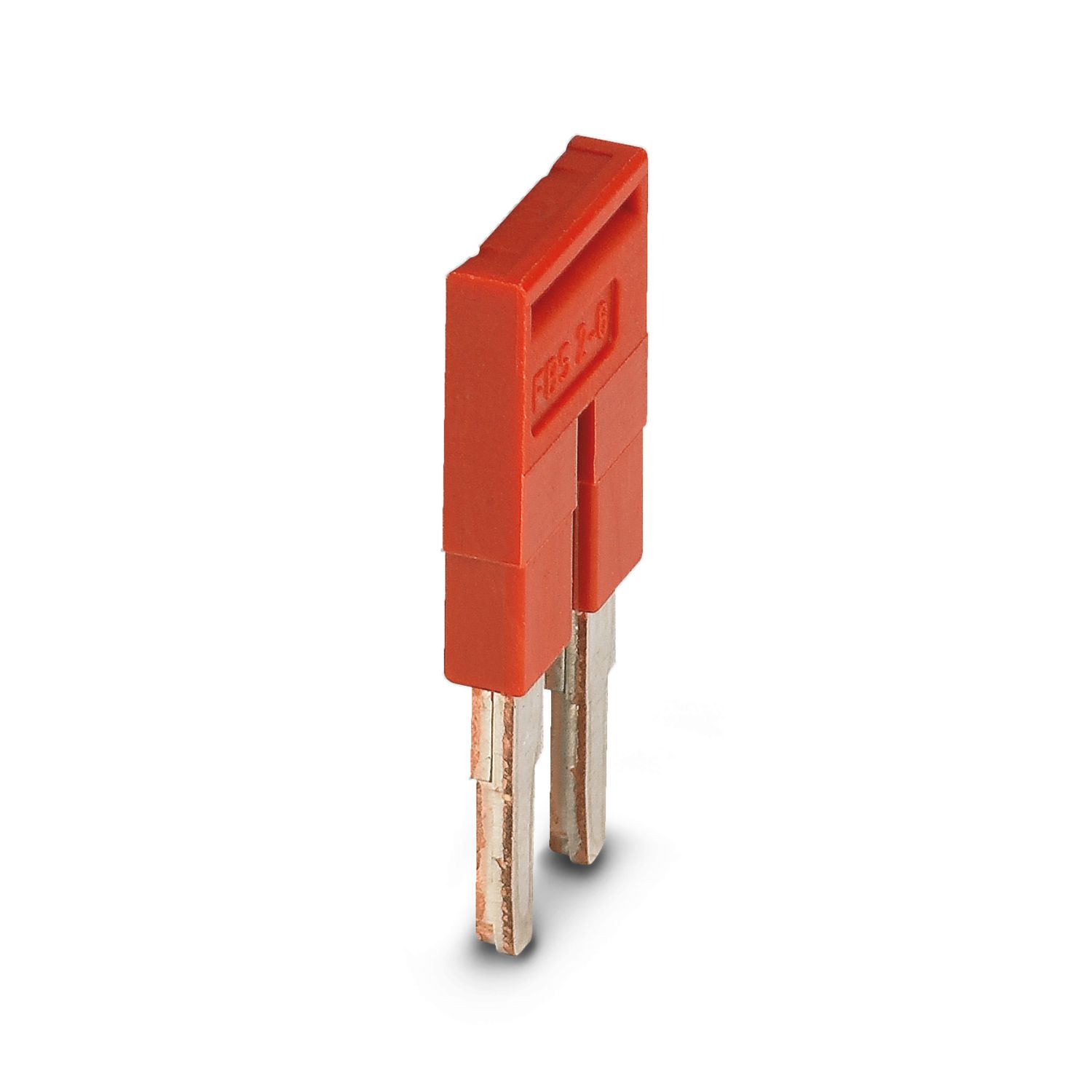
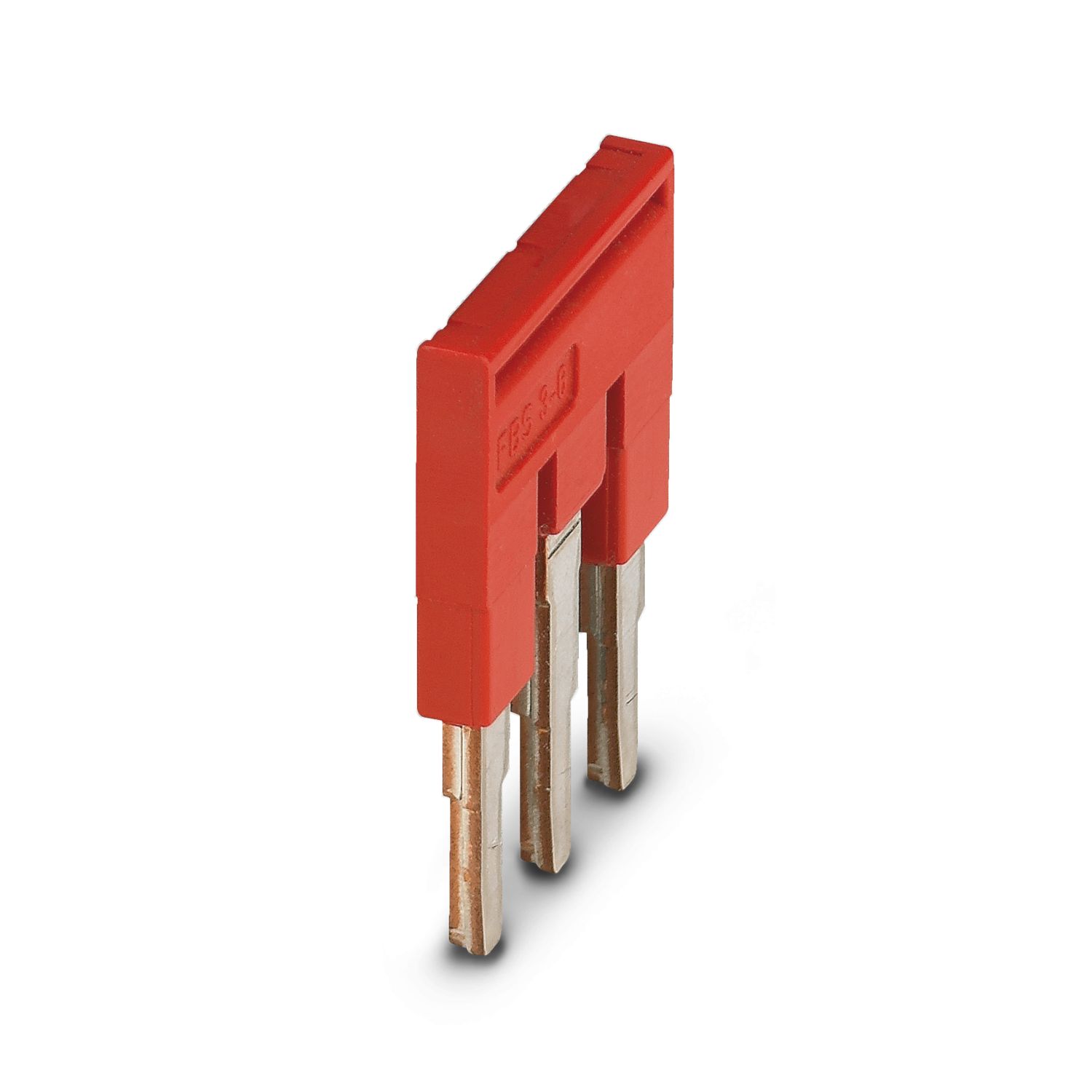
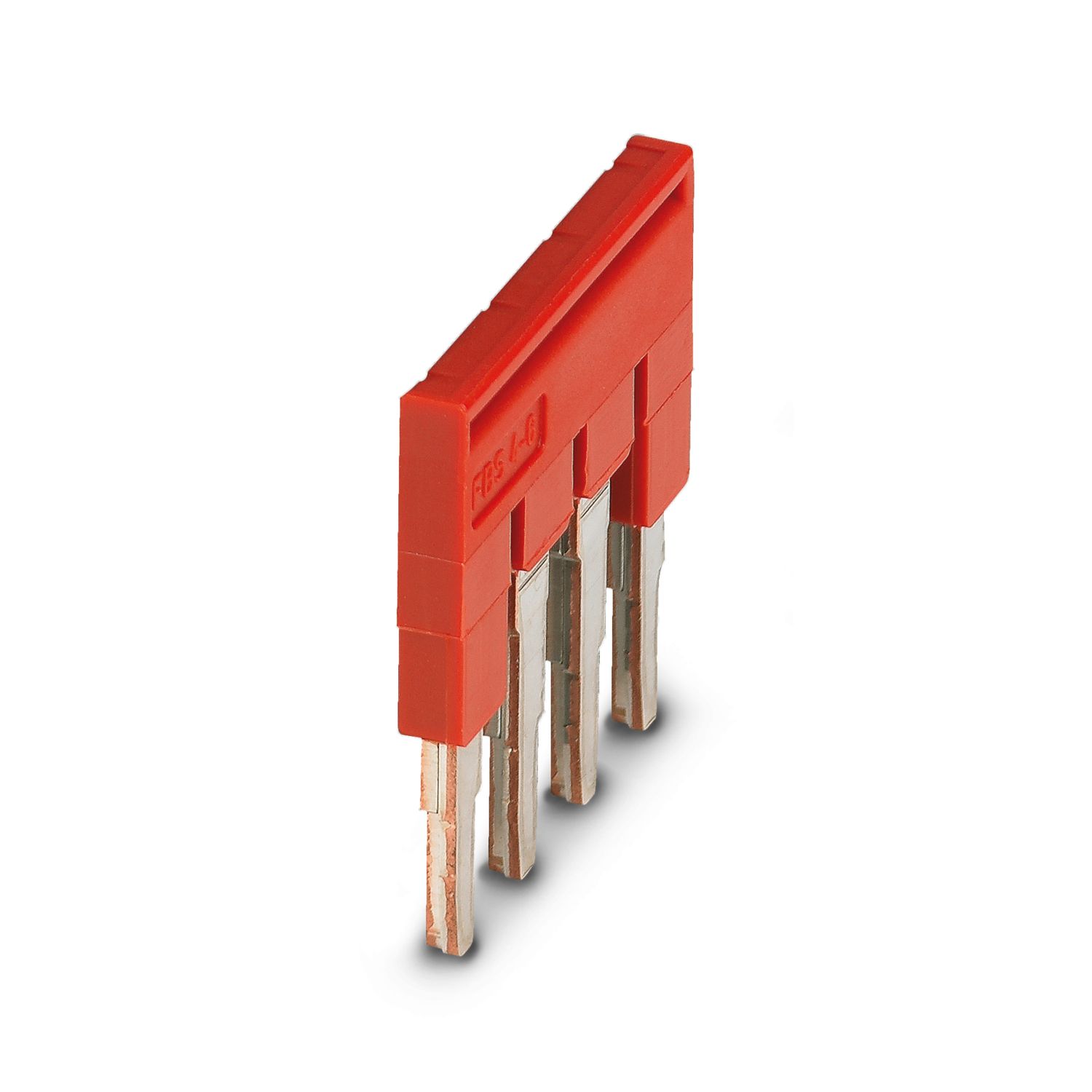
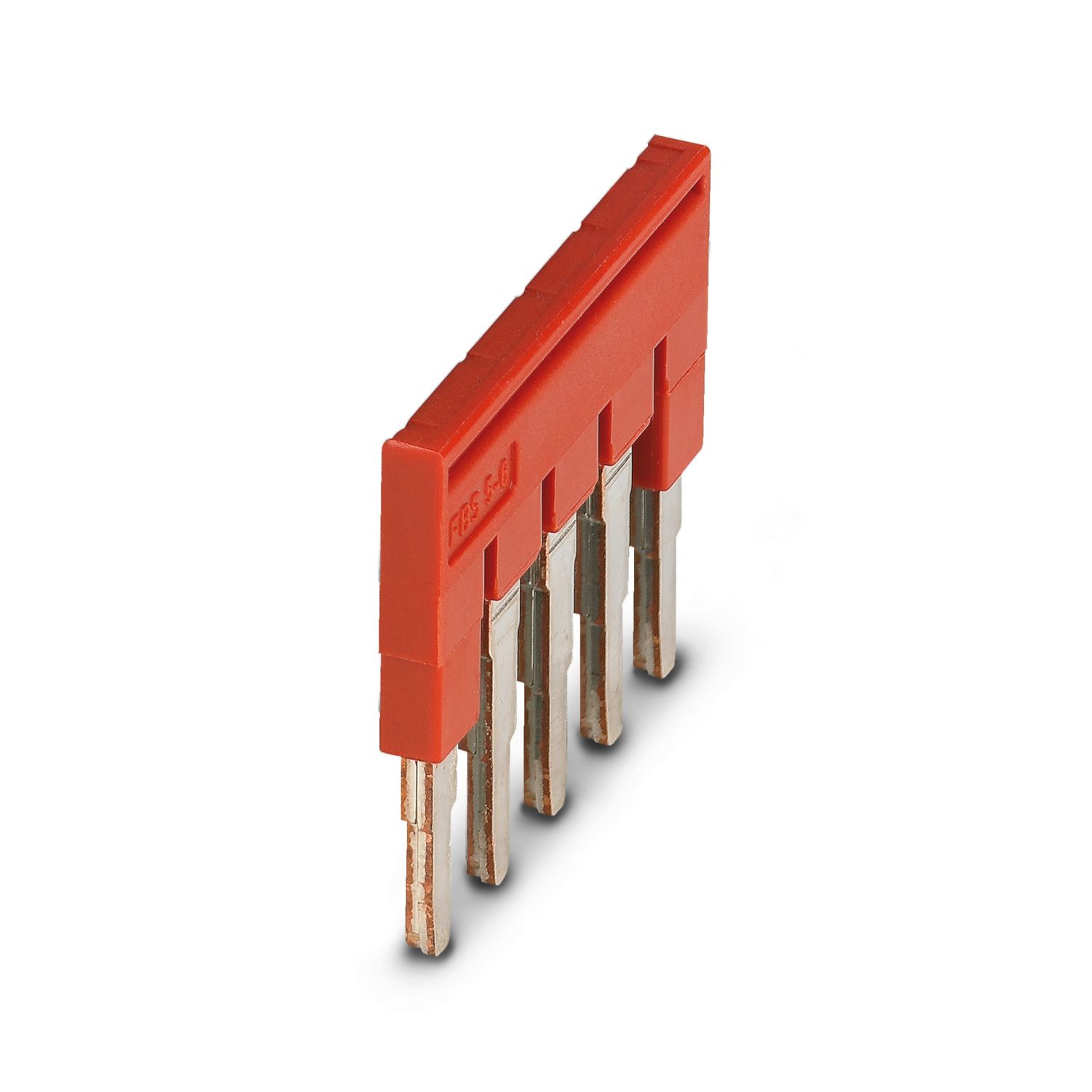
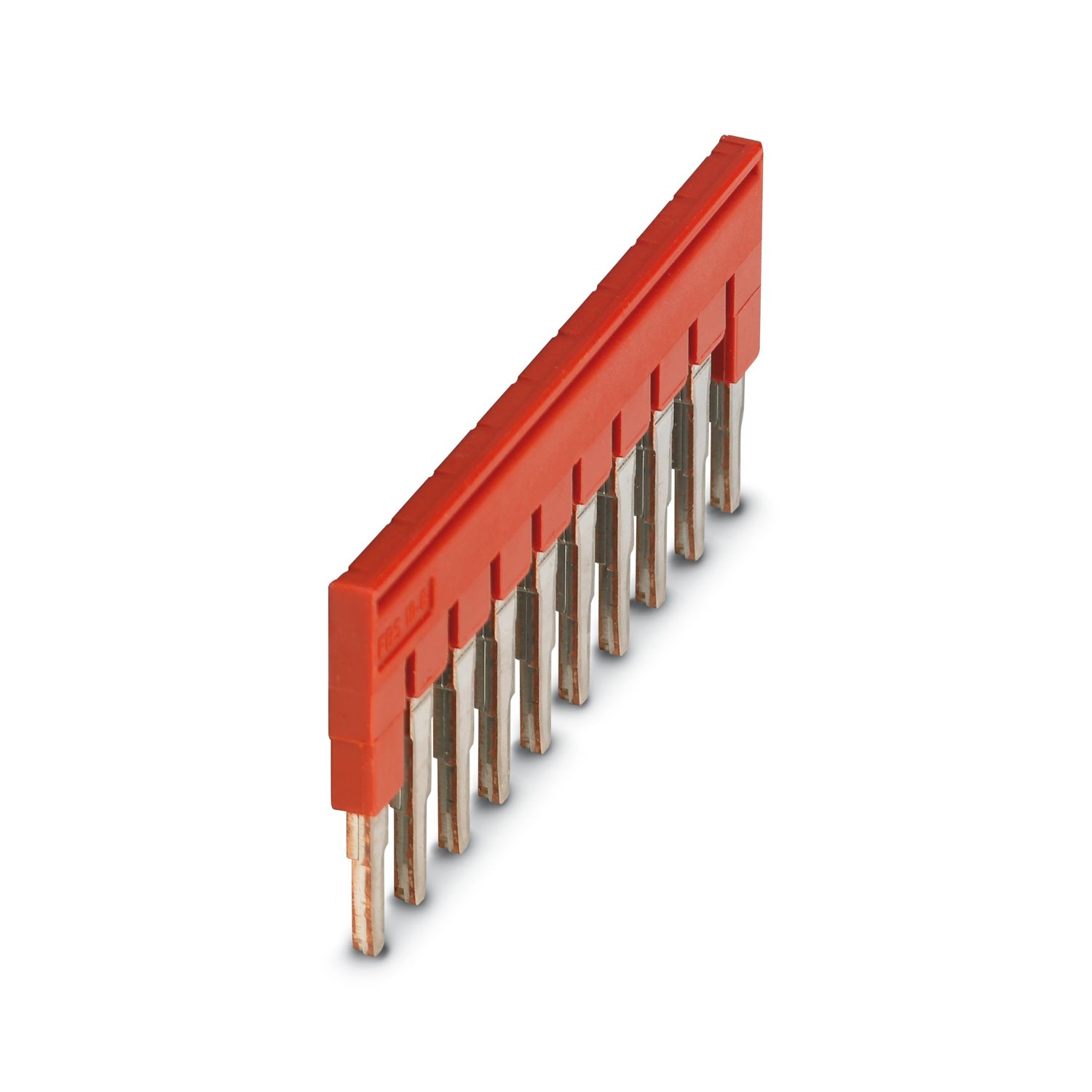
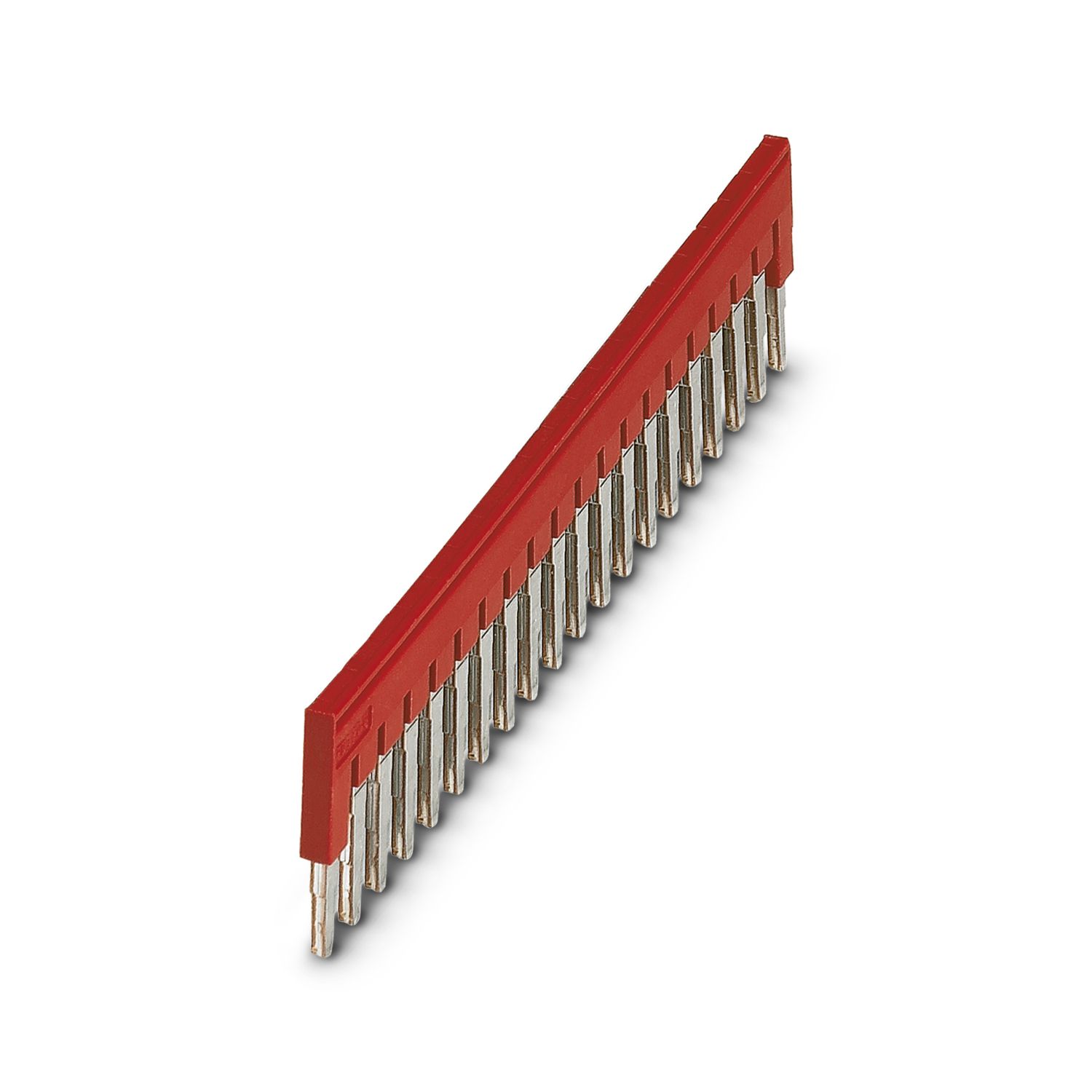
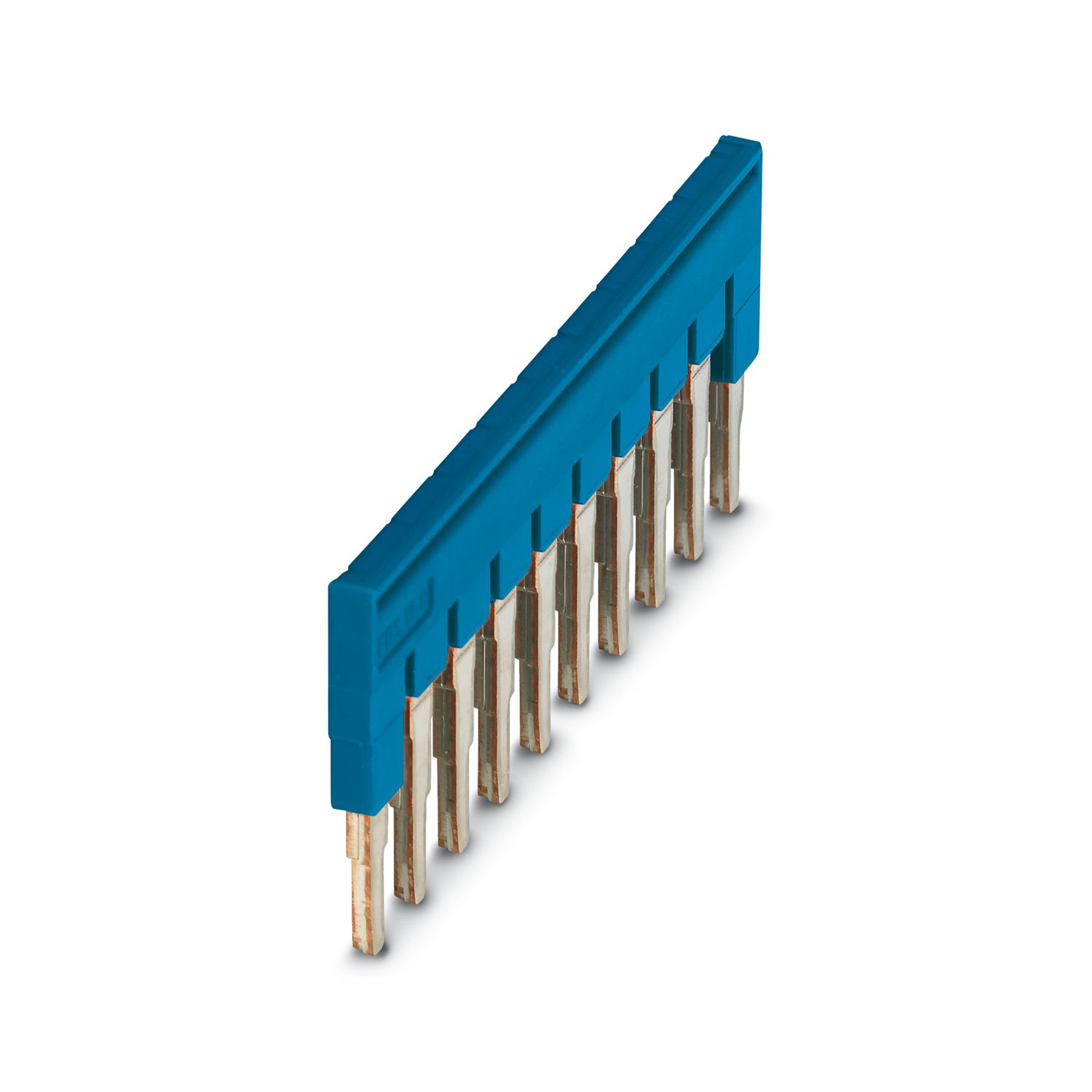
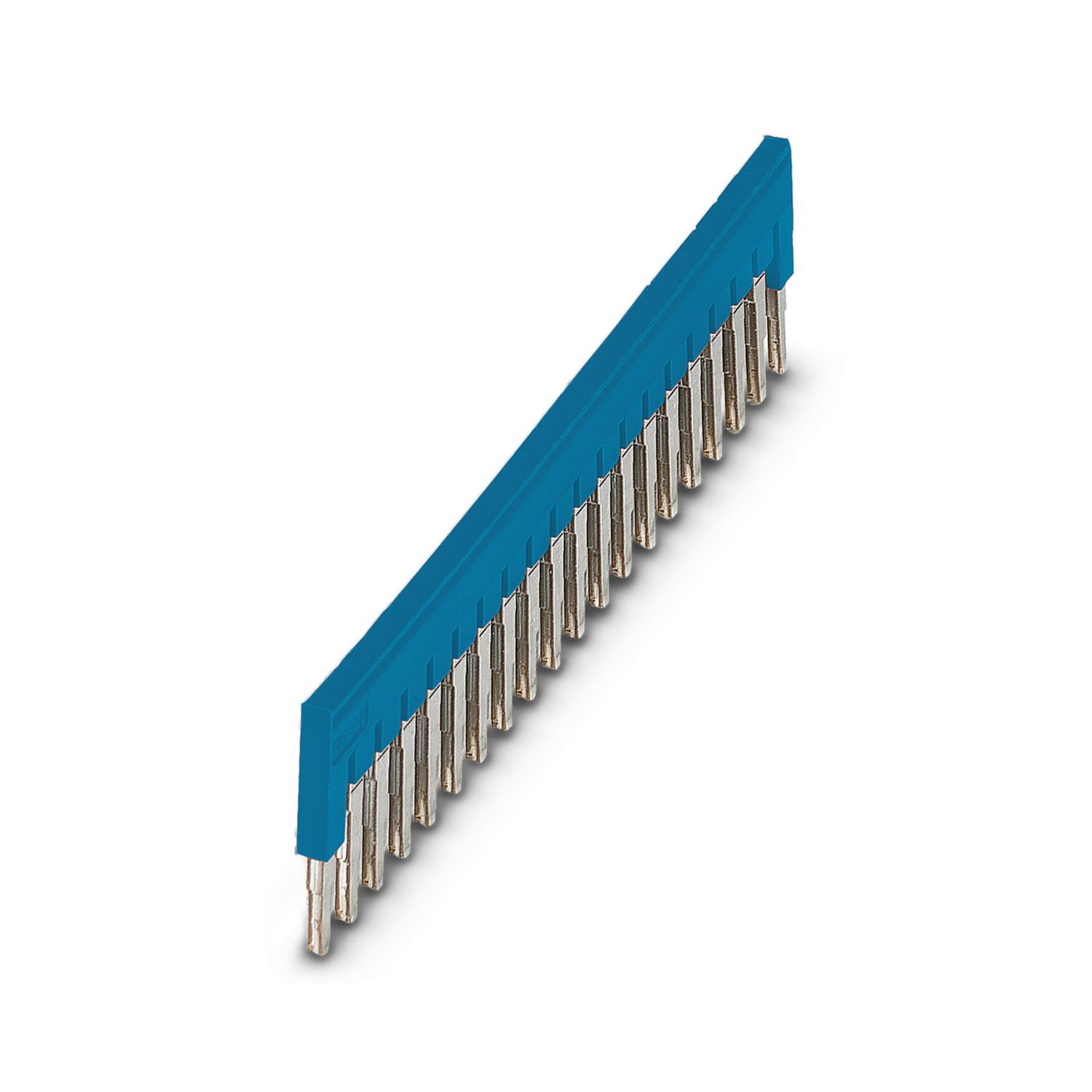
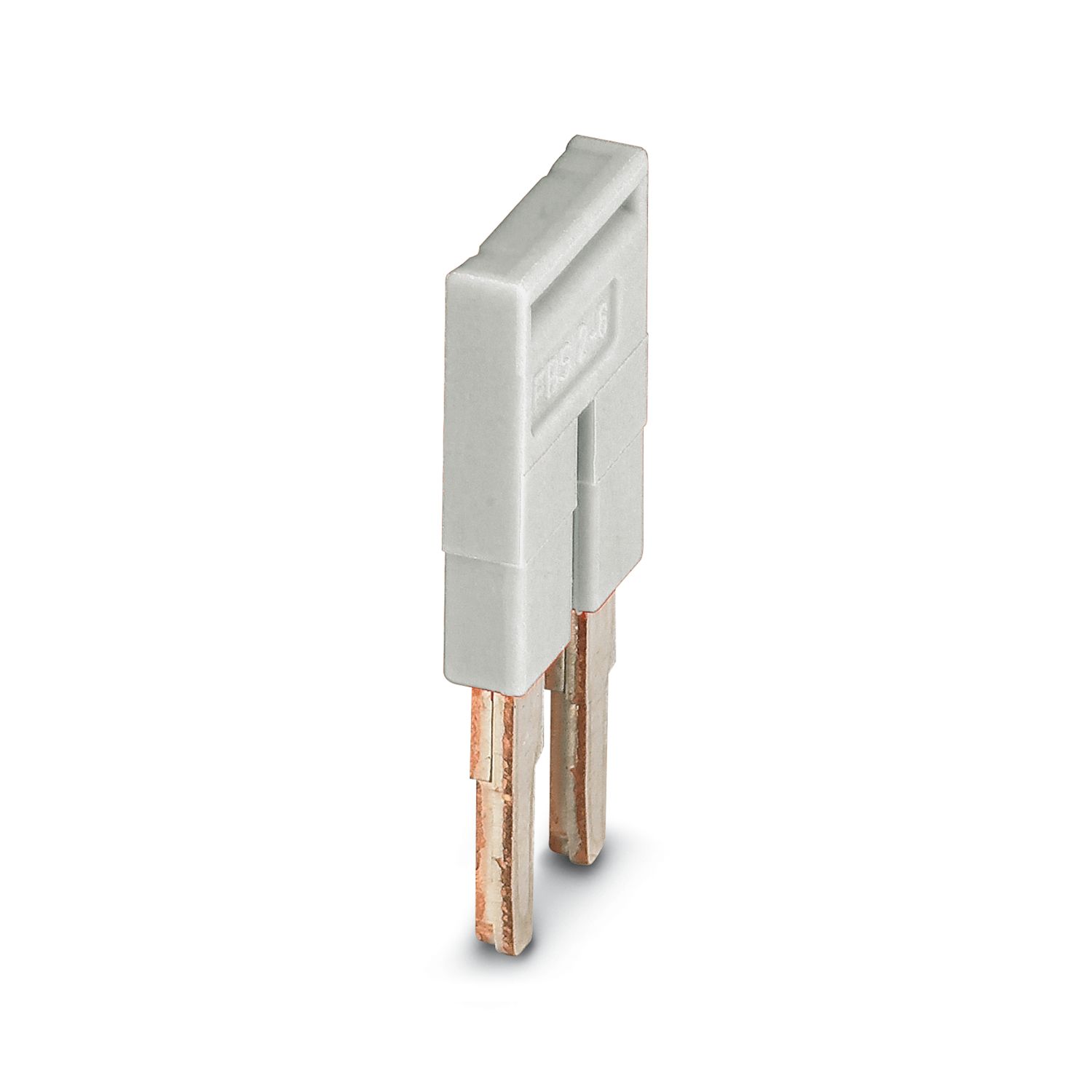
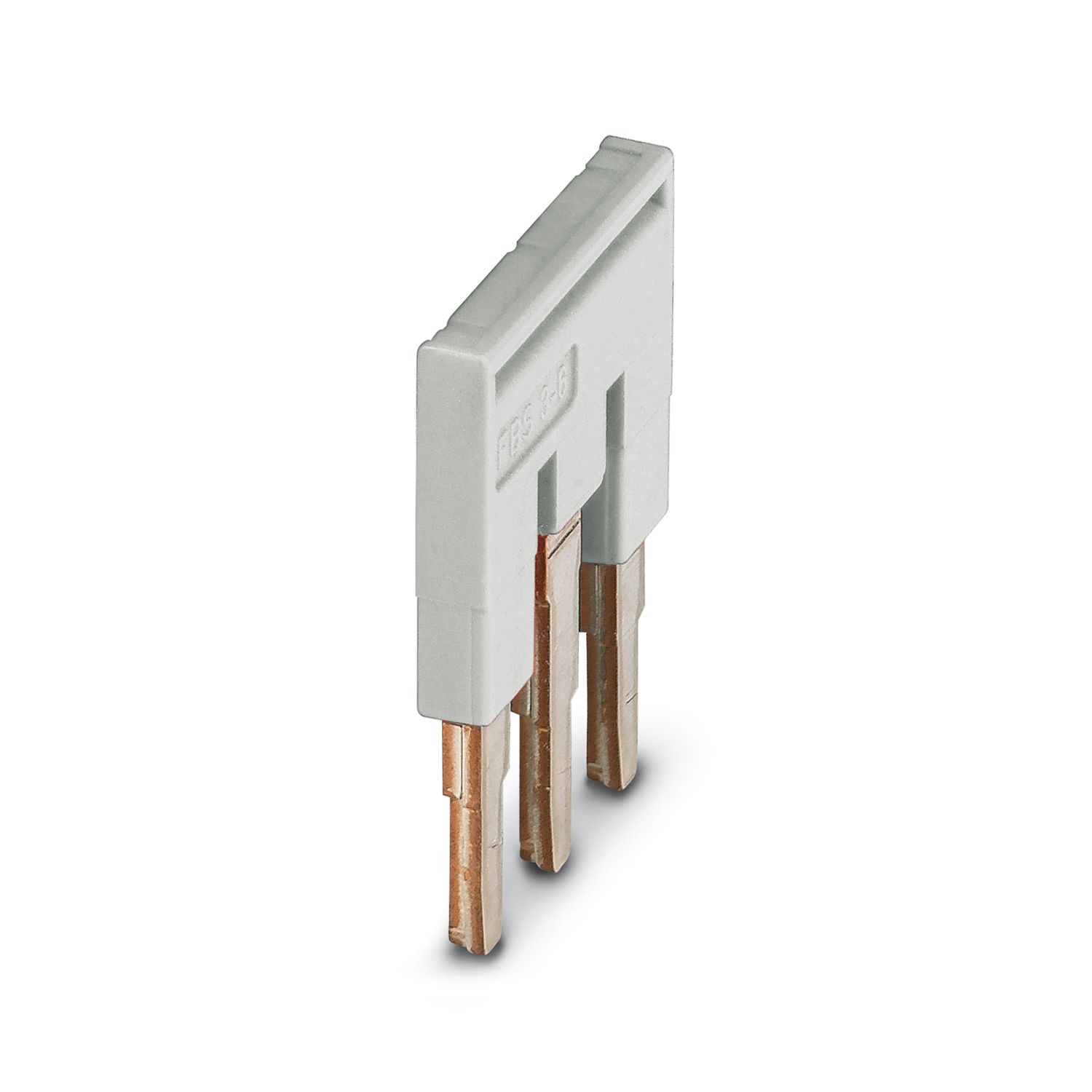
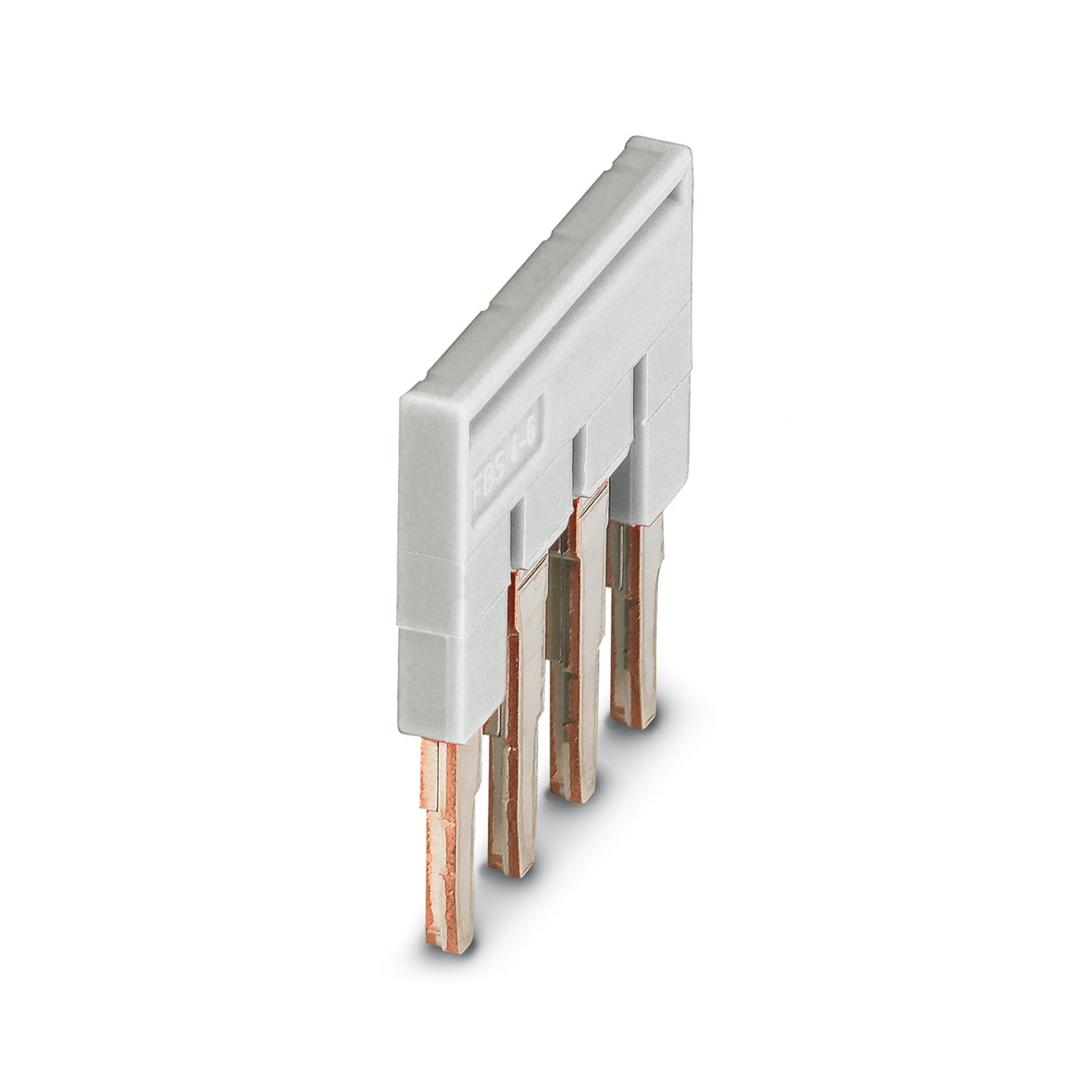
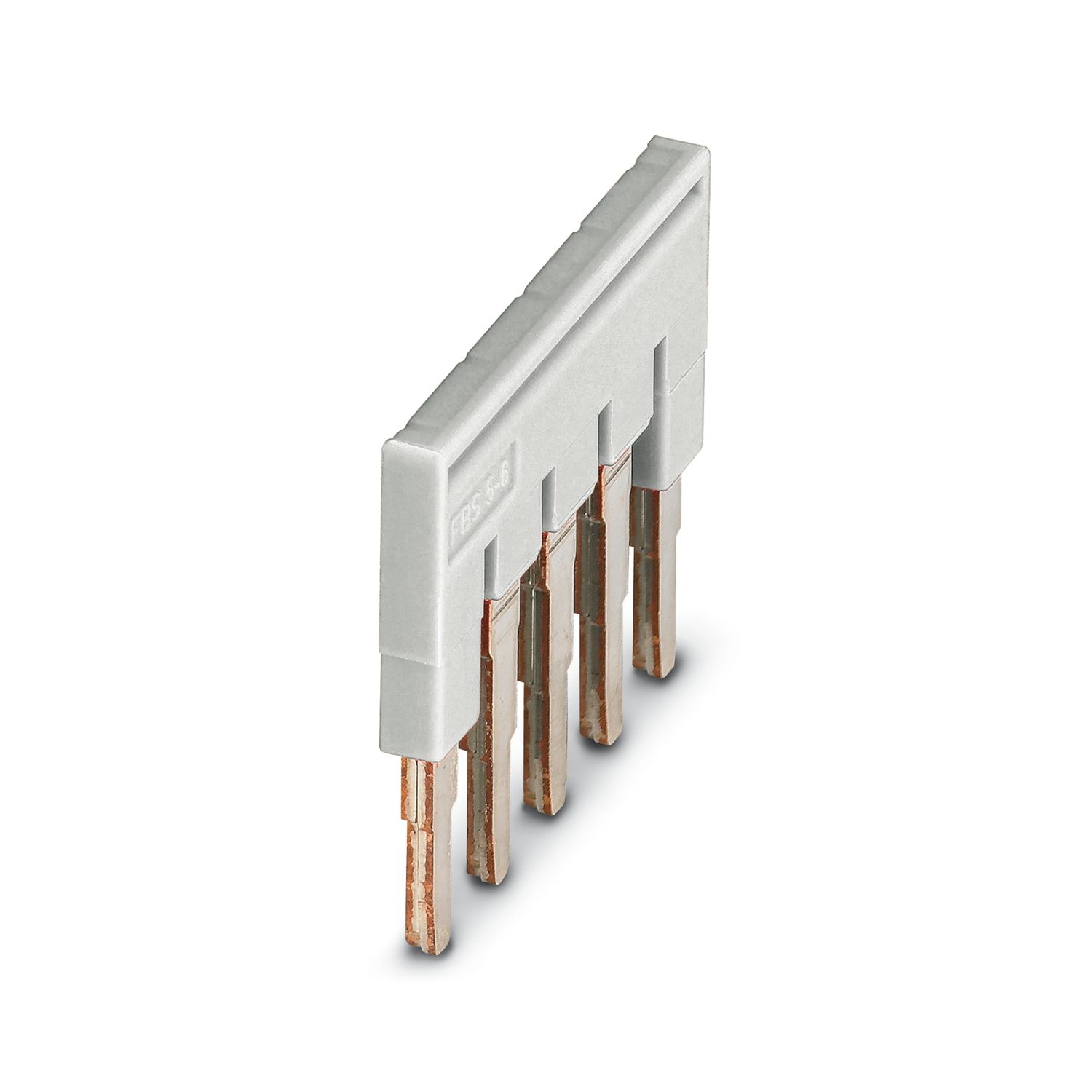
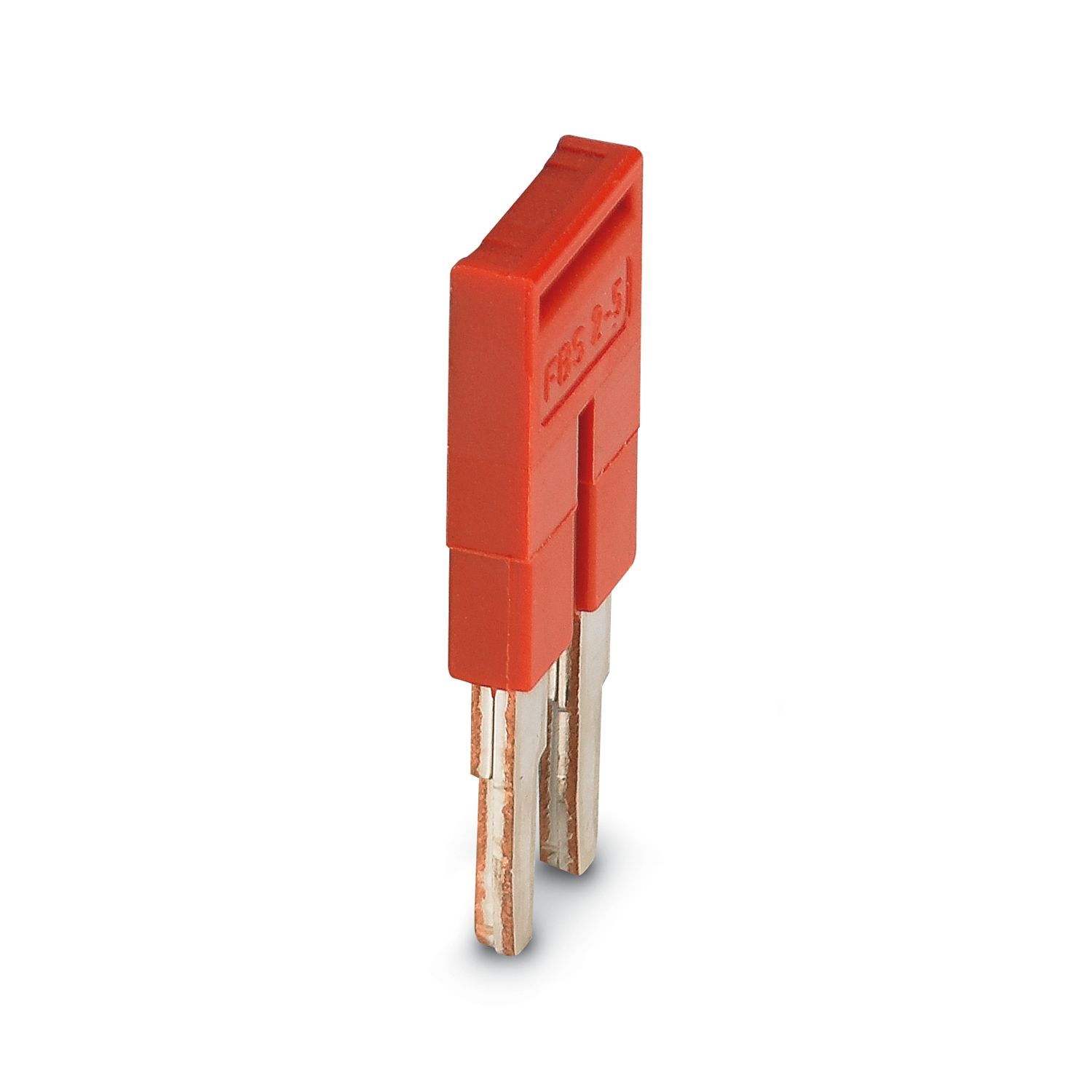
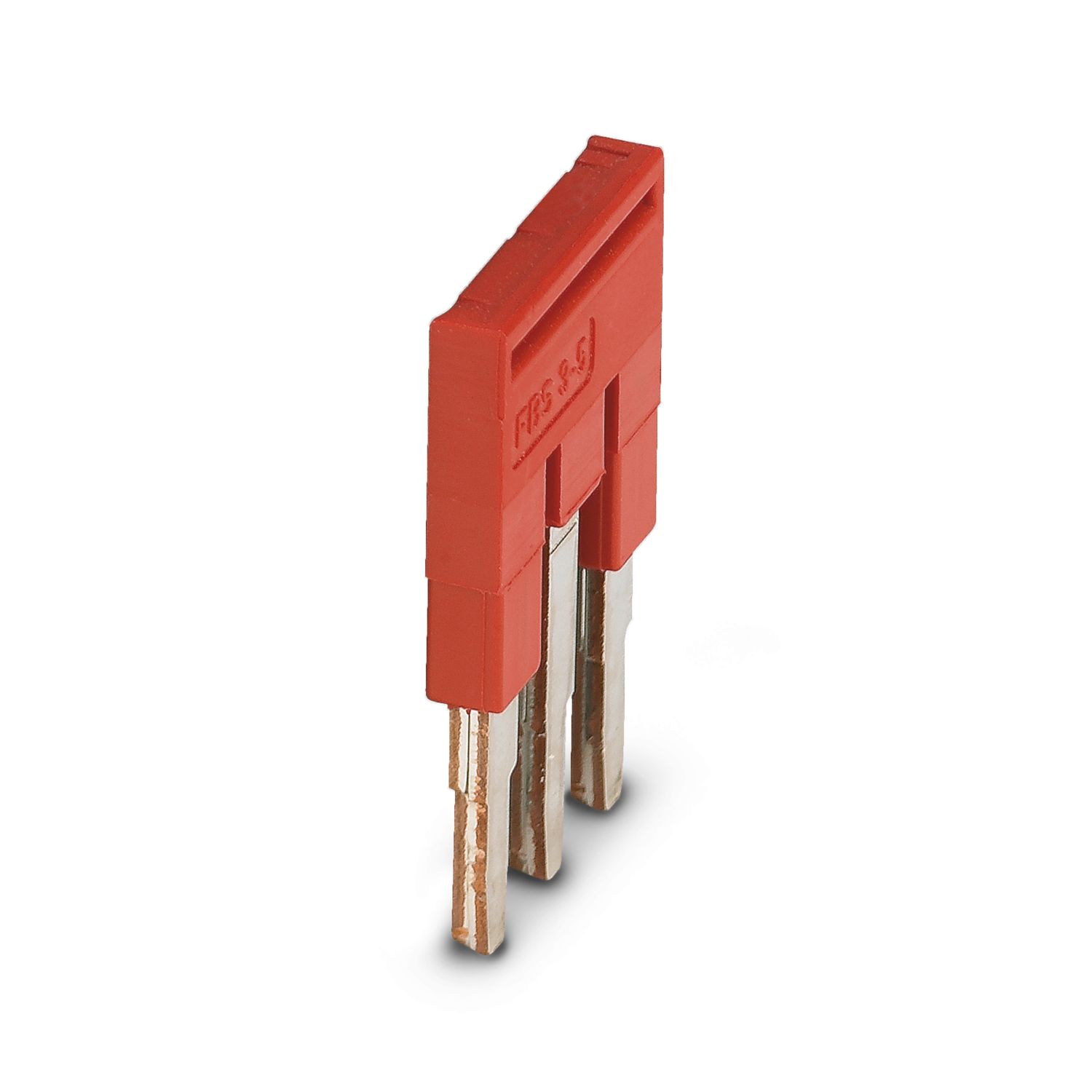
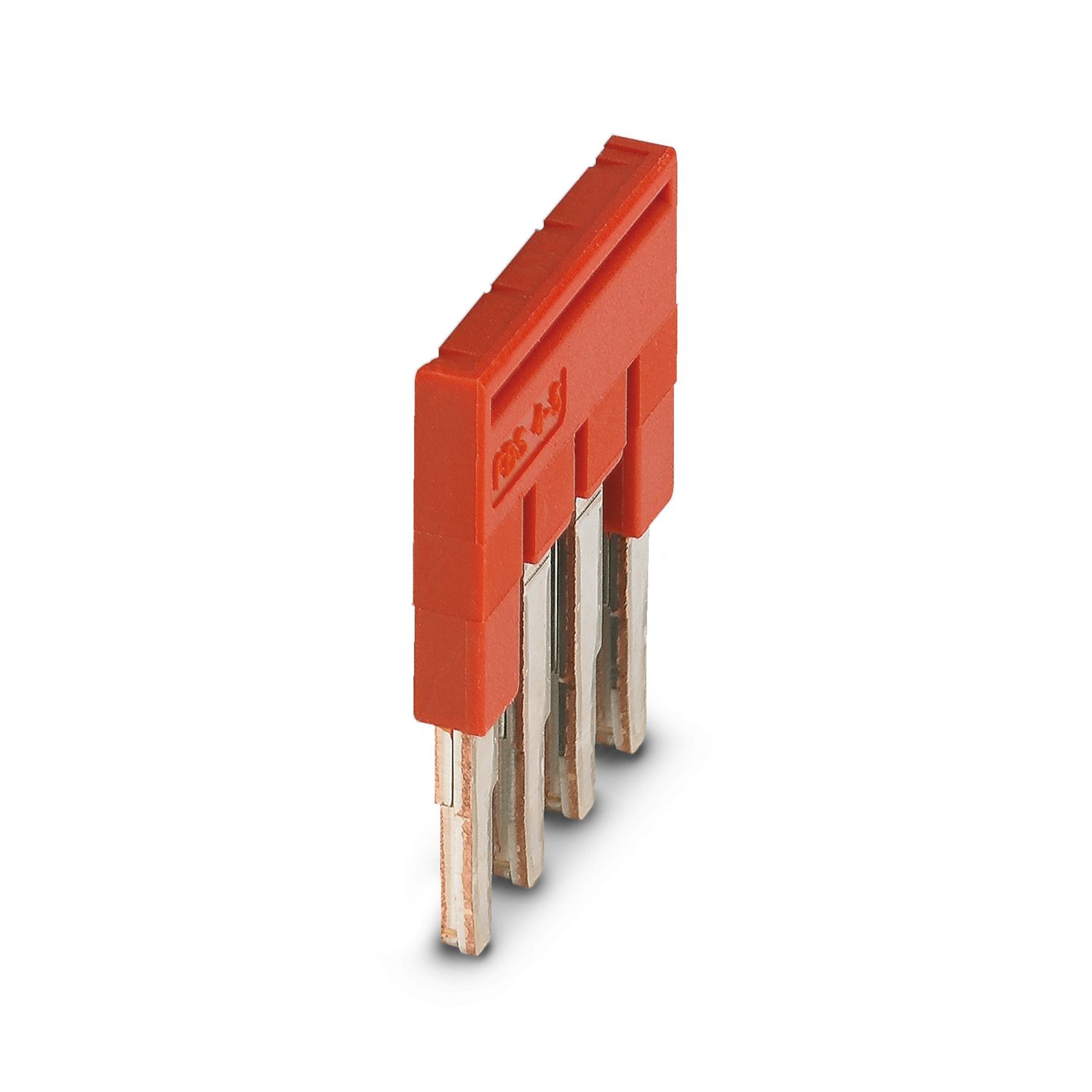
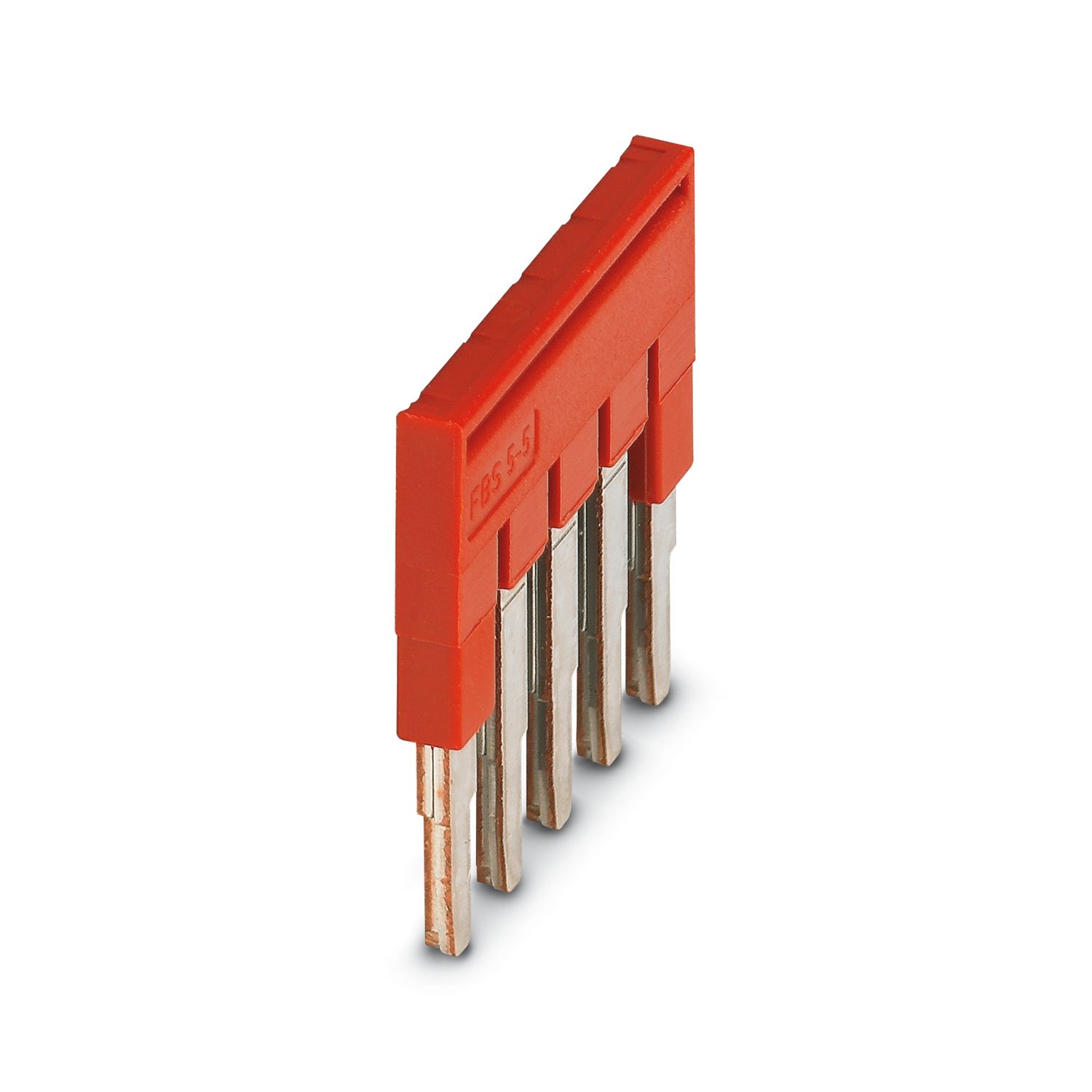
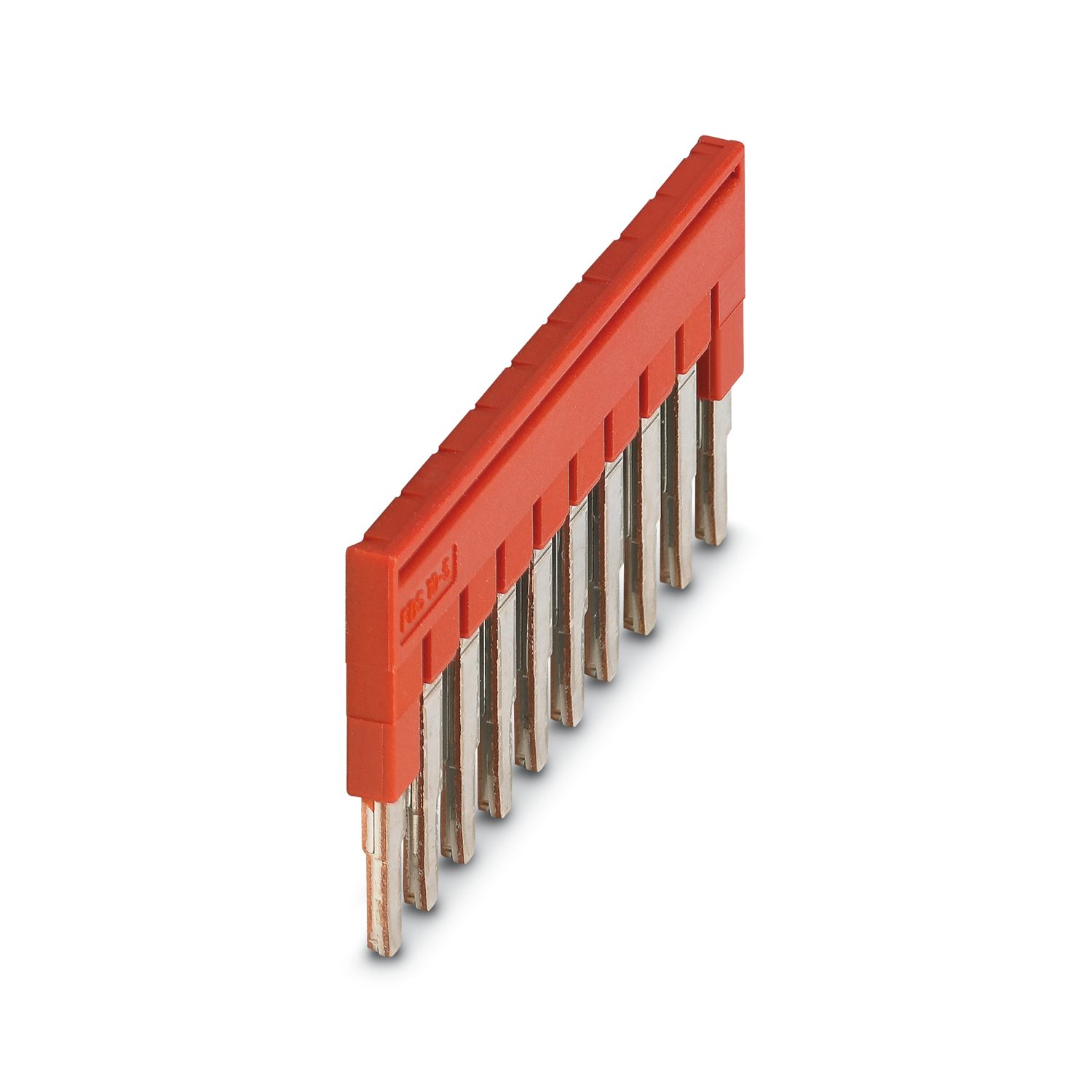
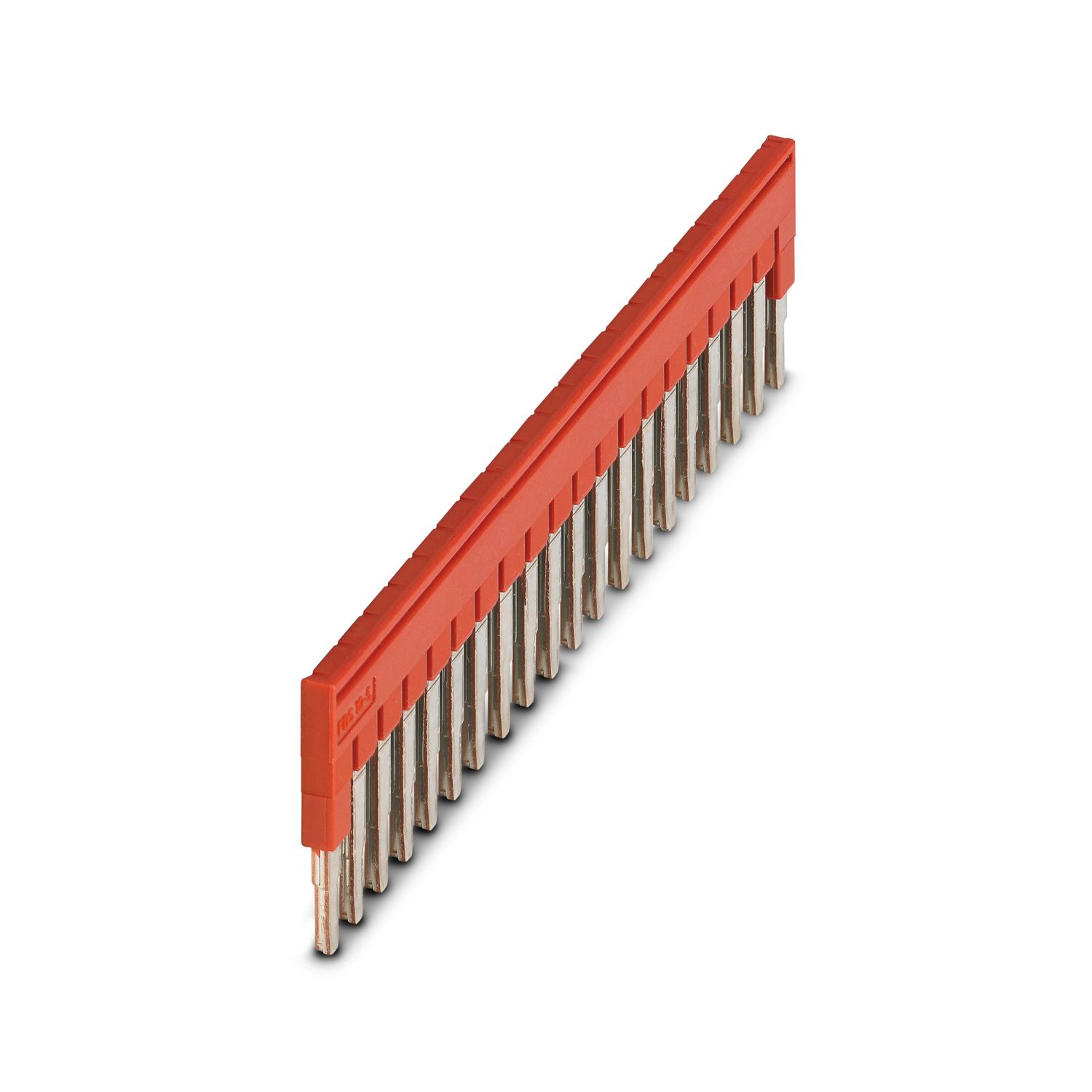
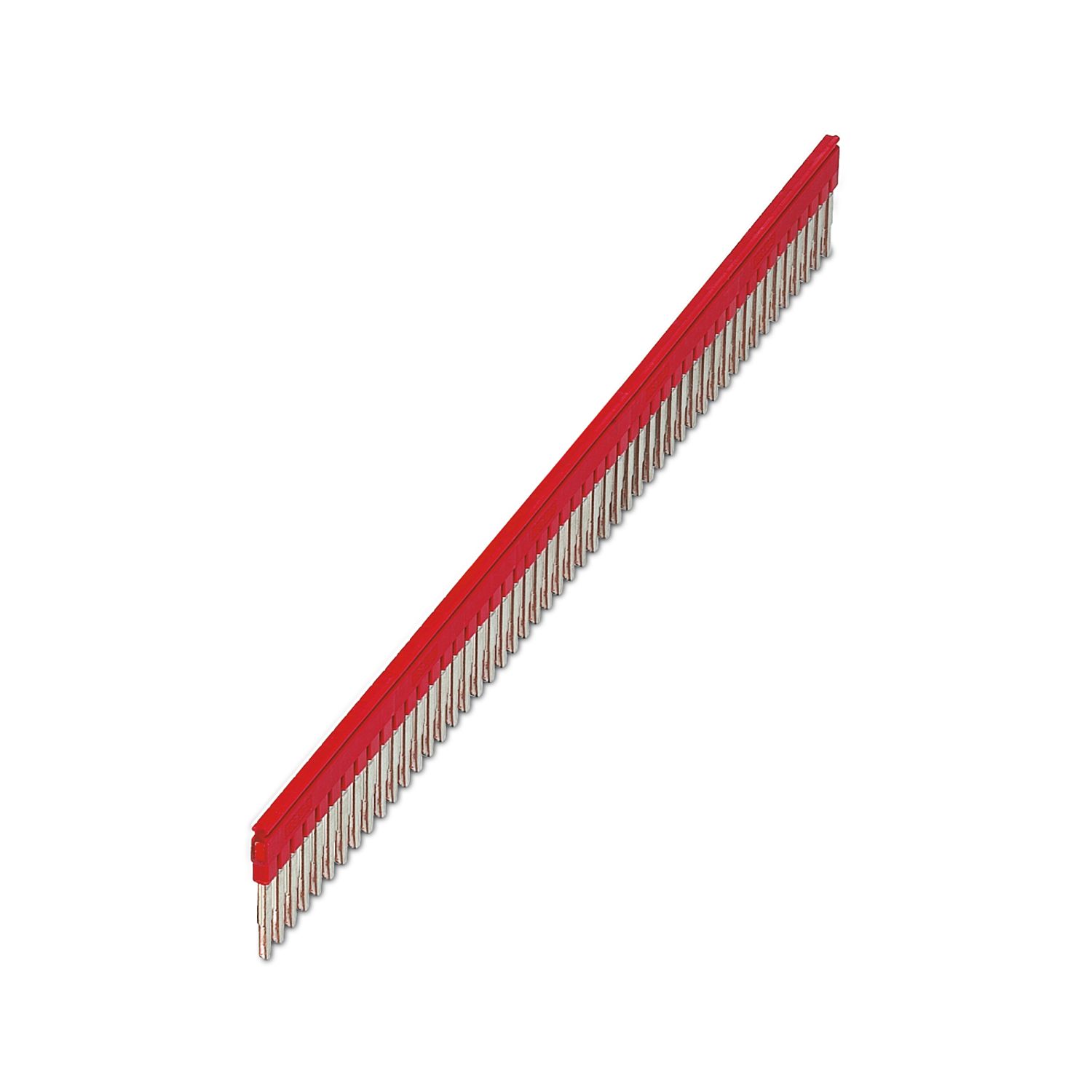
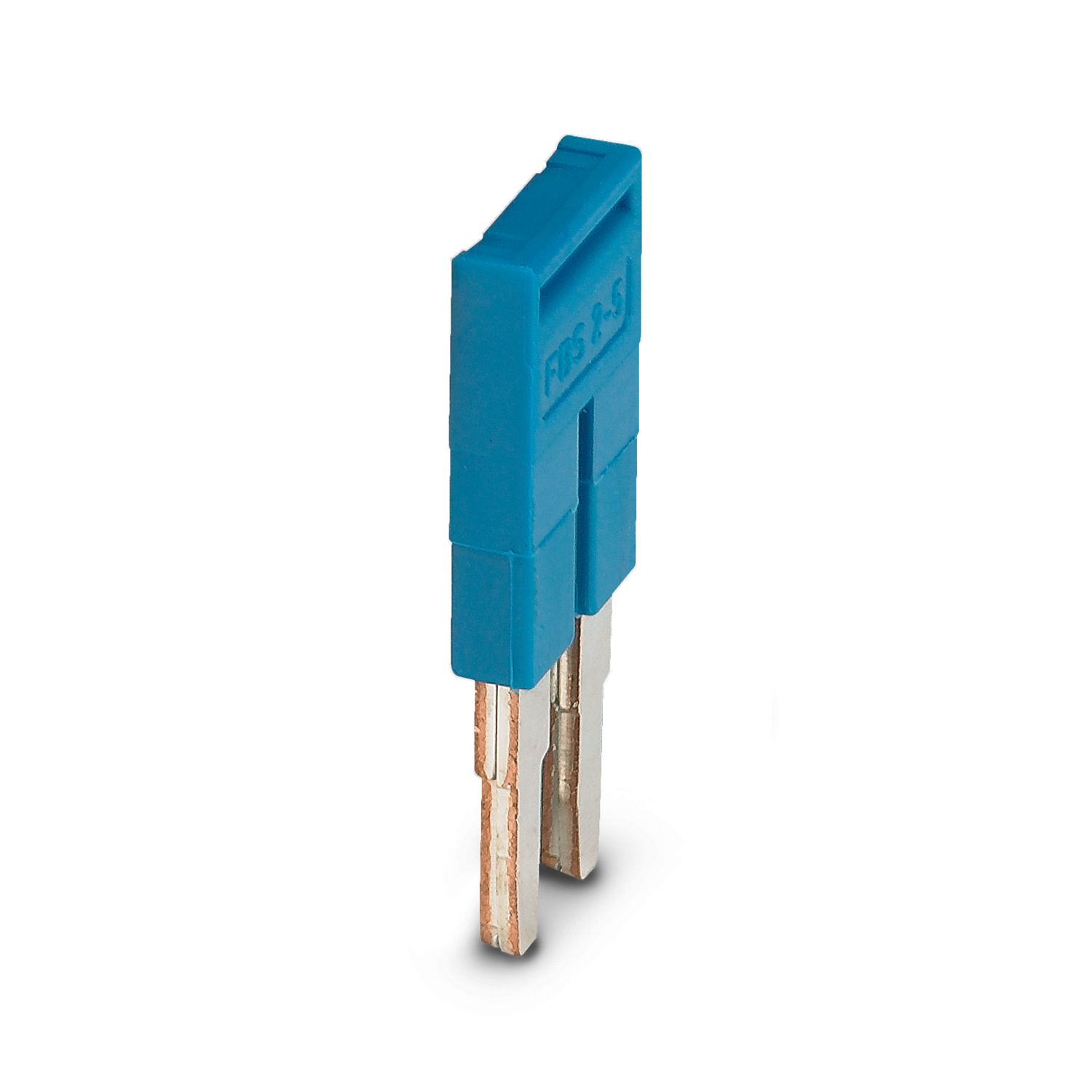
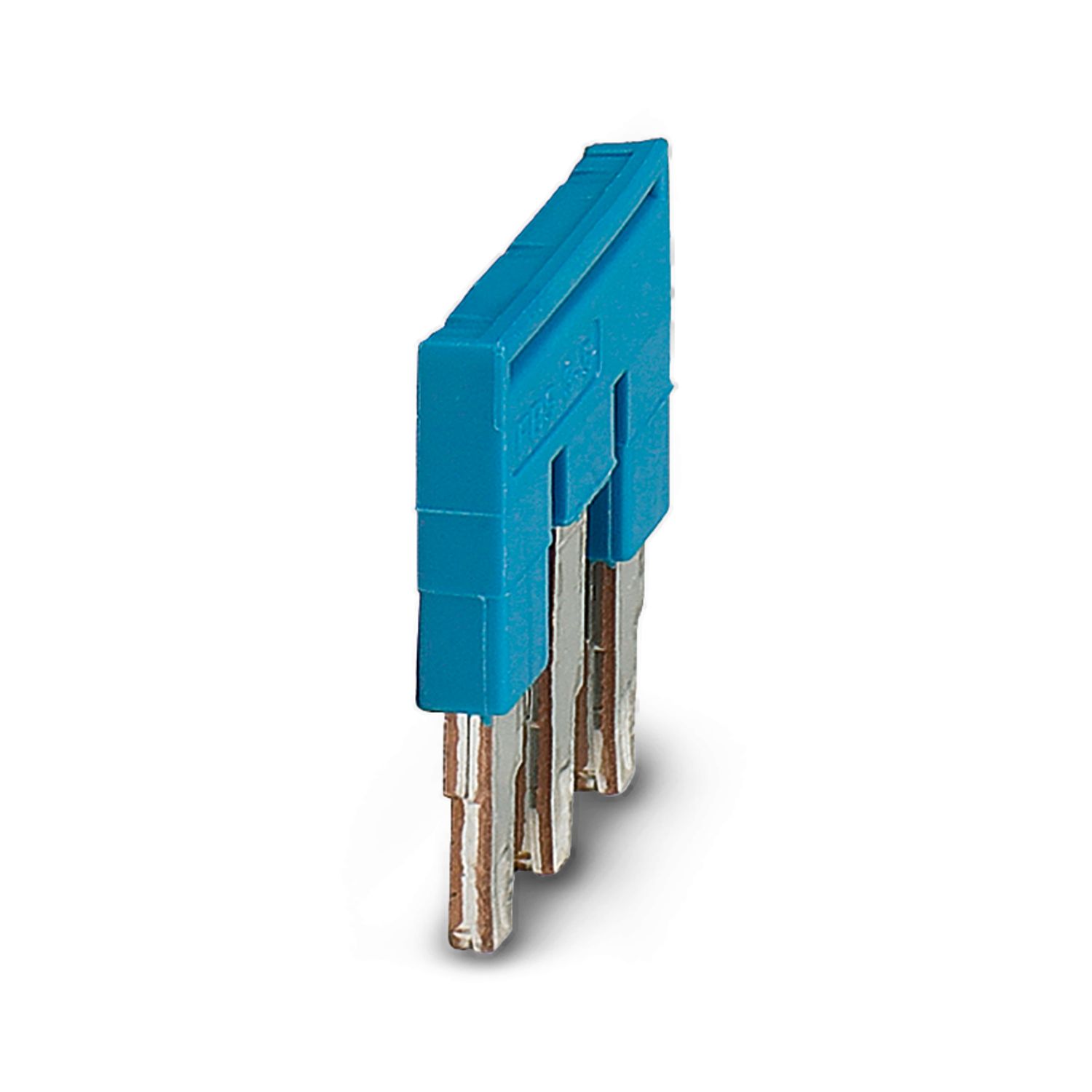
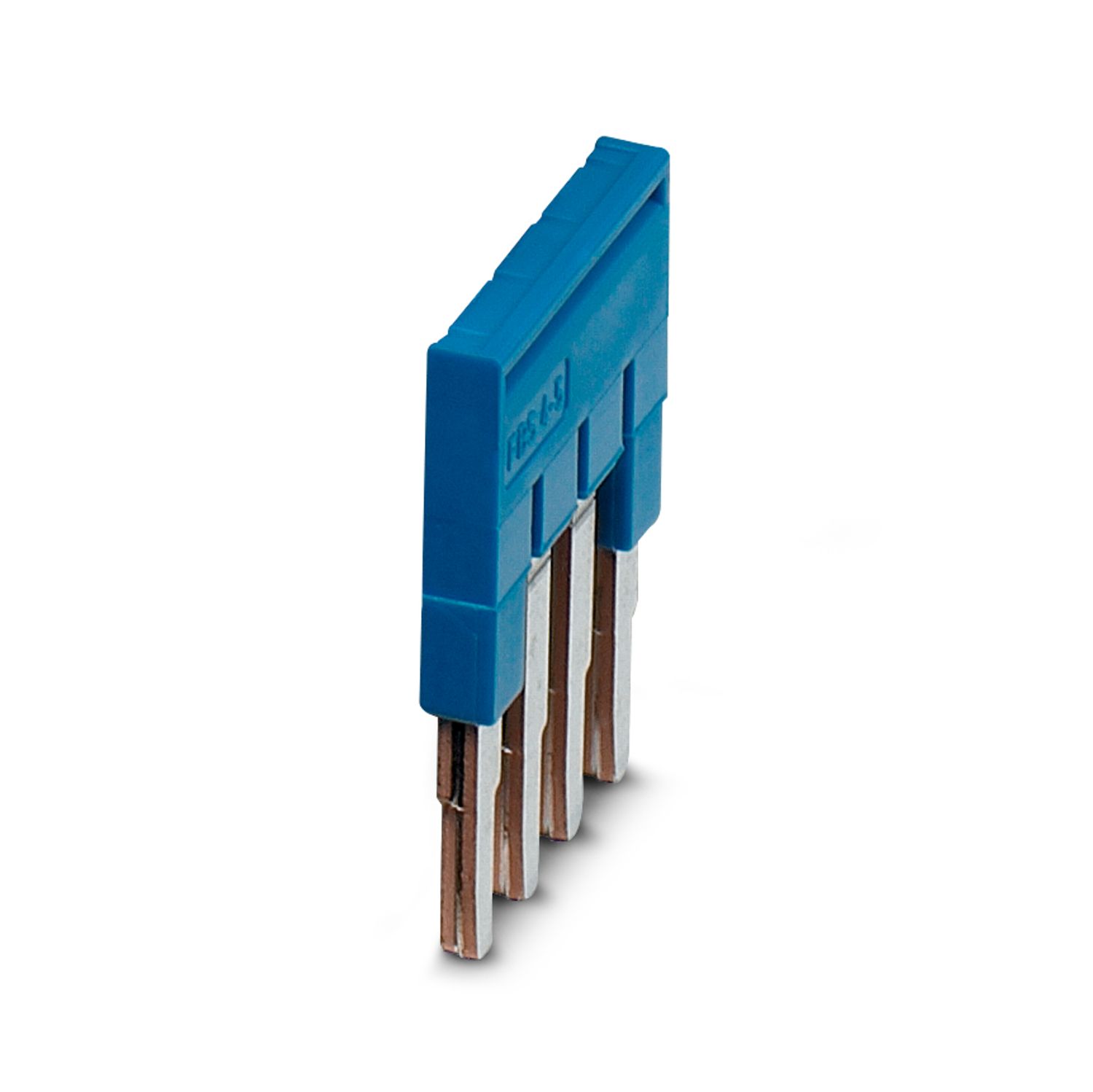
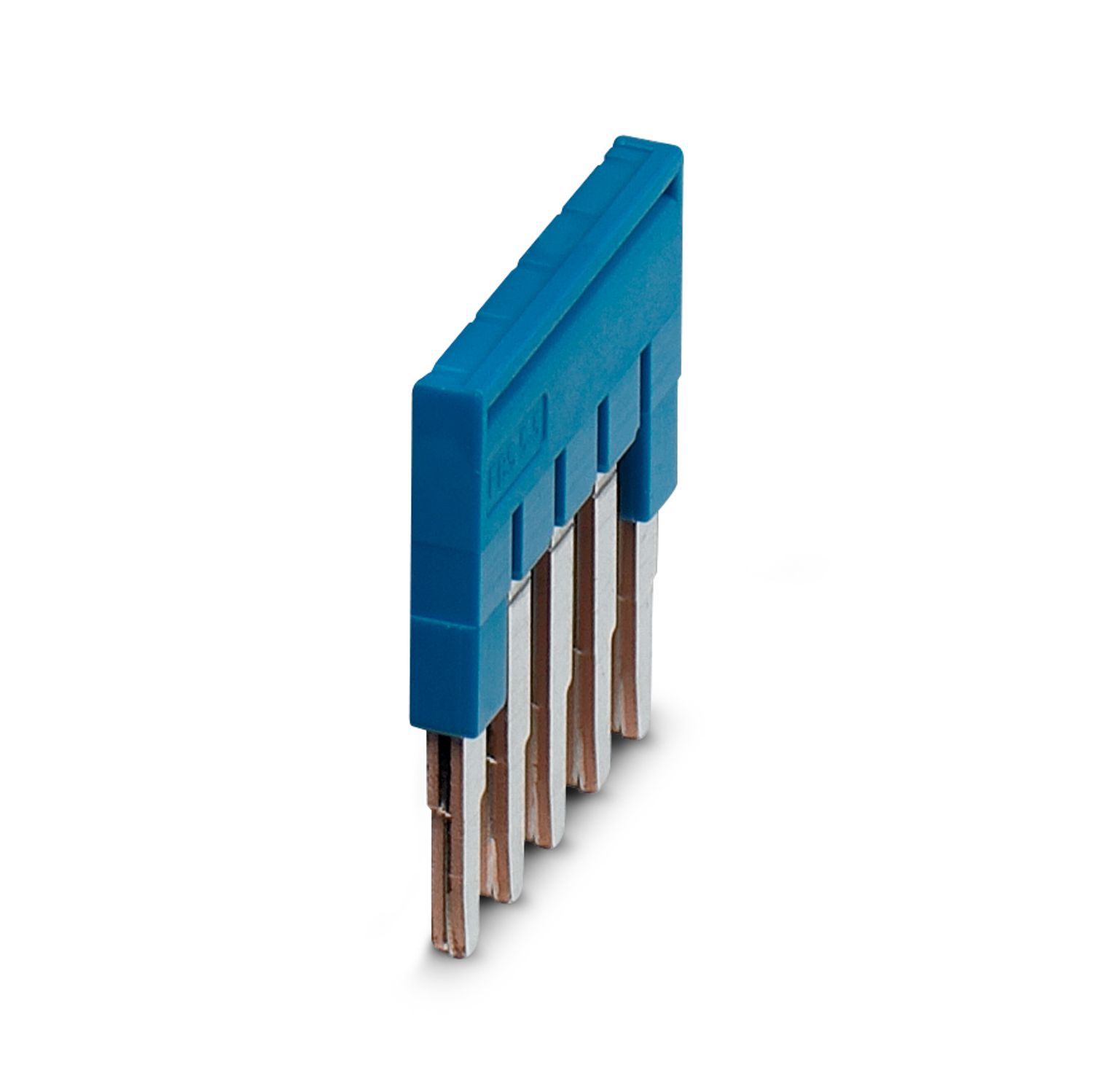
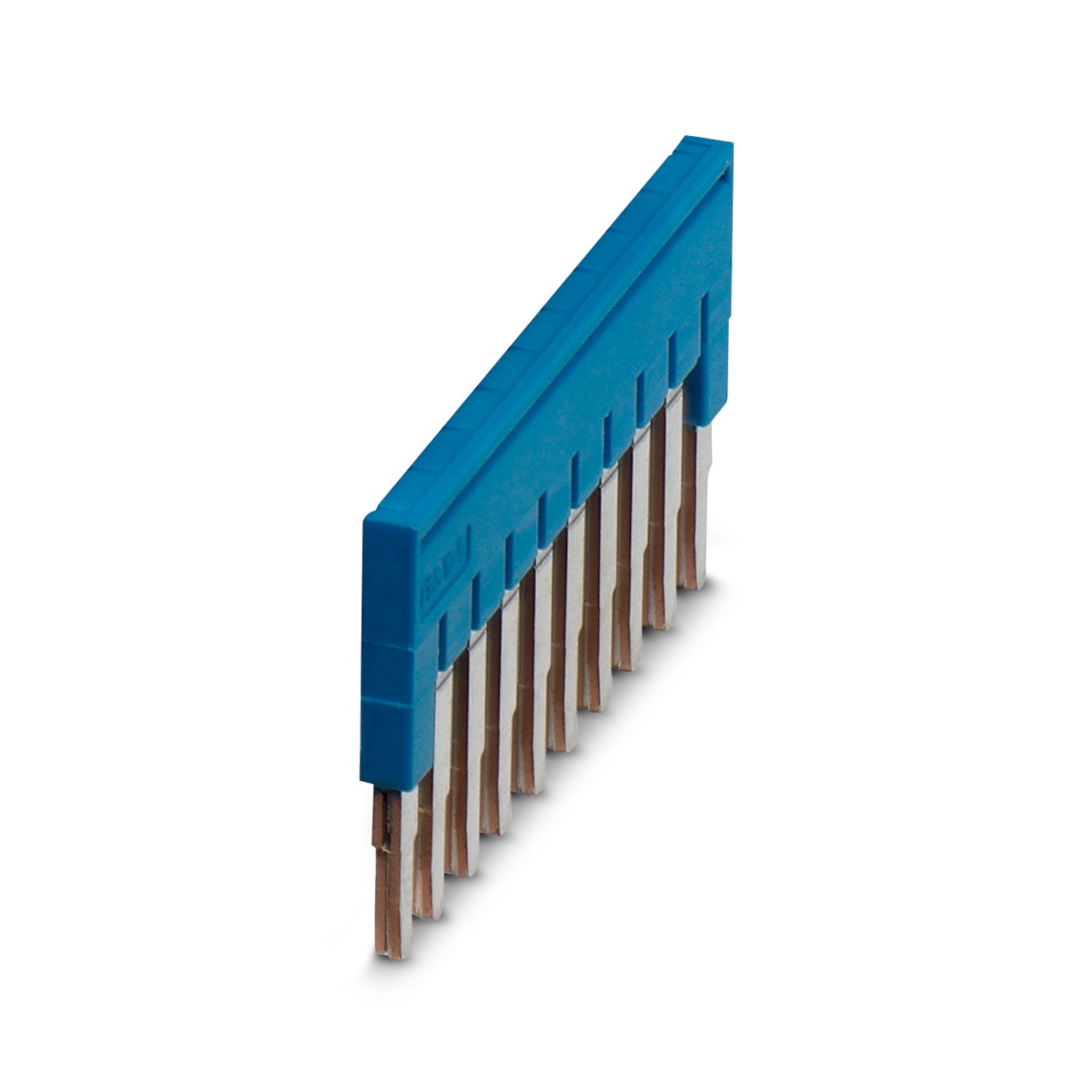
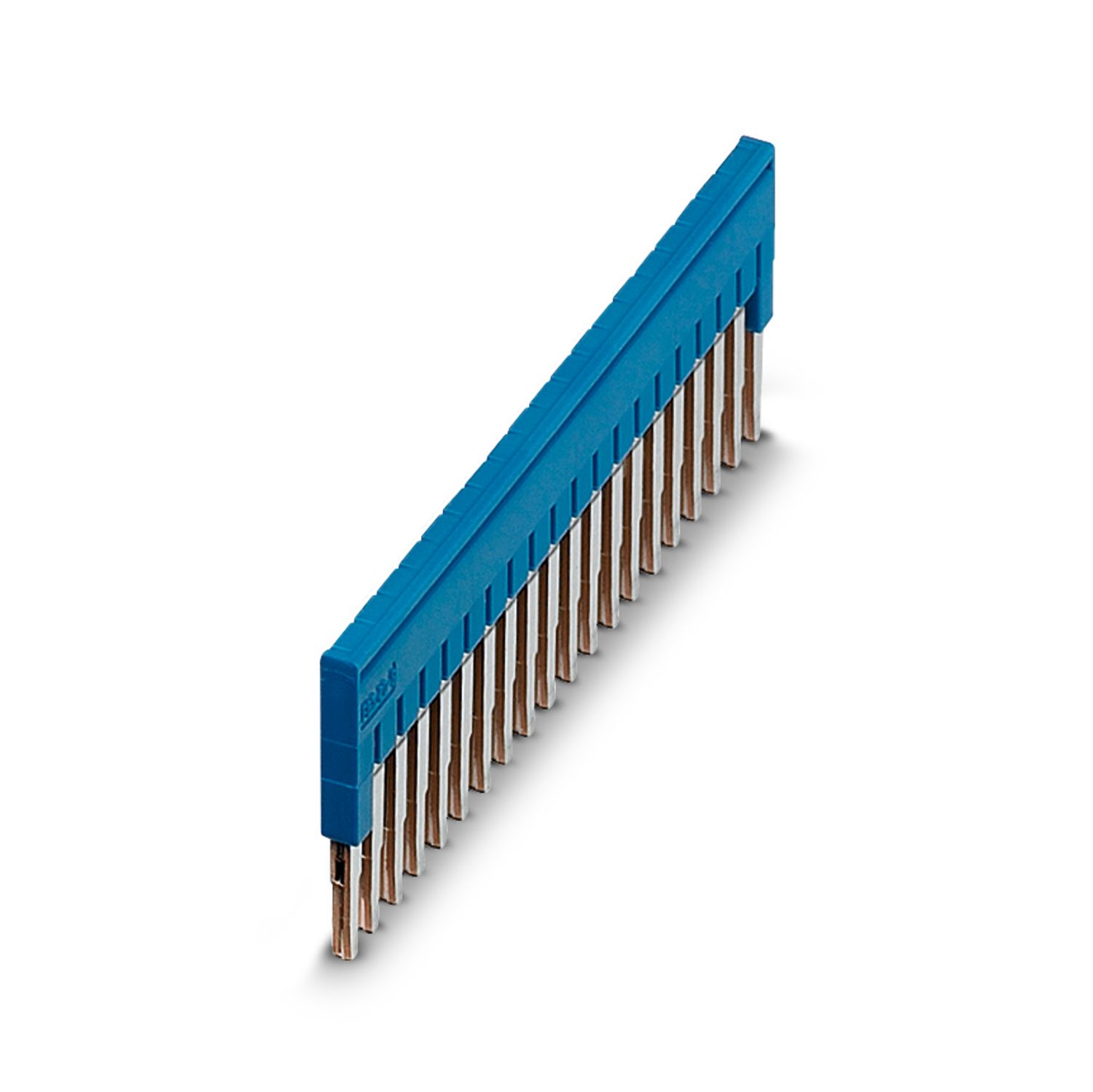
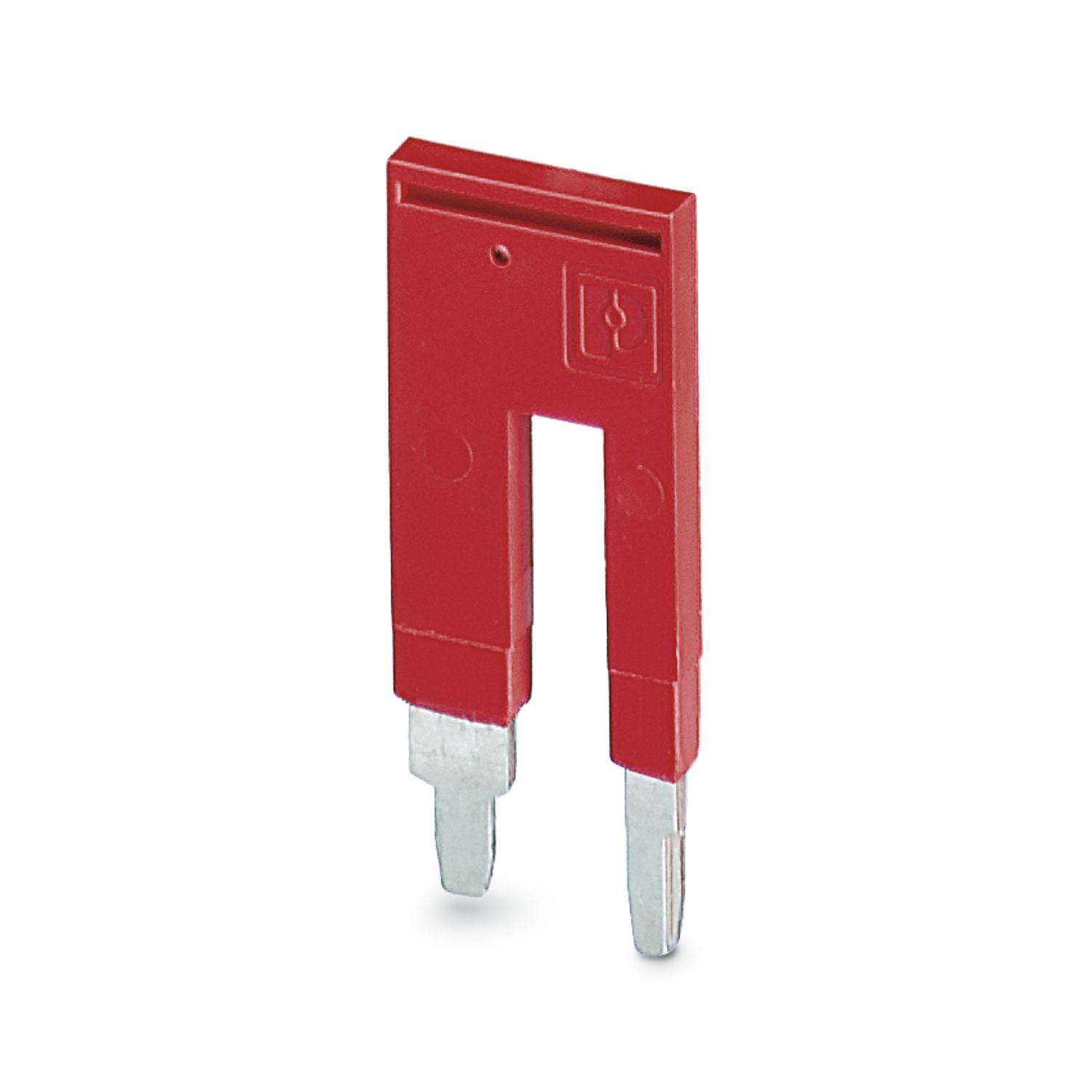
Applikationen einfach aufbauen, da brückbar zu Reihenklemmenprogramm CLIPLINE complete
Mehr Platz im Schaltschrank: schmalster Schutz auf nur 6 mm Breite
Flexibler Einsatz und weniger Lagerhaltung, da pro Gerät einstellbare Stromwerte für verschiedenste Anwendungen
Häufig gestellte Fragen
Gibt es ein Hardware-Tutorial, das die Funktionen des PTCB erklärt?
Ja, es gibt ein Hardware-Tutorial, das den Einstieg in den PTCB erleichtert.... Mehr anzeigen
Ja, es gibt ein Hardware-Tutorial, das den Einstieg in den PTCB erleichtert.
Weniger anzeigenWie wird der Nennstrom eingestellt?
1. Starten Sie den Programmiermodus durch Drücken des LED-Tasters für > 2 Sekunden. Die LED stellt über einen gelben Blinkrhythmus den eingestellten Nennstrom dar, z. B. 4 x Blinken für 4 A.
2. Stellen Sie den gewünschten Nennstrom durch mehrma...
Mehr anzeigen
1. Starten Sie den Programmiermodus durch Drücken des LED-Tasters für > 2 Sekunden. Die LED stellt über einen gelben Blinkrhythmus den eingestellten Nennstrom dar, z. B. 4 x Blinken für 4 A.
2. Stellen Sie den gewünschten Nennstrom durch mehrmaliges Drücken des Tasters ein, z. B. 3 x für 3 A, anschließend wird dies durch 3 x Blinken angezeigt.
3. Um den neuen Stromwert zu bestätigen, drücken Sie den Kanal-Taster > 2 Sekunden.
Erfolgt keine Bestätigung, verlässt der Kanal den Programmiermodus nach 60 Sekunden.
Welche Signale bietet der PTCB?
Es gibt verschiedene Ausführungen des PTCB, mit 13-14 potenzialfreien Kontakten (NO/NO2) oder mit einer Kombination aus Reset-Eingang und Statusausgang (SI-R)
NO - potenzialfreier Remote-Kontakt 13-14
Dies zeigt den Status des PTCB an. Bei...
Mehr anzeigen
Es gibt verschiedene Ausführungen des PTCB, mit 13-14 potenzialfreien Kontakten (NO/NO2) oder mit einer Kombination aus Reset-Eingang und Statusausgang (SI-R)
NO - potenzialfreier Remote-Kontakt 13-14
Dies zeigt den Status des PTCB an. Bei einer Fehlerabschaltung gibt er eine Meldung aus.
geschlossen = es gibt keinen Fehler
offen = es gibt eine Fehlerabschaltung
Beim NO2 wird der Kontakt auch geöffnet, wenn der Kanal manuell abgeschaltet wird.
SI - Statusausgang
Potenzialgebundenes Statussignal, das den inversen Status des PTCB widerspiegelt. Bei einer Fehlerabschaltung gibt er eine Meldung aus.
High (24 V) = es gibt eine Fehlerabschaltung
Low (0 V) = es gibt keinen Fehler
Maximaler Strom 20 mA
RST - Reset-Eingang
Der durch einen Fehler abgeschaltete Kanal wird über eine fallende Flanke wieder eingeschaltet.
Wie hoch ist der maximale Strom für einen Kurzschluss?
Der maximale Strom hängt vom verfügbaren Strom ab, den das Netzteil im Kurzschlussfall liefern kann, sowie von der Art des Kurzschlusses. Der Strom wird nicht durch den PTCB begrenzt.
Wie viele PTCBs können gebrückt werden?
Die Begrenzung der Anzahl der PTCBs, die gebrückt werden können, wird nicht durch die PTCBs, sondern durch die Brücken bestimmt. Die Brücken können einen maximalen Strom von 32 A tragen und die größte Brücke hat 50 Pole. Bei entsprechendem Strom könn... Mehr anzeigen
Die Begrenzung der Anzahl der PTCBs, die gebrückt werden können, wird nicht durch die PTCBs, sondern durch die Brücken bestimmt. Die Brücken können einen maximalen Strom von 32 A tragen und die größte Brücke hat 50 Pole. Bei entsprechendem Strom können daher bis zu 50 PTCBs gebrückt werden.
Weniger anzeigenMit welchen Klemmen ist der PTCB kompatibel?
Der PTCB ist mit dem gesamten CLIPLINE complete Portfolio kompatibel, sodass je nach Anforderung eine entsprechende Klemme eingesetzt werden kann. Die entsprechenden Brücken sind ebenfalls Teil des CLIPLINE complete Klemmenportfolios. Eine Auswahl ko... Mehr anzeigen
Der PTCB ist mit dem gesamten CLIPLINE complete Portfolio kompatibel, sodass je nach Anforderung eine entsprechende Klemme eingesetzt werden kann. Die entsprechenden Brücken sind ebenfalls Teil des CLIPLINE complete Klemmenportfolios. Eine Auswahl kompatibler Produkte (und zugehöriger Brücken) finden Sie unter der Registerkarte Zubehör auf der Produktseite.
Weniger anzeigen